Two stations for neat two-colour product branding
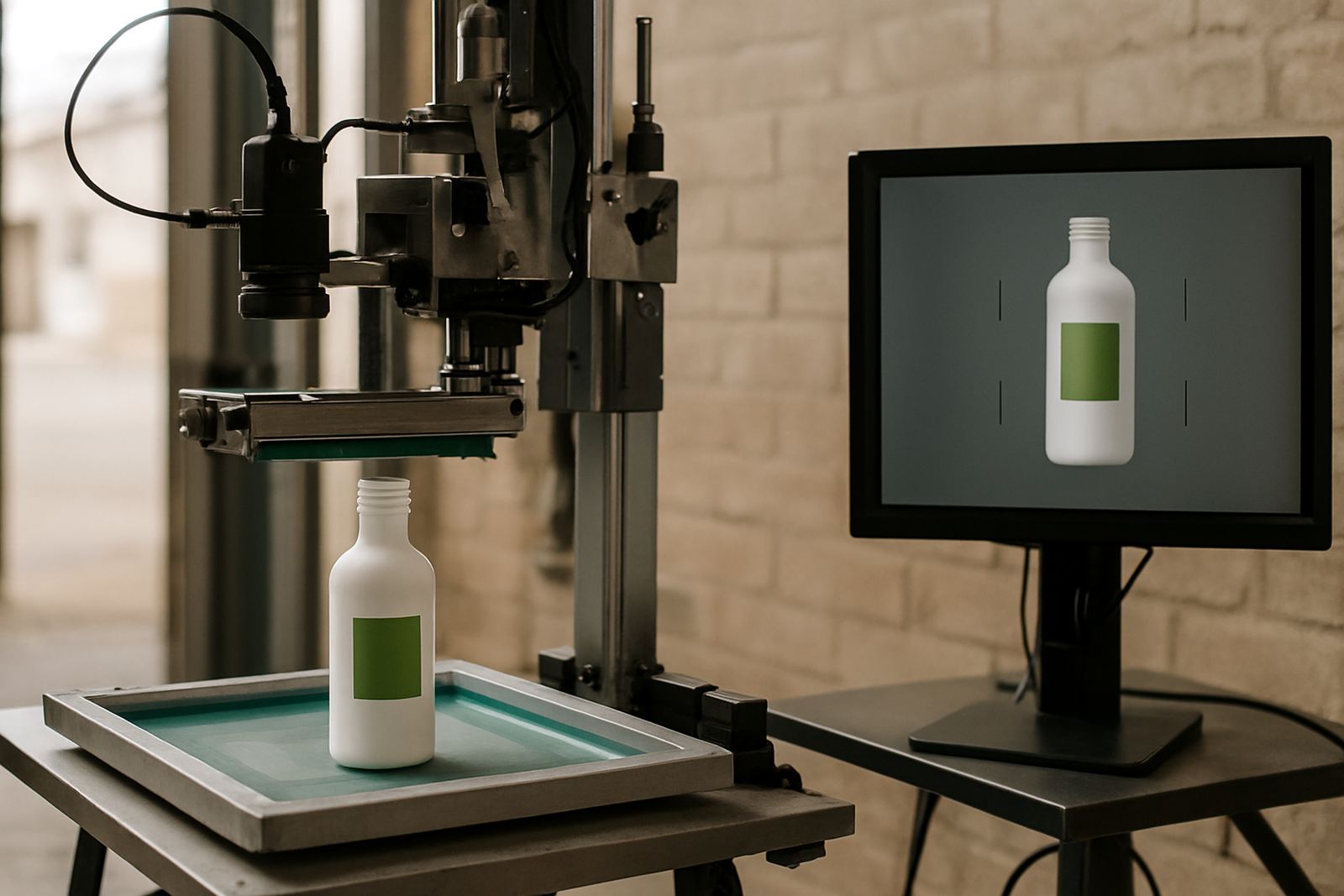
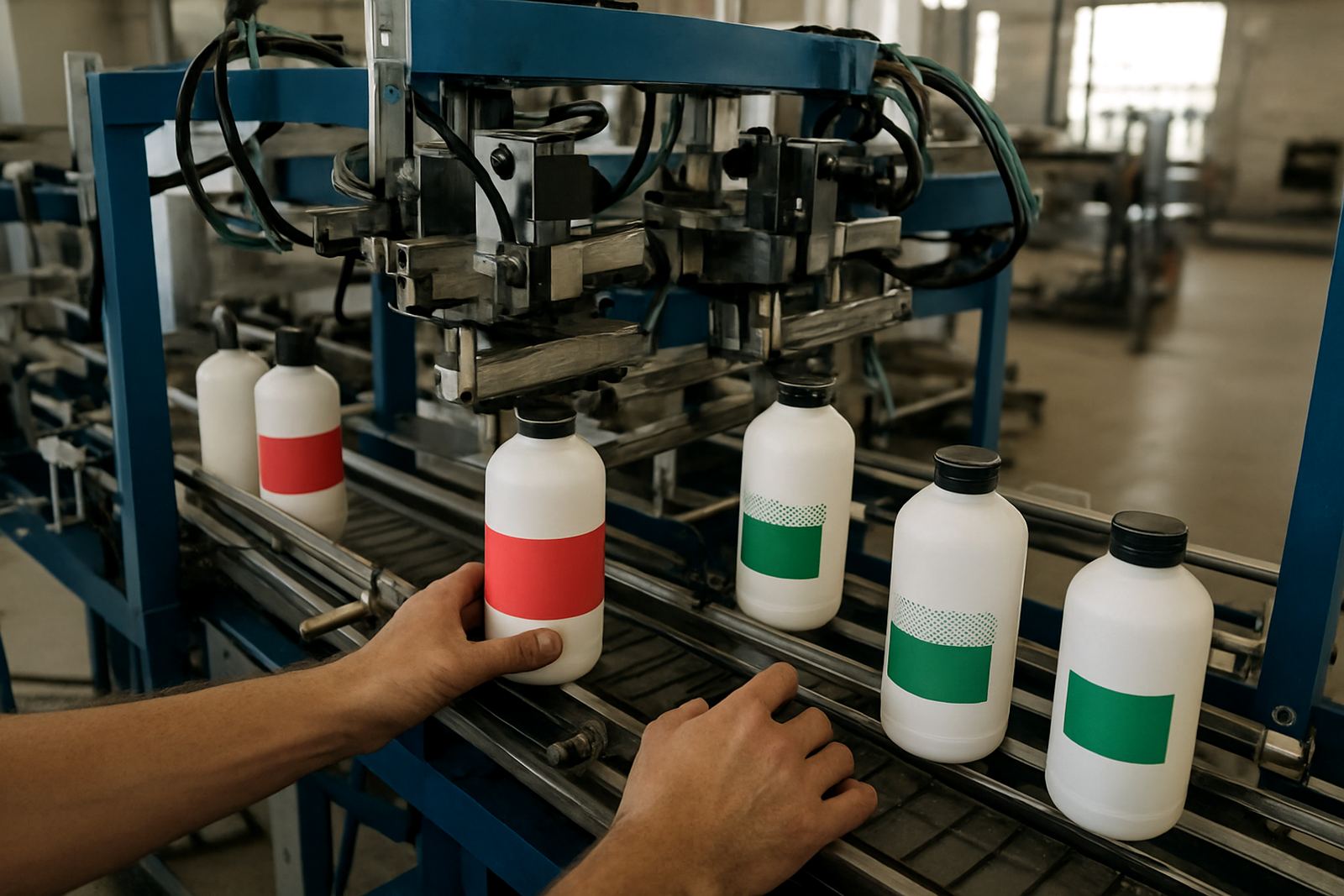
The Two Colour Line is built for cylindrical screen printing where one colour alone is not enough. With two print stations, the operator can apply a first colour, then index the product into the second station for the next colour or a second pass. That makes it suitable for product ranges that need a cleaner logo, extra product detail, or a stronger shelf presence.
For many South African businesses, this type of machine sits in the sweet spot between manual work and larger automatic lines. It gives better control than hand printing and still keeps running costs manageable. If you are printing on plastic bottles for promo use, aluminium cups for events, or tubes for cosmetics and toiletries, the two-station layout can handle short runs and recurring orders with steady repeatability.
The frame and setup are designed for workshop use in places like Aeroton, Midrand, Pretoria and Durban where small production teams need equipment that can keep moving through the week without a lot of fuss.
Where the two-colour line fits best
This machine suits businesses that need more than plain one-colour identification but do not yet need a full high-volume carousel. It is often chosen by packaging printers, promotional product suppliers, contract decorators and in-house manufacturers who want better control over bottle presentation. The line is also useful for seasonal orders where artwork changes often and batch sizes can move from a few hundred units to several thousand.
In South Africa, many jobs also depend on weather and site conditions. Coastal humidity in Durban or Cape Town can affect drying times, while heat in Gauteng can change ink behaviour during a shift. A two-station line helps keep the process organised, especially where the operator needs to manage flash drying, cure times and colour alignment without losing production rhythm.
- Plastic bottles for cosmetics, cleaning products and beverages
- Tubes for creams, gels, ointments and personal care products
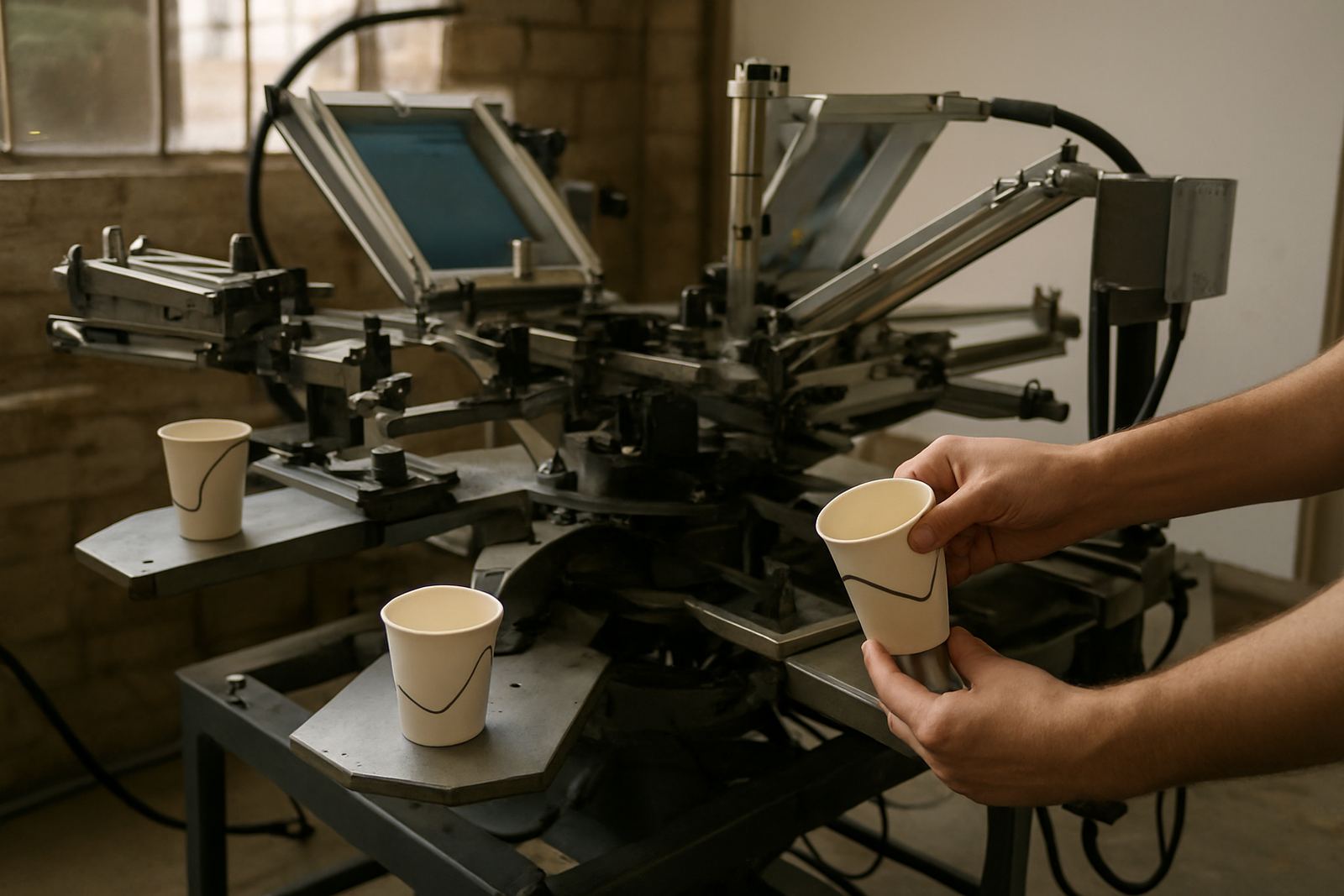
- Cups and drinkware for events, hospitality and retail packs
- Sample containers, squeeze tubes and limited-edition packaging
It is not the right choice for every job, and that is worth stating upfront. If you need very fast output on large volumes all day, a higher-capacity system may be more suitable. But for businesses wanting solid print quality, practical changeovers and lower training pressure, this line makes good sense.
Sizes, options and setup choices
The two-colour line can be specified to suit different container diameters and product lengths. When ordering, the most important thing is the size range of the items you print every week. Bottle bodies, cup diameters and tube lengths all need to be checked against the machine tooling so the container sits correctly and the artwork lands in the right position.
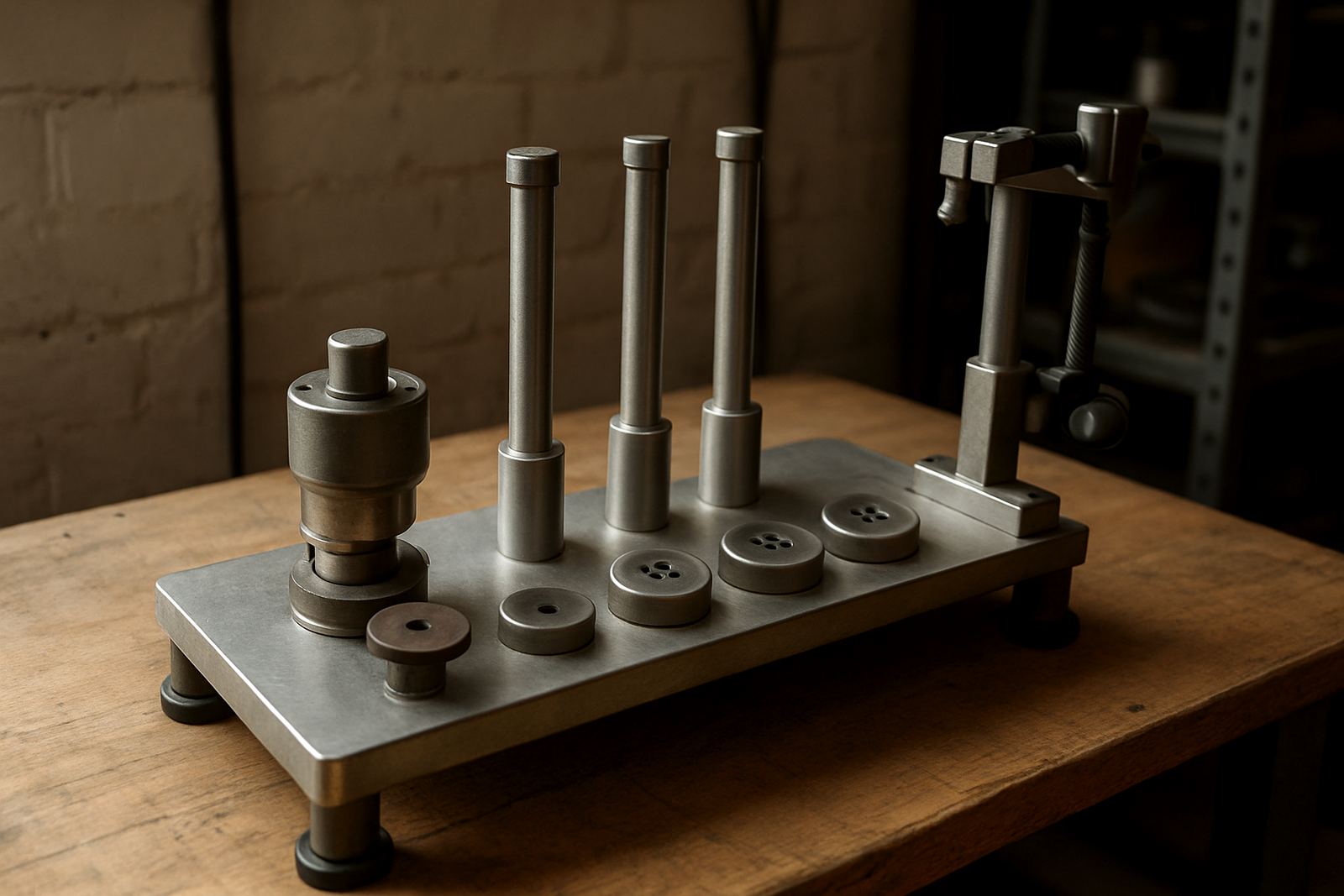
Options often include interchangeable fixtures, print heads matched to the product size, adjustable product carriers and registration aids for colour-to-colour alignment. Where needed, the machine can be set up for a mix of standard straight-wall items and light taper depending on the job mix. If your team prints multiple SKUs, ask for changeover details so you know how long it takes to move from one product size to the next.
- Product diameter range needs to be matched to the tooling
- Print length and artwork area should be confirmed before order
- Fixtures can be set for bottles, cups or tubes depending on use
- Ask about manual or assisted indexing for your production volume
Do not guess on measurements. A few millimetres can make the difference between a job that runs smoothly and one that gives repeated registration faults, and that quickly becomes a problem on a busy floor.
Power, air and floor space requirements
Before ordering, check the site basics. This type of line normally needs a level floor, enough space for loading and unloading, and stable power supply. If your workshop is in an area with load-shedding, it is wise to plan for backup power or production scheduling around outage times so inks do not sit half-cured or containers do not queue up mid-run.
Some installations also need compressed air depending on the configuration and the support equipment used on site. If you already run other finishing machines, tell us what you have so the setup can be planned properly. A clean, dry air supply helps prevent printing faults and keeps movement parts operating as they should.
- Stable single-phase or three-phase supply, depending on the machine build
- Compressed air may be required for certain functions or accessories
- Allow enough clear space for feeding, curing and finished stock handling
- Keep the area dry and free of dust for better print quality
For coastal sites, corrosion control matters. Salt air can affect exposed parts if the machine is left open to the weather or stored in a poor room. In Gauteng, dust from busy industrial areas can also get into moving parts, so regular cleaning is part of the routine.
Maintenance, screen care and production support
The two-colour line will last longer and print better if it is kept clean and checked regularly. Screen tension, registration points, squeegee condition and product fixtures all need attention. Operators should also watch for ink build-up, solvent residue and small shifts in alignment, because those problems start small and can become expensive if ignored.
We support installations with machine installation, site setup, operator training, screen making, screen reclaiming, preventive maintenance, breakdown repairs, spares supply, colour setup help and production optimising. That matters for teams that do not have a full technical department on site. A machine is only as useful as the people running it, so training should cover changeovers, setup checks and day-to-day handling.
Many customers prefer a scheduled service plan rather than waiting for a fault. That is often the smarter route for businesses running weekly production, especially where orders are promised to retailers or event clients with fixed dates. A missed print run can cost more than the service call, easy as that.
What to check before you place the order
Before you commit, gather the product samples and job details. We need to know the exact container shape, diameter, print area, colour count and whether the items are glass, plastic, metal or coated. The more accurate the sample information, the better the setup recommendation. If your artwork uses fine text or tight registration, mention that too because it can affect screen preparation and tooling choice.
- Container material and surface finish
- Minimum and maximum diameter or product length
- Artwork size, colour count and registration tolerance
- Expected daily or weekly volume
- Power available at site and any backup plan for outages
For new users, it also helps to plan for operator training on the first install day rather than after production has already started. That saves time and avoids mistakes. If you are based in Johannesburg South, Pretoria, Midrand, Durban or Cape Town, we can plan the visit and site checks around your production dates.
When you send through your enquiry, include photos of the product and the work area. It makes quoting faster and helps us recommend the right line the first time, instead of changing the spec later and delaying the job.
Key facts
| Machine type | Two-station cylindrical screen-printing line |
|---|---|
| Print colours | 2 colour setup |
| Suitable products | Bottles, cups and tubes |
| Product range | Straight-wall and light taper items, subject to tooling |
| Power needs | Site dependent, confirm single-phase or three-phase supply |
| Support | Installation, training, maintenance and spares supplied nationwide |