


Choose the Right Cylindrical Printing Method
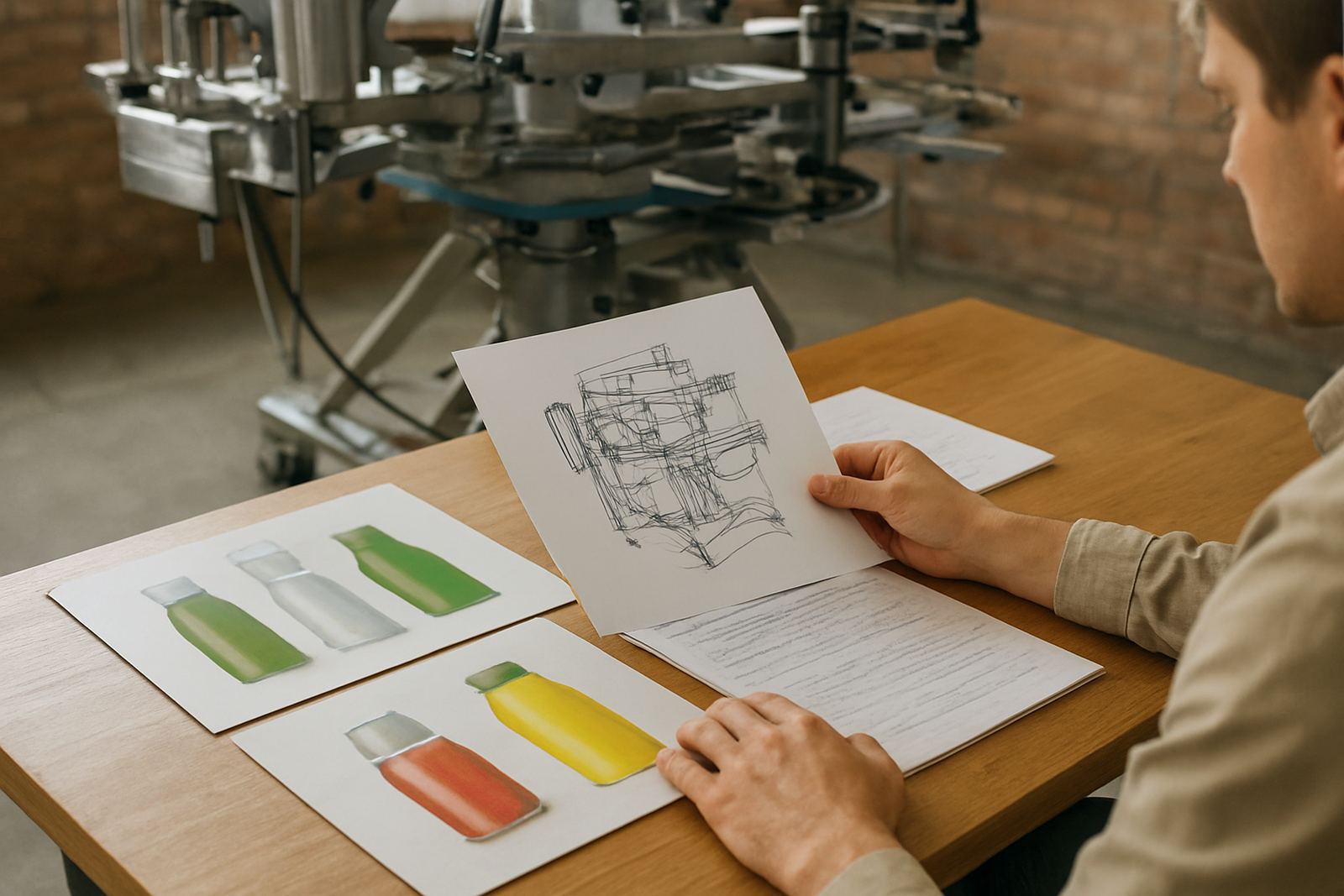
Not every bottle, cup or tube needs the same setup. A small promotional run for a sports club in Pretoria has different demands to a steady production line in Durban or Cape Town. The right guide should help you match the print method to the substrate, the artwork, and the volume you need to move each week.
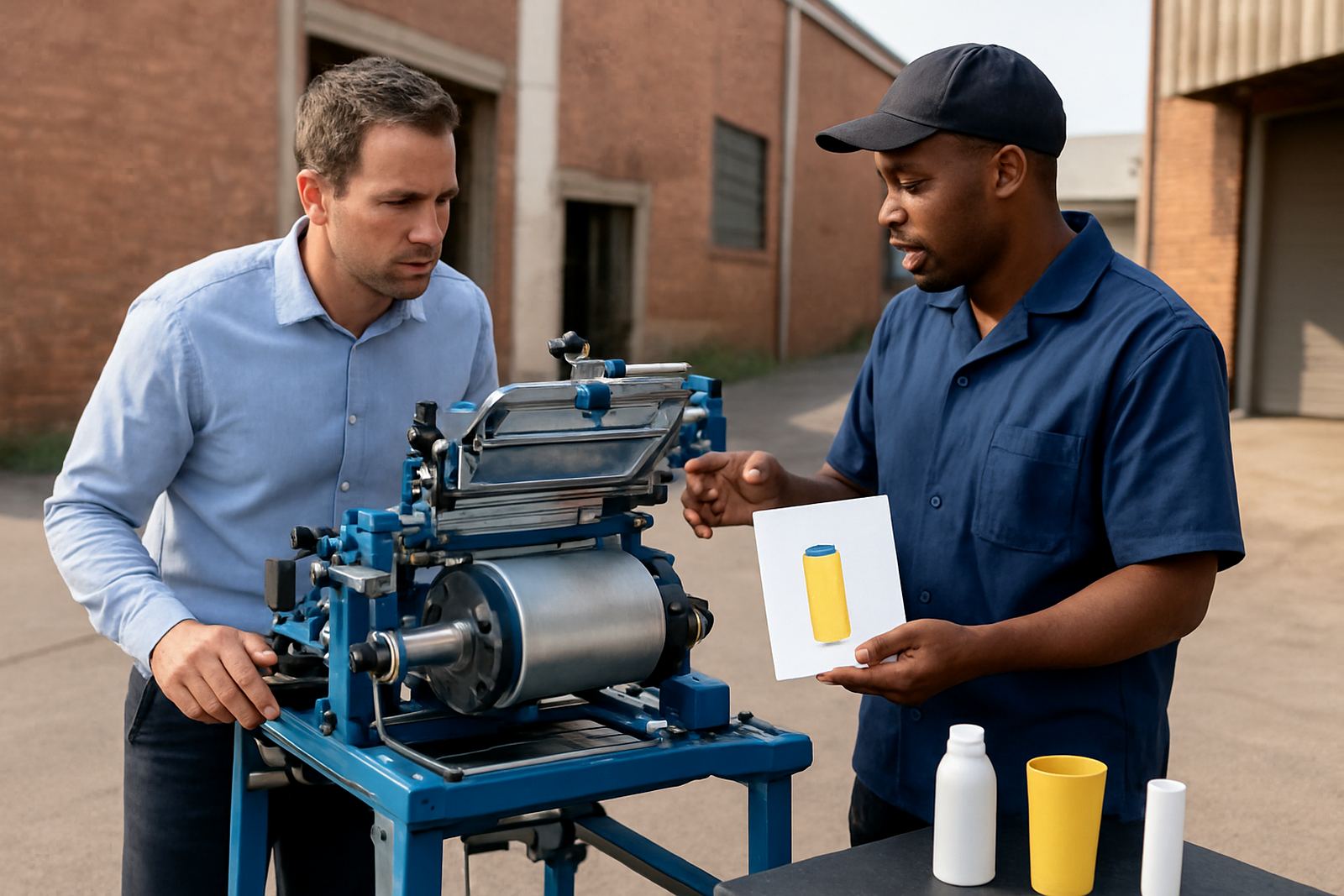
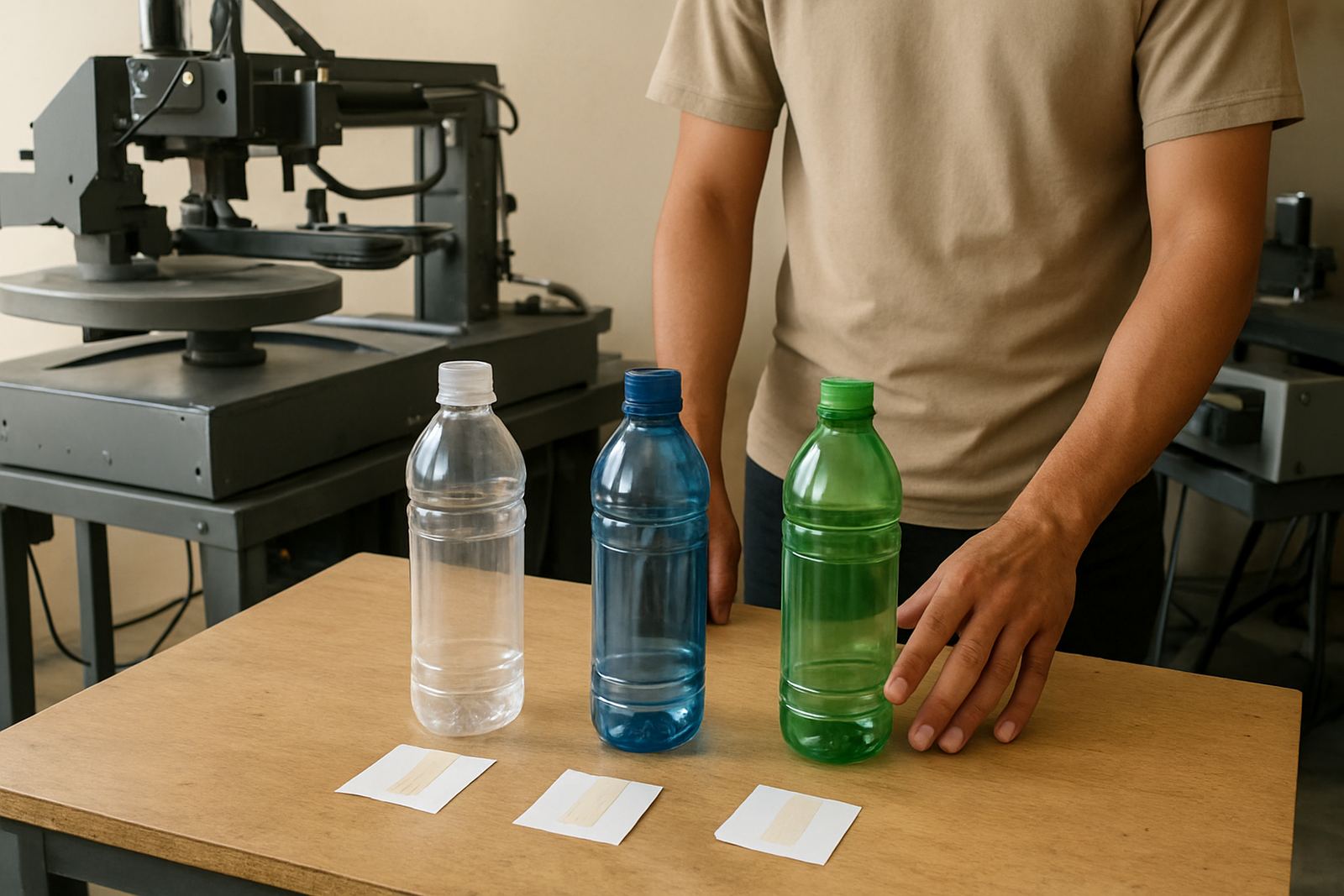
When you compare options, look at registration accuracy, repeatability, changeover time and how the machine handles curved surfaces. Ink choice matters too, especially for items that must resist handling, washing and transport. If you are printing on PET, glass, aluminium or coated tubes, the curing method and screen mesh can change the result more than many buyers expect.
- Short runs need quick setup and easy screen changes
- High-volume work needs stable registration and repeatable pressure
- Coated or curved items may need extra adhesion testing
- Coastal jobs in Durban or Cape Town should consider humidity and storage
What a Production Team Should Check Before Buying
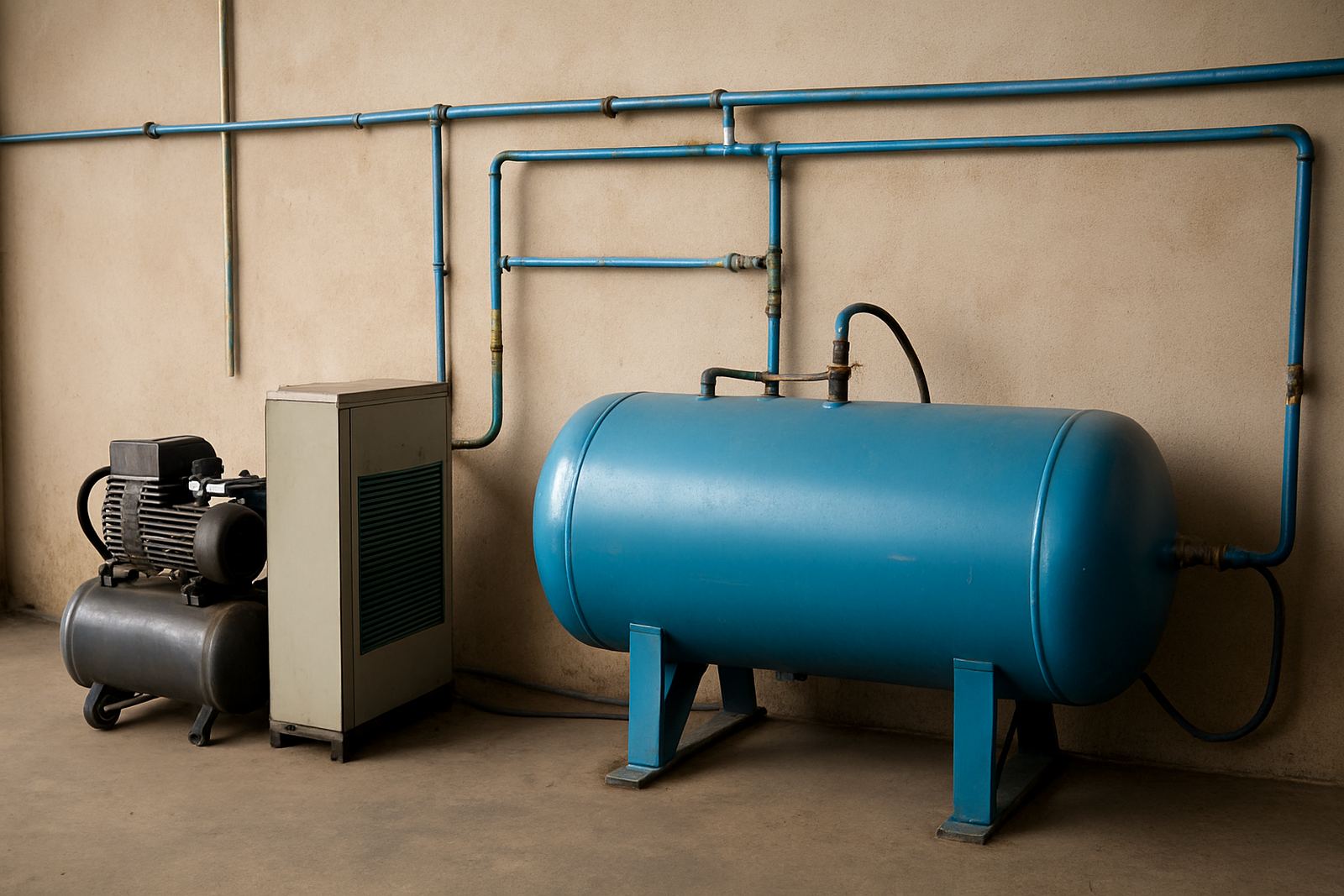
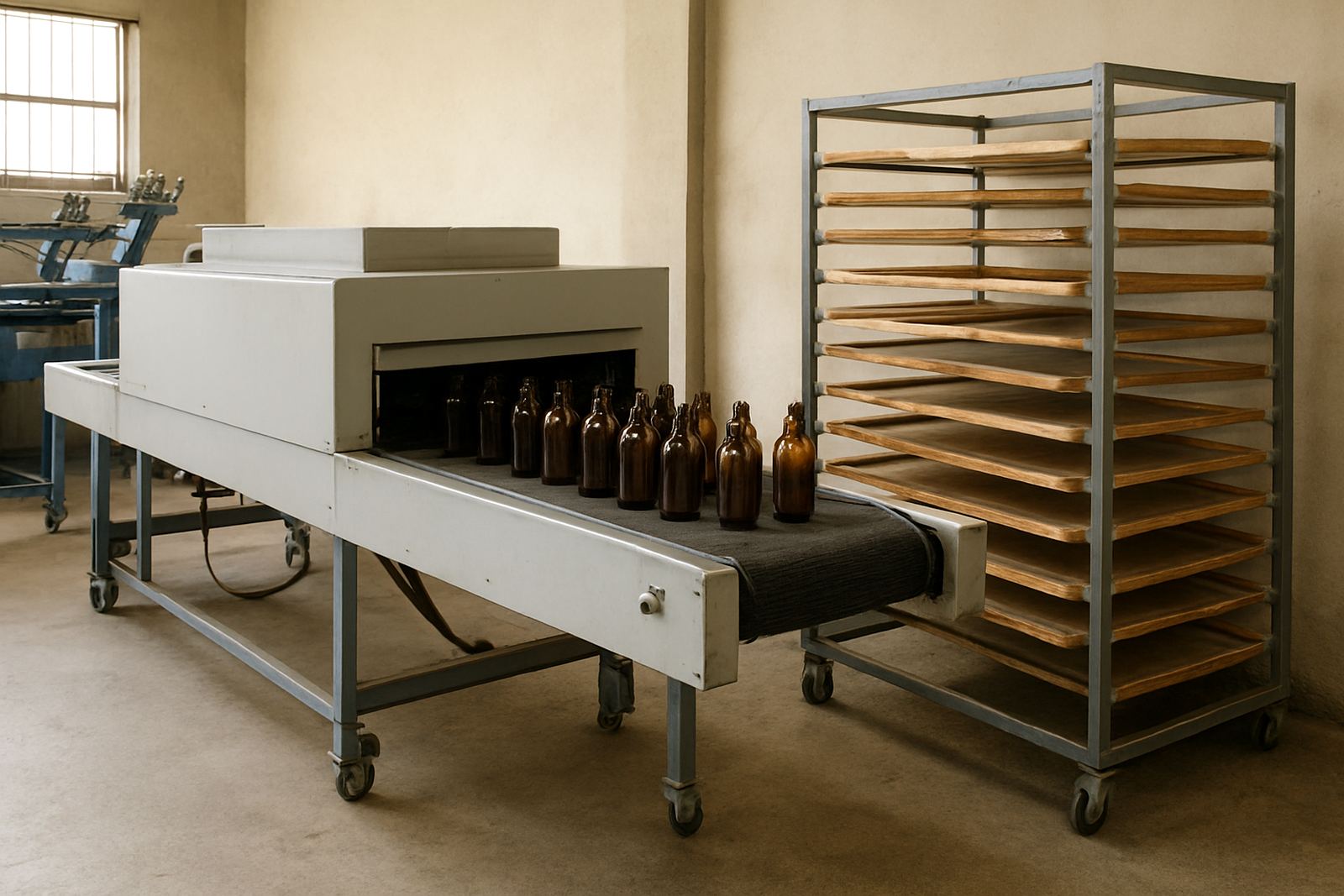
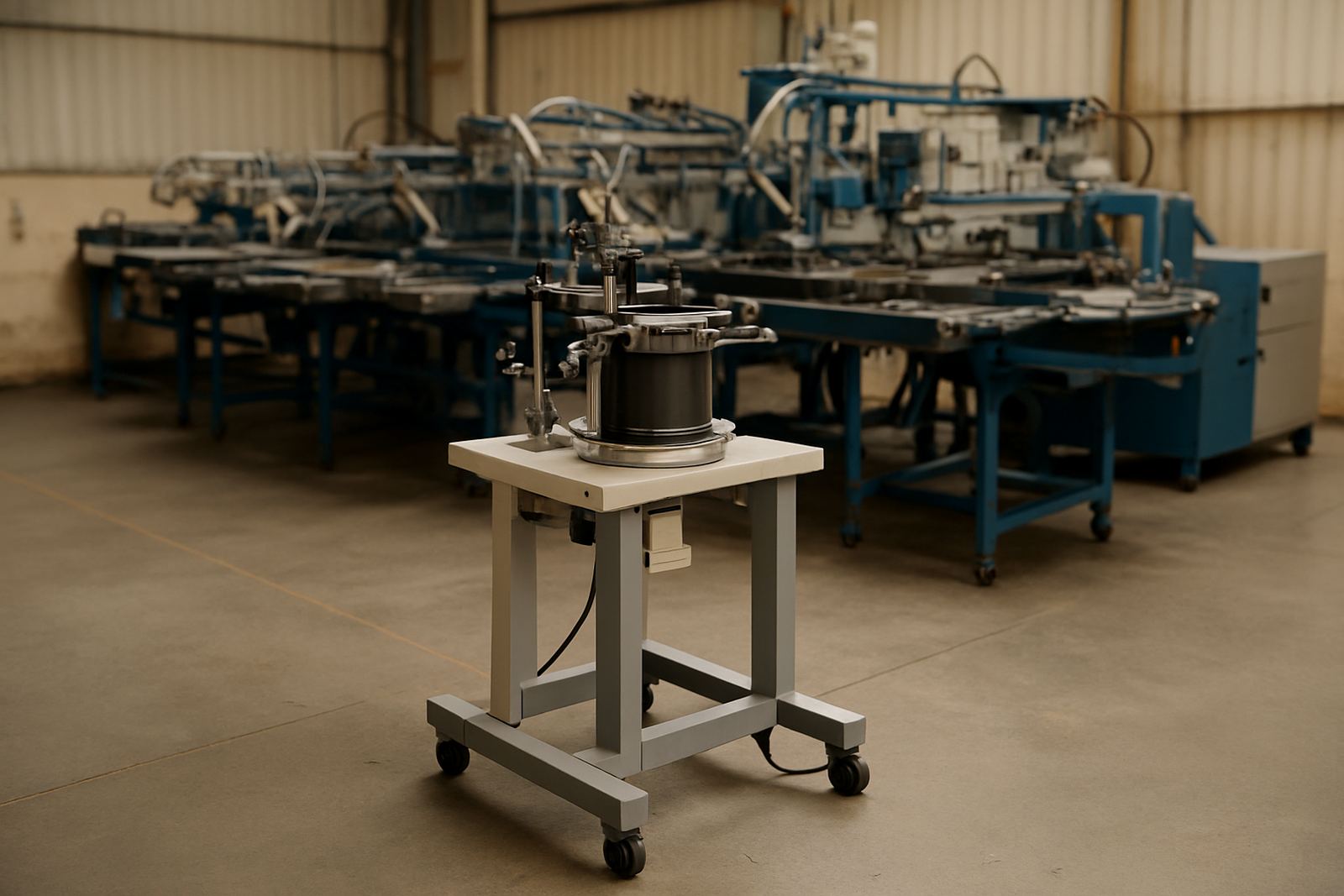
A machine is only part of the picture. Before buying, check floor space, power supply, air supply if needed, operator skill level and whether the line can keep pace with drying or curing. In Aeroton or Midrand space can be tight, so the footprint and access for loading matter. If you are working with municipal power cuts, plan how the unit restarts after interruptions and how long setup is lost when load-shedding hits.
Good buyers ask practical questions early. How wide is the print area, what bottle diameters can be handled, and how fast can a changeover happen without losing too many units? If your team prints different sizes in one shift, a machine that is easy to reset will save time and reduce waste.
- Measure the largest and smallest diameters you print
- Check available power and backup arrangements
- Confirm operator access from both sides if space is limited
- Ask how long screen changes and colour setup take in practice
Screen Making, Reclaiming and Repeat Orders
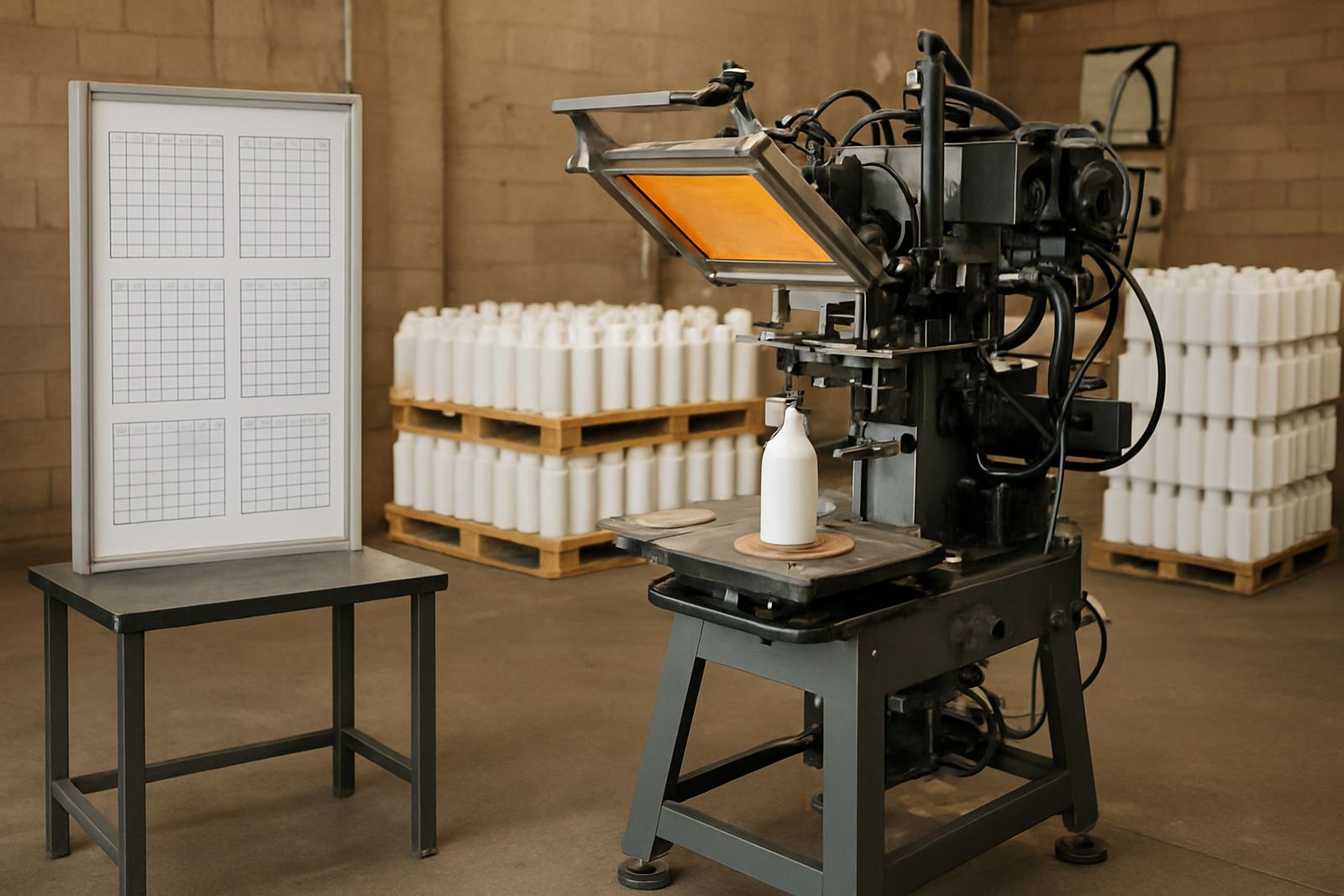
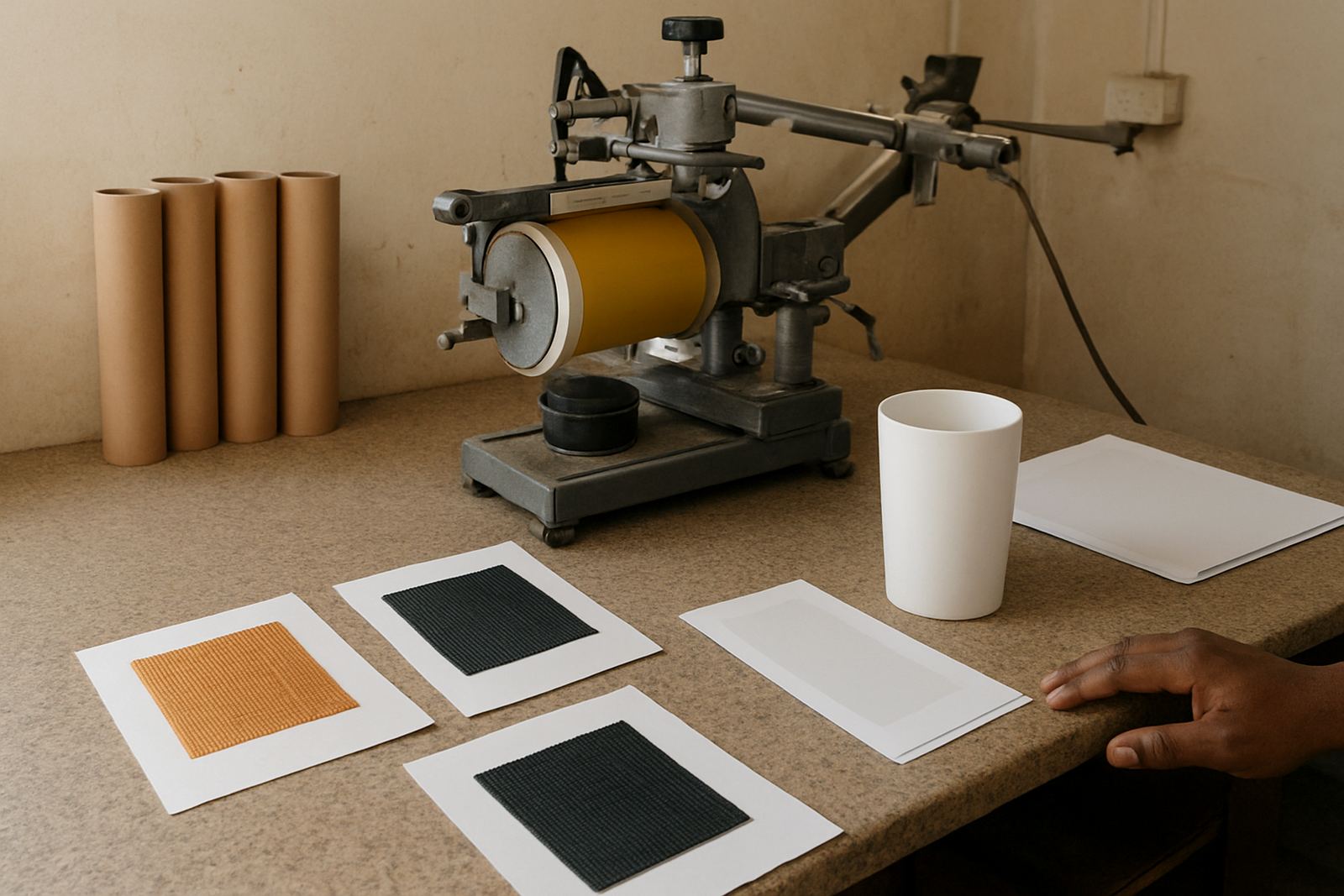
Strong results start with clean screens and repeatable preparation. If the stencil is not made properly, the print can drift, blur or build up on the wrong area. For repeat orders, screen records should be clear enough that a job can be brought back with the same mesh, exposure and ink settings. That is especially useful for customer orders that come back months later.
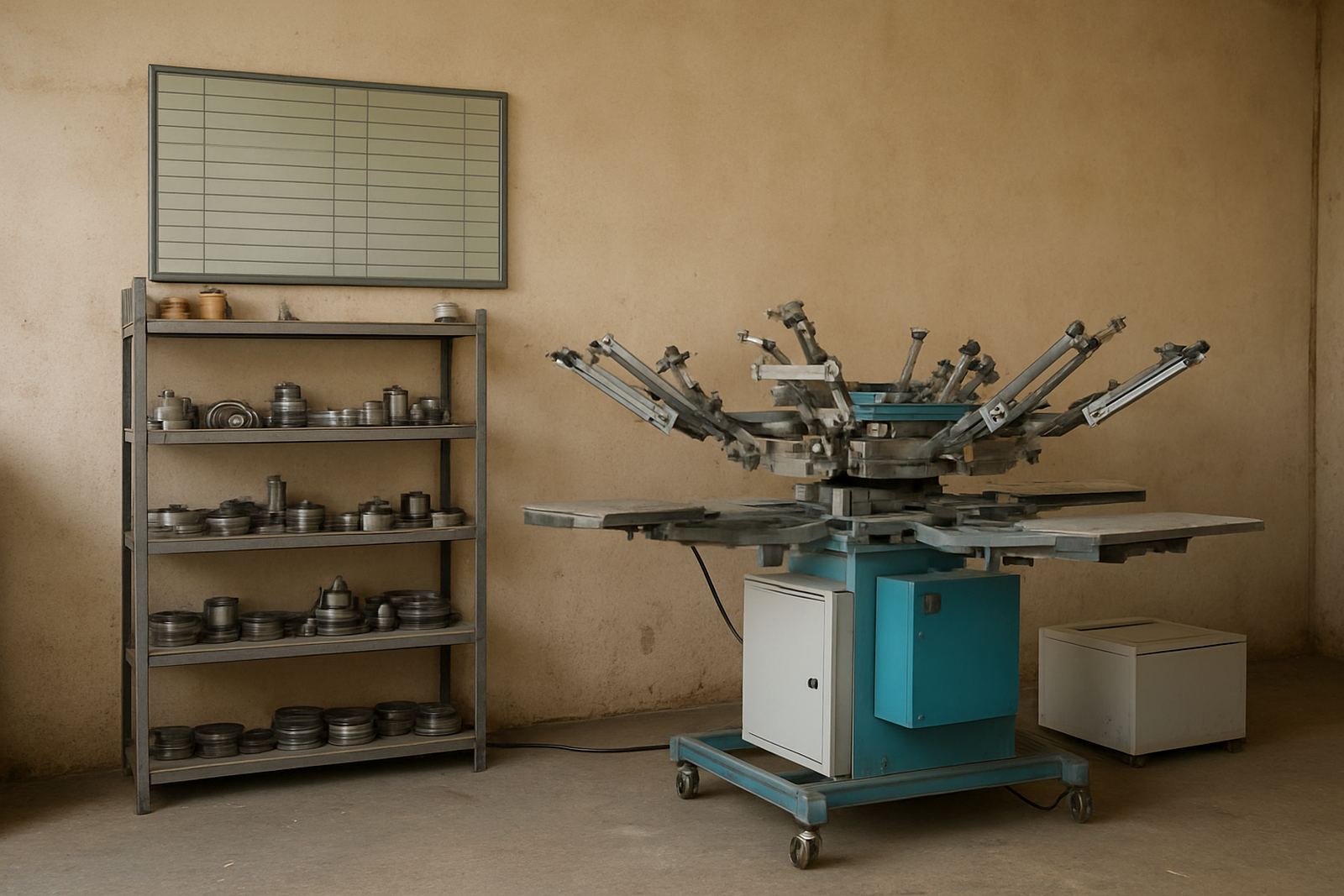
Reclaiming matters as much as making new screens. A workshop that strips, inspects and stores screens properly will save money and reduce delays. It also helps with colour control because old contamination can affect the next run. Keep storage dry, label every screen and avoid stacking them where they pick up dust or bends.
- Keep a job card with mesh count, image size and ink notes
- Store screens upright where possible
- Inspect for pinholes, weak emulsion and frame damage
- Reclaim promptly so old artwork does not cause confusion
Installation, Site Setup and First-Day Training
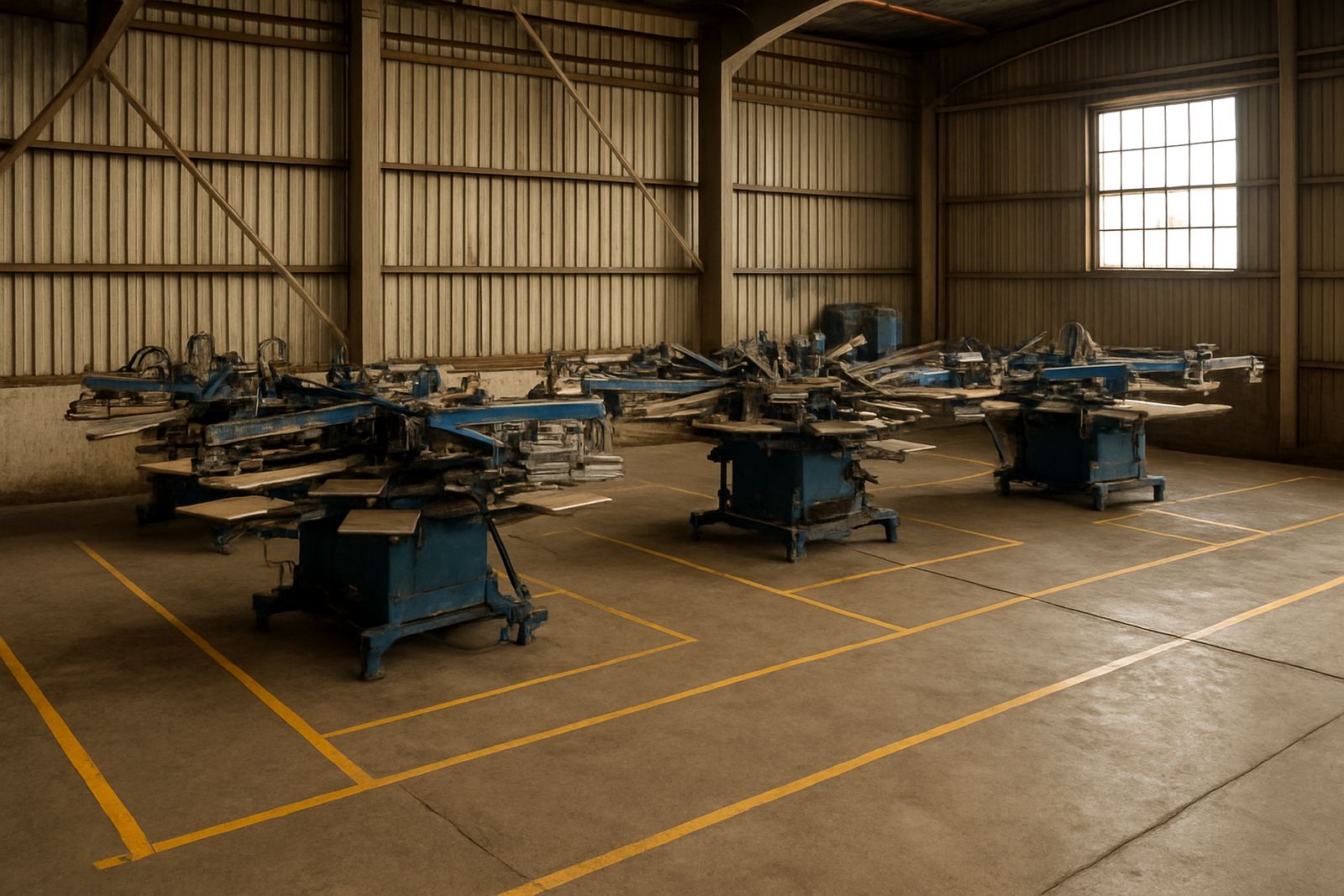
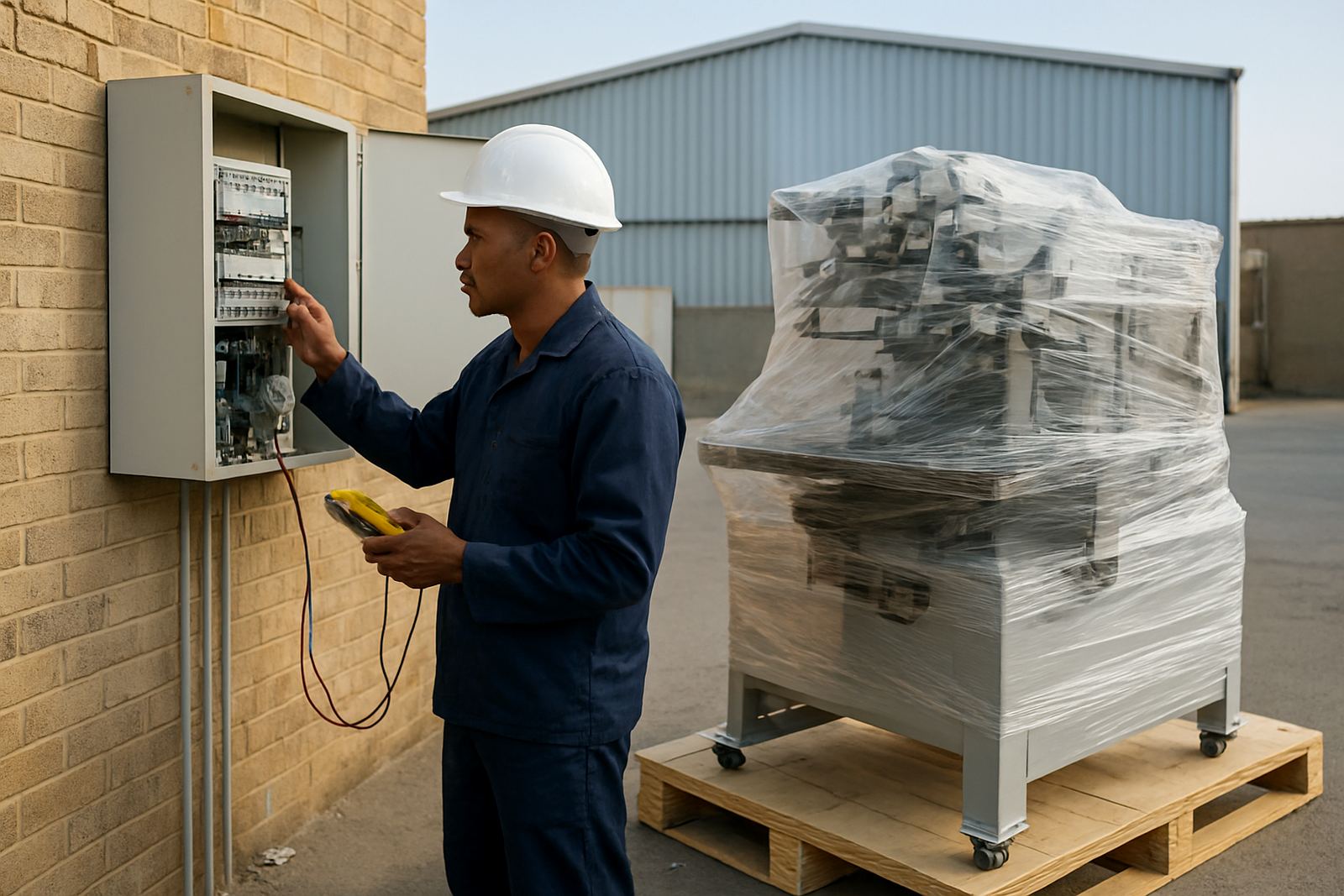
A clean install saves time later. Site setup should cover level flooring, safe cable runs, bench space for screens and enough room for packed goods to move without crowding the operator. In many South African workshops, a good first day on site prevents weeks of minor problems that slow production. If the machine is not aligned properly at the start, registration issues can become a daily headache.
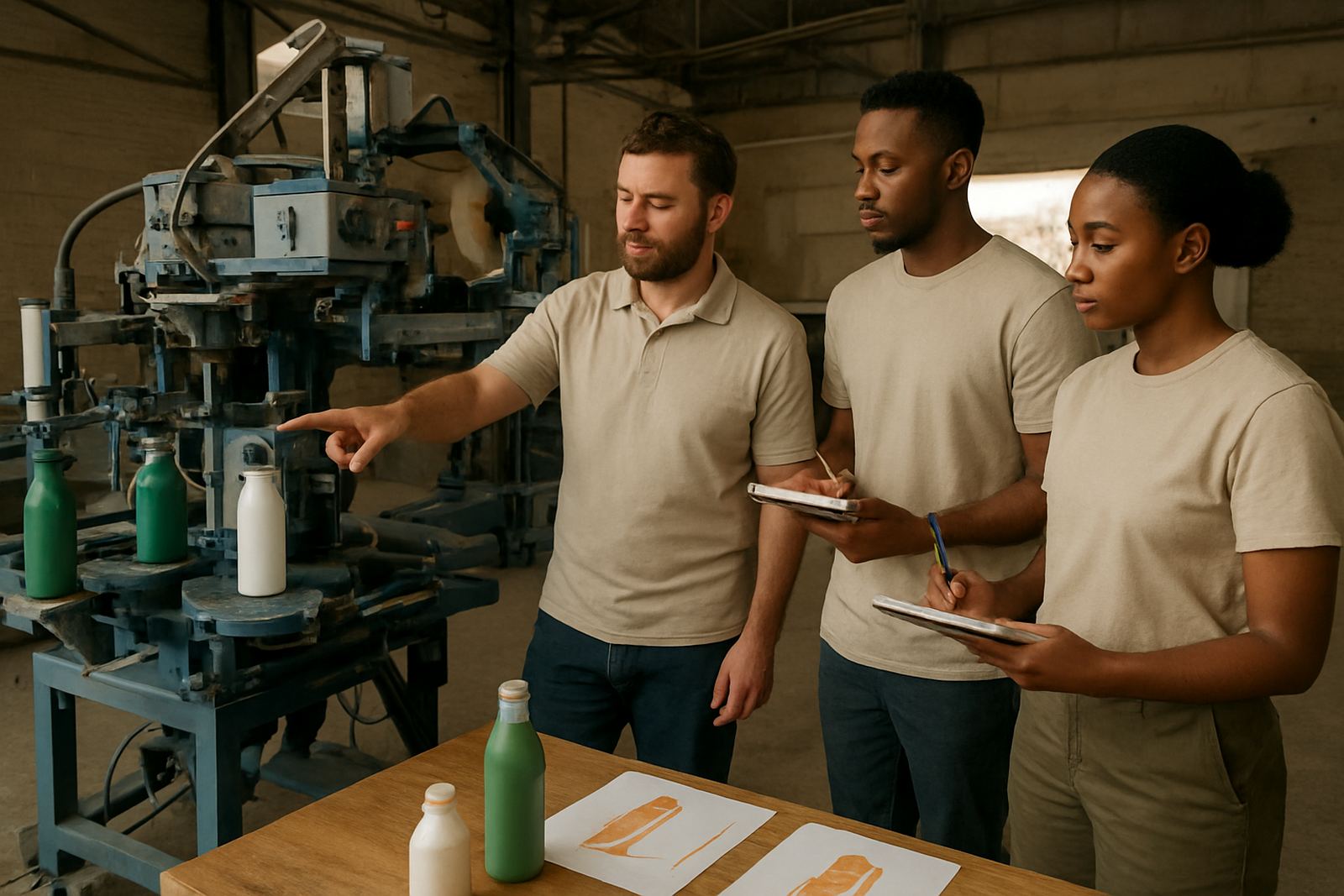
Training should be hands-on and practical. Operators need to understand setup, colour adjustment, pressure control and basic cleaning. Supervisors should know how to spot signs of wear before they turn into stoppages. It helps when the team can follow a simple routine from the first sample print through to final packing. A short, clear process often works better than a long complicated one.
Maintenance That Protects Output and Budget
Preventive maintenance is cheaper than breakdown repairs, especially for businesses that rely on steady weekly production. Dust, ink build-up and worn parts can reduce accuracy long before a machine stops completely. In Johannesburg and Pretoria, dry workshop conditions can hide wear until a component starts slipping. On the coast, humidity can affect storage, screens and metal parts if the area is not kept dry.
Set a schedule for cleaning, lubrication, inspection and spare parts checks. Keep the basic consumables on hand so a small issue does not stop the whole line. If a bearing, clamp or drive part is getting tired, replace it before the shift turns into lost sales. It is also wise to record each fault, even the small ones, so you can see patterns over time.
Use These Guides to Make Better Buying Decisions
These guides are for owners, production managers and technical teams who need practical answers before they commit to equipment or process changes. They help compare machine choices, plan site requirements and avoid mistakes that cost time and Rand. Whether you are starting in Johannesburg South or expanding production to Durban, the aim is the same: better prints, fewer stoppages and cleaner costing.
Browse the topics in the order that suits your operation. If you are still planning a setup, start with machine choice and site readiness. If you already print daily, look at screen making, maintenance and production optimisation first. The cards below are added separately, so use this hub as the place to decide what to read next.
- Start with the guide that matches your current bottleneck
- Use technical notes to brief staff before installation
- Refer back when you need to quote repeat work or new sizes