Know When Your Current Setup Has Reached Its Limit
Most businesses start with a simple setup and a small team, then push harder as orders come in from retailers, events, contract packing, and seasonal promotions. The warning signs are usually practical: job changeovers take too long, rejects creep up after the first few dozen units, or one operator is carrying too much of the process. If you are printing bottles, cups or tubes by hand and spending more time on rework than on output, the setup is no longer keeping pace.
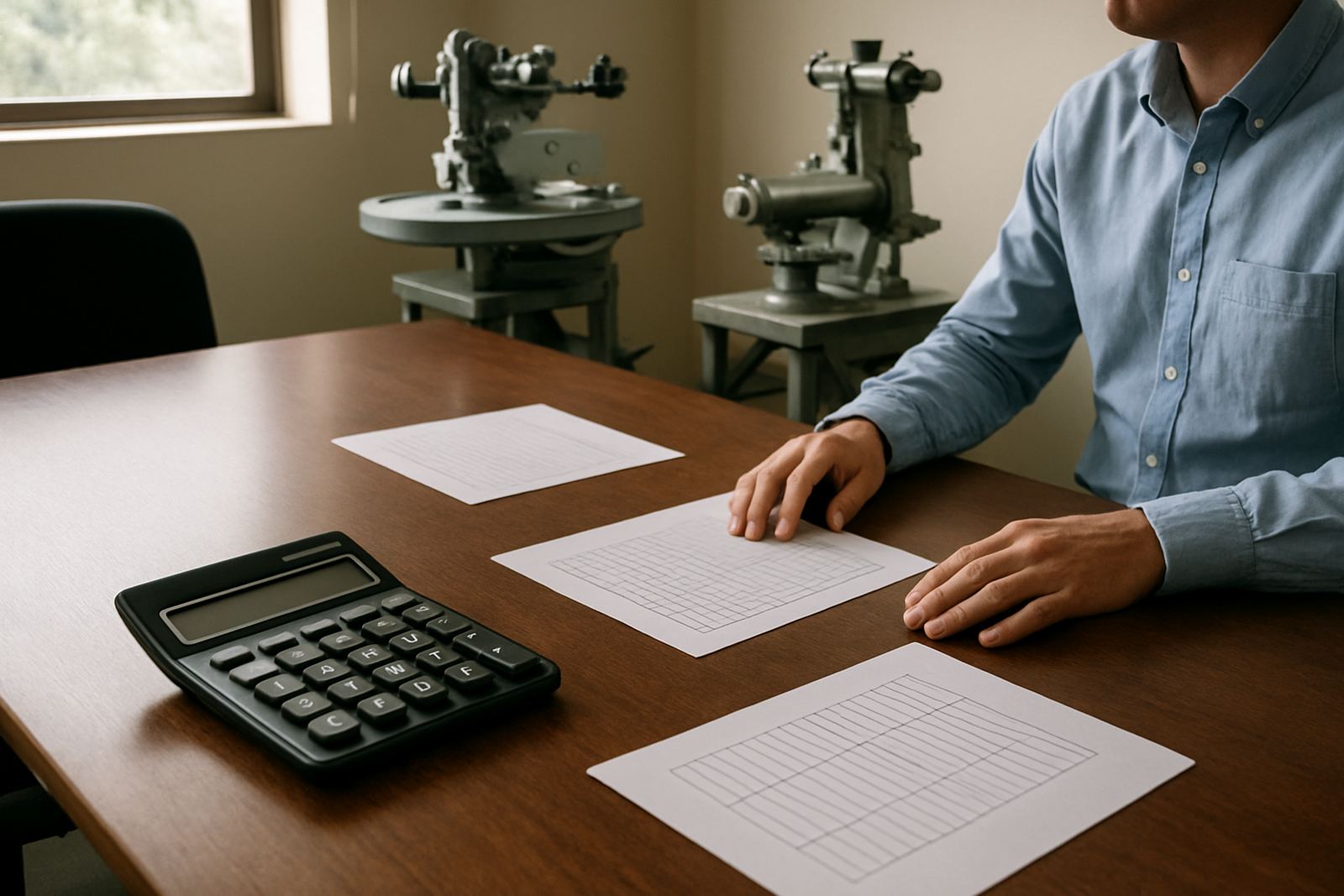
Watch the numbers for at least two weeks. Count daily output, reject rates, downtime, and the time lost to screen cleaning, colour matching, and waiting for cured stock to clear. In Johannesburg, dust and dry air can affect screen life and print consistency. In Durban or Cape Town, humidity can change drying times and make ink handling trickier. If your current process cannot handle those conditions without constant adjustment, it is time to look at a more capable production line.
Map The Full Job Before You Buy More Equipment
Scaling production is not only about print speed. You need to map the full job from incoming blanks to finished packed stock. That means measuring the size of the product range, the number of colours, the amount of drying space needed, and how work moves through the site. A line that prints faster but leaves you short on cure time or packing space will create bottlenecks straight away.
Our team in Aeroton often starts with a site check before any install. We look at power supply, floor space, ventilation, lighting, and how operators move between prep, printing, drying and packing. Load shedding also matters. If your site does not have stable backup power, your output can drop sharply when a machine stops mid run. For many growing shops, a line upgrade only works properly once the site setup supports it.
- Measure the longest and widest product you plan to print
- List every colour and every repeat job size
- Check available power and backup supply
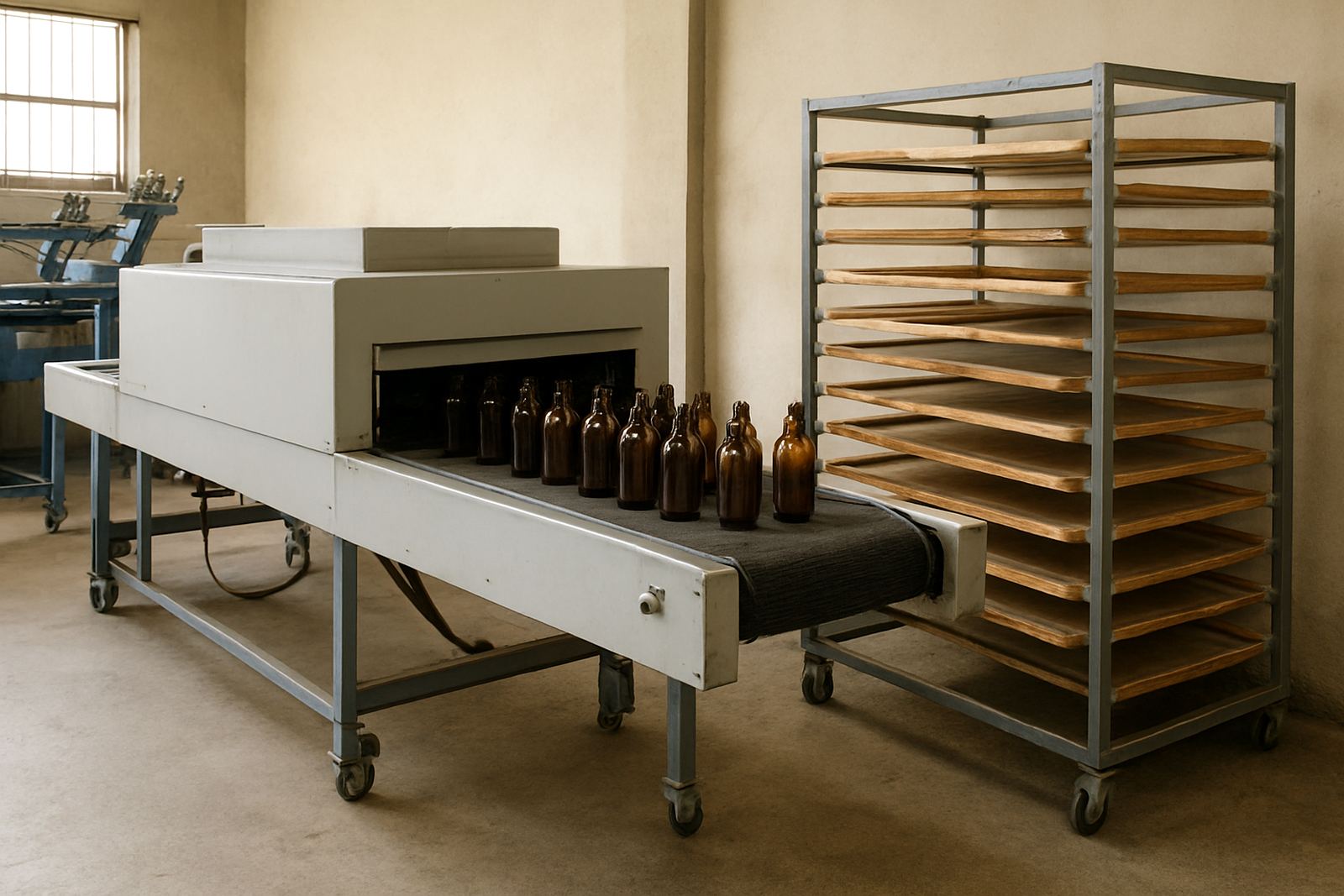
- Confirm drying, curing and packing space
- Allow room for screens, ink, cleaning and waste handling
Choose The Right Step Up For Your Order Pattern
The best upgrade is the one that fits your actual order pattern. If you run short batches with many artwork changes, you may need better screen making, quicker colour setup help, and a process that cuts changeover time. If you have repeat orders in the thousands, you need a machine that keeps registration stable and can hold consistent output through a full shift.
Do not overbuy because a supplier said bigger is better. A strong mid level setup can often beat a large line that is underused. Think about product shape, print area, and the skill level of your operators. Cylindrical products need good control over pressure and rotation, while tubes need careful handling to avoid scuffing. If your prints must survive transport, shelf handling and washing, then consistent registration and proper curing matter more than speed alone.
We also suggest checking future demand. If your work is growing in Pretoria, Midrand, Durban or Cape Town, the machine should support the next step up, not only this month’s orders. That saves money later and keeps the line from being replaced too soon.
Build A Layout That Keeps Flow Moving
A production line should move in one direction where possible. Incoming stock, screen prep, printing, drying, inspection and packing should not keep crossing paths. This cuts mistakes and helps operators stay focused. In smaller Aeroton workshops, poor layout often causes more delay than the equipment itself. A good layout can lift output without adding another printer.
Keep consumables close to the point of use. Screens, squeegees, ink, cleaning cloths and reclaiming chemicals should be stored safely but not across the room. Make space for finished stock to cool or cure properly before packing. If you are running longer shifts, add a clean area for breaks and hand washing, because wet ink, dust and repeated handling can affect the finish.
- Use marked areas for prep, print, drying and packing
- Keep walkways clear for cartons and trolleys
- Separate clean screens from used screens
- Plan storage for finished stock and spare blanks
- Allow safe access for maintenance and repairs
Train Operators Before The New Line Goes Live
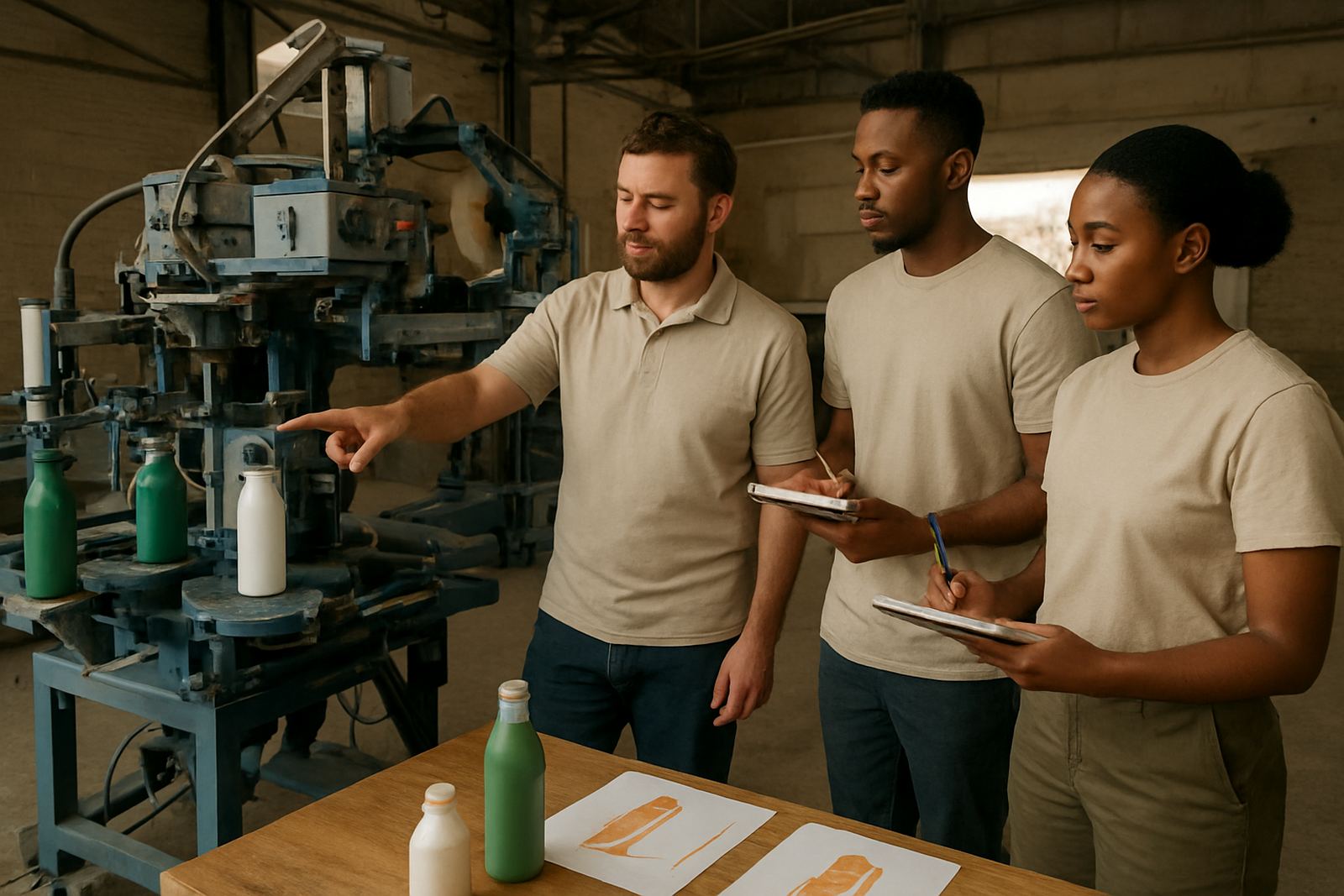
More output depends on more than hardware. It depends on people who know how to set colour, load products correctly and spot issues before they become waste. New operators should be trained on setup, screen alignment, print pressure, drying checks and basic cleaning routines. That training should happen before the line is pushed to full production.
At Bottle Screen Printers, we see better results when the team learns one process at a time and gets hands on practice with real job sizes. Farieda Jacobs often focuses on production training around changeovers and screen care, while Sibusiso Nene handles service follow up when customers need support after startup. The point is to reduce guesswork. A trained operator does not just run a machine, they protect print quality and keep output steady.
Give each operator a short checklist for the start of shift, during production and at shutdown. That helps especially when staff rotate or when business gets busy and small steps are easy to miss.
Protect Output With Maintenance, Screens And Spares
Once you scale up, downtime becomes expensive very quickly. A small fault that used to be a nuisance can now hold up an entire day’s production. Preventive maintenance is the best way to avoid that. Check moving parts, alignment, cleaning systems and any wear points on a fixed schedule. Replace worn items before they cause damage to the product or screen.
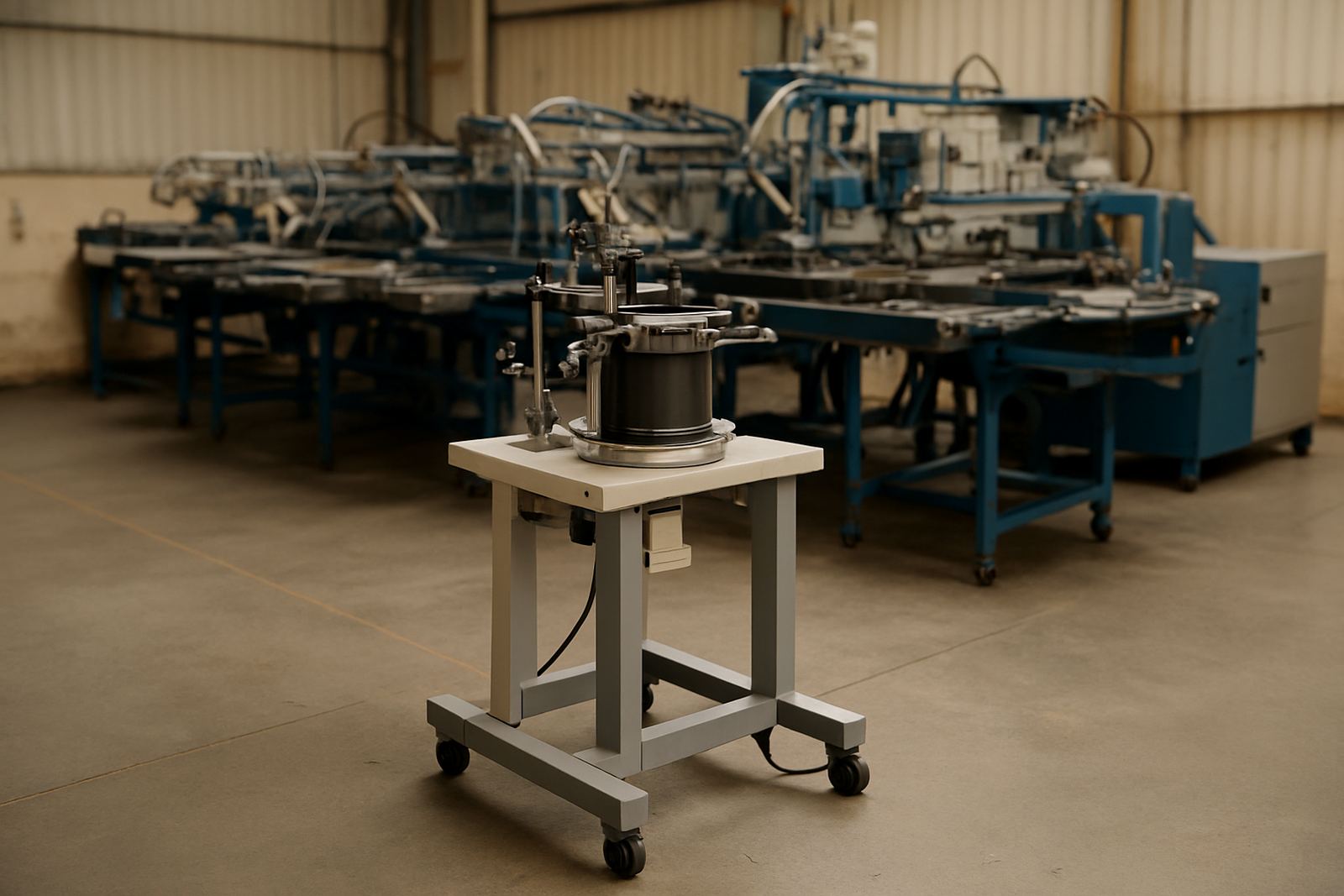
Screen making and screen reclaiming also matter more as volume rises. A clean screen gives cleaner edges, better repeatability and less waste. If you are running heavy volumes or frequently changing artwork, keep enough spares on site for the items that fail most often. That includes consumables, mechanical wear parts and any product holding items used during setup.
A simple maintenance log should note date, fault, action taken and who signed it off. It sounds basic, but it helps you see patterns early, especially on busy sites in Johannesburg South or along coastal routes where humidity and dust can affect equipment faster than expected.