

Which Packaging Jobs Suit Cylindrical Printing
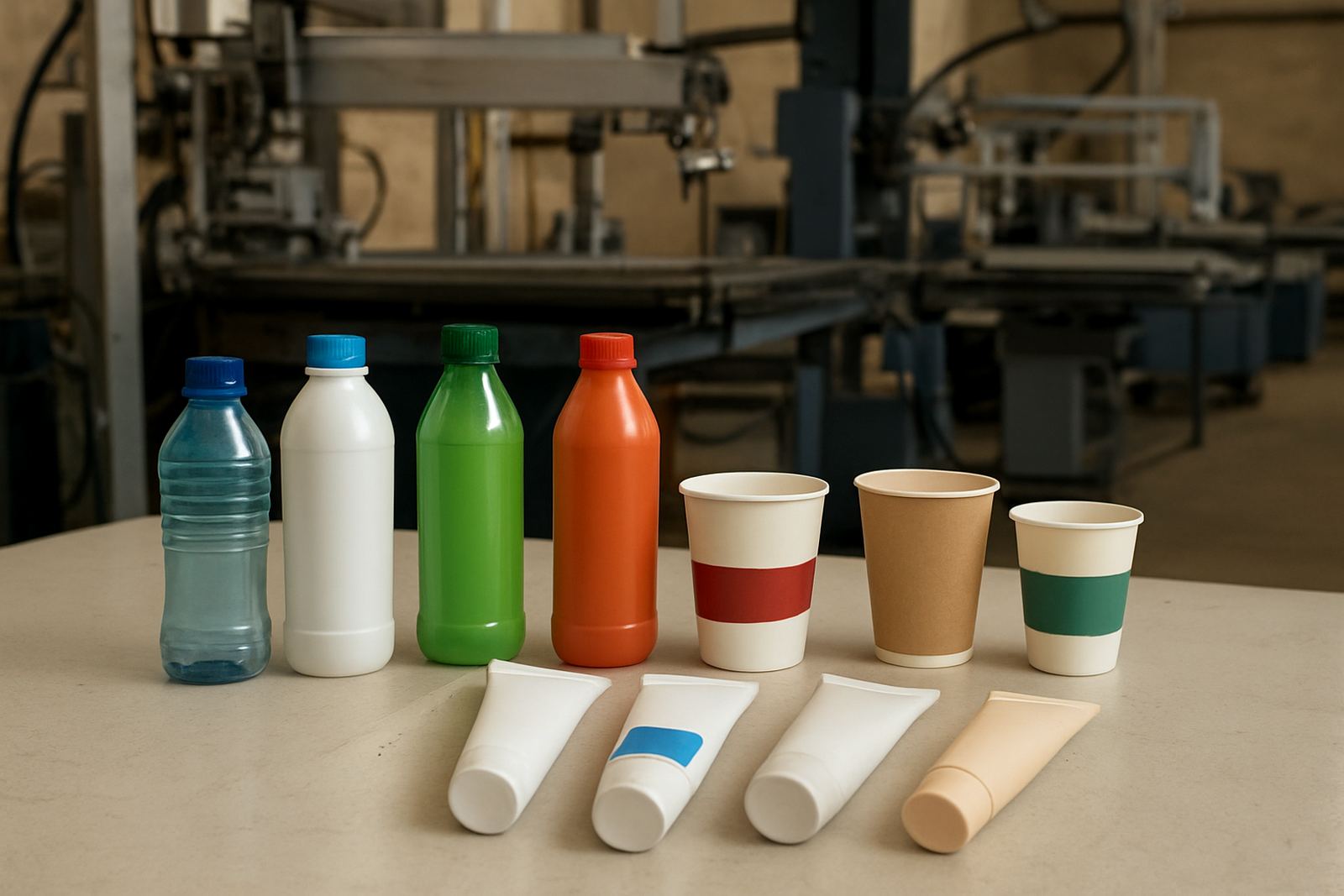
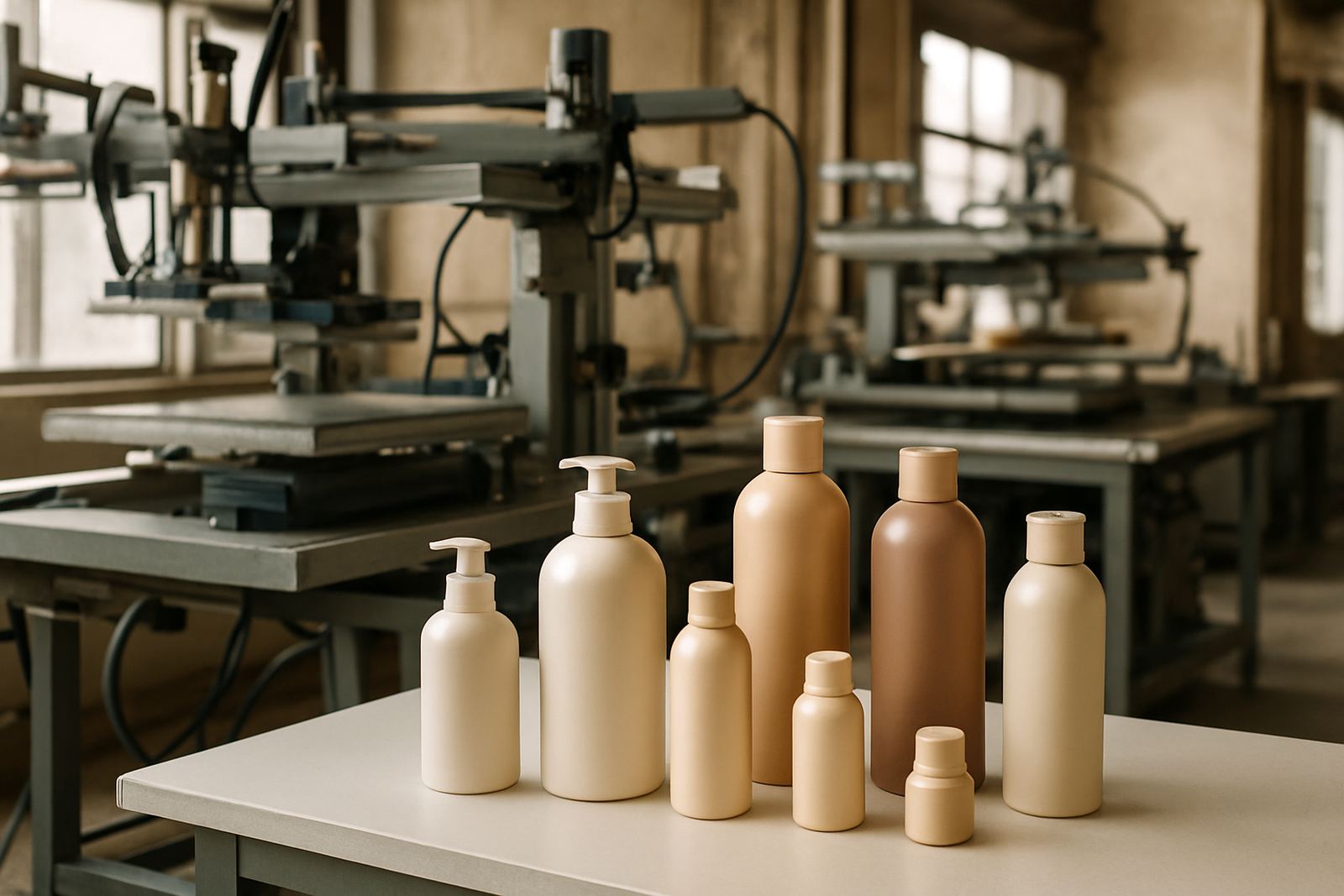
Cylindrical screen printing is a practical choice where the product has a round or curved body and a clear branding zone. It works well on bottles, cups, jars, tubes and similar packaging that needs repeat artwork, sharp colour blocks, or durable product marking. For factories in Johannesburg, Pretoria, Durban and Cape Town, that matters because packaging runs often change size, format and material.
The main decision is not only the shape, but the surface energy, wall thickness and how the item moves through the line. A rigid bottle and a soft tube do not behave the same, even if the print area looks similar. If the part flexes too much or carries moisture, the setup needs more control and a slower production pace.
Bottle Surfaces and Adhesion Checks
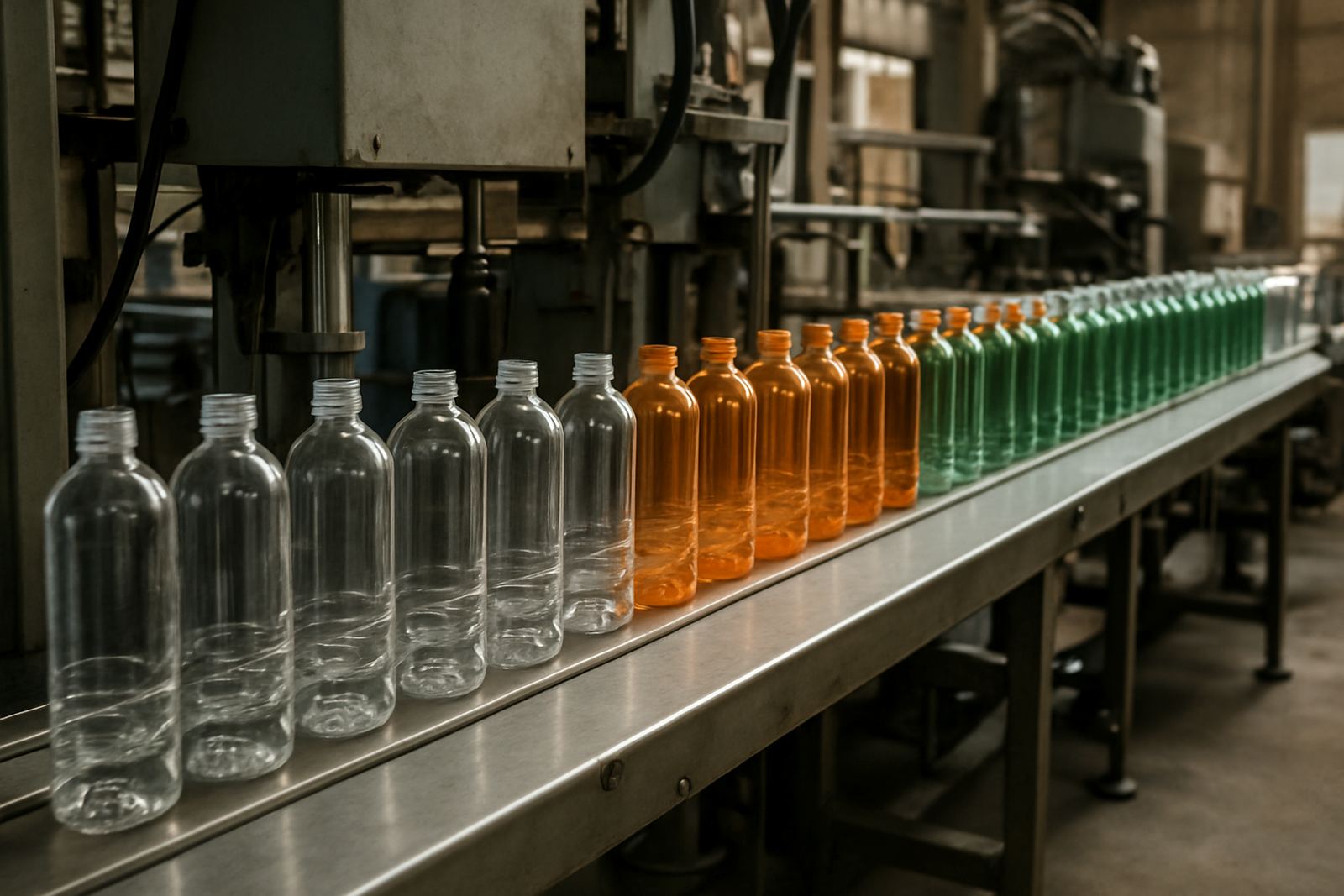
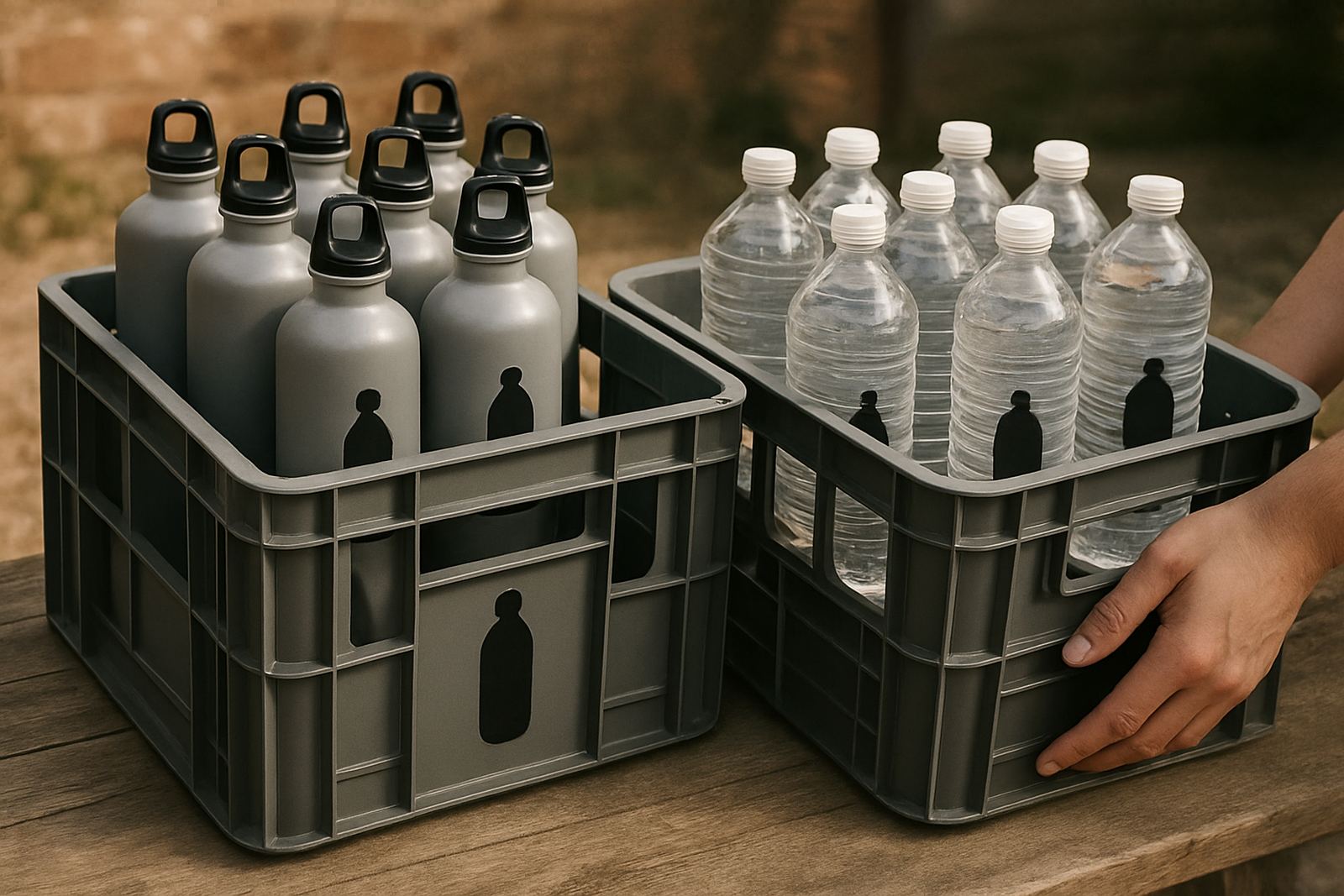
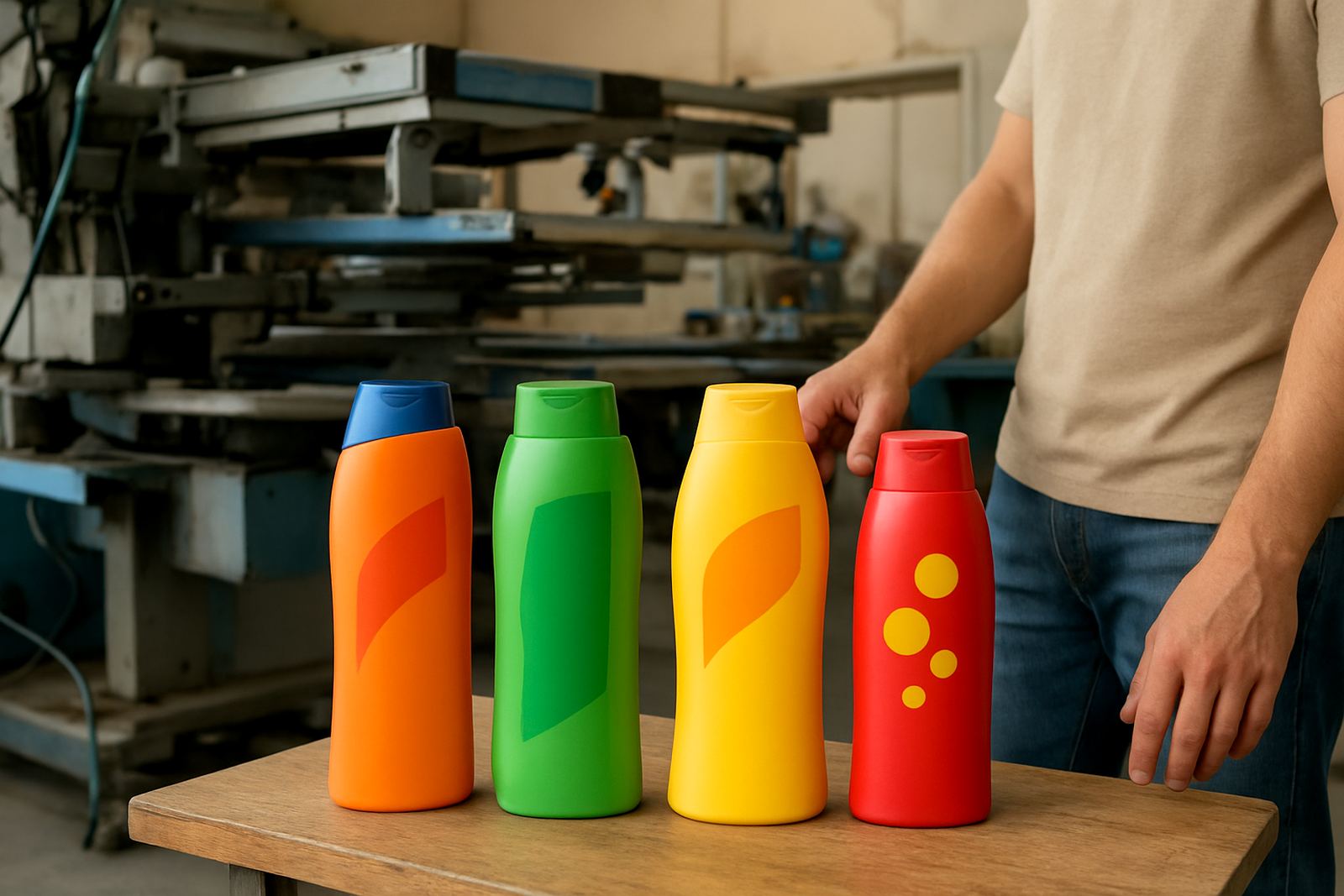
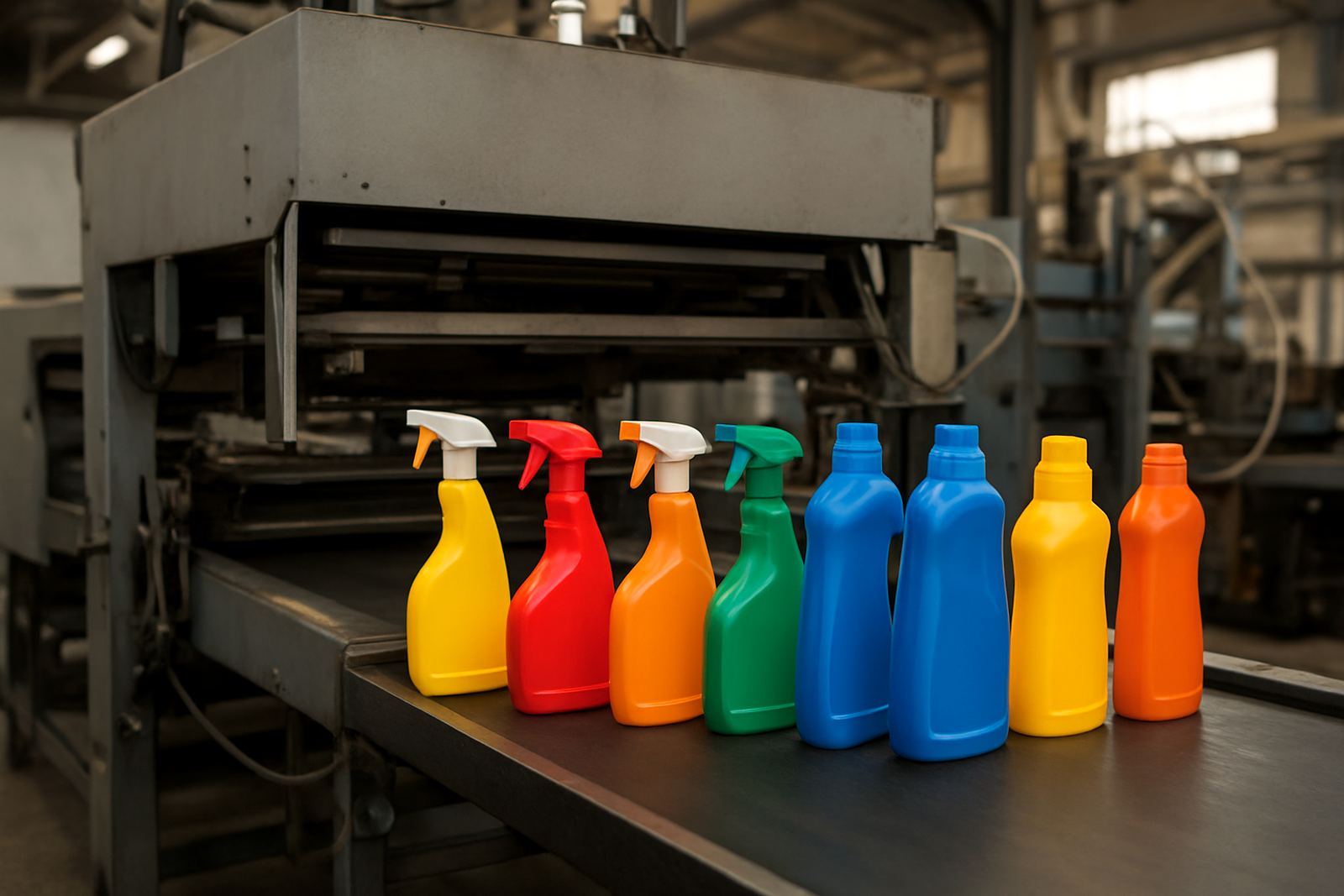
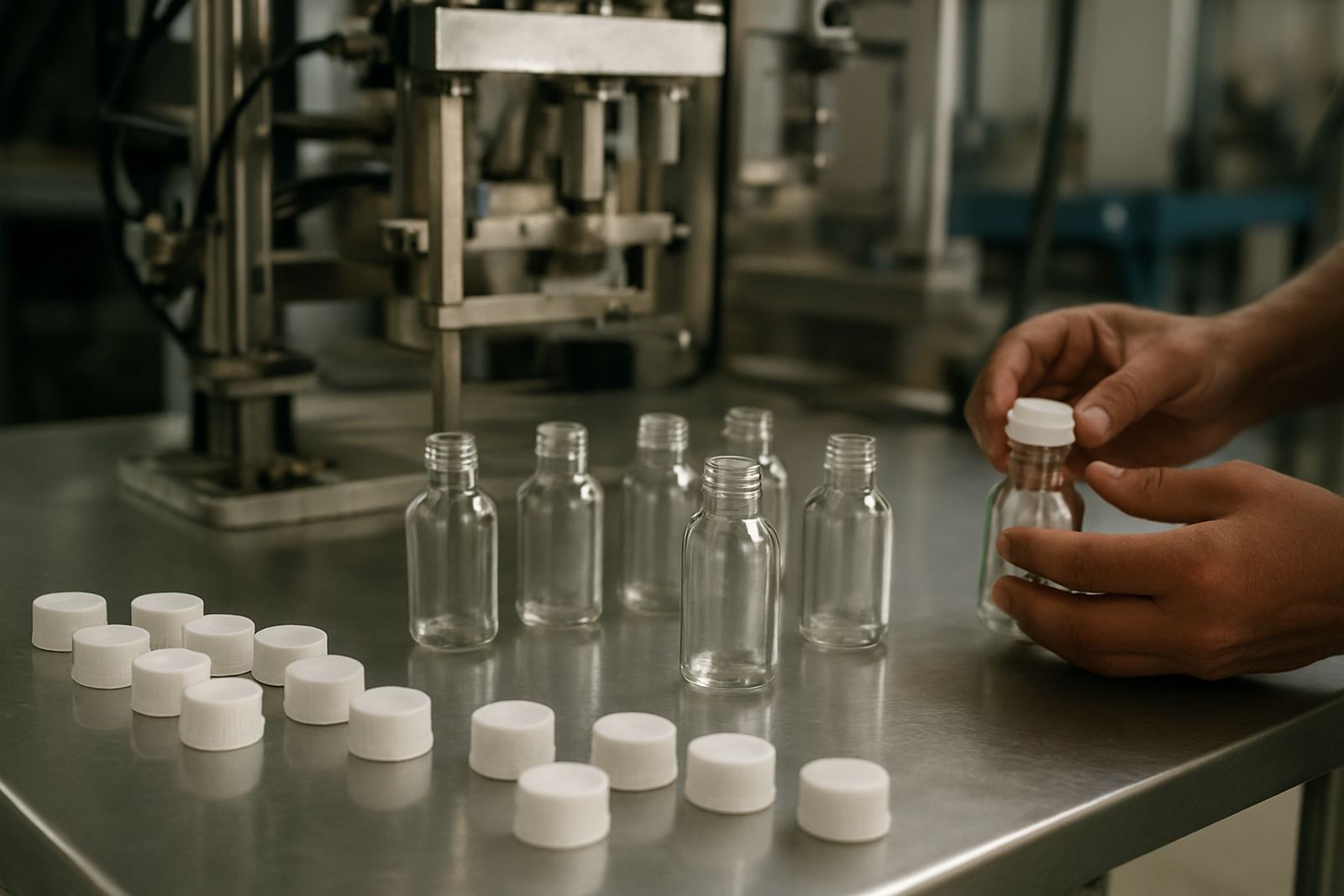
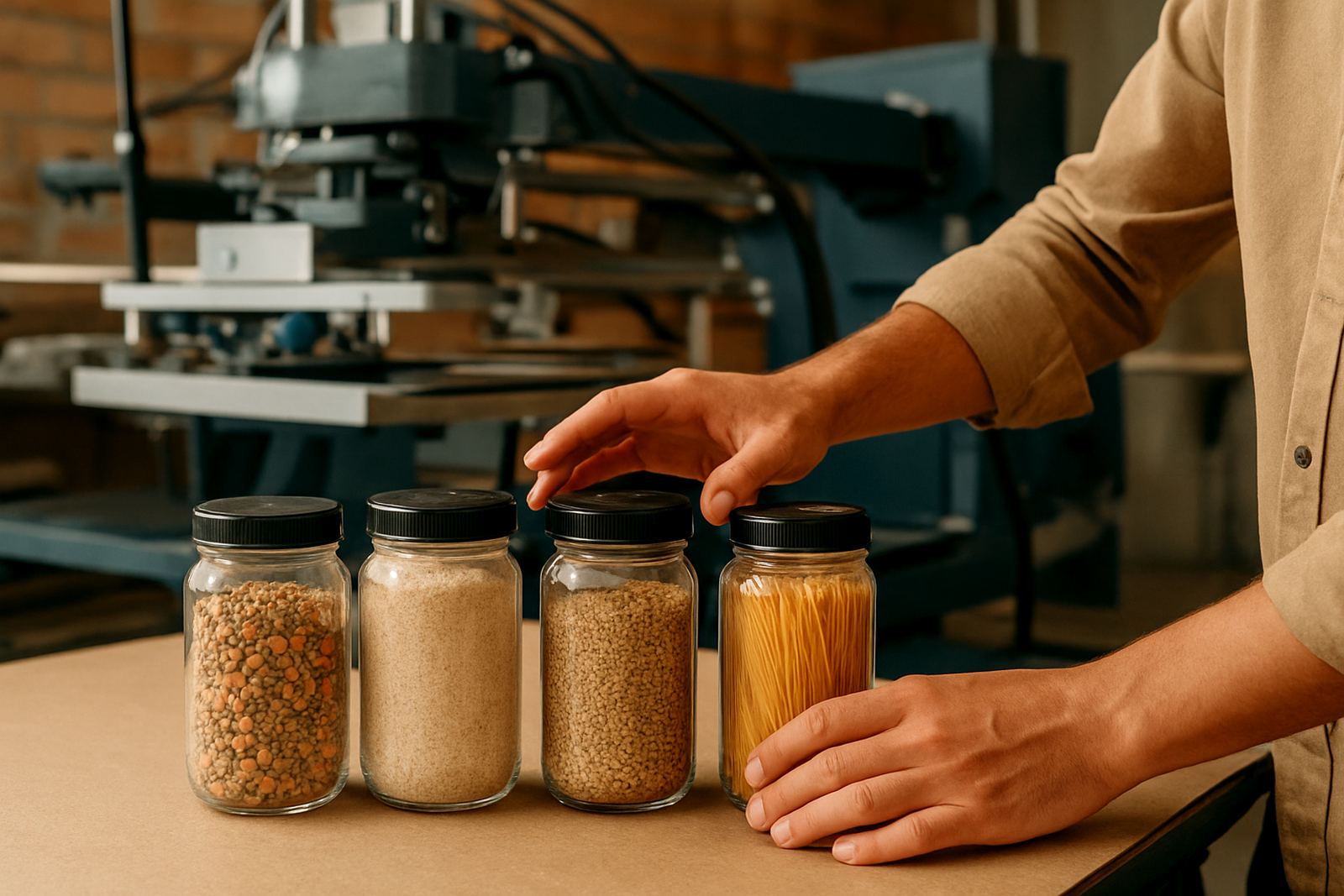
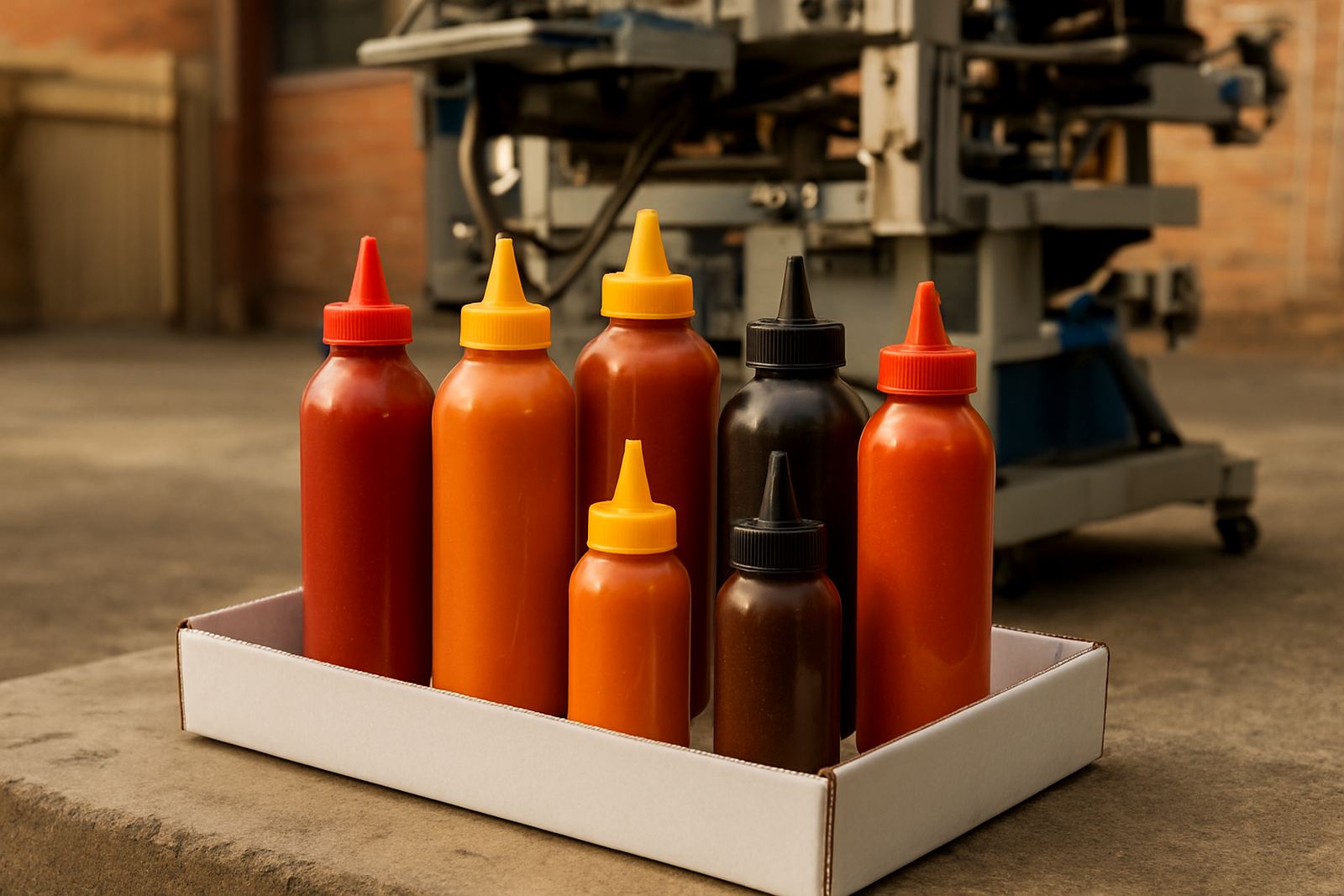
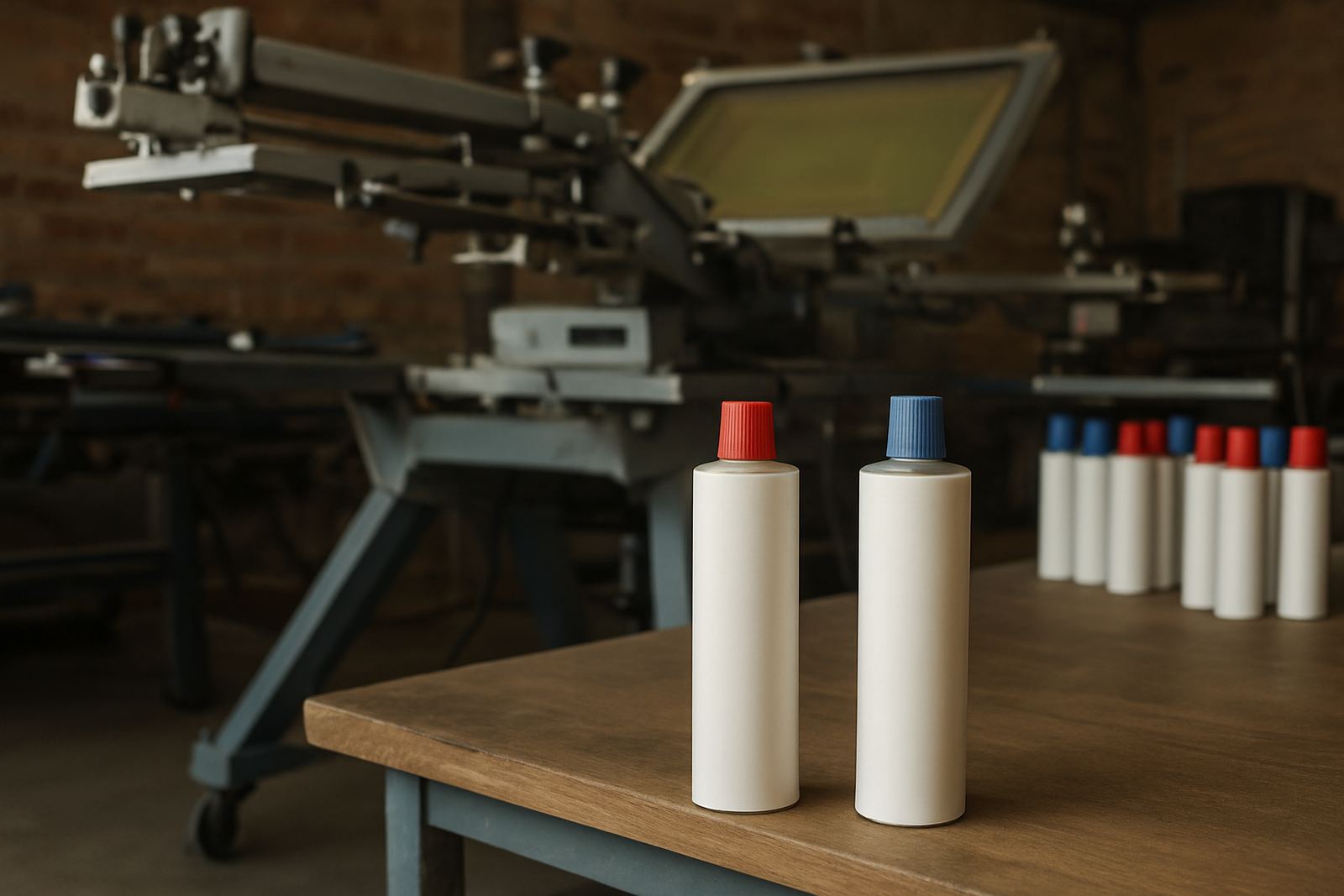
Bottles are common across household goods, cosmetics, food prep and industrial packaging. Glass usually gives stable registration, while treated plastics need proper adhesion testing before a run starts. In coastal areas like Durban and Cape Town, humidity can affect drying times and ink feel, so operators need to watch curing more closely.
- Check for mould release, dust and handling marks before loading
- Confirm bottle diameter and print height against the machine setup
- Test ink bond on the actual substrate, not only a sample offcut
- Allow for condensation on cold product after storage or transport
When these basics are set early, bottle runs are cleaner and there is less wasted stock.
Cup Printing for Promotions and Refill Packs
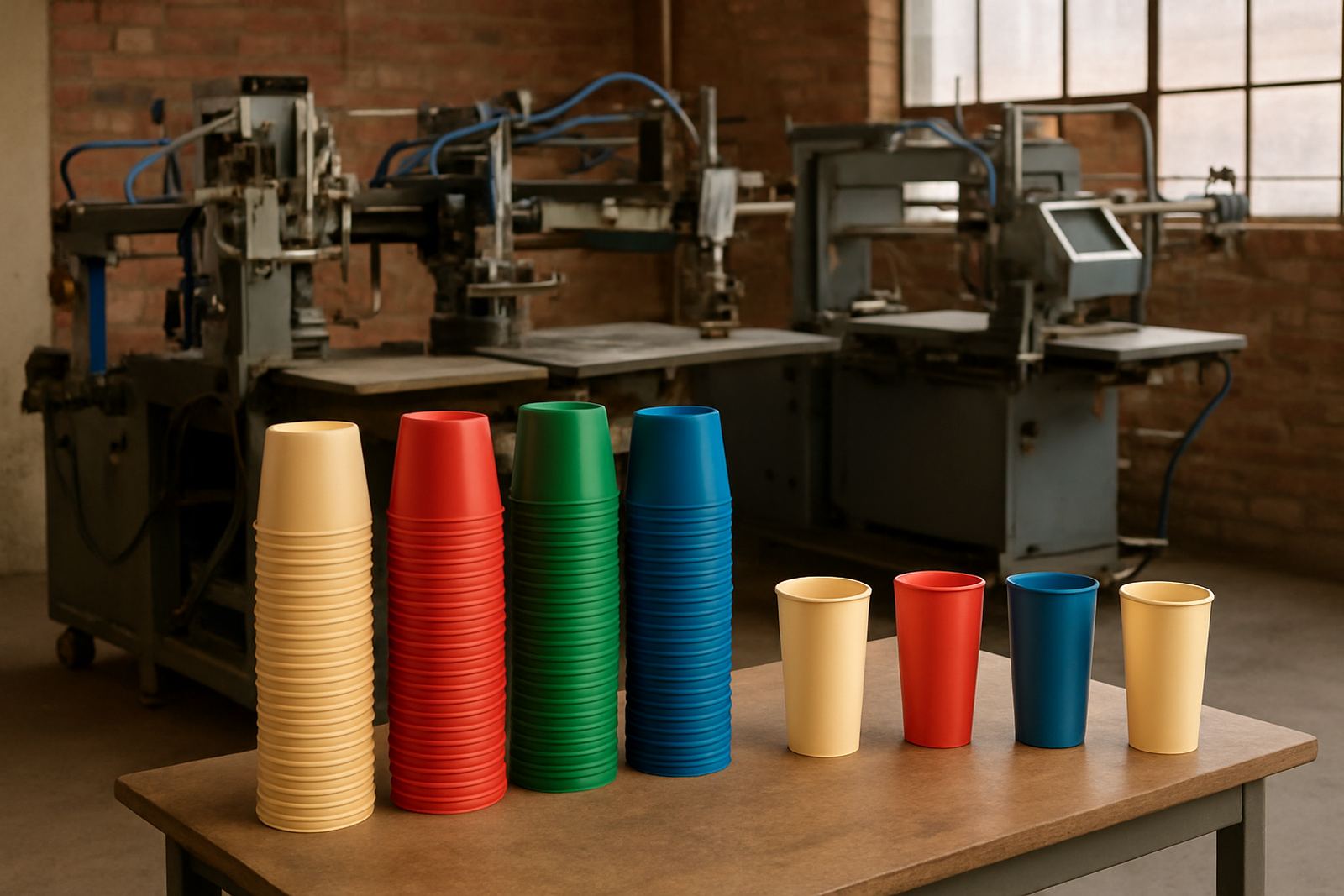
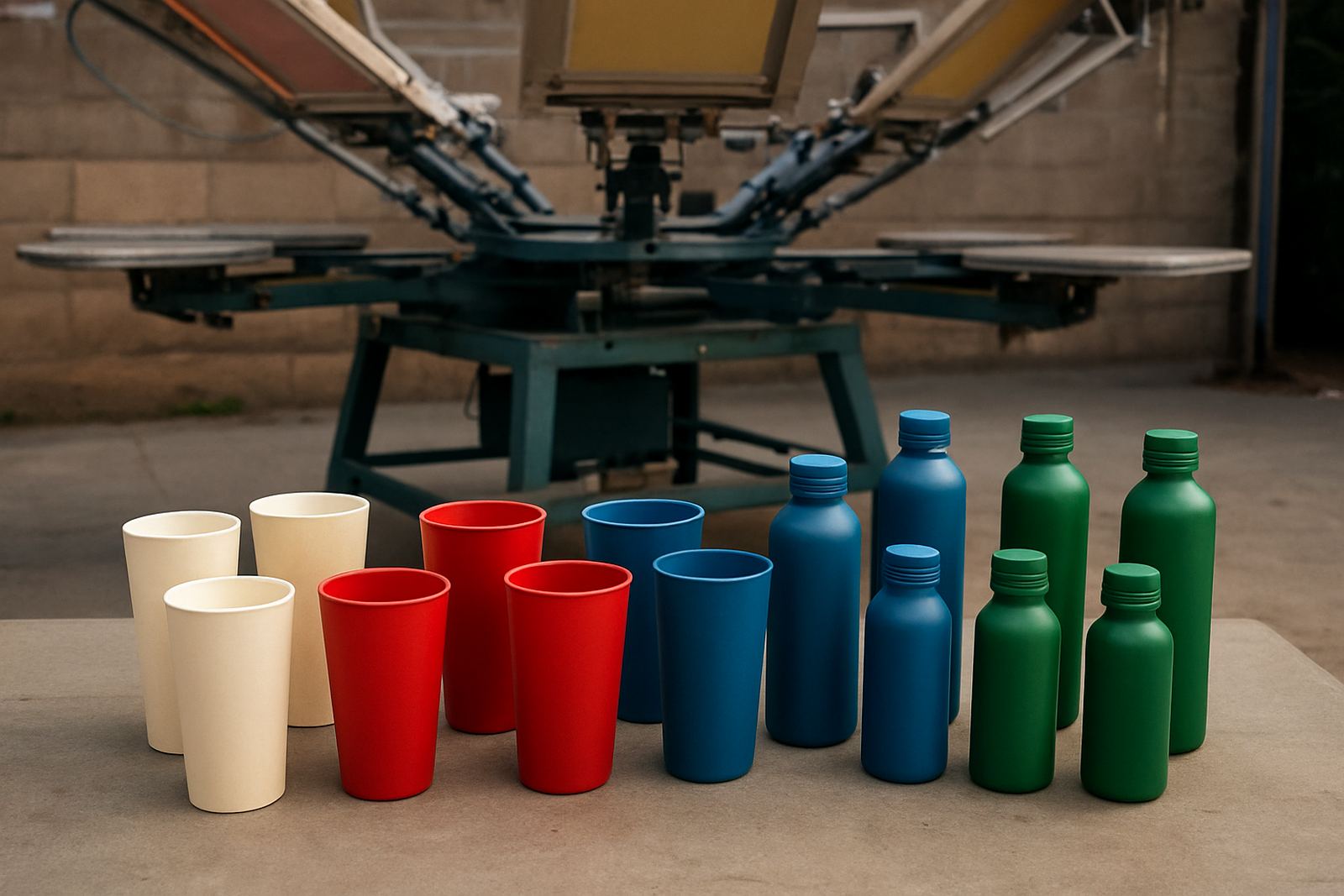
Cups are often used for promos, refill packs and retail presentation, so the print must look neat from the first unit to the last. Transparent and coloured cups may need different screen meshes or ink adjustments to keep colour stable. On faster jobs, registration marks and fixture alignment become important because even a small shift is easy to see.
Many South African producers also need short runs for events, seasonal ranges or regional promos. That means changeovers should be quick, and the operator should know how to reset colour and pressure without losing time. If the cup shape tapers a lot, print position can move during transfer and that needs checking before full production starts.
Tube Printing for Personal Care and Industrial Use
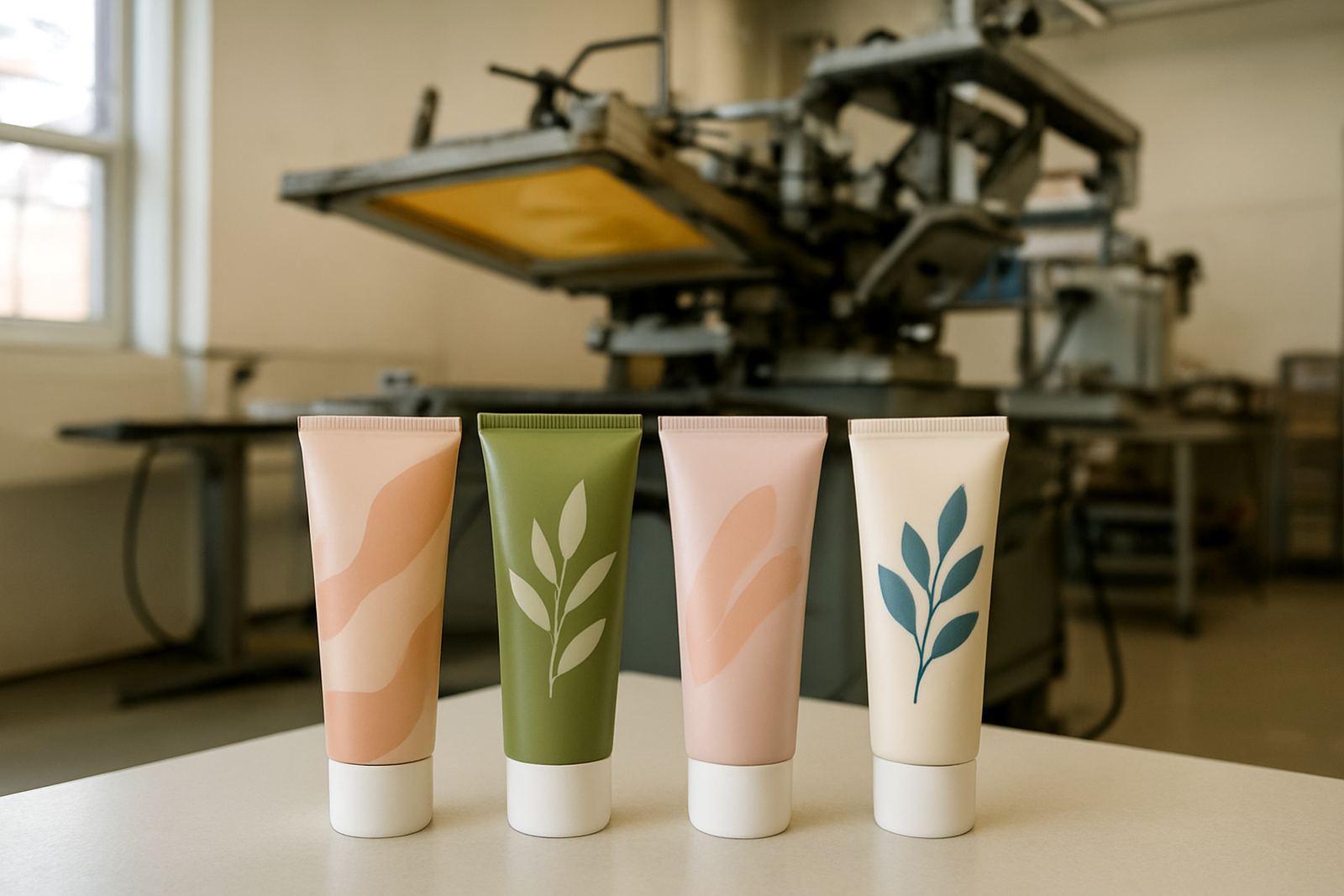
Tubes are used for creams, gels, adhesives and small industrial products, so the print must stay legible after squeezing and handling. Flexing changes the way the image sits on the body of the tube, which is why registration and ink choice matter from the start. A clean screen and steady pressure can make a big difference here.
Tube work often runs in batches with the odd size change in between, and that can slow a line down if setup records are poor. Keeping the screen making notes, artwork position and drying settings together makes repeat orders easier. It is also worth checking cap clearance and fill levels, since a tube that is overfilled can move in the fixture and spoil the print, which is annoying on a full shift.
Choosing the Right Setup for a Local Production Line
Different sites need different handling depending on their volumes, floor space and power supply. A small plant in Aeroton may want a compact setup for mixed packaging jobs, while a larger operation in Midrand or Pretoria may need steadier output and stronger repeatability. Load-shedding also changes planning, because drying and conveyor timing must still hold up when power returns.
- Match the machine speed to the slowest part of the line
- Allow space for loading, drying and cured stock storage
- Check operator access for screen changes and cleaning
- Plan maintenance around shifts and local delivery times
Good setup choices reduce stoppages and help staff keep the print consistent across shifts.
Support for New and Existing Packaging Lines
Packaging printing only works properly when the machine, screen, ink and operator all pull in the same direction. That is why installation, operator training and preventive maintenance are part of the job, not add-ons. For businesses across South Africa, from Johannesburg South to Durban and Cape Town, quick support can save a production day.
Bottle Screen Printers, based in Aeroton, Johannesburg, has supported local customers since 2007 with machine installation, breakdown repairs, spares supply, colour setup help and production optimisation. If a line needs screen reclaiming, a fresh setup or advice on adhesion and registration, the team led by Thabo Mokoena can assist through our contact form. The aim is simple: keep packaging lines printing well and keep downtime low.