What Pharma Bottle Jobs Need On The Floor
Pharma bottle work is usually about control rather than decoration. The print must stay legible after handling, carton packing, damp storage and the normal scuffing that happens in clinics, pharmacies and warehouse distribution. For this reason most buyers want firm registration, accurate repeat lengths and inks that bond properly to the bottle material. If the artwork is small, even a slight off-centre print looks poor and can affect batch presentation.
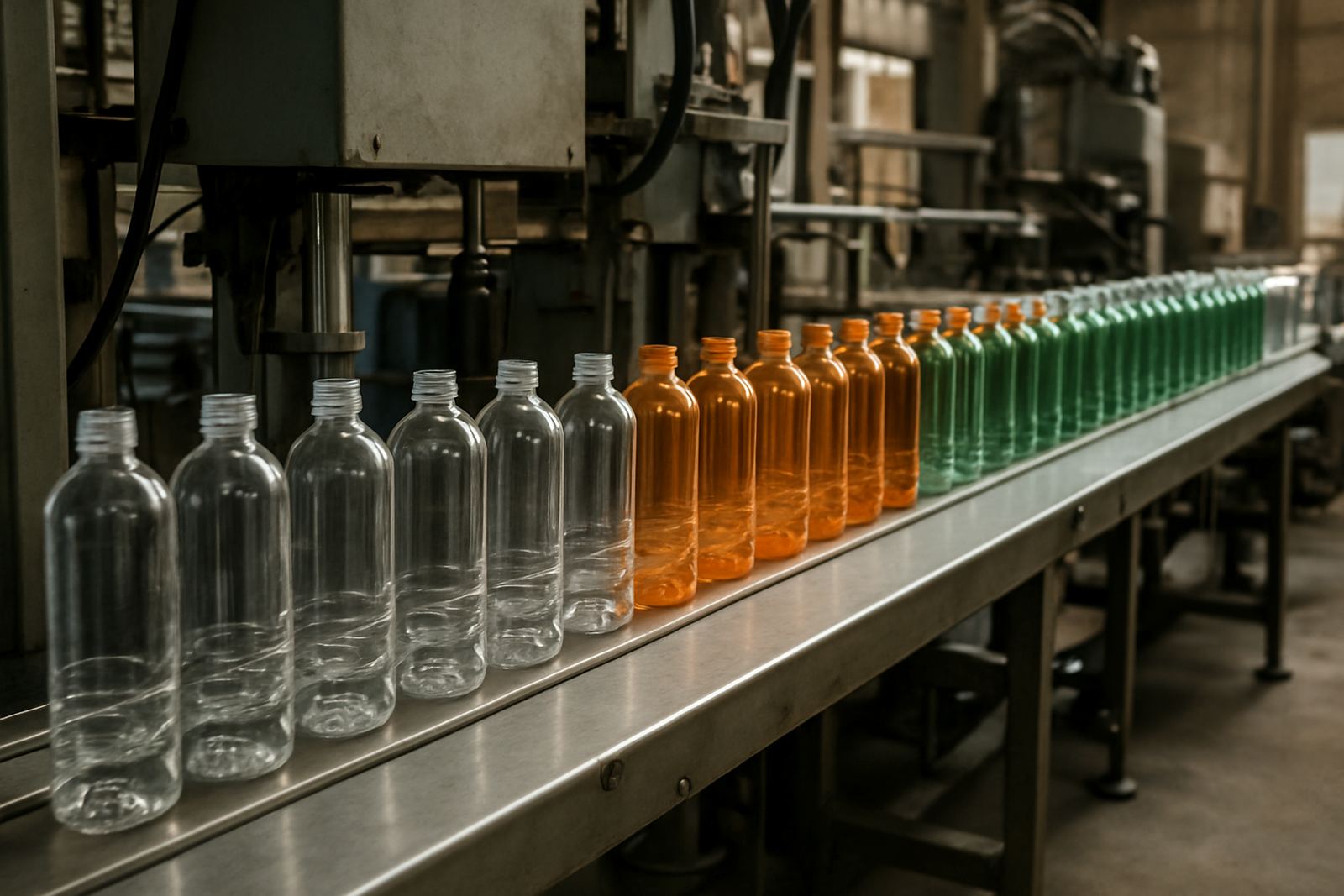
Common container types include HDPE, PP and some coated PET bottles used for tablets, capsules, syrups and supplement powders. Round bottles are the easiest to run, but many sites also print on slightly tapered shapes or short tubes for sample packs. In Gauteng and coastal areas like Durban and Cape Town, humidity and temperature shifts can affect drying time and ink handling, so the setup has to suit your actual room conditions not just the brochure spec.
Typical Equipment For Controlled Cylindrical Printing
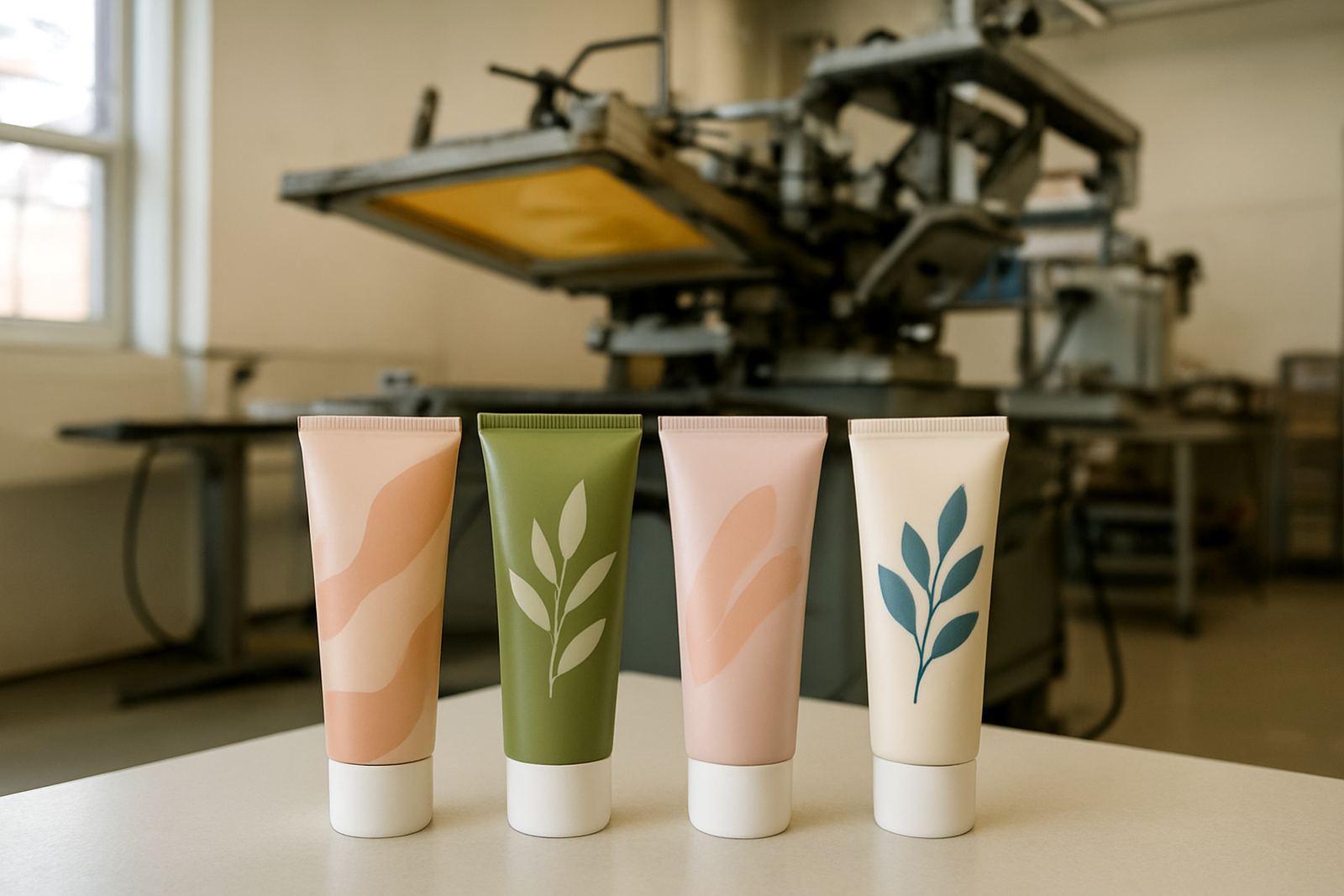
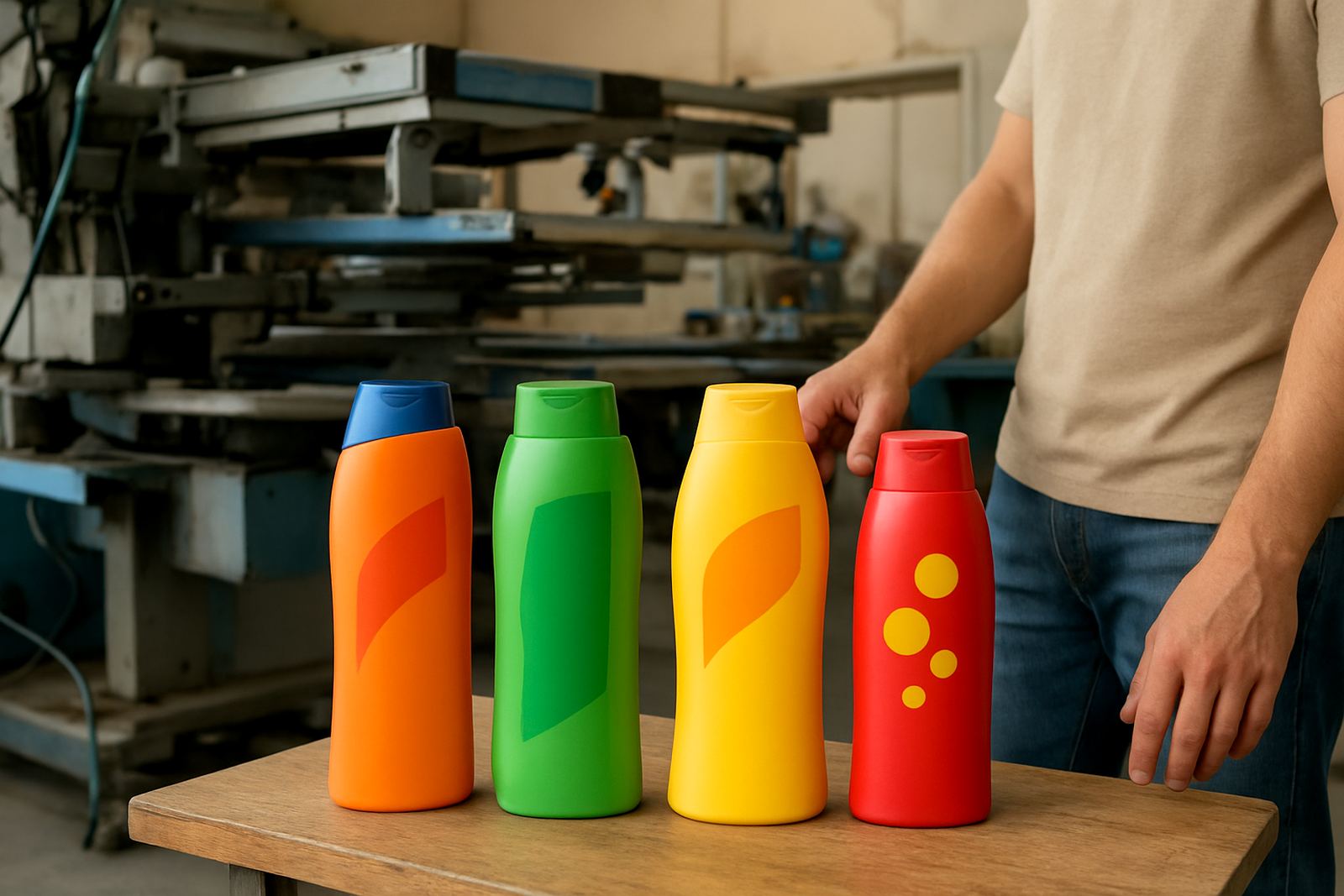
A practical starter line for pharma bottles normally includes a cylindrical screen-printing machine, suitable jigs for the bottle diameter, a screened frame set for each artwork colour, curing or drying support, and a clean prep area for wiping and inspection. Some businesses also add pre-treatment, depending on the plastic. For short runs and changeovers, stable clamps and easy adjustment points matter more than fancy extras.
- Cylindrical screen-printing machine sized for your bottle range
- Custom or adjustable bottle holders for small and medium diameters
- Screen frames for single colour or multi-colour work
- Drying or curing support matched to the ink system
- Cleaning and screen reclaiming tools for repeat use
- Spare squeegees, flood bars and basic wear parts
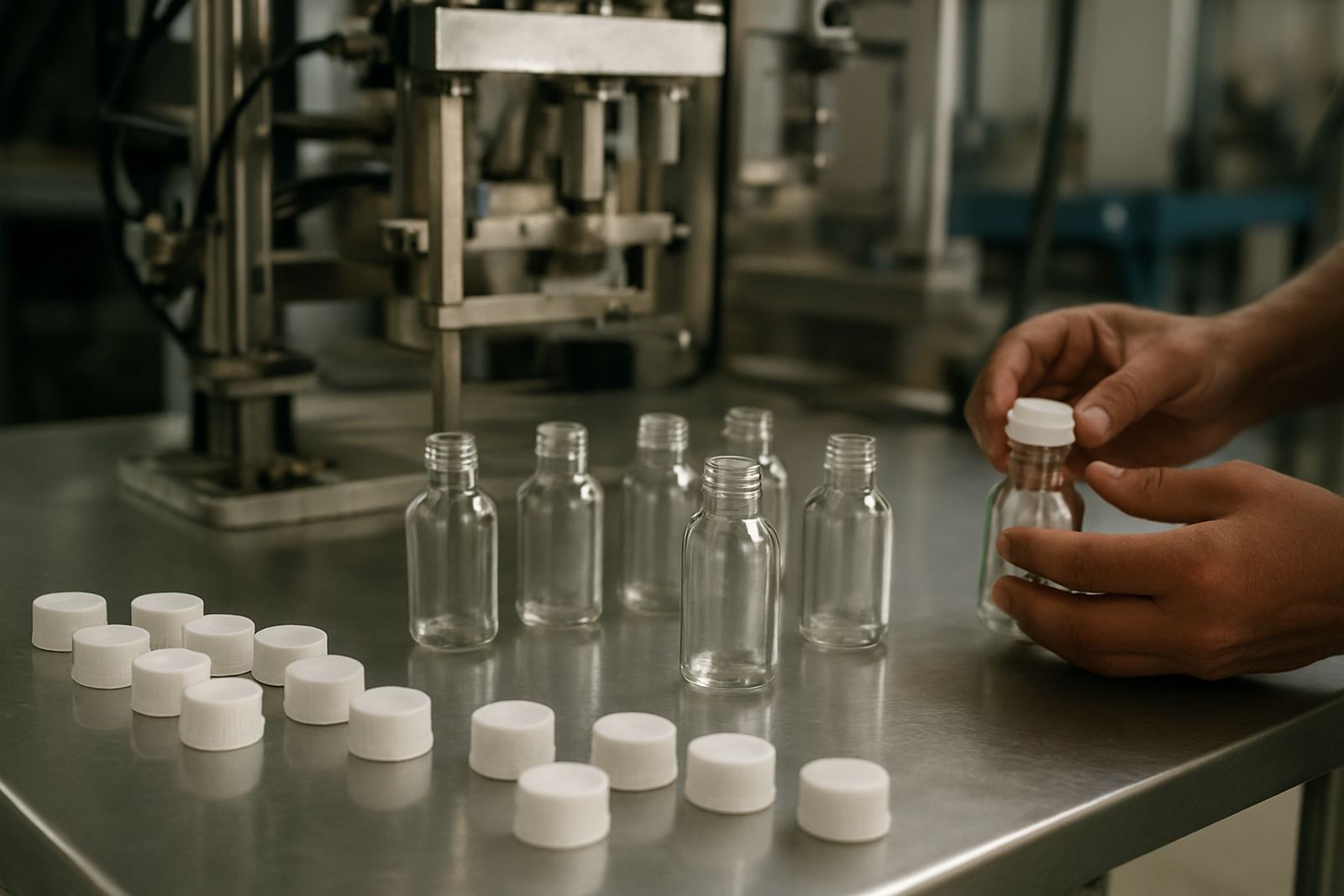
For many local clients the first question is not how much can it do, but how many sizes can one setup handle without constant changeover. If you print 30 ml sample bottles in the morning and 500 ml supplement tubs later in the day, the layout must keep the setup time sensible and the operator comfortable.
Planning The Room Around The Bottle Line
A good print room saves more time than a bigger machine on its own. Leave enough space for bottle infeed, sorting, finished pack-out and screen storage. The screen drying area must stay clean, away from dust, carton fluff and open chemical containers. At Aeroton or any industrial park in Johannesburg South, floor space is often tight so it helps to plan traffic flow before the equipment lands on site.
Power supply matters too. Load-shedding can interrupt curing, air supply and drying if the line is not planned properly. Many clients ask about backup power for the full line, but often the better answer is to protect the critical steps first and build the workflow around the units that cannot stop mid-run. Lighting should be bright and even, because small registration marks and fine text are easy to miss in poor light.
- Keep incoming bottles near the machine but off the floor
- Separate wet ink handling from finished goods
- Allow room for screen storage and reclaiming
- Plan a clear route for maintenance access
- Position the line away from direct dust and pallet traffic
Common Mistakes On Pharma Bottle Projects
One common mistake is buying the machine before confirming the bottle range. A setup that handles one round bottle size may struggle with shorter formats, narrow necks or a heavier wall thickness. Another mistake is using artwork that is too fine for the bottle diameter. Small batch codes and warning text need testing on the actual container, not only on a flat proof. If the line runs multiple products, it also helps to standardise as much as possible, otherwise each job becomes a new problem.
Ink choice gets overlooked as well. A print that looks fine on day one may rub off after storage if the surface prep or curing is weak. In some cases the issue is not the ink at all, but poor screen tension, an operator rushing the setup, or bottle contamination from mould release and dust. We often see sites trying to push speed before they have repeatable registration, and that usually costs more in rejects than it saves in output.
Budget Ranges In Rand For Pharma Bottle Printing
Budget depends on bottle sizes, daily volume, number of colours and how much of the prep work you want to do in-house. A small entry setup for short runs and one-colour work may start from roughly R85 000 to R180 000, depending on the configuration and support items included. A more capable production setup with better controls, extra tooling and training can sit between R180 000 and R420 000. Larger lines with multiple bottle sizes, stronger curing support and added handling gear can go higher.
It is usually wise to allow budget for screens, spare consumables, training and first-round optimisation, not only the machine itself. A few thousand Rand spent early on can save wasted stock later. For plants in Pretoria, Midrand or Durban where production volumes are steady, investing in proper setup and preventive maintenance often gives better value than chasing the cheapest quote.
Installation, Training And Ongoing Support
Bottle Screen Printers supports installations nationwide from Aeroton, Johannesburg, with service into Johannesburg South, Midrand, Pretoria, Durban and Cape Town. Our team can assist with machine installation, site setup, operator training, screen making, screen reclaiming, preventive maintenance, breakdown repairs, spares supply, colour setup help and production optimising. Thabo Mokoena leads the business, with support from Naledi Khumalo, Johan van der Merwe, Anele Dlamini, Farieda Jacobs and Sibusiso Nene.
For pharma bottle work, that support matters because stable output comes from repeatable process, not just equipment. If the bottle material changes, the label requirements shift or the room conditions move with the season, we can help you adjust the setup and keep the print consistent. For quotes or planning help, send a message through our contact form.