

How to use these completed print job examples
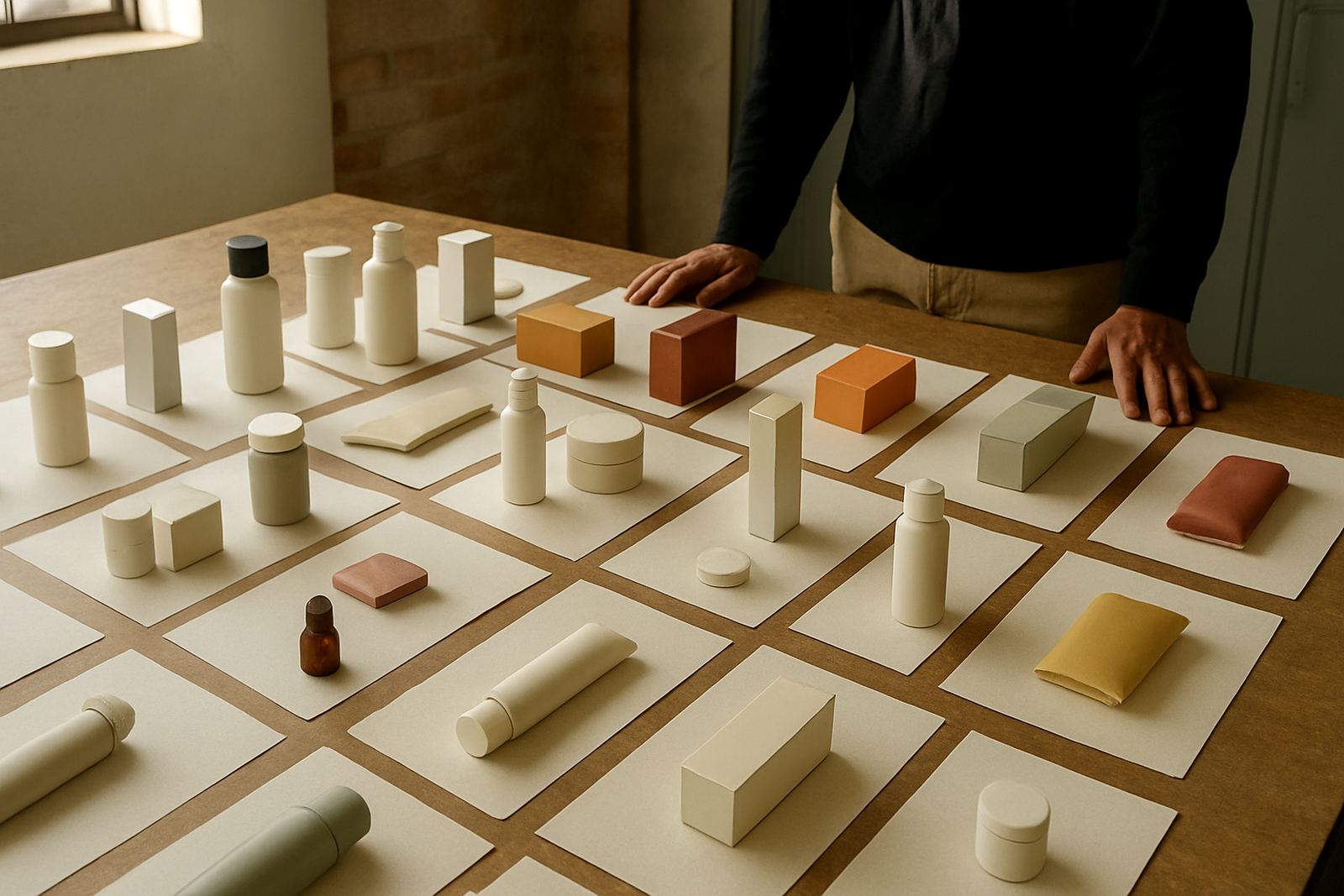
Each example in this hub shows a real type of packaging brief, not a theory piece. You will see what was printed, where the work was done, and what matters on the floor when the job has to hold up through transport, handling and daily use. Some jobs suit a small co-packer in Midrand, while others are better for a higher-volume plant in Johannesburg South or a contract packer in Durban.
When you compare the examples, look at three things first: the product shape, the print area, and the finish required. A straight-sided bottle is usually easier than a tapered cup, while a narrow tube may need a tighter screen set and steadier registration. If you are planning a run in Cape Town or near the coast, you also need to think about drying time and humidity, becuase that can change the way ink behaves.
Bottle runs for food, personal care and household products
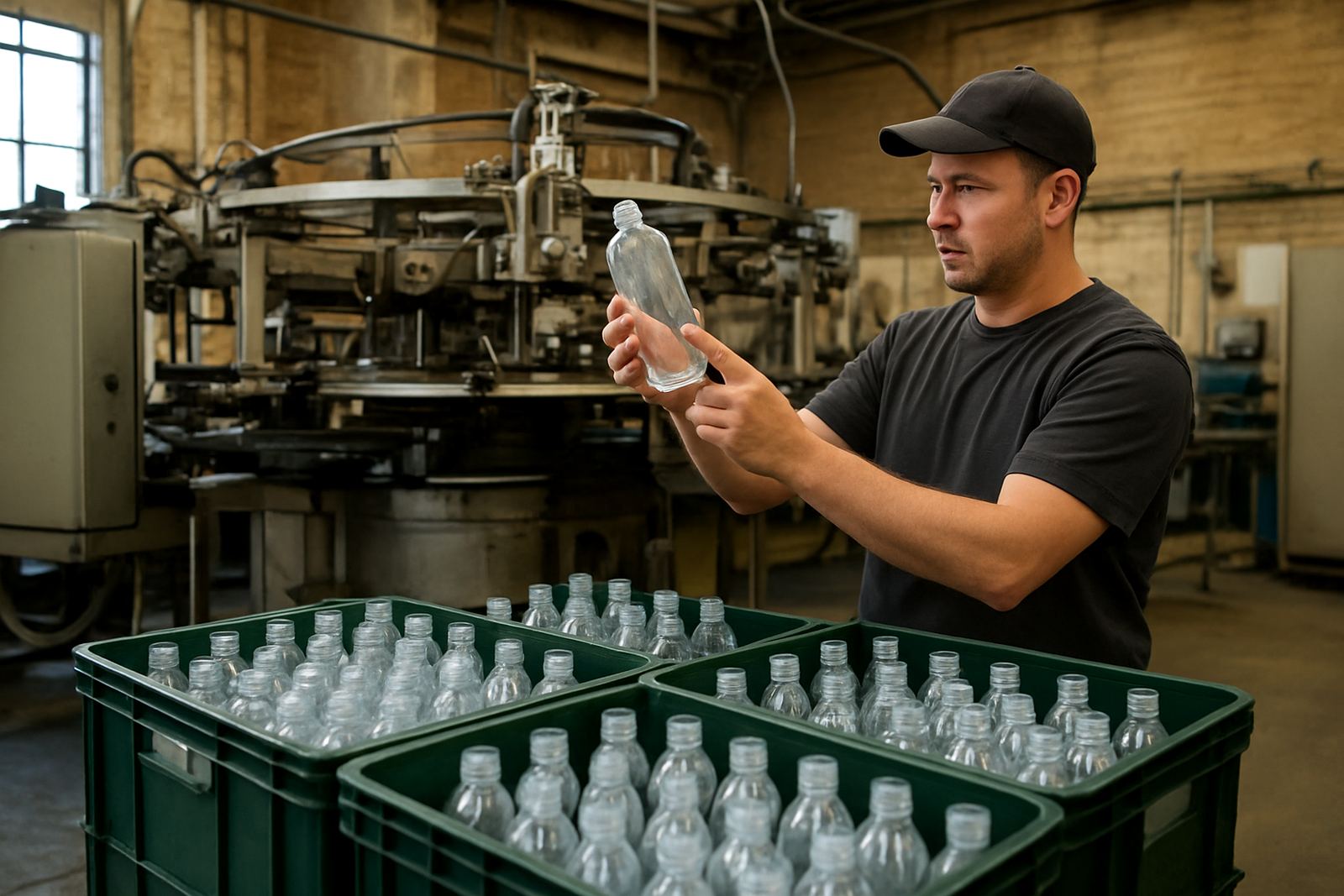
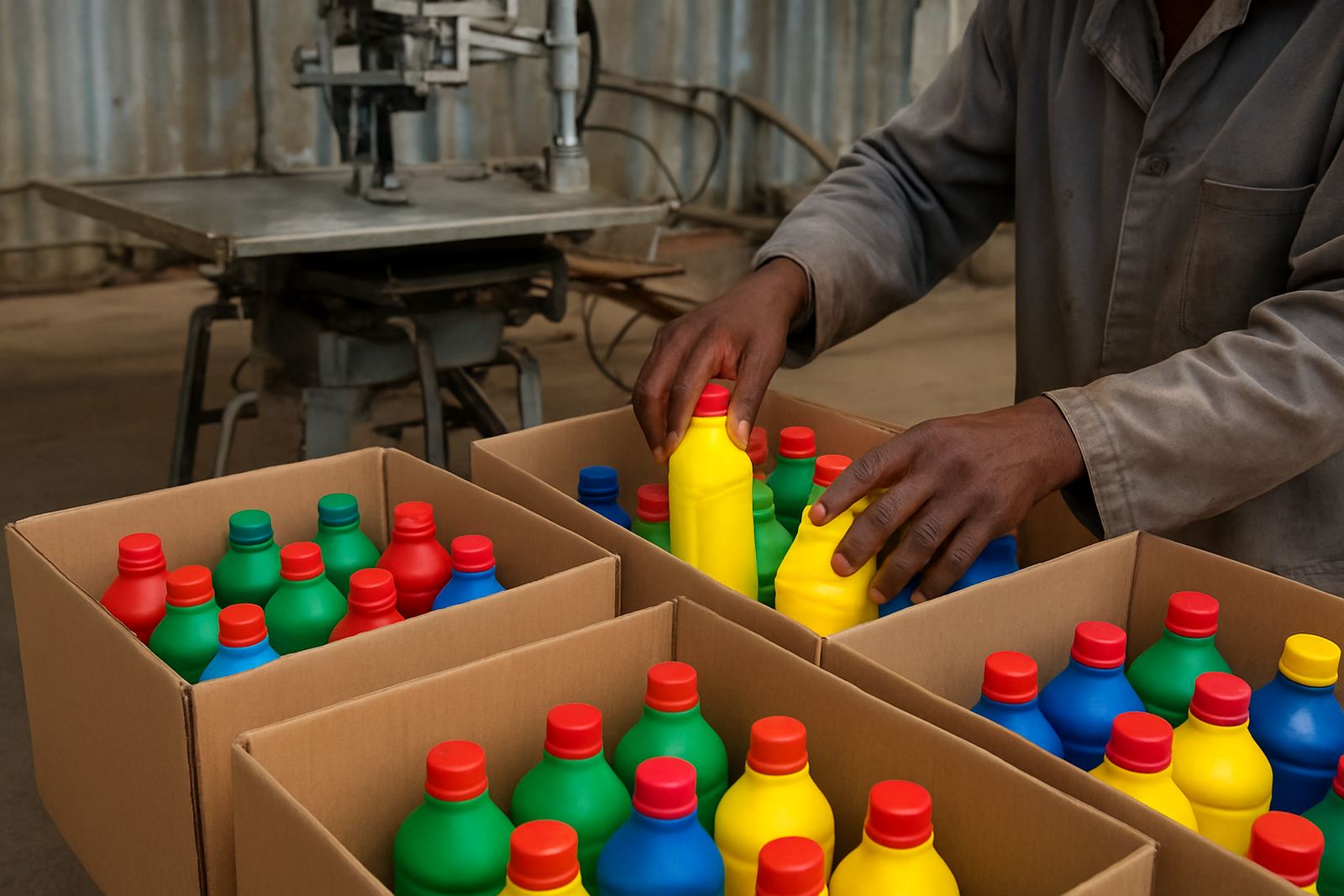
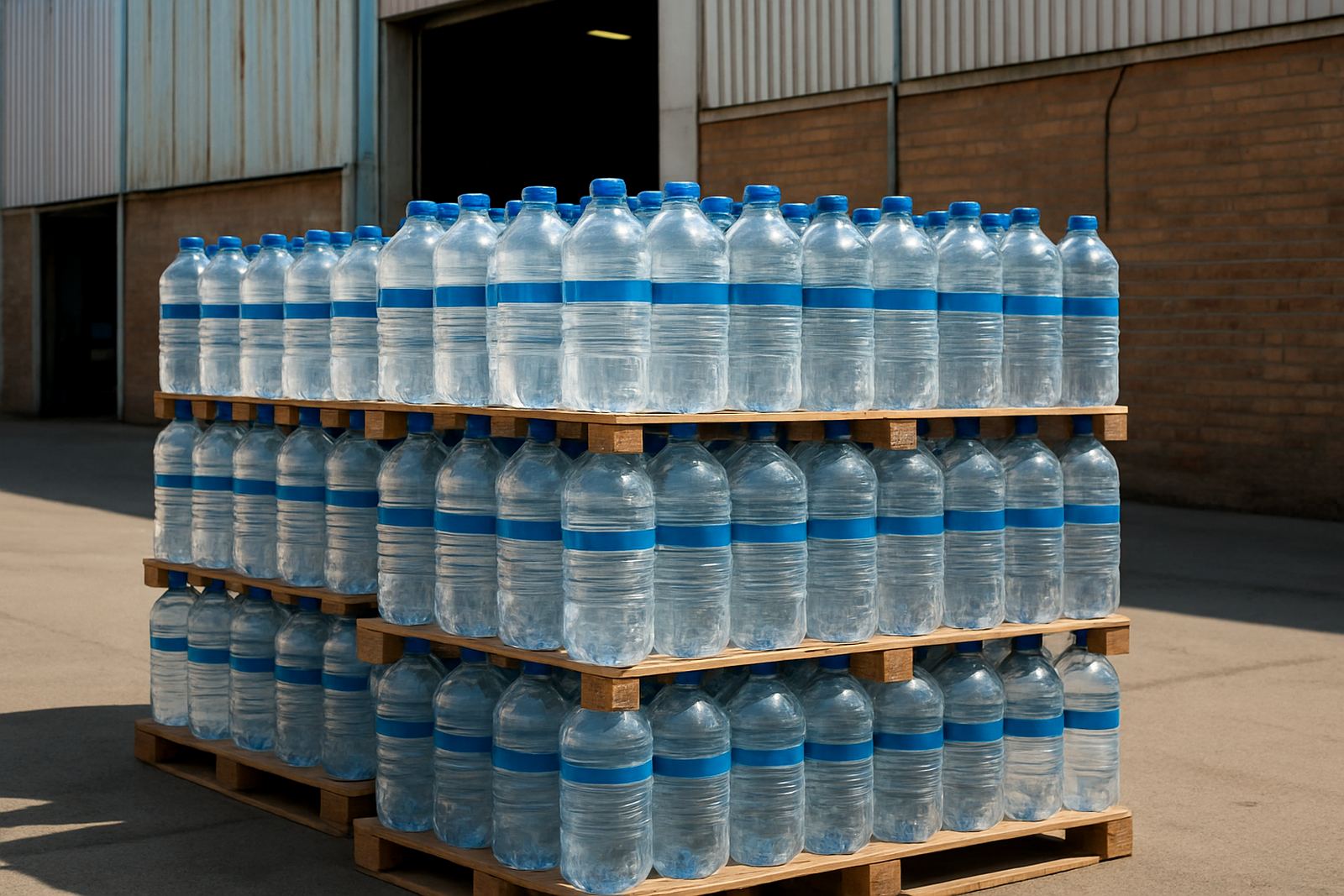
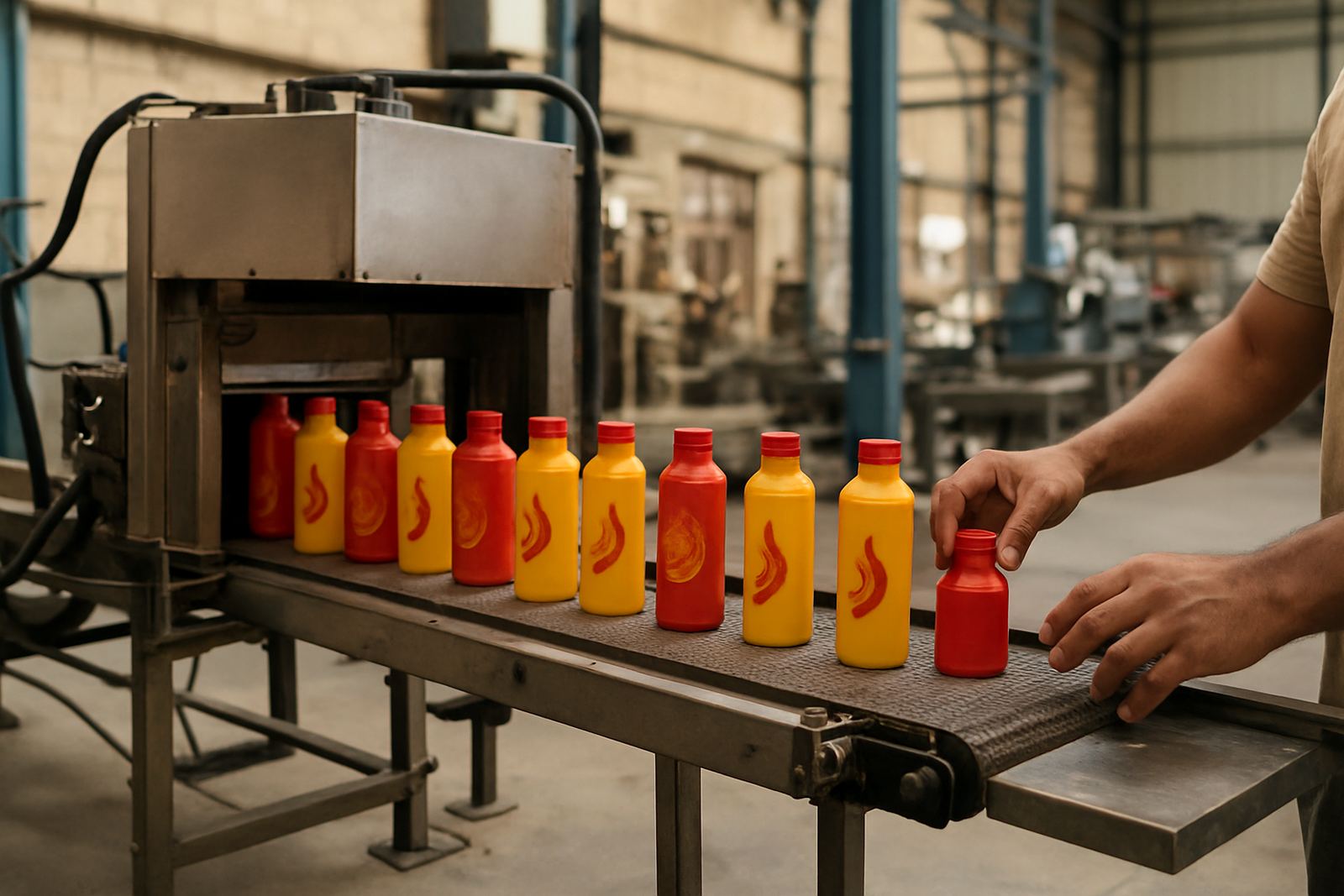
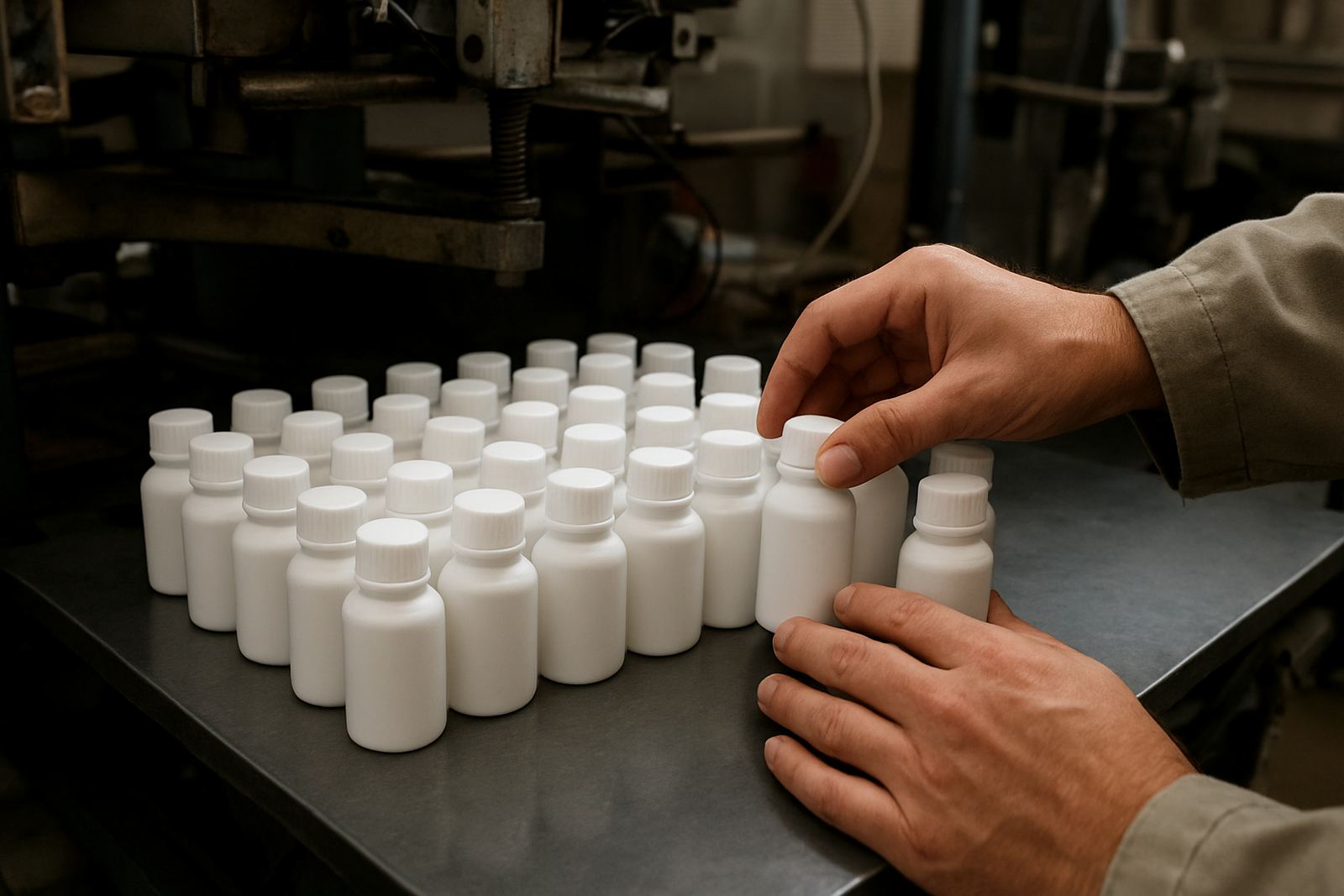
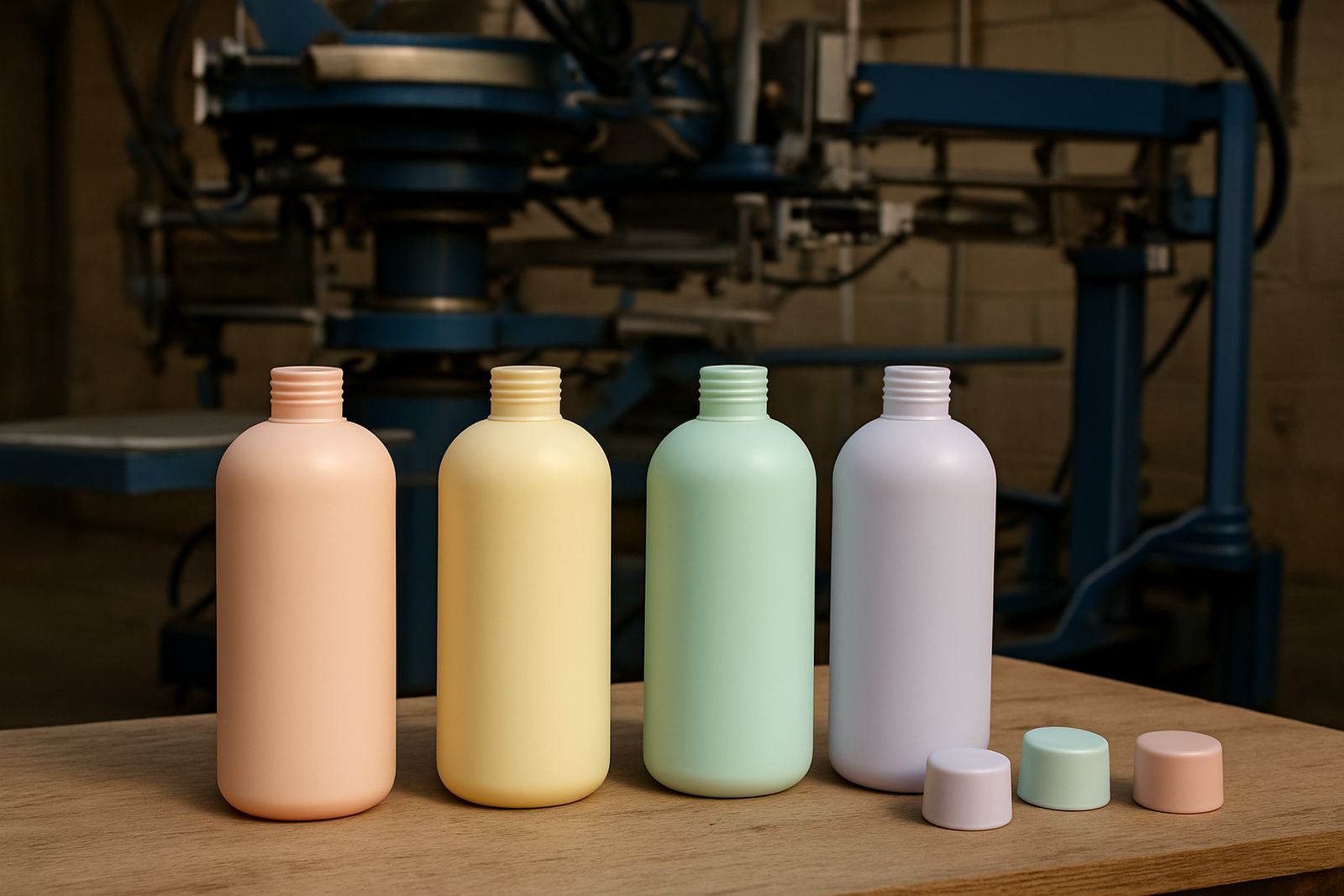
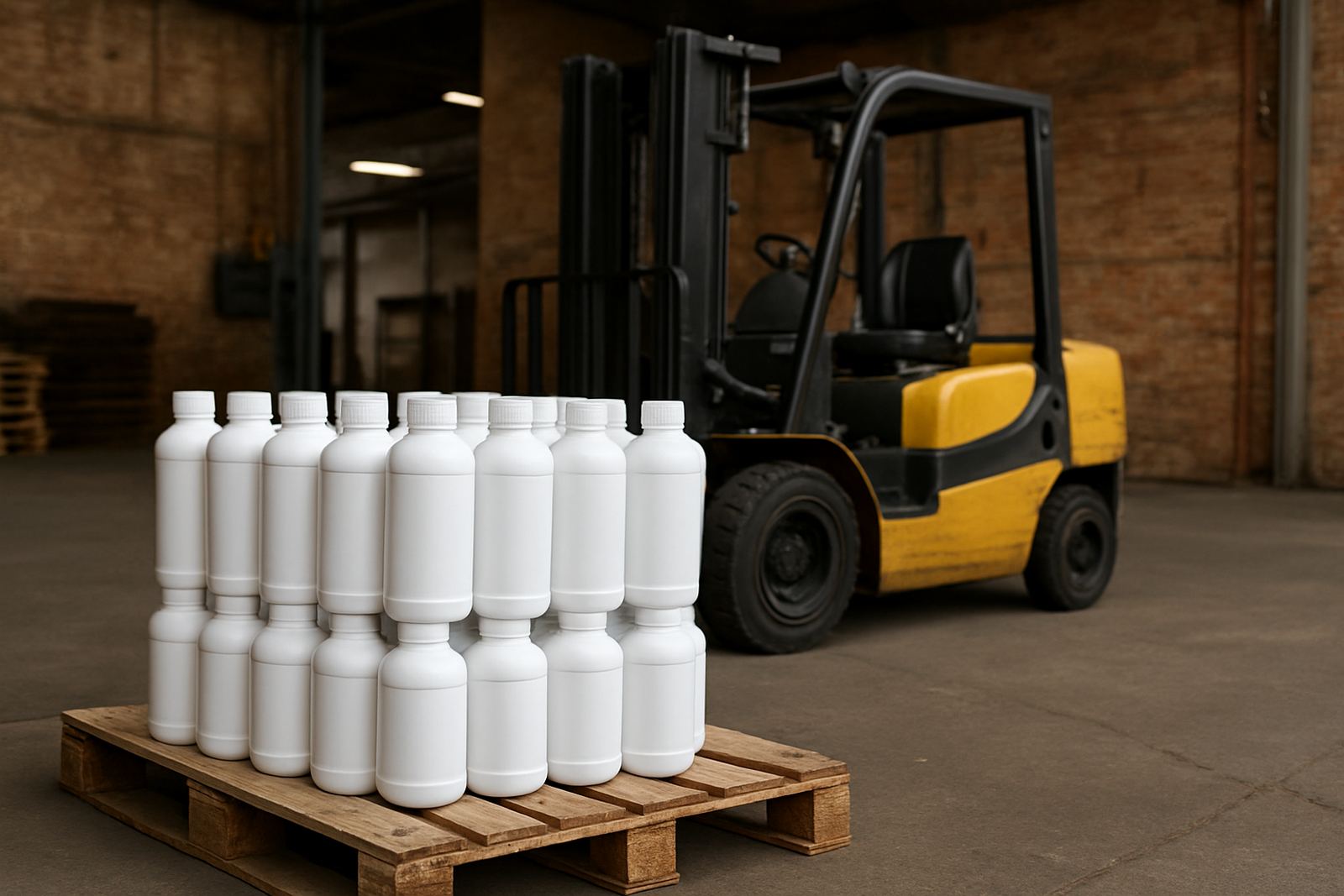
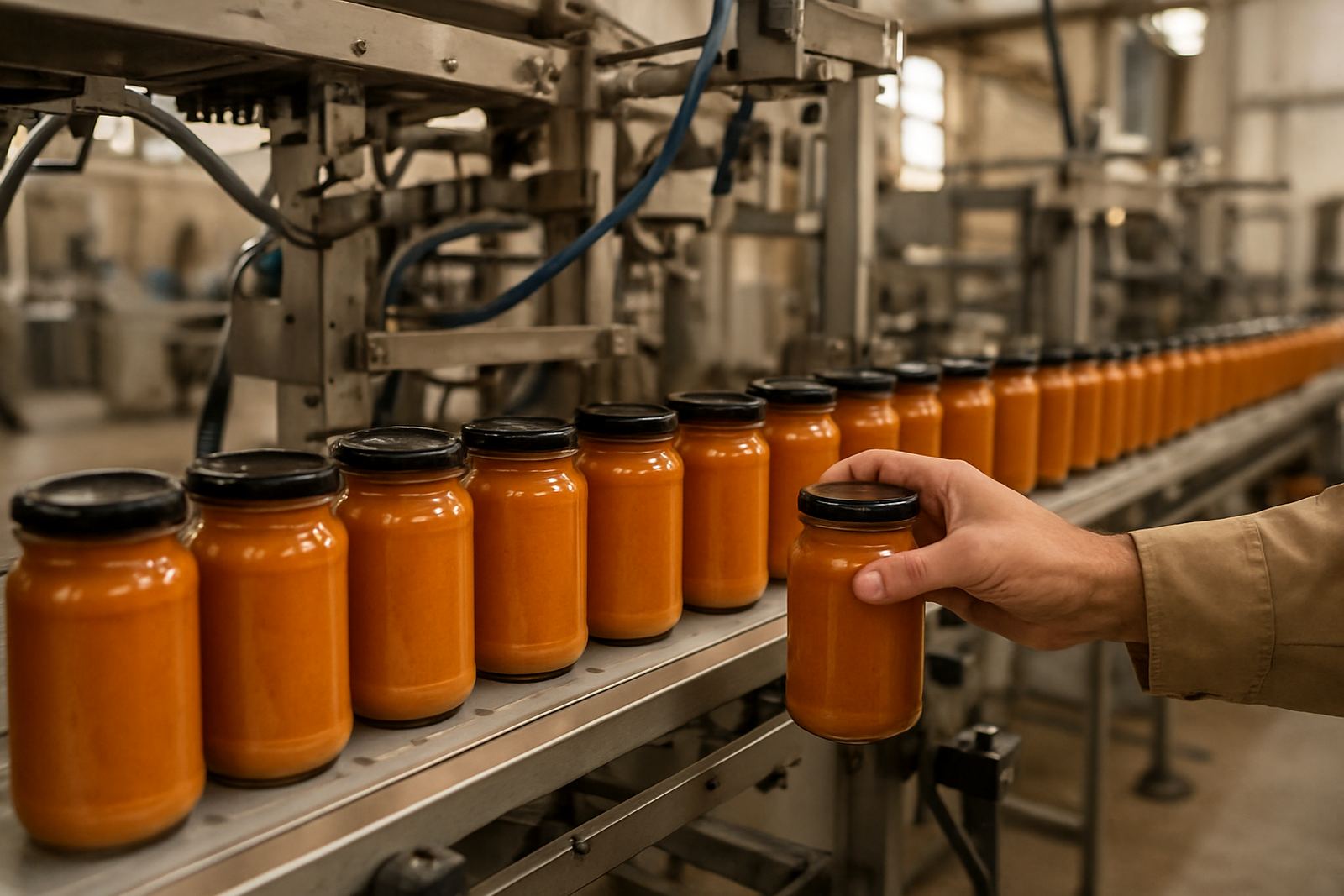
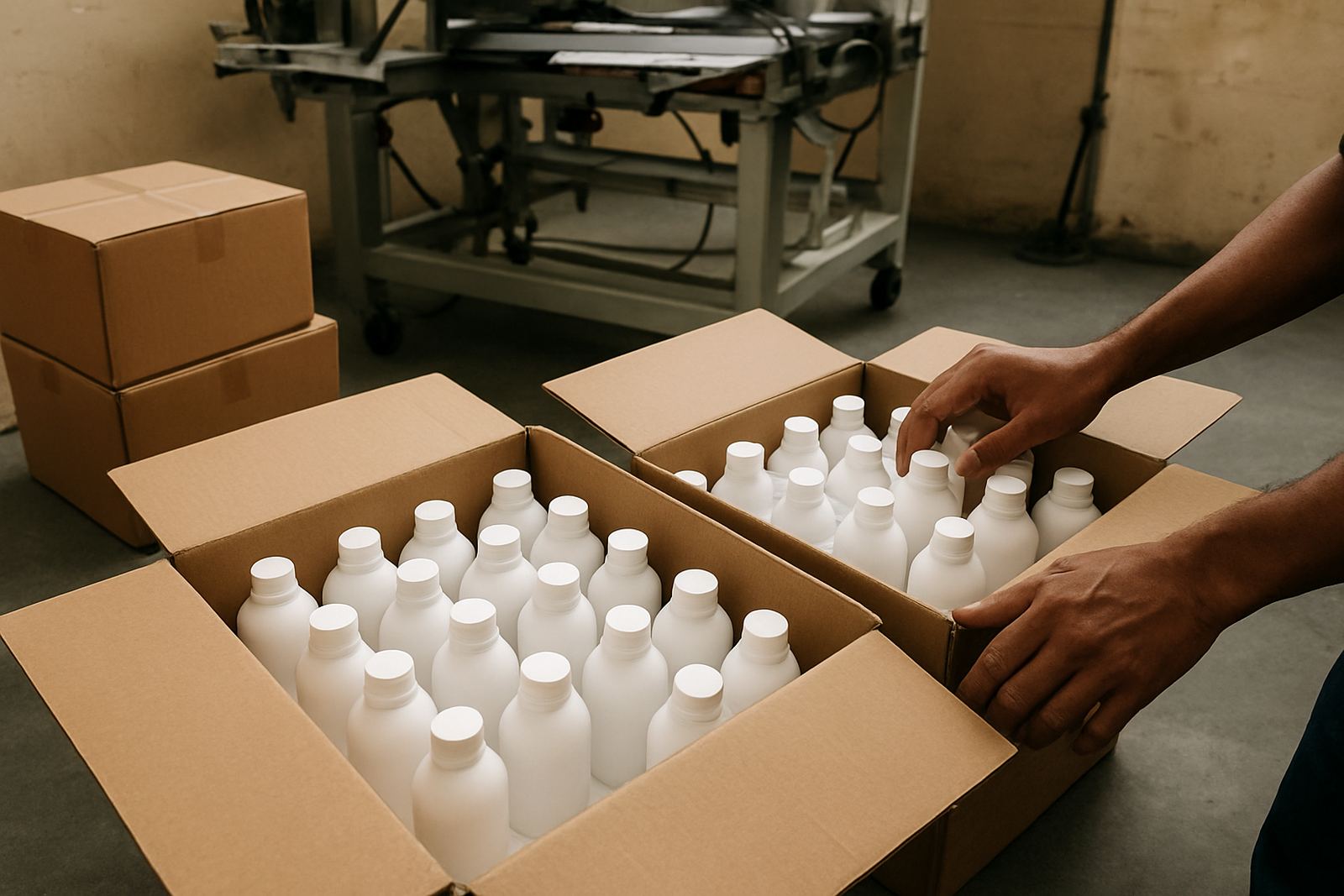
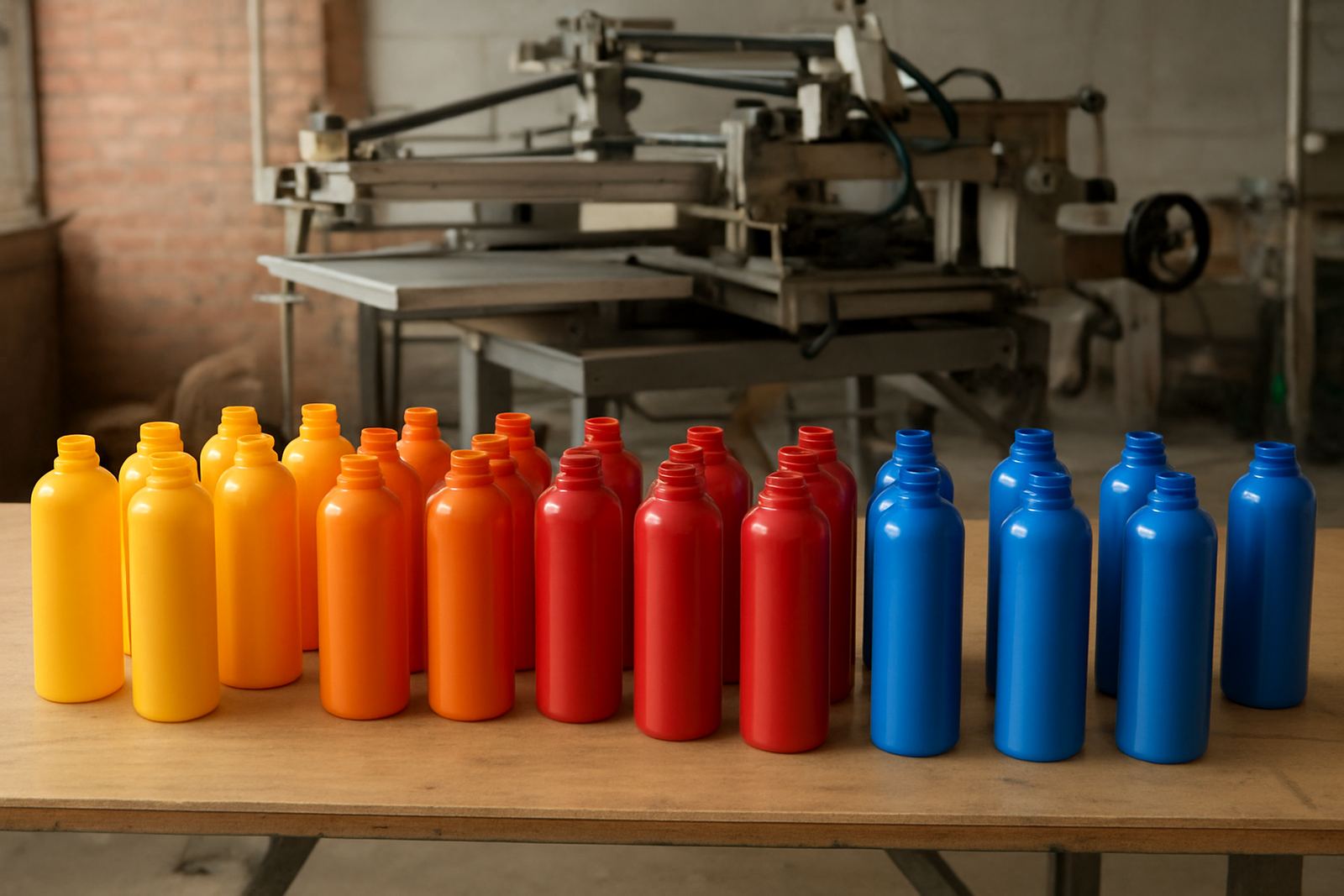
Bottle jobs are often the best starting point for new customers because the shape is familiar and the print area is clear. These completed jobs show how cylindrical screen printing can carry product names, simple logos, barcodes and ingredient panels on glass or plastic bottles. In the Johannesburg area, many producers need prints that stay sharp after packing, warehousing and delivery to retail or distribution sites.
- 500 ml and 750 ml bottles for liquid products
- Small cosmetic bottles for creams, oils and tonics
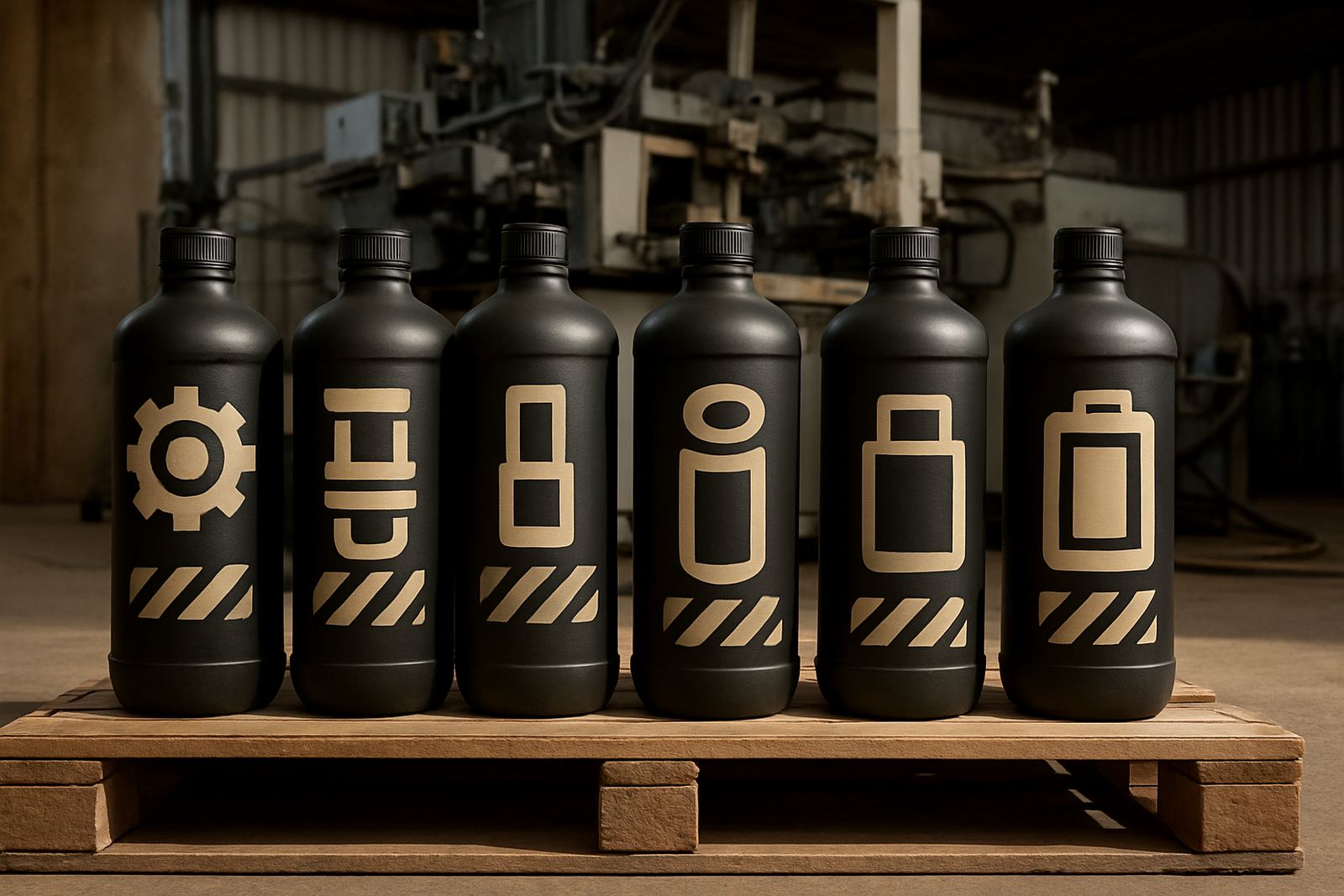
- Household chemical bottles with warning text and batch details
- Promotional refill bottles for events and trade use
For jobs like these, colour control matters. A clean first pass saves time on rework, and the right screen tension helps keep the print edge crisp. If the bottle wall is uneven or slightly flexible, setup changes need to be made before production starts.
Cup printing examples for short runs and bulk branding
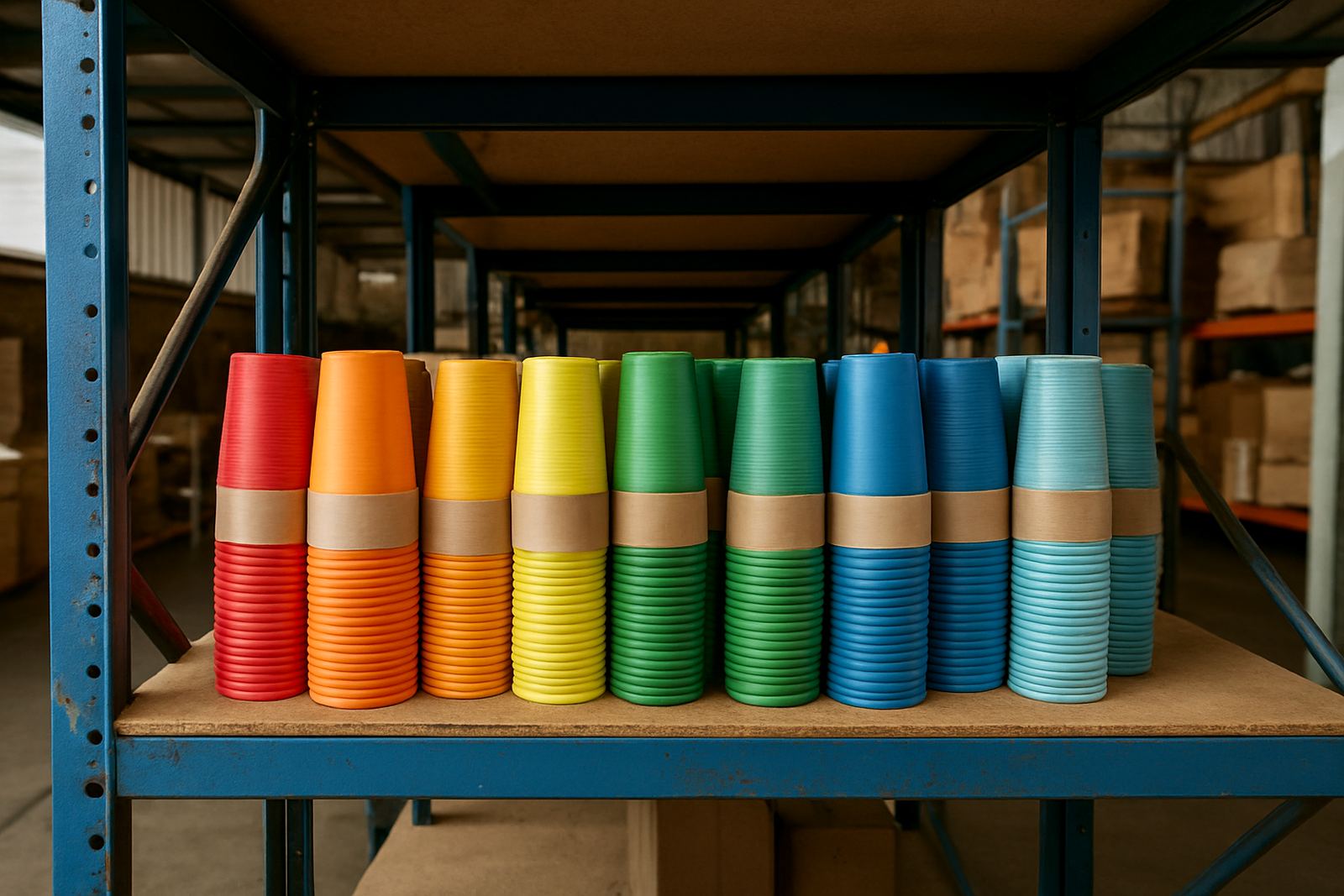
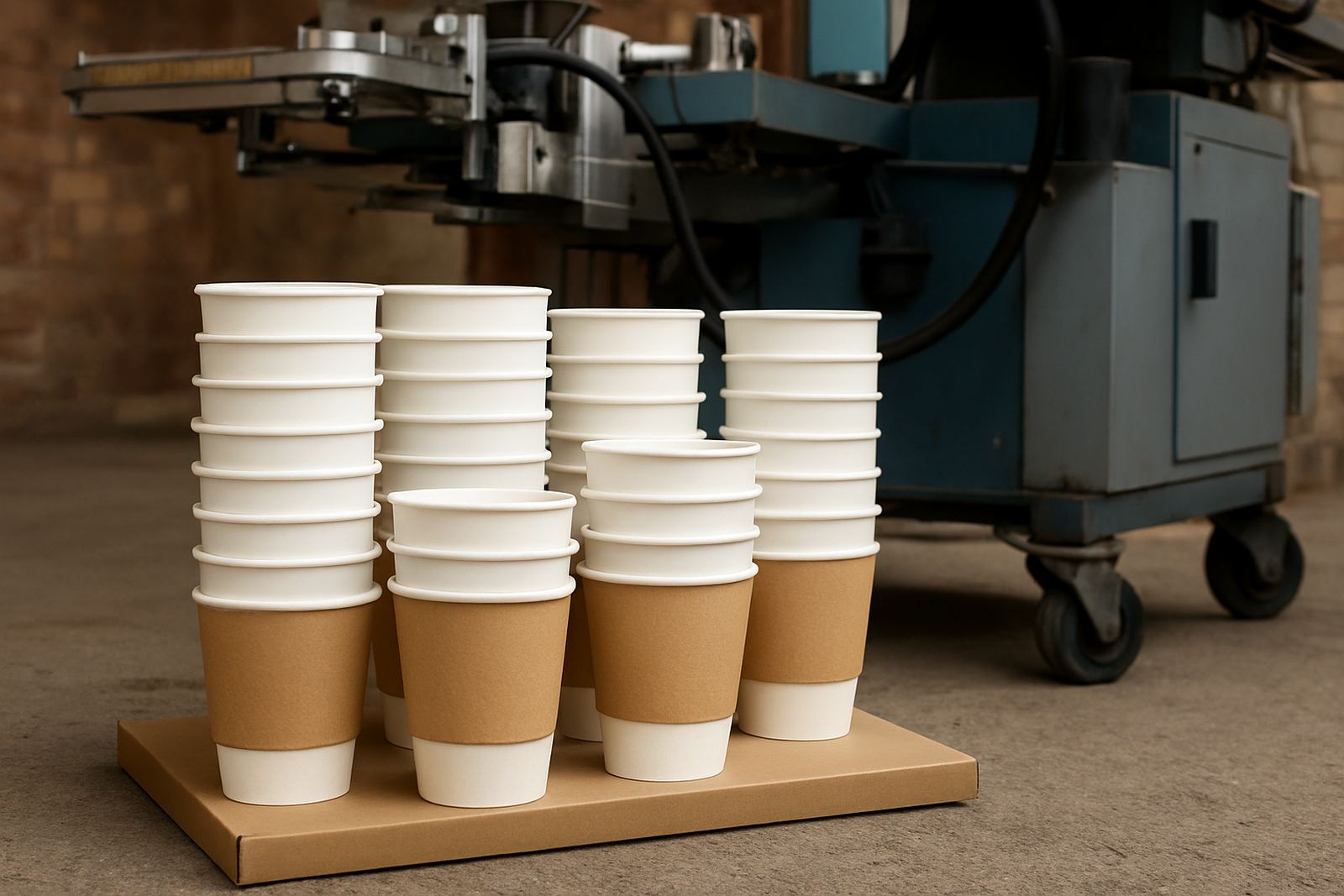
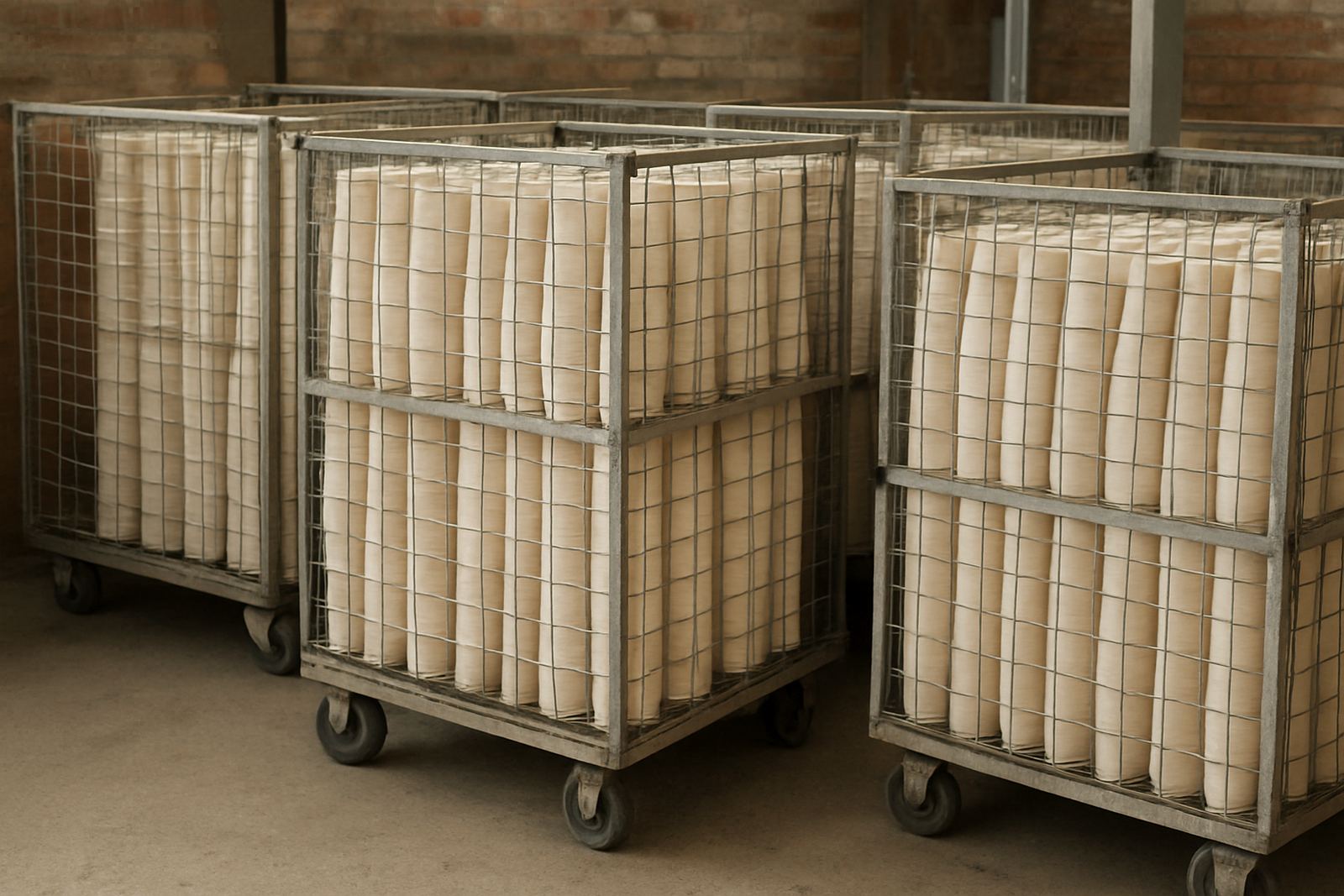
Cups are popular for promotions, hospitality and local brand activations. They can be printed for events in Pretoria, product launches in Sandton, or takeaway packaging in Durban where fast turnaround is important. The examples in this section show how different cup diameters and heights affect squeegee pressure, image placement and drying space.
Printed cups usually need practical handling advice as well. Staff must know how to stack them, move them between stations and avoid scuffing the ink before cure or dry. When a business is running during load-shedding, backup power and a planned workflow become part of the print brief, not an afterthought.
- Disposable drink cups for cafés and caterers
- Reusable plastic cups for sports and school events
- Sampling cups for expos and field promotions
Tube decoration for cosmetics, food and technical products
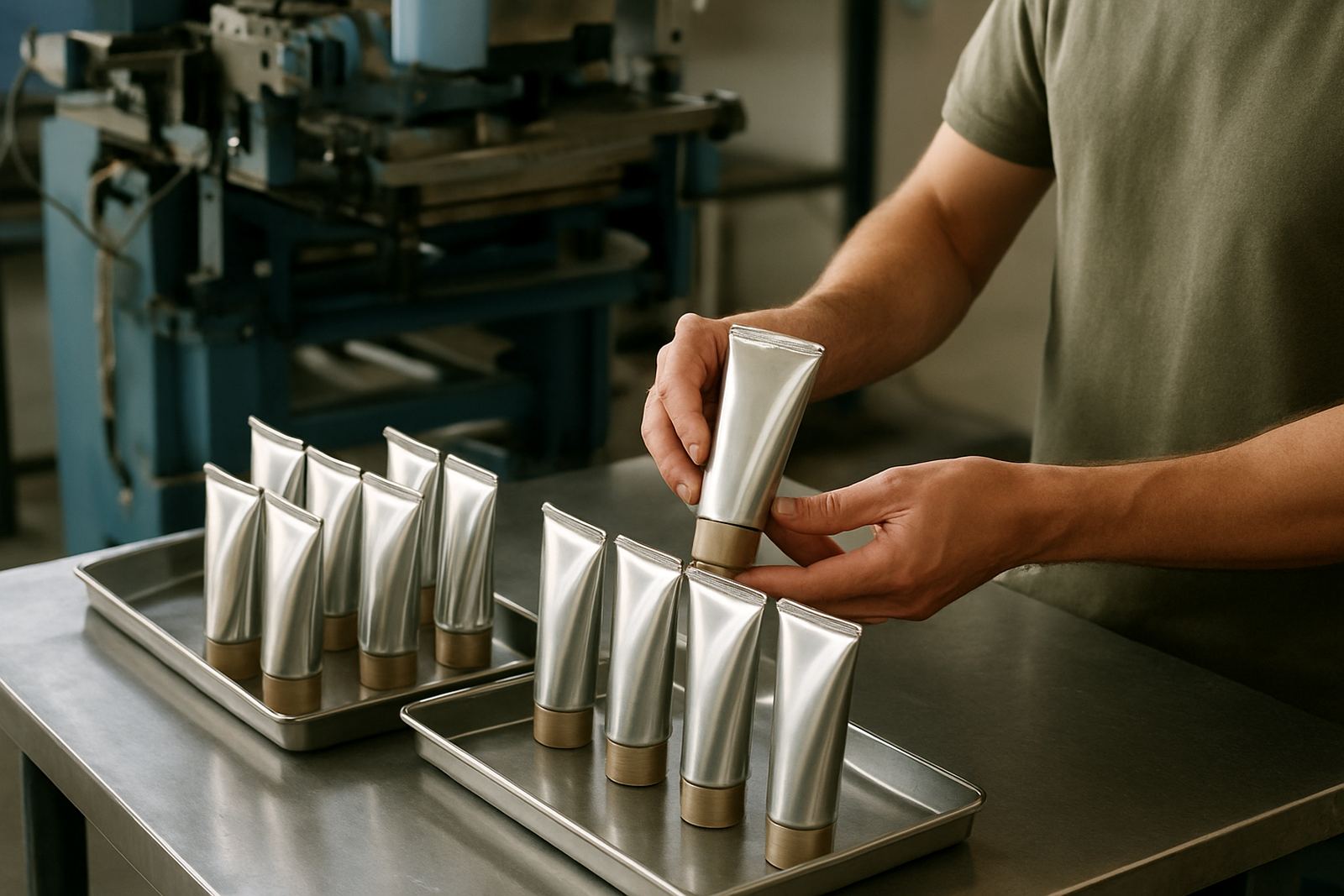
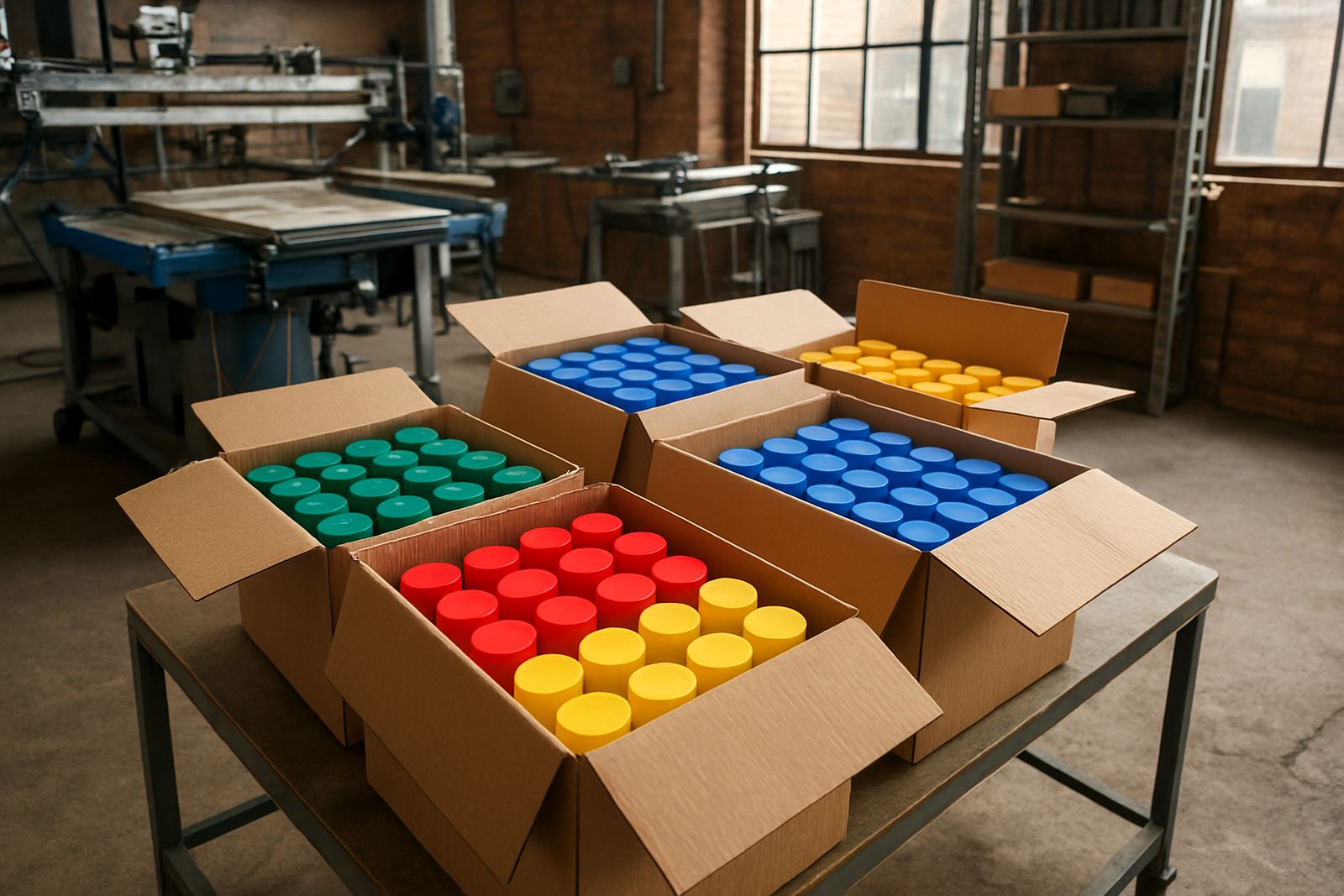
Tube printing needs steady registration because the print area is usually smaller and more curved than a bottle or cup. These completed jobs show how printed tubes can carry bold branding, usage notes and batch information without smudging the side seam. That is especially useful for cosmetic tubes, adhesive tubes and food tubes packed in hot rooms or moved through busy distribution centres.
In many South African plants, tube work also needs good screen making and screen reclaiming discipline. If the screen is not cleaned properly, old image ghosting can show up on the next job. That causes delays and wasted stock, so preventive maintenance is part of the normal schedule, not something handled only when there is a breakdown.
What affects the quality of a completed print job
Good print results come from matching the machine, screen and operator to the packaging. A small job in Aeroton may only need a simple setup and one colour, while a larger run for the Cape Town region may need faster loading, tighter ink control and more drying space. If the print shifts even a few millimetres, the label area can look out on the shelf and that is hard to fix later.
These are the main factors that show up across the completed jobs in this hub:
- Surface type, whether glass, rigid plastic or flexible plastic
- Product diameter and any taper on the body
- Ink choice and drying method
- Working conditions, including humidity and temperature
- Operator training and repeatable setup notes
Choosing the right completed job example for your brief
Use the finished examples to compare your own product with jobs that are close in shape and size. If you make bottles for local retail, choose a bottle example first. If your business fills cups for events and takeaway, start with the cup work. If you are printing tubes, look for jobs that show fine text and tighter registration. That way you can see what the machine has to handle before you commit to production.
Thabo Mokoena and the team work with businesses across Johannesburg, Pretoria, Midrand, Durban and Cape Town, as well as smaller sites in nearby industrial areas. They can help with machine installation, site setup, operator training and production optimising, so the print room is ready for real work from day one.
What to expect when you request a production discussion
If you need a new setup or want to improve an existing line, start by matching your container type with a recent completed job. Then ask about screen making, spares supply and breakdown repairs so you can plan for normal production issues before they slow the line down. A short discussion can save a lot of guesswork, especially if the job has to run around municipal power limits or seasonal humidity.
For practical help, contact the Aeroton team on our contact form. The aim is to help you choose the right print method, keep the work moving, and make sure the finish looks right on the shelf.