Midrand distributor brief and product mix
The client came to us with a straightforward but demanding job. They needed branded water bottles for a mixed channel business that moves stock through event organisers, promotional resellers and retail outlets in Gauteng and beyond. The bottles had to look sharp on shelf, print consistently across the run, and stand up to regular packing, transport and hand washing.
The order included cylindrical bottles in two common sizes, with smooth print areas and tight artwork registration. The bottles were being used for a summer promotional programme, so the branding needed to read clearly from a distance and still look neat under indoor lighting at expos and counter displays. We also had to allow for fast repeat supply, because the client would be reordering in smaller batches after the launch.
- Client type: distributor serving events and retail outlets
- Town: Midrand
- Product: cylindrical water bottles
- Use case: promotional and retail branding
- Print requirement: durable single and multi-colour logos
What the print job needed to overcome
Water bottles bring a few practical challenges. The bottle surface must be stable for print, the artwork has to wrap correctly around the curve, and the ink needs enough bond to cope with moisture and friction. In Midrand, many orders also move quickly between depots and clients, so there is little room for delay if a campaign date is fixed.
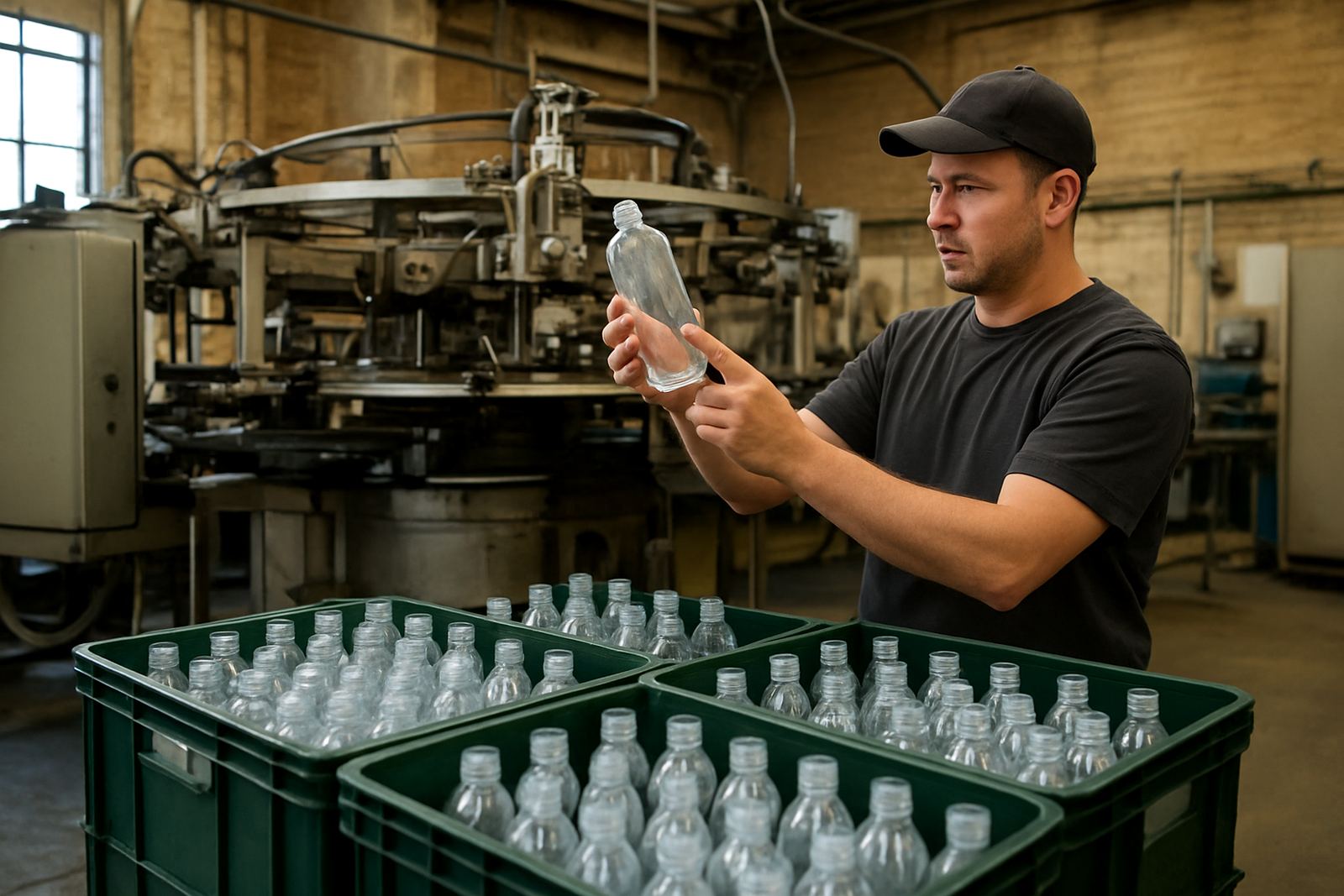
This run also needed to account for handling differences between staff at the warehouse and end users at events. Some bottles would be refilled daily, others would sit in display crates or be given out as sponsor items. That meant the finish had to look good on day one and still hold after real use, not just after a photo. We checked the print area carefully, because even a small variation in bottle neck profile can throw off the wrap on cylindrical work.
Load-shedding planning formed part of the job too. We scheduled the work in a way that kept screen prep, setup and printing in the same window, so there was less chance of interruptions between colour passes. It helps to keep production tight when a client is working to launch dates and store deliveries.
- Consistent wrap alignment around the bottle body
- Ink adhesion suited to washable promotional bottles
- Production planning around power interruptions
- Artwork checked for curve distortion before print
Screens, setup and machine settings we supplied
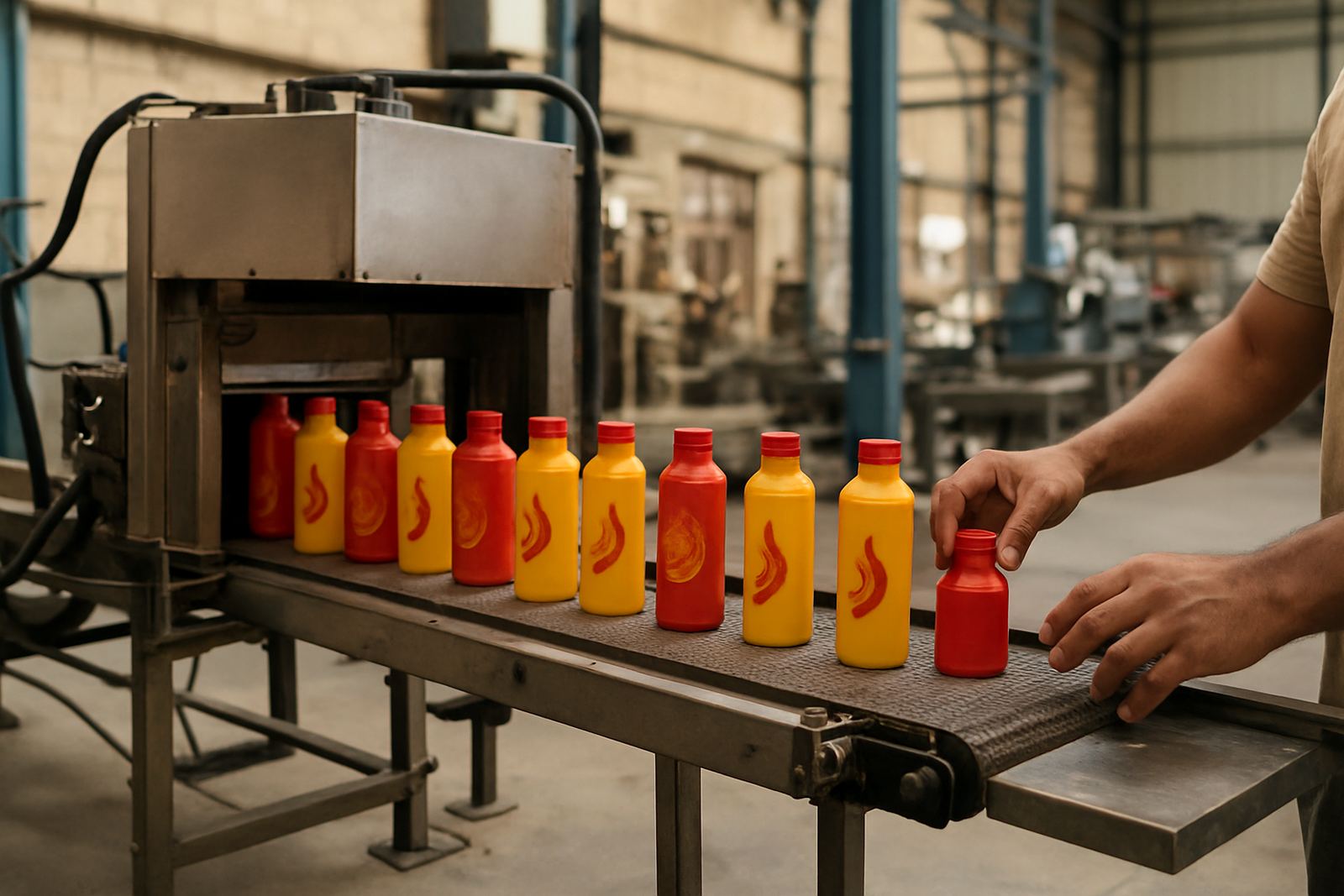
We prepared the screens for the artwork, matched the print areas to the bottle diameters and set the job up on cylindrical screen-printing equipment suited to containers and tubes. The setup included registration checks, test pulls and ink adjustment until the edge definition and colour density sat where they should.
For the actual run, we used bottle-specific screens and kept a close eye on squeegee pressure and curing behaviour. Cylindrical work can drift if the settings are rushed, especially on lighter bottles or shapes that taper slightly near the shoulder. Our technical team corrected the contact points and kept the repeat print position stable from the first sample through the balance of the order.
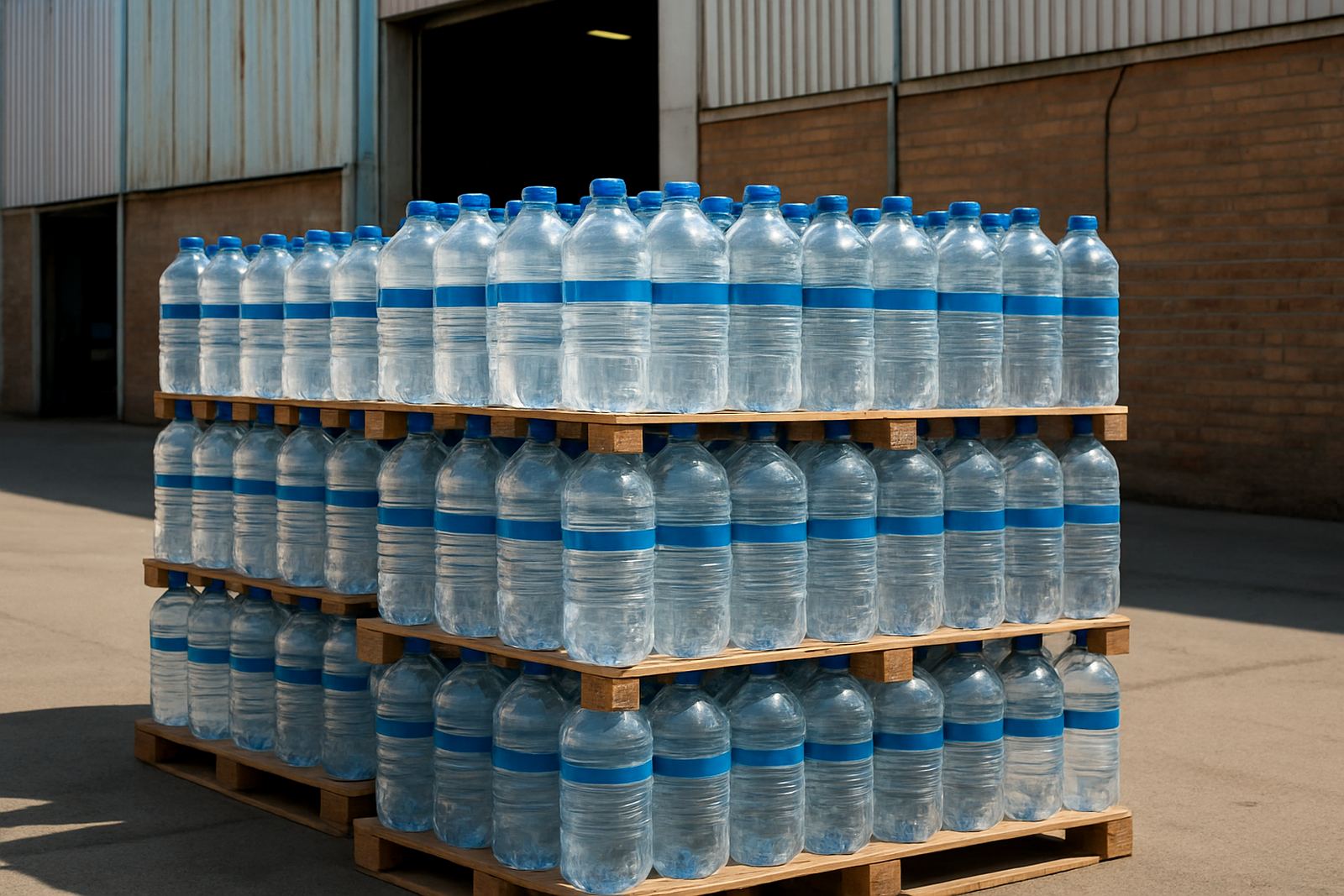
We also gave the client practical guidance on handling printed bottles after production. That covered drying time, stacking limits and packing methods so the fresh prints would not scuff before dispatch. The bottles were left with a clean, even finish and the logos had enough contrast to carry well on retail shelves and event tables.
- Cylindrical screen-printing setup for round bottles
- Artwork registration and test print approval
- Ink and pressure adjustment for clean edge detail
- Handling advice for drying, stacking and packing
Timeline from setup to handover
The full project took three weeks from brief confirmation to handover. Week one covered artwork review, bottle checks and screen preparation. Week two was the main production window, including test prints, colour matching and the balance of the run. Week three was used for final inspection, packing support and collection planning with the client’s dispatch team.
The schedule suited the distributor because it allowed them to plan stock releases into both event and retail channels without overcommitting inventory. We kept communication direct and practical, which matters when a client needs to know exactly when the next batch can be turned around. There was no need for rework on the main run, and that saved time on the back end.
Our installation and production team also explained how the client could repeat the job later with minimal setup changes. That is useful for any distributor who wants the same bottle artwork across multiple orders, because it keeps the brand look consistent from one batch to the next.
Results on shelf and at events
The finished bottles delivered the result the client wanted: clean branding, steady colour and a print that looked good in hand and in display. The distributor reported that the bottles moved well with event buyers and were easy to place at retail counter level because the logo remained readable from a short distance. The print held its shape on the curved surface without visible drift between pieces.
For this kind of product, the practical win is not only the appearance. It is also the confidence that the same bottle can go through transport, display, use and washing without the brand looking tired too quickly. That gives the distributor more value per unit and a better chance of repeat orders from their own customers.
The job also helped confirm a reliable process for future Midrand work. When a client knows the print response of a bottle range, they can order in smaller or larger batches with less guesswork, which is useful in Gauteng where promotions often move fast and supply windows are tight.
What we would repeat for the next Midrand run
We would handle the next run in the same way: confirm the bottle samples first, lock the artwork to the exact print area, and keep the setup disciplined through the entire batch. That approach gives better repeatability and reduces waste, especially on cylindrical containers where even a few millimetres make a difference.
We would also keep the same production checks for drying, stacking and packing if the bottles are going out to multiple destinations. If a future order includes mixed colours or different bottle sizes, we would split the setup early and verify each variation before full production. It saves time and keeps the final boxes looking uniform.
For distributors in Midrand and surrounding areas, that is usually the best path: simple, measured production with clear communication and enough process control to avoid surprises. It worked well on this job and it would work well again on the next one.
Key facts
| Project | Midrand water bottle branding |
|---|---|
| Client type | Distributor for events and retail outlets |
| Location | Midrand, Gauteng |
| Timeline | 3 weeks |
| Process | Cylindrical screen printing with screen prep and colour setup |
| Support | Installation, operator guidance, packing advice and repeat order setup |