






How To Choose The Right Cylindrical Printer
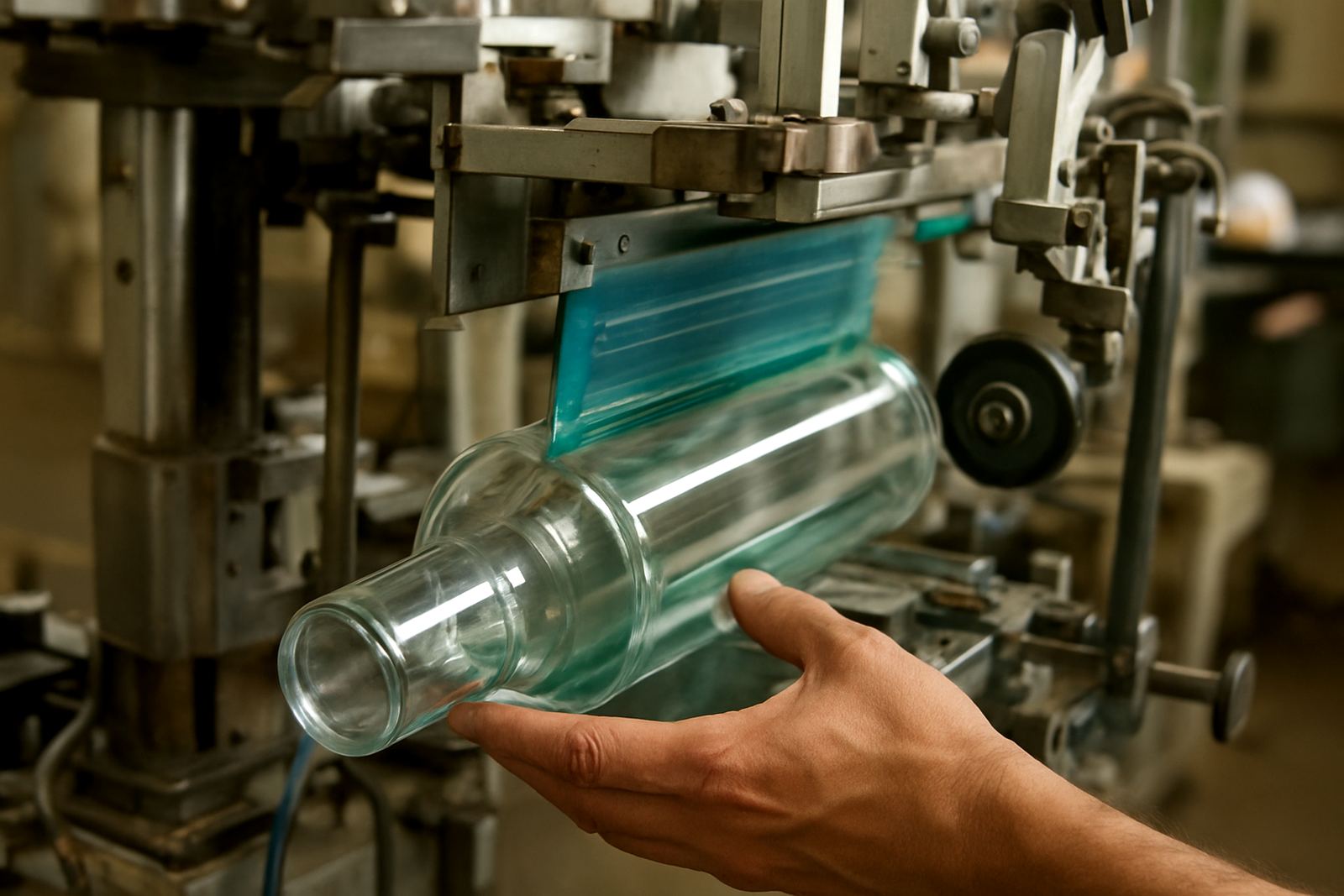
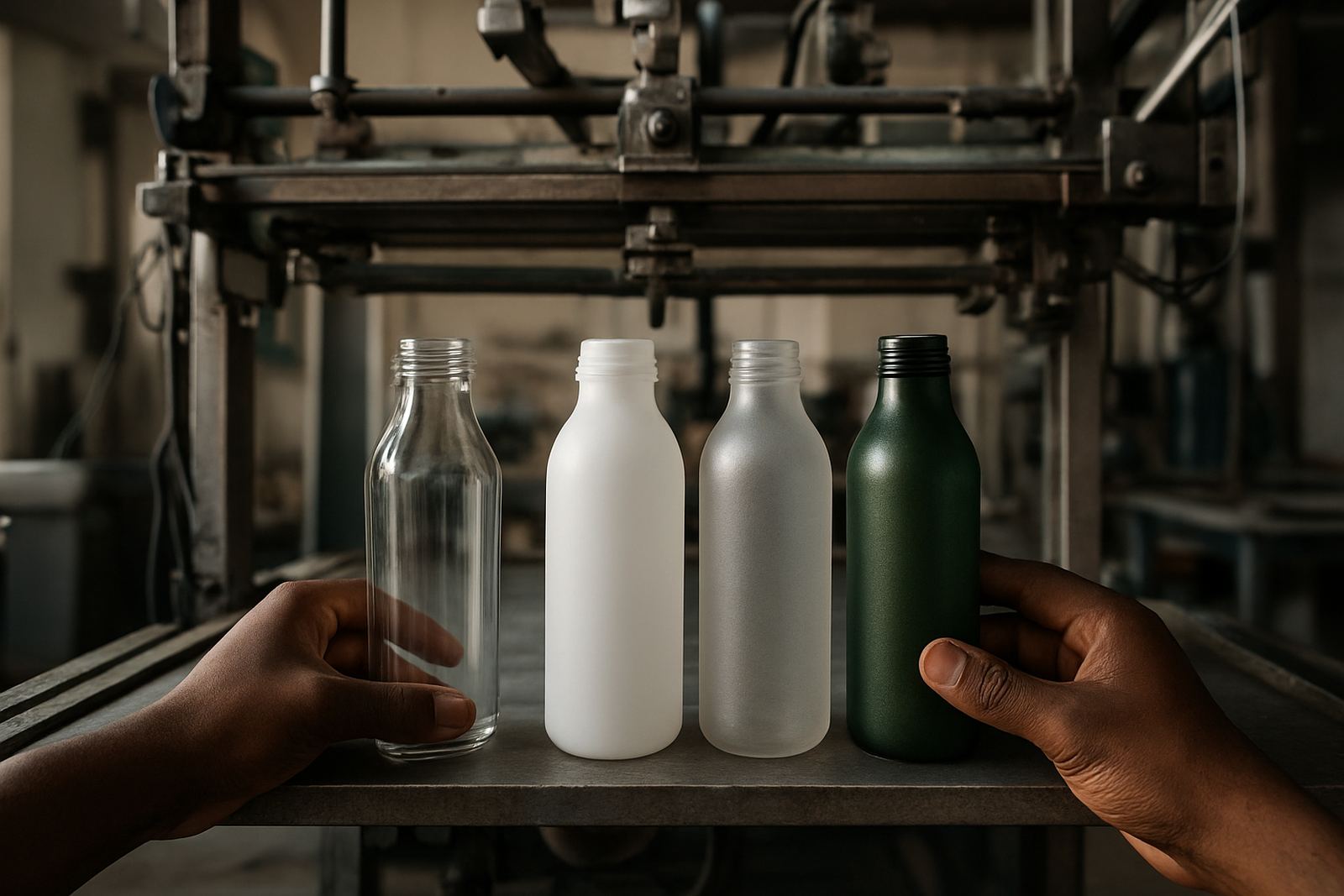
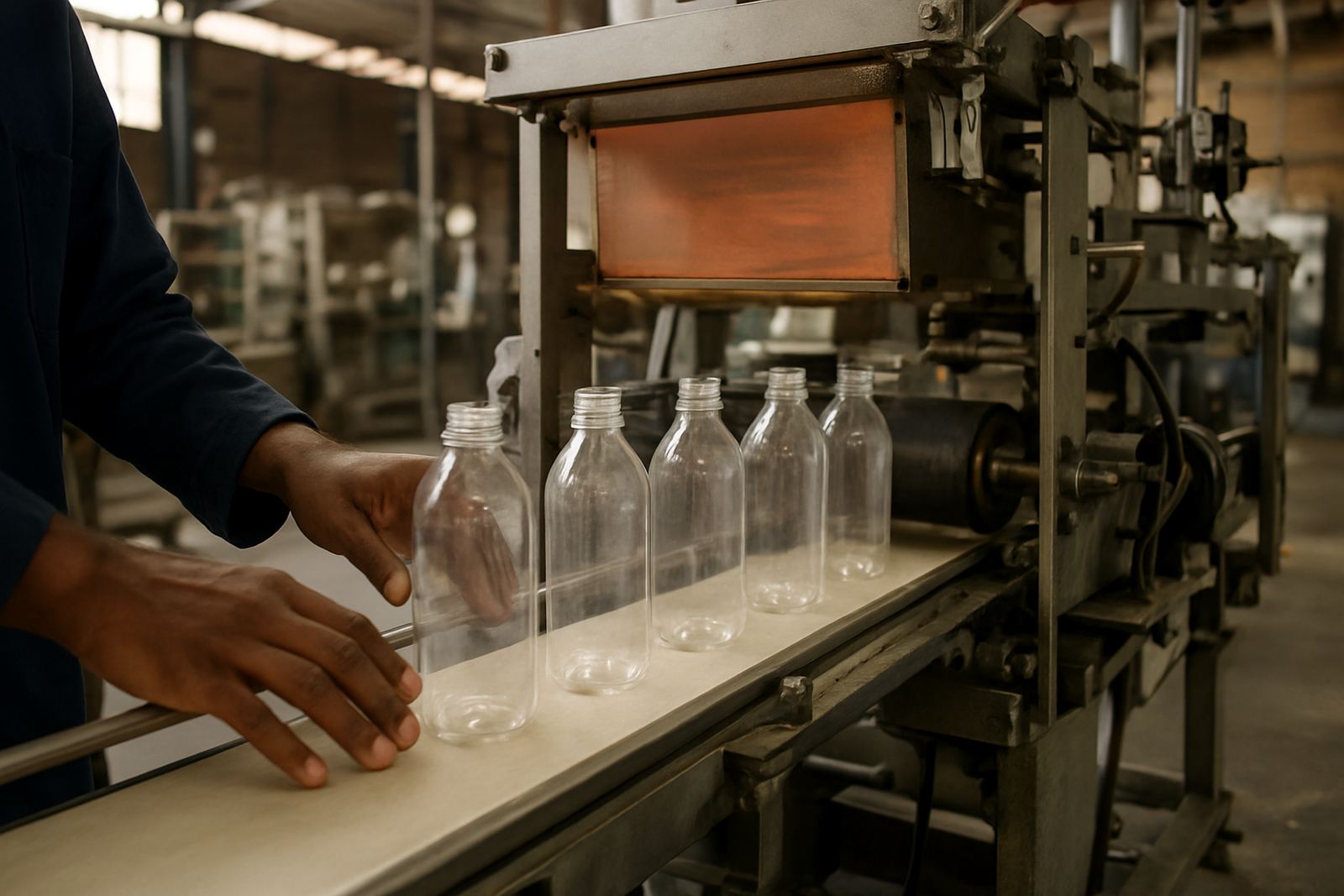
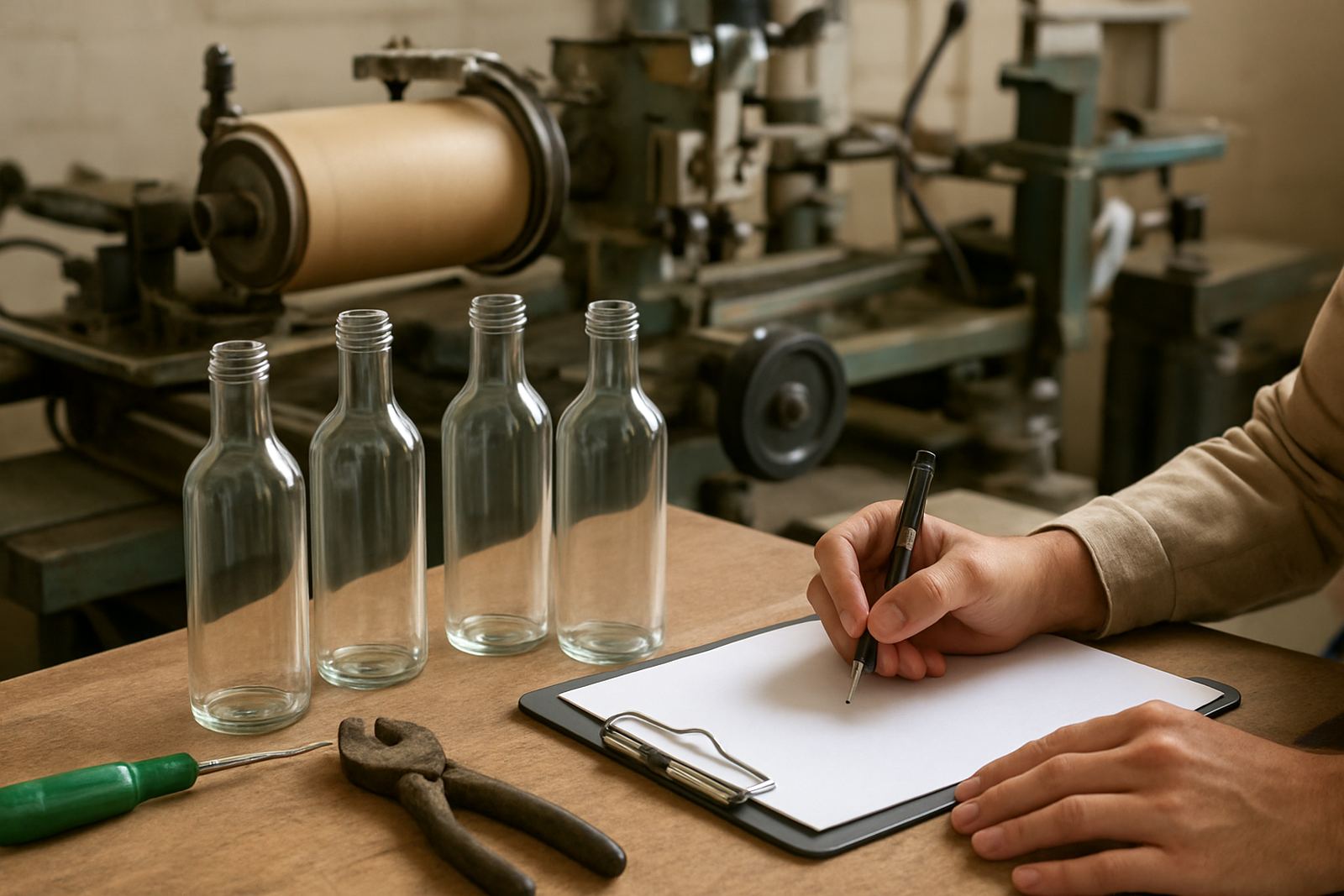
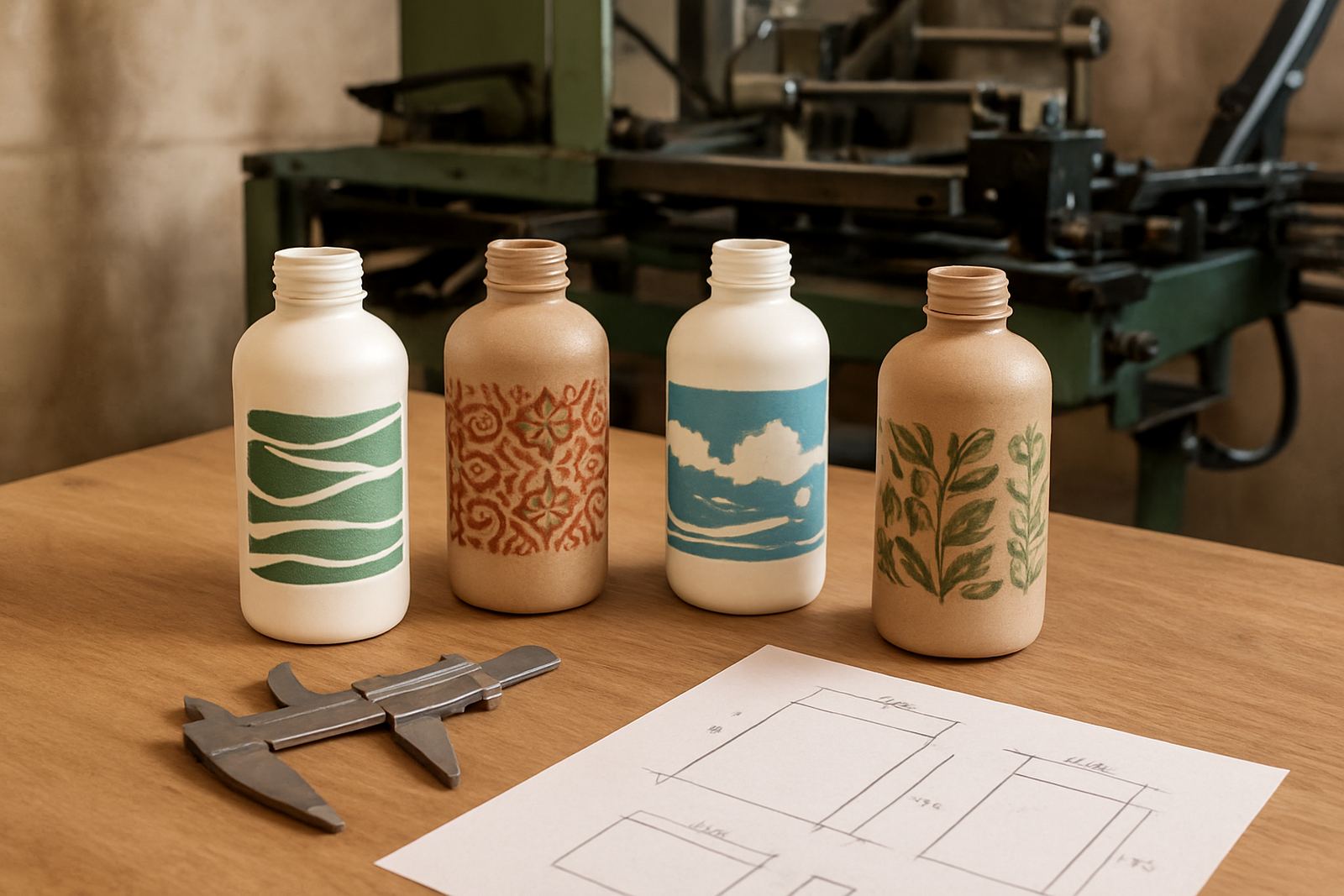
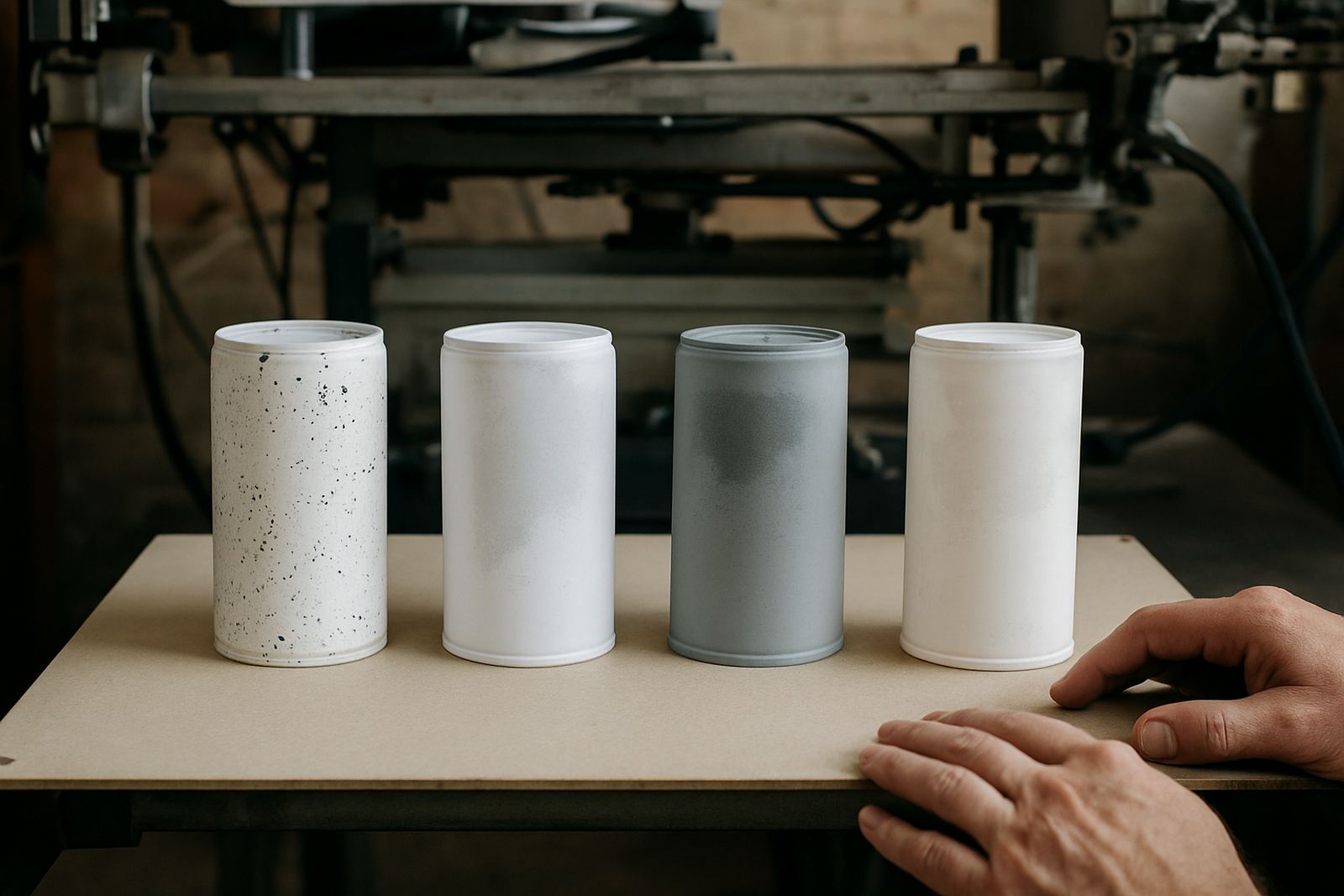
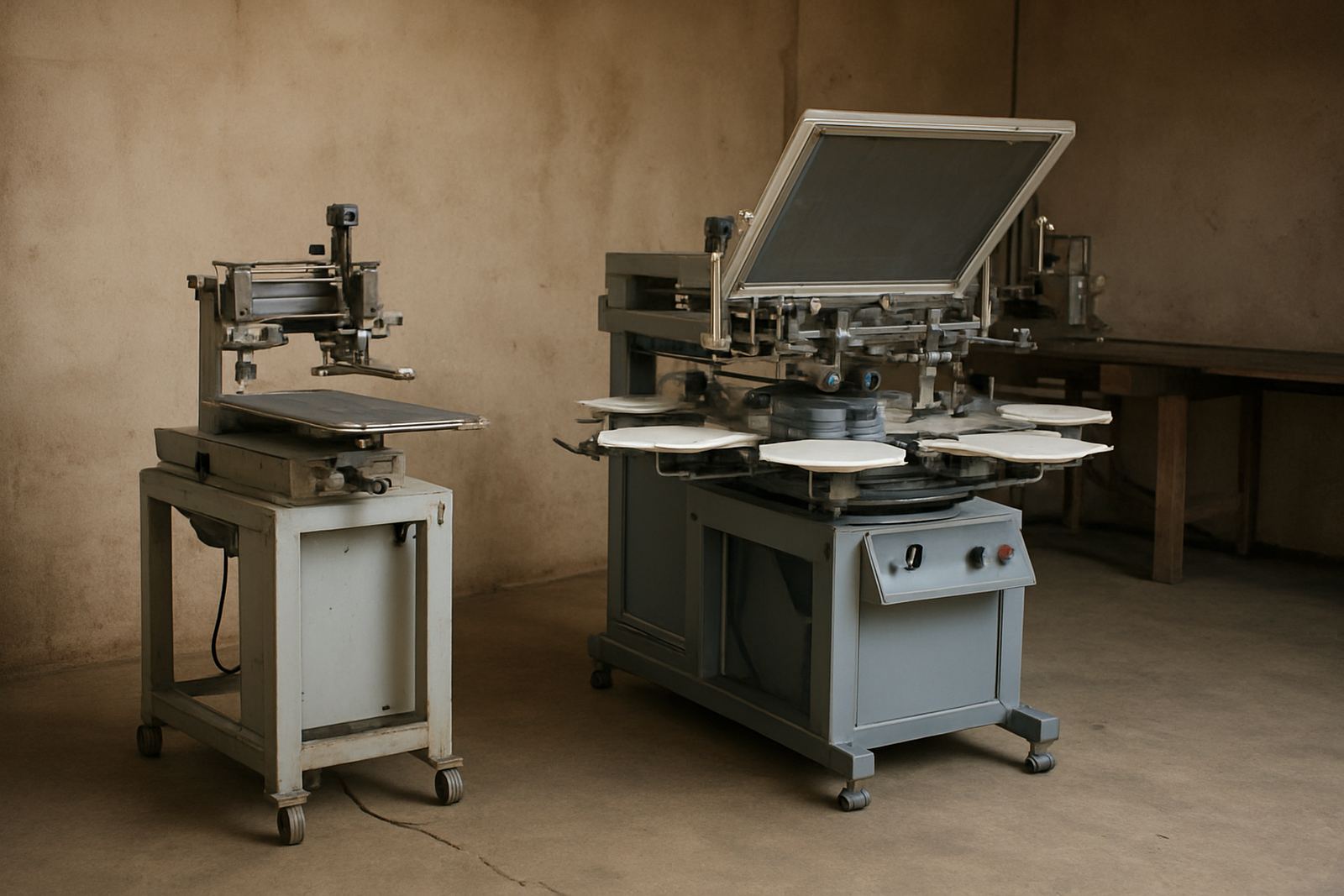
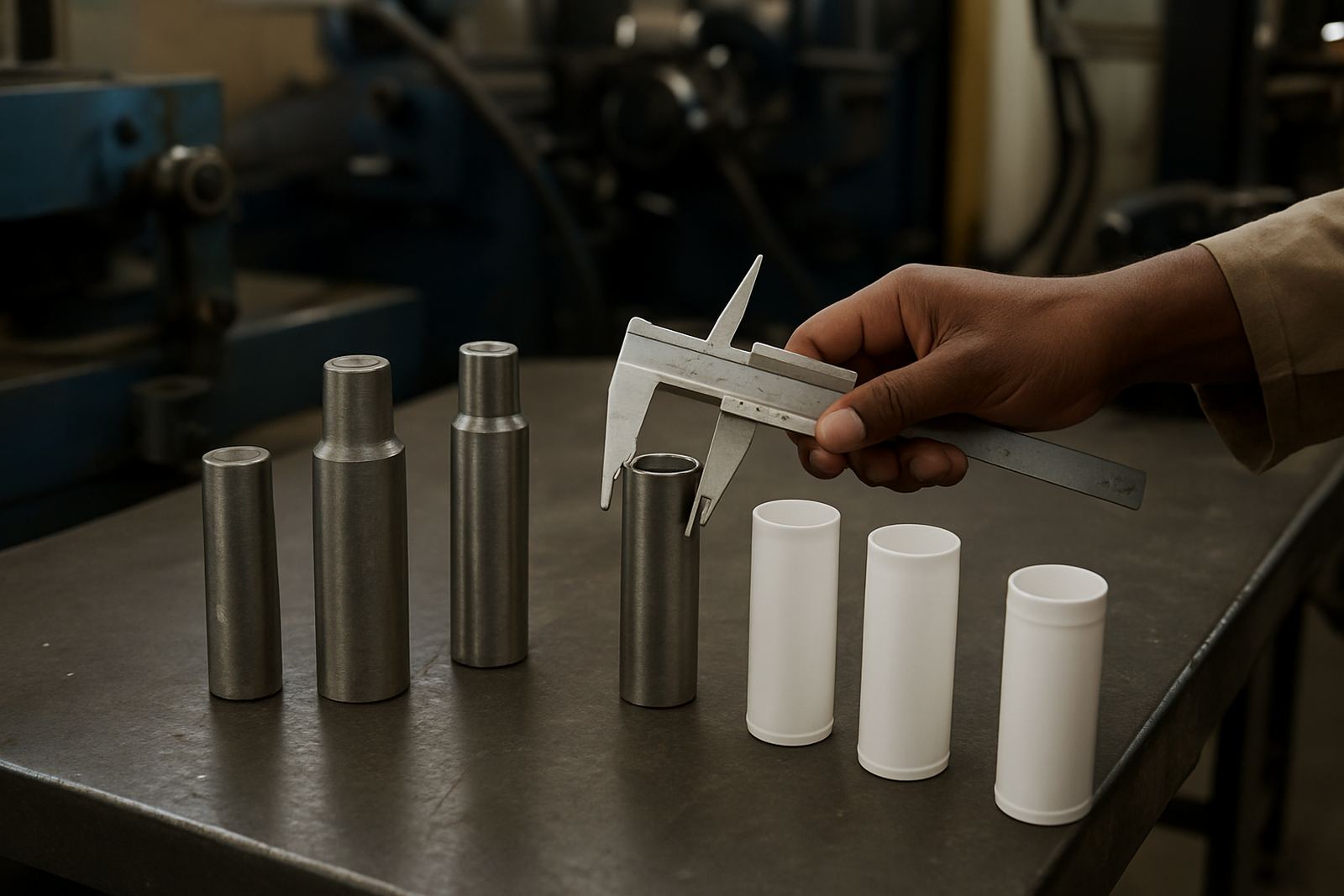
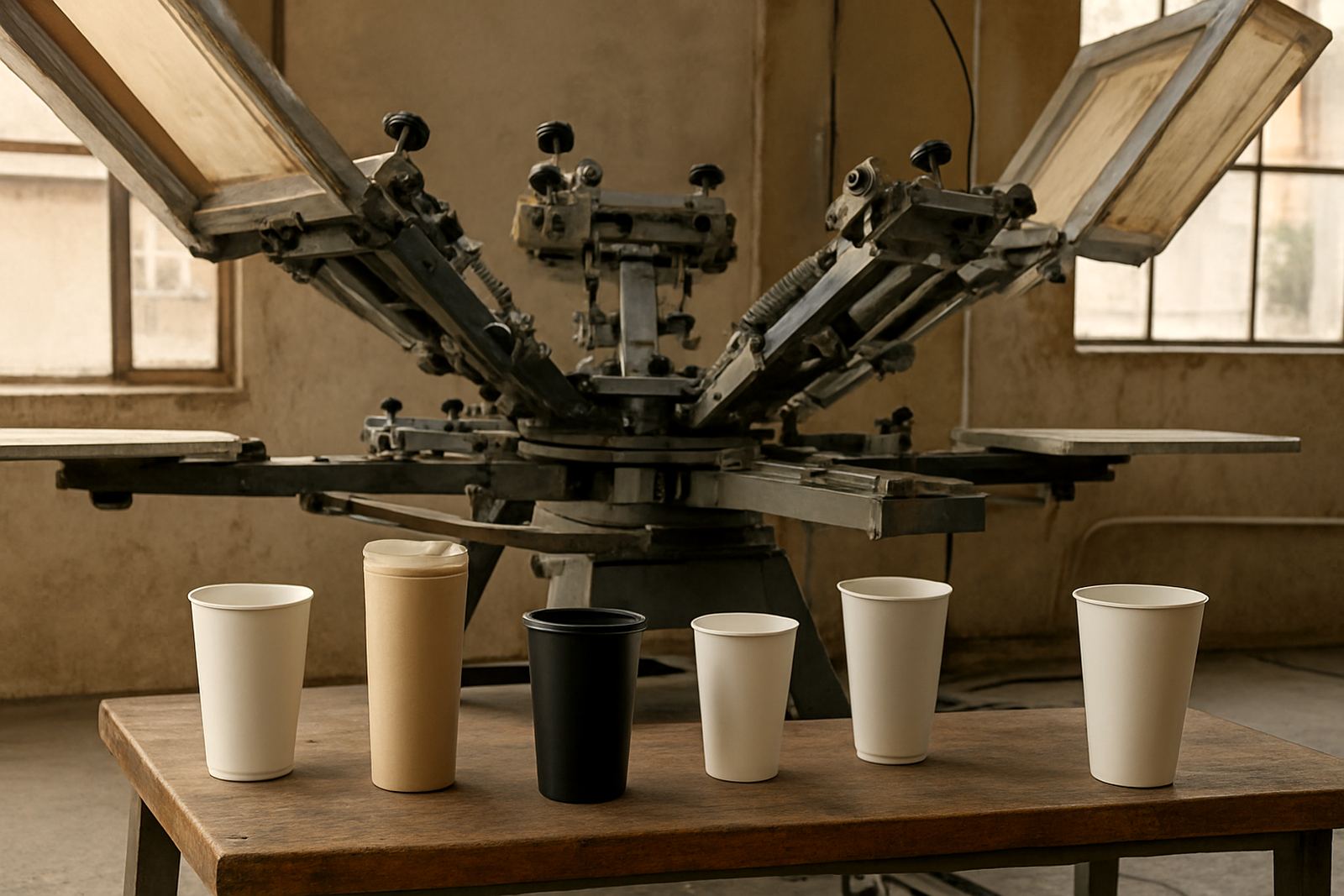
Start with the product, not the machine list. A bottle line for slim 250 ml containers has very different needs from a setup printing on wide cups or tapered tubes, so measure diameter, height, neck shape and the largest print area before you talk numbers.
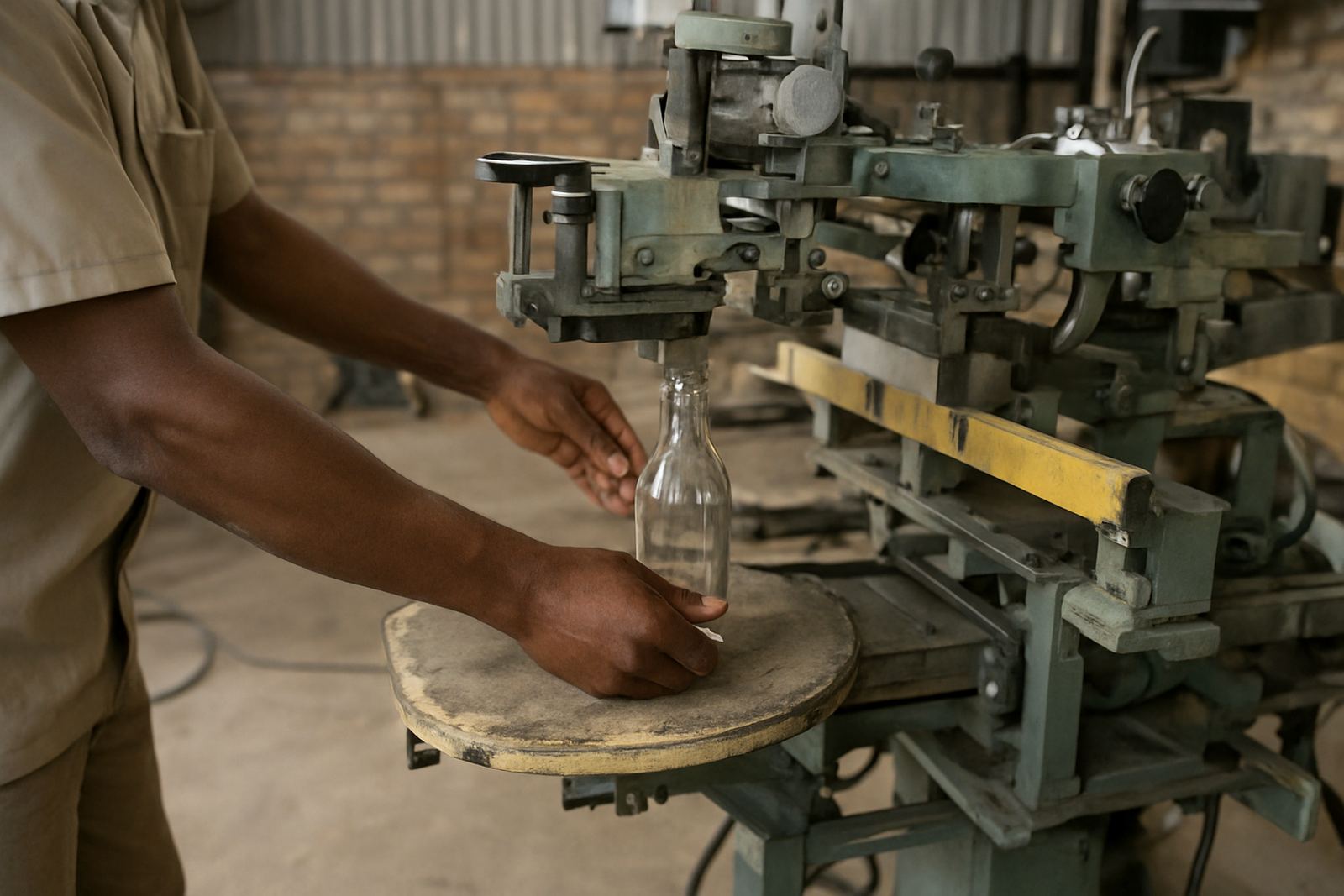
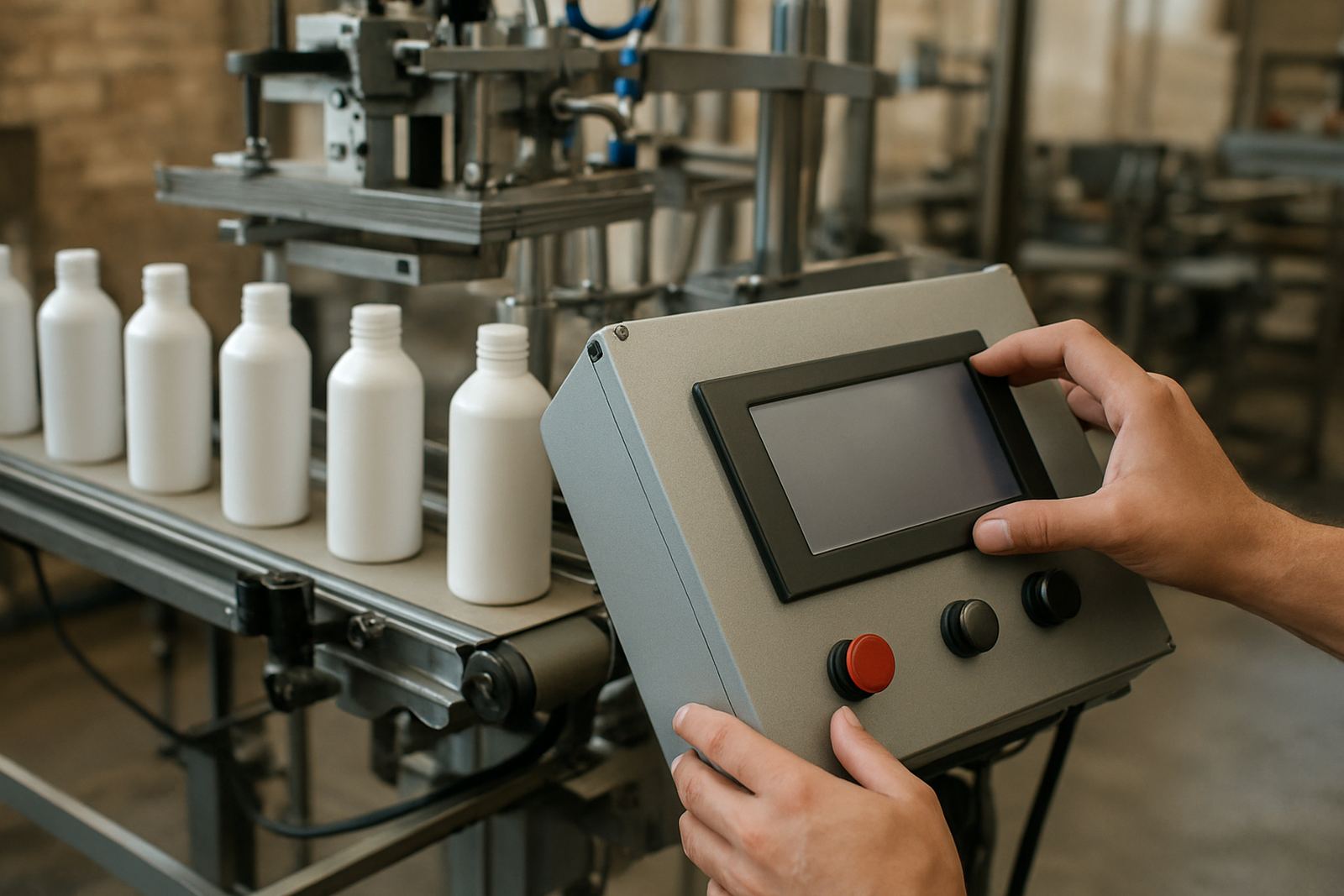
In Johannesburg, Durban or Cape Town, buyers also need to think about power stability, floor space and the kind of work coming through the shop. Short runs with frequent artwork changes need quicker changeovers, while steady repeat orders justify a machine that can hold registration well shift after shift. If you are expanding from hand work, ask how the operator sets pressure, speed and screen alignment because that is where waste often starts.
- Check bottle or cup diameter range in millimetres
- Confirm print length and repeat area
- Match output to shift size and daily volumes
- Allow space for drying, loading and screen handling
Screens, Mesh And Artwork Prep Basics
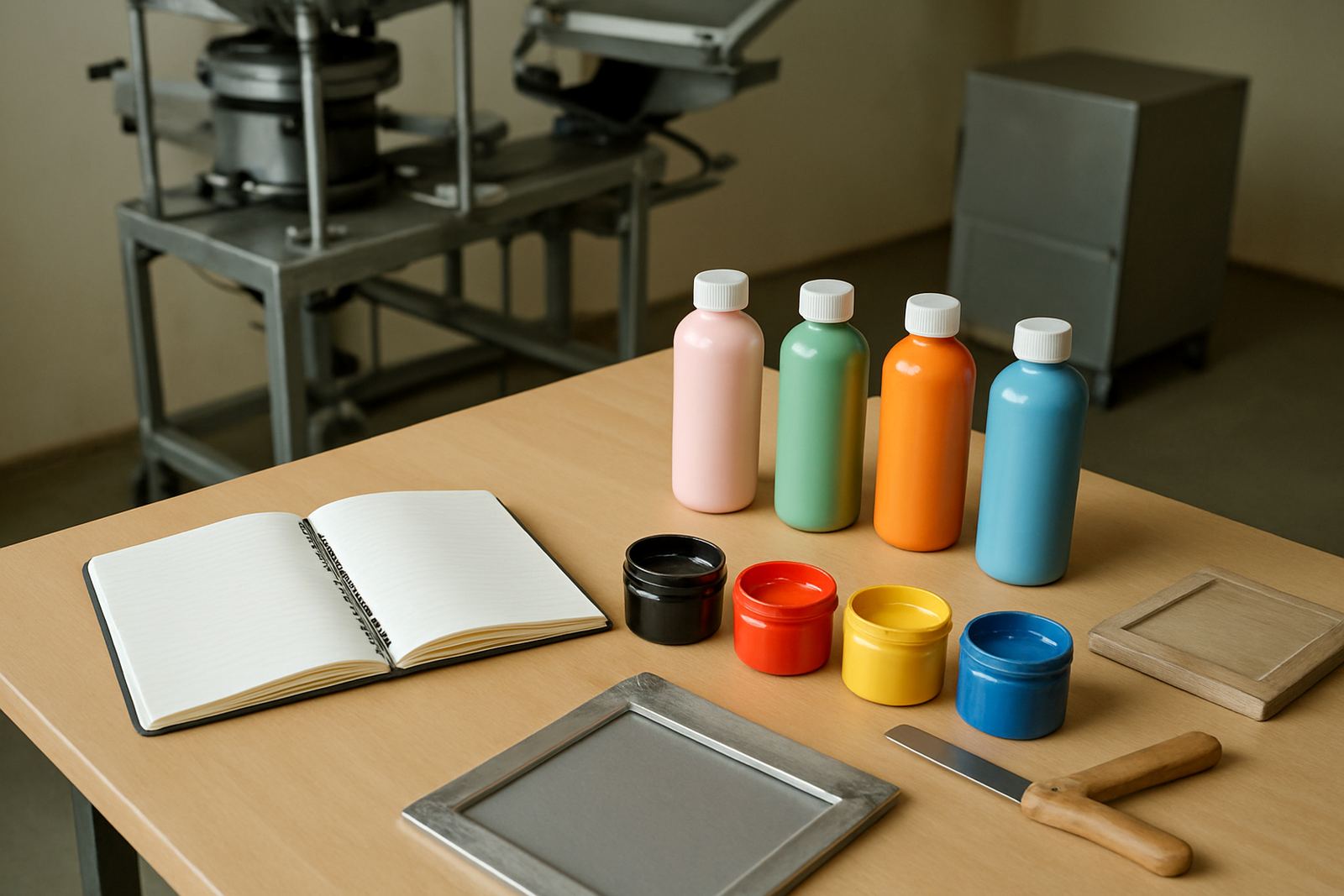
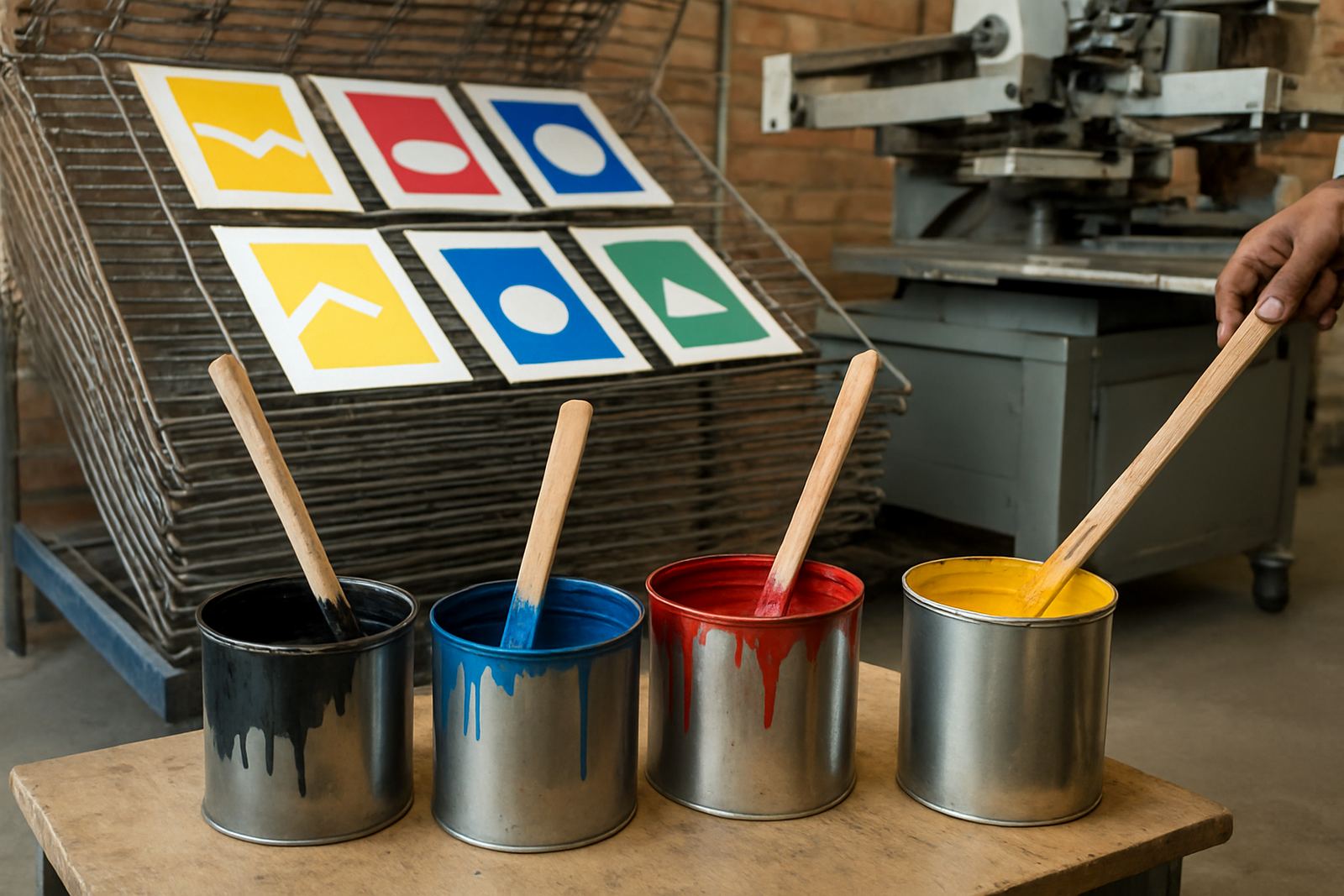
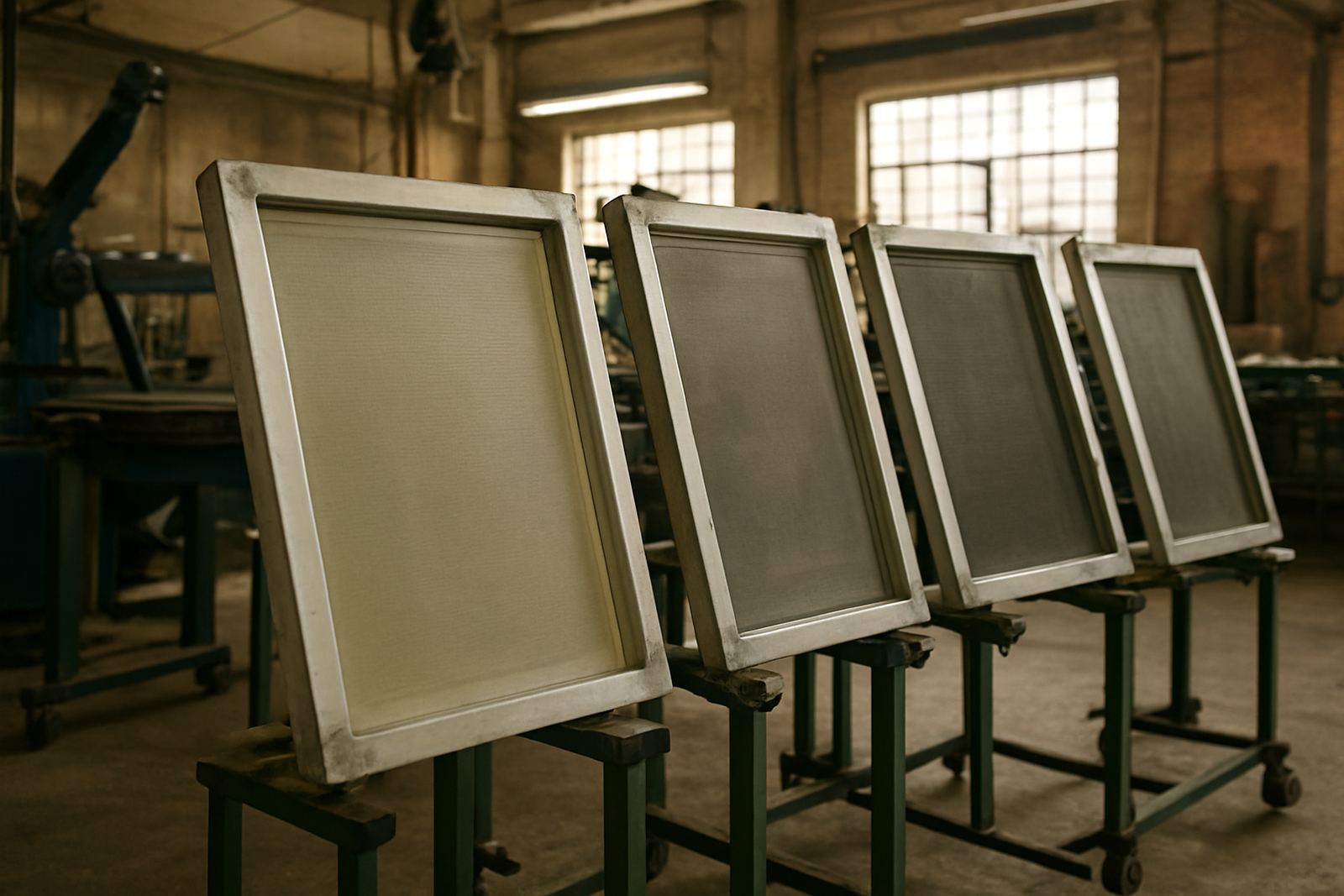
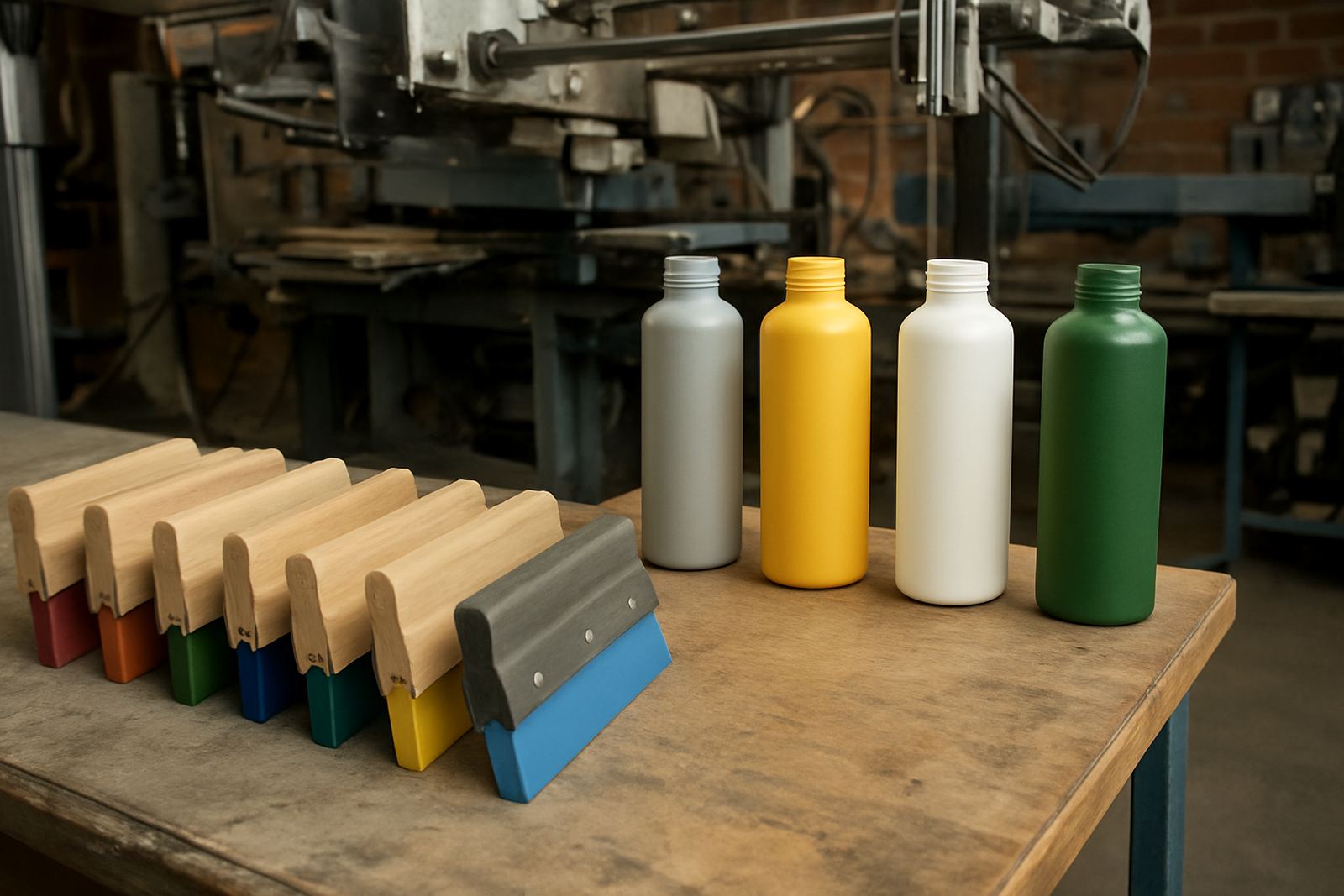
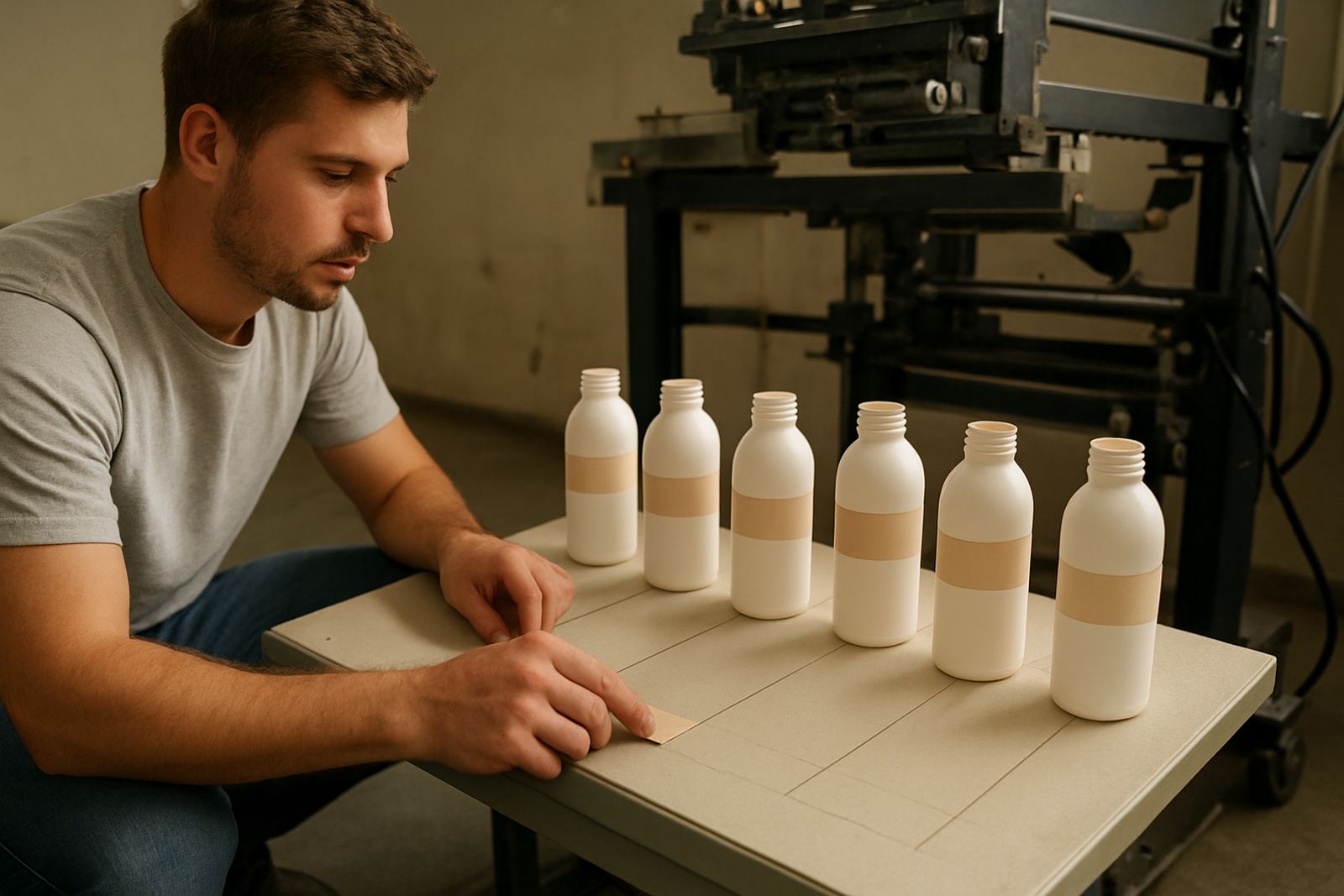
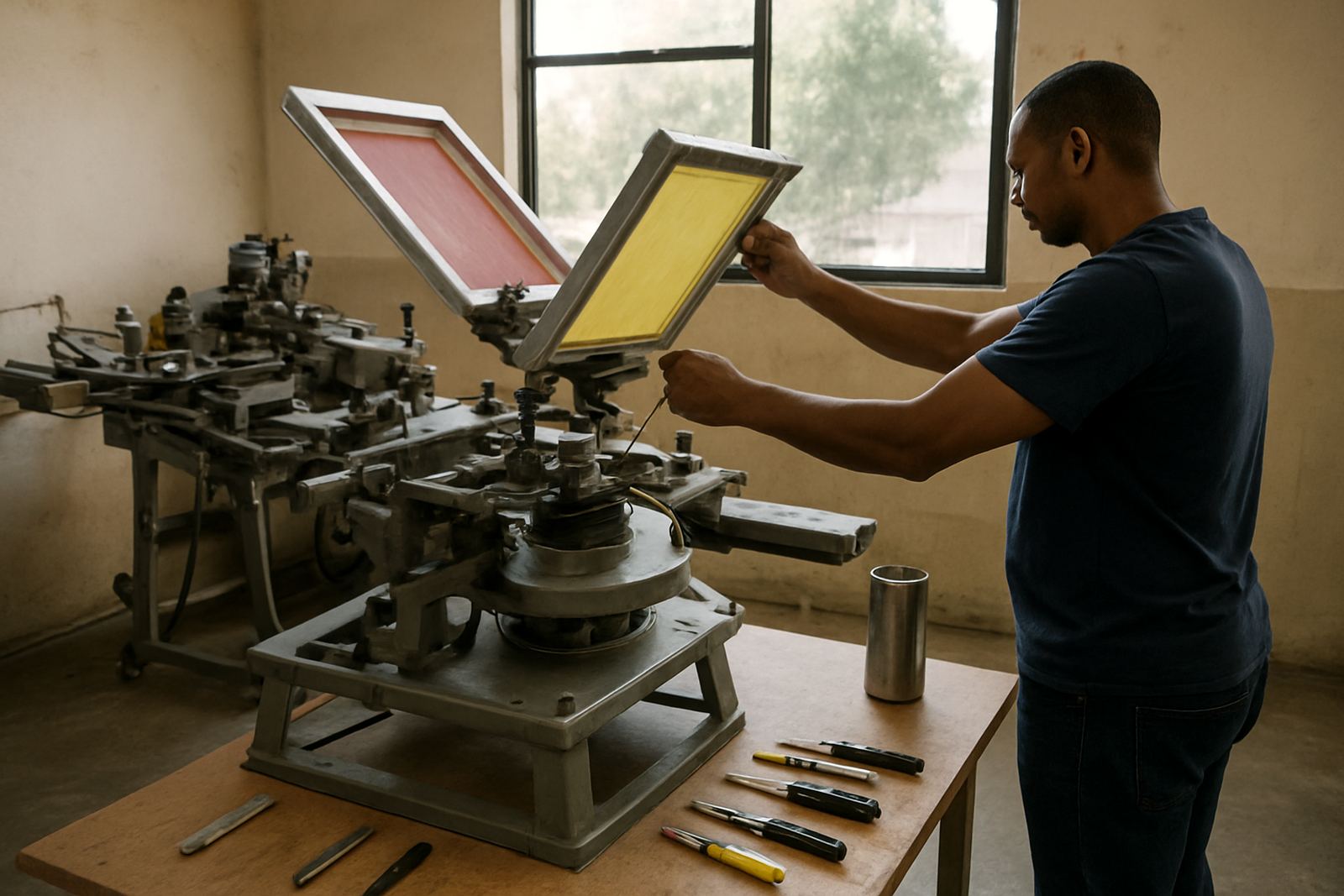
Good print starts before the first bottle reaches the jig. For cylindrical work, screen tension, mesh count and artwork setup all affect ink deposit and edge sharpness, especially on curved surfaces where small errors show quickly. Clear artwork and clean separations save time at the press and reduce rework.
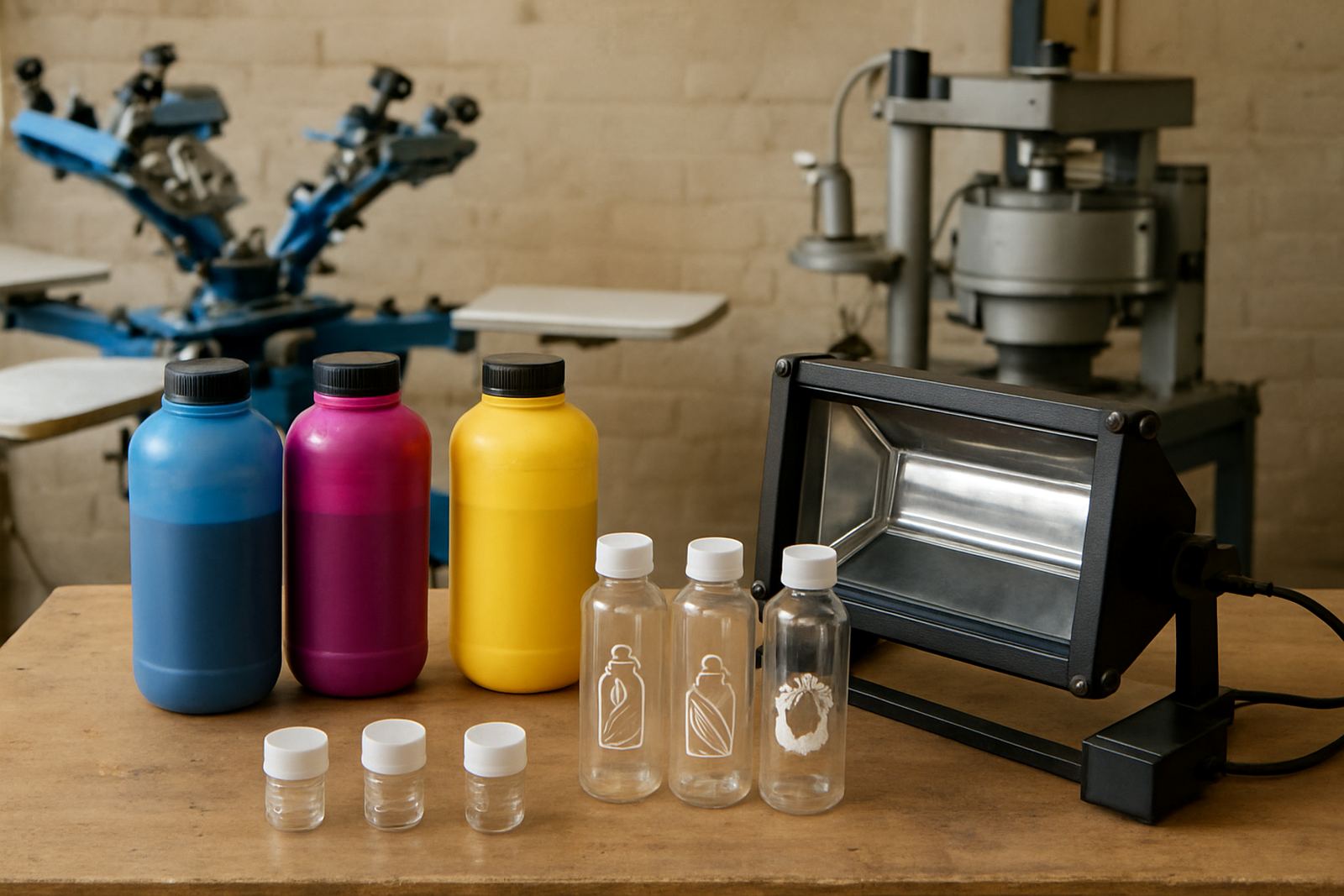
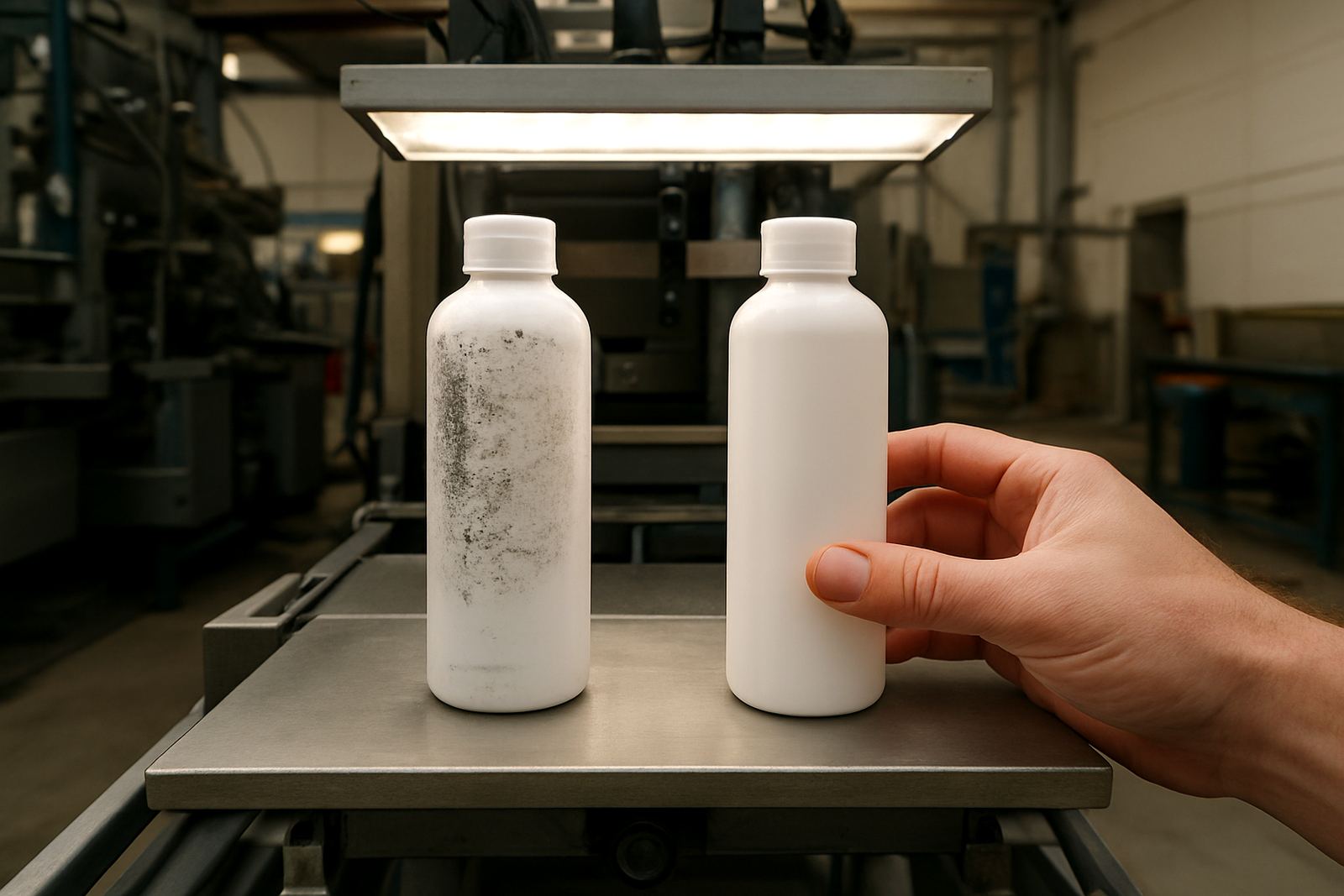
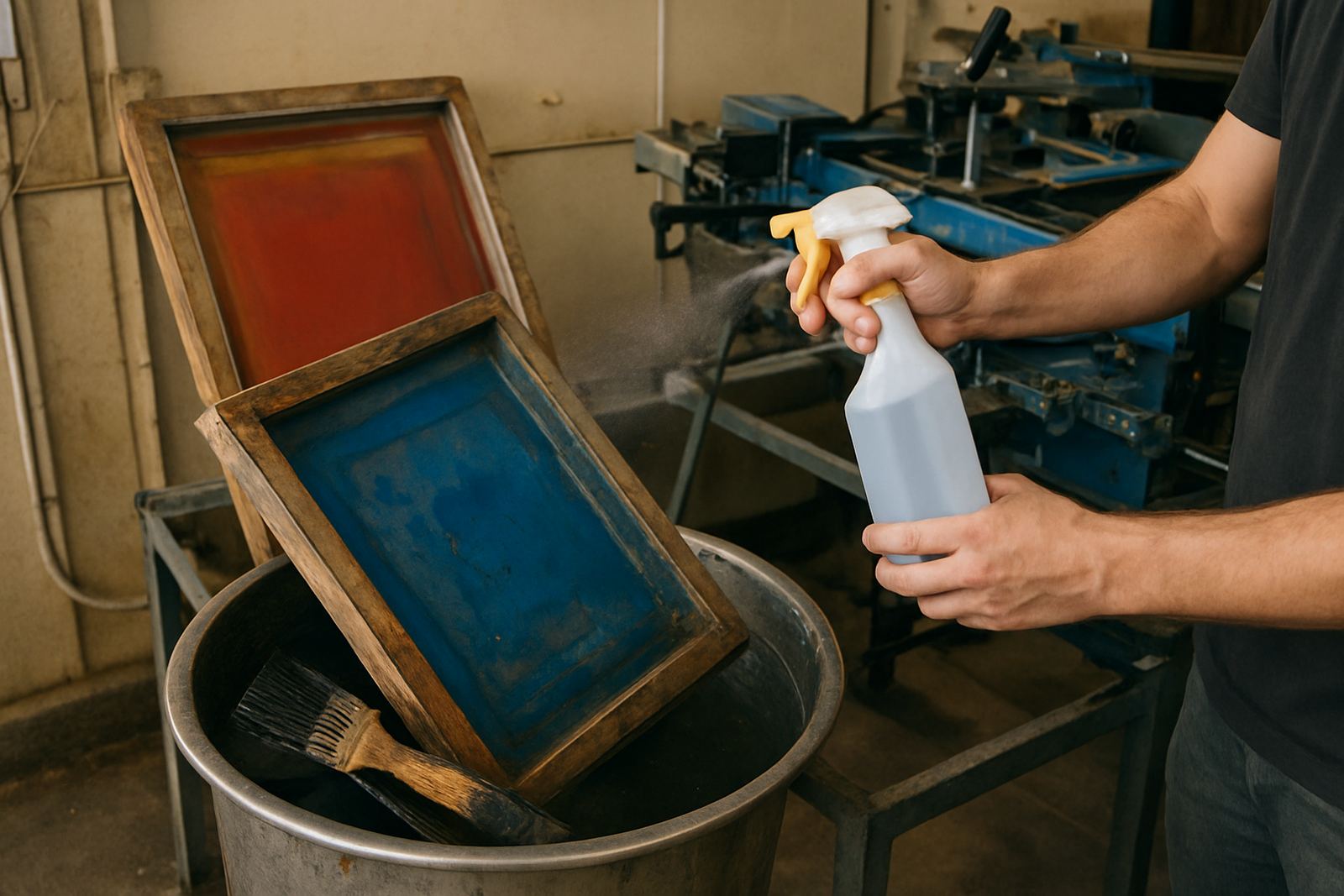
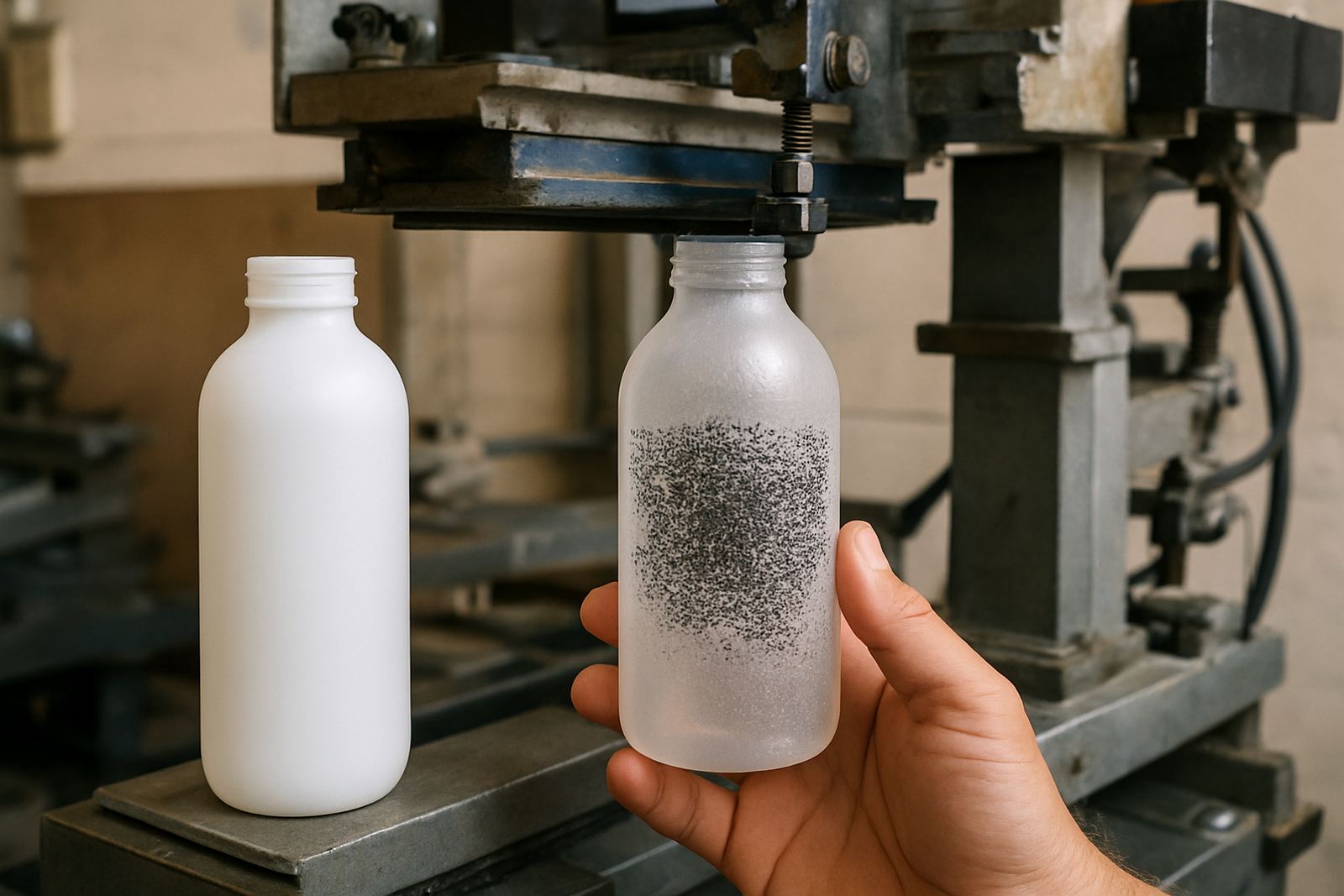
Screen reclaiming matters just as much as screen making. If old emulsion stays on the mesh or stencil edges are uneven, you will fight pinholes, blurred text and repeat colour drift. Teams printing on gloss plastic, coated glass or powder-coated tubes should keep notes on mesh type, squeegee angle and ink cure times. That record helps when a job returns months later.
- Keep artwork true to the final circumference
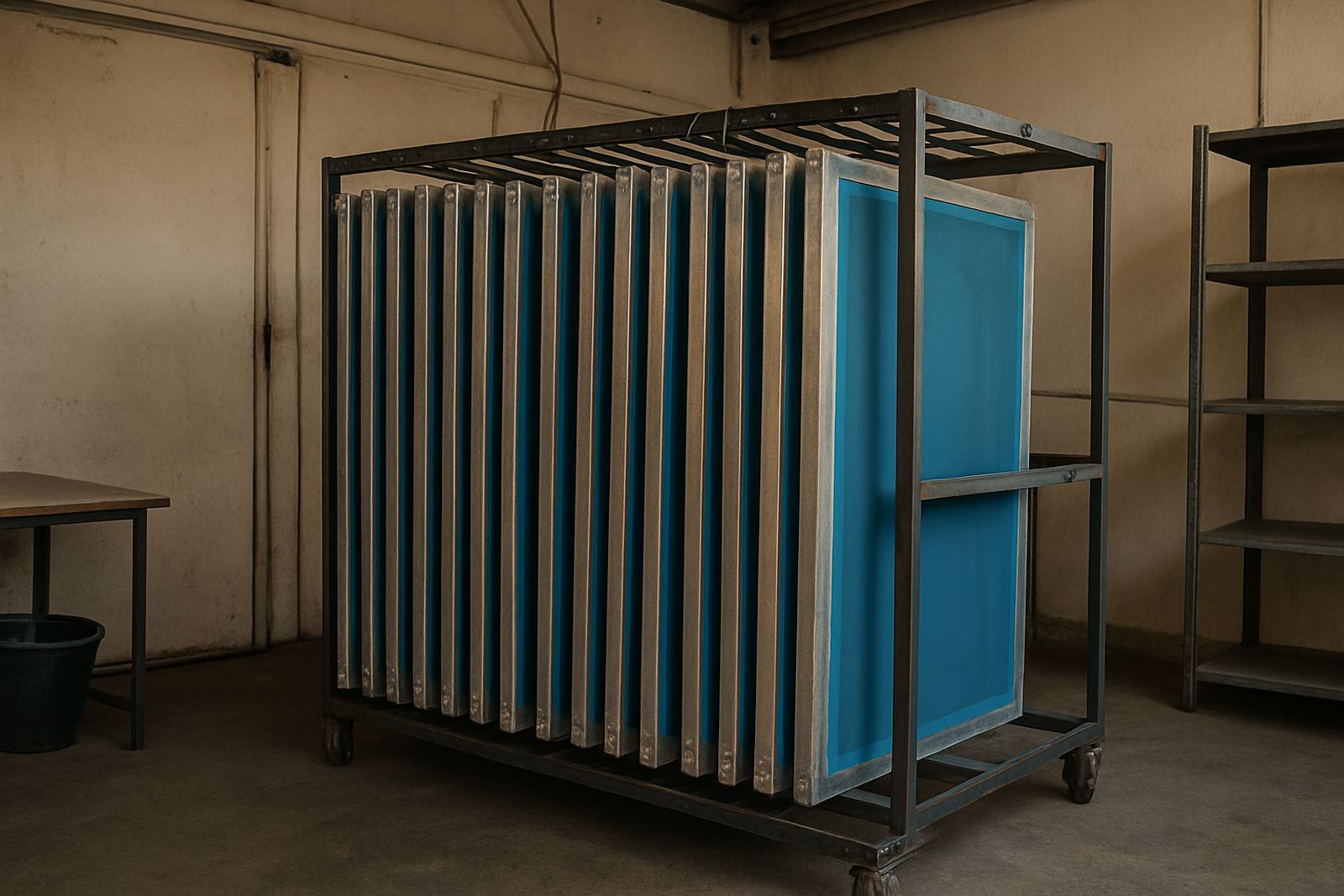
- Store mesh and frames dry to avoid rust and warping
- Label screens by job, colour and repeat size
- Track reclaim cycles so worn mesh gets replaced on time
Site Setup For Safer, Faster Production
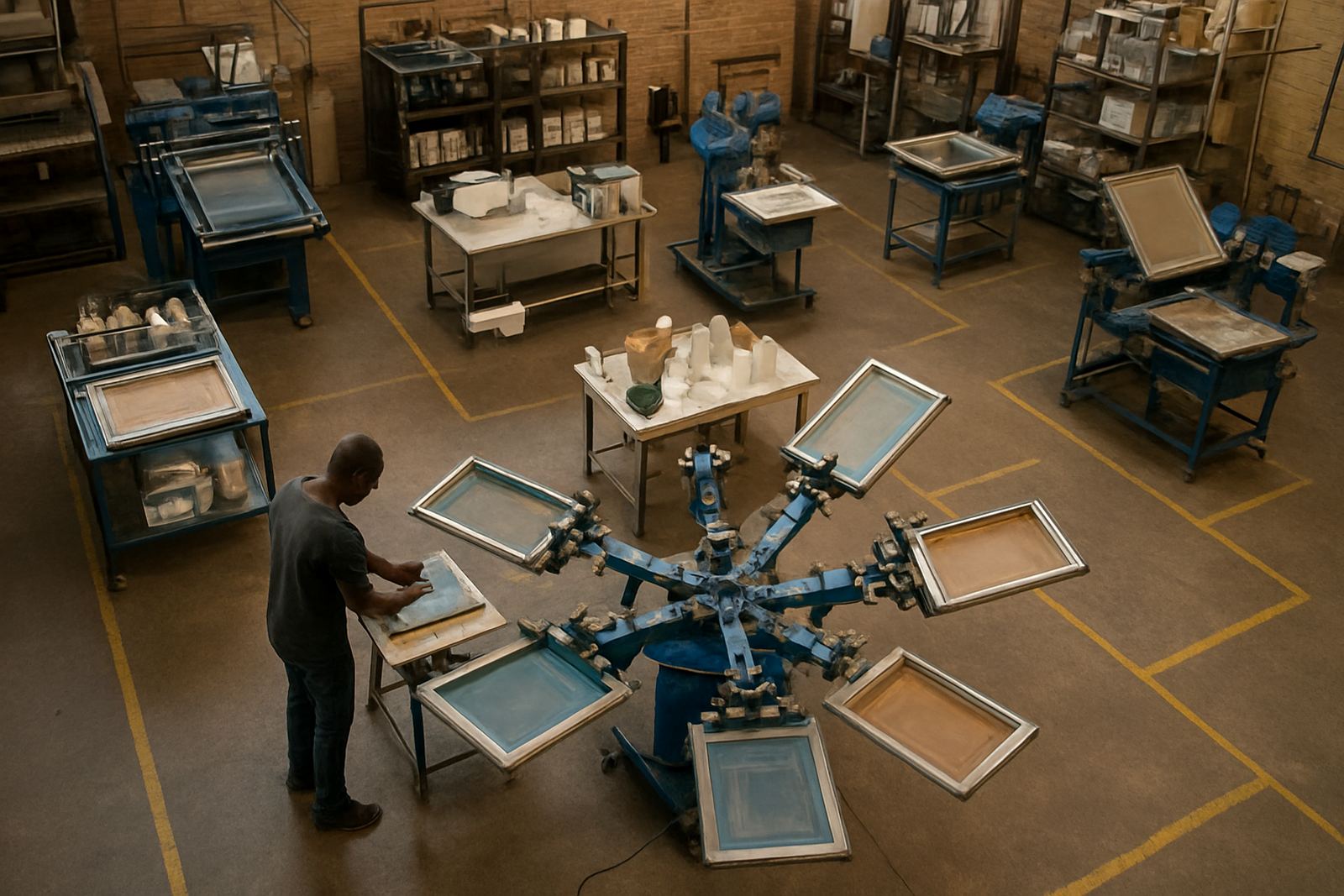
A clean setup saves more money than many buyers expect. Before installation, check access for machines, pallets and screens, plus enough room for packing, curing and finished stock. In areas with load-shedding, plan for what must keep running and what can pause without spoiling a run.
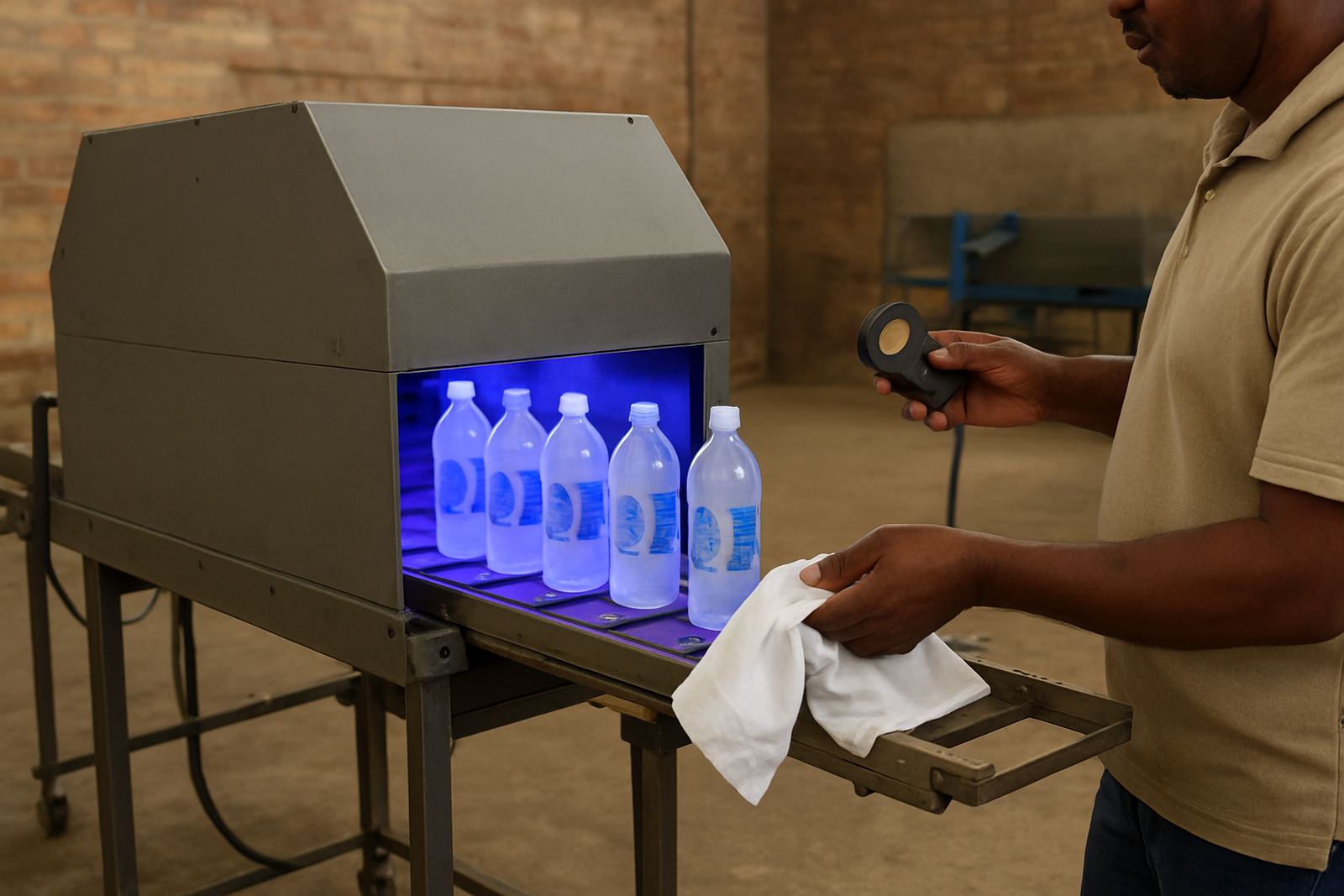
Workshop airflow is another practical point. Ink fumes, cleaning chemicals and drying equipment need controlled ventilation, especially in enclosed sites or coastal areas where humidity can slow cure and affect storage. Keep floors level and mark out movement paths so operators are not carrying wet parts across the room. If the municipality has fire or waste rules for solvents and wash-up water, build those into the setup from day one.
- Allow clear access for delivery and unloading
- Separate dirty reclaim areas from clean print areas
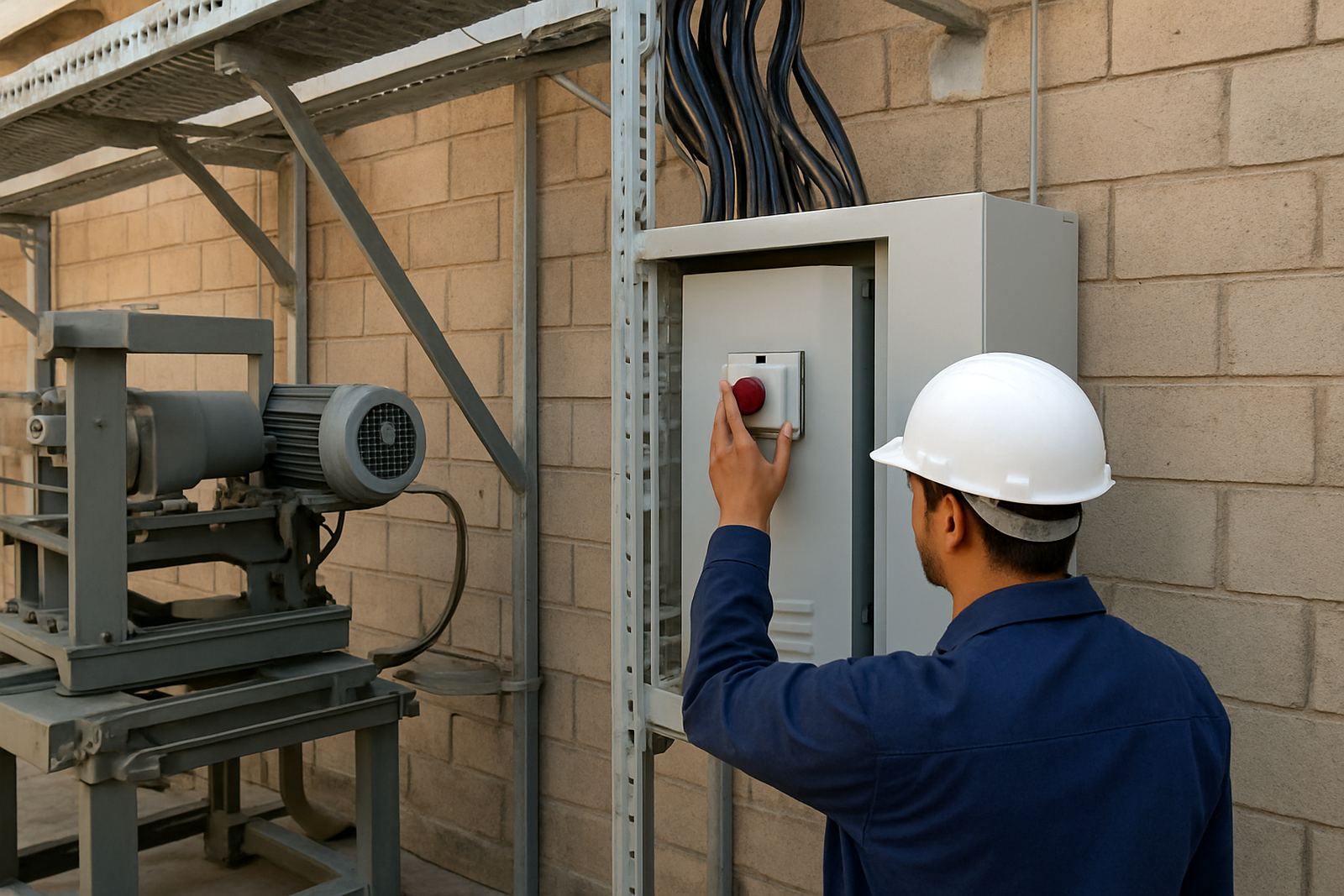
- Plan for backup power or controlled shutdown steps
- Store consumables away from heat and direct sun
What Good Training Should Cover
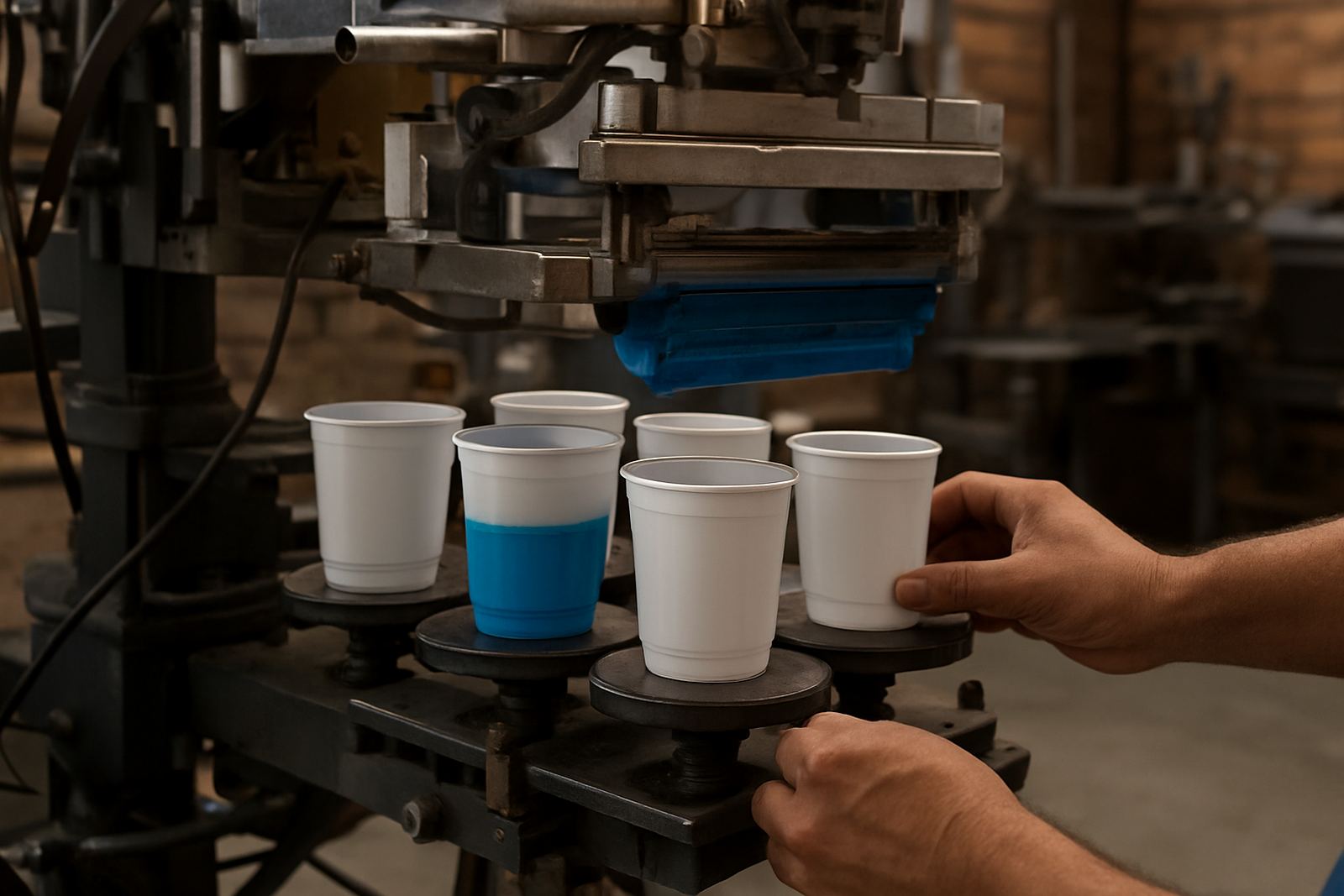
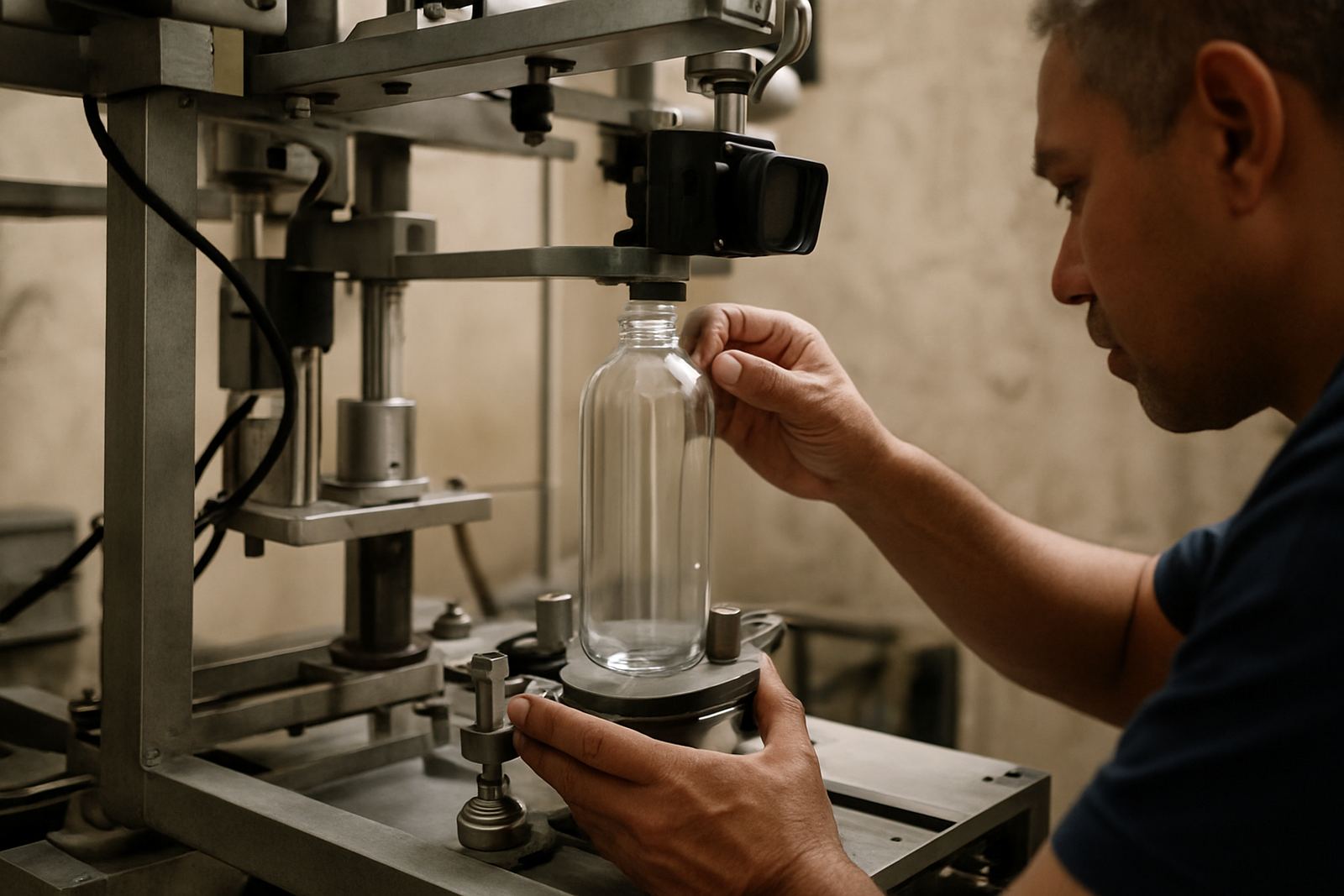
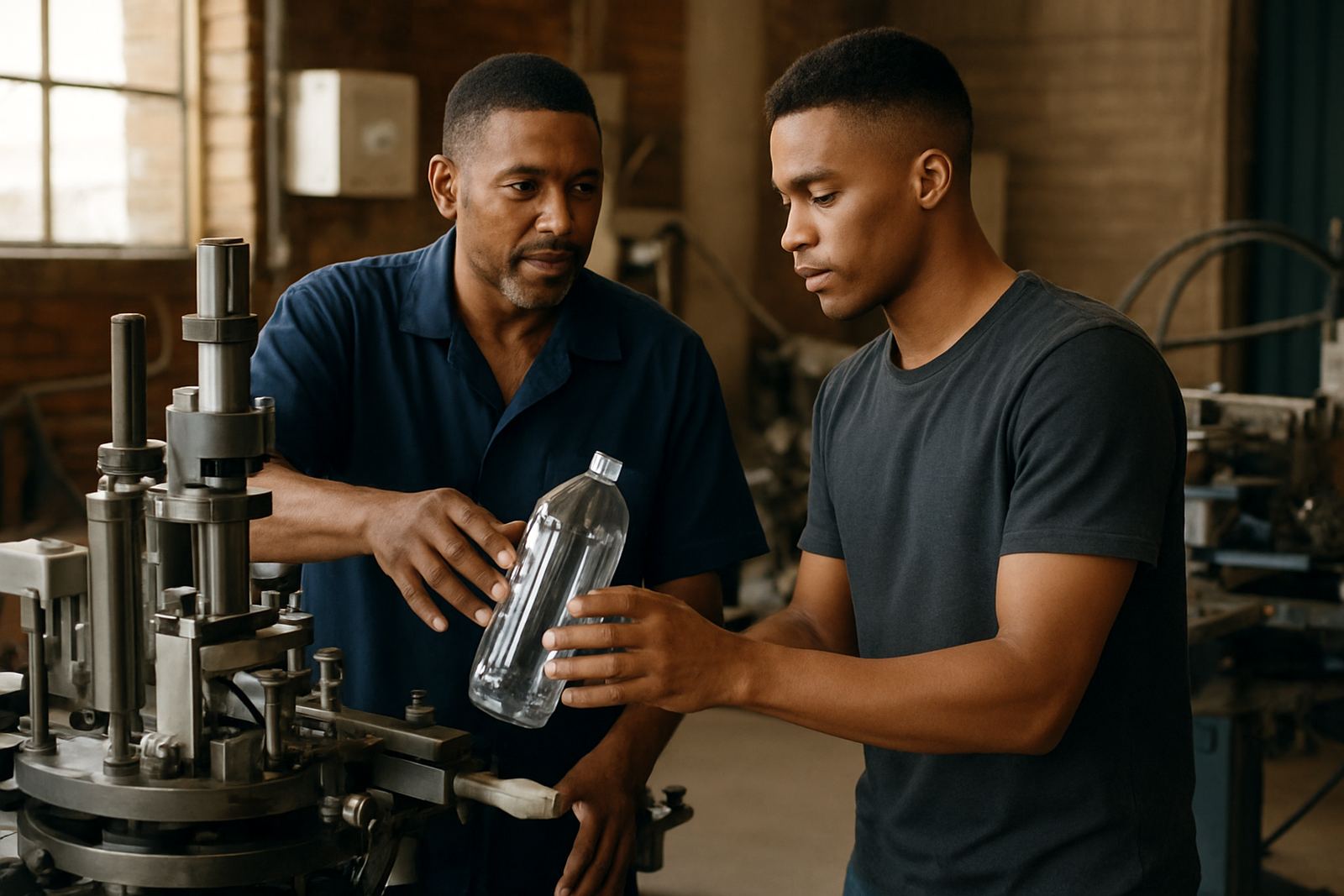
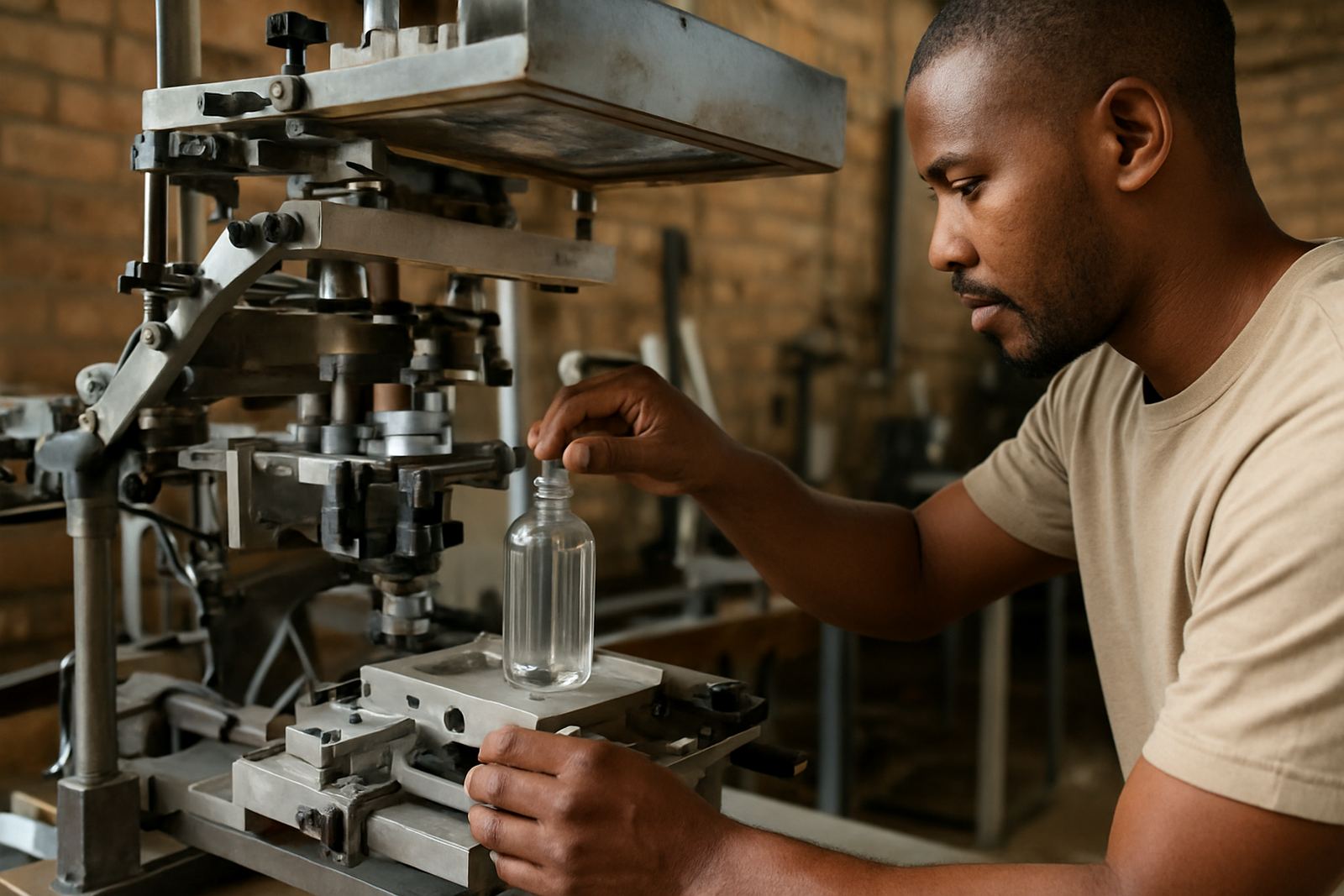
Training should be practical and job-specific, not just a quick handover. Operators need to know how to set up the screen, align the bottle or cup, test first-off prints and spot the signs of trouble before an order is half done. A well-trained team loses fewer prints and uses less ink, which helps on both small and high-volume work.
The best sessions cover real production issues like ghosting, off-centre prints and inconsistent pressure. They should also show how to clean up after a shift, protect screens overnight and prepare for the next job without mixing colours or damaging the print surface. When teams understand why a step matters, they work faster and make fewer mistakes, simple as that.
- Operator setup and safe machine use
- Screen alignment, pressure and speed control
- Basic fault finding and print correction
- Cleaning, storage and end-of-shift checks
Maintenance That Prevents Expensive Downtime
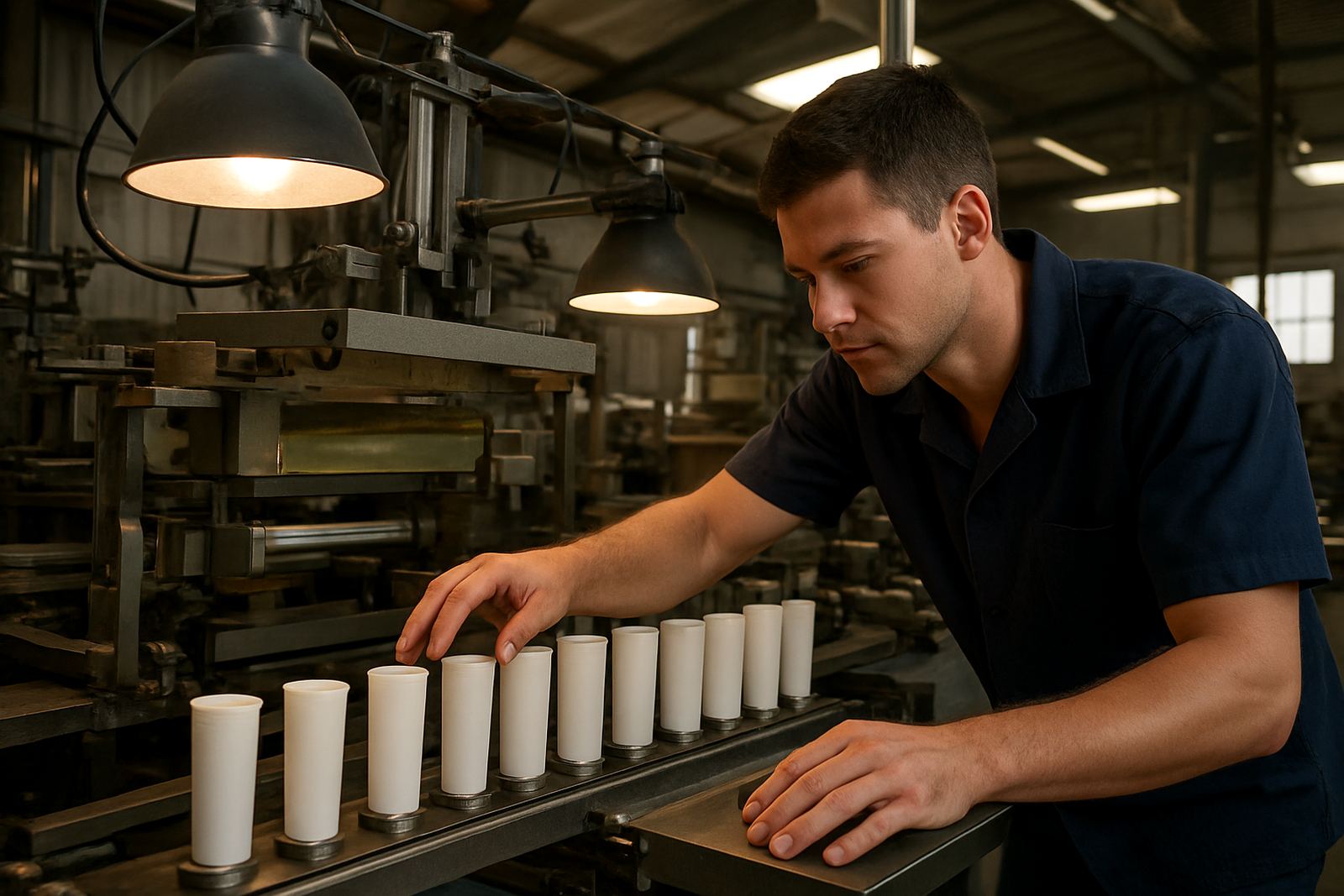
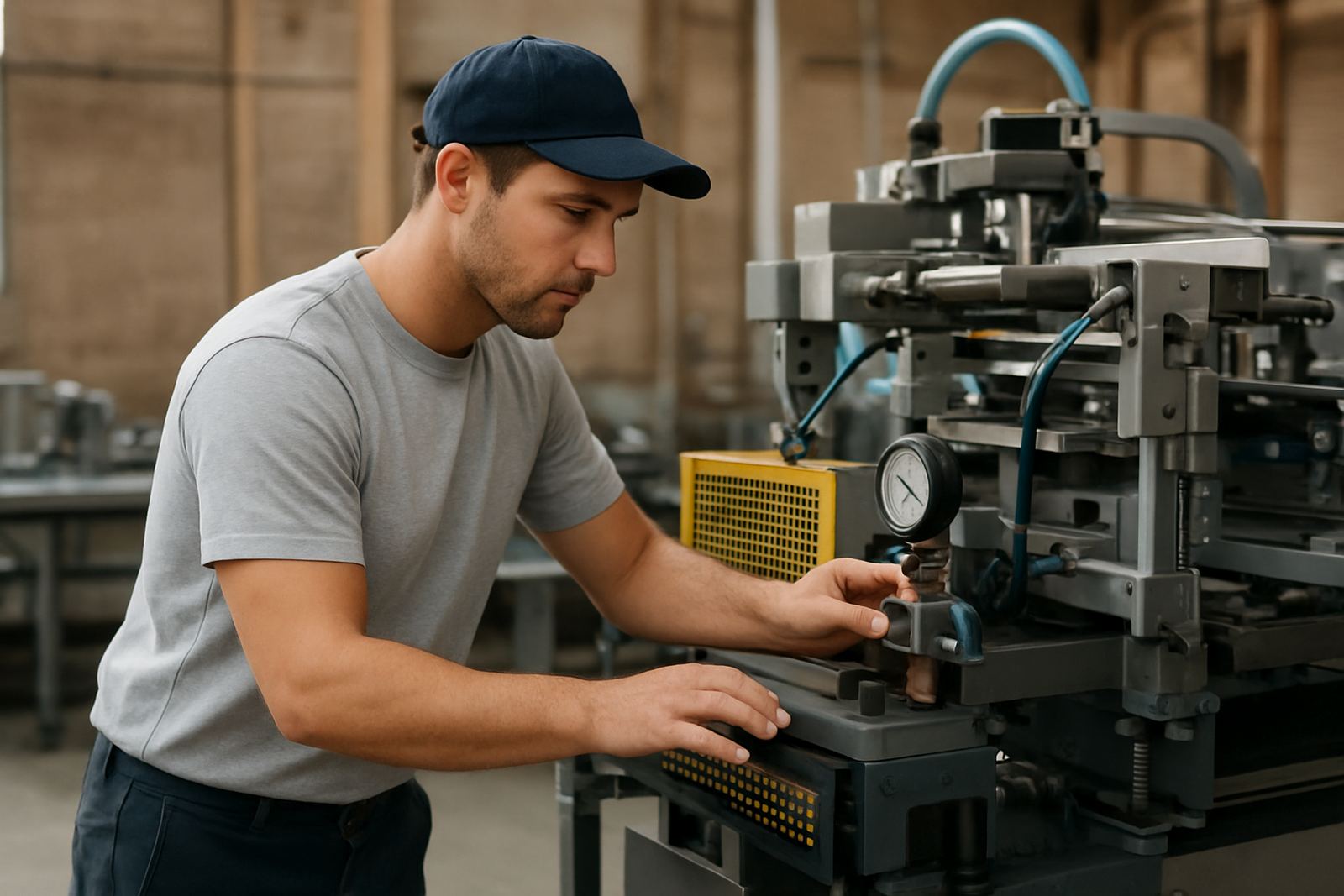
Preventive maintenance is cheaper than an urgent repair in the middle of a production week. Simple checks on bearings, guides, clamps, sensors and moving parts can pick up wear before it becomes a stoppage. In humid coastal towns and busy inland workshops, dust and moisture can both shorten machine life if they are ignored.
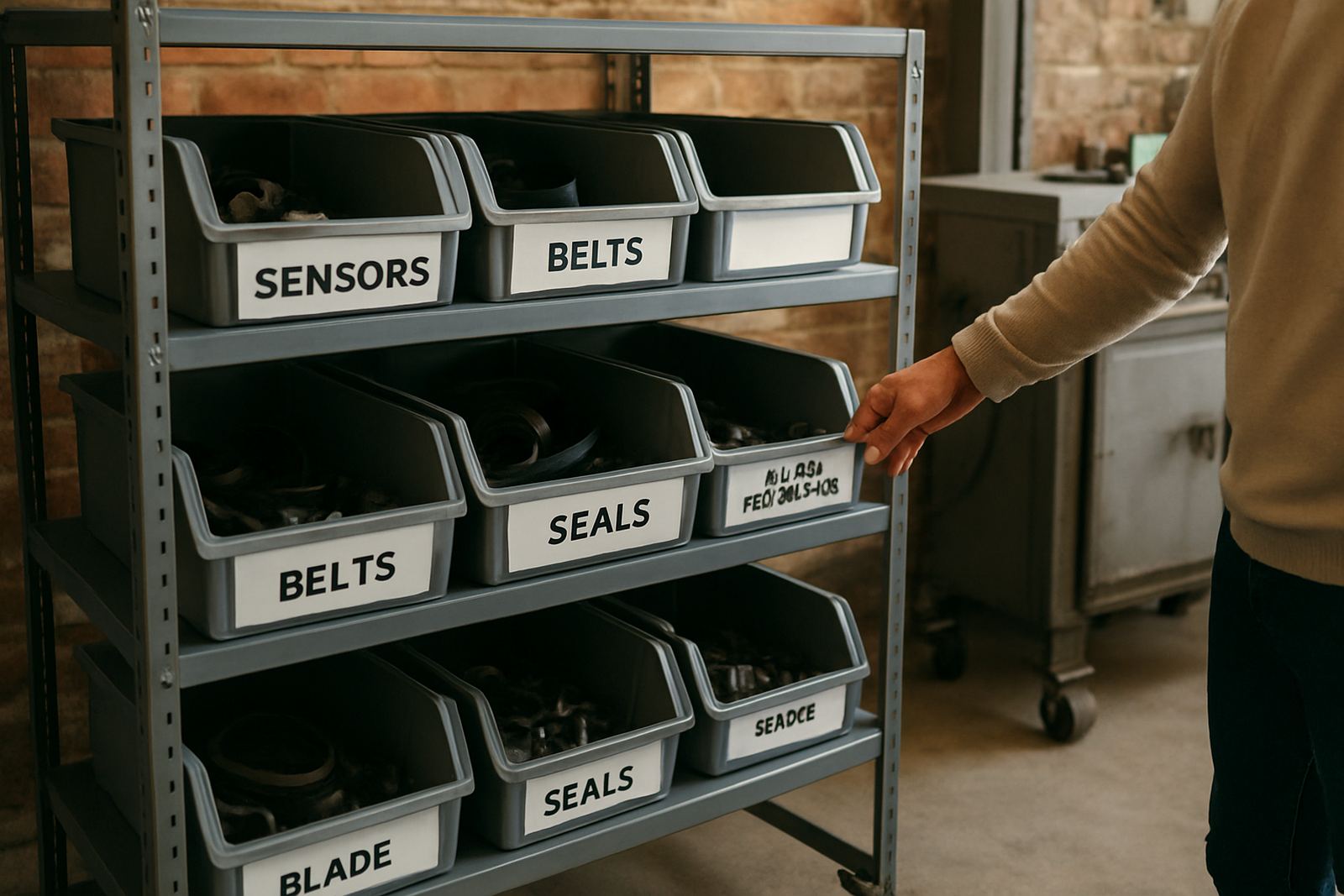
Set a routine for weekly cleaning, monthly inspections and service intervals based on actual production, not guesswork. Keep a small spares list on hand for items that fail often on high-use lines. When a machine starts making noise, losing alignment or missing registration on one side, stop and investigate. Pushing through usually turns a small fault into a long break.
- Inspect moving parts for play, noise or heat
- Clean ink build-up before it hardens
- Keep commonly used spares in stock
- Log faults so repeat issues can be traced
When To Scale Up And When To Stay Small
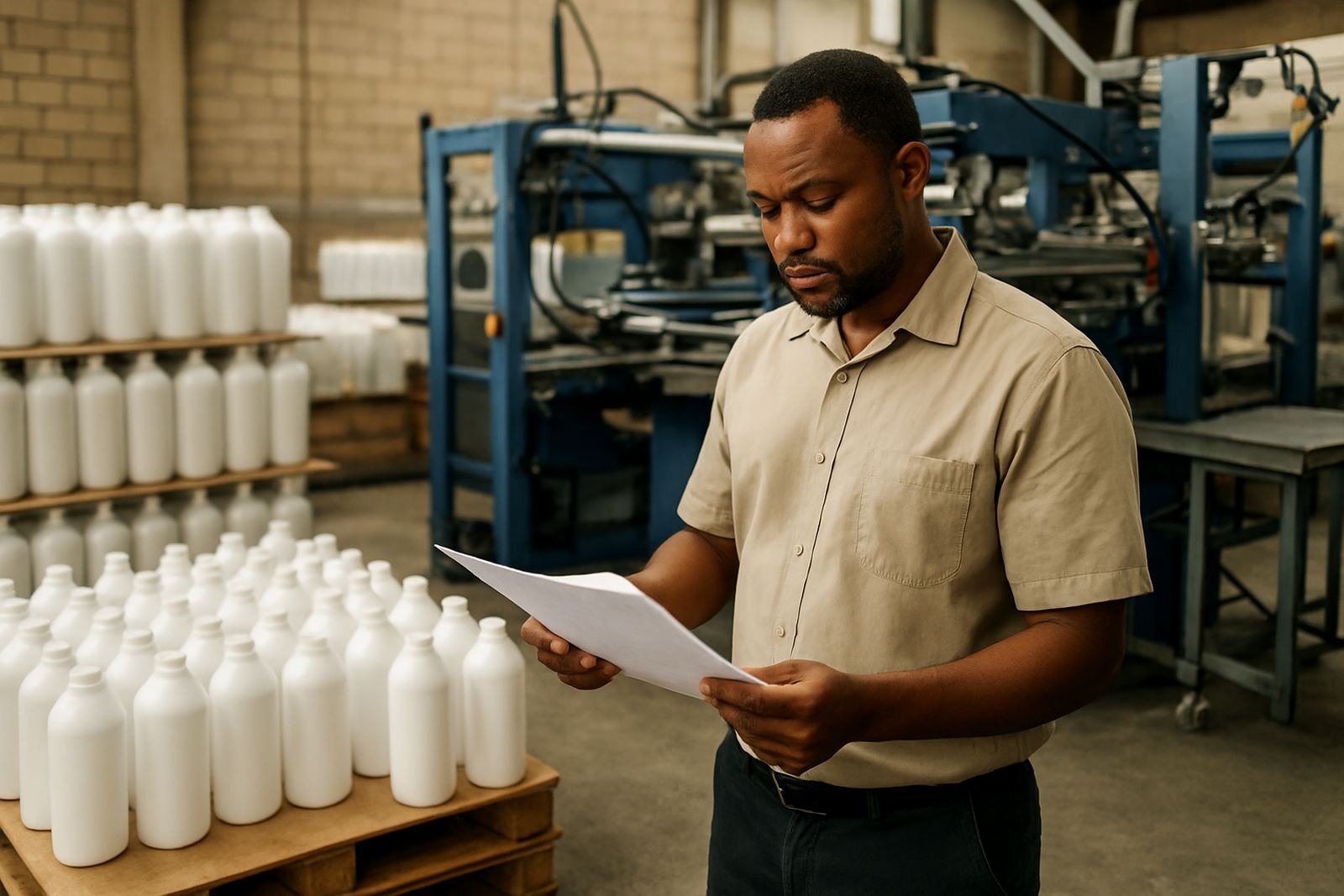
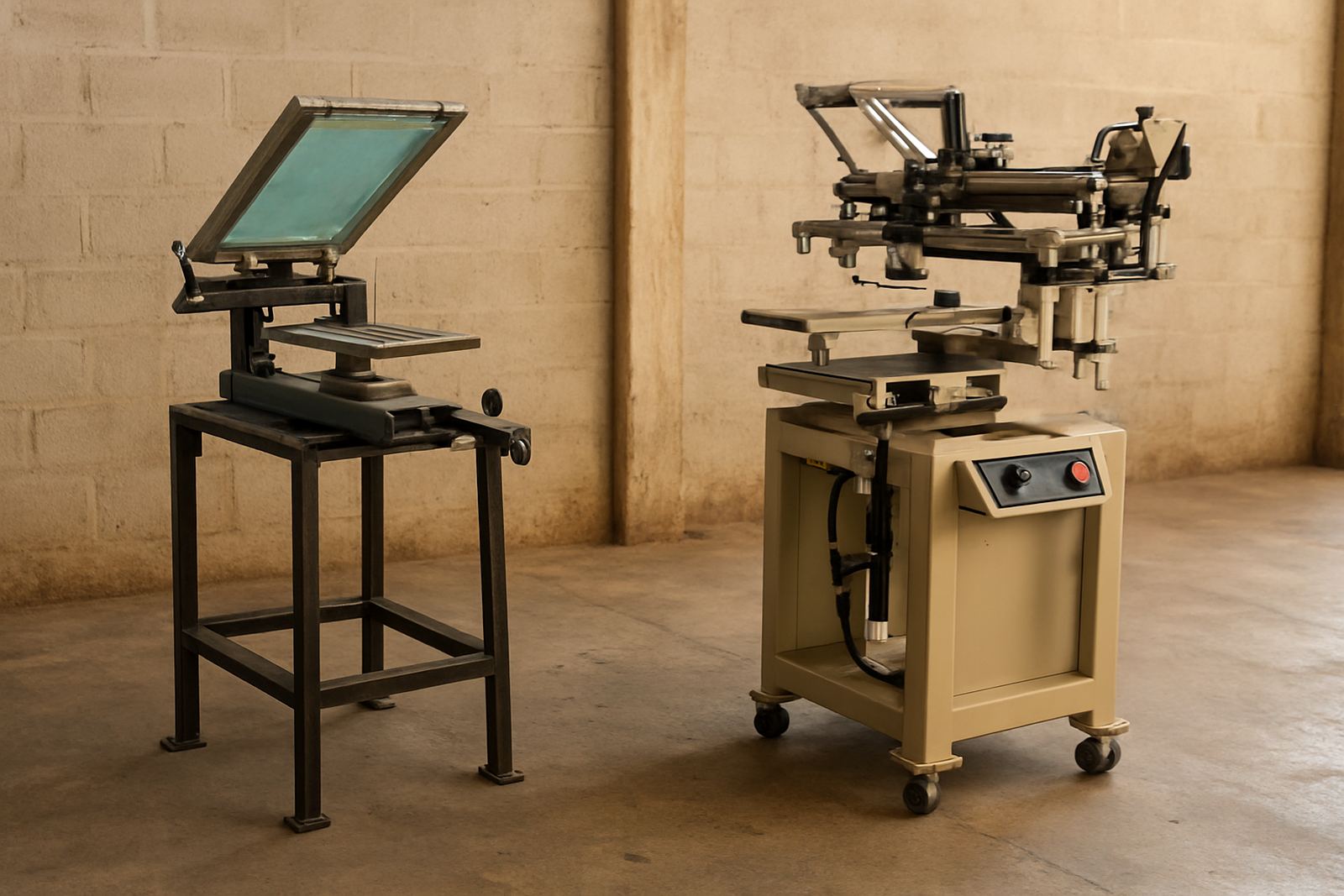
Not every business needs a bigger machine right away. If orders are irregular, artwork changes are frequent or floor space is tight, a simpler setup with strong support may be the better fit. But if you are turning away repeat work from beverage, personal care or promotional packaging clients, then it may be time to add capacity.
Look at real numbers: daily output, scrap rate, labour hours and turnaround times. A small improvement in setup speed can be worth more than buying a larger unit too early. The right decision is usually the one that keeps production steady, reduces waste and gives your team enough room to work without rushing. That is where margins improve.
For buyers in Aeroton, Johannesburg South, Midrand, Pretoria, Durban and Cape Town, local support also counts. On-site installation, spares supply and breakdown repairs matter once the work starts piling up.