Start with the job volume, not the machine
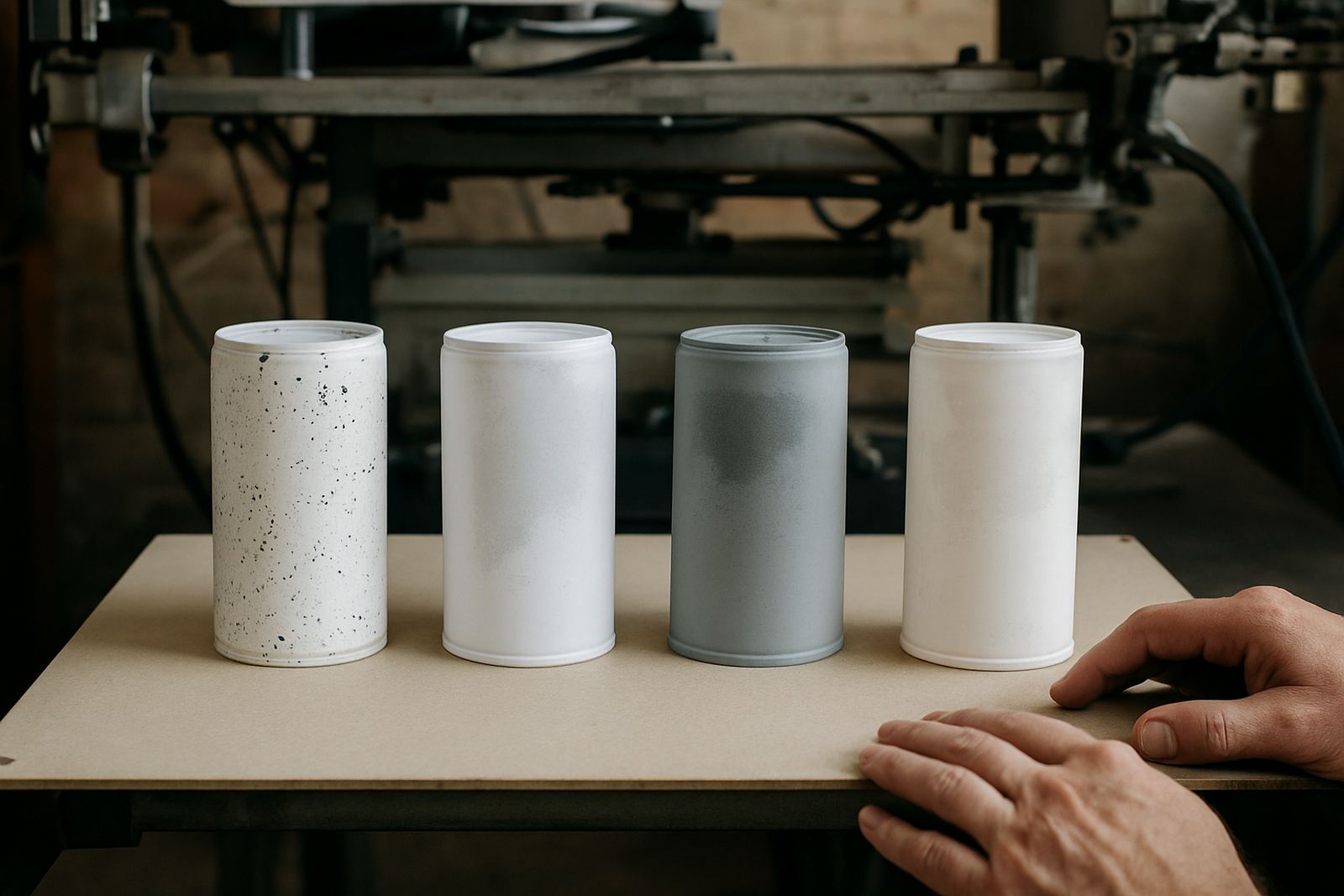
Before a long run starts, work out the real volume in pieces, not just the order value. A job for 8 000 units in clear bottles behaves very differently from 8 000 cups with handles or 8 000 narrow tubes. The surface shape, print area, ink coverage and drying time all change your hourly output.
A proper plan should set a target rate per hour and then test that rate against the slowest part of the line. If the machine can print fast but the operator can only feed and offload at half that speed, the schedule will slip. In Johannesburg, where many businesses work to tight courier cut-offs, those lost hours matter more than people think.
- Confirm the exact quantity plus a waste allowance for setup and test pieces.
- Check the container size, neck shape and print position before scheduling the run.
- Allow extra time if the artwork has multiple colours or a full wrap.
- Match the plan to the available shift hours, not just the best case output.
Screens and setup need to be ready before the first pallet arrives
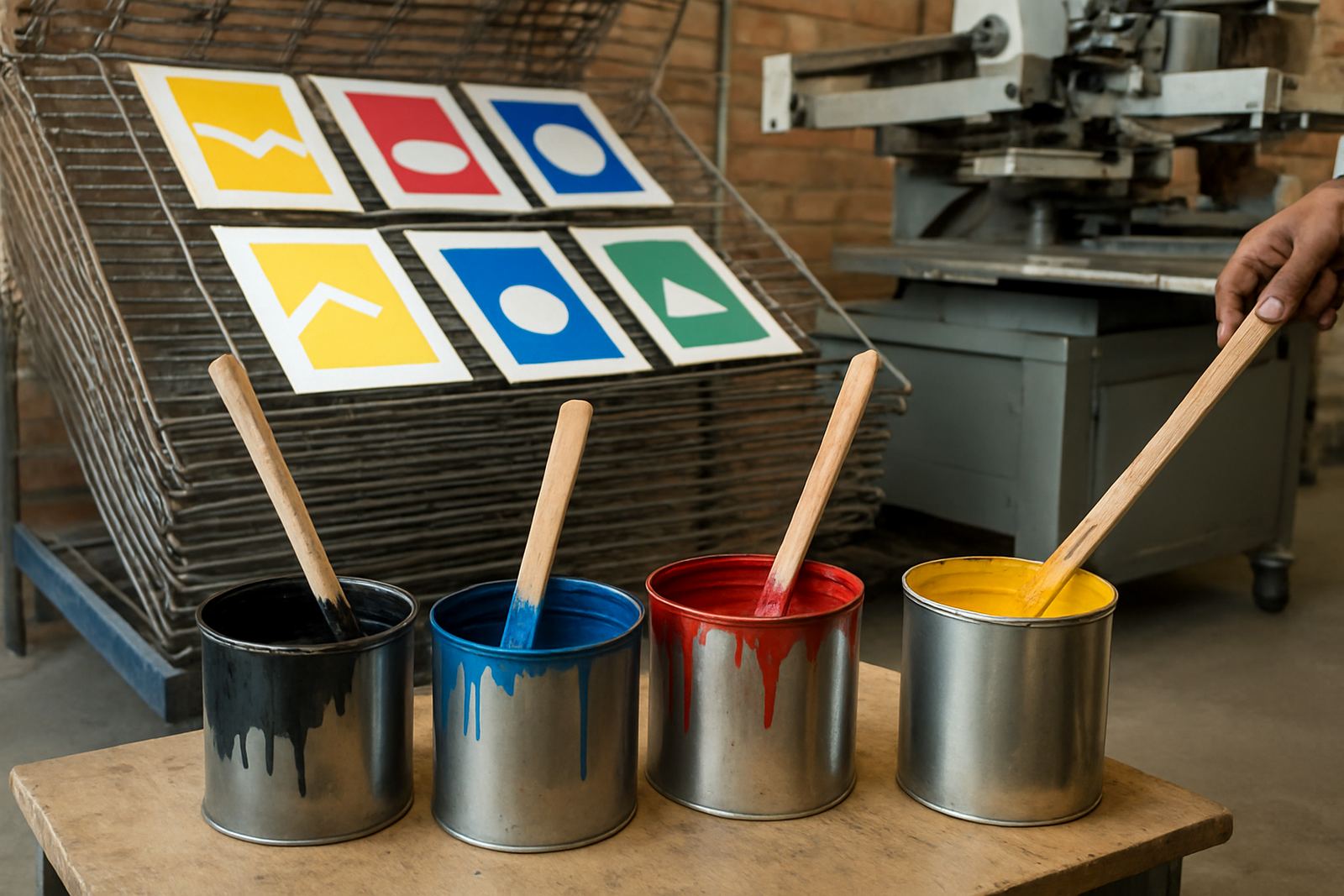
Long runs stay on track when the screens, frames and artwork are sorted before production starts. A screen that is nearly right can still cost a full morning once the ink starts drying in the mesh or the registration is drifting. Screen making and reclaiming should be planned with the same care as printing time.
For repeat work, keep a clear record of mesh count, stencil type, ink system and squeegee pressure. That way a reorder from Durban or Pretoria does not need a fresh trial from scratch. In coastal areas like Cape Town and Durban, humidity can change drying behaviour, so it helps to note the season and room conditions too.
- Check screens for pinholes, blocked mesh and edge damage before the run.
- Keep spare screens for the highest volume colours.
- Label frames clearly so the right job is fitted first time.
- Store approved samples with the job notes for future repeat orders.
Build downtime into the schedule from the start
A long cylindrical print run is not only about running continuously. It is about protecting the time between runs when things usually go wrong. Squeegee wear, ink build-up, air line issues and small alignment changes can stop output if nobody has planned for them. Preventive maintenance is cheaper than waiting for a breakdown at 3 pm on a Friday.
In South Africa, load-shedding still shapes production planning for many workshops. If the job cannot pause safely, make sure backup power or a clear restart procedure is in place. Even a short outage can affect registration if the machine cools down or the operator has to restart feed alignment. A scheduled maintenance stop every few hours can save more time than it loses.
- Keep belts, sensors, clamps and airflow lines checked before the order starts.
- Set a cleaning interval for ink trays and guides during the shift.
- Carry common spares on site, not only at the head office.
- Plan for power interruptions and have a restart checklist ready.
Operator training keeps the line moving when pressure rises
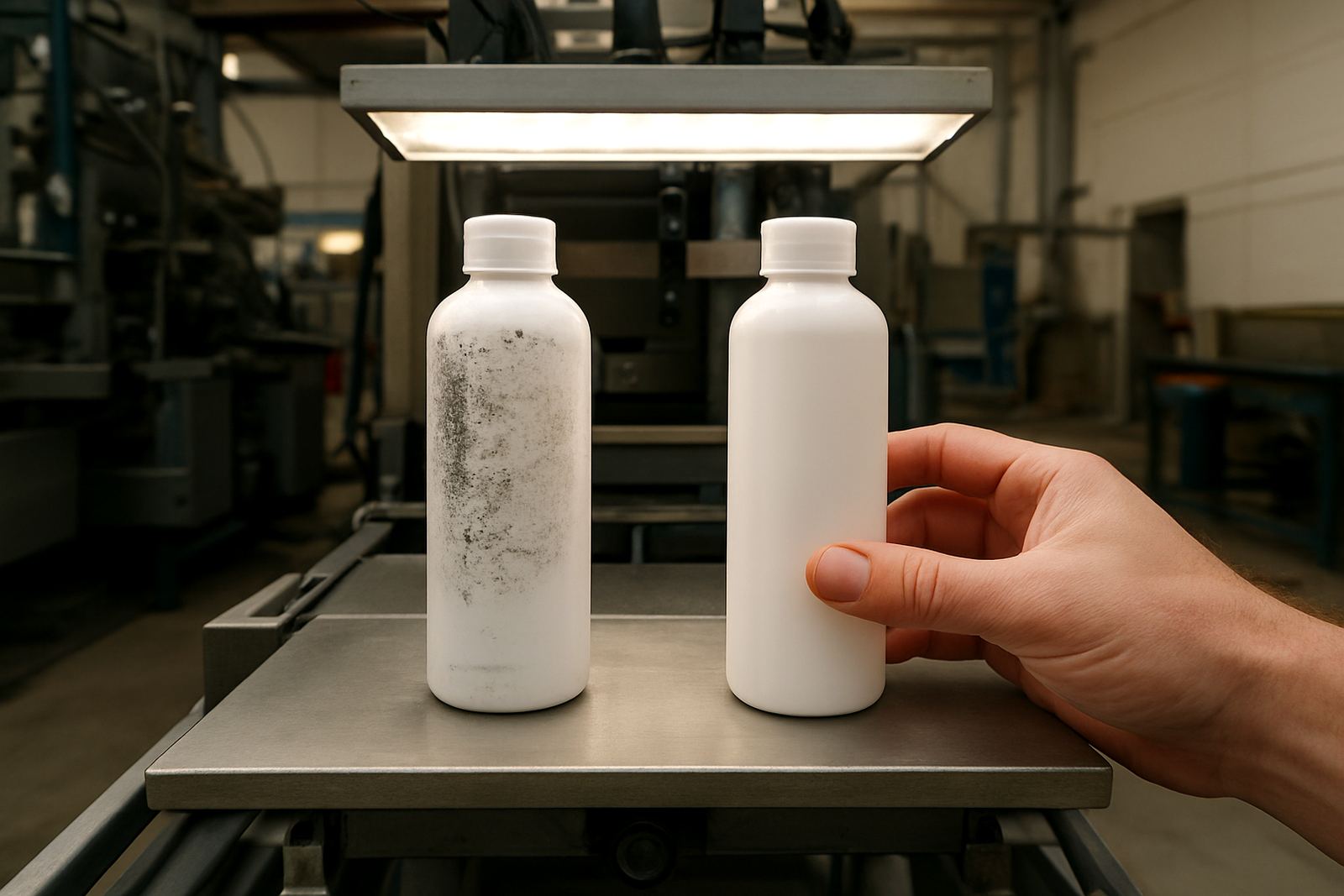
Large runs often fail because the team is not trained for the small problems that come up after hour two or three. A feed jam, colour shift or faint print can be fixed quickly by an operator who knows the system. Without that knowledge, a simple issue turns into a callout and a late delivery.
Training should cover setup, colour matching, cleaning and the correct way to handle bottles, cups or tubes without marking the surface. It should also cover production discipline, such as checking the first 20 pieces carefully before approving the run. One extra check early on can prevent hundreds of rejected units later.
For a Gauteng customer printing promotional bottles for a national event, we have seen the best results when one person is assigned to feeding, one to inspection and one to pack-off on the longer shifts. It is basic, but it keeps the pace steady and the print quality consistent.
Pack-off, curing and transport must suit the final destination
The job is not finished when the print comes off the machine. Larger runs need a packing and curing plan that protects the print during handling and transport. If the ink is still soft when the cartons are closed, or if the cartons are stacked too high, the print can scuff before it reaches the client.
Think about where the order is going. A local delivery in Johannesburg South is easier to control than a long haul to Cape Town, where road vibration and heat can affect packed goods. If the customer is sending stock to retailers or distributors, make sure the cartons are marked clearly and stacked to avoid crushing.
- Allow enough curing or drying time before packing.
- Use cartons and separators that suit the product shape.
- Mark batches clearly so partial deliveries can be tracked.
- Keep finished stock in a clean, dry area away from direct sun.
Use a simple production sheet for repeat orders
The best long-run planning is usually the simplest. A one-page production sheet can save a lot of confusion when the same customer reorders three months later. It should list the machine used, screen details, ink type, print position, setup notes and who approved the sample. That information helps the team repeat the job properly without wasting time on new trials.
At our Aeroton base, many customers ask for help on repeat cylindrical work after a first order has grown into regular monthly production. A clear record makes those handovers easier, whether the next run is for Midrand, Pretoria or a plant in Durban. It also helps when one operator is off sick and another person needs to take over without guessing.
Long run planning is not about making the job complicated. It is about removing avoidable stops, keeping quality steady and making sure the order lands on time with no drama.