What solvent ink is used for in packaging work
Solvent ink is made to print on non-porous items such as plastic bottles, cosmetic tubes, drinkware and some coated containers. The solvent carries the pigment, then flashes off as the print dries, leaving a film that bonds well to the surface. For many South African packagers, that makes it useful when the job must handle handling, transport and a bit of moisture.
It is not the answer for every product. Some plastics need pre-treatment, and some shapes are simply too curved or too flexible for a standard setup. But where the surface and cure match, solvent ink can give a clean, sharp result that holds up better than many quick-dry alternatives.
Where solvent inks usually suit South African production lines
In local plants, solvent inks are commonly chosen for branded bottles, sample tubes, cosmetic jars, cleaning product containers and promotional cups. They can work well on short runs and repeat orders, especially where artwork changes often and the team needs fast turnaround.
- Small and medium packaging runs with frequent artwork changes
- Items handled by hand before full cure or packing
- Products that may see sunlight, transport dust or warehouse abrasion
- Work where a clear, crisp logo matters more than a heavy ink build
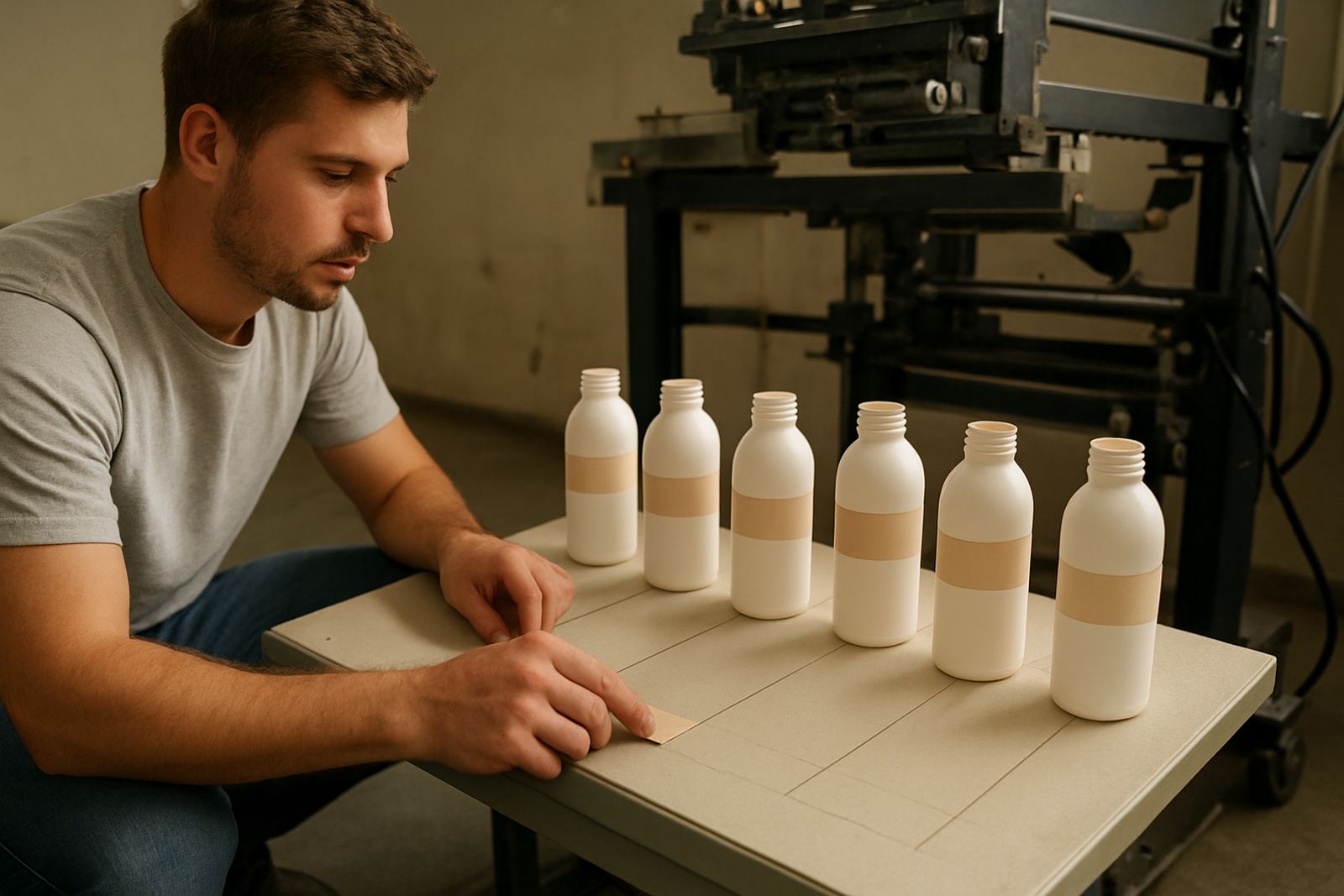
For a bottling business in Aeroton, for example, a solvent-based print on a 500 ml plastic bottle can be a practical choice if the bottles are dried properly and stacked with care. If the line is rushed and the ink is still soft, the print can mark or pick up dust, so the process matters as much as the ink.
The main things that affect adhesion and finish
Adhesion depends on more than the ink tin. Surface type, bottle curvature, ink density, screen mesh, drying time and room conditions all play a part. A smooth PET bottle will behave differently from a coated tube or a textured cup, and a colder workshop can slow drying enough to upset production.
Humidity matters too, especially along the coast. In Durban or Cape Town, a damp morning can extend flash-off time and leave prints vulnerable if the next handling step comes too soon. In Johannesburg the air is often drier, but dust can be a bigger issue, so good cleaning before print is worth the effort.
- Check the substrate first, not just the artwork
- Clean the surface with the correct prep method
- Keep the print area free of dust and overspray
- Allow full drying before packing or overprinting
If the product is stored or sold outdoors, ask whether the ink needs extra resistance to sun and scuffing. A print that looks fine straight off the machine can still fail later if the drying stage was too short or the wrong screen setup was used.
How screen setup changes the result
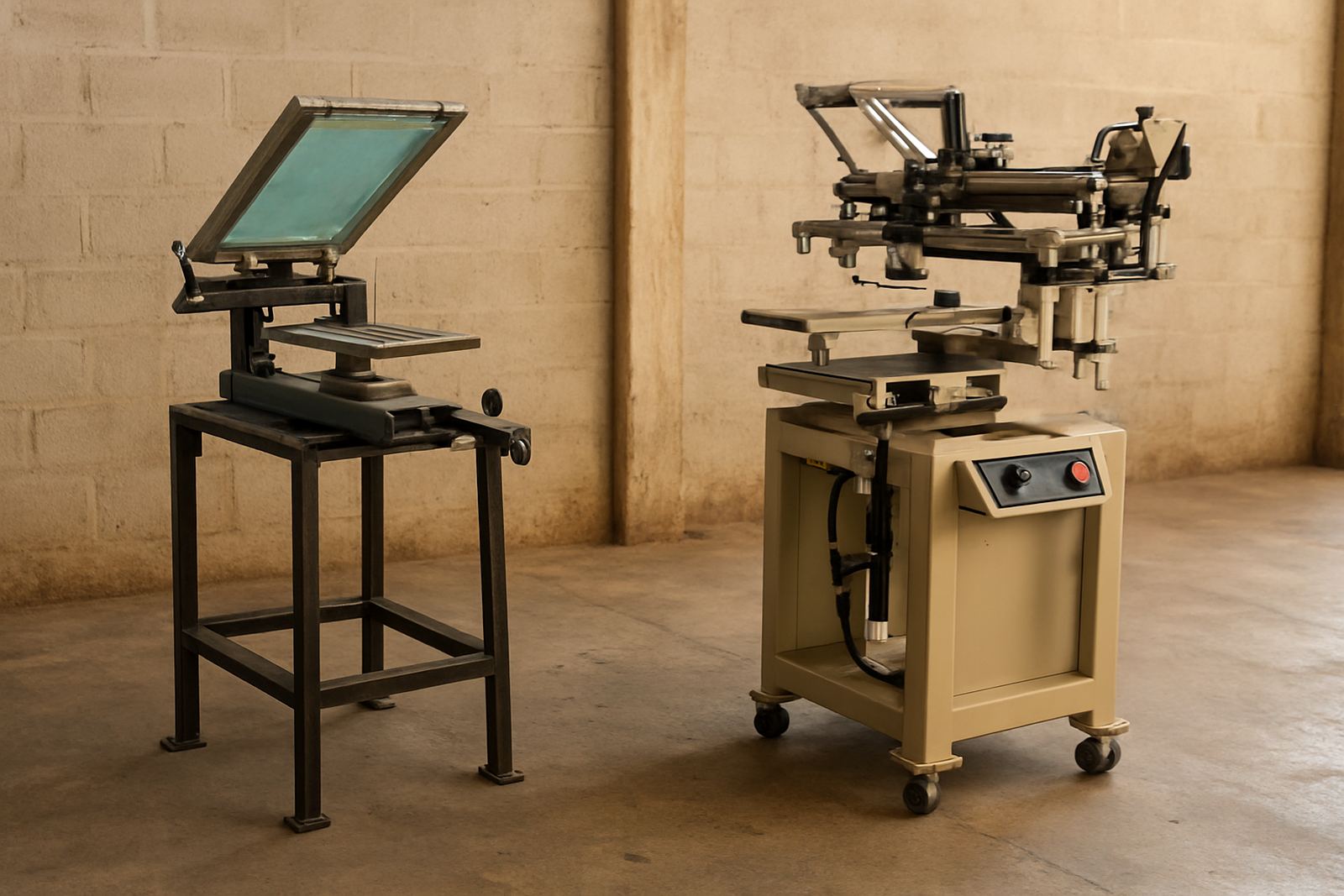
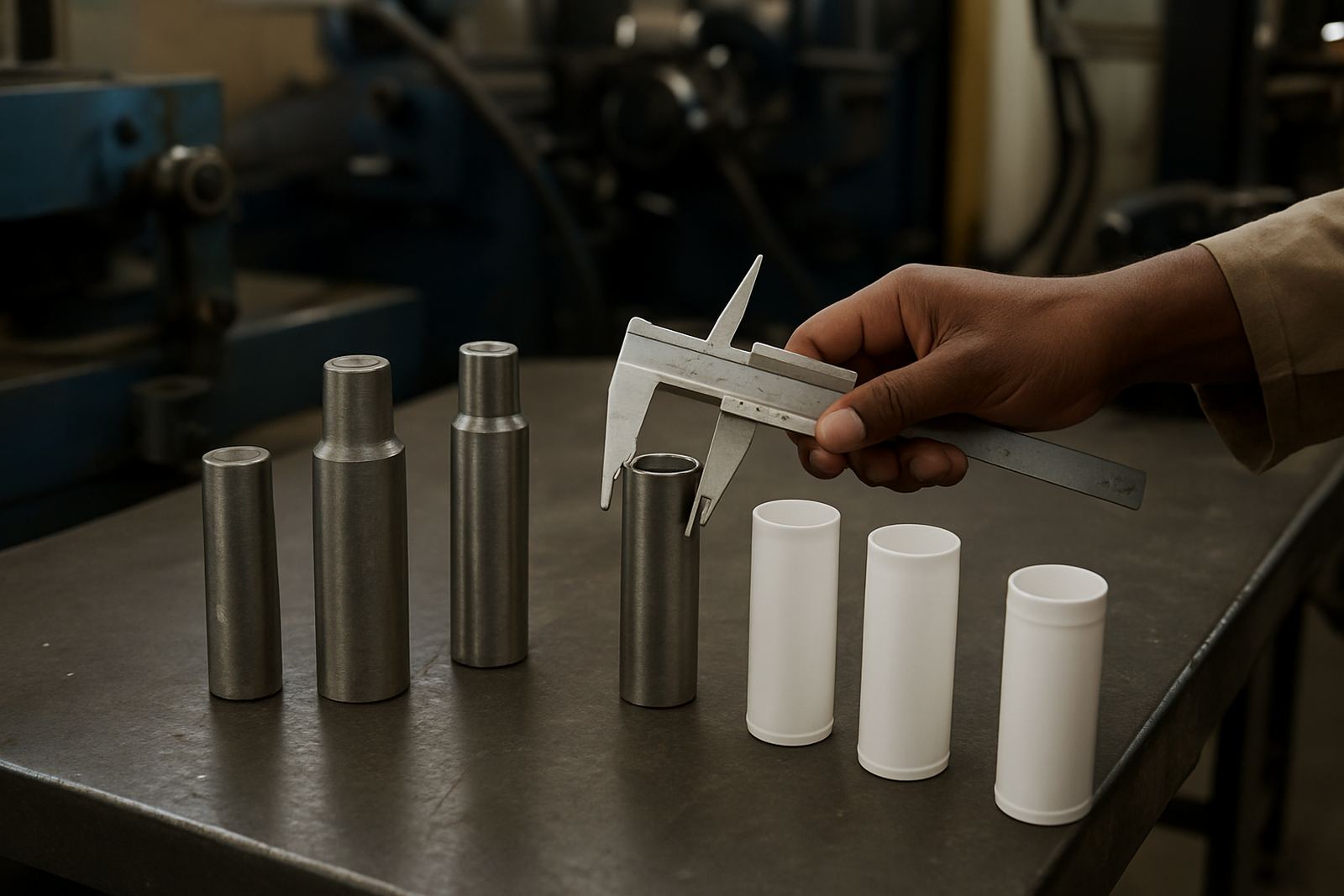
For cylindrical items, the screen, squeegee pressure and alignment have a direct effect on print quality. Too much pressure can flood the image and blur fine lettering, while too little can leave weak coverage or patchy colour. Good setup gives a stable edge and a consistent deposit across the full wrap of the bottle or tube.
Screen making also matters. If the stencil is not clean or the mesh choice is wrong for the detail, solvent ink will not rescue the job. The same goes for reclaiming and screen care. A screen with leftover ghosting, old emulsion or blocked mesh will waste ink and time on every run, so proper maintenance pays back quickly.
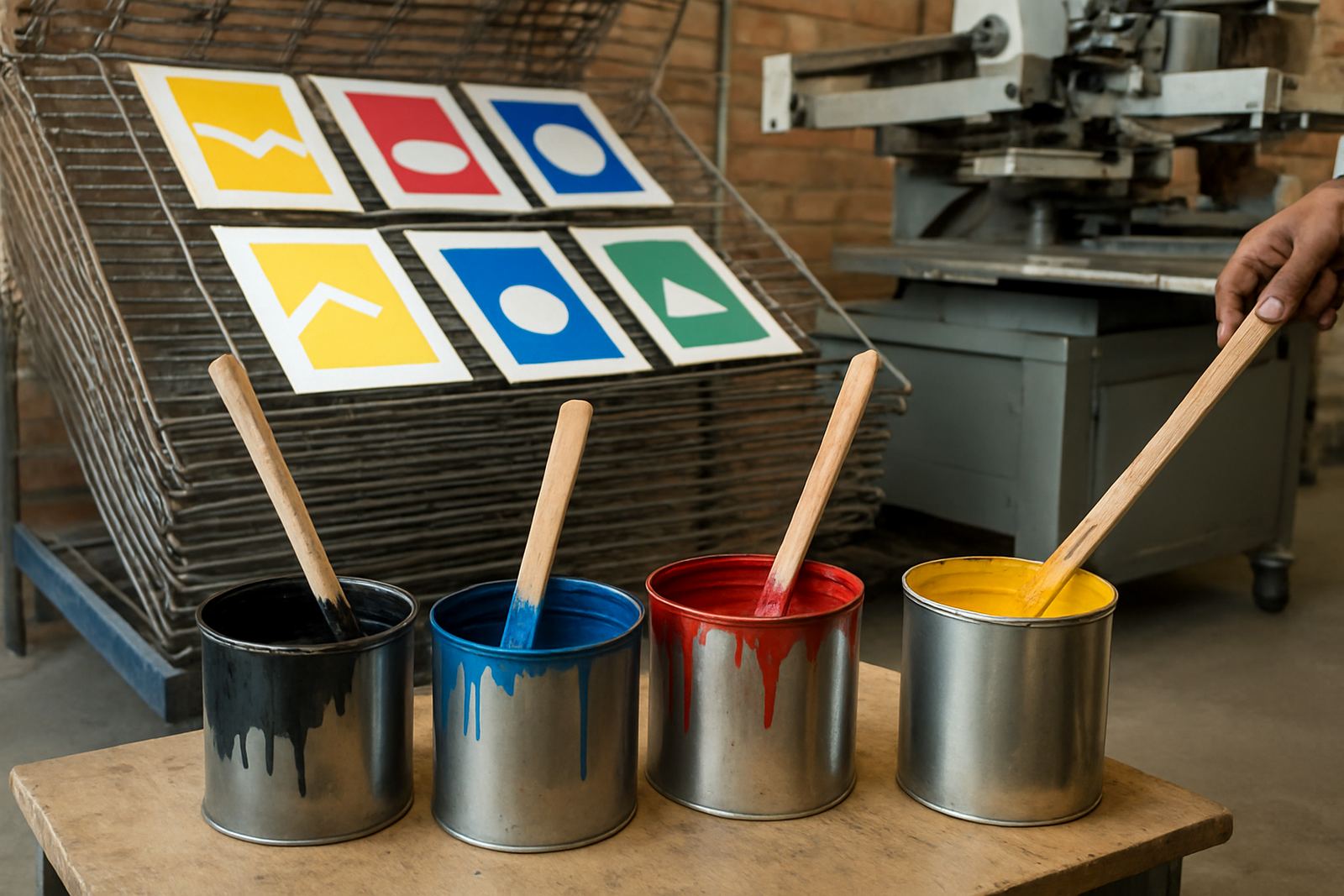
For repeat work, it helps to keep records of mesh count, ink mix, drying time and machine speed. That makes it easier to repeat the same result next month without starting from scratch. Small notes save plenty of guesswork, especially when more than one operator is involved.
Safety and handling in the workshop
Solvent inks and thinners need sensible handling. Good ventilation, closed containers and clean storage are basic requirements, not extras. In a busy print room, a bit of discipline around lids, cloths and waste bins helps reduce smell, fire risk and contamination.
Load-shedding complicates the picture because drying systems, extraction and compressors may stop mid-run. If that happens, it is better to pause the job and protect the screens and stock than to force a half-dried print through the line. A generator can help, but only if the workshop has planned for safe changeover and the machine restart sequence.
- Keep ignition sources away from inks and cleaning fluids
- Store supplies in a cool, shaded place
- Use gloves and eye protection where needed
- Ventilate the area before, during and after printing
When solvent ink is not the right call
Some jobs are better served by another ink system. If the product is exposed to heavy washing, long-term food contact rules, extreme flexing or strict compliance requirements, the print spec may need a different approach. It is also worth checking whether the container material accepts the ink well without pre-treatment or flame treatment.
Very short deadlines can also be a problem if the print needs a long cure before packing. A fast order is still possible, but only if the drying and handling stages are planned from the start. Rushing the cure to save an hour often ends up costing a full batch.
A practical rule is simple: match the ink to the product, then match the process to the ink. If the substrate, drying and handling are all under control, solvent-based printing can do solid work on packaging lines across Gauteng, KwaZulu-Natal and the Western Cape.
A practical buying and setup checklist
Before you commit to a solvent ink job, ask for a clear test on the actual product and not just a sample sheet. Packaging looks easy until the bottle curve, cap clearance or label area changes the print. A short test run can show whether the colour lays down properly and whether the surface needs extra prep.
- Confirm the exact substrate and finish
- Test adhesion after drying, not only straight away
- Check how the print behaves after handling and stacking
- Plan screens, spare consumables and colour setup before the order starts
- Factor in training for the operator and a maintenance plan for the machine
At Bottle Screen Printers in Aeroton, Johannesburg, that is usually the difference between a smooth run and a production delay. A good solvent ink job should be repeatable, clean and practical for day-to-day use, not just impressive on the first sample.