What changes first: hands on labour or output per shift?
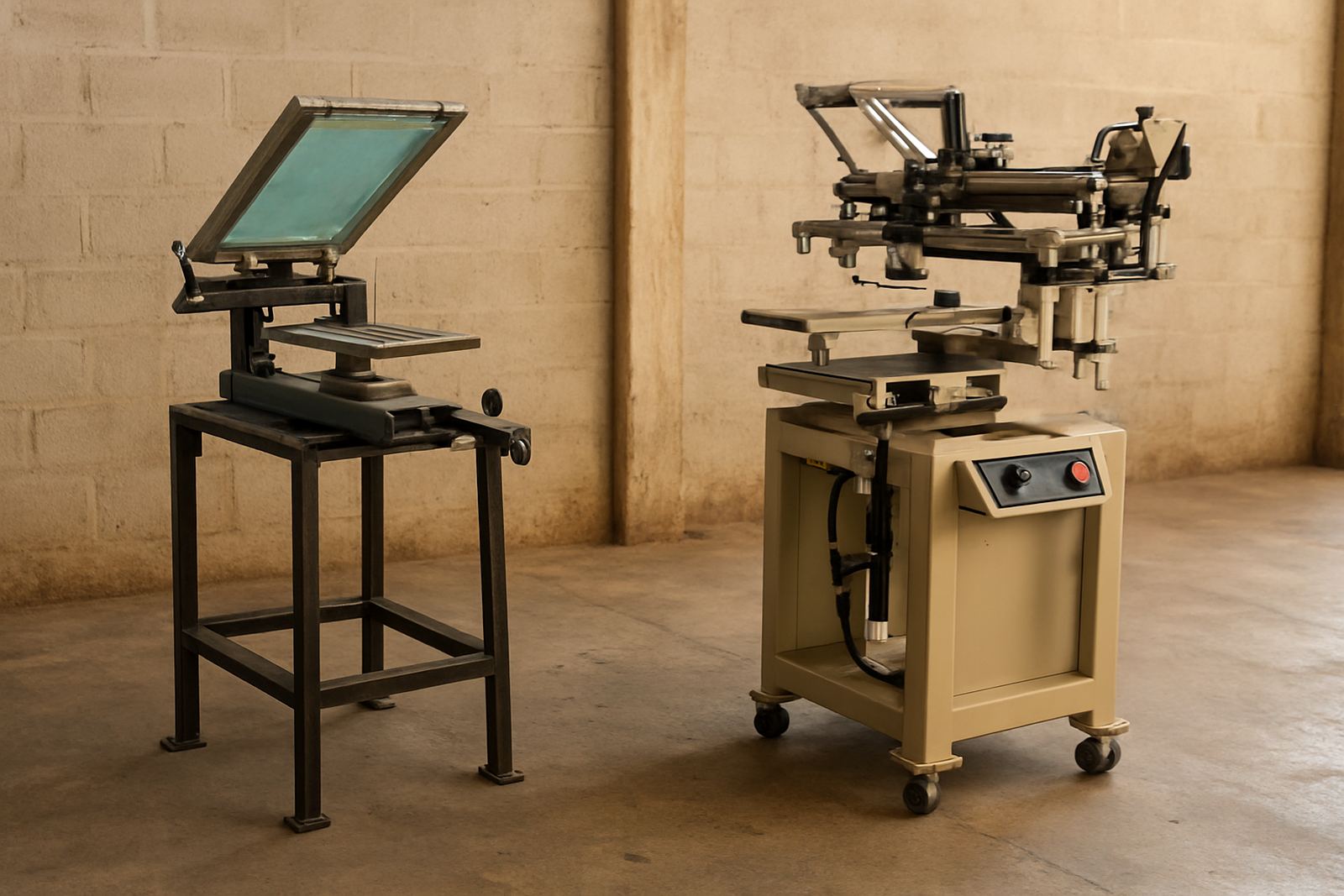
A manual cylindrical screen-printing machine keeps the operator close to every stage of the job. Loading, registration, print stroke and unload all need a person at the controls, so output is tied directly to the operator's pace and focus. That can be ideal for short runs, testing new artwork or working with mixed product sizes where setup changes often. In smaller shops, a manual unit also gives you a lower entry cost and less electrical dependence, which helps during load-shedding if you are running a lean production bay.
A semi auto machine takes over part of the movement and repeat cycle. The operator still loads, checks registration and manages ink flow, but the machine handles the consistent stroke and return with less physical effort. That usually gives better hourly output and less fatigue over a full shift. For a shop in Aeroton printing 500 or more bottles a day, that difference can be the gap between finishing on time and chasing overtime.
Consistency matters more than speed when customers expect repeat colour
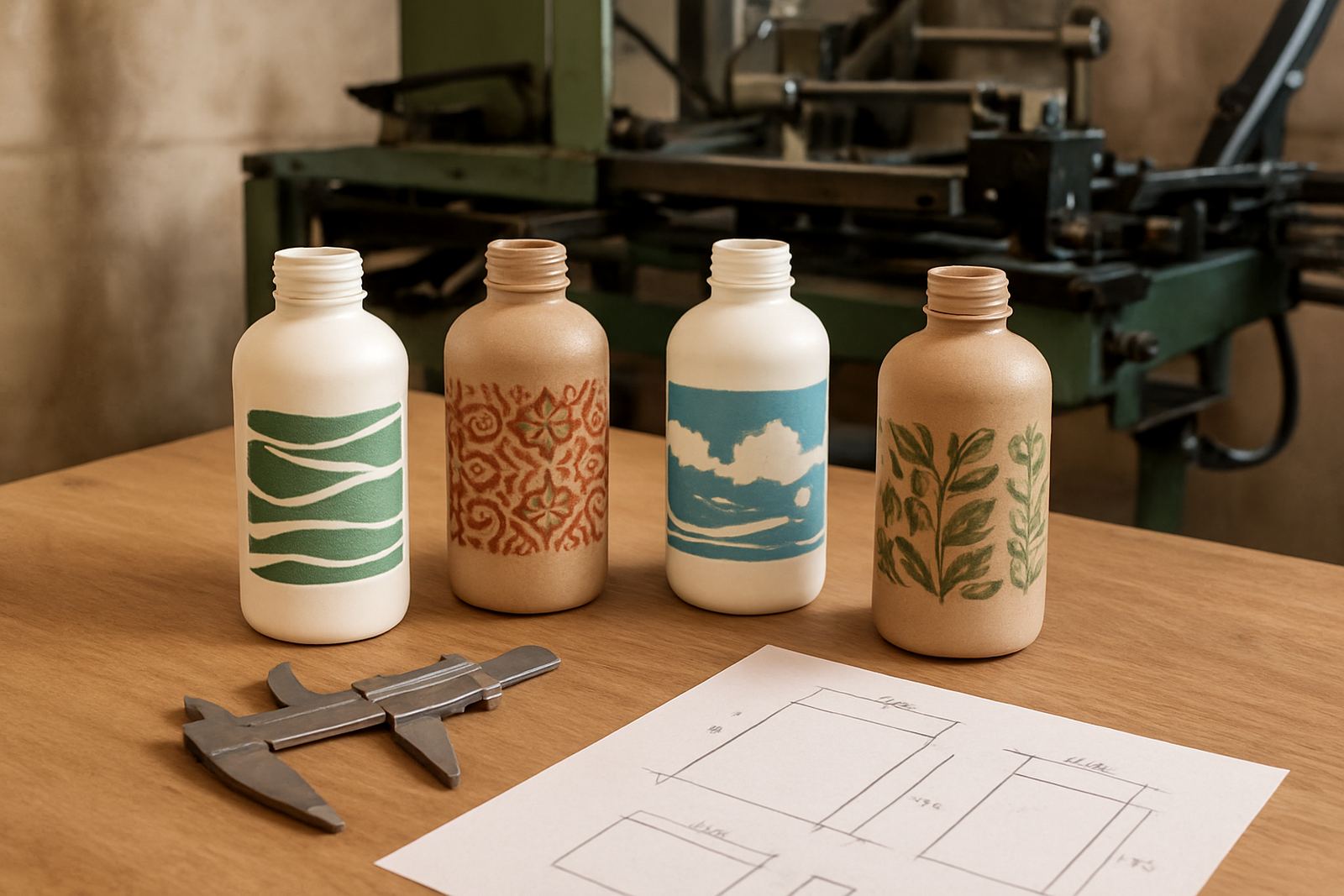
On cylindrical items, print quality is not only about speed. It is about repeat pressure, repeat screen contact and repeat alignment from the first item to the last. A manual setup can produce excellent work in the hands of a skilled operator, but results often vary more across a long run. Small differences in hand pressure or timing show up as colour shift, fuzzy edges or uneven coverage, especially on glossy bottles and curved tubes.
A semi auto machine helps reduce those variations because the print movement is controlled the same way every cycle. That makes it easier to keep fine text readable and logos looking the same across a full pallet. If a customer in Pretoria orders a refill bottle range this month and another batch three months later, consistency is what protects the brand. Coastal humidity in Durban can also affect drying and screen behaviour, so repeatable control becomes important when the weather changes during the day.
- More consistent pressure usually means sharper artwork on curved surfaces
- Repeatable stroke timing helps when running multiple colours one after another
- Better control reduces rejects on higher value packaging
Where manual still makes good business sense
Manual equipment is not old fashioned, it is practical for the right workload. If you are doing seasonal promotions, small cosmetic runs or customer samples, a manual machine may be the better fit because setup time and staffing needs stay modest. It also works well where space is tight. Some workshops in Johannesburg South or Midrand do not have room for a longer line and prefer a machine that can be moved, cleaned and reconfigured quickly.
Manual machines are often easier to train on as well. A new operator can learn registration, off contact and ink handling without learning automated cycle settings at the same time. That matters when you need back-up coverage or when production teams are small. If your day is split between screen making, packing and print work, manual operation can keep the process simpler and the equipment budget under control.
- Good for start-up businesses and small batch work
- Useful for sample approval and one-off promotional orders
- Lower maintenance load when the machine is used intermittently
When semi auto starts paying back in labour and output
Semi auto becomes more attractive once the same job keeps coming back. If you are printing tubes for toiletries, cups for events or bottle runs for retail packaging, the time saved per cycle adds up fast. Even a modest gain of a few seconds per print can turn into many extra units over a week. That is where labour efficiency starts to matter as much as print quality.
For production teams, the main benefit is not just speed. It is also reduced operator strain. Repetitive hand work over long shifts can slow people down, which leads to more mistakes and more setup corrections. A semi auto machine helps the operator stay focused on feed, alignment and inspection instead of repeating the same physical action all day. In practical terms, that can mean more stable output with fewer stoppages, especially in warmer workshops where fatigue comes on quicker.
There is also a stronger case where clients need strict repeatability. In many branding jobs, one bad batch can create rework, transport delays and extra ink use. Semi auto reduces that risk by keeping the stroke more consistent from start to finish. For a business that supplies Gauteng, KwaZulu-Natal and the Western Cape, that consistency is often worth more than the lower entry cost of a manual unit.
Labour planning, training and shift control in a real workshop
Before choosing a machine type, look at your people and your shift pattern. A manual machine needs a steady operator with good hand control and attention to detail. A semi auto machine still needs a trained operator, but the machine carries more of the repeat work so you can often get better output from the same team. If your production floor runs with a small crew, that difference can protect deadlines when one person is away or a second job lands unexpectedly.
Training is also easier to plan when the machine matches the workload. A team that handles screen reclaiming, colour setup and machine cleaning needs enough time between runs to reset properly. If the machine is too slow, the whole line backs up. If it is too advanced for the team, faults take longer to solve. The right fit is the one your staff can run reliably after proper installation and hands-on training, not the one that looks biggest on paper.
- Check whether one operator can keep up with loading and inspection all day
- Count setup time, not only print speed
- Include training and preventive maintenance in the cost, not just the machine price
A Johannesburg example: choosing for repeat bottle orders
Take a Johannesburg business in Aeroton printing cylindrical bottles for personal care products. In the first six months, the work may be a mix of small trial batches and urgent client samples. A manual machine can carry that stage well because the owner wants flexibility and low running cost. But once the same bottle size returns every month in larger volumes, the time spent on each print becomes expensive. At that point a semi auto machine starts making more sense because the job is less about experimentation and more about repetition.
The same logic applies to sites in Durban or Cape Town where humidity and transport timing can affect production. If you need to finish a run today, pack it and ship it tomorrow, the steadier output from a semi auto setup often gives you less stress. In these cases the better choice is not the machine with the most features, it is the one that keeps production predictable when municipal power cuts, staff changes or tight collection times get in the way.
For many South African print shops, the decision is a simple one: manual for flexibility and smaller runs, semi auto for repeat work and better control at volume. Matching the machine to the work saves labour, limits waste and keeps the print room easier to manage.