Start with a written sequence for every format swap
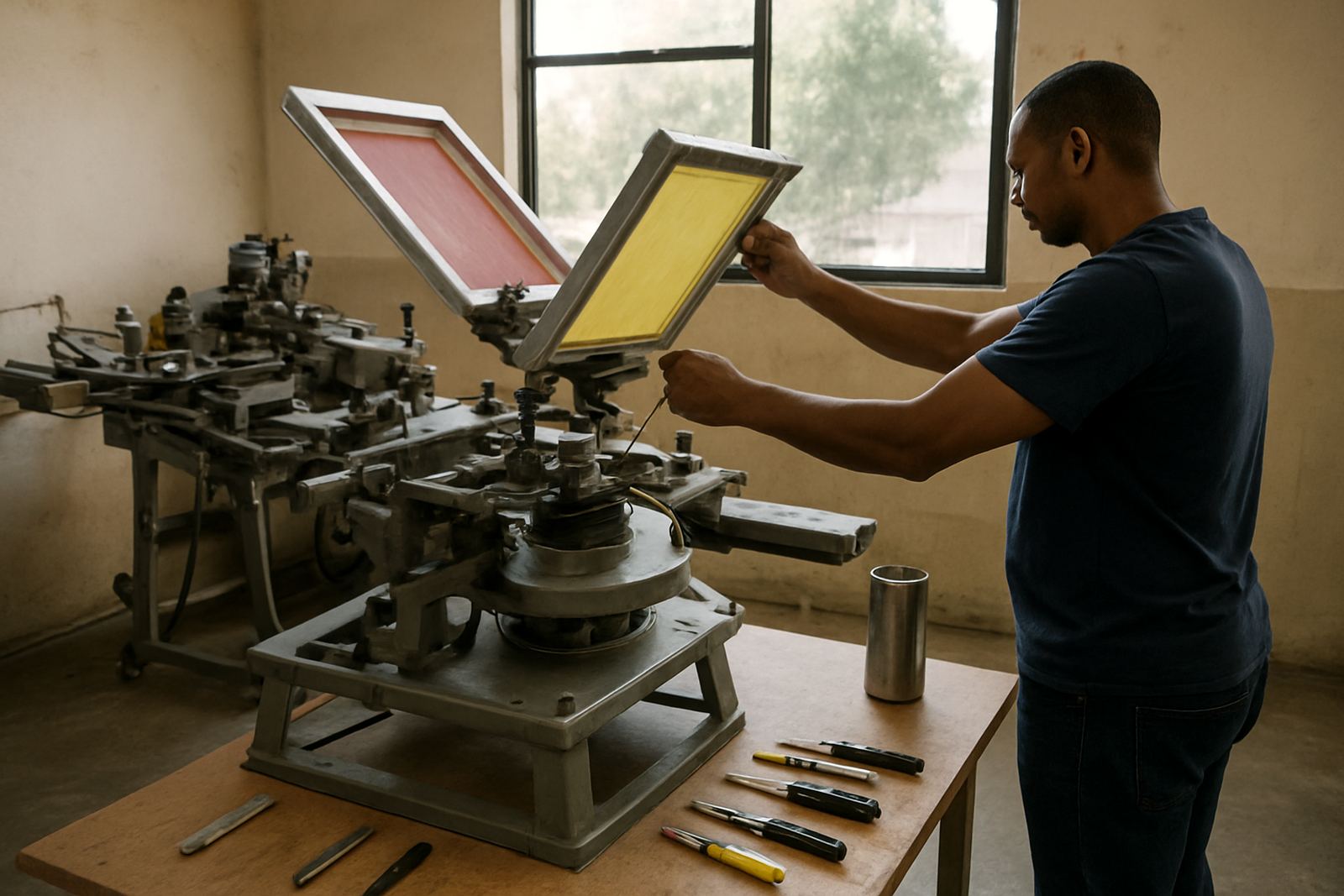
The fastest plants do not rely on memory. They keep a changeover sheet for each job type, showing the exact order for removing screens, clearing ink, changing jigs, checking pressure and confirming registration. When a change takes place in a noisy production room with two operators talking over a compressor it is easy to skip a step, so a written sequence helps avoid repeat work.
Keep the sheet near the machine and update it after every production review. If a step regularly causes delay, move it earlier or prepare the part in advance. A clear sequence also helps new staff get up to speed faster, which is useful when you are running shifts in Johannesburg, Durban or Cape Town and the team changes between days.
Keep change parts labelled and ready before the line stops
Much of the downtime comes from looking for the right screen, clamp, mandrel or tool. Set up a changeover trolley or crate with the parts needed for the next job and label everything by size and product type. If you print 330 ml bottles in the morning and small cosmetic tubes in the afternoon, those parts should be separated before the first run ends.
- Label screens by product diameter, artwork name and ink colour
- Keep jig sets together with matching fasteners and spacers
- Store cleaning cloths, solvents and gloves in one marked bin
- Check that spare fuses, belts and hoses are on hand before a long run
This small discipline saves time and stops operators from hunting through shelves while the machine waits. In Aeroton and other industrial areas around Johannesburg, it also helps when stores are spread across different rooms or shared with other equipment.
Use colour setup records to avoid repeated test prints
Colour setup can eat minutes or even hours if the same shades are mixed from scratch every time. Keep a simple record for each product with ink type, mesh size, squeegee angle, stroke speed and the final print result. That record is especially useful for jobs that return every few weeks, because the first print will usually be much closer to spec.
Where possible, store mixed ink in sealed containers for repeat orders and note the exact batch date. In humid coastal areas like Durban and Cape Town, ink viscosity can shift during the day so check the mix before starting the line. A quick stir and a sample print can save a long correction later.
- Record the best settings for each substrate and diameter
- Keep approved samples with the job card
- Note drying time and any problems with blocking or smudging
- Recheck colour after lunch and after power interruptions
Reduce cleaning delays with better screen handling
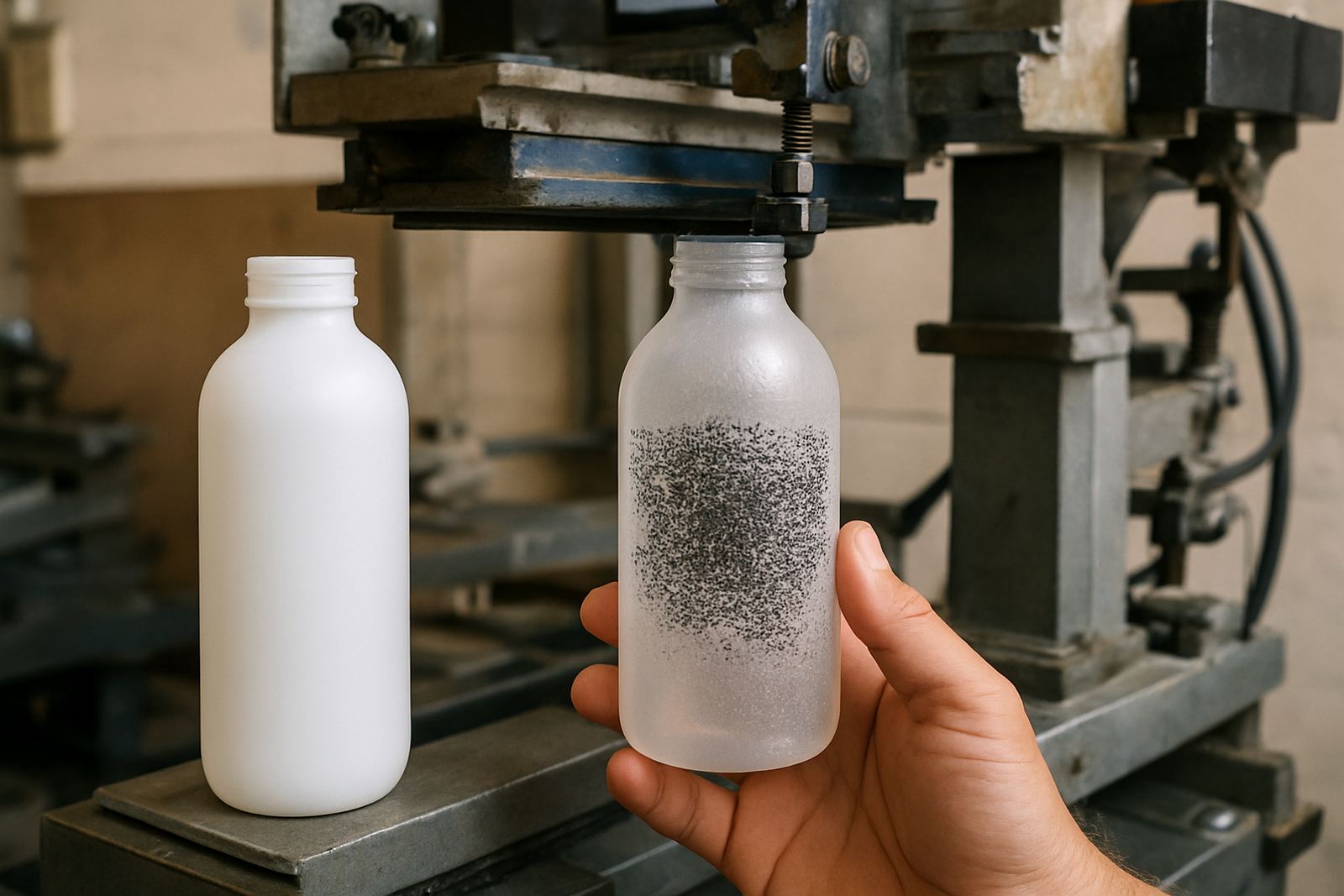
Screen cleaning is often the hidden bottleneck. If screens are reclaimed badly, dried ink builds up in the mesh and the next job starts with poor detail or slow ink flow. Train staff to clean screens soon after the run ends, then reclaim them in a controlled area with the right chemicals and drying space. That means the next format can be loaded without last-minute repairs.
Keep screens stored upright and sorted by mesh count and frame size. Damaged frames, stretched mesh and blocked stencil edges should be repaired or removed from active stock. A screen that looks usable but prints unevenly will cost more time in setup than it saves in storage.
Plan for power cuts and compressed air interruptions
Load-shedding can turn a normal changeover into a long stop if the team is waiting on air, lighting or the controller to come back. Build a power-off routine for every format change so operators know what to secure first and what can wait. If the line uses compressed air, check tanks and drain lines before the switch so moisture does not collect when power returns.
In Pretoria and Johannesburg South, many factories now plan changeovers around outage schedules and production windows. That approach works best when the next job is staged before the cut starts. If the team can restart within minutes rather than an hour, you protect both output and morale.
Review every stop and trim one more minute next time
The best way to shorten changeovers is to measure them. Time each step, then ask where the delay came from and whether it was caused by the machine, the material or the people on shift. Often the fix is not a major upgrade but a small habit, like pre-checking the next screen or moving the ink rack closer to the printer.
One packaging plant near Midrand cut its format switch from 42 minutes to just under 28 by doing three things: preparing the next job before the current one ended, writing a clear cleanup checklist, and assigning one person to tools while another handled screens. No fancy changes, just steady discipline and a better layout. The result was fewer errors and less rush when urgent orders came in.
For businesses that print bottles, cups or tubes every day, these small changes add up fast. A changeover that saves ten minutes on four swaps a shift can free up an extra run by the end of the week.