Why cylindrical packs are getting more attention
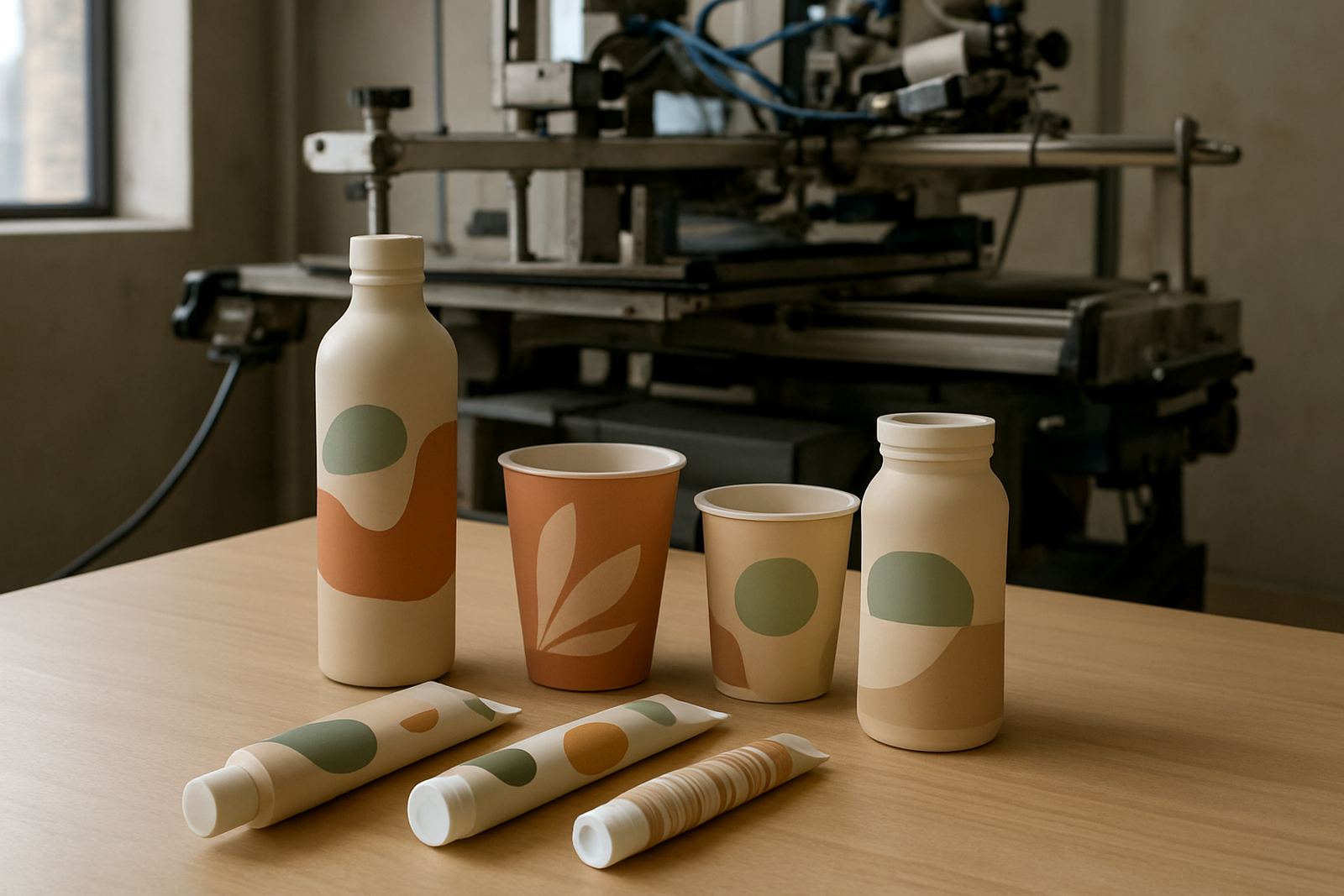
Across Johannesburg, Durban and Cape Town, more businesses are using bottles, cups and tubes as active selling tools rather than plain containers. A product on a shelf has only a few seconds to catch the eye, so print quality now matters almost as much as the product itself. For brands with shorter runs or regular flavour changes, cylindrical screen printing offers a practical way to add colour, branding and product detail without relying on labels that can lift or wrinkle.
The shift is not only about looks. Buyers are also checking whether packaging survives delivery, handling and storage in hot back rooms or humid coastal warehouses. A print that stays sharp after stacking, washing or repeated handling gives a better return than decoration that fades too soon. That is why many local packers and contract decorators are asking for clearer registration, stronger ink laydown and quicker changeovers.
What customers are asking for on bottles, cups and tubes
The trend is toward clean, direct information. Customers want the brand name, size, batch detail and product type to be easy to read. At the same time, they expect a neat finish that supports retail value. This is true for personal care tubes, drink bottles, takeaway cups and industrial containers. The best results usually come from setting up the decoration process around the product shape first, not the other way round.
- Simple colour blocks that print clearly on curved surfaces
- Shorter runs with faster artwork changes
- Durable ink systems for handling, packing and transit
- Accurate registration for text and logos on round containers
- Decoration that still looks good after exposure to moisture or light abrasion
For many businesses, this means moving away from complicated artwork that works on paper but not on a cylinder. A cleaner design is often more practical and more cost effective, especially when the same line has to run different sizes through the month.
Production realities that shape the market
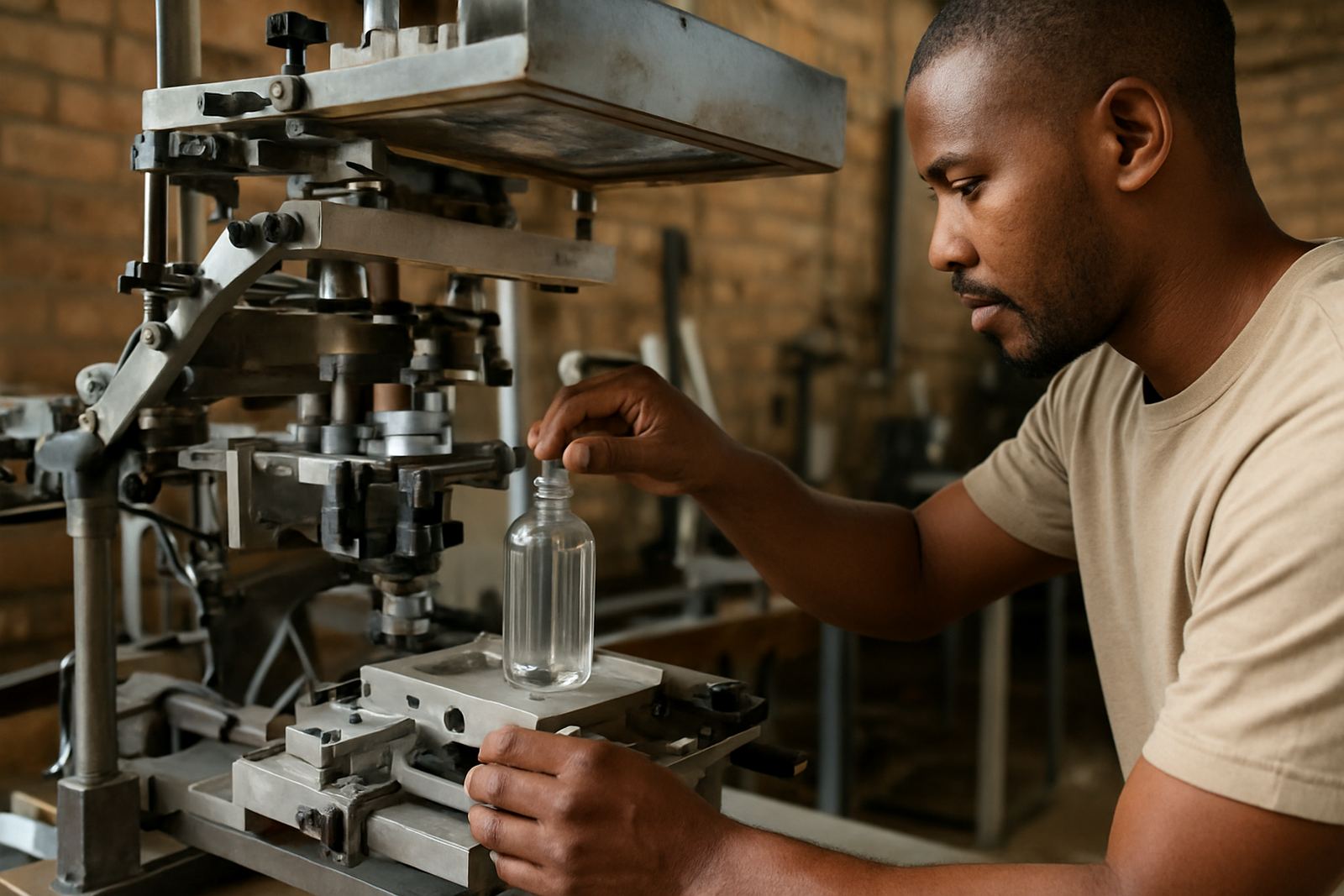
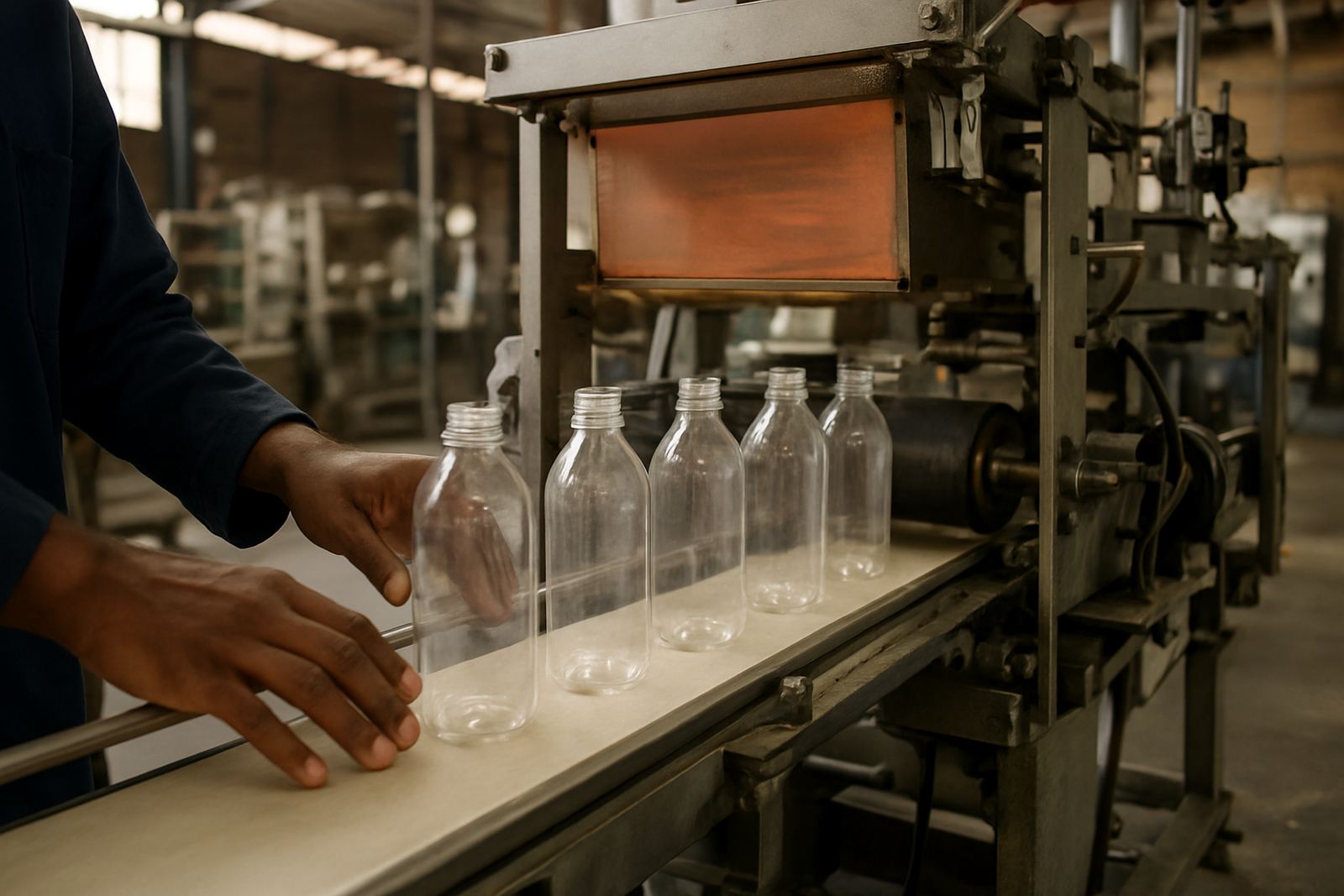
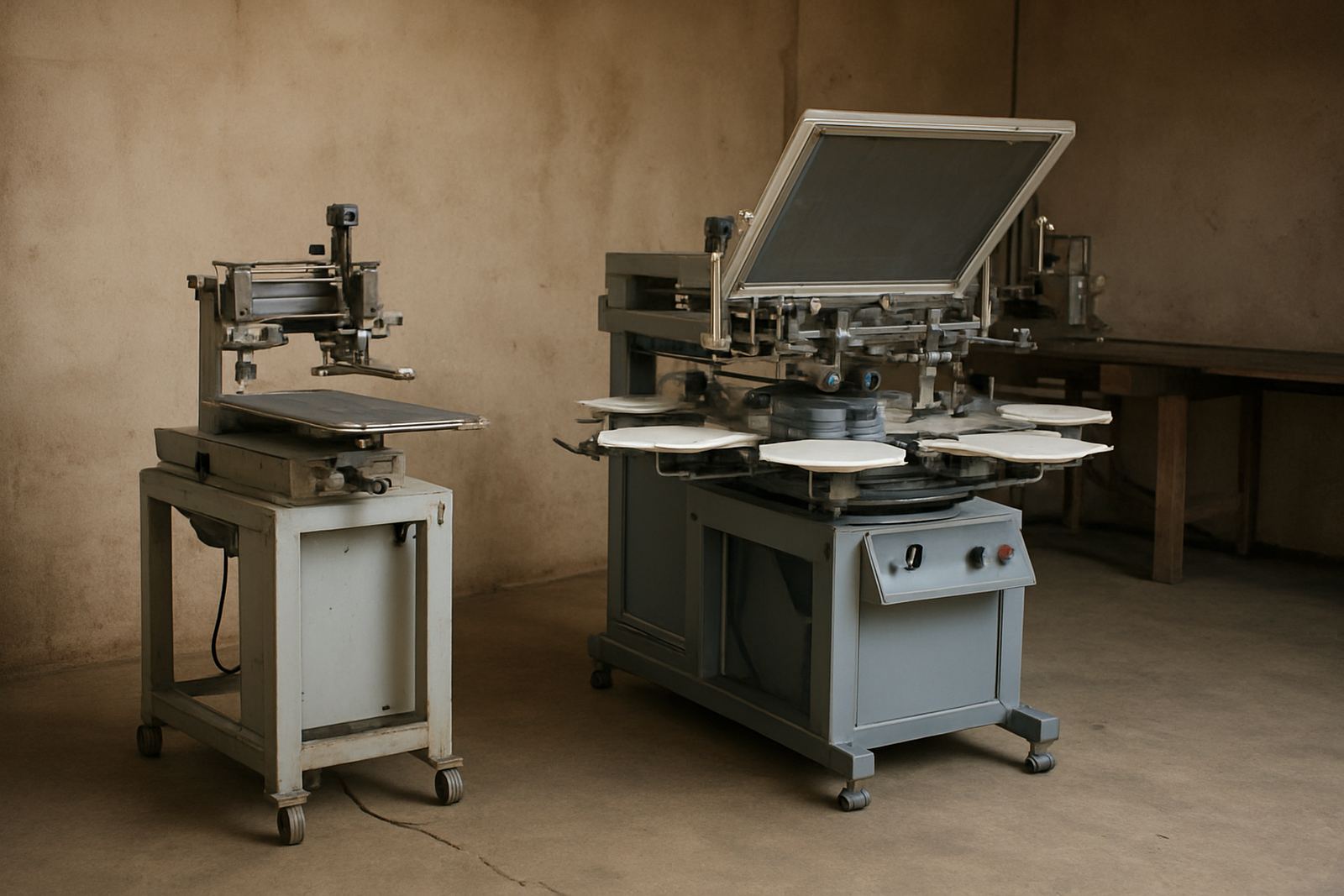
Most South African decorators are working under pressure from load-shedding, rising utility costs and tighter delivery windows. That means the trend is not just toward prettier packaging, but toward equipment and workflows that keep production moving. A machine that holds alignment well, starts up quickly and needs less fiddling between jobs can make a real difference to output. This matters in Aeroton, Midrand and Pretoria where many small and medium producers serve both local shops and larger distributors.
Another practical factor is the package material itself. Glass, PET, polypropylene and coated tubes each behave differently during print. A supplier that understands these differences can help with screen choice, ink setup and curing, so the finish is consistent from the first unit to the last. If the process is rushed, you get waste and rework, and that costs alot more than proper setup at the start.
Local example: a beverage producer in Johannesburg South may need a small run of promotional bottles for a winter campaign, then a second run with a different flavour and batch code a week later. In that case, changeover speed, screen condition and operator confidence become part of the trend story. The market is rewarding businesses that can switch without losing quality.
Where screen printing still beats labels
Labels have their place, but on cylindrical packaging they are not always the best answer. Screen printing remains a strong option when the brand wants colour density, a permanent finish and fewer parts in the process. It can be especially useful on containers that get handled often or stored in damp areas. For products moving through Durban or coastal Cape Town, direct print can reduce the risk of lifting edges, bubbles or scuffed artwork.
Screen printing also supports better control over ink coverage on opaque bottles and tubes. If the design calls for solid whites, strong brand colours or a clear tactile finish, the process can produce a look that stands out without adding extra decoration layers. That can matter for smaller producers who need a smarter shelf presence but cannot justify complicated finishing steps.
- Better colour density on curved surfaces
- Fewer failure points than a label-and-adhesive system
- Suitable for repeat production and stable branding
- Works well where moisture or handling is a problem
How local decorators can stay ahead
Businesses that want to keep up with packaging demand should focus on repeatable setup and operator training. The trend is not only in the printed result, it is in how often a job can be set up correctly the first time. Good screen making, proper reclaiming and regular maintenance all matter when a workshop is moving between product sizes, colours and line speeds. If screens are not clean or machines are not aligned, the print quality drops quickly.
For teams in Gauteng and beyond, preventive maintenance should be scheduled before the machine starts giving trouble. That includes checking movement points, wear parts and print alignment, then sorting spares before a breakdown stops production. In a market where customers expect reliable turnaround, a day lost to repairs can damage trust. It is better to train operators to spot small issues early than to wait for a full stop.
Packaging trends may change, but the winning formula stays practical: clear branding, controlled setup, and equipment that can run when the power is unstable or the order book changes fast.
What to watch over the next 12 months
The next shift in cylindrical packaging will probably come from smaller, more frequent orders and tighter brand control. Businesses will want packaging that can adapt to promotions, seasonal campaigns and private label work without slowing down the line. That means more attention to quick screen changes, reliable colour matching and technical support that keeps production on track.
For many South African companies, the biggest opportunity is not chasing complicated decoration. It is getting the basics right on bottles, cups and tubes so the product looks professional and consistent every time. In this market, consistency is a selling point. When the packaging is tidy, durable and easy to read, the product feels worth paying for.