When Output Is Growing Faster Than Your Current Setup
The clearest sign it is time to upgrade is simple: the work is there, but the machine can not keep up. If your team is running extra shifts, pushing overtime, or turning away repeat orders for bottles, cups or tubes, the bottleneck may be at the print stage. A line that was fine for 300 units a day can become a problem when the market asks for 1 200 units before Friday.
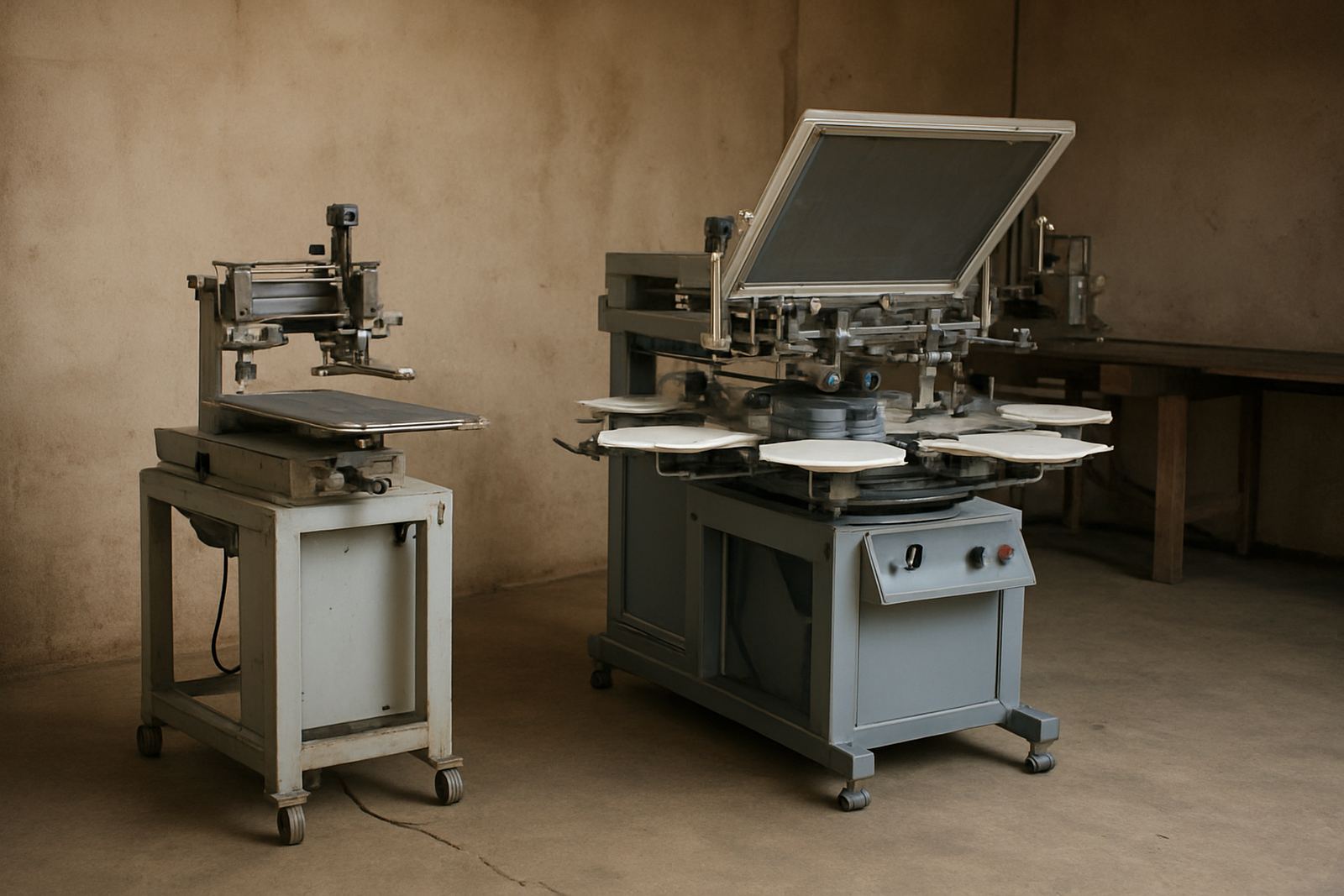
In Johannesburg, many smaller contract printers start with manual handling and basic fixtures. That works until a customer asks for more colours, tighter registration or faster turnaround. Then every extra movement matters. If loading, alignment and drying are all done by hand, the job starts depending too much on operator patience and not enough on repeatable setup. One missed print here and there may not seem like much, but over a month it chips away at margin.
Ask yourself whether your current equipment is supporting growth, or quietly capping it. If the answer is unclear, the numbers usually tell the story.
Quality Problems That Keep Reappearing
Some production faults are not about training, they are about worn equipment, unstable movement or poor consistency in the print process. When the same issues keep showing up, such as fuzzy edges, uneven ink laydown, ghosting or poor wrap alignment on cylindrical items, it may be time to look beyond adjustments.
Older machines often need constant fine-tuning just to stay usable. That might be acceptable for a short run, but it becomes expensive when every job needs a different workaround. For example, a beverage company in Aeroton supplying promotional bottles for an event in Durban may need the same colour position across hundreds of units. If the register drifts, the full batch can be affected and rework delays the dispatch.
- Prints look different from one operator to the next
- Setups take too long for repeat orders
- Small faults become regular scrap
- Drying, curing or handling creates extra handling marks
When faults show up across different jobs and different shifts, the machine is usually part of the problem, not just the process.
When Repairs Are Cheaper Than The Wrong Decision, But Not For Long
Every production manager knows that one machine can be held together for a while with servicing and parts. That is not the issue. The question is whether the repair bills still make sense against the value of better output. If the same unit is down every few weeks, or if you are ordering spares more often than planned maintenance should require, the machine may be costing more than it earns.
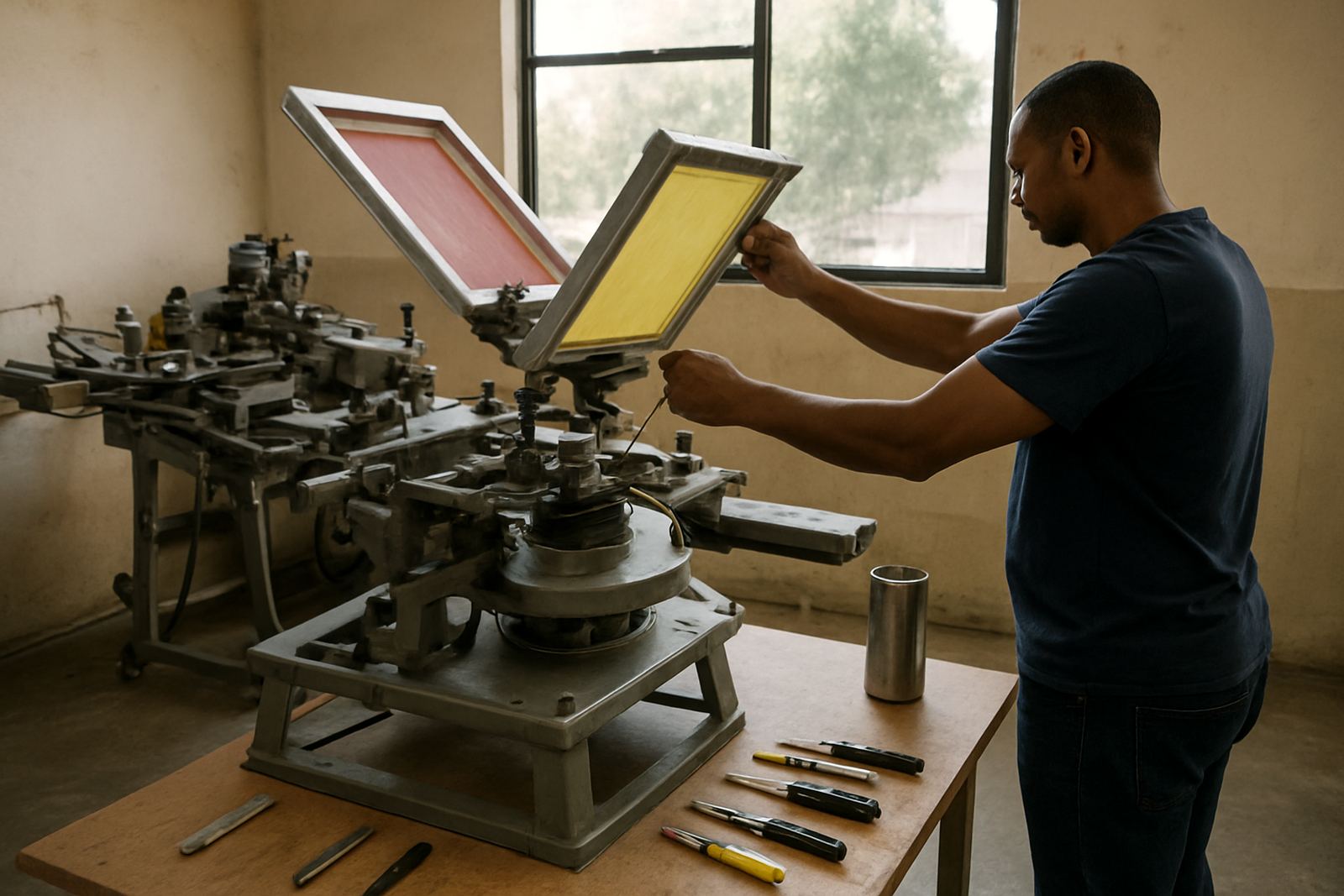
Older equipment can also be difficult to support when parts become scarce or when adjustments are no longer straightforward. A technician may get it running again, but that does not always solve the deeper issue of wear, weak alignment or low throughput. If your maintenance team spends more time recovering from faults than preventing them, production planning becomes harder.
Good maintenance can extend the life of a machine, but it should buy time not create false confidence. At some point the wiser move is to put that money toward equipment that supports current volumes and future orders.
- Breakdowns are interrupting dispatch dates
- Preventive maintenance no longer prevents surprise stoppages
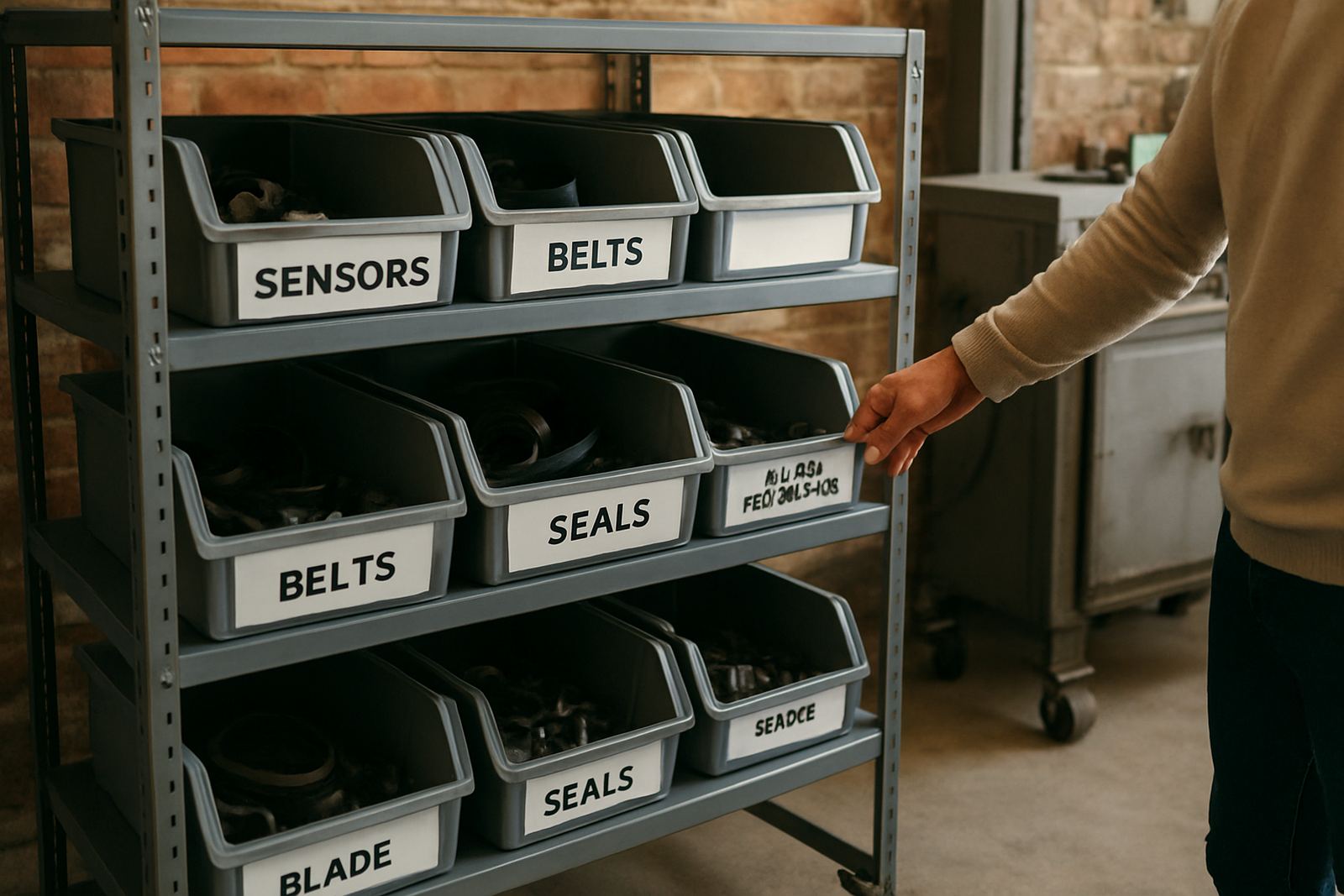
- Spare parts are taking too long to source
- Service calls are becoming part of the monthly routine
Customer Deadlines Are Tighter Than Your Old Process
South African buyers have become less patient with delays. Retailers, beverage producers and promotional packers often want short notice production, especially around seasonal campaigns and year end runs. If your current setup needs too much manual correction, you can lose time before the first item is even printed.
This is where upgrading becomes a business decision rather than a machine decision. Faster setup, better repeatability and easier colour control can help reduce the time between order confirmation and finished goods. In practical terms, that means fewer late nights, less rework and a better chance of keeping regular customers.
Load shedding has made this even more important. If your workflow depends on long setup windows, every interruption hurts more. Equipment that is easier to restart, calibrate and bring back into production can make a noticeable difference on a difficult day.
Signs Your Team Is Working Around The Machine
One of the strongest signs that an upgrade is needed is when experienced operators start building their own workarounds. If staff are using extra jigs, manual checks, or special steps just to make basic runs pass, the machine is no longer supporting the process properly. Skilled people should be using their time on quality and output, not fixing a poor fit between equipment and workload.
Look out for these patterns:
- Operators avoid certain jobs because setup is too slow
- Colour changes take longer than the actual run
- The same product needs different handling every time
- Training new staff takes too long because the process is over-complicated
In a busy workshop in Pretoria or Midrand, that kind of hidden friction can quietly cut production capacity. The machine may still switch on and print, but if it needs constant babysitting it is not doing its full job.
A Practical Upgrade Check For South African Producers
If you are not sure whether to upgrade yet, do a simple review over two weeks. Track how long setup takes, how often jobs need adjustment, how much scrap is being produced and how many orders are completed on time. Compare that with the value of the work you are turning out. If the numbers show that time, rejects and stoppages are eating into your margin, the case for new equipment becomes clear.
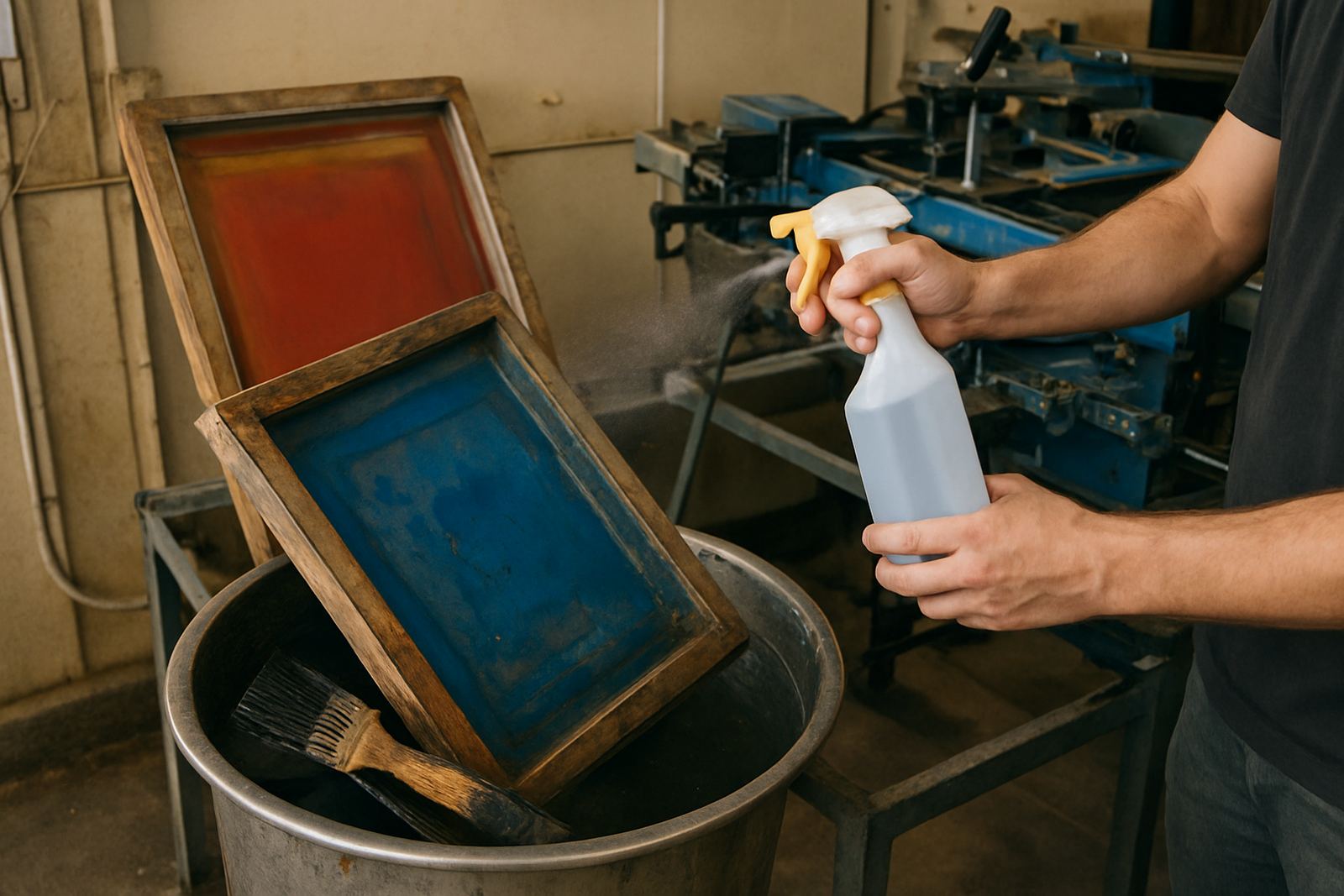
Also think about your site conditions. Coastal humidity in Durban can affect drying and storage. Dust and temperature swings in some industrial areas can affect screen life and print consistency. A machine that matches your actual environment, not just the brochure spec, is worth more than a cheaper option that keeps needing corrections.
For many businesses, upgrading is not about chasing the latest thing. It is about matching equipment to real production pressure, real labour costs and real customer deadlines. That is the point where the investment starts to pay back in fewer delays and steadier output.