Why a 1000 unit job can cost more per print than 5000
Small runs are not cheap just because there are fewer units. The machine still has to be set up, screens made or cleaned, inks mixed, artwork aligned and the first samples checked before real production starts. Whether you print 300 bottles or 3000, a fair amount of labour happens before the first good item comes off the line.
This is where many quotes go wrong. A client sees unit pricing and compares it to a bigger run, but the fixed setup cost is spread over far fewer pieces. On a 1000 bottle job, a R1 200 setup charge adds R1.20 per bottle. On a 5000 bottle job, the same setup is only 24 cents per bottle. That difference matters when you are quoting for promotional packs, seasonal variants or trial product launches.
In practical terms, small run economics are about honesty. If the artwork changes often, if there are many colours, or if the container shape is tricky, the price must show that. Otherwise the job looks busy but pays badly. That is how print rooms end up chasing volume and still feeling behind.
The real cost sits in changeovers, not just ink
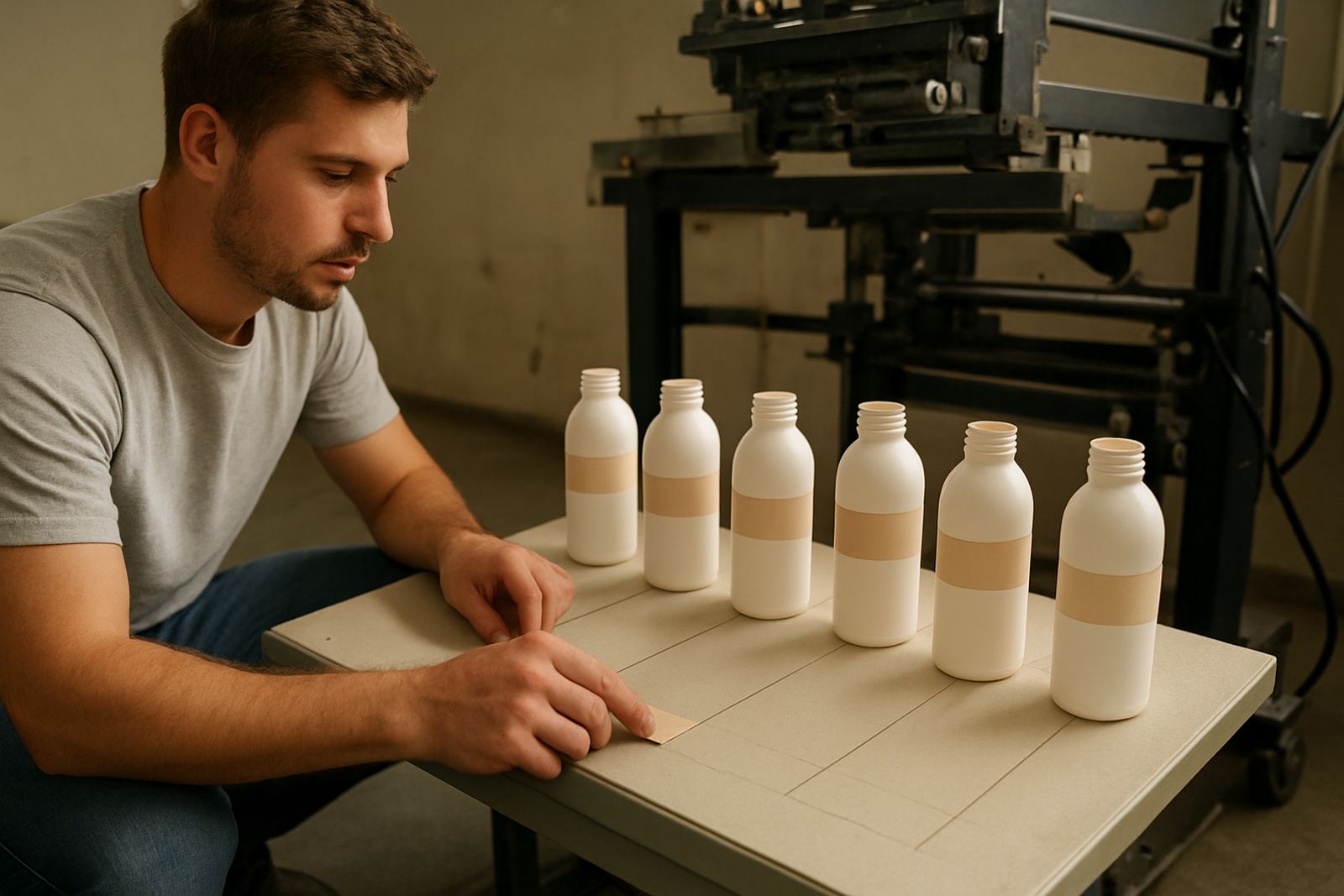
With cylindrical screen printing, the visible part of the job is only one part of the cost. The hidden cost is the time spent moving from one setup to the next. Changeovers include cleaning, re-registering, checking curing or drying, and making sure the print sits square on the curve of the bottle or tube.
For small runs, one extra colour can change the whole job economics. A two-colour label-style print may need double the setup and more handling than a single solid mark. If you are running in Aeroton, for example, and taking work from a client in Midrand or Pretoria, the transport cost and collection timing also affect the final margin. Add a missed delivery window and the profit can shrink fast.
- Count screen prep time as a cost, not an afterthought.
- Allow for colour matching, especially on branded packaging.
- Include wash-up and reclaim time if the screens will be reused.
- Factor in operator time during first-off checks and adjustments.
When these items are left out, the quote looks competitive but the job does not hold up. A small run should be planned like a series of steps, not a single print session.
Choosing the right setup for short packaging batches
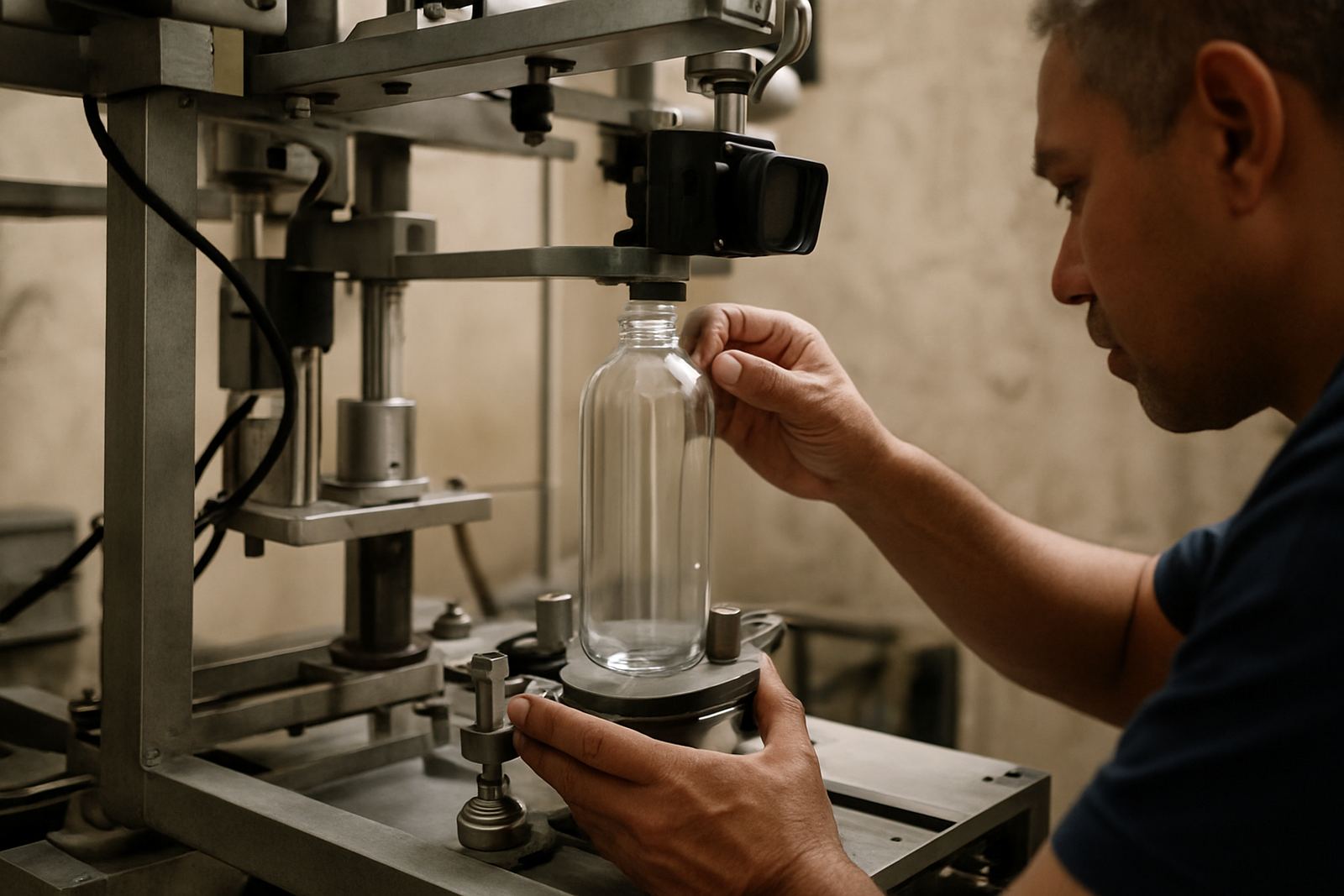
Not every small run needs the same level of equipment or labour. Some jobs are best handled with a simpler setup that gets the print on, keeps it consistent and gets the batch out the door. Others need tighter registration, better fixture control, or a machine that can hold the container steady on curved surfaces without slipping.
For cups, tubes and bottles, the shape of the item often matters more than the size of the run. Thin-walled tubes may flex during printing. Glossy bottles can need better surface preparation. Narrow necks and tapered shoulders may need special attention when setting the print position. If the operator has to fight the container at every cycle, your labour cost rises and your spoilage does too.
- Use fixtures that hold the product repeatably.
- Match the screen and squeegee setup to the container diameter.
- Test at production speed, not just on a sample piece.
- Keep spare screens ready for repeat work to cut turnaround time.
A good setup should suit the batch size as well as the product shape. That is what keeps small runs practical instead of awkward.
A Johannesburg example: short cosmetic tube runs
Consider a cosmetic brand in Johannesburg South launching a new 250 ml tube in three colours, with 1200 pieces per shade. The client wants fast turnaround, clean registration and enough durability for distribution in summer heat. If the print room prices only by unit count, the job may look easy. In reality the colour changes, curing control and screen handling add real cost.
Now add a local production reality. Load-shedding can interrupt a shift, so the team needs a plan for what happens when curing stops halfway through. In a humid coastal town like Durban, drying times may differ from inland conditions. In Pretoria, temperature swings can affect ink behaviour through the day. A printer that understands these variables can quote more accurately and avoid nasty surprises later.
This is where site setup and operator training make a direct difference. A trained operator notices registration drift early, keeps the line moving and reduces rework. A poor setup, by contrast, burns time on every batch. Even a small miss in the first 50 units can cost more than it seems because the entire run may need touch-ups. It happens quick.
How to quote short runs without eating margin
A strong quote separates fixed cost from variable cost. Fixed cost includes screen work, setup labour, testing and machine preparation. Variable cost includes ink, consumables, power, packaging and the time needed to print each extra unit. Once that split is clear, you can price small jobs in a way that protects your margin and still feels fair to the client.
It also helps to quote options. For example, a client can choose a faster single-colour version, or a more detailed multi-colour version with better shelf appeal. The customer sees the difference in cost and chooses what suits the campaign. That is better than underpricing the detailed job just to win it, because the follow-up work then becomes a burden.
In small run work, the best quote is not the cheapest. It is the one that covers setup properly, shows the client where the money goes, and leaves room for a repeat order later. A first run should open the door, not lock the shop.
Repeat orders are where the economics improve
The real value of a short run often comes from the second and third order. If screens are stored well, colour notes are recorded clearly and the machine settings are logged, repeat work becomes faster and more profitable. That is why preventive maintenance and good screen reclaiming are not admin tasks. They are part of the profit model.
When a team keeps records properly, they can return to the same bottle or tube with less trial and error. That means less waste, fewer rejected pieces and a tighter schedule. For customers in Cape Town or Durban who need regular replenishment, this can be the difference between a reliable supplier and one that keeps missing dates.
- Keep job cards with screen counts and ink references.
- Store fixtures and tooling for repeat sizes.
- Schedule maintenance before a busy season starts.
- Track where spoilage happens so it can be reduced next time.
Small run economics improve when the process remembers what worked. That is how short jobs start paying like proper business instead of stop-start work.
The practical takeaway for packaging teams
Short packaging runs need a different mindset from long production work. The question is not just how many pieces the client wants, but how much setup is needed to do the job properly, how stable the container is, and how many changes the line must absorb. Once those points are clear, quoting becomes more accurate and production becomes calmer.
For businesses across Gauteng and nationwide, the best results usually come from clear setup planning, proper training and equipment that suits the product rather than forcing the product to suit the equipment. A careful approach may not sound exciting, but it keeps the numbers honest and the prints consistent.
That is what small run economics is really about. Less guesswork, better control, and a price that still makes sense when the job is done.