Start with the right blank and save the first dozen pieces
Most waste on cylindrical printing happens at the start of the run. If the bottle, cup or tube is not consistent in size, wall thickness or surface finish, the print will drift and the first rejects will climb fast. Before you load the machine, check that the blanks are from the same batch and that the neck, base and body dimensions are within tolerance. It sounds simple, but mixed stock is one of the quickest ways to burn through time and material.
For businesses running in Johannesburg, Pretoria or Durban, the local storage conditions matter too. In hot, dry months the substrate can pick up dust, while coastal humidity can affect drying and adhesion. Keep boxes sealed until use and move the product into the print room early so the material reaches the same temperature as the workshop. That small step can reduce slip marks and poor registration on the first run.
- Check blank dimensions before setup
- Use one batch per job where possible
- Let stock acclimatise to the print room
- Keep cartons closed until needed
Make screen prep part of waste control
A clean, even screen is one of the best ways to cut reject rates. If the mesh tension is uneven or the stencil edge is worn, you will fight flooding, pinholes and poor transfer through the whole run. Good screen making and proper reclaiming are not admin tasks, they directly affect how many pieces you throw away. A screen that was rushed last week can cost more today than a fresh one prepared properly.
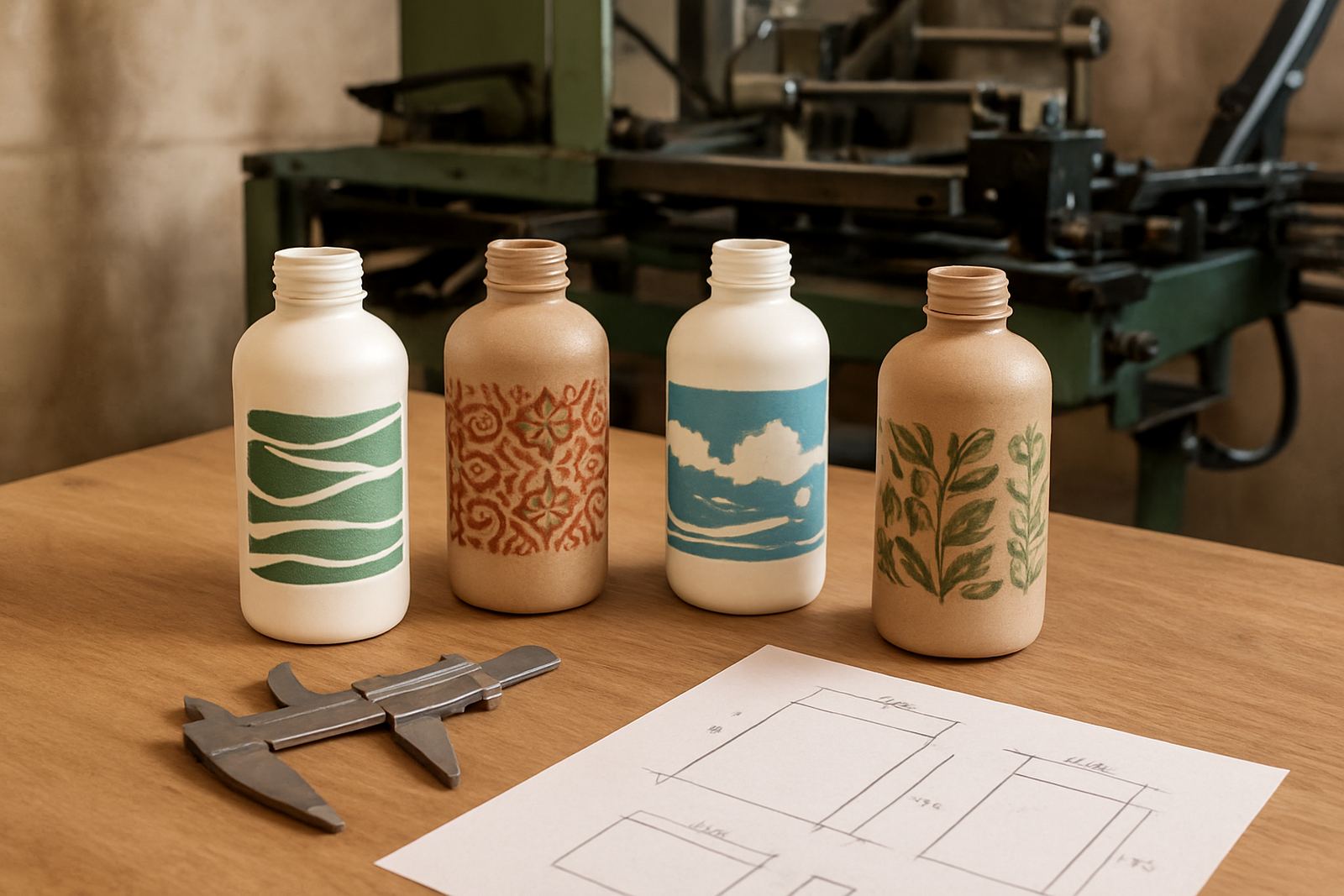
When setting up for cylindrical work, check the image width against the product circumference and leave enough room for a clean wrap. On narrow tubes and smaller cups, a slight miscalculation can create a visible gap or overlap, and that usually means a reset. Keep a clear record of each screen size, mesh count and squeegee angle so the next repeat order starts closer to target. It is easier to save 20 minutes at setup than to recover 200 rejected units later.
- Reclaim screens fully before the next job
- Store screens flat and dry
- Log mesh count, off-contact and exposure notes
- Replace worn stencils before repeat work
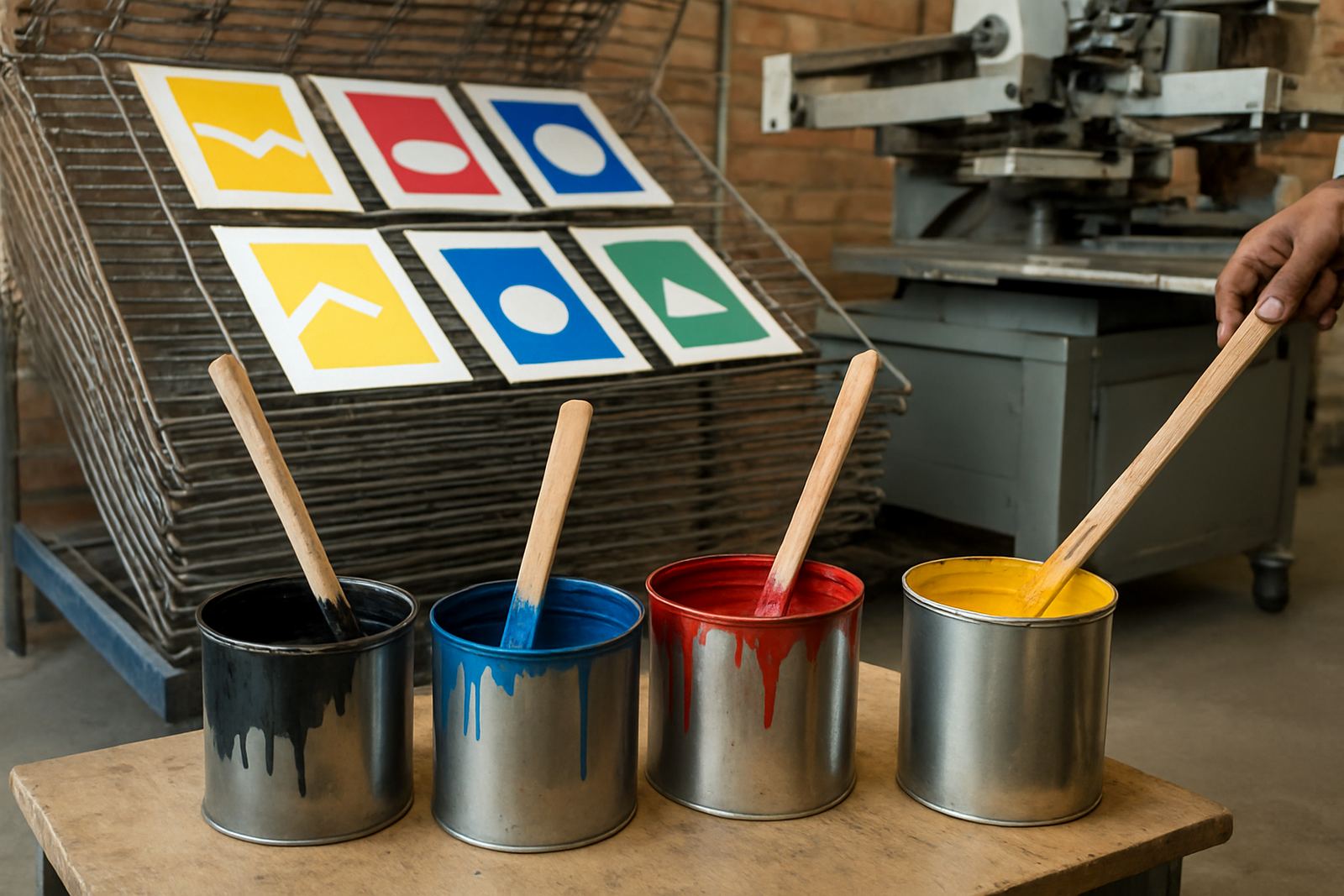
Dial in the colour before production starts
Colour mismatch can create a pile of rejects even when the print is technically sound. On cylindrical runs, the way ink wraps around the product can make colours look heavier on one side and lighter on the other. Before full production, run a small sample and check it under the same light used on the floor. If you approve colour in the office and print under harsher workshop light, you may miss a problem until the customer sees it.
Use a set method for mixing and recording colour ratios. Keep stir times, reducer amounts and curing notes in the job card. Operators should know the target opacity and how much pressure is too much on each product type. A neat colour start saves material, and it also protects your drying racks from unnecessary repeat pieces.
- Make a sample before the full run
- Inspect samples under consistent light
- Record ink mix ratios for repeat orders
- Keep cure settings written on the job card
Train operators to spot trouble early
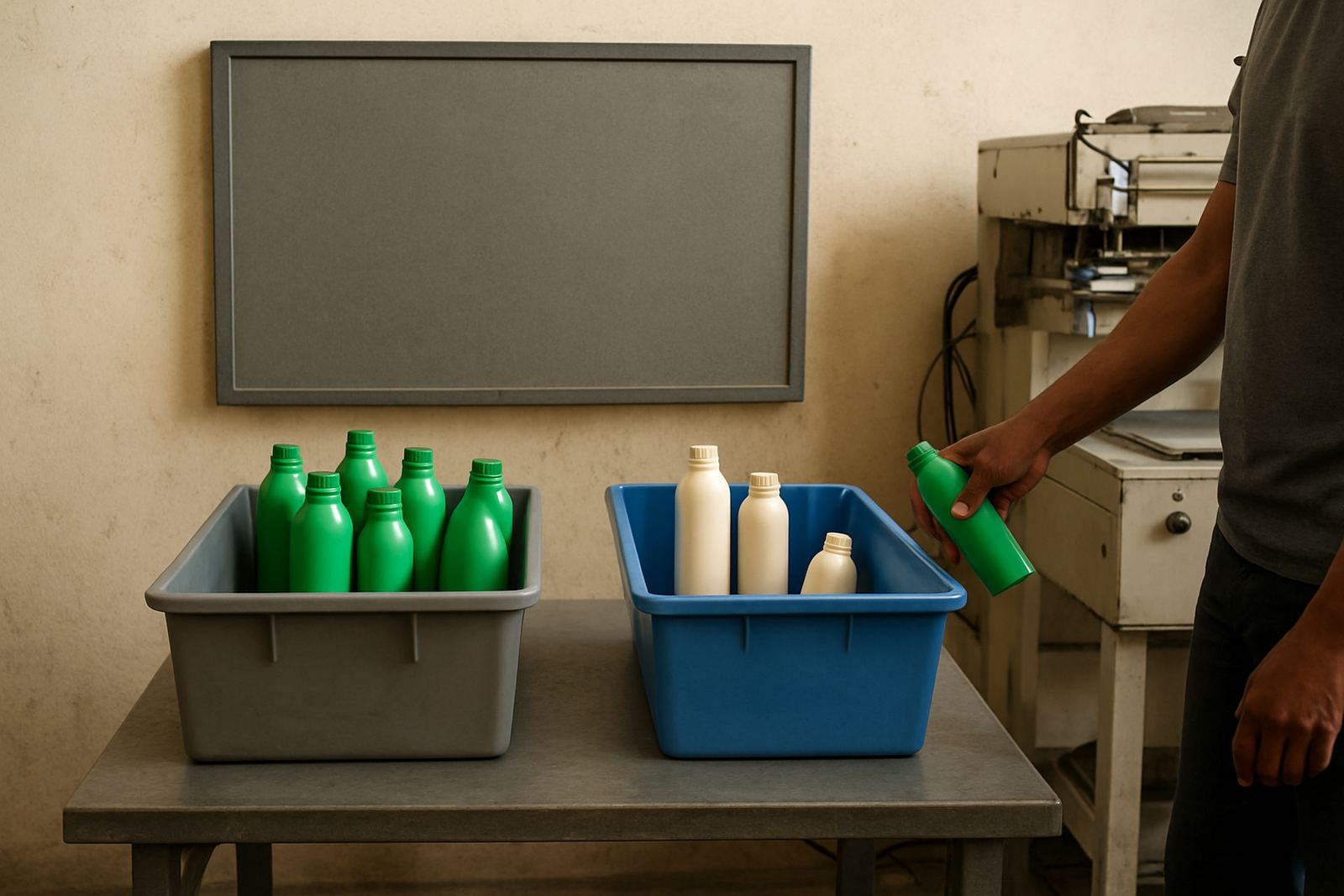
The fastest way to reduce waste is to catch problems before the run gets going. A trained operator will notice registration creep, ink build-up, poor cure or product bounce within the first few pieces. That is a skill worth paying for because it stops a minor issue from becoming a tray full of rejects. In many plants the difference between a good day and a bad one is simply whether the operator knows what to watch.
Regular operator training should cover loading alignment, pressure settings, screen cleaning between stops, and the signs of a worn squeegee. If the machine is stopping too often or the print position drifts after 50 units, someone needs to pause and reset it. On a busy floor in Aeroton or Midrand, a few minutes of correction can save an hour of rework, and that is before you count wasted product.
- Teach operators to check the first 5 to 10 pieces closely
- Use a standard start-up checklist
- Set a rule for when to stop and reset
- Keep spare consumables close to the line
Keep the machine and site conditions under control
Preventive maintenance is not only about avoiding breakdowns. A machine that is properly aligned, lubricated and cleaned will print more consistently, which means less setup waste and fewer rejects. Check bearings, clamps, guides and motion points regularly. If the machine is running with a loose fixture or dirty sensors, the print can drift just enough to spoil a batch.
Site conditions matter as well. Load-shedding can interrupt a run and force the operator to restart with ink that has begun to set. Where possible, keep a written restart method ready, including how to clean the screen, test registration and confirm the first acceptable piece after power returns. In humid coastal areas, keep drying space clear and allow extra time before packing. Rushing a job into cartons too early is a common mistake and it is avoidable.
Use local sample runs to cut full-job risk
A small sample run is often the cheapest form of waste reduction. Instead of starting with 500 pieces, print 10 to 20 units, then check coverage, fit, cure and handling. This is especially useful for new bottle shapes, tall cups, soft tubes and jobs with fine text. If the customer is in Johannesburg South, Pretoria or Cape Town, you can often solve the issue before the full run leaves the floor, which keeps freight, labour and product loss down.
At our Aeroton base, we often see the same pattern on cylindrical work. A client comes in with a repeat order, but the supplier has changed the blank by a few millimetres. The old setup no longer lines up. A quick test run exposes the difference early and saves a lot of waste. It is not about printing slower, its about printing with fewer surprises.
Where production volumes are steady, build a repeat file for every confirmed job. Keep the screen details, machine settings, colour notes and drying time together so the next run starts with less trial and error. That simple record can turn a difficult order into an easy one the second time round.