Start with the job, not the buttons
A new operator should first understand what the machine is expected to produce each day. That means the product type, the decoration area, the substrate, the ink set, and the finish standard agreed with the client. When a person knows why the setup matters, they make better choices on speed, pressure, registration and curing.
We always tell clients to begin with the basics: what the bottle or cup is made from, whether it has a straight wall or slight taper, and how many units need to move through the line per shift. A simple product brief can stop a lot of confusion later on, especially when the job changes from short-run promotional cups to repeat orders on 500 ml or 750 ml bottles. It also helps new staff see that print quality is not just about getting ink on the item, but getting repeatable results with less scrap.
- Confirm the product size and shape before setting the machine
- Show the operator the approved sample or colour target
- Explain the expected output per hour and per shift
- Point out the common faults for that product type
Teach safety and setup before production starts
Safety training must come before live production. Cylindrical screen-printing machines have moving parts, clamps, pneumatics and heat sources, so operators need to know where hands must never go and what to do if a job jams. In a busy shop in Aeroton or Midrand, the pressure to keep moving can make people skip steps, and that is where accidents happen.
Setup training should include screen mounting, squeegee pressure, off-contact where relevant, product loading and the correct sequence for first-off checks. On a humid day in Durban, drying and ink behaviour can change. In winter in Gauteng, static and dust can affect the finish. The operator should be shown how to spot these changes early and call for help before a small issue turns into a full stoppage.
- Lock out power before cleaning or maintenance
- Check guards and air lines before starting a shift
- Use gloves where inks, solvents or sharp edges are involved
- Keep the floor clear of tripping hazards and spills
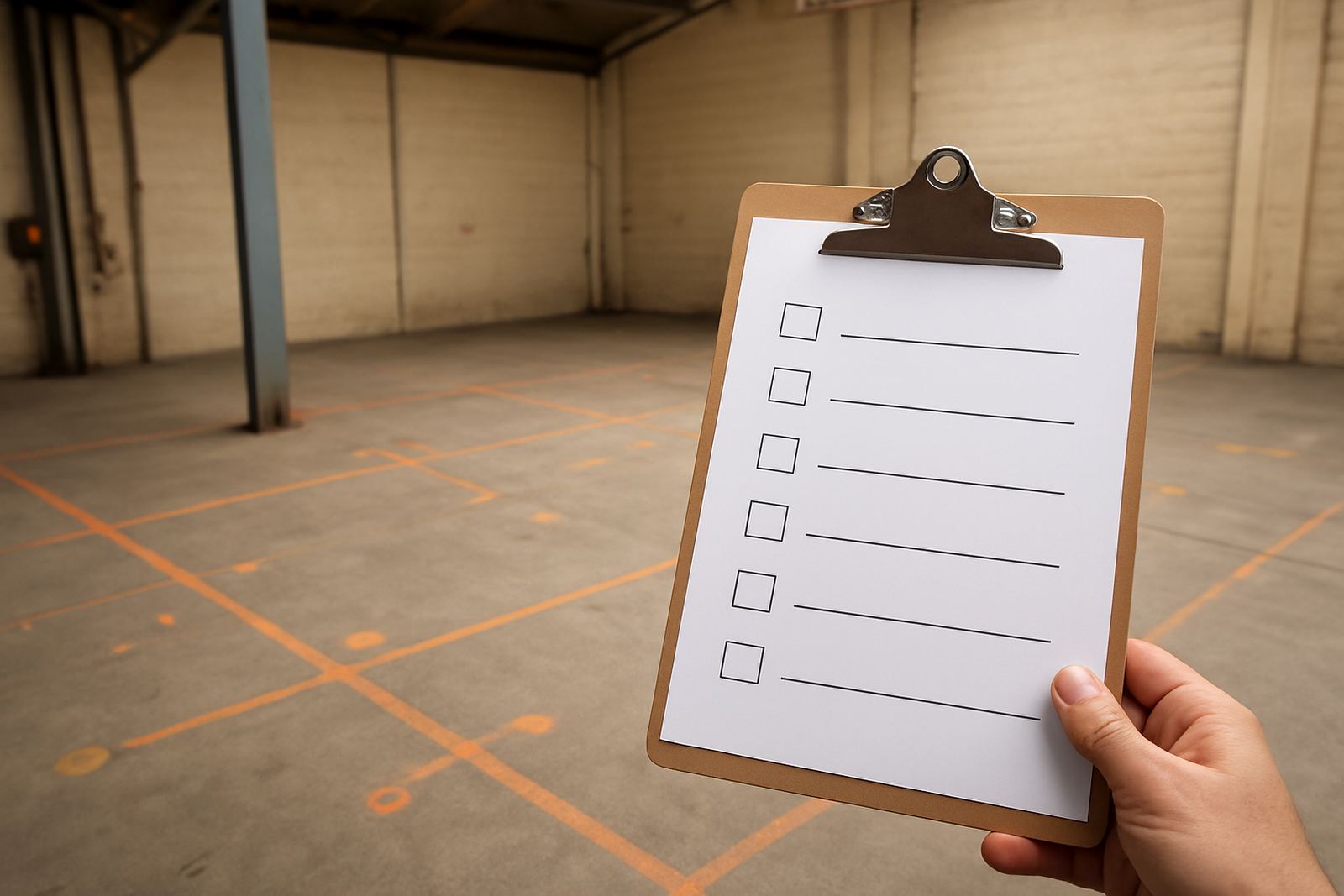
It helps to keep a simple start-up checklist at the machine. That sheet does not need to be fancy, but it should be used every day. The best training is the training that gets repeated.
Build skill through short demonstrations and guided runs
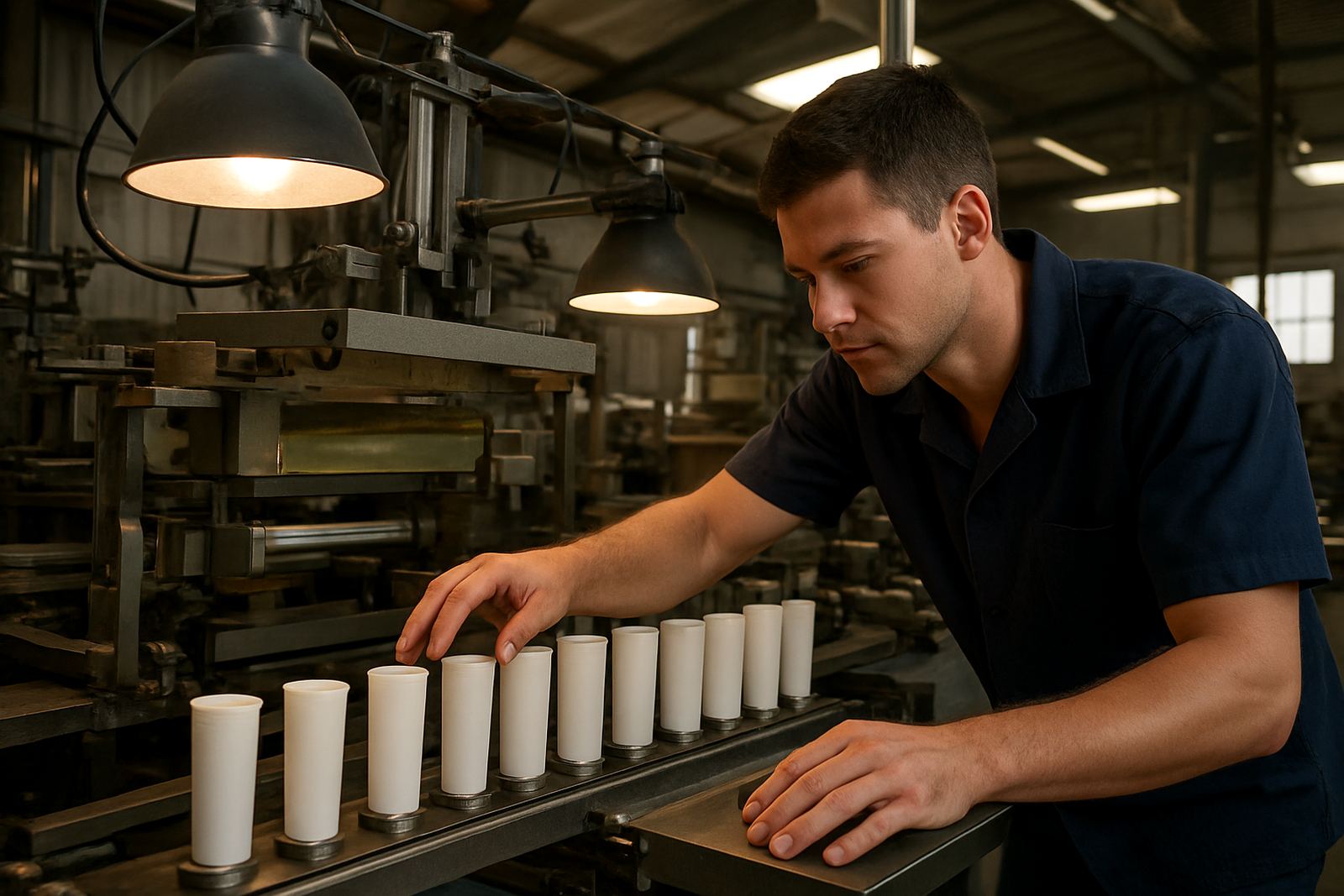
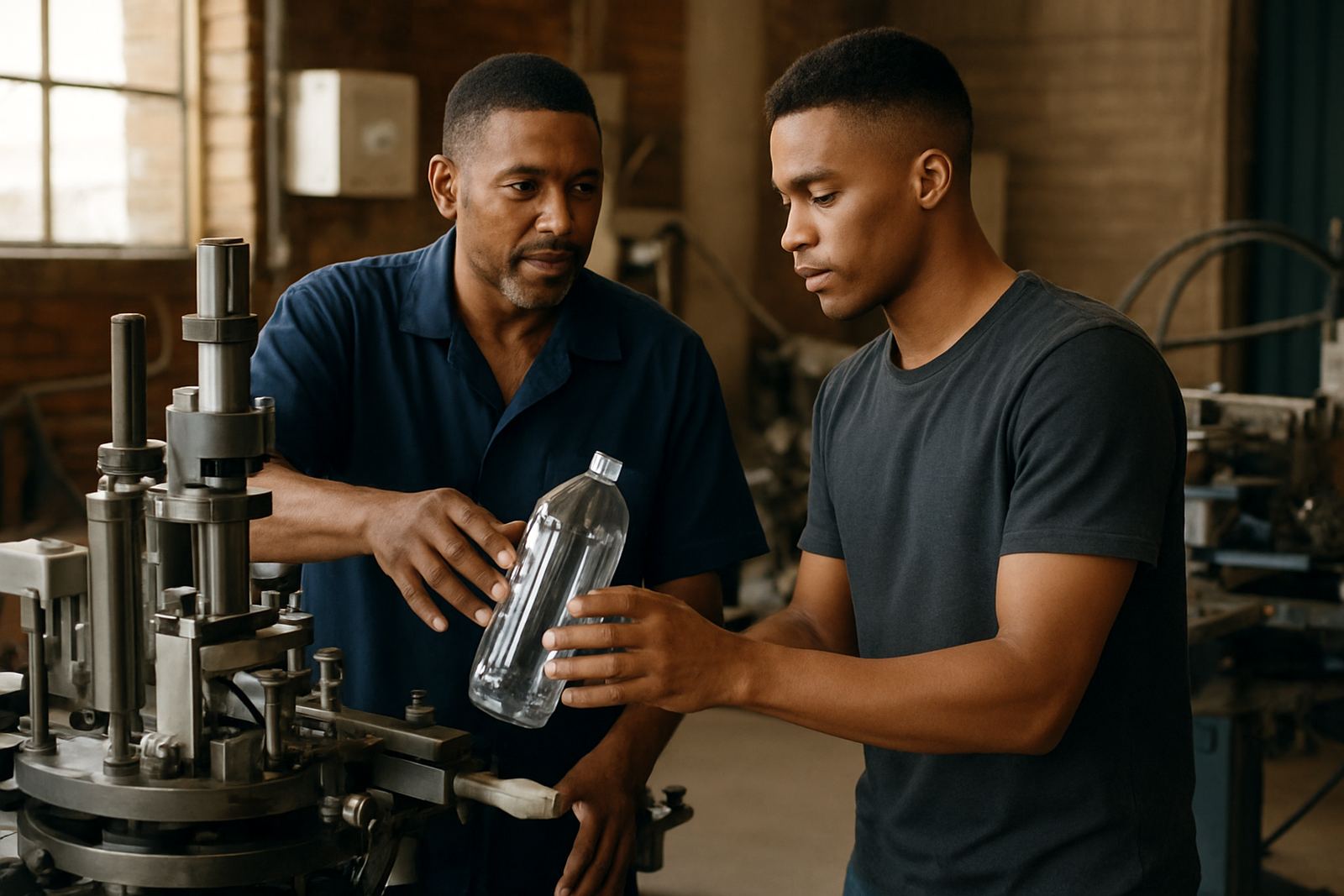
Most new operators learn faster when they watch a task once, do it with guidance, then repeat it on their own. Long theory sessions are not as useful as short, hands-on demonstrations. A good trainer will show the full cycle, then break it into parts: loading, alignment, print stroke, inspection and stacking or curing.
During the first few runs, the trainer should stand close enough to correct mistakes but not take over too early. People need room to learn how the machine feels when it is set correctly. If they only watch others, they may not know how much pressure is too much or how a slight shift in registration shows up on a curved surface. This is where small correction makes a big difference, and where training saves material.
- Run one product at a time until the operator is confident
- Use a sample batch for practice before full production
- Ask the operator to explain each step back to the trainer
- Keep notes on repeat faults and how they were corrected
Make quality checks part of the routine
New operators often think quality control belongs to the supervisor only, but the person on the machine must check every early piece. The first print off the line should be inspected for alignment, ink coverage, edge definition and colour consistency. If the print is off by even a small amount, the operator should know whether to stop, adjust or continue under instruction.
For bottle and tube work, the small details matter. A print that looks fine on a flat sample can distort on a curved section or on a tapered cup. Operators should be trained to look for repeat marks, pinholes, ghosting and colour shift. They should also learn when the problem is mechanical and when it is related to ink mix, drying time or screen condition. That judgement grows over time, but it starts with a proper routine.
In one Johannesburg South workshop, a client reduced scrap by more than half after introducing a simple rule: no batch leaves the machine without a first-off signoff and a second check after 20 units. It was not complicated, just disciplined.
Keep the screens, ink and reclaim area under control
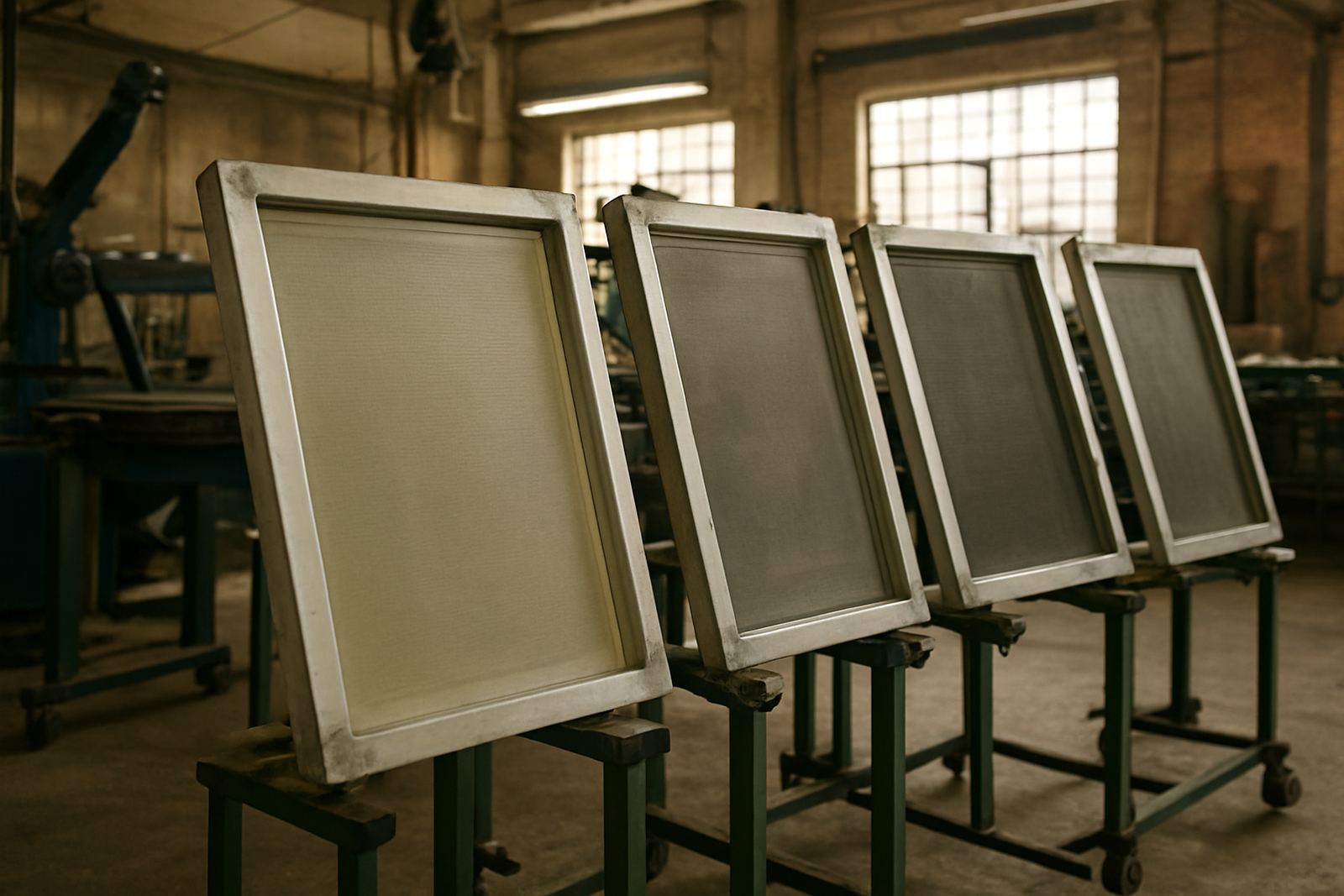
Training is not only about running the machine. It should also cover screen handling, screen reclaiming and ink care, because poor housekeeping leads to poor print results. Screens should be stored flat and clean, with labels that show the job, mesh type and last use date. Ink should be mixed properly and kept covered so it does not skin over in warm weather.
New operators should understand why a blocked mesh, a damaged stencil or an old screen can ruin a good setup. They must also know how to clean safely without scratching the screen or leaving residue that affects the next job. In many small production rooms, the print area and the wash area are too close together, so clear routines are important. One bad habit can affect three shifts.
- Label screens after every job
- Separate clean screens from used screens
- Do not leave mixed ink open longer than needed
- Use the correct cleaning method for the screen type
Use local production conditions to shape the training plan
A good training plan should suit South African working conditions. Load-shedding can interrupt a shift, so operators need to know how to pause a job safely and restart without losing registration. In coastal areas, moisture can change drying times and affect adhesion. In Pretoria and Johannesburg, dust and temperature swings can alter print behaviour from morning to afternoon.
The best approach is to train for real working conditions, not only ideal ones. If a site in Durban has space limits or a site in Cape Town has stricter municipal waste handling requirements, the operator should know the site rules. Training must also include what to do if a job falls behind schedule, because pressure can lead to rushed handling and poor results. A calm operator is a better operator, every time.
For new teams, we often suggest a simple first-month plan: week one on safety and setup, week two on guided production, week three on quality checks and screen handling, and week four on working independently with supervision. That steady pace gives people a proper start and keeps the machine productive without unnecessary wear.
Train for the shift after the trainer leaves
The real test comes when the trainer is no longer standing beside the machine. Operators should be able to start the line, spot common faults, call for help in time and keep records of what was printed. They should also know who to speak to when a screen needs replacing, a part is wearing out or the machine starts making a new sound. Good training builds confidence, but it also builds discipline.
At Bottle Screen Printers, we find that the strongest teams are the ones that treat training as part of production, not something separate. A machine can only perform as well as the people running it. If operators are shown the right method from day one, they usually take pride in the result and that shows in the finished work.