Start with the floor, doors and access route
The first check is simple: can the equipment get from the truck to the final position without delays or damage? Measure every doorway, passage, ramp and turning point. In a busy Aeroton or Midrand factory, a machine may need to move past stored stock, packing material and pallets, so clear the route before delivery day.
Also check the floor. Cylindrical printing equipment must sit on a level surface that can handle its weight and vibration. Cracked concrete, soft screed, uneven patches and slippery paint all create problems during rigging and later during run up. If the floor is not ready, ask your contractor to level it first rather than trying to force installation on a weak base.
- Measure door widths and heights at every point on the route.
- Check ramp angles and any overhead obstacles.
- Remove loose stock, cables and waste from the path.
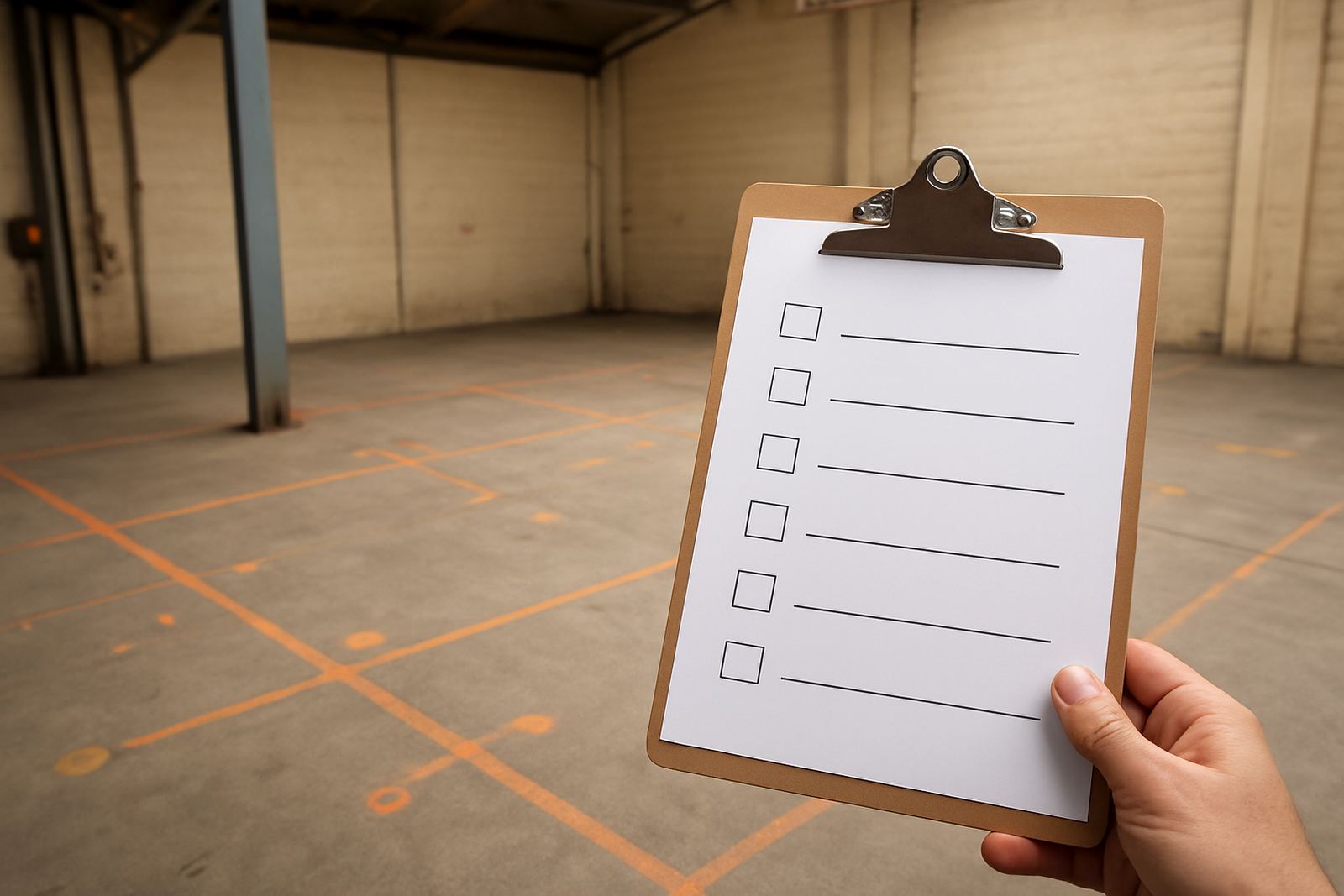
- Mark the final machine position on the floor before arrival.
Check power supply and backup plans before commissioning
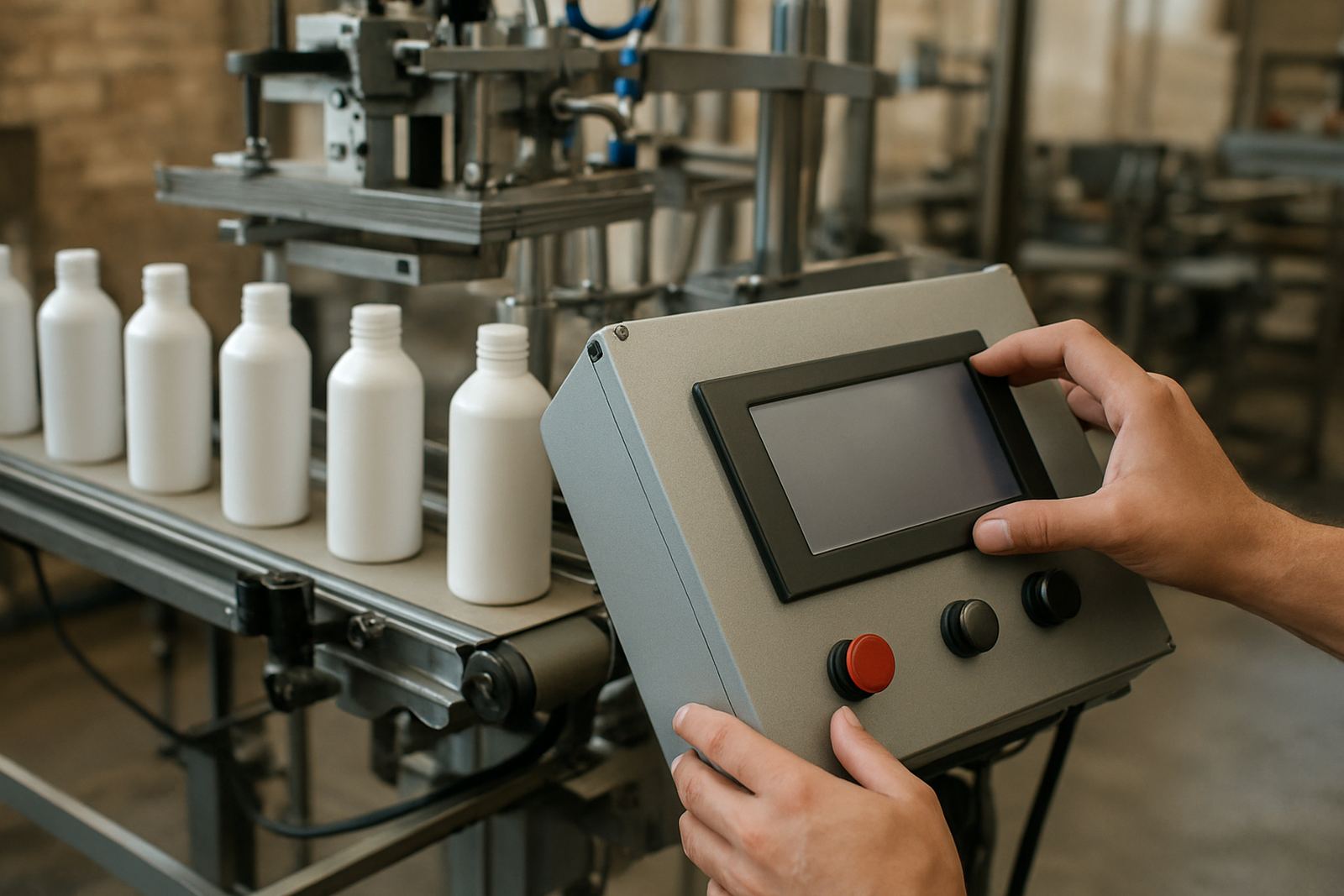
Electrical readiness is where many installs lose half a day. Confirm the supply voltage, breaker capacity and earthing before the machine lands on site. A machine that is underpowered, poorly earthed or connected through a tired extension lead will not commission properly and can trip repeatedly during testing.
South African sites also need a load-shedding plan. If commissioning is scheduled during unstable supply hours, arrange backup power or shift the install window to a safer time. This is especially important where heaters, compressors or curing equipment form part of the line. If the site loses power mid setup, the machine may need to be reset and rechecked, which costs time and can disturb alignment.
- Confirm incoming power rating with an electrician.
- Check socket positions against the machine layout.
- Test backup supply where production must continue.
- Label isolation switches and emergency stops clearly.
Prepare air, extraction and environmental conditions
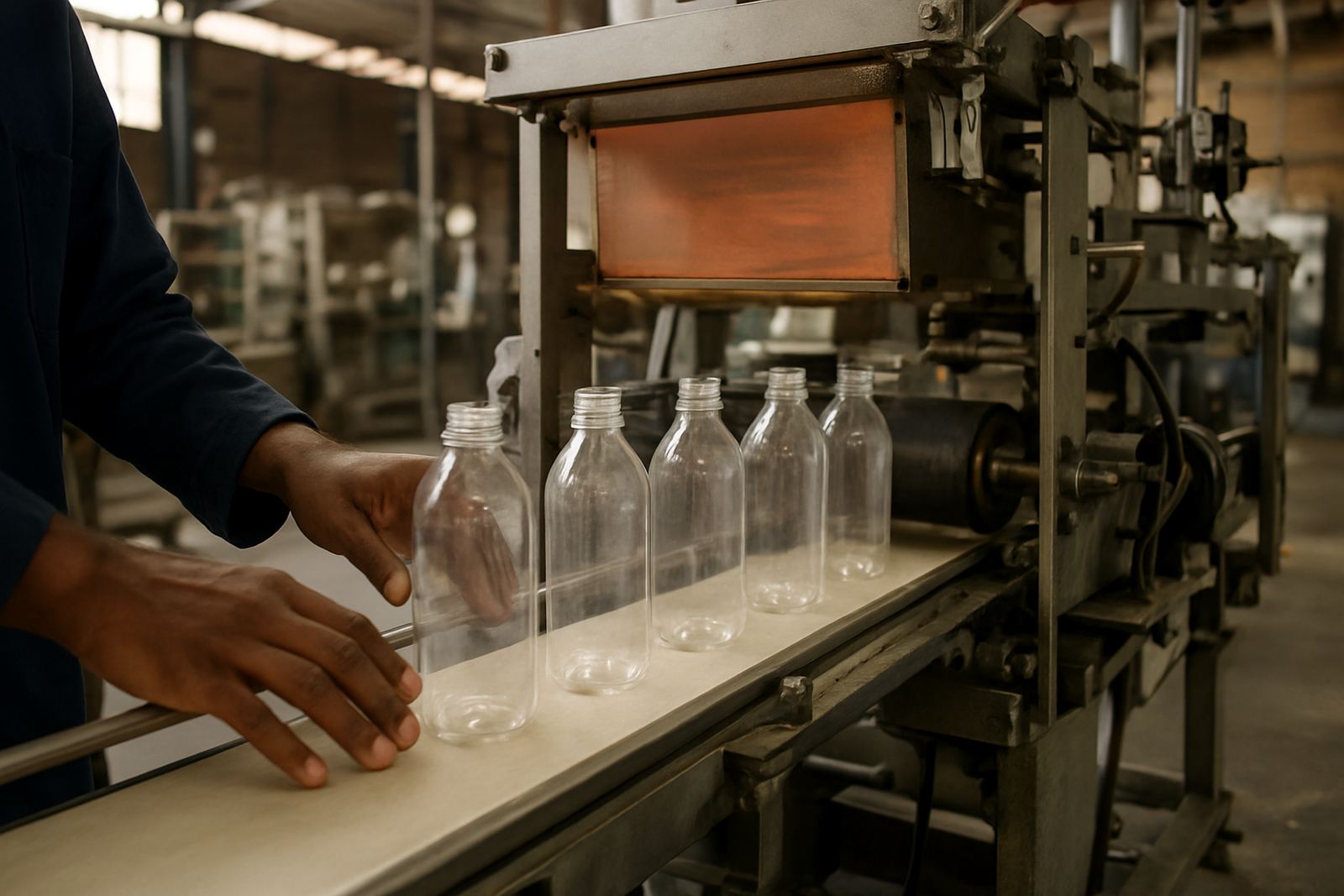
If the line uses compressed air, make sure the compressor, dryer and filtration are ready. Low pressure, water in the line or leaking fittings can affect print repeatability and create unnecessary wear on cylinders and guides. A compressor hidden in a hot corner with poor airflow can overheat, so leave enough space for service access too.
Humidity matters, especially in Durban, coastal Cape Town sites and any store room close to open roller doors. Screens, inks and substrates all behave differently when the air is wet. Keep consumables in a clean, dry area and avoid storing screens on the floor where dust and moisture collect. If the building has extraction or ventilation, verify that it works before the first test print, not after it.
- Drain condensate from the compressor before installation day.
- Fit a proper air line filter and moisture trap.
- Check ventilation near curing or drying points.
- Keep inks and screens away from direct sun and damp walls.
Set out the stock, screens and product samples
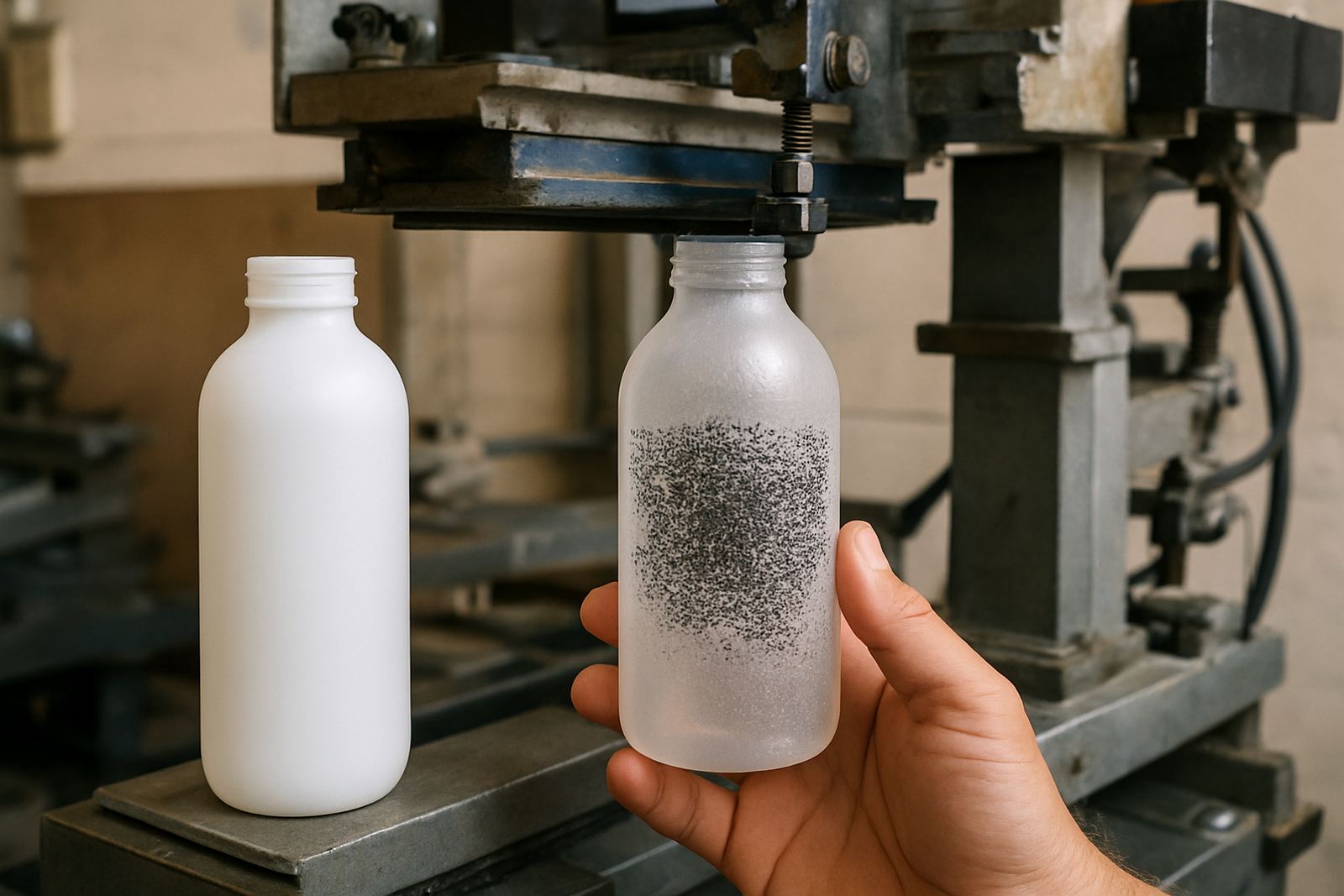
Commissioning works best when the correct product samples are on site. Bring the actual bottles, cups or tubes that will be printed, not only a similar item. Small changes in diameter, taper or surface finish can affect registration and screen setup. This is a common issue when a factory starts with one bottle size and later wants to print three more sizes on the same line.
Have screens, squeegees, inks and cleaning materials ready in the right quantities. If the machine will go into production immediately after installation, set aside enough blank stock for testing, colour matching and operator practice. It also helps to separate approved product from reject stock so the team does not mix them up during the first shift. Small slip ups at this stage usually become bigger losses later.
- Deliver the exact bottles, cups or tubes to be printed.
- Keep sample artwork and colour references on site.
- Prepare blank stock for setup and test runs.
- Set aside reject bins and labelled storage areas.
Assign people and prepare the installation day plan
Even a well prepared site can stall if the right people are missing. Nominate one contact person with decision making power and make sure the operator, electrician and store team know when to be available. If access is through a shared yard or a security gate, organise clear instructions ahead of time so the truck is not left waiting at the entrance.
A proper plan should include offloading, rigging, placement, hookup, test prints and training. For a Johannesburg South factory, that may mean early morning delivery to avoid traffic on the route from Aeroton. For a Pretoria or Durban site, it may mean allowing extra time for gate control, dock access or building rules. When everyone knows the sequence, the install moves faster and the team can start learning the machine instead of chasing keys or approvals.
- Appoint one site contact for the full day.
- Confirm access times, parking and security procedures.
- Make the electrician and operator available for commissioning.
- Allow time for training after the first test print.
Use a final walk-through before delivery arrives
A final walk-through the day before delivery catches most avoidable problems. Check the route, power, air lines, floor marking and product samples again. It is much easier to move a pallet, extend a cable or clear a passage before the truck arrives than after the machine is already on a jack or slung for lifting.
At Bottle Screen Printers, we see better results when the site is prepared like a working production area, not a storage space. A clean, organised floor means safer rigging and a calmer first shift. In one Aeroton install, a client had cleared the path, labelled the breakers and stacked the correct bottle samples by the machine position. Commissioning finished on time and the operator training started straight after lunch. That kind of preparation makes a real difference.
If you are planning a new cylindrical screen-printing machine, use the checklist early and not on the morning of delivery. Good prep reduces delays, protects the equipment and helps your team start printing with confidence.