How cylindrical printing grips a round surface
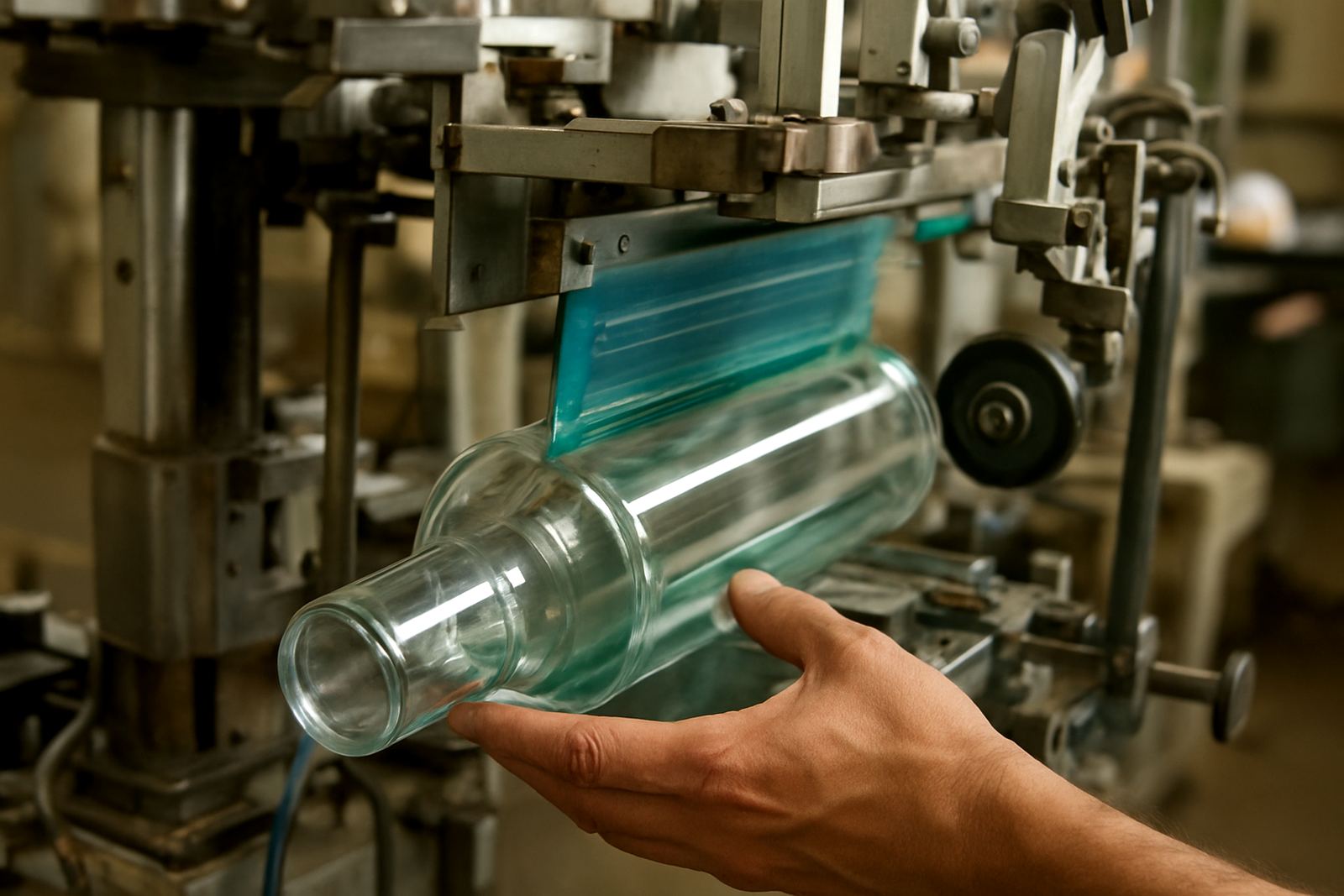
Cylindrical screen printing works by holding the bottle steady while the screen and print unit move in sync around the curve. That is the main difference between printing on flat stock and printing on bottles. The ink is transferred through a mesh screen onto the container, then cured so it bonds to the surface and can handle handling, washing and daily use.
For South African producers, the appeal is simple. When a bottle leaves the filling line, distribution or shop shelf, the print must still look clean after movement through warehouses, delivery vans and retail fridges. A well set up machine helps keep the print centred on the bottle and avoids the common problems of smudging, uneven pressure and colour shift. It also helps when you have short runs for promotions or longer runs for repeat packaging, because once the setup is correct the results stay consistent.
Bottle formats that print well in local production
Not every container behaves the same way. Straight-sided bottles are easiest, but many round and slightly tapered items can still be printed successfully if the tooling and screens are matched to the job. Common work includes water bottles, juice bottles, cosmetic jars, food containers, drinking cups and narrow tubes. The key is to check the diameter, height, shoulder shape and label area before printing starts.
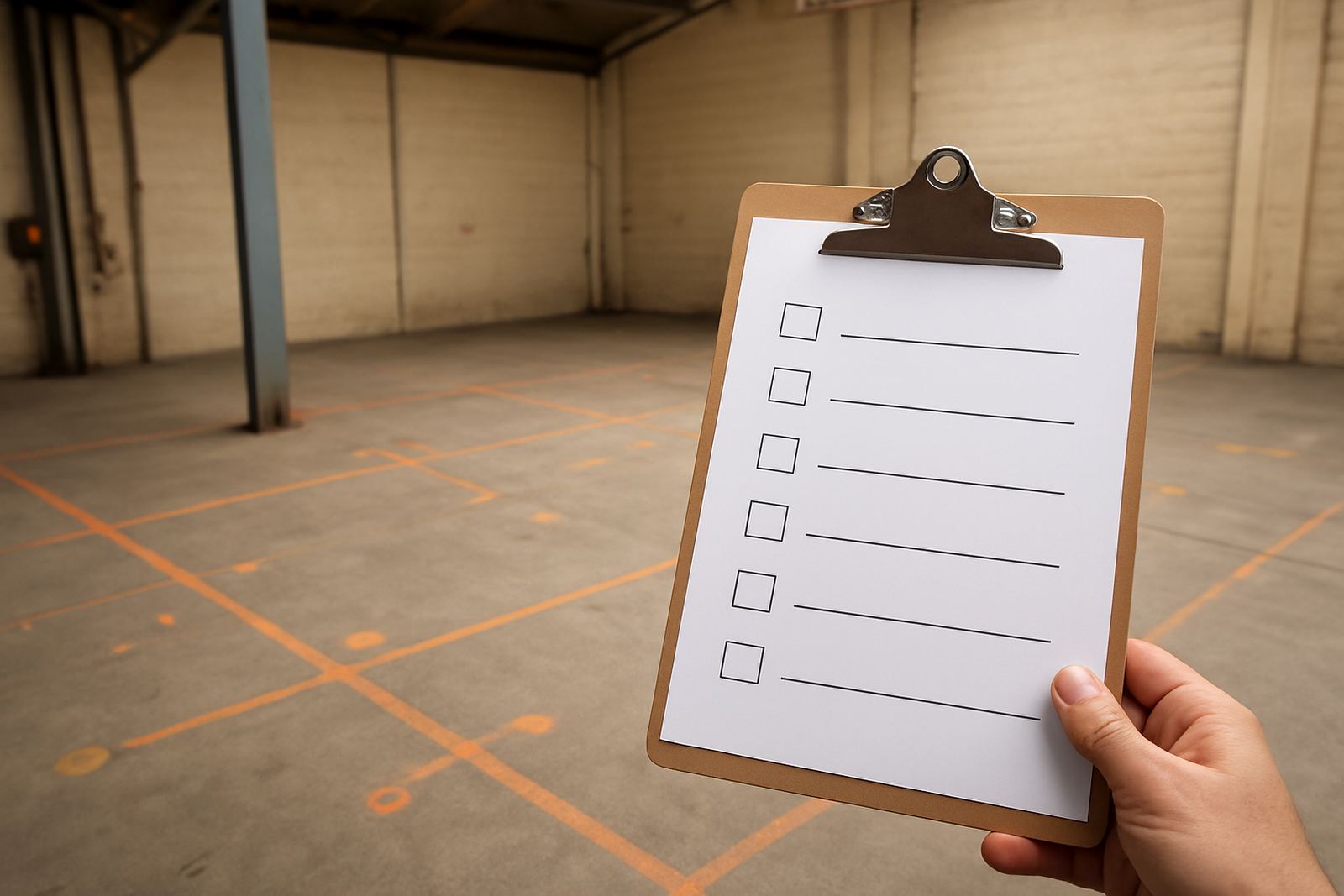
In practice, a good print room will keep a small checklist for each format:
- Container diameter and print circumference
- Printable height above curves, shoulders or ribs
- Surface type, such as plastic, glass or coated metal
- Ink drying or curing needs for that material
- Whether the bottle will be handled cold, wet or exposed to sunlight
Coastal humidity in Durban or Cape Town can affect drying times, while inland heat in Johannesburg often changes how fast the ink levels out. That is why bottle printing is not just about the machine, it is about matching the container, ink and cure process to the site conditions.
What good artwork and screen prep change on press
Strong printing starts before the first bottle moves into position. Artwork must suit the shape of the bottle, with clear margins for the curved surface and enough breathing room so text does not distort around the sides. Fine lines can work, but they need the right mesh and a careful screen make. If the artwork is too busy, the print can lose detail when it wraps around the bottle.
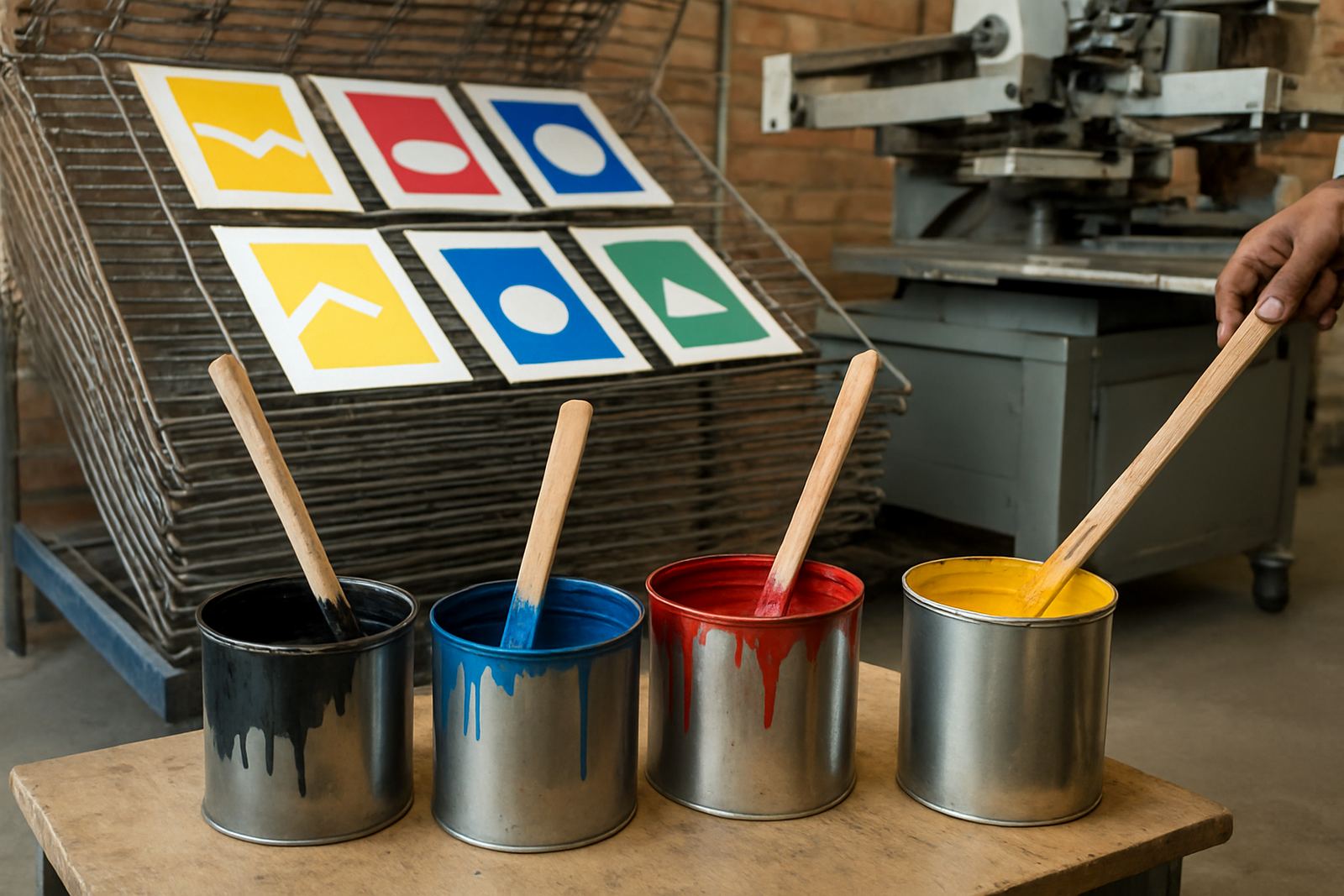
Screen making and screen reclaiming also matter because old residue or poor stencil quality can cause small defects that become very obvious on a glossy bottle. On a production line, that means extra rejects and slower output. A clean screen, correct tension and proper colour setup are part of the same job, not separate tasks.
- Keep artwork bold enough for curved viewing angles
- Set clear registration marks for repeat jobs
- Use the right mesh count for ink release and detail
- Check for dust, moisture and leftover image haze before setup
If a bottle range changes often, keep records of the screen, squeegee pressure and cure settings. Those notes save time later, especially when a client reorders after a few months and expects the same finish.
The setup steps that protect print quality
Machine installation and site setup are worth getting right from day one. A bottle printer needs a level floor, enough working space for loading and unloading, stable power and sensible airflow around the curing area. In areas where load-shedding still interrupts production, many businesses also plan around backup power or shift printing to windows when supply is stable. If the machine is installed badly, even a skilled operator will fight the setup every day.
During changeover, the team should confirm the bottle stop position, screen alignment, print stroke and drying or curing cycle. The first few samples are critical because they show whether the print is sitting square on the bottle or drifting as the cylinder turns. A small misalignment can look minor on a test piece but becomes expensive over a run of 1,000 or 5,000 units.
For busy sites in Aeroton, Midrand or Pretoria, a practical setup also includes safe packing areas, spare screens, a clean wiping station and a clear path between print and cure. It sounds basic, but it cuts down on handling damage and speeds up production more than people expect.
Why maintenance keeps bottles moving through the line
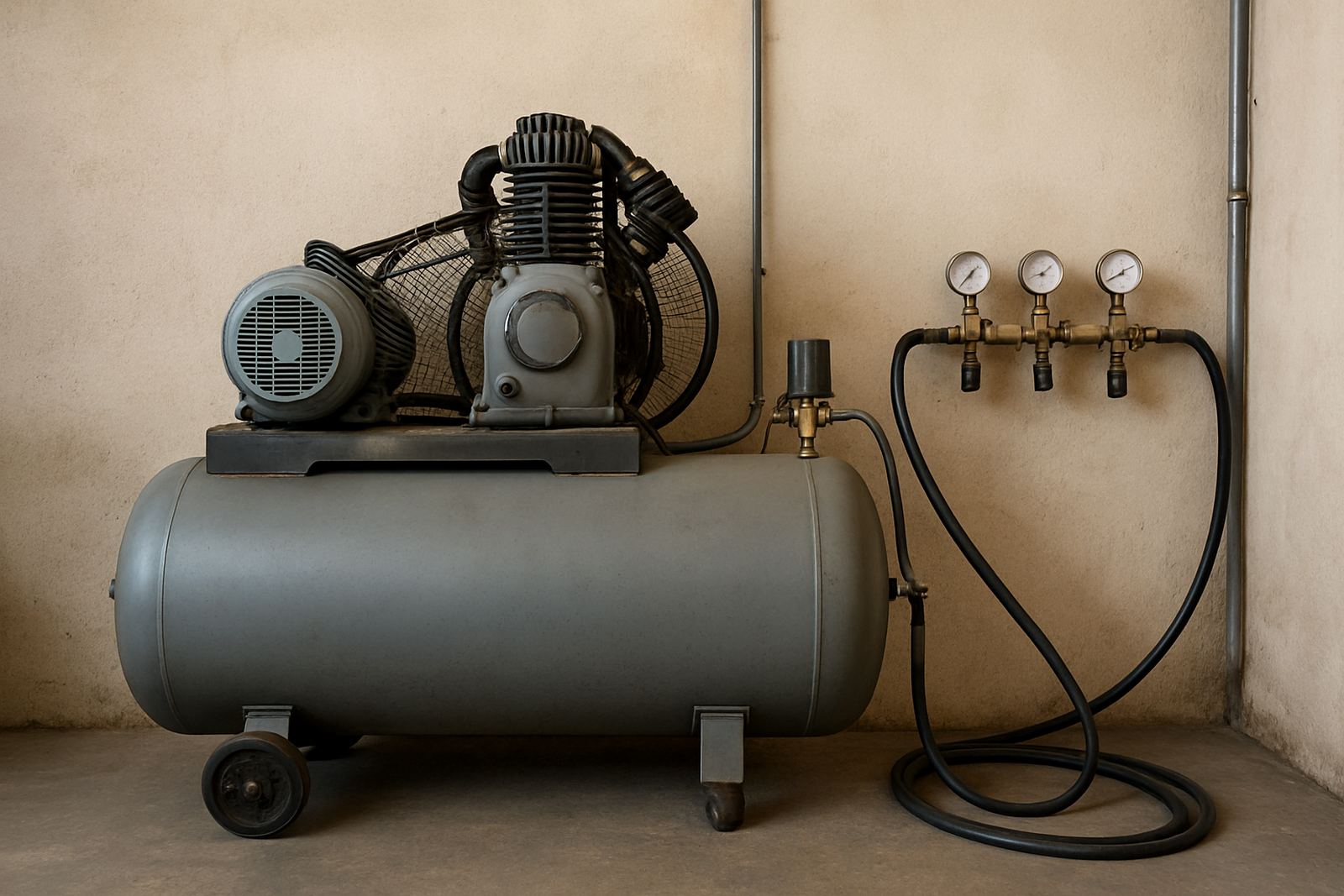
A bottle printer that runs every week needs planned maintenance, not only repairs after a fault. Bearings, drive parts, clamps, sensors and curing elements all wear over time. If they are checked regularly, the machine stays steadier and the print stays repeatable. That matters for bottle jobs because a tiny wobble can change the print position or create light and dark bands on the surface.
Preventive maintenance usually gives better value than waiting for a breakdown. It also helps when you are printing for customers in retail, hospitality or cosmetics where a missed delivery can hurt the next order. A service schedule can include cleaning, inspection, calibration and parts replacement before they fail. That is far cheaper than losing a full day because a simple part failed during a run.
- Check moving parts for wear before each major job
- Keep spare consumables and common spares on hand
- Clean ink paths and contact points after production
- Test sensors and stop positions after any adjustment
For producers working in humid or dusty environments, this routine is even more important. It keeps the machine ready for the next batch and helps avoid the kind of fault that only shows up once the line is full of product, which is never a good time.
A practical Johannesburg example
Consider a drinks business in Johannesburg South printing branded bottles for a summer promotion. The bottles are clear, round and moving fast through packing. The print needs to hold its place, dry cleanly and stay readable when the bottles are handled in a cold room and then loaded for distribution. In that setting, the operator cannot afford to guess at cure time or eye the alignment by hand every time.
With the right screen, a steady machine setup and proper operator training, the business can move from test pieces to a reliable production run. If the colour setup is recorded and the screen is reclaimed properly after the job, the same print can be repeated later without starting from zero. That sort of discipline matters whether the order is for a local brewery, a cosmetics label, or a promotional bottle run for an event in Sandton or Pretoria.
The most useful part of the process is that it gives the business control. The branding sits on the container itself, not on a loose label that can peel, curl or pick up moisture. For many products, that is the difference between looking ready for sale and looking rushed.
What to ask before you commit to a bottle printing system
Before buying or upgrading equipment, ask what bottle sizes you plan to print, how many units you need per shift and how much training your team will need. Also ask how fast the machine can be changed over between bottle formats. A unit that works well on one size may need adjustment for another, so flexibility matters as much as speed.
It also helps to know what support is available after installation. If spares, breakdown repairs, colour setup help and production advice are all handled by one team, you lose less time when something changes. For many South African businesses, that support is what keeps the line moving after the first busy month.
Printing on bottles is not just decoration. It is part of how a product shows up on the shelf and how reliably it leaves the packing table. Get the setup right, keep the screens clean and the results hold up better than most people expect.