Clean screens fully before they go back on the rack
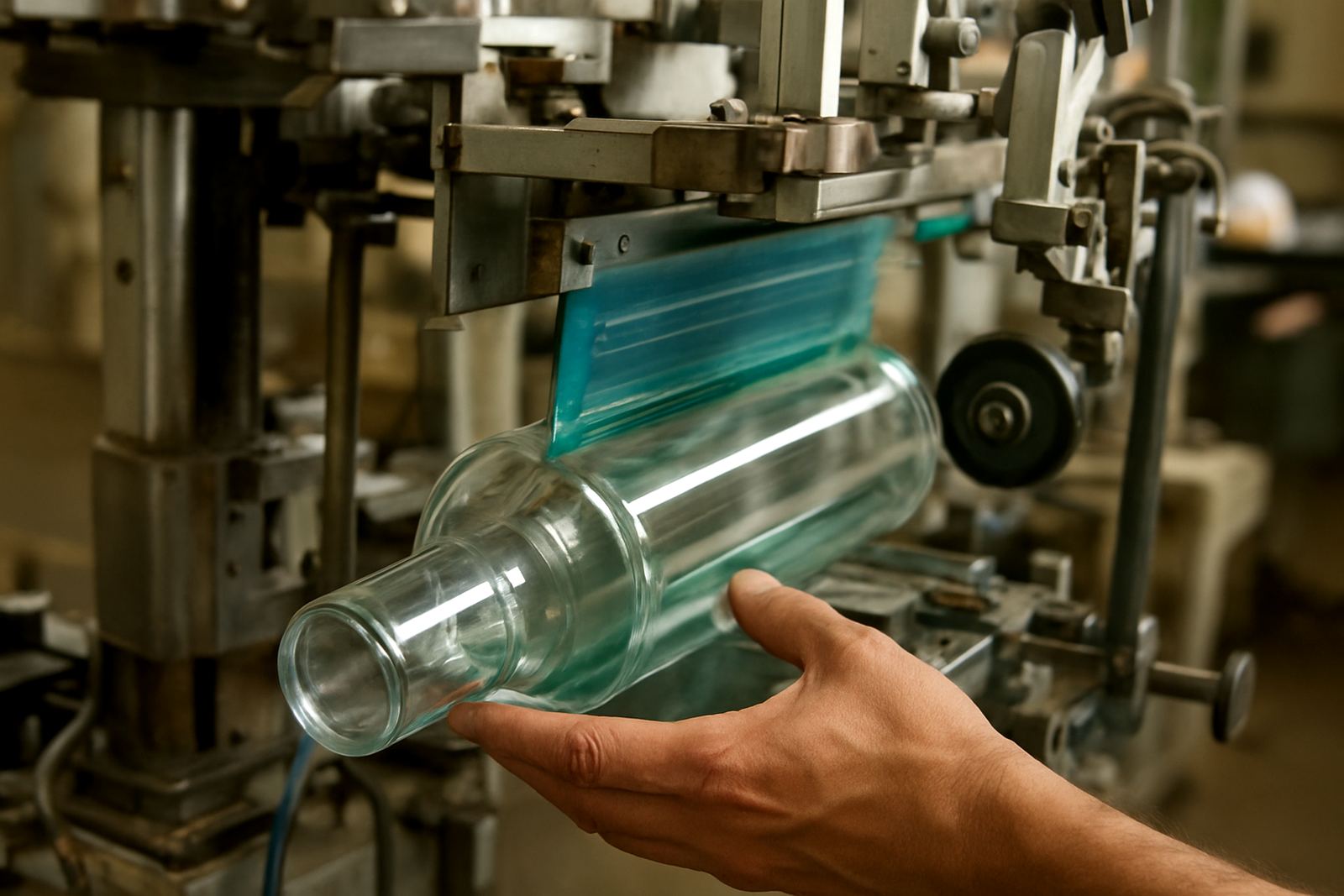
Never store a cylindrical screen straight after printing. Ink residue, emulsion flakes and cleaning chemical left in the mesh can harden overnight and mark the next run. Use the correct reclaiming process, then rinse and dry the screen properly before storage. A screen that looks clean on the outside can still carry fine particles inside the mesh, and those particles often show up as pinholes or dirty prints later.
In busy production areas, it helps to set a simple handover routine. The operator finishes the run, the screen is checked, then it moves to reclaiming or storage. That small step saves time at the next setup and reduces the chance of contamination from cured ink dust. If you are running multiple product sizes, label each screen clearly so the right one comes out first time.
Keep screens dry and away from humidity
Moisture is one of the biggest causes of screen damage, especially in coastal towns like Durban, Port Elizabeth and Cape Town. High humidity can soften stored emulsion, encourage mould and leave metal parts with surface corrosion. If the storage room has poor airflow, screens may feel dry on top but still hold damp patches in corners or around frames.
Use a room with steady ventilation and avoid placing screens near wash bays, open doors or areas where steam builds up. In Johannesburg, many factories still battle dust, so the room must be dry but also closed enough to keep dirt out. If the store room is next to a packing line or forklift route, fit covers or curtains to reduce airborne contamination.
- Dry screens horizontally or in a rack with air moving around them.
- Do not lean wet screens directly against walls or each other.
- Check the edges and clamps for trapped moisture before stacking.
Store cylindrical screens so they keep their shape
Cylindrical screens are more delicate than they look. If they are stacked badly, the mesh can stretch, the frame can bend slightly, and the print area can lose repeat accuracy. That becomes a real problem when you need the same bottle artwork to line up across several runs. A twisted screen may still print, but setup takes longer and waste goes up.
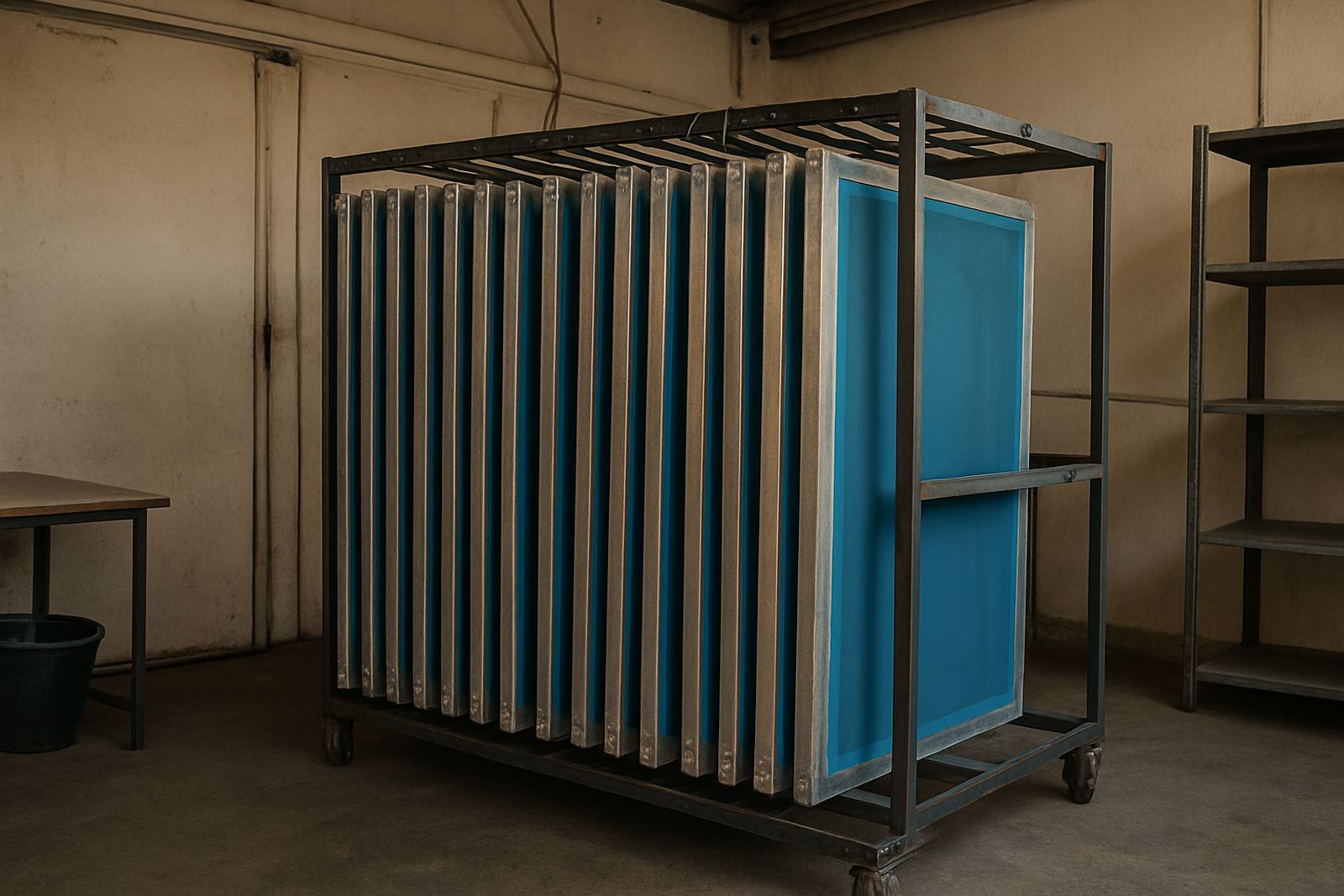
The best approach is to store screens in purpose made holders, padded cradles or horizontal rails that support the frame evenly. Avoid resting heavy items on top of them. Even a small dent can affect registration on narrow cups and tubes. If screens are stored vertically, make sure they cannot slide, topple or rub against sharp edges. A little bit of movement in storage can cause more damage than a full shift on the press.
- Separate screens by diameter and job type.
- Use soft separators between frames if they touch.
- Keep heavier screens on lower levels for safer handling.
- Do not hang screens where vibration from nearby machines can shake them loose.
Label every screen in a way the team can read fast
Storage works best when the team can find the right screen without guesswork. Clear labels reduce mix-ups between similar bottle sizes, ink colours and repeat jobs. A screen used for a 330 ml glass bottle may look close to one used on a 500 ml tube, but the artwork position and wrap can differ enough to spoil a run.
Keep labels simple and consistent. Include product type, artwork code, mesh detail and date of last use. If you are tracking screen life, add a note for any repairs or tension issues. This is useful for shops that handle contract work for several customers, because it shows which screens need checking before the next booking. One well marked rack can save an hour of searching on a Monday morning when the team is already under pressure.
Protect screens from dust, chemicals and rough handling
Dust is a problem in many South African industrial areas, from Aeroton and Johannesburg South to parts of Pretoria and Midrand. Fine dust settles into the mesh and frame joints, then gets pulled into the first print. Keep screens covered when not in use, but use breathable covers that do not trap moisture. Plastic sheeting can work in dry rooms, though it should never seal in damp screens.
Also keep screens away from solvent storage, oil, grinding dust and cleaning areas. Chemical fumes can affect coating surfaces over time. If the screen room shares space with other work, separate it with a clean zone and a clear walkway. Rough handling is another common cause of damage, especially when screens are moved quickly after a late shift. Train staff to carry them with both hands and to set them down gently, not on floor corners or random pallets.
Make storage part of a weekly check routine
Storage is not only about where screens sit, it is about what gets checked while they sit there. A weekly inspection can catch small faults before they turn into breakdowns. Look for loose mesh, frame damage, worn labels, cracked edges and contamination that may have been missed during cleaning. If a screen has not been used for a while, inspect it before returning it to production, not during the setup rush.
For operations with tight delivery times, especially in busy centres like Durban and Cape Town, a simple maintenance calendar helps keep things on track. List which screens were reclaimed, which were repaired and which need replacement. That record also helps the technical team spot patterns, such as screens failing after repeated exposure to moisture or poor stacking. With a bit of discipline, storage becomes part of production control, not just a place to park gear.
If your site has repeated issues with dirty screens, slow changeovers or damaged frames, it may be worth reviewing the whole storage flow from wash area to press room. A small change in rack layout or cleaning order can improve output more than people expect, and often at very little cost.