Activation brief for a Lowveld audience
The client was a regional marketing team based in Nelspruit working on a product activation that needed branded bottles for giveaways, staff use, and event packs. The brief was simple on paper but tricky in practice: one campaign, several bottle sizes, and different print quantities for each line. The bottles had to look sharp from a few metres away, but also hold up to repeated handling in warm weather and transport between sites.
We were asked to supply the print method, screens, setup advice, and production guidance for a short run with follow-up quantities after the first event. Because the activation covered retailers and outdoor touchpoints around Mbombela, the client needed consistent branding on bottles that would not fade or rub off after normal use. We also had to keep artwork placement accurate across mixed volumes, because the same logo sat on different cylinder diameters. That meant proper screen registration and careful ink selection from the start.
- Client type: regional activation and promotions team
- Town: Nelspruit, with distribution into surrounding Lowveld areas
- Product mix: promotional bottles in more than one size
- Main requirement: durable cylindrical print with clean colour control
Why the job needed more than standard print
Mixed-volume jobs can be awkward when one batch is 100 units and the next is 1 000. The client needed enough flexibility to cover an event launch, but also wanted a reliable production flow so the second batch could slot in without redoing the whole setup. On top of that, the region’s heat and humidity meant we had to plan for drying and handling times that would not slow the line or leave fresh print vulnerable to marking.
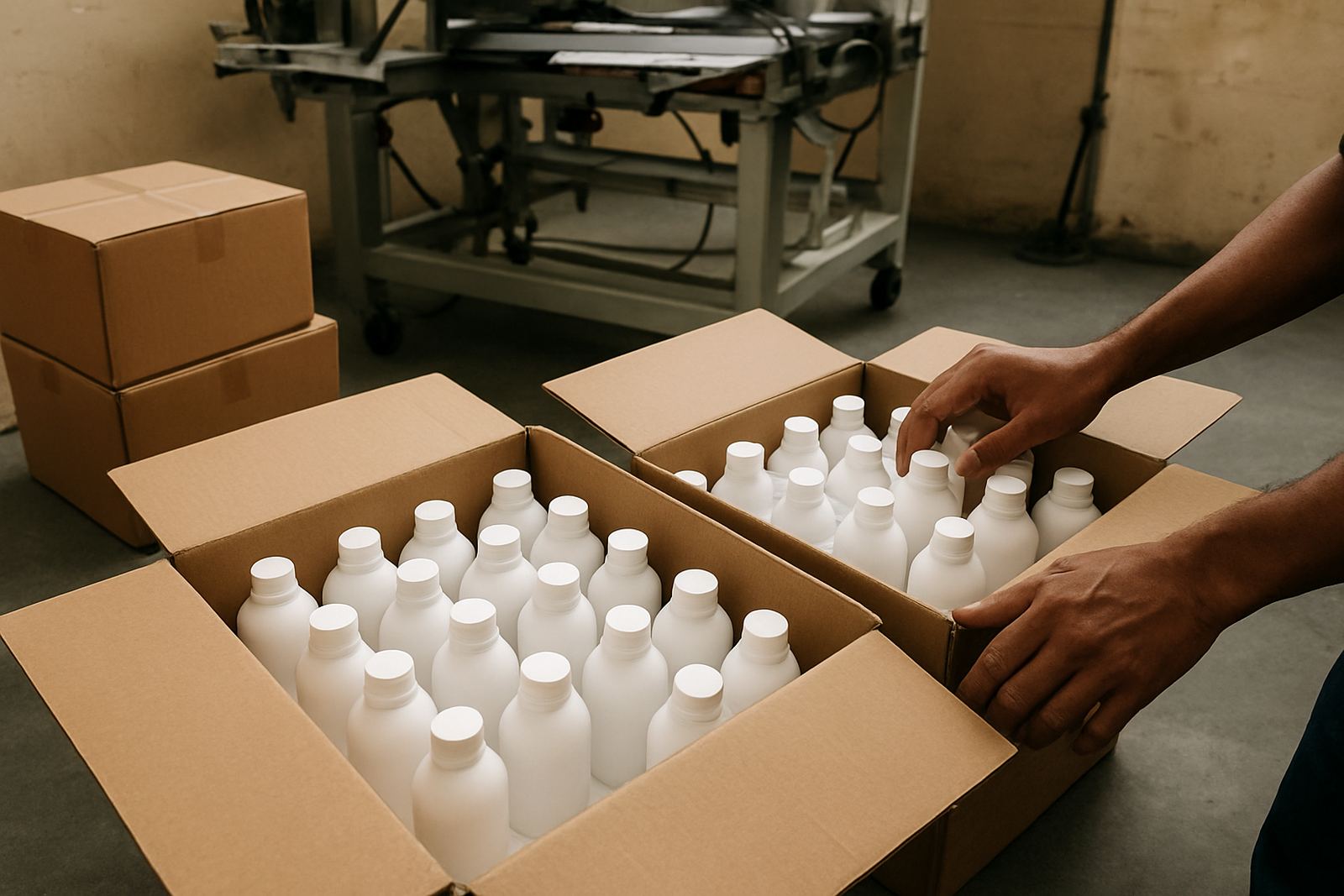
The bottles were intended for public use, so the print had to look even on curved surfaces and stay readable after washing. We also had to consider transport from Johannesburg to Nelspruit, because long road delivery can create knocks, dust exposure and pallet movement if packaging is not right. A lot of promo jobs fail at that point, not on the print table. So we focused on setup discipline and pack-out protection as much as the print itself.
- Challenge 1: mixed quantities with one consistent artwork standard
- Challenge 2: curved bottle surfaces and tight logo placement
- Challenge 3: heat, humidity, and road transport to the Lowveld
- Challenge 4: quick changeover between short-run and follow-up batches
What we supplied and how we set it up
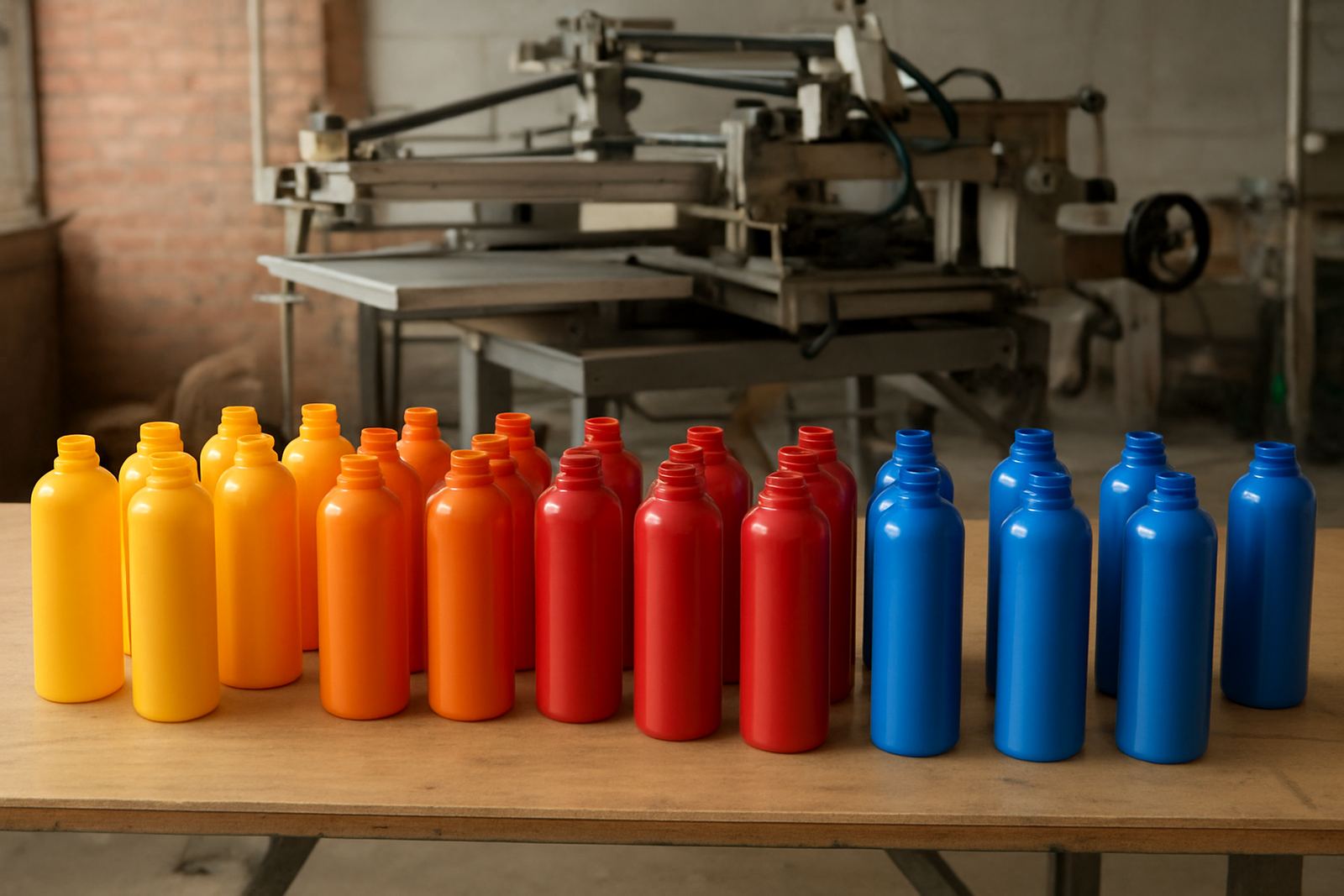
We supplied the cylindrical screen-printing equipment package, screens prepared for the artwork, and technical guidance for the run. The bottles were set up on a cylindrical print line sized for promotional drinkware, with registration adjusted to suit each bottle format. We also assisted with colour matching so the logo stayed true under bright indoor light and outdoor activation conditions. The print area was kept clean and stable, which mattered because even a small misalignment shows quickly on a curved bottle.
For this project, we used print-ready screens for the main artwork and kept a spare screen on standby for the second production stage. The client also received practical advice on ink curing, stacking, and when to handle the bottles during packing. That sort of on-site process control is often the difference between a neat finish and a box full of scuffed stock. It saved time and reduced waste, especially during the rush before dispatch.
- Cylindrical screen-printing setup for bottles
- Artwork-aligned screens for repeatable placement
- Colour setup help for brand consistency
- Packing and handling guidance for finished stock
Timeline from setup to dispatch
The full job ran over three weeks. Week one covered artwork checks, screen preparation, and confirming the bottle sizes. In week two we completed setup, test prints, and the first production batch. Week three was used for the second volume top-up, final quality checks, and dispatch planning for the Lowveld delivery window. The split timeline worked well because the activation date was fixed, but the quantities were still being confirmed by the client as the campaign evolved.
Because the bottlescreen order formed part of a broader activation pack, we kept communication tight throughout. That meant the client could approve sample positioning early and avoid rework later. The production pace stayed steady even with the mixed volumes, and there was enough room to adjust the run if any bottles arrived with slight size variation. It was a practical way to manage risk without overcomplicating the job.
- Week 1: artwork confirmation and screen prep
- Week 2: machine setup, samples, and first batch
- Week 3: follow-up batch, quality check, and dispatch
Results on the ground in Nelspruit
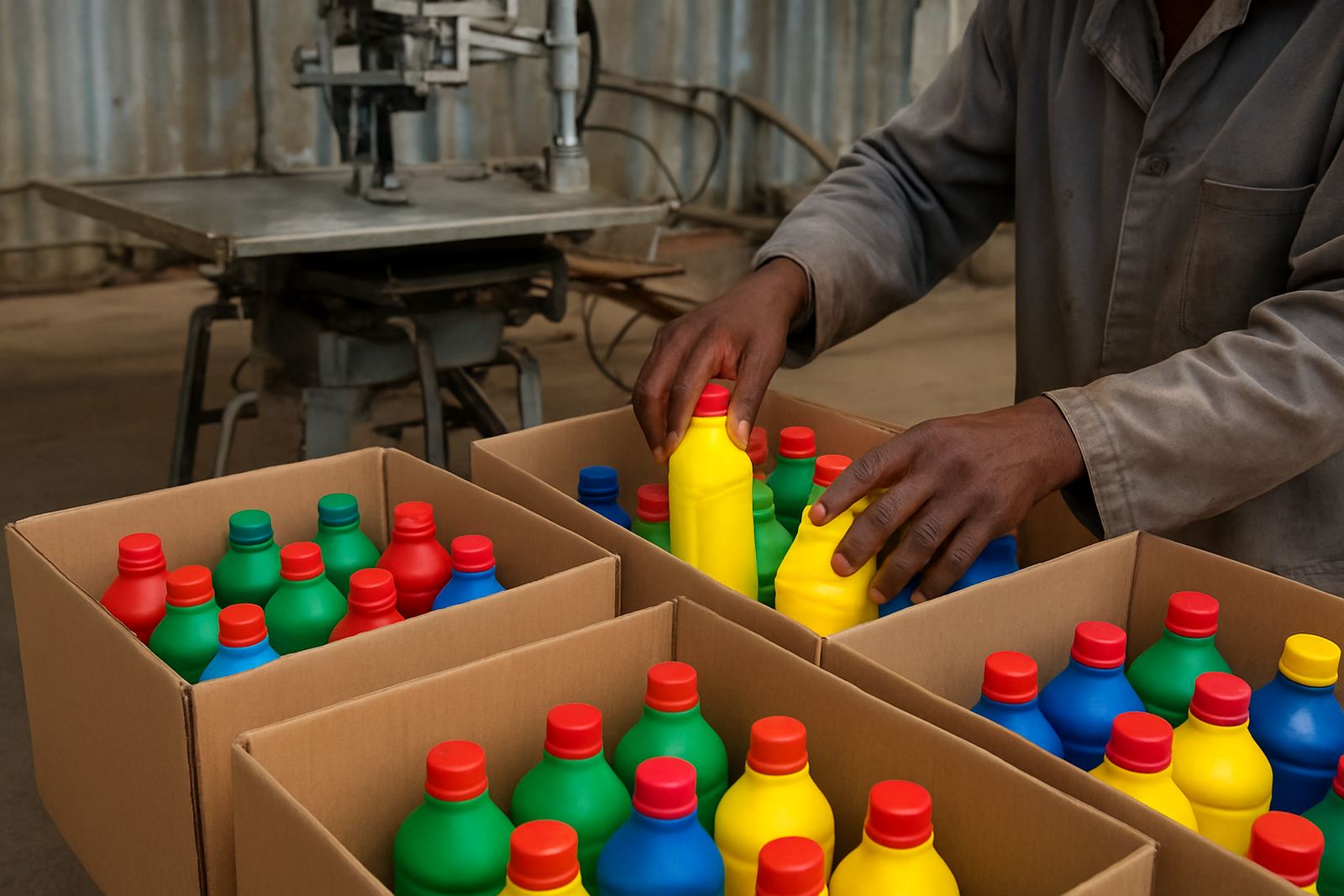
The finished bottles gave the activation team a clean branded item that was easy to hand out and simple to store. Print coverage stayed even, the logo read well on each bottle size, and the final packs travelled safely to the client’s distribution point. For a campaign that relied on visual impact and quick turnaround, the result was exactly what was needed. The client could move stock through the activation without worrying about print failure or inconsistent colour from one batch to the next.
What stood out for us was the value of planning around the local conditions. In Nelspruit, product can move from air-conditioned storage into hot outdoor use very quickly, so print durability and proper curing matter. We also kept enough spare capacity in the setup to cope with minor changes in batch count, which avoided delays. The campaign rolled out on time and the bottles did their job as brand carriers.
- Clean registration across mixed bottle sizes
- Durable print for handling, washing, and re-use
- On-time delivery for the activation window
- Low wastage and fewer handling issues at pack-out
What we would repeat on the next project
If we were doing the same job again, we would keep the same approach: confirm artwork early, lock in the bottle sizes before print prep, and build in time for a small sample round before production. For Nelspruit projects, we would also keep drying and packing time generous if the stock is moving in summer or through coastal routes first. That extra buffer helps when the weather changes or a truck gets held up on route.
We would also recommend setting aside a small contingency quantity for activations with multiple touchpoints. Mixed-volume jobs often need a few more pieces than planned once the client sees how the bottles perform in hand. Having a spare batch ready means the campaign can be extended without redoing the full setup. For promo bottle work, that sort of planning keeps costs under control and avoids last-minute pressure on the production team. It’s practical, and it works.
- Lock artwork and bottle sizes before print prep starts
- Allow buffer time for curing, packing, and road freight
- Keep a small contingency batch for reorders or spillover use
Key facts
| Project | Nelspruit Promo Bottles |
|---|---|
| Location | Nelspruit, Mpumalanga |
| Timeline | 3 weeks |
| Job type | Promotional bottle screen printing |
| Volume profile | Mixed-volume batches |
| Service scope | Machine setup, screens, colour help, production support |