What the Alberton team needed from the print line
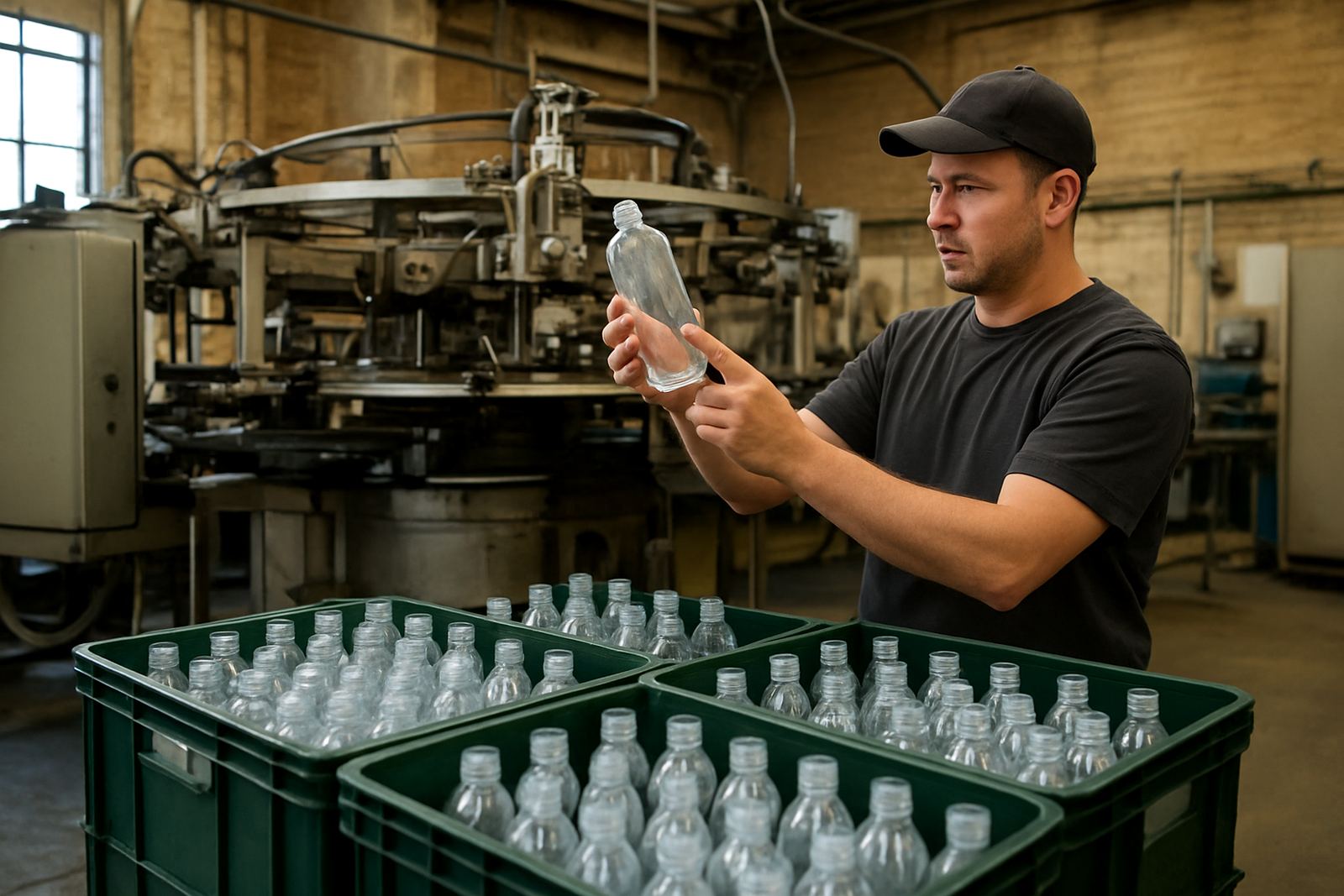
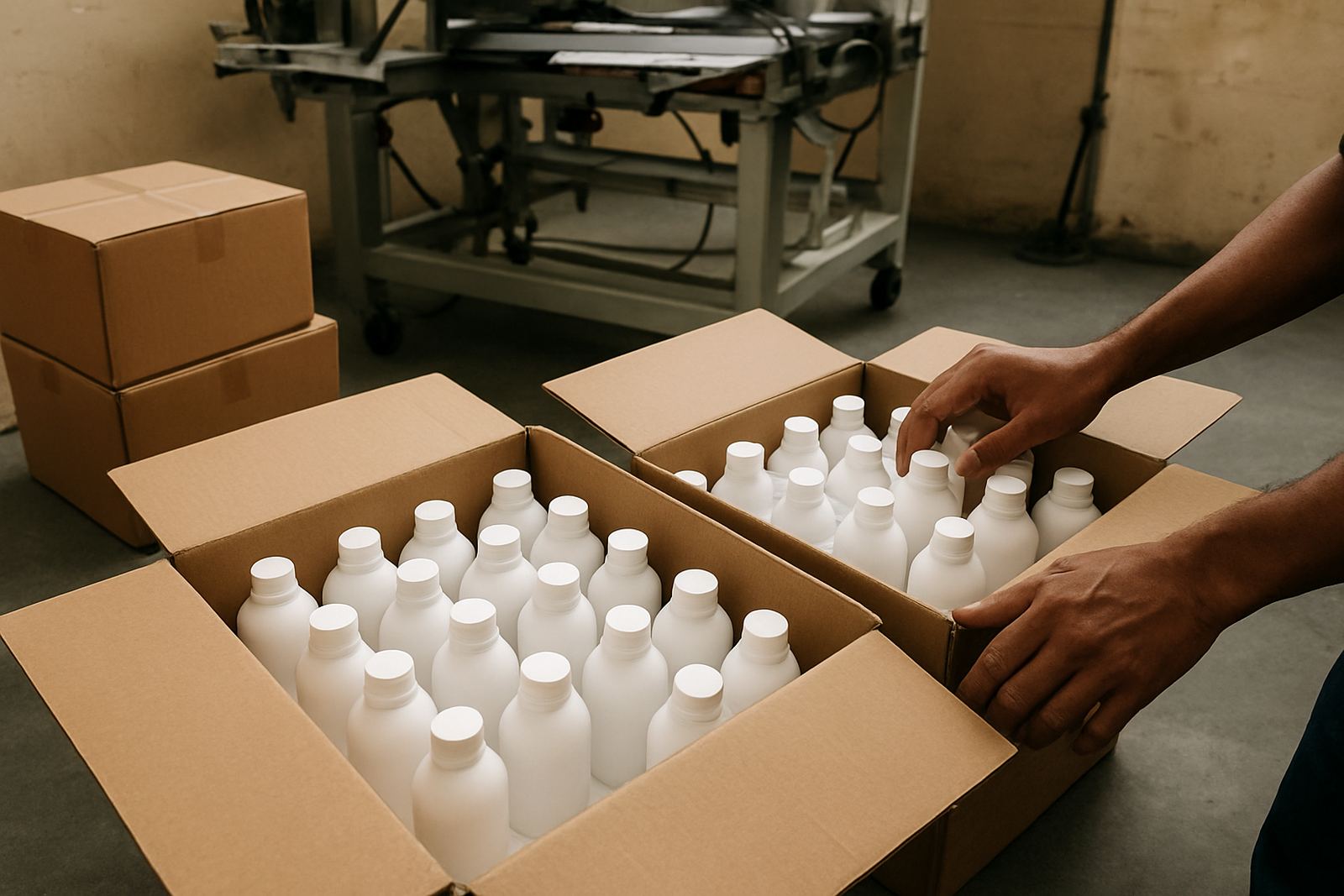
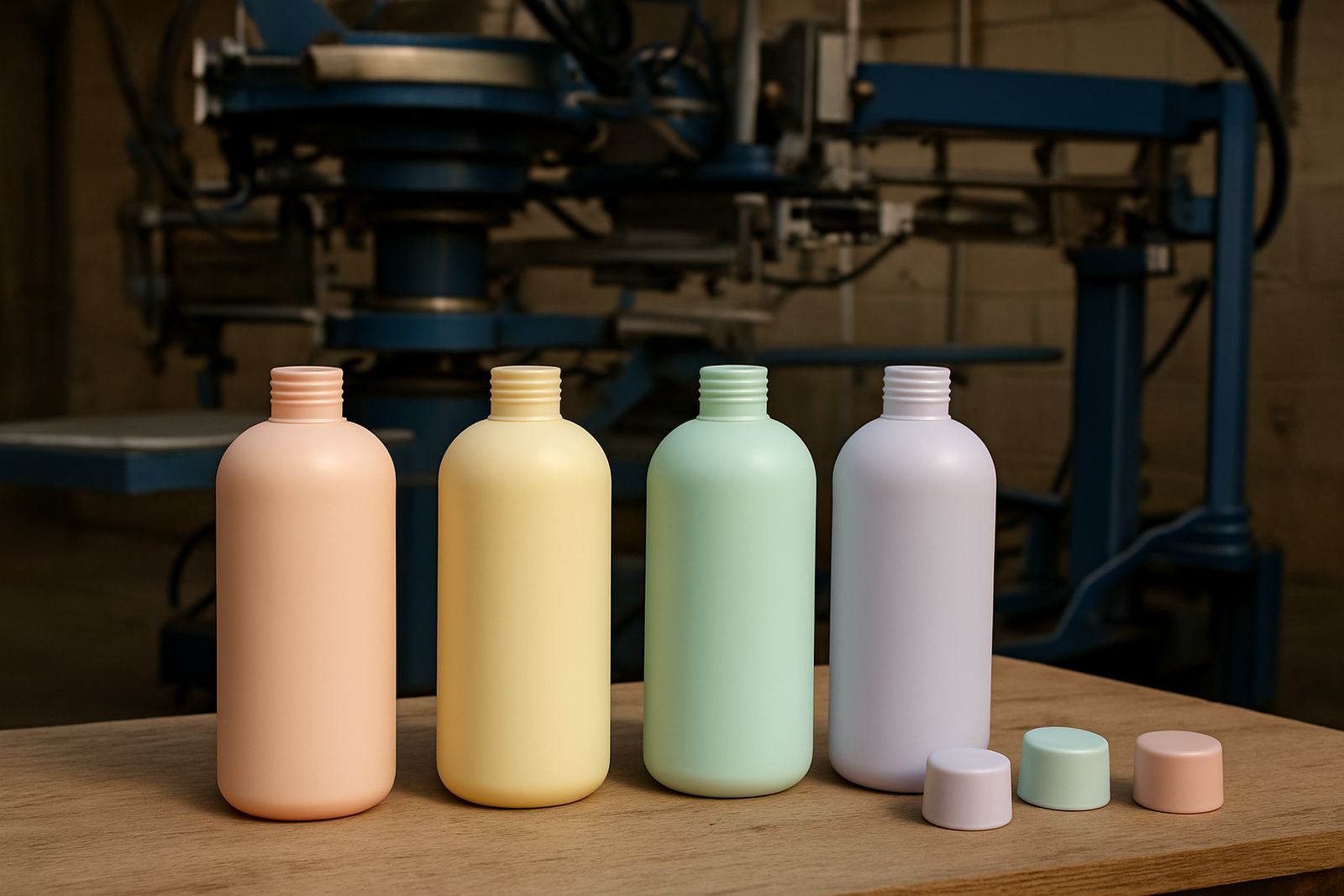
The client in Alberton was producing shampoo bottles for a local retail range and needed print that stayed true on a curved HDPE bottle. The bottles had a rounded shoulder, a slight taper and a smooth body panel, so the artwork could not drift or distort once the bottle rolled through the print station. They also wanted a finish that looked neat under shop lighting and still held its shape after packing, pallet movement and delivery in Gauteng traffic.
The brief was simple on paper, but there were a few hard constraints. The bottle wall had a little flex, the surface had release from moulding, and the product would be handled in warm storerooms where humidity changes can affect ink cure and screen performance. The packer also wanted practical repeat runs, because this was not a one-off test bottle. It had to run again in batches of several thousand without constant fiddling.
We worked to a print spec suited to cylindrical and near-cylindrical personal care packaging, with a print area set to the body panel and shoulder transition. The job needed registration control to within a couple of millimetres, a screen mesh that could hold fine detail without flooding, and ink that cured cleanly for handling. For this project we used a production-minded setup rather than a showpiece setup, because the client needed reliability more than anything else.
Machine choice and print setup for curved shampoo bottles
For this Alberton run we supplied and set up a cylindrical screen-printing solution matched to the bottle diameter and the bottle length. The machine was configured for repeatable rotation speed, controlled squeegee pressure and quick changeover between artwork positions. That mattered because the shampoo bottle had two areas of interest: a front body panel for branding and a shoulder area that had to stay clean, with no ink creep over the curve.
We also prepared the screens and screen frames for the artwork dimensions and ink deposit needed on a glossy plastic substrate. Screen tension, mesh selection and stencil quality were checked before the first production pass. If the screen is even slightly off, the print on a curved bottle shows it immediately. You see a shadow line, a thick edge or a small break in the logo, and that is enough to make the pack look cheap.
- Product type: personal care shampoo bottle
- Material: smooth plastic bottle with curved shoulder and taper
- Print areas: body panel and shoulder zone
- Typical output target: repeatable production batches, not sample runs
- Setup focus: registration, cure consistency and handling durability
Production support, screens and training on site
Our team travelled from Aeroton to Alberton for site setup and operator handover. Naledi Khumalo coordinated the job schedule, while Johan van der Merwe handled the technical sales detail and print specification. Anele Dlamini assisted with the installation checks and machine alignment, and Farieda Jacobs handled the screen making guidance and operator training. Thabo Mokoena stayed across the job as managing director, with Sibusiso Nene coordinating follow-up service and spares support.
The client had a small production floor, so we kept the setup practical. We checked the bench height, drying space and flow from print to cure to packing. That matters in real production because a machine can be fine on paper, but if the operator is walking bottles too far between stages, the line slows down and mistakes creep in. We also made sure the print station sat well with the site layout and the operator could reach the controls without strain.
Training covered screen fitment, flood stroke balance, bottle placement, cure timing and basic fault finding. We showed the team how to spot a screen that needed reclaiming, how to keep a consistent print pressure and how to deal with slight bottle ovality. The client’s staff picked it up quickly, and after the first day they were already more confident on setting the run without calling for help every few minutes.
- Site setup completed in Alberton
- Operator training done on the same visit
- Screen making and reclaiming guidance included
- Spare parts list shared for busy production periods
Timeline, testing and the first approved batch
The project ran over three weeks from brief to approved production. Week one covered artwork review, bottle sample checks and machine specification. Week two was for screen making, setup and a first print trial at our side, followed by a site visit to confirm the bottle feed, cure and output speed. Week three was for final adjustment and operator sign-off on the production run in Alberton.
The first test pieces showed a small amount of movement on the shoulder print, which is common on a bottle with a soft curve. We adjusted the bottle support and slowed the rotation slightly, then rechecked registration. After that the print settled properly, with cleaner edges and better ink laydown. The body panel held a sharp finish and the logo stayed clear across the full run. There was one minor delay while the client finalised label placement on the line, but once that was sorted the job moved along steadily.
By the end of the project the client had an approved setup and a documented sequence for future batches. That means if they repeat the shampoo bottle run later, they do not have to start from zero. They have the right screen notes, machine settings and handling routine already in place, which saves time and reduces waste.
Results on shelf and in the packing room
The result was a clean, durable print that looked right on the bottle and stayed consistent across the batch. The client wanted the pack to feel like a proper retail item, not a rushed factory fill, and that is what the finished bottle achieved. The print remained legible on the curved shoulder and the body panel carried the brand clearly under store lighting. The team also reported better output control because the process no longer depended on guesswork.
From a production point of view, the biggest gain was consistency. Once the machine was set correctly, the operator could maintain the same result from start to finish without chasing the registration all day. That matters when you are doing personal care bottles, because even a small shift in print position stands out on a glossy container. The bottles also moved through packing better, with no unnecessary rework or rejected cartons.
- Sharper registration on curved surfaces
- Better repeatability across the batch
- Less ink waste during setup
- Improved packing confidence for the client team
What we would repeat on the next Alberton run
If we did this bottle project again, we would keep the same approach: sample first, check the curve, then set the machine for the exact print area. For shampoo bottles and other personal care packs, the early testing is what saves the most time. It is also worth keeping a small library of screen notes, cure settings and bottle handling tips for each repeat product, especially where the packer runs several variants in one month.
We would also recommend scheduled preventive maintenance before the next batch, particularly if the site is running through load-shedding or variable power conditions. In Johannesburg and Alberton, production floors can lose time quickly if the machine is not checked for alignment, drive smoothness and print pressure. With a short maintenance visit and a clean set of screens, the next run should come up faster and with less waste. That is the practical way to keep personal care bottle work moving.
If your team in Alberton or anywhere else in South Africa needs help with bottle printing, screen making, training or a production line that has become a bit temperamental, we can assist from Aeroton with installs nationwide and backup support after the job. We keep it simple, check the details, and make sure the prints hold up in real use.
Key facts
| Project type | Alberton shampoo bottle screen-printing setup |
|---|---|
| Client location | Alberton, Gauteng |
| Product | Curved personal care shampoo bottles |
| Surface | Smooth plastic with rounded shoulder and tapered body |
| Timeline | 3 weeks from brief to approved run |
| Support included | Machine installation, site setup, operator training, screen making, colour setup help and maintenance guidance |