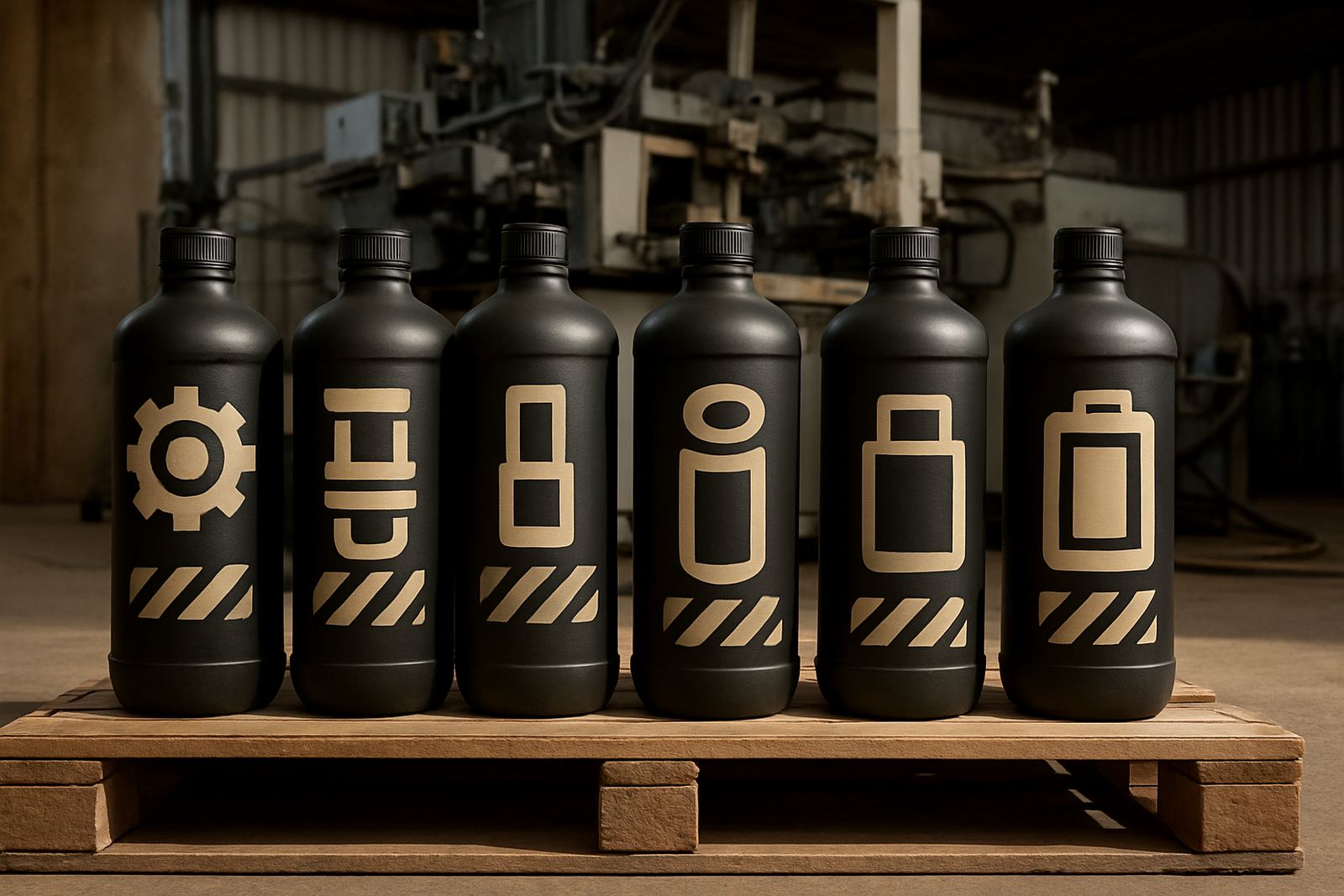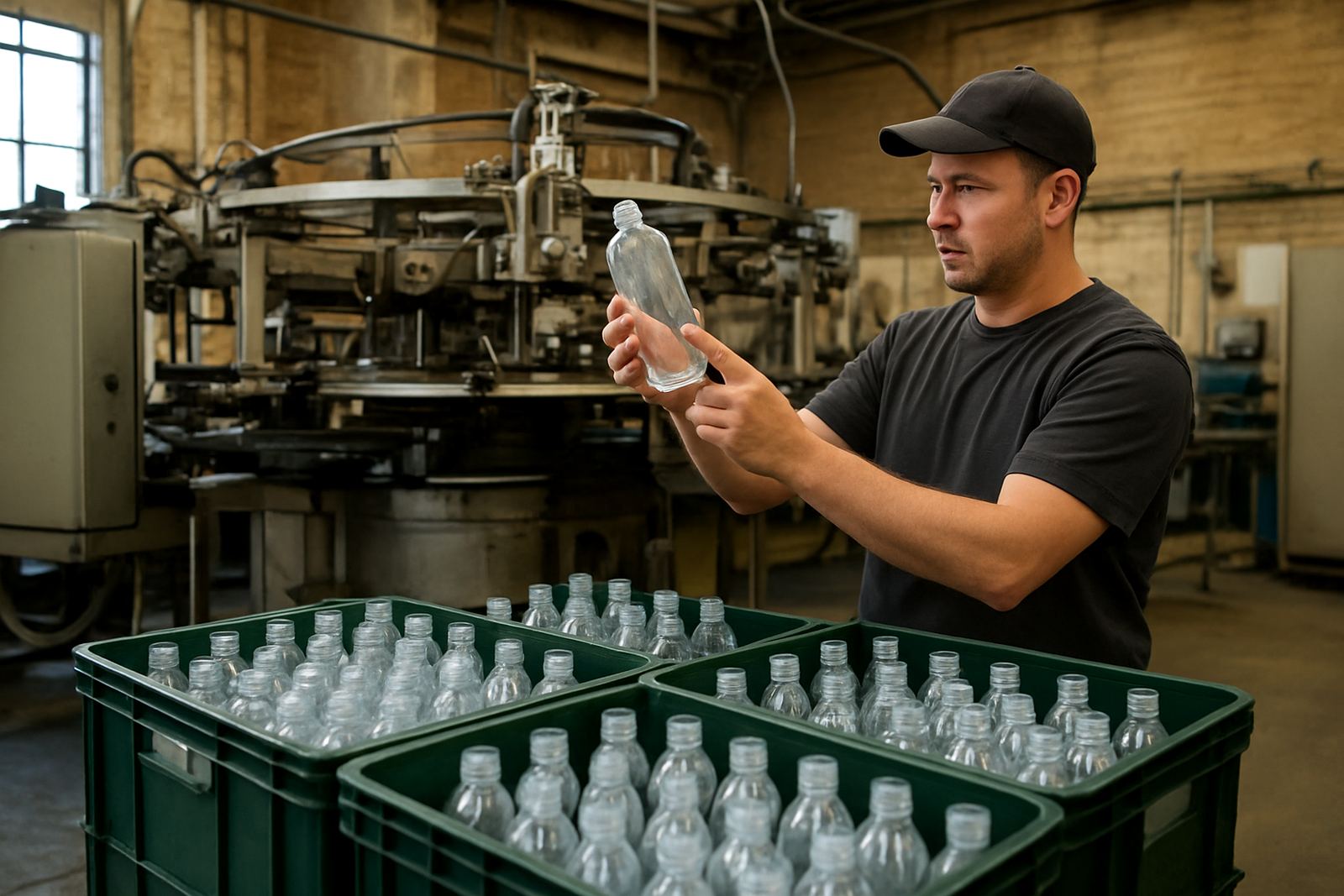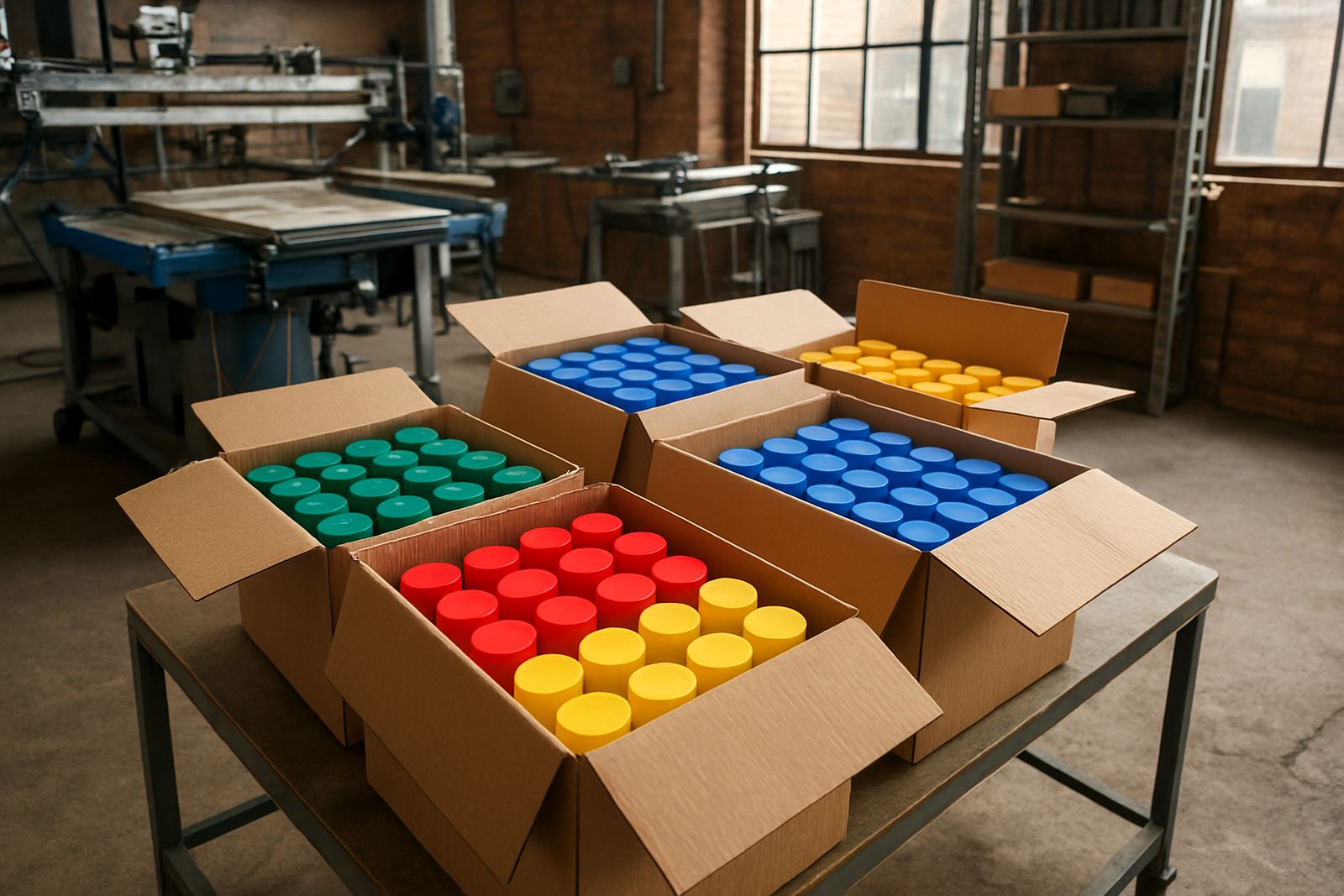
Durban brief for coastal cleaner tubes
The client was a cleaning-compounds packer in Durban supplying tubes for a range of household and industrial cleaners. Their main concern was not only how the pack looked on shelf, but whether the print would stay clear after transport, storage near the coast, and handling in warm humid conditions. They wanted a practical setup for medium-volume runs, with enough control to keep text sharp and colour consistent from batch to batch.
The brief called for cylindrical screen printing on squeeze tubes with a body diameter of 35 mm, overall length of 160 mm, and print area of 115 mm x 70 mm. The tube wall finish had a slight sheen, so the ink system had to key properly without smudging during stacking. Their packing room in Durban also dealt with afternoon heat and salt air, so drying and cure timing needed to be accounted for from the start.
- Product type: cleaner tubes for coastal distribution
- Location: Durban, KwaZulu-Natal
- Tube size: 35 mm diameter x 160 mm length
- Print area: 115 mm x 70 mm
- Run type: repeat production batches for multiple cleaner variants
What had to be solved before printing started
The biggest issue was consistency across several cleaner variants that used the same tube size but different colourways and text blocks. The client also needed a line that could be run by operators with straightforward changeovers, because their team could not afford long stoppages every time a product changed. We had to keep setup simple, but still give them enough control over registration and screen tension.
Another constraint was the Durban environment itself. On some mornings, moisture in the air slowed surface handling and made cure times less predictable. That meant we had to look at ink drying windows, racking space, and the order in which tubes moved from print to cure to carton. We also planned for power interruptions by keeping the process workable around load-shedding, so there was less risk of half-finished batches sitting too long.
- Need for repeatable colour setup across multiple SKUs
- Short changeover time between runs
- Allowance for humidity and slower surface drying
- Process planning around municipal power interruptions
- Clear print that would not rub off during packing
Equipment and screens supplied for the job
We supplied the cylindrical screen-printing equipment suited to tube work, together with the screens required for the cleaner range. The screen frames were prepared for fine text, warning details, and product naming, with enough mesh stability to keep line edges clean. For this job, the print layout needed a balance of coverage and detail, because the tubes carried both branding and compliance information.
We also handled screen making and initial setup support, which meant the client did not have to guess at alignment or ink deposit. The machine set-up was adjusted for consistent tube rotation and controlled pressure on the print stroke. That was important on the slightly flexible tube stock, where too much pressure can distort the print area and too little pressure leaves gaps or light patches.
- Cylindrical screen-printing machine for tube bodies
- Custom screens for product name, warnings, and batch-specific artwork
- Alignment support for repeat registration
- Ink transfer settings tuned for flexible tube stock
Installation and operator handover in Durban
The install was completed over 2 weeks, starting with site layout and ending with operator handover. Our team first checked the packing room flow, work tables, cure space, and storage area for screens and inks. The machine position was planned so tubes could move in one direction from infeed to cure to carton, which kept the process tidy and reduced handling delays. It also made cleaning easier at the end of each shift.
Once the machine was set, we trained the operators on screen loading, registration checks, ink viscosity control, and basic fault spotting. We also covered how to manage set-up after a power break and what to check before restarting a batch. Naledi Khumalo coordinated the site plan, while Anele Dlamini handled the physical installation and line checks. Farieda Jacobs worked with the client team on printing practice until the operators could run the tubes with confidence.
- Week 1: site review, layout, and equipment placement
- Week 2: testing, operator training, and handover
- Training covered changeovers, ink checks, and restart procedure after outages
Results on the cleaner range
The first production runs showed sharper small text, cleaner colour edges, and less variation between tubes in the same batch. The client was especially pleased with how the print held up during packing and transport, since the tubes were being moved in warm conditions and then stored near the coast. The finished packs looked more orderly on shelf, and the brand marks were easier to read from a distance.
From a production point of view, the team saw fewer rejected tubes after setup because the registration process was easier to repeat. Changeovers were also more manageable once the operators had a fixed routine, and that helped them keep output steadier through the week. In practical terms, the setup gave them better control over print quality without turning the line into a complicated job.
- Better print clarity on fine text and warnings
- Less rubbing and scuffing during packing
- Steadier output across repeat batches
- Faster changeovers once the process was learned
What we would repeat for another Durban tube line
If we were doing the same job again for another Durban packer, we would start with the same site review and humidity check before the machine arrived. That saves time later because the cure space, racking height, and operator path can be planned early. For coastal work, a small change in room layout can make a real difference to print handling and drying.
We would also keep the training practical and focused on daily production rather than theory. For a tube line, the useful details are the ones operators use every shift: how to spot a weak print, when to stop and clean, and how to keep screens ready for the next run. That is what makes a line dependable over time, not just on the first day.
- Review room conditions before delivery
- Set cure and handling space around the actual batch size
- Train for real shift work, not just start-up steps
- Keep screens, inks, and spares easy to reach
Key facts
| Client type | Cleaning-compounds packer |
|---|---|
| Town | Durban, KwaZulu-Natal |
| Tube size | 35 mm diameter x 160 mm length |
| Print area | 115 mm x 70 mm |
| Project duration | 2 weeks |
| Scope | Machine supply, screen making, setup, training, and handover |