Printing Round Bottles For Drinks And Bottled Products
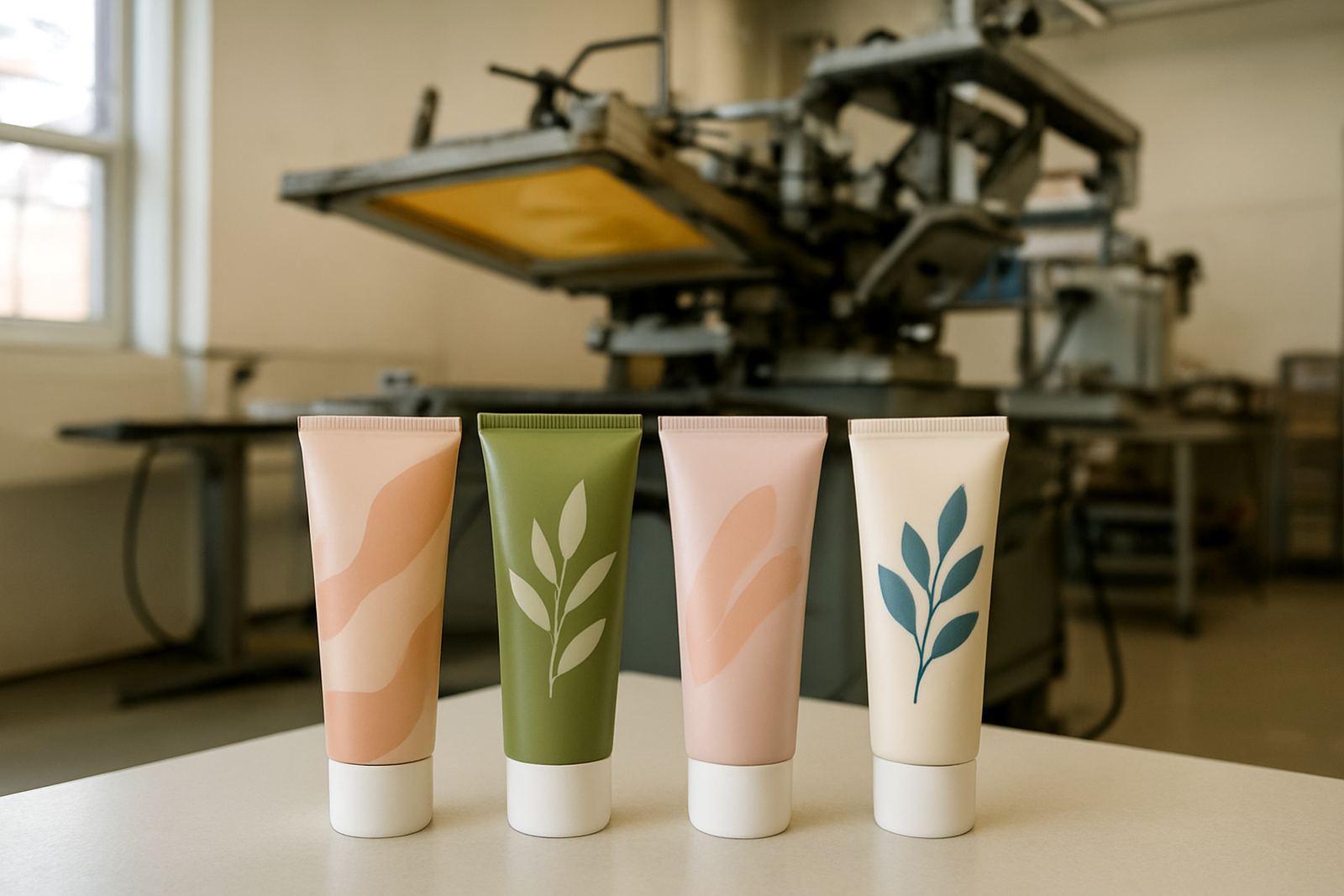
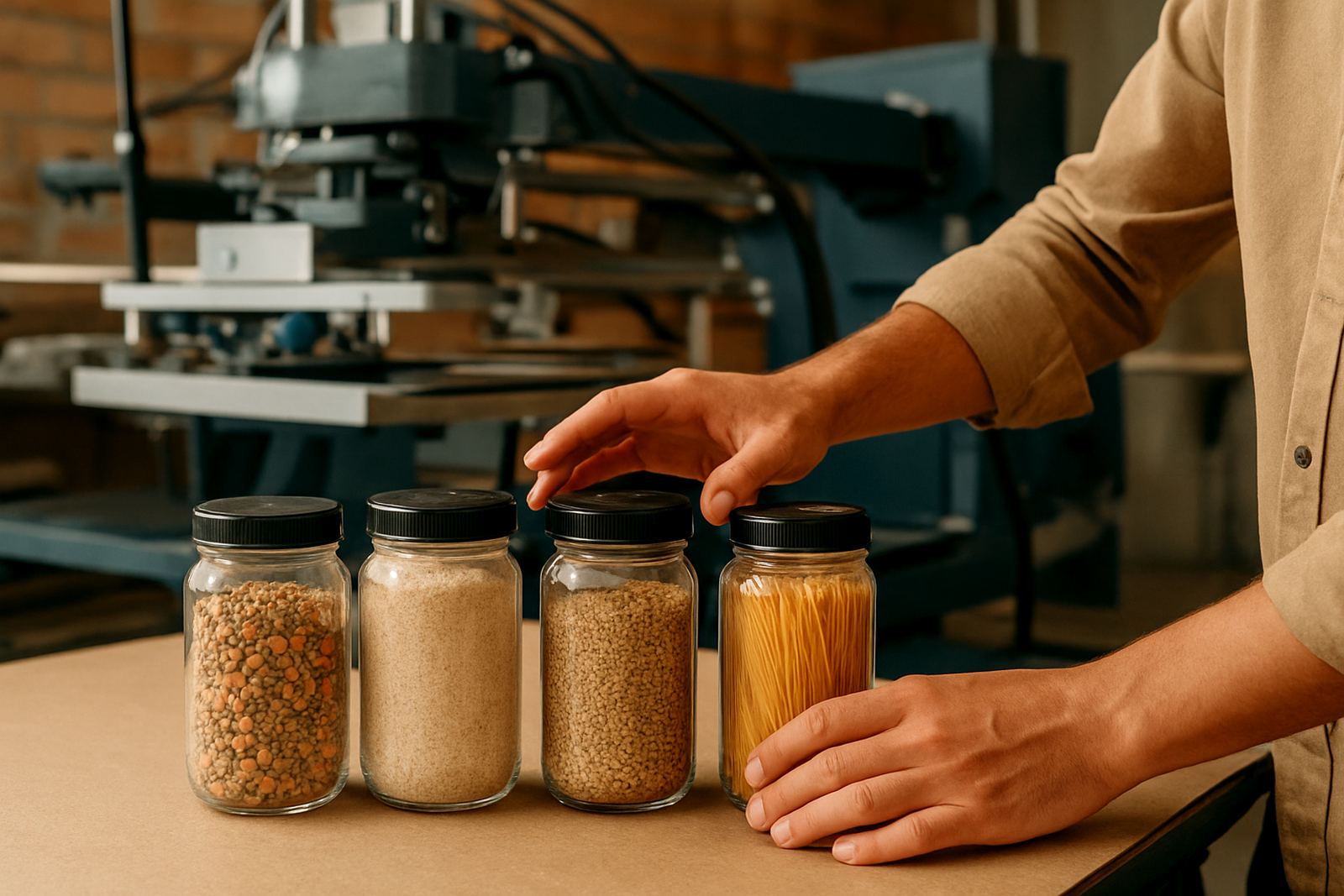
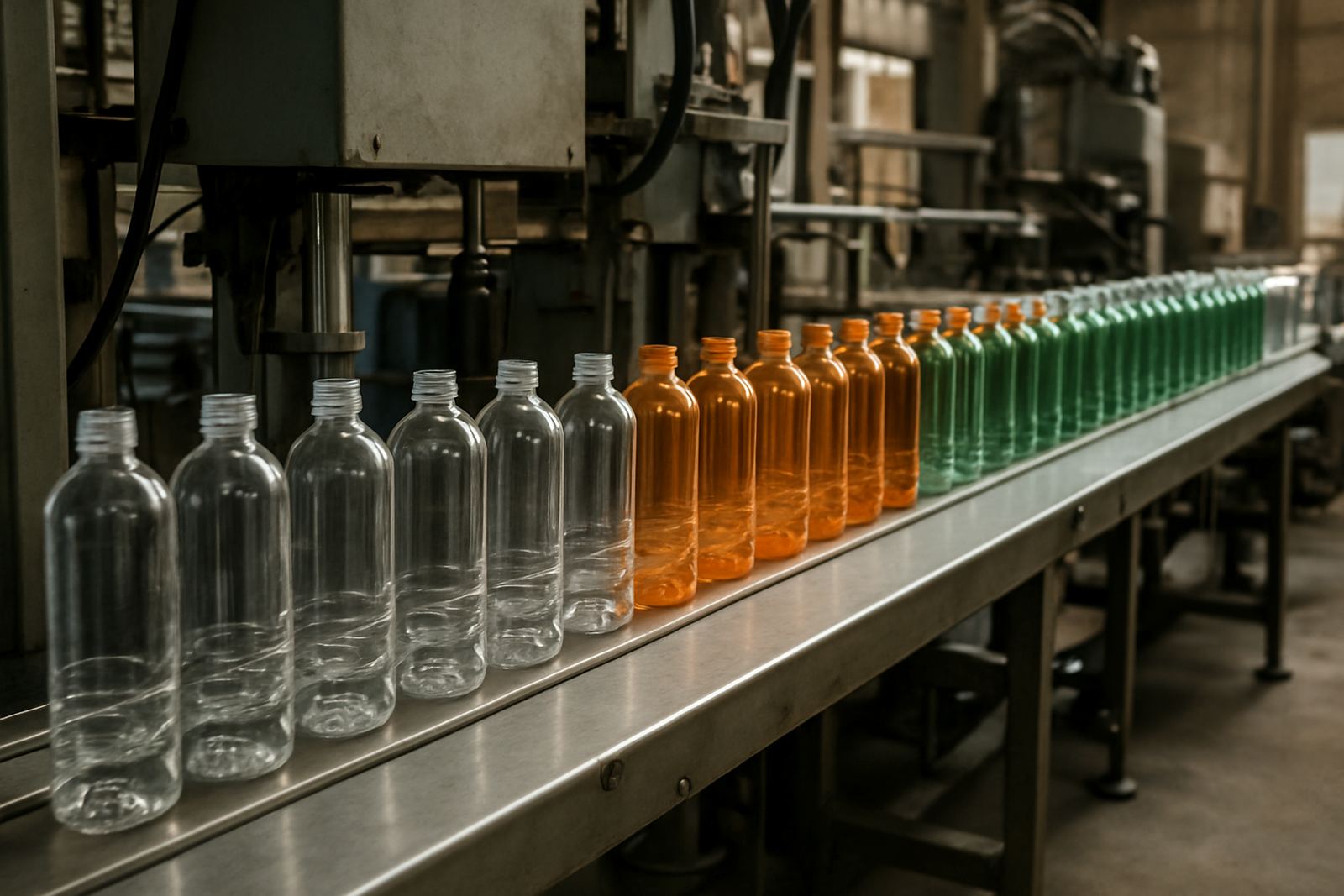
Round beverage bottles bring their own challenges. Glass, PET and coated plastic surfaces all behave differently, and a bottle that rolls or flexes even slightly can throw the print off. That is why the printing set-up has to suit the bottle diameter, the decoration area and the production pace. A small craft drinks producer in Johannesburg South will need a different arrangement to a national filler moving cartons out of Durban every week.
Our focus is cylindrical screen-printing for bottles used in water, juice, cold drinks, sauces and related bottled products. The aim is straight-forward: repeatable colour, tidy registration and prints that hold up to handling, chilling and packing. In wet coastal areas like Durban or Cape Town, good ink curing and surface prep matter even more because moisture can affect adhesion if the process is not controlled properly.
For many clients, the first question is not only what machine to buy, but how to match the bottle shape to the print area and the daily output target. A 500 ml round glass bottle for a premium drink line is very different from a slim 330 ml PET bottle, and the screening method has to suit the container wall thickness, neck shape and label spacing.
Typical Equipment Set For Beverage Bottle Work
Most beverage bottle operations need more than one item. A workable set-up usually includes a cylindrical screen-printing machine, screens, drying or curing support, and the consumables needed to keep colour consistent. We also help with screen making and screen reclaiming so your team can keep moving without waiting for outside turnaround time.
- Cylindrical screen-printing machine matched to the bottle diameter
- Printing screens prepared for the correct artwork and mesh count
- Fixtures or guides for stable bottle feeding
- Ink handling and colour setup support
- Curing or drying area suited to the ink system being used
- Spare parts and basic wear items for daily operation
For smaller production rooms, a compact machine with manual or semi-automatic loading can be enough. For higher volumes, a more automated arrangement reduces handling time and helps keep prints consistent across the shift. Thabo Mokoena and the technical team regularly assist clients who are scaling from a few hundred bottles a week to proper production runs, and the choice of set-up changes quickly once volume starts climbing.
Planning The Work Area Before Installation
Good results depend on layout. If the bottle flow is awkward, the machine will never run at its best. We advise clients to plan the loading point, print station, drying space and packed goods area before the machine arrives. In Aeroton or Midrand, space can be tight, so it pays to measure properly and allow a safe walkway for operators and maintenance access.
Power supply is another point people overlook. Some sites have unstable supply or load-shedding interruptions, so it helps to plan changeover, drying and restart procedures in advance. A small production room may only need a modest electrical load, but once compressors, heaters or curing gear are added, the real power demand becomes clearer. We recommend checking the panel, cable runs and plug points before installation day, not after.
For municipal compliance and workplace safety, bottle printing areas should allow for ventilation, clear emergency access and sensible storage of inks and cleaning materials. If bottles are coming in from filling and capping nearby, the routes should stay uncluttered so there is less chance of breakage. It sounds basic, but a tidy flow saves time every single day.
Common Mistakes That Hurt Print Quality
Many bottle print problems come from setup errors rather than the machine itself. Uneven clamping, dirty bottle surfaces, poor screen tension or rushing the colour setup can all lead to blurred edges or patchy ink laydown. We see this often where a business buys equipment first and only later realises the bottle shape needs specific handling.
- Using one setup for several bottle diameters without checking registration
- Ignoring surface contamination from dust, release agents or condensation
- Choosing a screen mesh that is too coarse for fine text
- Placing the print zone where the bottle curves too sharply
- Skipping operator training and expecting perfect output on day one
- Leaving no spare screens or spare parts on site
Another common issue is treating bottles like a flat product. Cylindrical printing needs stable rotation, the right squeegee pressure and careful cure control. If the bottle slips even a few millimetres, the print can wander and the job becomes expensive very quickly. Farieda Jacobs often finds that a short operator session saves far more money than repeated rework later.
Budget Ranges For South African Production Budgets
Budgets vary depending on the bottle type, output rate and how much support you want from the start. A basic entry-level beverage bottle setup for a small operation can begin around R85 000 to R160 000, depending on machine specification and accessory requirements. Mid-range production set-ups commonly sit between R180 000 and R420 000, while more specialised or higher-output lines can go beyond that once automation, extra tooling and support equipment are included.
It is also worth budgeting for training, installation, screens, layout changes and initial maintenance parts. Many businesses focus only on the machine price and then get caught by the surrounding items that make the job work in practice. A realistic budget should cover the first round of screens, set-up time, and enough spares to keep production moving if there is a breakdown or delay.
For clients in Pretoria, Durban, Cape Town and across the country, we usually discuss the full picture before quoting. That way the business can compare a lean start-up option against a more productive set-up with better throughput. The cheapest path is not always the best value if the machine is under-sized or the bottle format changes later.
Nationwide Support For Install, Training And Repairs
Bottle Screen Printers works from Aeroton in Johannesburg and installs nationwide. We support beverage bottle operations with machine installation, site setup, operator training, colour setup help, production optimising, preventive maintenance and breakdown repairs. If your team is in Johannesburg South, Midrand, Pretoria, Durban or Cape Town, we can plan around your location and production window.
Our approach is practical. We check the bottle size, expected output and available floor space, then advise on the most suitable equipment and support items. We also help with screen making and reclaiming so your print room is not waiting on outside suppliers for every small adjustment. When a client needs spares quickly, a direct line to the right person matters and that is where Sibusiso Nene and the service team become useful.
If you are setting up a new beverage bottle line or improving an existing one, the aim is simple: steady production, fewer rejects and prints that look clean on the shelf. A good setup should be able to cope with local conditions, from humid coastal factories to busy inland production floors, without constant trouble.
For more details or to discuss your bottle range, send a message through our contact form.