Why cosmetic bottles need a cleaner print standard
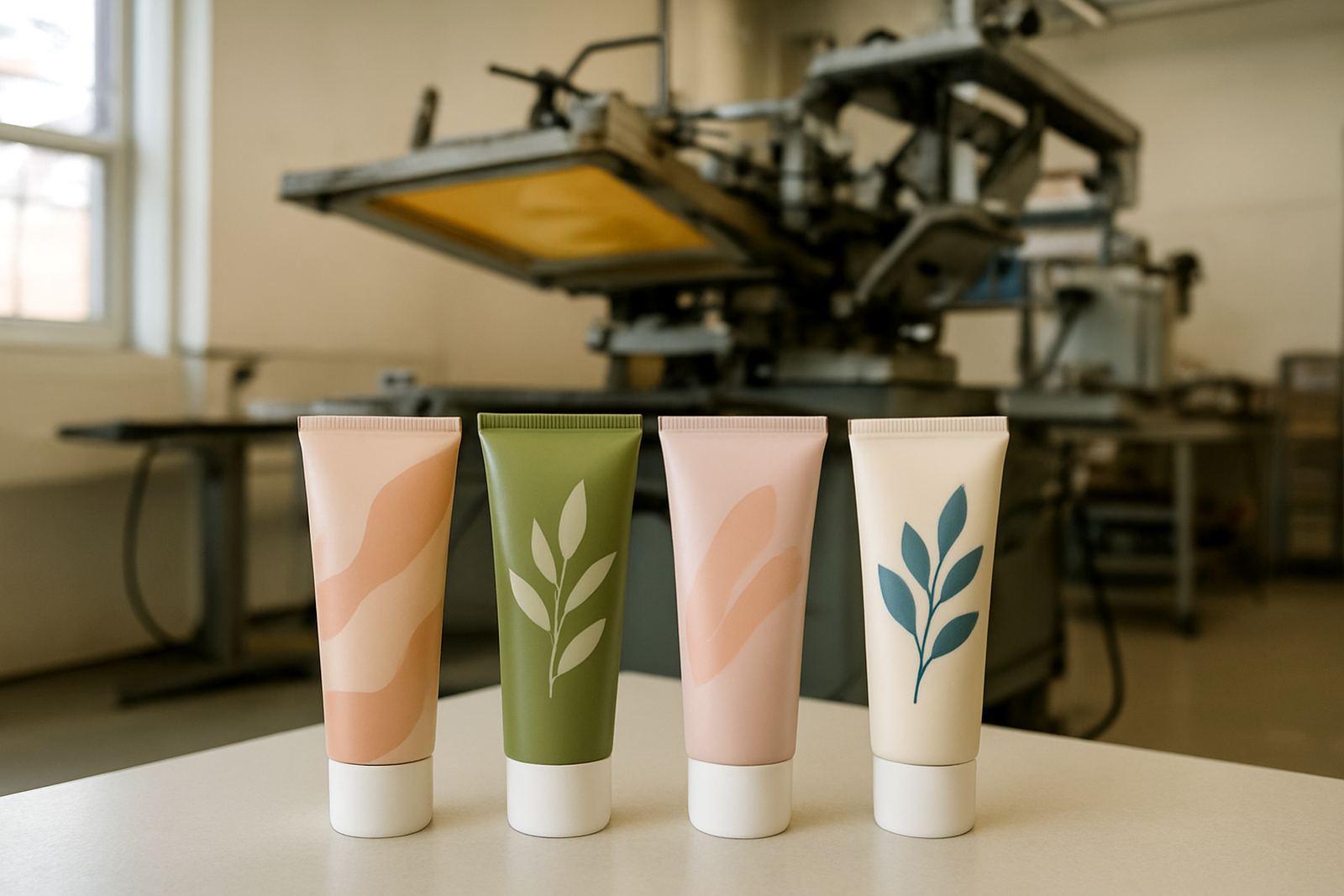
Cosmetic packaging carries a very different expectation to many other product lines. A lotion bottle, serum tube or body wash container sits on a shelf where every line and logo is visible, so print quality has to be neat, even and consistent. A slight shift in register or a patchy colour laydown shows quickly, especially on clear or pale plastic. For many brands, the aim is not only decoration but also a finish that looks stable after handling, wiping and transport.
In South Africa, cosmetic runs often start small and grow in steps. A salon range in Johannesburg South may need 500 units for a launch, then 5 000 units once stock starts moving. That means the printing set-up must be practical for short runs, repeat orders and different container sizes. We work from Aeroton, Johannesburg, and support installs nationwide, including Midrand, Pretoria, Durban and Cape Town. Founded in 2007, our team understands the pressure of keeping production moving when schedules are tight and power interruptions or supplier delays can affect plans.
Typical equipment for lotions, serums and tube packs
For cosmetic bottles, the usual setup is a cylindrical screen-printing machine matched to the container shape, plus screens made for the artwork and ink system being used. The right screen count, mesh choice and curing method depend on the bottle material and the finish required. Many cosmetic customers also need a practical workflow for loading, printing, curing and packing, because the product must look uniform across the whole batch.
A standard equipment set may include:
- Cylindrical screen-printing machine sized for small diameter bottles and tubes
- Screen frames for one-colour or multi-colour cosmetic artwork
- Jigs or supports for stable bottle positioning
- Drying or curing support suited to the ink process
- Screen-making and screen-reclaiming tools for repeat jobs
- Basic spares for rollers, clamps and wear parts
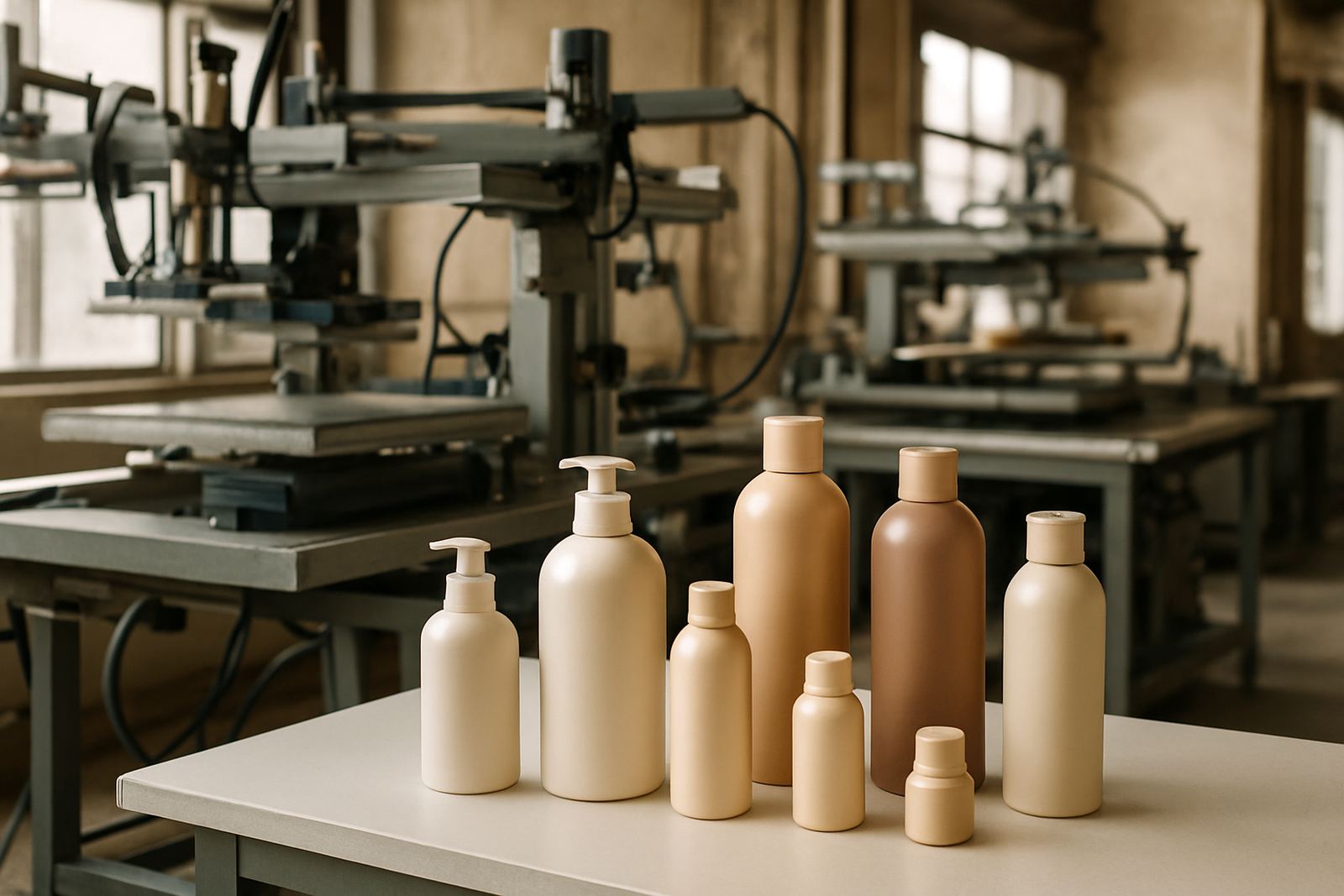
For many beauty clients, the first decision is whether the bottle will be printed on a flat panel, around the curve, or on a full wrap. That affects machine choice and setup time. A serum bottle with a narrow neck may need different handling to a wide lotion container, and a soft tube has its own pressure and alignment needs.
Planning the print area before the first run
Good cosmetic print results start with layout planning. The print room should allow for clean incoming stock, a stable printing surface and enough room for screen changes without knocking bottles or wet prints. If your site in Aeroton, Pretoria or Durban has a mixed production floor, keep the print area away from dust, carton cutting and heavy foot traffic. Cosmetic packs show dust and scuff marks very easily.
Operators also need enough light to check registration marks, ink coverage and bottle finish. In humid coastal areas like Durban or Cape Town, drying times and screen storage need extra attention because moisture can affect consistency. Inland sites in Johannesburg or Midrand may face less humidity, but load-shedding still needs planning. If your production depends on daytime output, it is worth mapping where backup power, manual changeover and finished goods holding will sit before the machine arrives.
- Measure the container diameter, height and print area before ordering screens
- Confirm the bottle material so ink and drying method are matched correctly
- Allow space for screen storage, reclaiming and drying racks
- Plan stock flow so printed items do not get scratched before packing
Common mistakes on cosmetic packaging
We often see the same mistakes when cosmetic lines are being set up. The first is choosing artwork that is too fine for the bottle size. Fine text can look good on screen but break up on a curved surface, especially if the bottle tapers or has a glossy finish. The second is treating every container as if it prints the same way. A 30 mm serum tube and a 75 mm lotion bottle are not the same job and should not be set up the same way.
Another common issue is skipping test prints before a production run. On cosmetic packs, even a small shift in position can make the brand look untidy. We also see teams trying to push through worn screens for too long. That saves time in the short term, but it often leads to poor edge definition and wasted stock. Screen reclaiming and regular inspection help avoid that. If the print is meant to support premium packaging, then machine stability and operator training matter as much as the artwork itself.
Our technical sales and support team, including Johan van der Merwe, Anele Dlamini and Farieda Jacobs, helps customers check the details before production starts. That includes colour setup help, screen making, installation and operator training so the job is handled properly from the beginning.
Budget ranges for cosmetic bottle printing setups
Budget depends on print width, number of colours, bottle size range and how much production you want to handle in-house. A smaller start-up range for cosmetic bottles, aimed at short runs and limited artwork, can begin around R85 000 to R180 000 for suitable equipment and basic setup support. A more developed production line with better throughput, added tooling and training can sit between R180 000 and R450 000. Larger operations that need higher output, more colour flexibility and stronger process control may go beyond that.
It is also wise to budget for screens, spares, site setup and ongoing maintenance. Preventive maintenance is usually cheaper than a breakdown repair when orders are waiting. If you are working from a site in Johannesburg South or Midrand, you may already have some utilities and floor space in place. If the line is being installed in Durban or Cape Town, factor in freight, local access and any building adjustments needed for power or ventilation. Our team can help you compare the cost of buying once versus fixing repeated production problems later.
What Bottle Screen Printers supports on cosmetic jobs
We support cosmetic bottle projects from first enquiry through to production support. That includes machine installation, site setup, operator training, screen making, screen reclaiming, preventive maintenance, breakdown repairs, spares supply, colour setup help and production optimising. For businesses that serve salons, beauty brands, contract packers or promotional ranges, this practical support keeps the print room moving when demand changes.
Thabo Mokoena leads the business as Managing Director, with Naledi Khumalo managing operations and Sibusiso Nene coordinating service. Based in Aeroton, Johannesburg, we work with customers across South Africa and can assist in Pretoria, Durban, Cape Town and surrounding industrial areas. If your cosmetic line needs cleaner branding, better repeatability and a finish that holds up in the market, we can help you set it up properly from the start.
- Contact: our contact form
- Base: Aeroton, Johannesburg
- Support areas: Johannesburg South, Midrand, Pretoria, Durban, Cape Town