Why Chemical Packaging Needs Reliable Print
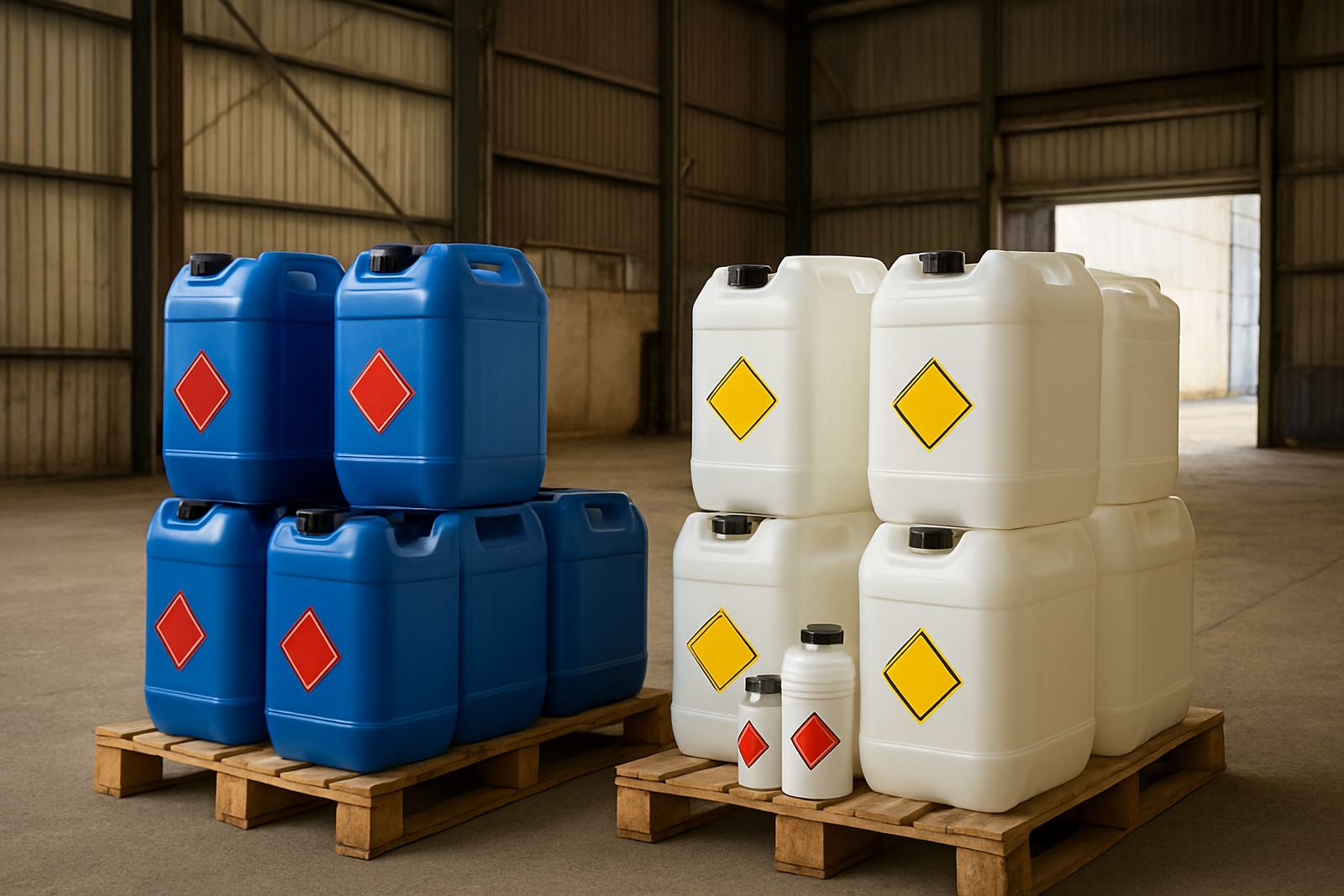
Chemical and maintenance products are often sold in containers that get handled with wet hands, stacked in stores, and exposed to heat, dust or coastal humidity. That means the print has to do more than look good on day one. It must stay readable on fill lines, in warehouses and on shelves from Johannesburg to Durban and Cape Town.
For many South African suppliers, screen printing on cylindrical containers is the practical choice when the same pack size is repeated in volume. It works well on plastic and coated packaging used for degreasers, cleaners, polishes, automotive fluids and industrial maintenance products. The result is direct branding that can hold detail, strong colour and fine type better than many short run labelling options. A tidy print also helps with product differentiation where a range has several scents, strengths or sizes.
Typical Containers And Print Jobs We See
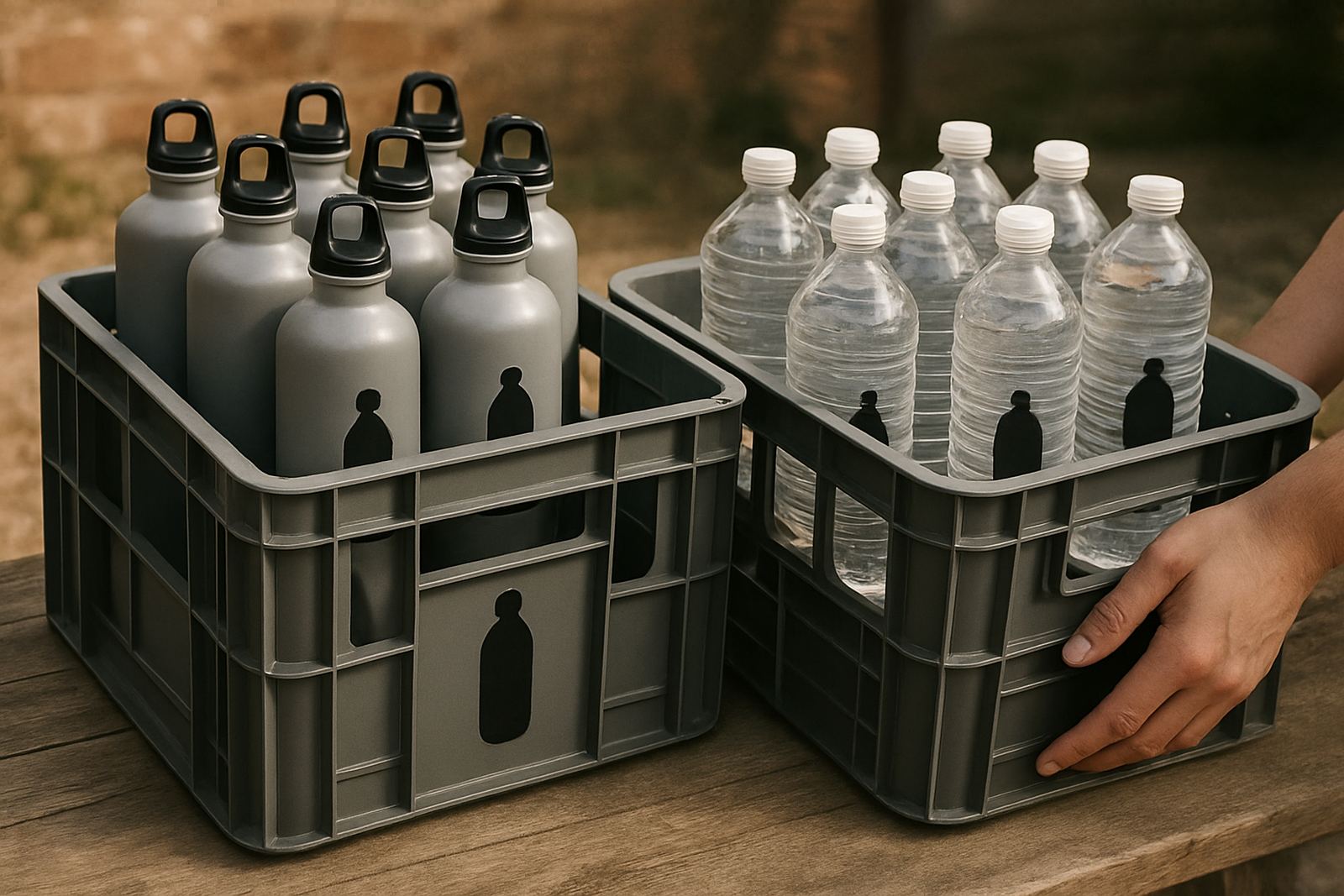
Most chemical packaging jobs fall into a few common shapes. These include round bottles, slightly tapered bottles, tubes, small pails, jars and slim maintenance cans. In many cases the print area is not large, so artwork must be planned around the curve, shoulder and cap line. A good setup gives even image placement and keeps text clear where it matters most.
- 500 ml and 750 ml cleaner bottles for retail shelves
- 1 litre and 2 litre chemical bottles for workshops and wholesalers
- 250 ml to 500 ml tubes for polishes, pastes and sealants
- Small cylindrical jars for specialist maintenance compounds
- Accessory containers used for refill packs and sample sizes
Some packs are smooth and print cleanly. Others have mould lines, texture or slight taper that need extra care in jig choice and screen alignment. If a container flexes during printing, registration can wander and the final pack looks uneven. That is why the container sample should be tested before committing to a full production run.
Equipment Set For A Practical Production Line
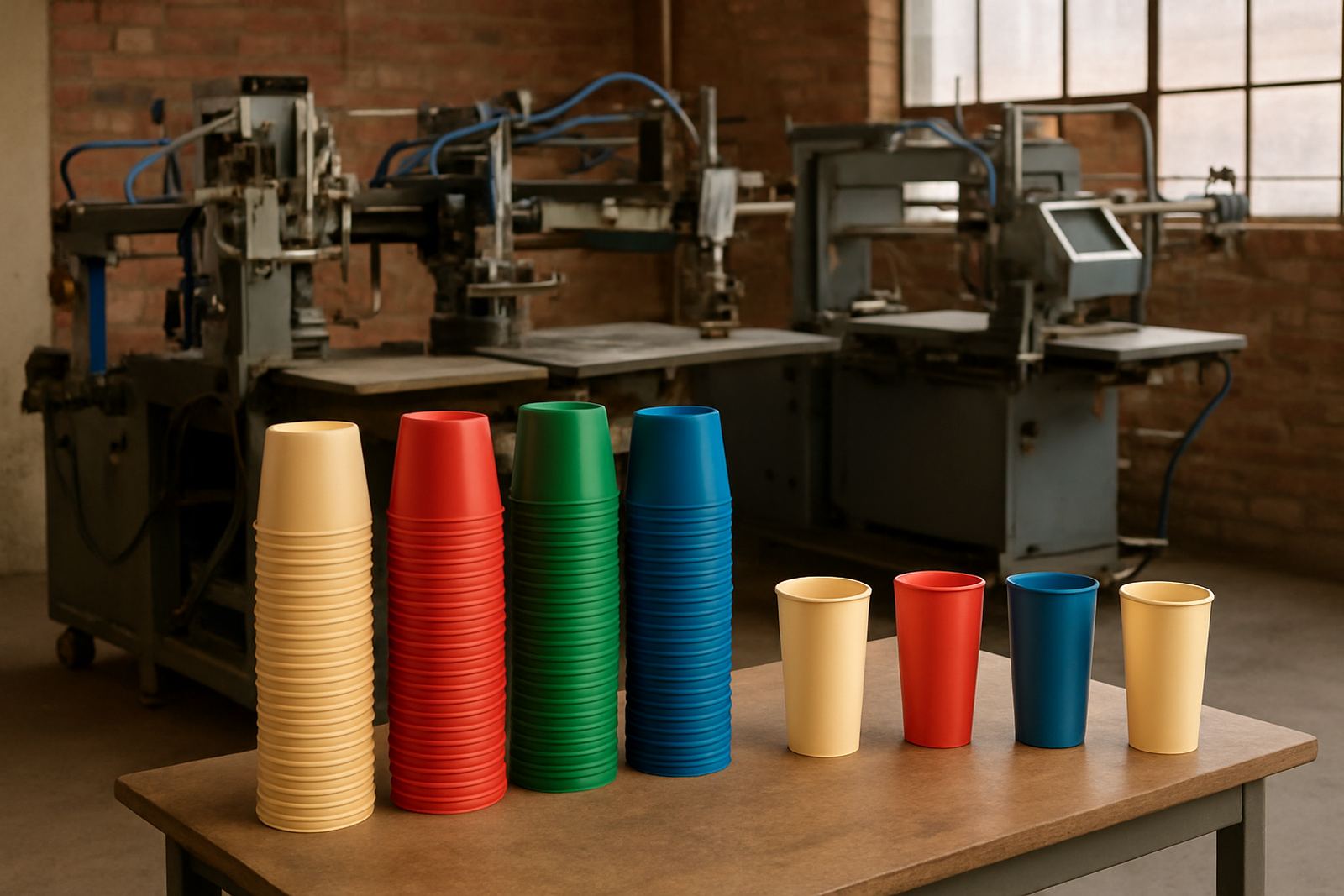
A sensible starting point is a cylindrical screen-printing machine matched to the container diameter and the volume you need per day. For smaller runs or mixed container sizes, a semi-automatic unit often gives better control and lower setup waste. For steady repeat work, a more automated machine can improve output and reduce operator strain. Screen frames, squeegees, curing support and jigs all need to be matched to the product range.
Many chemical pack jobs also need a proper screen-making and reclaiming process so artwork changes do not cause delays. If your work includes white underlay, safety text or two-colour brand panels, accurate screen prep becomes even more important. In hot inland conditions, ink handling must be managed carefully. On some sites load-shedding means curing and drying should be planned with backup power or staged production, otherwise parts of the shift can be lost.
- Machine matched to container diameter and production speed
- Custom jigs or holders for round, tapered or slim packs
- Screen making equipment for repeat branding and amendments
- Clean drying and curing space with dust control
- Basic spare parts stock for quick recovery after wear or damage
Layout And Planning Advice Before Installation
A chemical packaging line works best when the printing space is planned around movement, cleaning and storage, not only around the machine footprint. You need space for incoming empty containers, printed stock, screens, inks, tools and rejected pieces. If the floor is tight, the operator ends up walking too much and throughput drops. Good layout also helps keep wet ink away from dust and open chemicals.
Before install, measure the full container range, including shoulder height, base diameter and any grip ring or recess. Check whether your packs are rigid or slightly soft, because that affects holder design. Also think about changeovers. If you print 500 ml bottles in the morning and 2 litre containers after lunch, the line should allow fast adjustment without repeated trial runs. For sites in Pretoria or Midrand, where order volumes can change quickly, that flexibility saves time.
- Leave clearance for screen loading, cleaning and carton movement
- Keep print, drying and packing zones separate where possible
- Plan for power backup if the site is affected by load-shedding
- Allow a dry storage area for screens and finished stock
- Use a clean water point for reclaiming and wash-up
Common Mistakes On Chemical Containers
The most common mistake is choosing artwork that is too fine for the container size. Small warning text, thin lines and tiny batch marks can disappear once the print wraps around a curve. Another problem is pushing one screen setup across several container sizes without checking the curvature. That often leads to distortion near the edges or poor ink transfer on the shoulder.
Colour control is another issue. If you are printing bold brand colours on white, black or amber packs, ink density must stay steady across the run. Inconsistent pressure or a dirty screen can change the shade from one batch to the next. We also see sites underestimating drying time. A pack may feel dry on the outside but still mark when stacked too soon, which leads to scuffing and complaints. Keeping the line tidy and the screens properly reclaimed between jobs reduces these headaches.
Budget Ranges For South African Buyers
Budget depends on the size of the machine, the number of containers you need to print per shift and how much changeover flexibility you want. As a practical guide, smaller semi-automatic setups for chemical packaging can start around R180 000 to R350 000. Mid-range production units with better repeat control and stronger throughput often sit between R350 000 and R650 000. Larger lines, custom tooling and added handling equipment can move beyond R650 000.
Training, installation, site setup and maintenance should be considered separately, along with screens, ink support, reclaim equipment and spares. If your product range includes several bottle sizes, it is worth budgeting for additional jigs and screens from the beginning. That avoids stoppages later when a new container is introduced or a contract changes. For many businesses, the real value is not only the machine price but the reduction in rejected stock and rushed rework.
- Entry level: around R180 000 to R350 000
- Mid-range: around R350 000 to R650 000
- Higher capacity or custom line: from R650 000 upwards
- Allow extra for training, screens, spares and setup
Support For Chemical Branding Across The Country
Bottle Screen Printers works from Aeroton in Johannesburg and supports installs nationwide, including Johannesburg South, Midrand, Pretoria, Durban and Cape Town. That matters for chemical suppliers who need the machine set up correctly the first time and operators trained to keep production steady. A good handover covers colour setup, screen handling, basic fault checks and routine maintenance, so the line does not sit idle when a small issue appears.
For chemical containers, the real test is repeatability. Once a print has been approved, the aim is to keep the same finish through the next batch and the one after that. With proper screen making, preventive maintenance and practical operator support, a business can keep branding consistent without overcomplicating the process. For pricing, technical checks or machine advice, use our contact form.