Start with the machine and the output you need
Begin by matching the machine to the size of the work you want to print. A small setup for sample runs, short batches or custom bottle work needs a different spend than a line that has to handle daily production for Gauteng distributors or coastal brands in Durban and Cape Town. The right choice depends on the diameter range, print length, cycle speed and how many operators you will assign.
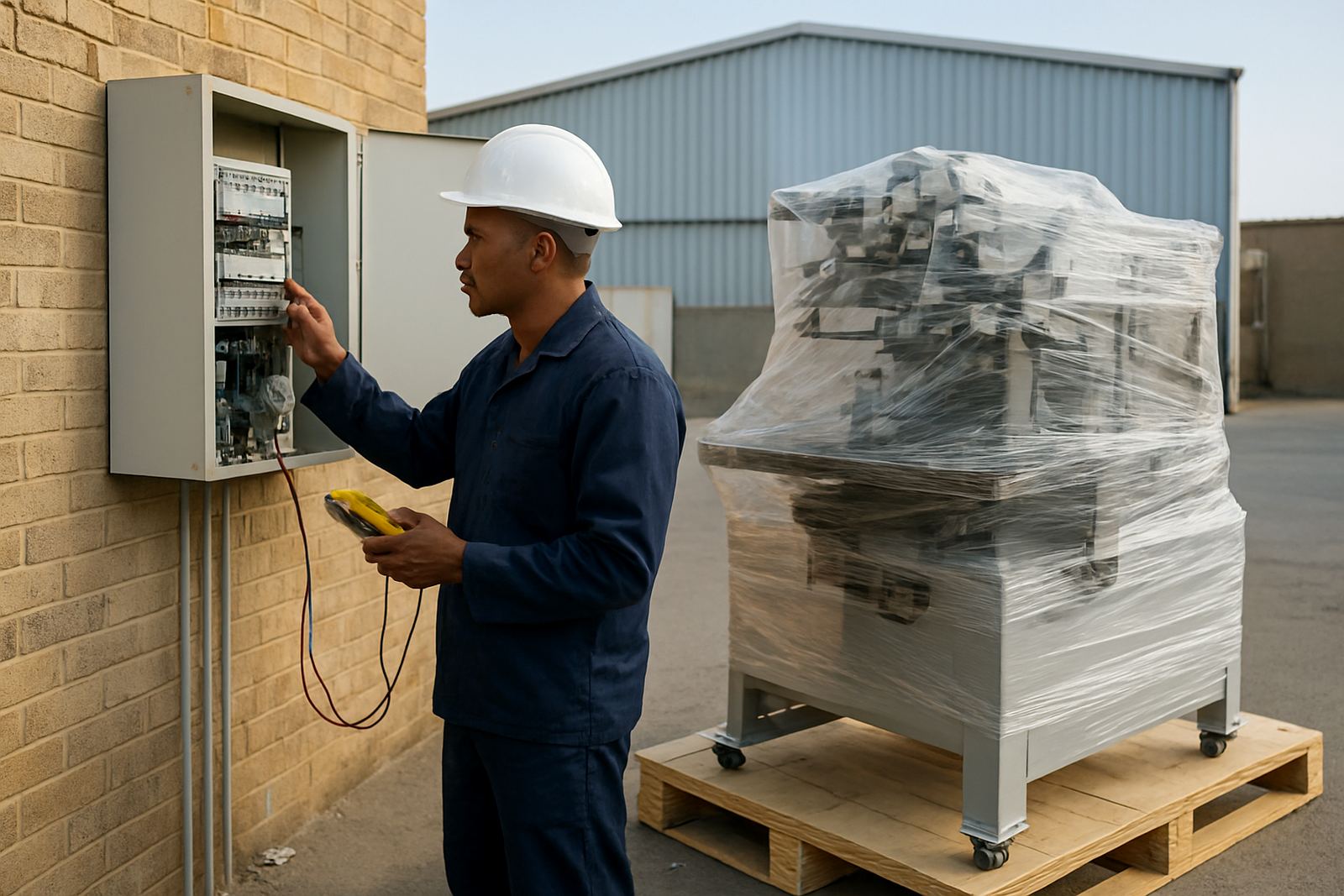
When you budget the machine itself, also allow for delivery, offloading and site positioning. In Aeroton and other industrial areas, access is usually straightforward, but some premises still need a forklift, pallet jack or extra hands for safe placement. If your factory has uneven floors, a tight doorway or limited power points, those items can add to the first invoice.
- Machine price
- Delivery to your site
- Offloading and positioning
- Electrical connection and basic setup
- Any accessories needed for the first run
Budget for screens, frames and artwork changeovers
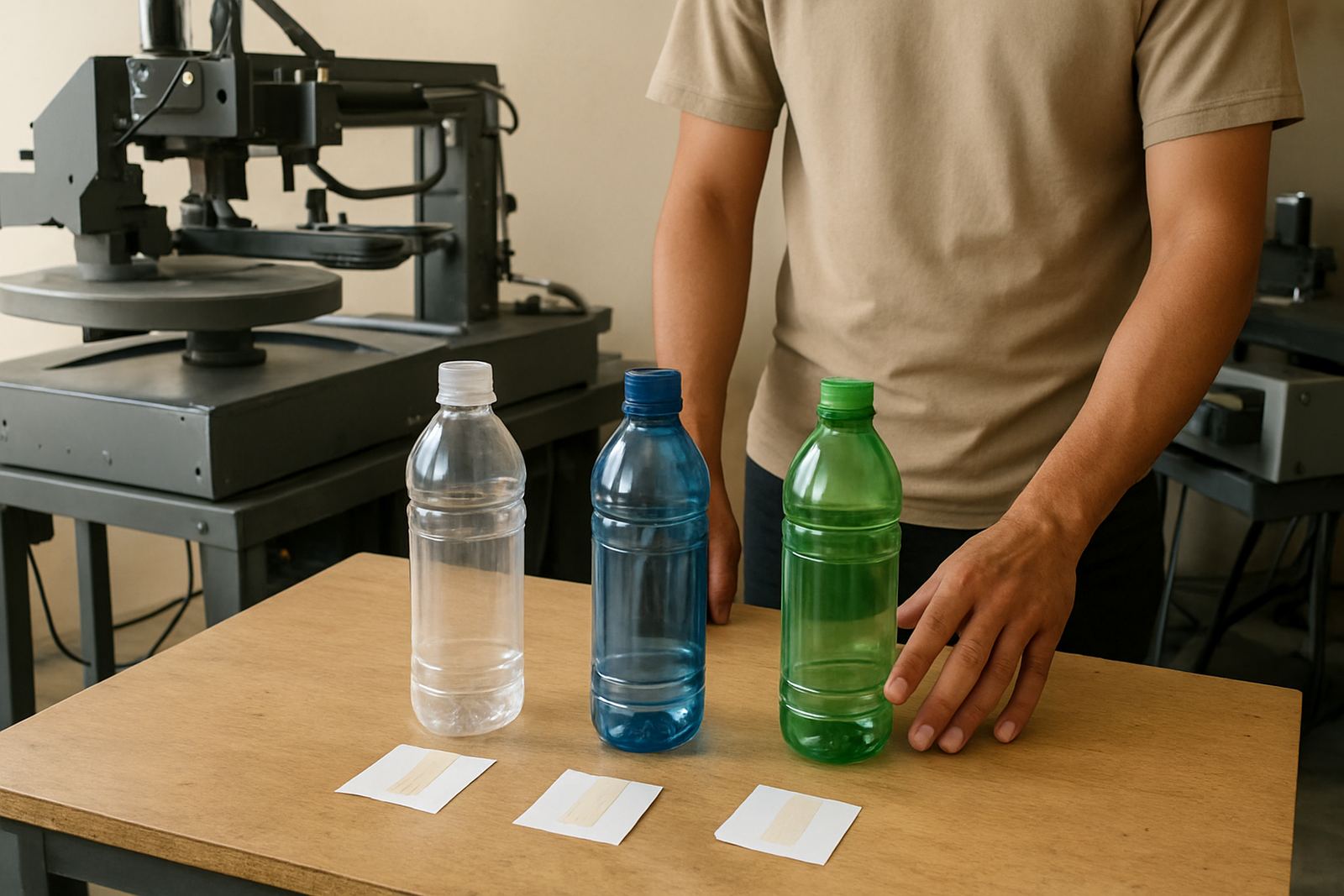
Screens are not a once-off cost if your line handles different products. Bottles, cups and tubes often need separate screens for each size or artwork version, so it pays to budget for a working set from the start. If you only buy enough screens for one design, changeovers can slow production and leave jobs waiting while new screens are made.
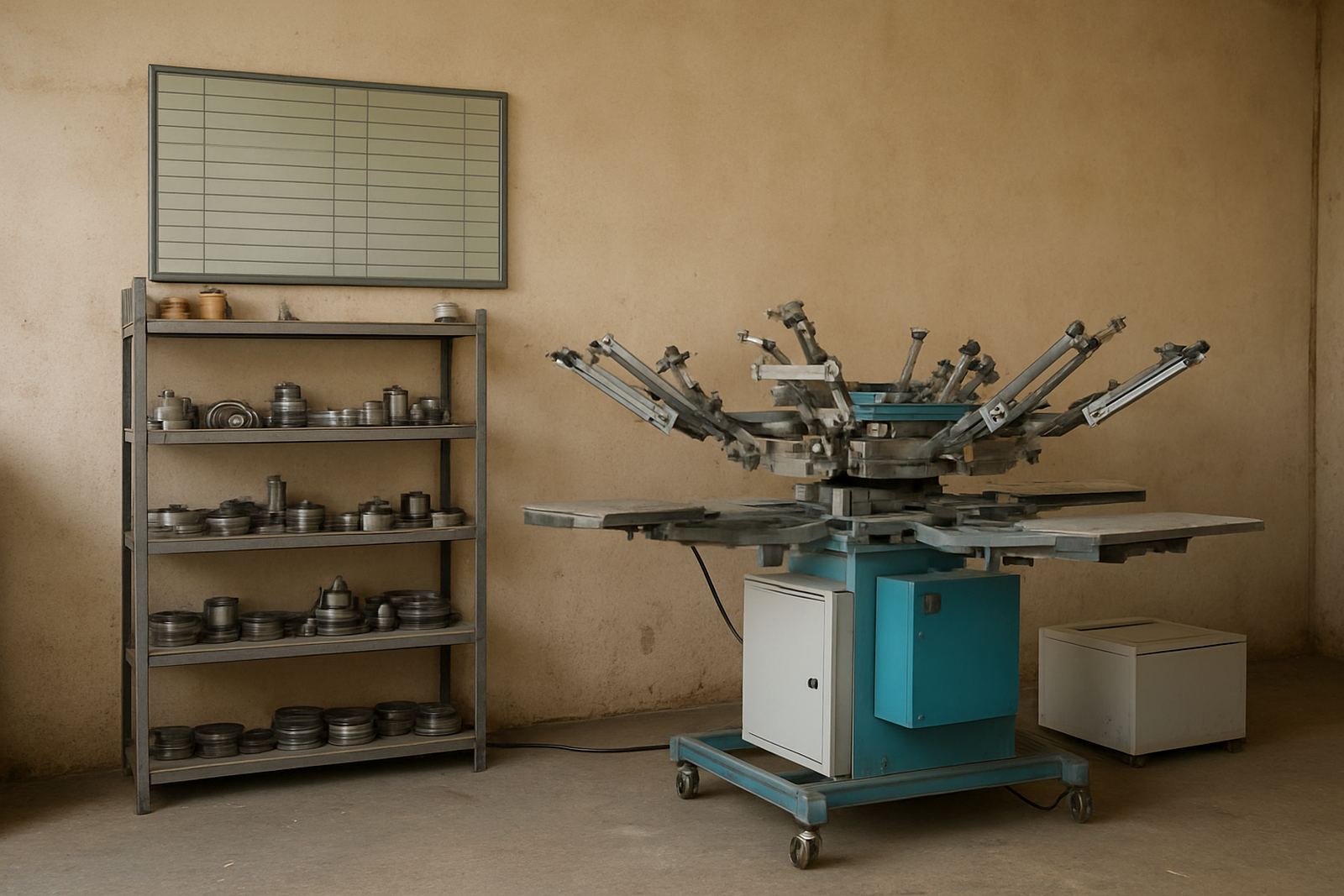
Think about screen making as part of your monthly operating cost, not only a workshop expense. Reusable frames, mesh, stencil consumables and reclaiming chemicals all need to be carried in stock. In humid coastal areas, proper drying and storage matter too, otherwise screens can age faster than they should, and that creates waste.
- Initial screen set for each product size
- Spare screens for repeat orders
- Mesh and coating consumables
- Reclaiming supplies
- Storage racks or drying space
Allow for treatment and curing support items
Good print durability starts before ink goes on the product. Many plastic bottles, tubes and cups need surface treatment so the print can bond properly, and that means extra equipment or support items in the budget. You may also need curing support depending on the ink system and the speed of your line.
Do not leave these items out because they seem small. Treatment units, cleaning materials, lamps, drying space and temperature control can make the difference between a print that lasts and one that fails after handling or washing. In load-shedding conditions, plan for backup power or schedule-friendly production so curing and drying do not stop mid-run. That point alone can save a lot of waste, and a little stress too.
- Surface treatment equipment or setup
- Curing or drying support items
- Ventilation and heat control
- Cleaning cloths, solvents and PPE
- Backup power planning where needed
Add training, setup and the first production run
Even a well specified line can underperform if the team is not trained to use it correctly. Budget for operator training, colour setup help and a proper first-run handover. This is where print consistency, screen alignment and registration are sorted out before deadlines start pressing.
A practical budget should also include time lost to setup. Most factories do not print profitably on day one, because the first few jobs are about getting the feed, cure, ink laydown and handling right. If you are opening in Johannesburg South or sending product between Pretoria and Midrand, build in enough support to avoid costly rework. A rushed start costs more than a proper one.
- Operator training
- Colour setup and registration help
- First batch testing
- Process notes for repeat jobs
- Supervisor time during handover
Keep a maintenance and breakdown reserve
Every production line needs a reserve for wear, routine servicing and the odd breakdown. Rollers, switches, air parts, clamps and moving components eventually need attention. If those items are not in budget, a small fault can stop the whole line while you wait for spares. That is bad for delivery dates and even worse for cashflow.
A simple rule is to keep a maintenance allowance from the first month of production. Preventive maintenance is always cheaper than emergency repairs, and it helps the machine hold registration and repeatability over time. If you are running a single shift in a busy site, the reserve should be higher because there is less time for downtime recovery.
- Preventive maintenance schedule
- Consumable spares
- Emergency repair allowance
- Cleaning and lubrication items
- Record of service dates and faults
Use a practical budgeting checklist before you place the order
Before you sign off, work through the full line from intake to packed product. The machine is only one part of the cost. If you leave out screens, treatment, curing, training or spares, the line may arrive ready but still not be ready to earn. A full budget gives you a clearer picture of what the first 90 days will really cost.
For a cleaner quote, ask for each item to be separated by line item. That makes it easier to compare setups and to plan payments around your production schedule. It also helps when you are presenting the project to finance or operations teams, because they can see exactly where the money goes.
- Machine and accessories
- Screens and screen making materials
- Treatment and curing support items
- Training and setup
- Maintenance and spares reserve
- Delivery, installation and site work