Start with the product you want to print
Before you look at machine sizes or extras, decide exactly what you will print. Bottles, cups and tubes all behave a bit differently. A slim cosmetic tube needs a very different setup to a 750 ml drink bottle or a short takeaway cup. The shape, diameter and material all affect ink choice, screen tension and cure time.
Write down your main product sizes, the expected daily quantity, and whether the container is straight sided or slightly tapered. If you are printing for retail branding, you will also need to know how consistent the artwork must be from one batch to the next. That information helps you choose the right first machine without paying for capacity you wont use yet.
Choose a machine that fits your first production target
For a first purchase, it is usually better to buy for steady production than for the biggest possible output. If you are planning small runs for a local drinks maker in Johannesburg South, or promotional cups for events in Midrand and Pretoria, a simpler setup can be the right choice. If the work will run every day, ask for a machine with better repeat positioning and stronger clamping.
- Check the maximum and minimum container diameter
- Confirm print length and print area
- Ask about changeover time between sizes
- Look at air requirements if the machine is pneumatic
- Ask what happens during load shedding and power dips
A first machine should be easy to learn, easy to maintain and not fussy when the workshop gets warm or dusty. In humid coastal areas like Durban and Cape Town, you may need better control over drying and screen storage too.
Do not skimp on screens, jigs and support gear
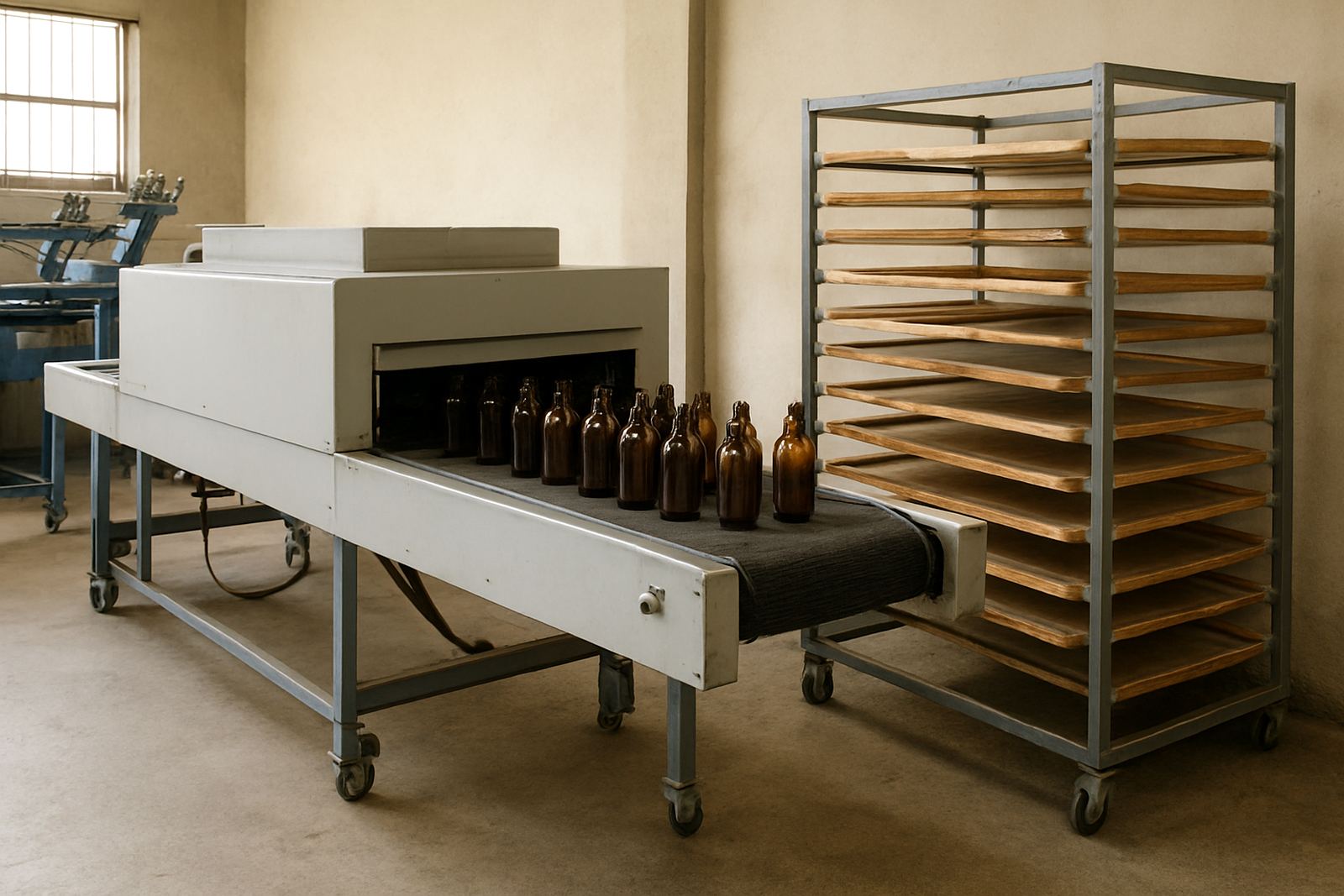
The machine is only part of the setup. You also need screens, frames, jigs, inks, squeegees, cleaning materials and a proper drying or curing method. If one part is missing, production slows down fast. Many first time buyers budget for the machine and forget the rest, then struggle with colour setup or screen preparation.
- Screen frames matched to your artwork size
- Correct mesh for the ink and detail level
- Jigs or holders for each product shape
- Cleaning chemicals and reclaim tools
- Basic spare parts for wear items
Ask what is included in the supply package and what must be sourced separately. It is worth having a few spare consumables on hand so a small fault does not stop the line for two days.
Plan the room before the machine arrives
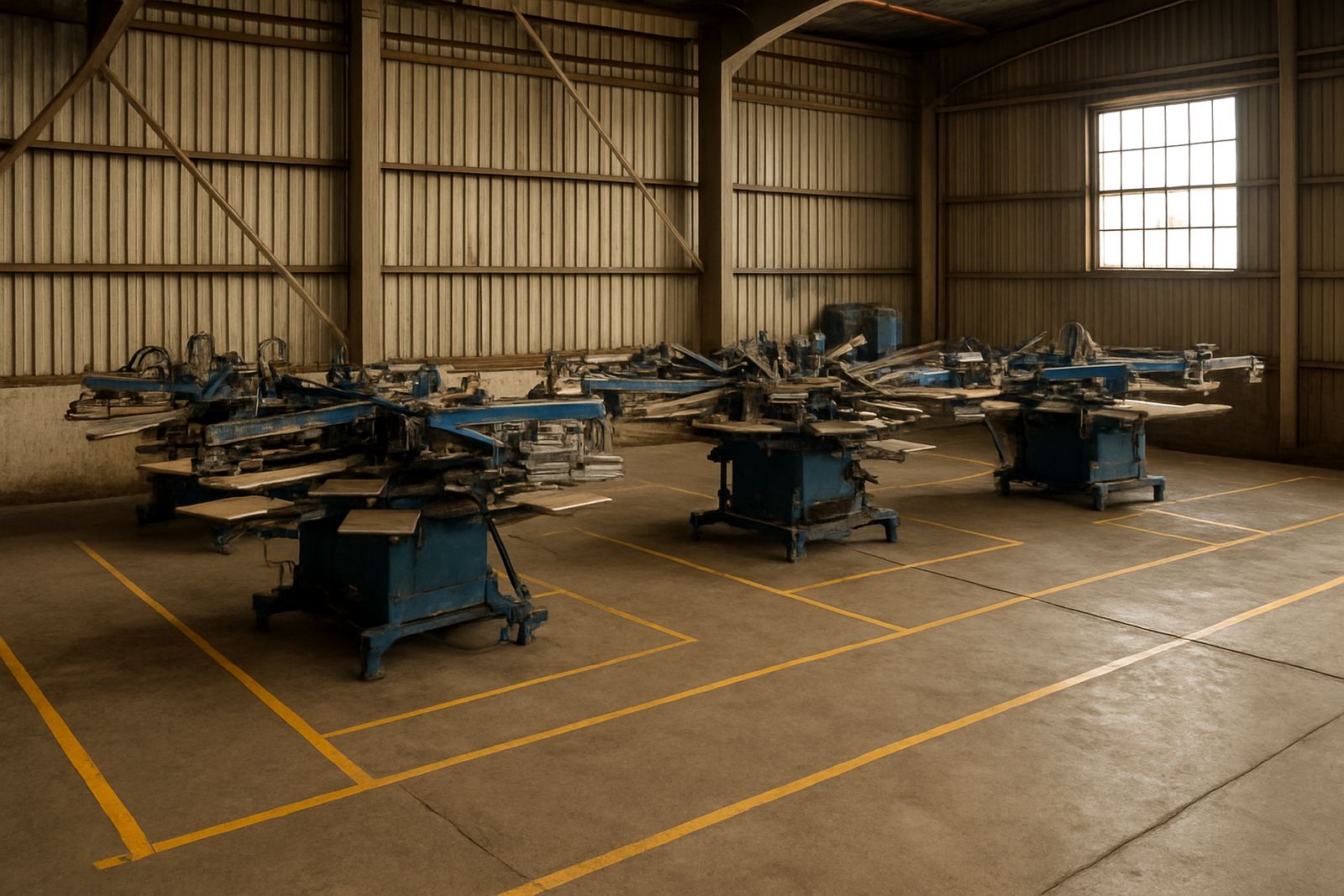
Site setup matters more than most new buyers expect. Even a small machine needs enough space for loading, printing, drying and packing. You also need a stable table, clear walking space and enough room for screens to dry flat and clean. If the floor is uneven, setup and print registration can drift over time.
Think about power points, compressed air, lighting and ventilation. If you are operating in a shared industrial unit, check the landlord rules and municipal requirements for noise, waste handling and fire safety. A tidy room makes training easier and helps the team keep a steady pace when orders pick up.
Ask for training that covers real production work
Good operator training should go beyond switching the machine on. Your team needs to learn screen alignment, ink mixing, print pressure, drying times and how to spot a bad print before a full batch is ruined. If you are new to cylindrical work, colour setup is often where mistakes happen first.
At Bottle Screen Printers, training should also cover the small things that save time later, like screen reclaiming, daily cleaning, and what to check before each shift. That is how you get consistent prints in an Aeroton workshop or at a site install in Durban without relying on one experienced person all the time.
Use a buying checklist before you pay
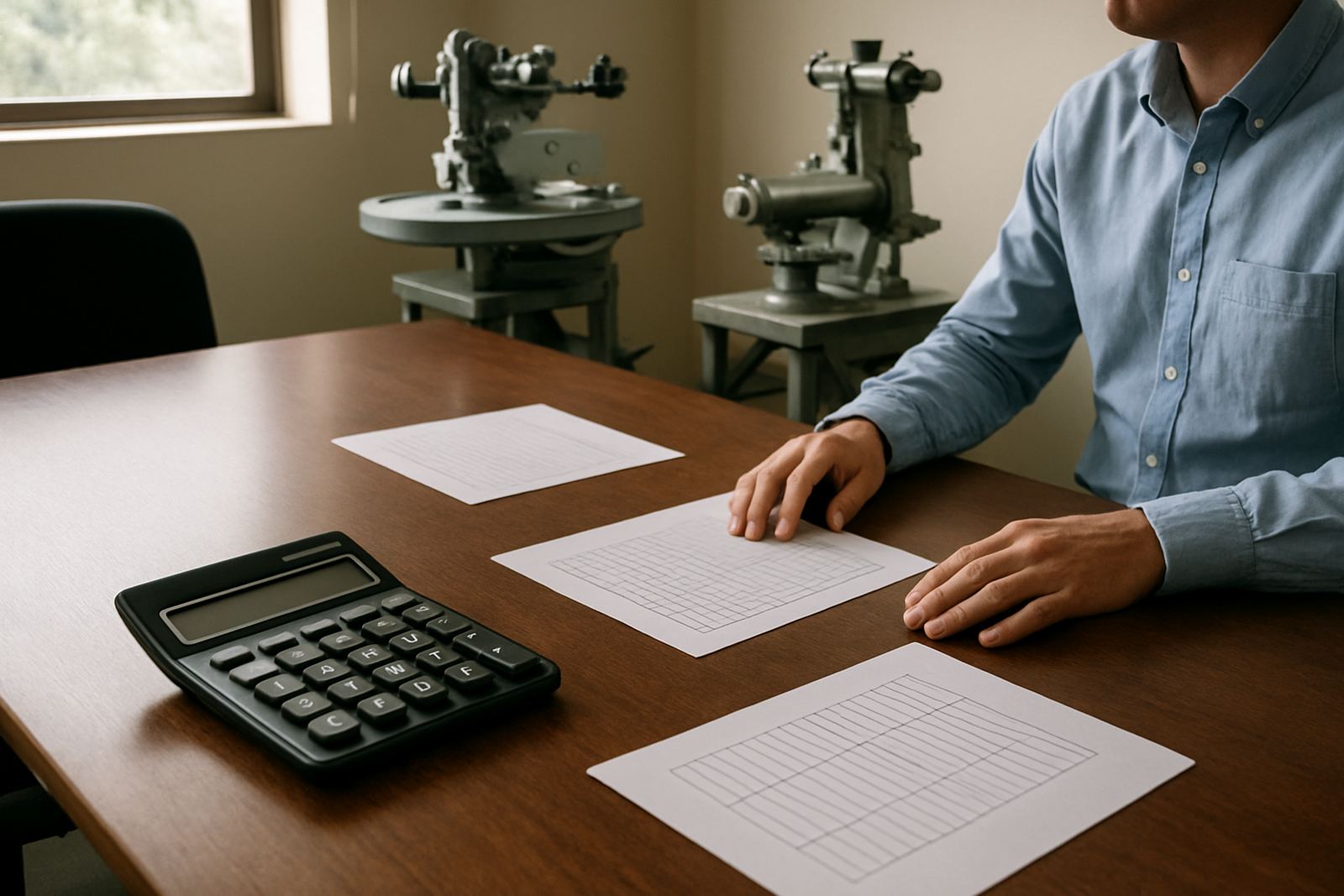
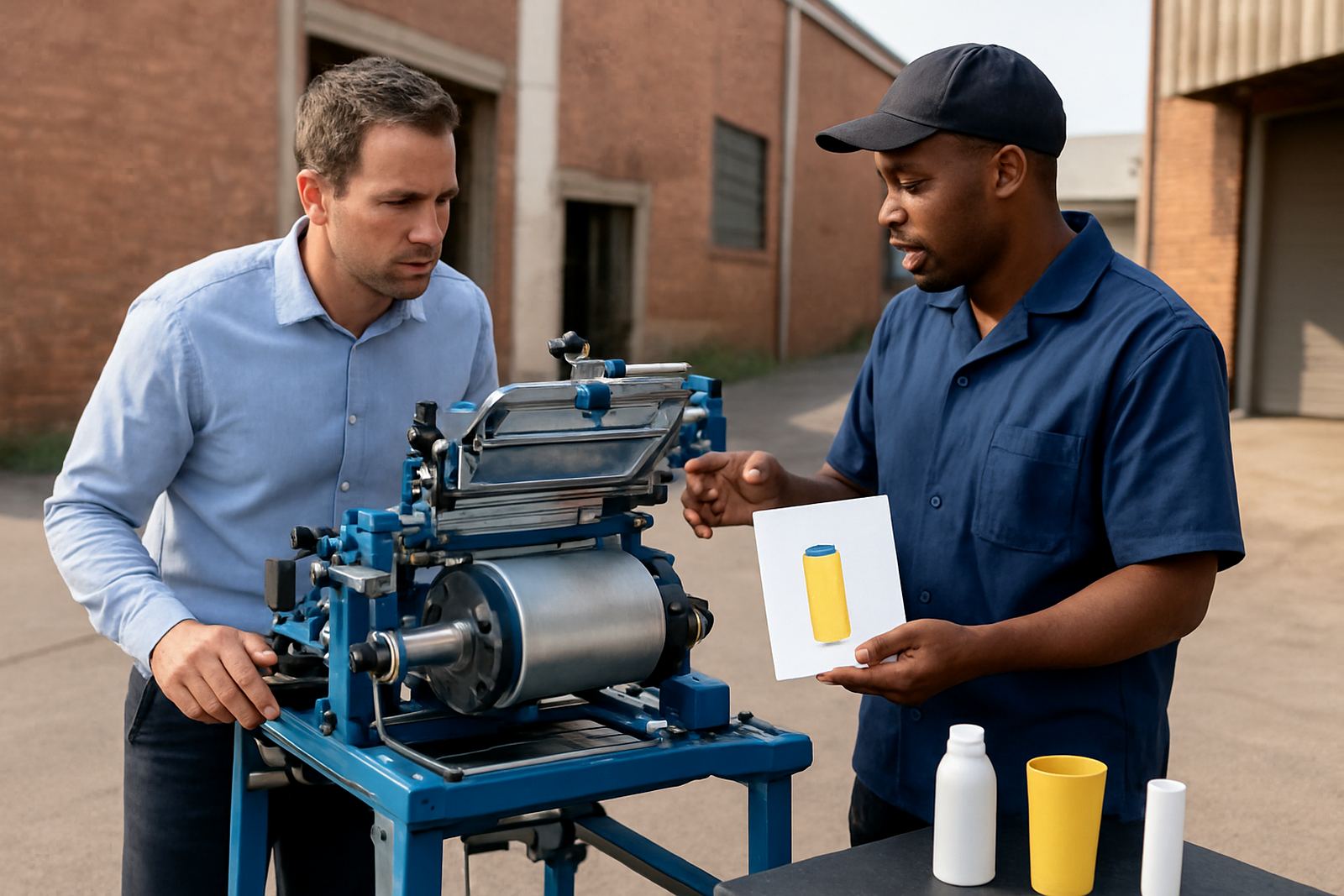
A clear checklist helps you compare quotes fairly. It also stops you buying a machine that looks fine on paper but cannot handle your actual product mix. If you are still comparing options, ask for a demo using the same bottle or tube shape you plan to print. That gives you a much better view of print quality and setup time.
- Does the machine suit your main product range
- Is installation included or charged separately
- Who trains the operator and for how long
- Are spares available locally
- What maintenance is required monthly and yearly
- Can the supplier help with breakdown repairs and production issues
For many first buyers, the right choice is the machine that gives the quickest path to reliable output, not the one with the most features. If support is nearby, parts are easy to get and the setup is practical, you are in a stronger position to grow.