Start with the product range you print every week
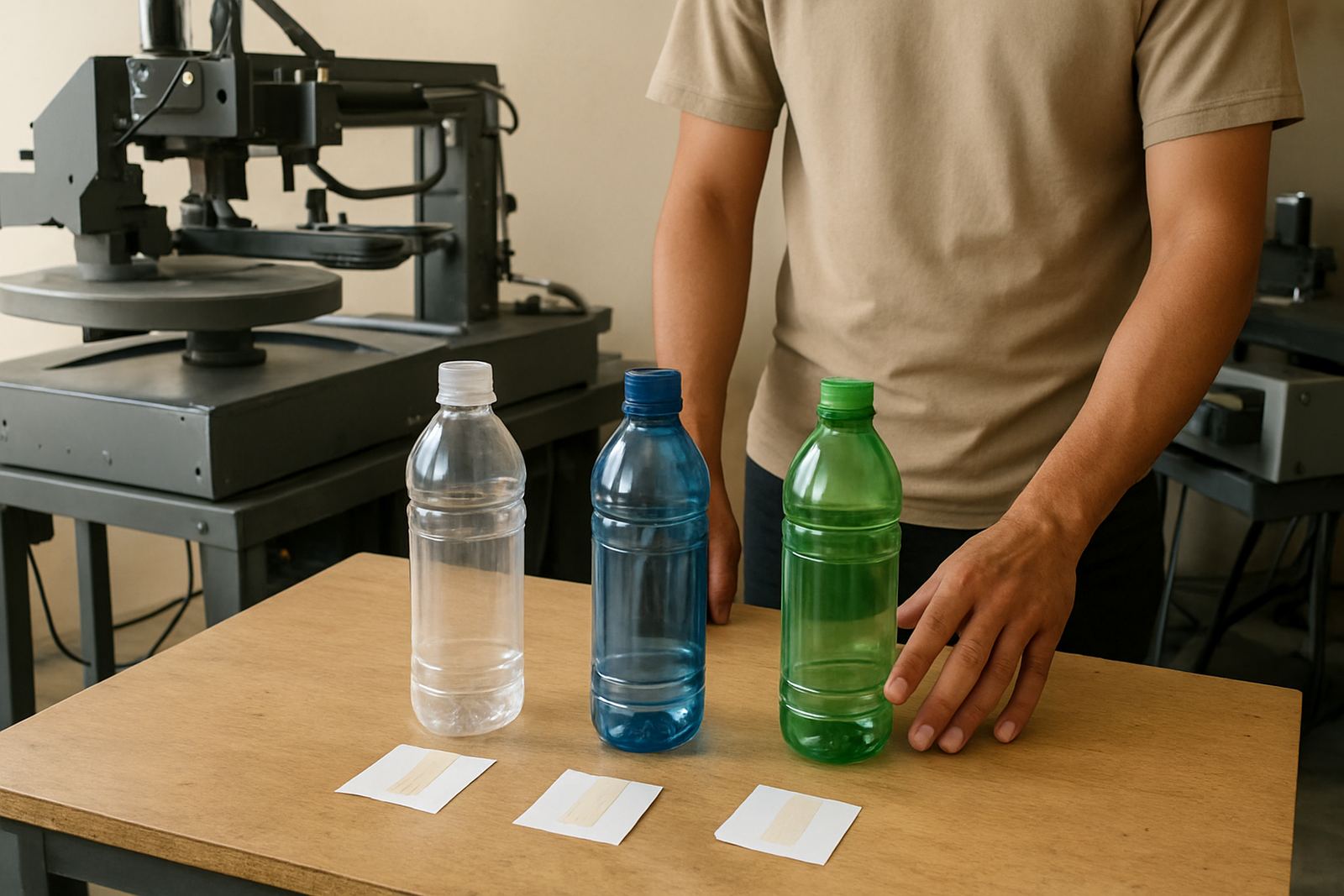
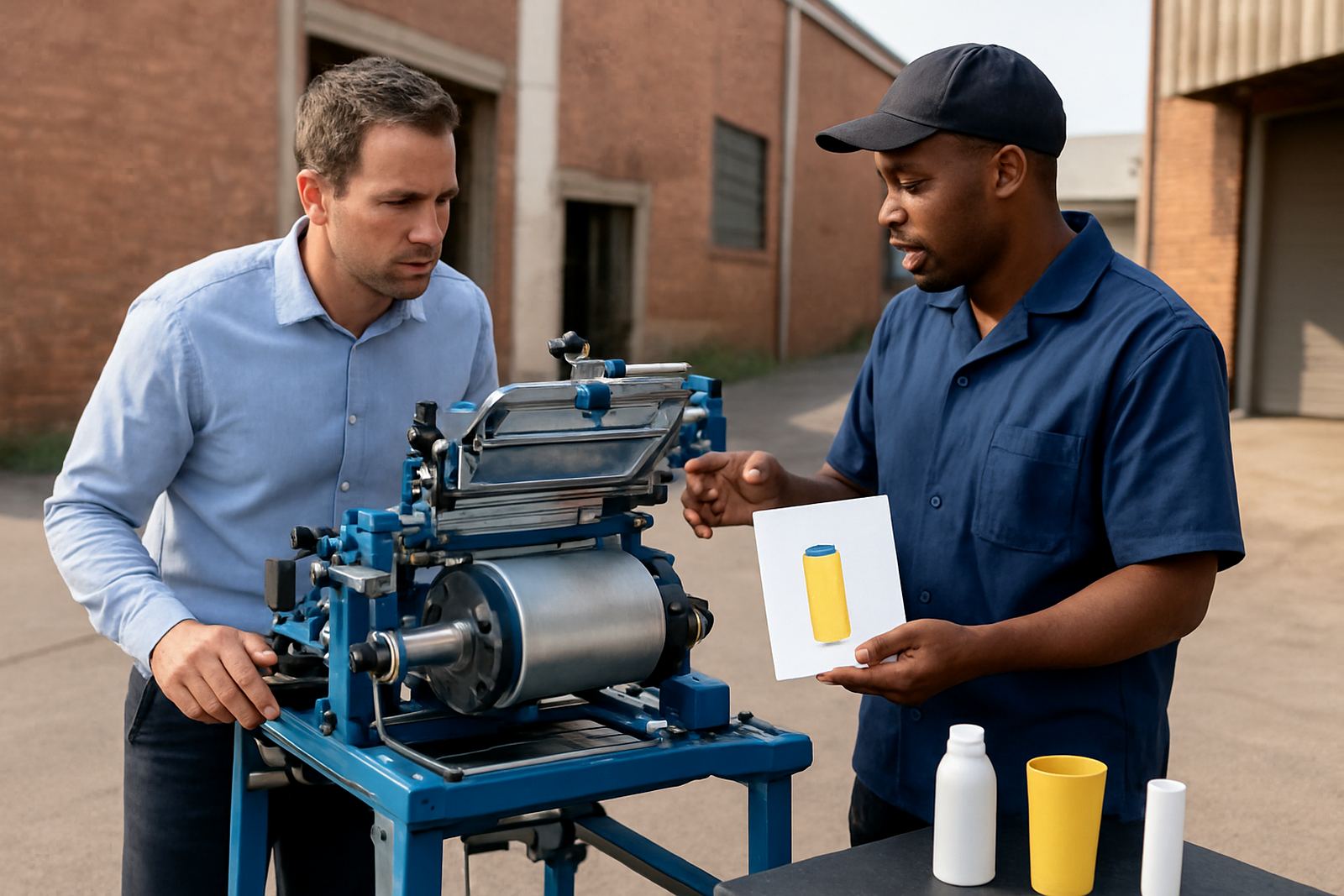
Before you ask for a quote, list the exact items you print most often. A supplier should be able to match screens to the outer diameter, length and material of each product, whether you are running slim PET bottles, wide cups or short tubes. If your range changes by season, ask how easily the same setup can be adjusted for different formats.
For repeat production, consistency matters more than a low once-off price. Screens that suit your current press but do not hold registration on the next batch can cost you far more in rejects and downtime. In Johannesburg, Pretoria or Durban, where many shops run mixed work, it helps to choose a supplier that understands quick changeovers and real factory use.
- List bottle, cup and tube sizes in millimetres
- Note the inks, curing method and daily volumes
- Confirm if you need short-run or long-run screen durability
- Ask whether the same screen format can be remade later
Check the mesh, frame and tension for repeat quality
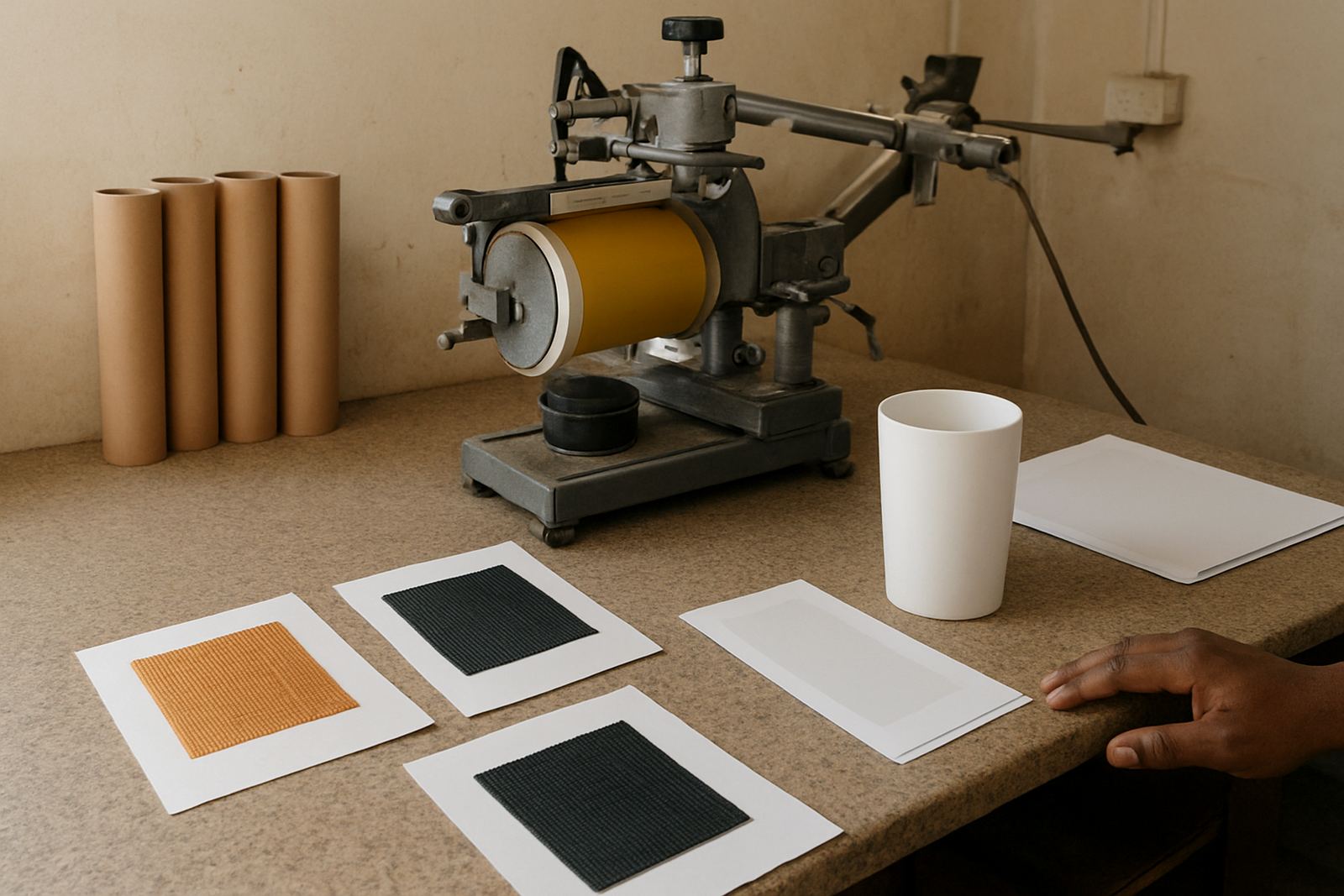
The screen itself must hold tension and stay stable through a full shift. Look for even mesh tension, clean frame construction and a setup that supports fine detail without breaking down after a few runs. If your work includes small text, logos or thin line work, ask what line counts are recommended for the finish you want.
Good suppliers will speak plainly about ink deposit, drying time and how the screen will behave in humid coastal areas like Cape Town or Durban. In those conditions, poor mesh choice can show up as blurred edges, slow curing or screen blockage by mid-morning.
- Ask for mesh count guidance based on ink type
- Check that frame edges are square and safe to handle
- Find out how the screen holds up in heat and humidity
- Ask what cleaning method is best for the mesh and frame
Ask how the supplier handles screen making and reclaiming
A supplier should not only sell screens, they should help you keep them usable. Screen making must be accurate, while reclaiming should remove old image material without damaging the mesh. If reclaiming is rushed or harsh, your next print job may start with poor tension or ghosting on the screen.
For businesses in Aeroton, Johannesburg South and Midrand, it is worth asking whether the supplier offers screen making, screen reclaiming and colour setup help under one roof. That saves time when a job changes and the client wants a repeat run next week.
- Check if artwork setup is included or charged separately
- Ask how many reclaim cycles the mesh can handle
- Confirm turnaround times for urgent repeat orders
- Find out if screens are checked before dispatch
Make sure installation and operator training are part of the deal
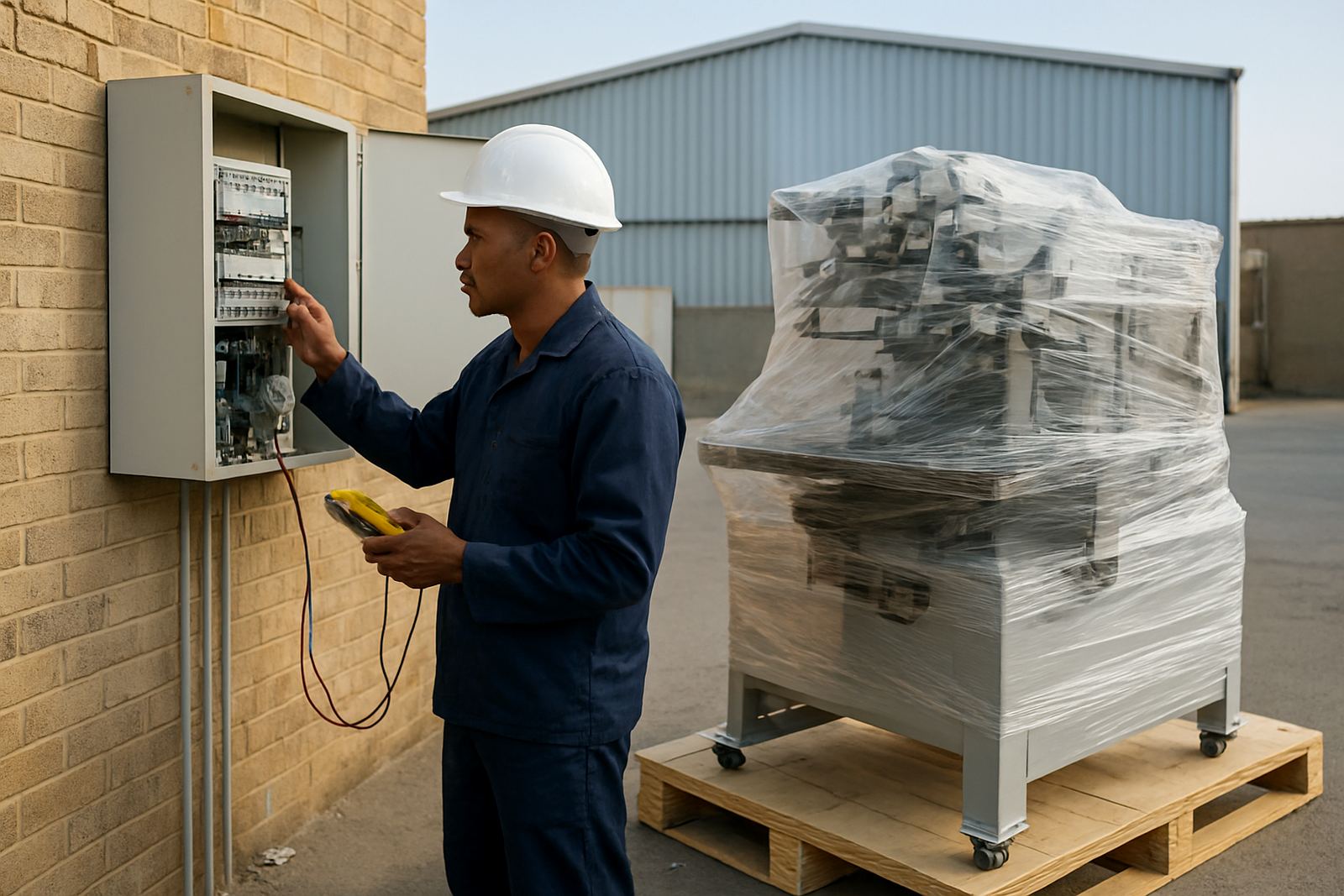
Even a good screen supplier can cause losses if the machine is not installed properly. Ask whether installation includes site setup, alignment checks and a test run on your floor. On site, small errors in level, positioning or air pressure can affect print registration and speed.
Training is just as important. Your team should know how to fit the screen, set the colour, clean up between jobs and spot wear before it becomes a fault. A decent handover means fewer call-outs later, especially when load-shedding or shift changes upset the rhythm of the day.
- Confirm if installation is available nationwide
- Ask for operator training with your actual product sizes
- Check if the supplier helps with colour setup and production optimisation
- Make sure basic fault finding is covered before sign-off
Look at after-sales support and spare parts availability
Screen production is only half the story. When a squeegee holder, clamp or tension-related part wears out, you need the supplier to respond quickly. A local support team can keep your line moving far better than a distant seller who cannot advise on the phone and does not stock spares.
Ask how breakdown repairs are handled, what preventive maintenance looks like and whether spares are kept for the machines you use. A supplier based in Aeroton with support into Durban, Cape Town and Pretoria should be able to talk clearly about lead times and practical repairs.
- Ask which spares are kept locally
- Find out if service calls can be booked by email or phone
- Check the average turnaround for common breakdowns
- Ask about preventive maintenance intervals for your output level
Use a simple supplier checklist before you place the order
Before signing off, compare each supplier against the same list. You want repeat quality, fair advice and support that matches your production pace. Price matters, but so does the cost of rework, wasted ink and a press sitting idle while the team waits for a fix.
At Bottle Screen Printers, the practical questions are the ones that matter most. If a supplier can answer them clearly, show a working process and back it up with installation, training and maintenance, you are in a far better position to buy well the first time.
- Can they match screens to your exact product sizes?
- Do they explain mesh, frame and tension choices properly?
- Will they help with setup, training and repeat orders?
- Can they support you after delivery with repairs and spares?