Planned servicing for steadier production
Preventive maintenance is the regular check and service programme that keeps your cylindrical screen-printing machine running within tolerance. It is aimed at stopping small issues from becoming costly failures, especially where production runs are steady, artwork changes are frequent, or shift work puts the machine under constant use.
For bottle, cup and tube printing, even a small drop in registration, pressure control or squeegee movement can show up as a poor print, extra rejects and wasted ink. Our maintenance visits focus on the points that affect repeatability most, including mechanical wear, alignment, drive systems, vacuum or fixture condition, electrical checks and the print head action itself.
In Gauteng workshops, KwaZulu-Natal factories and coastal sites alike, dust, humidity and power interruptions all play a part. We plan maintenance around these conditions so your machine is ready before the busy periods, not after a stoppage has already cost you a run.
What is included in a maintenance visit
Each visit is built around the machine type, workload and the print standard you need to hold. We can service manual and semi automatic cylindrical printers used for containers from small cosmetic bottles to larger tubes and cups.
- Full visual inspection of the machine frame, guards and mounting points
- Check of moving parts, bearings, guides, belts, chains and couplings
- Alignment checks for print position, fixture centring and repeat accuracy
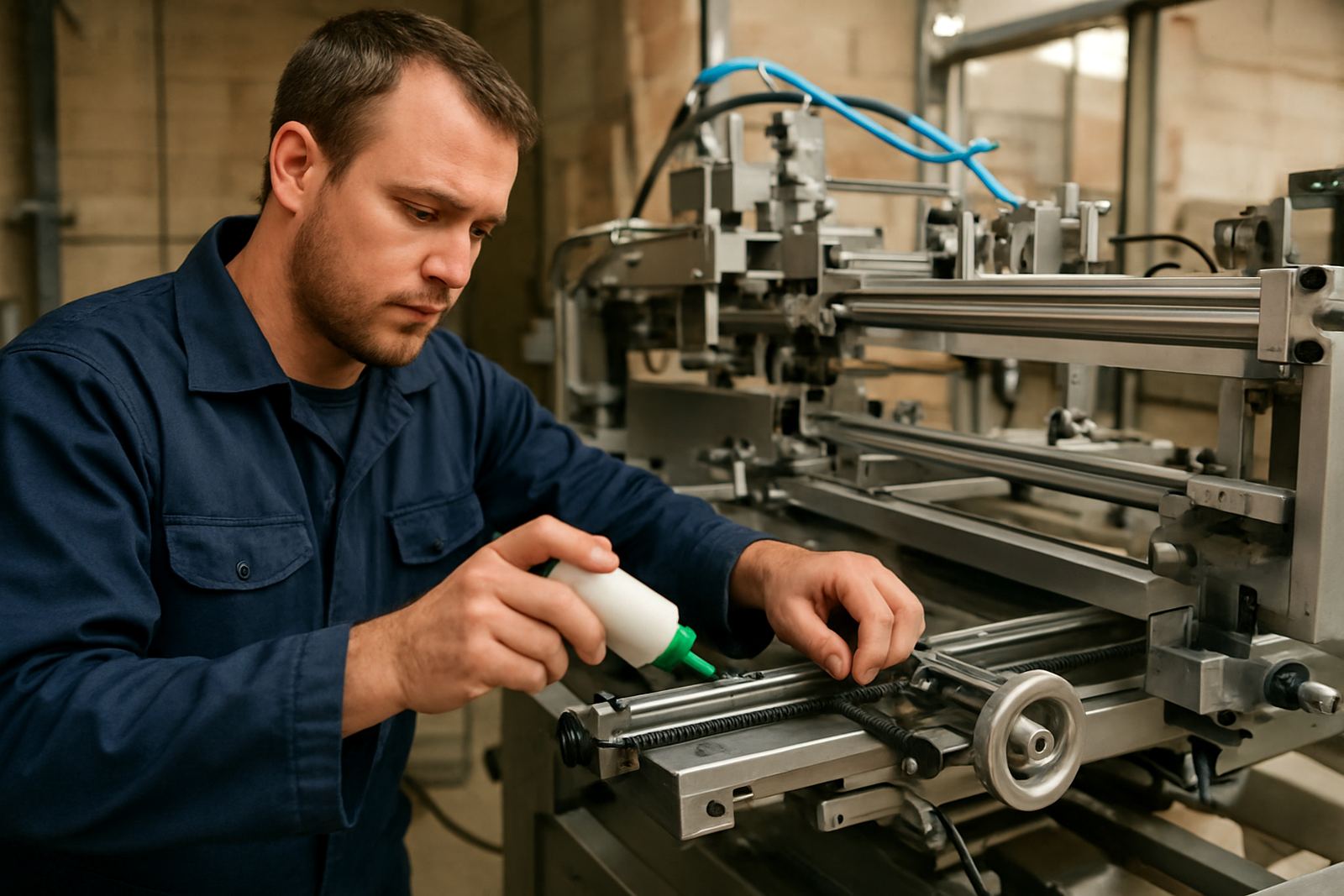
- Lubrication and basic wear checks on approved service points
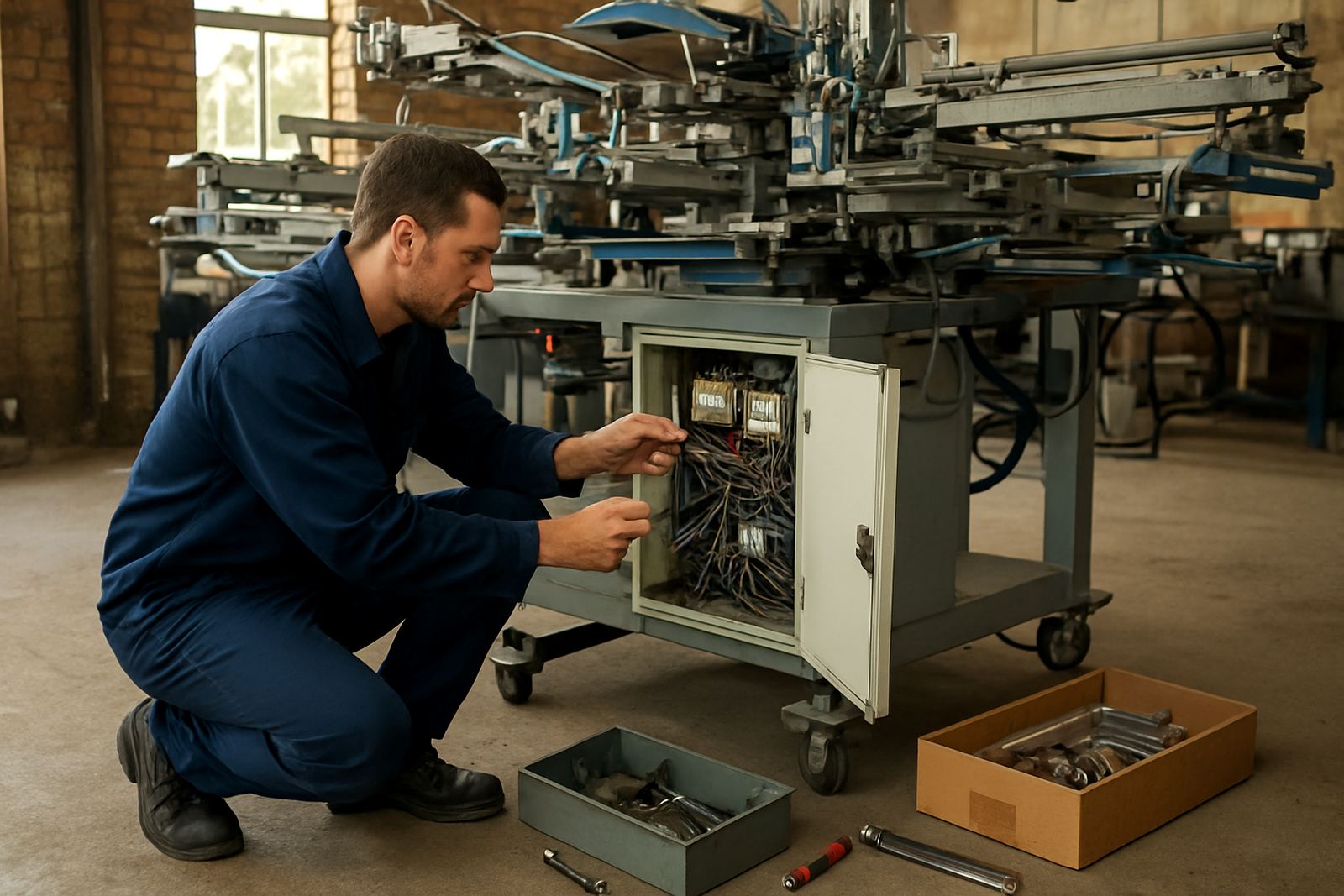
- Electrical inspection of switches, sensors, cables and control contacts
- Air system check where the machine uses pneumatics, including leaks and pressure stability
- Assessment of screens, reclaim condition and stencil wear if included in the service plan
- Test prints and adjustments to confirm print quality after service
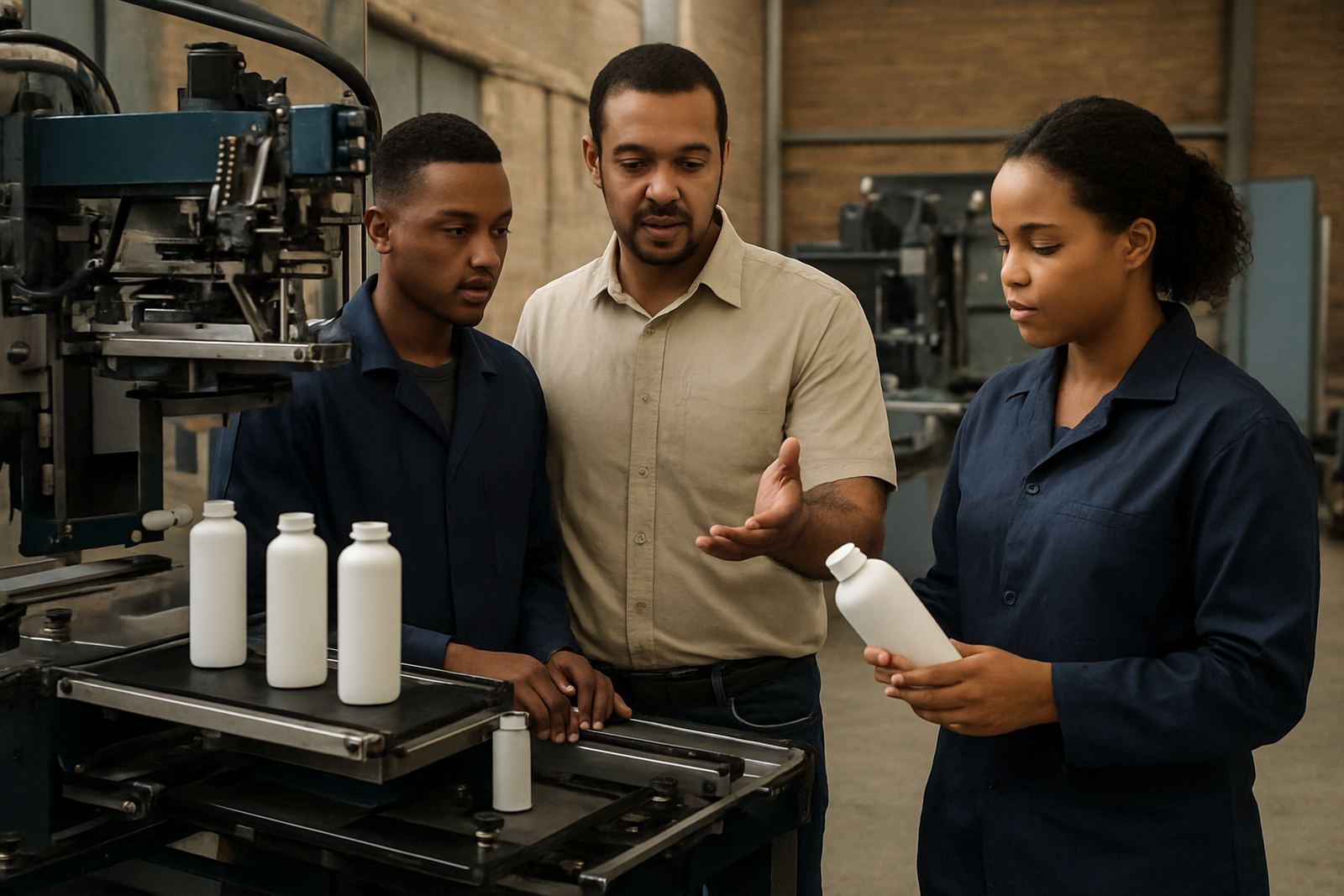
- Advice on operator handling, daily cleaning and safe shut down practice
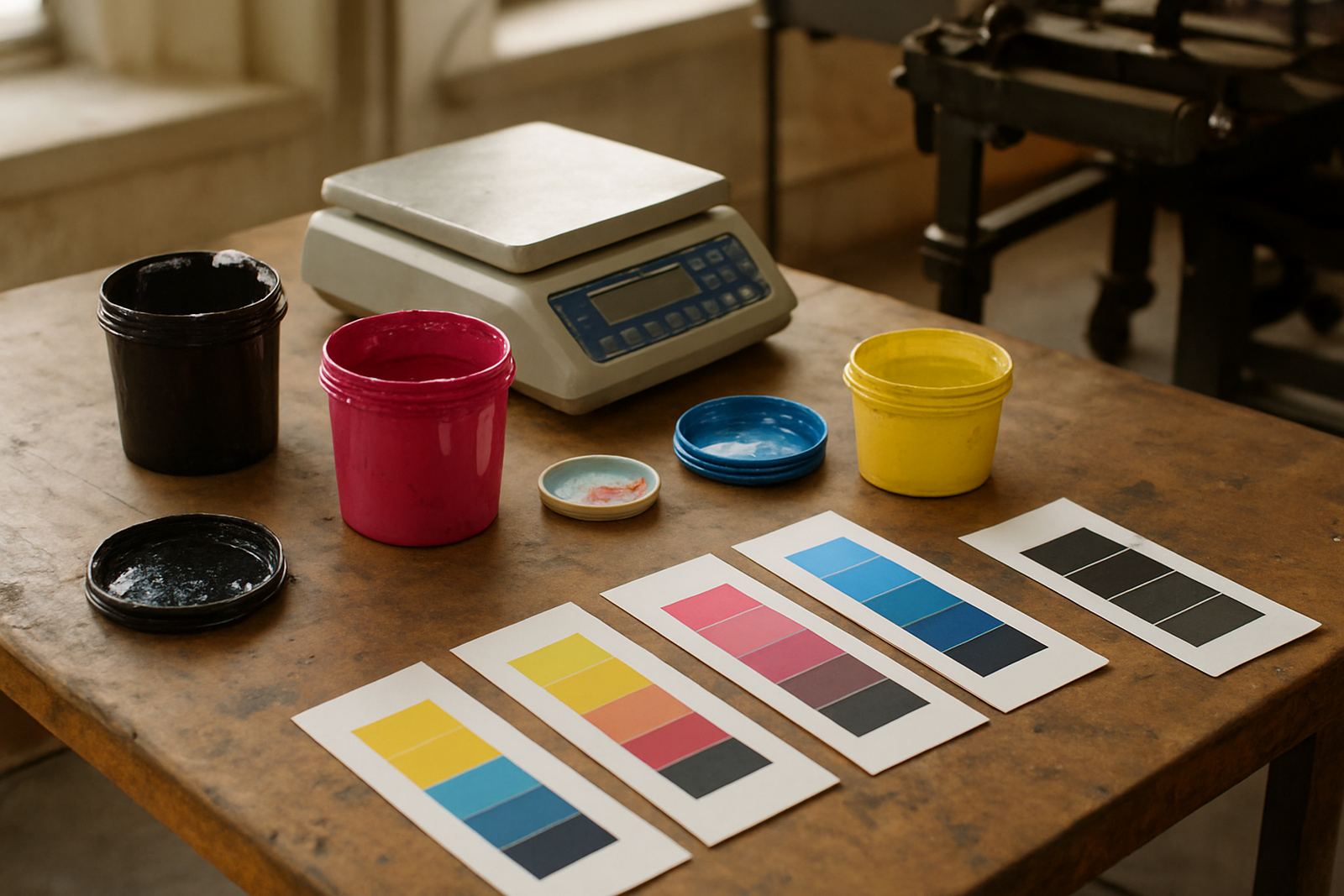
Where needed, we can also look at the support side of production such as screen making, colour setup and changeover routines. That matters when the same machine is used for different container diameters or artwork positions through the week.
How we handle the service process
We keep the process practical and clear so your team knows what to expect. For clients in Aeroton, Johannesburg South, Midrand and Pretoria we can usually schedule a site visit with short notice, while out of town work is planned with travel and any required spares in mind.
- Initial call or email through our contact form with machine model, fault history and production needs
- Assessment of service interval, operating hours and any problem areas
- Booking of a maintenance date and confirmation of access, safety requirements and machine downtime
- On site inspection, service work and test running
- Feedback on parts due for replacement, future risks and recommended follow up
If a machine is still running but showing signs of drift, noise or inconsistent print, it is better to book a planned stop than wait for a breakdown. That approach usually costs less and keeps orders moving, especially when customers are working to delivery dates for promotions, contract packaging or replenishment stock.
Service intervals that make sense in South African conditions
There is no single interval that suits every workshop. A machine running one shift a few days a week will not need the same attention as a unit used daily in a high volume print room. As a guide, we usually recommend the following:
- Light use: every 4 to 6 months
- Moderate use: every 2 to 3 months
- Heavy use or long shifts: monthly or every 6 weeks
- After a major production change: before the next long run
Coastal humidity in Durban and Cape Town can affect screens, cleaning results and some machine components, while inland dust and temperature changes can increase wear on moving parts. Load shedding also creates stop start conditions that are hard on controls, motors and air systems. Regular checks help catch these issues early, before they turn into a full line stoppage.
We can also build maintenance around municipal and site rules, including noise limits, working hours, access control and safety sign off. That is often useful for factories in shared industrial parks or busy premises where outside contractors need to work within fixed time windows.
Turnaround and spare parts planning
Most planned maintenance work is completed on site in a single visit, depending on machine condition and the amount of corrective work needed. If a part is worn beyond safe use, we advise on the next step and can supply spares where available so the machine does not sit idle waiting for a second visit.
When we know a service is due, we can arrive with common wear items and basic consumables to reduce downtime. This is especially helpful for production teams working with tight dispatch schedules or one machine carrying the full bottle line. If a fault is found during the service, we separate immediate safety issues from non urgent items so you can decide what must be fixed now and what can wait for the next planned stop.
For clients outside Gauteng, we plan turnaround around travel and site access. That keeps the visit practical, and it avoids a half done job that drags on for days.
Pricing approach and what affects the cost
Preventive maintenance is priced according to the machine type, service depth, travel distance and whether the visit is a routine check or includes repair work. A simple inspection and adjustment visit will cost less than a full strip, clean and re align service with replacements.
We quote on the basis of clear scope, so you know what is covered before work starts. Factors that affect price include machine age, level of wear, site location, urgency, spares required and whether the visit must be timed outside normal operating hours. We do not treat every site the same because a compact bottle printer in Aeroton is not the same as a heavily used unit in a coastal packaging plant.
The aim is to keep maintenance affordable in a way that still protects print quality. If a cheap service misses the cause of repeat stoppages, it becomes expensive very quickly.
Why regular maintenance supports better print output
Good maintenance does more than keep a machine alive. It protects registration, ink transfer, curing consistency and the finish your client sees on the bottle or tube. That is important when print work must hold up under handling, condensation or retail display.
A machine that is checked regularly is easier to train on, quicker to set up and less likely to create variation between operators. It also reduces waste from misprints, screen damage and last minute rework. For workshops trying to keep margins under control, that matters just as much as uptime.
If you need a maintenance schedule for one machine or a full production room, we can help set it up so the work happens before the breakdown, not after it.
Key facts
| Service area | Johannesburg, Aeroton, Johannesburg South, Midrand, Pretoria, Durban, Cape Town and nationwide |
|---|---|
| Machine types | Cylindrical screen-printing machines for bottles, cups and tubes |
| Typical visit type | Planned inspection, adjustment, cleaning and test running |
| Recommended intervals | Monthly to 6 monthly depending on usage |
| Support options | Spares supply, breakdown repairs, screen making, operator training |
| Contact | Our contact form |