Screens Built For Cylindrical Printing
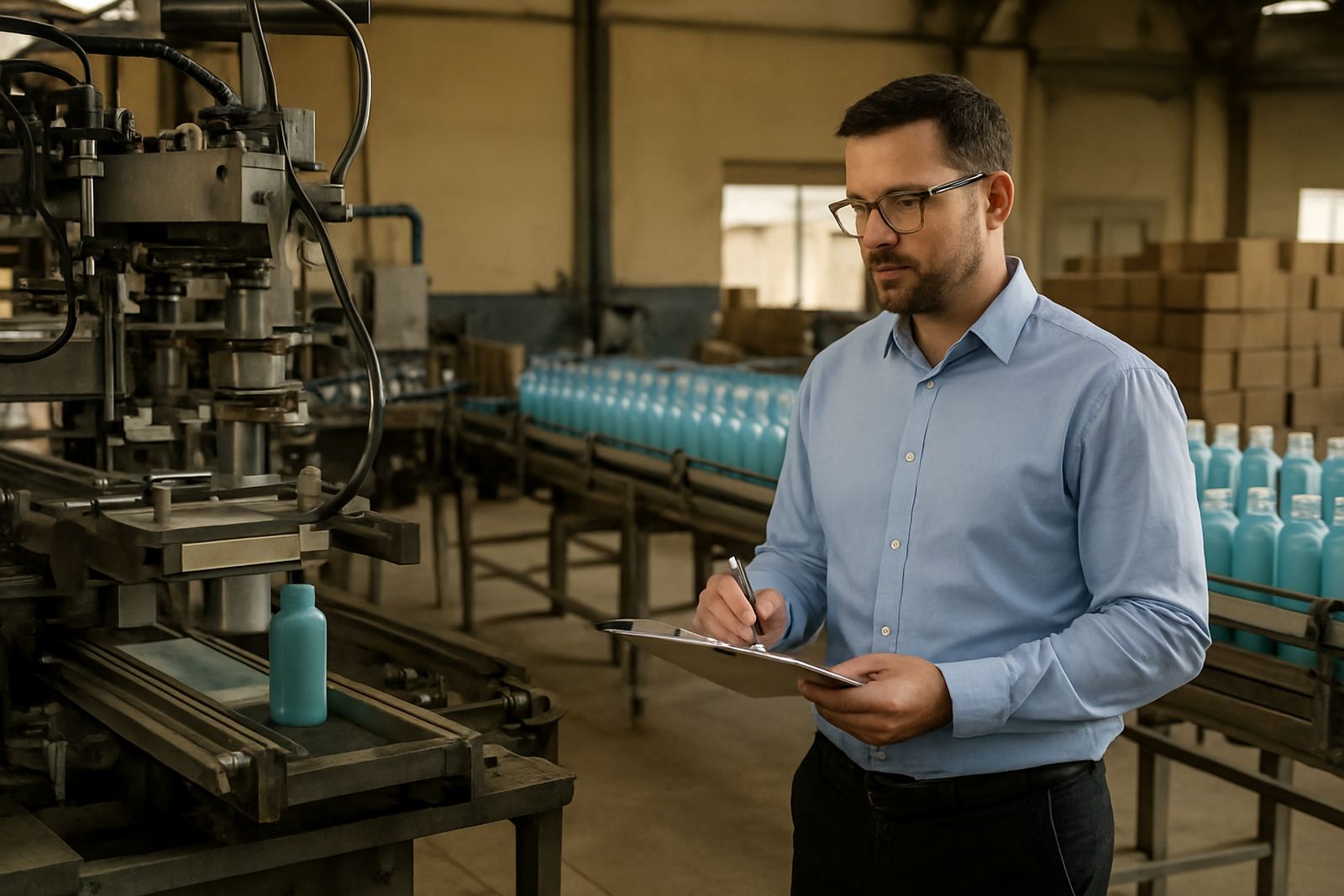
Our screen making service is set up for cylindrical print work on glass, plastic and coated containers. That includes bottles, tumblers, cups, jars and narrow tubes where the print needs to hold cleanly around the curve. We prepare screens for single colour jobs and multi colour set-ups, with attention to image wrap, registration and the screen mesh chosen for the ink type you use.
In Johannesburg, Durban and Cape Town we regularly support customers printing for promotions, packaging, cosmetics and drinkware. The aim is simple: a screen that transfers ink evenly, keeps edge detail sharp and lasts through a proper production run without breaking down half way through.
What Is Included In The Screen Making Service
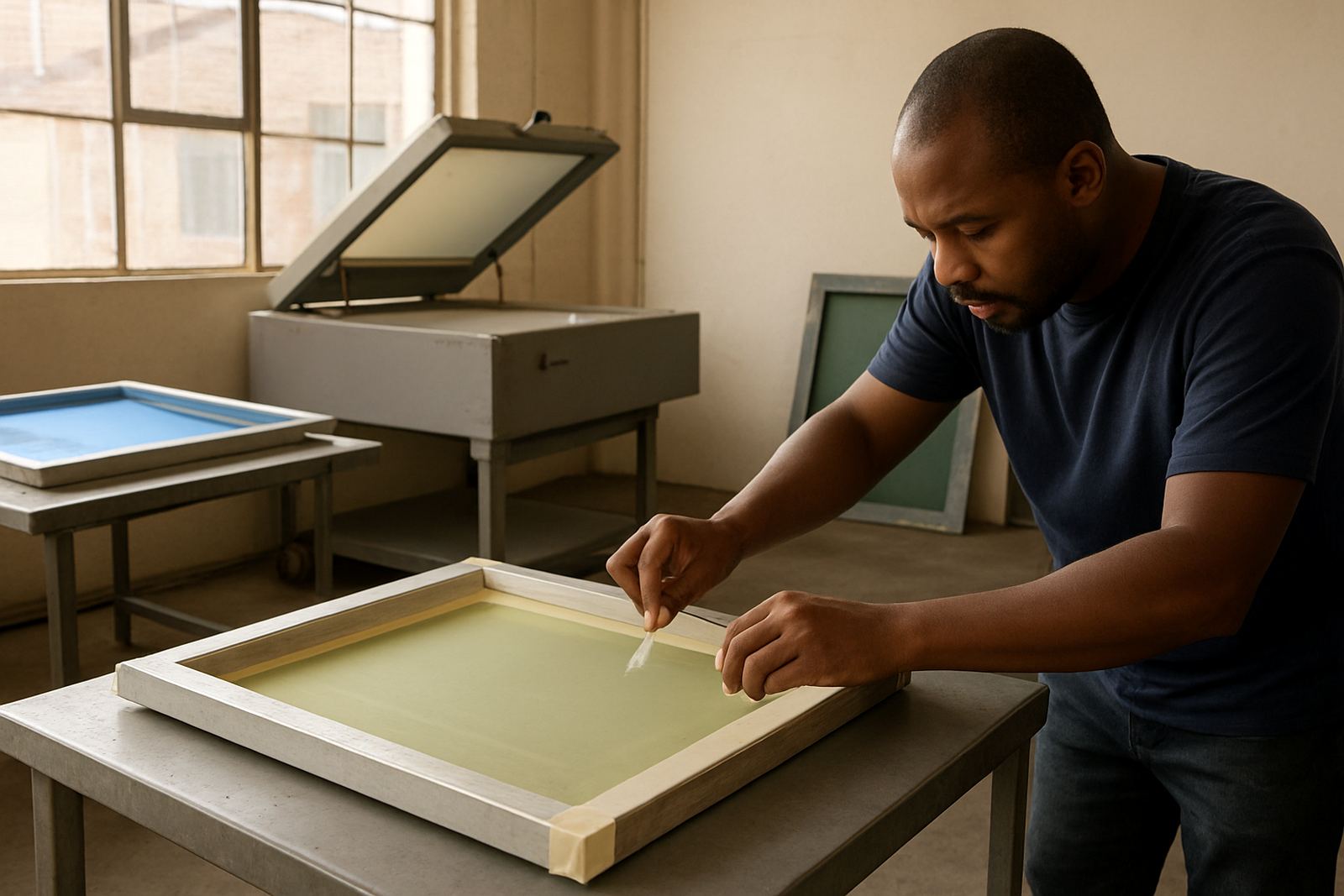
We handle the preparation work needed before printing starts, so your machine operator can focus on production. Depending on the job, screen making can include artwork checks, film output, mesh selection, degreasing, coating, exposure, washout and final inspection. If you need matching screens for repeat orders we keep the details consistent where possible.
- Artwork layout for cylindrical wrap and repeat size
- Mesh selection based on ink, detail and substrate
- Coating and exposure for the chosen image density
- Washout, touch-up and inspection before dispatch
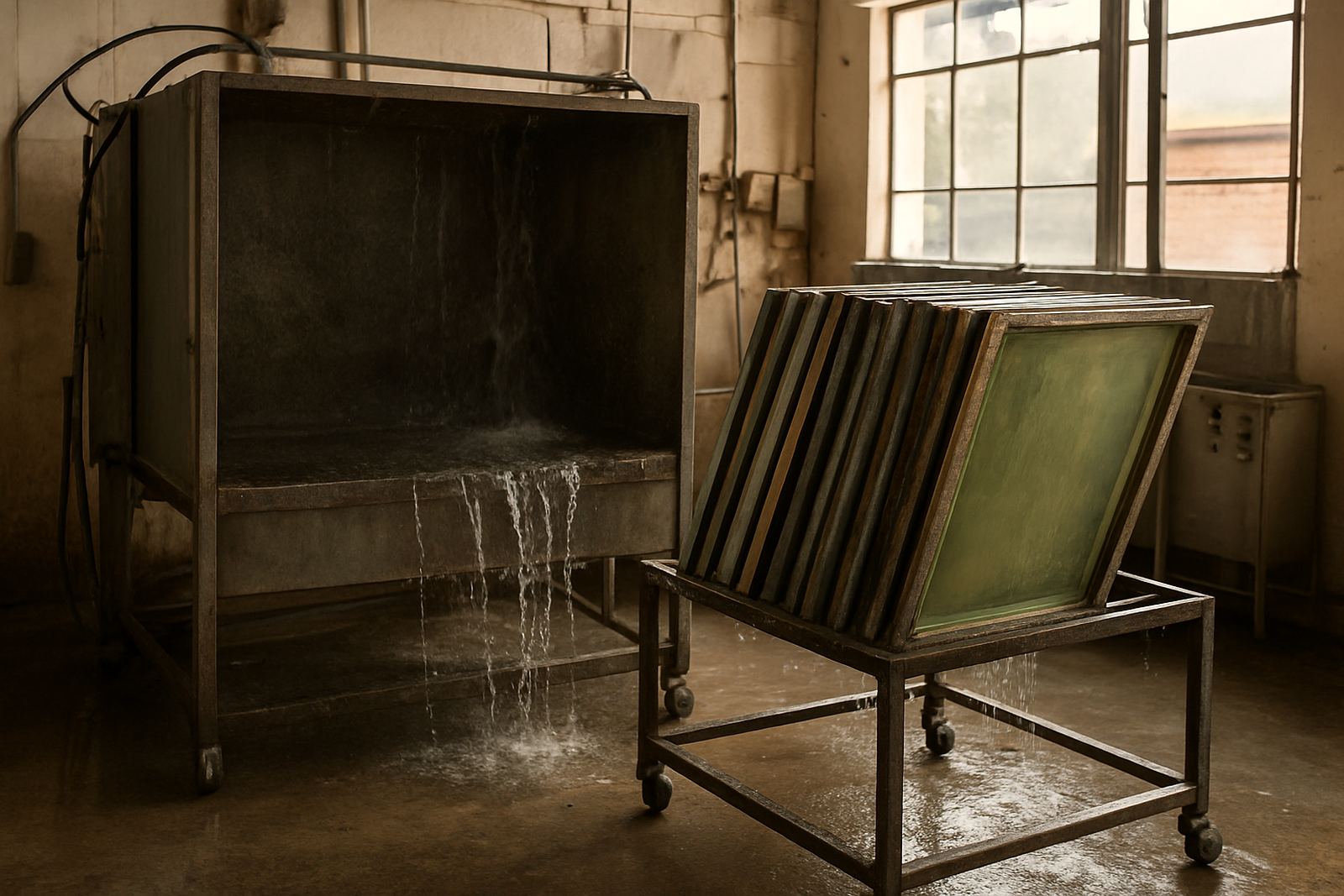
- Screen reclaiming for used frames when suitable
We also assist with colour setup help when a print shifts from one substrate to another. For example, a bottle that prints well on a smooth PET body may need a different mesh and ink behaviour on glass. Small changes here save time on the press and cut wastage.
How The Process Works From Artwork To Press Ready
Most jobs start with the print size, container diameter and the number of colours needed. From there we confirm the repeat length and how the image will sit on the curved surface. Once the details are confirmed, we prepare the screen and check that the artwork will track correctly around the bottle or tube.
Our process is practical and straightforward.
- Step 1: Send the artwork, artwork dimensions and product sample if available
- Step 2: We confirm screen size, mesh count and print method
- Step 3: The screen is coated and exposed for the image
- Step 4: We wash out, inspect and test for fine pinholes or weak edges
- Step 5: The finished screen is packed for collection or courier delivery
If the job is urgent, we will advise whether the screen can be turned around for same week supply. For larger repeat work, a sample print check is wise before full production starts, especially on jobs with tight registration or fine text.
Turnaround Times Across Gauteng And Nationwide
Turnaround depends on the size of the order, the number of colours and whether the artwork is ready to go. A single standard screen can often be completed quickly, while multi screen jobs or jobs needing artwork corrections take longer. In Aeroton we often prepare screens for Johannesburg South, Midrand and Pretoria customers within a few working days, subject to workload.
Nationwide clients in Durban, Cape Town and smaller industrial towns can send artwork and product details ahead of collection or courier booking. Good packaging matters for transport, so we pack screens carefully to prevent mesh damage and frame knocks. Load-shedding can affect production planning, so timing is best confirmed before dispatch.
Pricing Approach That Fits Short Runs And Repeats
Screen making is priced according to the frame size, mesh count, amount of preparation needed and whether artwork setup is simple or requires correction. Reclaiming old screens is usually more economical than starting from scratch, provided the mesh and frame are still serviceable. If you are running repeat orders, it can also help to keep a standard screen size for faster changeovers and less waste.
We quote plainly, with no guesswork. For customers in food packaging, promotional drinkware or cosmetics, we also take into account the cost of downtime. A screen that prints cleanly first time can save more than a cheaper screen that needs repeated adjustment. That is especially true on smaller production lines where one bad setup can stall a whole shift.
Maintenance Intervals And When To Replace Screens
Screen life depends on the ink system, cleaning routine and how hard the operator runs the press. As a general guide, inspect screens after every run for blocked mesh, worn emulsion and frame damage. For regular production, a proper wash and dry after each job extends life and keeps the image sharper for the next use.
Maintenance is usually needed at these points:
- After every print run, remove ink residue and dry fully
- Weekly, check for frame warping, mesh slack or damaged edges
- Monthly, review whether the screen is still holding detail accurately
- When reclaiming, only reuse screens that pass a close inspection
If the screen starts dropping fine lines, ghosts the image or breaks down around the edges, replacement may be the better option. Coastal humidity can also affect storage, so screens should be kept in a dry, dust free room away from direct sun.
Local Support From Aeroton To The Rest Of South Africa
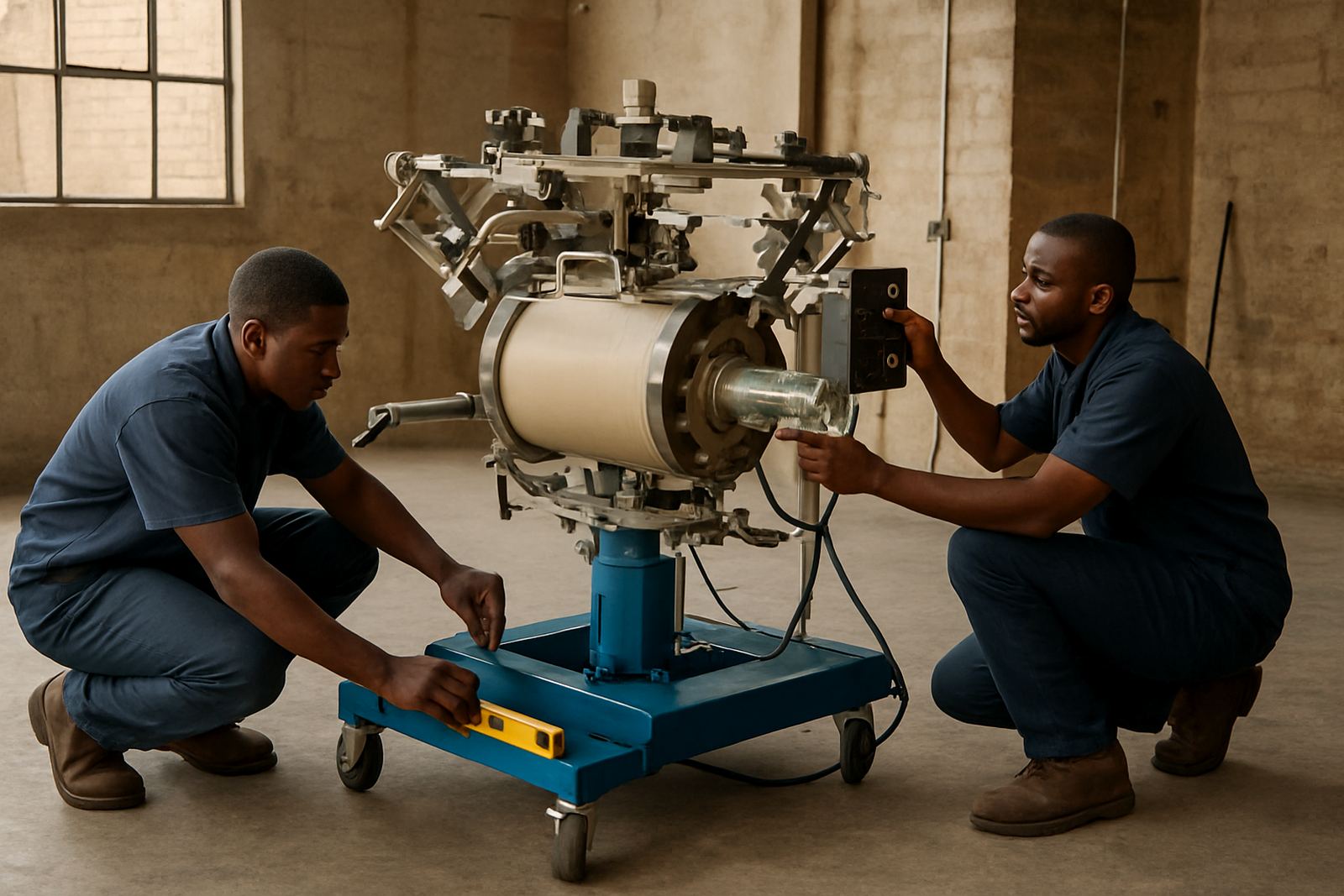
Our base is in Aeroton, Johannesburg, and we support customers in Johannesburg South, Midrand, Pretoria, Durban and Cape Town, with installs and service work nationwide. When needed, our team can also guide you on site setup, operator training and preventive maintenance around the screens you use. That matters when a production line is handling bottles one day and tubes the next, because the setup details do change.
For screen making or reclaiming requests, send the job details, container type and target print size through our contact form. If you are unsure about mesh choice or screen count, we can help you work it out before the job starts, which saves time and misprints later on.
Key facts
| Service type | Screen preparation and supply for cylindrical print jobs |
|---|---|
| Products supported | Bottles, cups, tubes, jars and similar curved items |
| Typical mesh range | Fine to medium mesh selected to suit ink and detail |
| Artwork input | Print size, wrap length, substrate sample if available |
| Turnaround | Usually a few working days, subject to workload and complexity |
| Service area | Aeroton, Johannesburg South, Midrand, Pretoria, Durban, Cape Town and nationwide |