What production optimising covers on your line
Production optimising is for businesses that already have cylindrical screen-printing machines in place but need better output from the same equipment. We look at the full print run, from loading and registration through to drying, handling and pack-off, then identify where time is being lost or where repeats are costing you money. The aim is not to change everything, but to remove the small delays that build up over a shift.
This service suits bottle decorators, cup printers and tube packers working with short runs, mixed artwork or regular repeat jobs. We check how your team works with 1 colour and multi-colour setups, how screens are cleaned between jobs, and whether the line is holding a steady pace during load-shedding, humidity swings or high summer temperatures that affect ink behaviour.
- Cycle time checks from load to unload
- Operator movement and handover flow
- Registration repeatability and changeover speed
- Drying and handling bottlenecks
- Waste points, rework causes and setup drift
What we measure during a line review
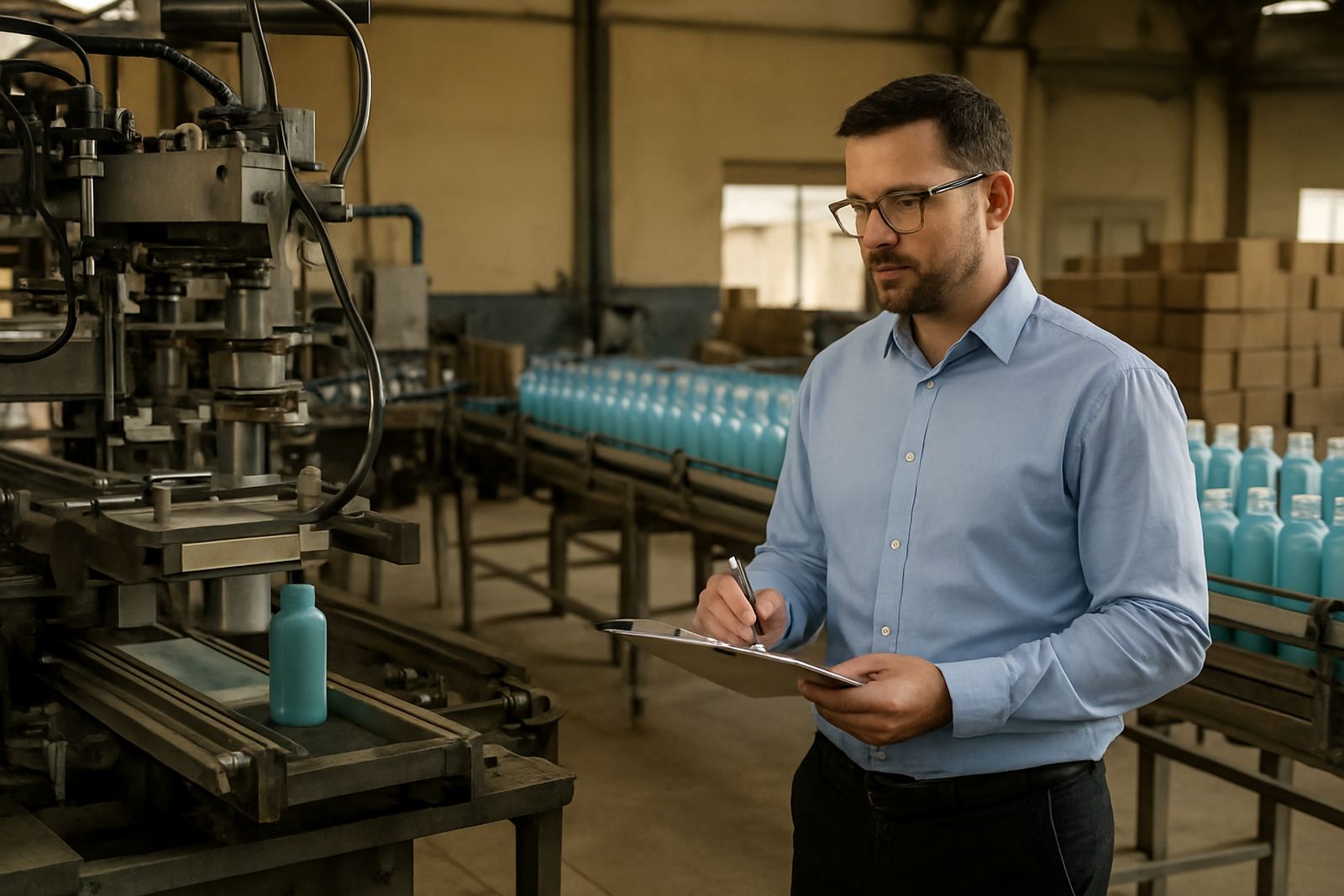
Every site is different, so we start with the machine you already run, the product mix and the output target. We measure actual run speeds, stoppages, screen change times and the number of pieces that need rework. On a good day the machine may be capable of a decent speed, but if the line is waiting on screens, lids, ink mixing or packing space then the real output stays low.
We also look at practical issues such as floor layout, loading height, drying rack position and the way operators handle bottles or tubes before and after print. In a busy plant, a small change like moving finishing tables or changing the sequence of prep tasks can save 20 to 40 minutes per shift. That is often the difference between making target and missing it.
- Target output per hour and per shift
- Actual average cycle time
- Reject rate, touch-up rate and spoilage
- Screen life and reclaim frequency
- Ink usage by job and by colour
How the optimisation process works
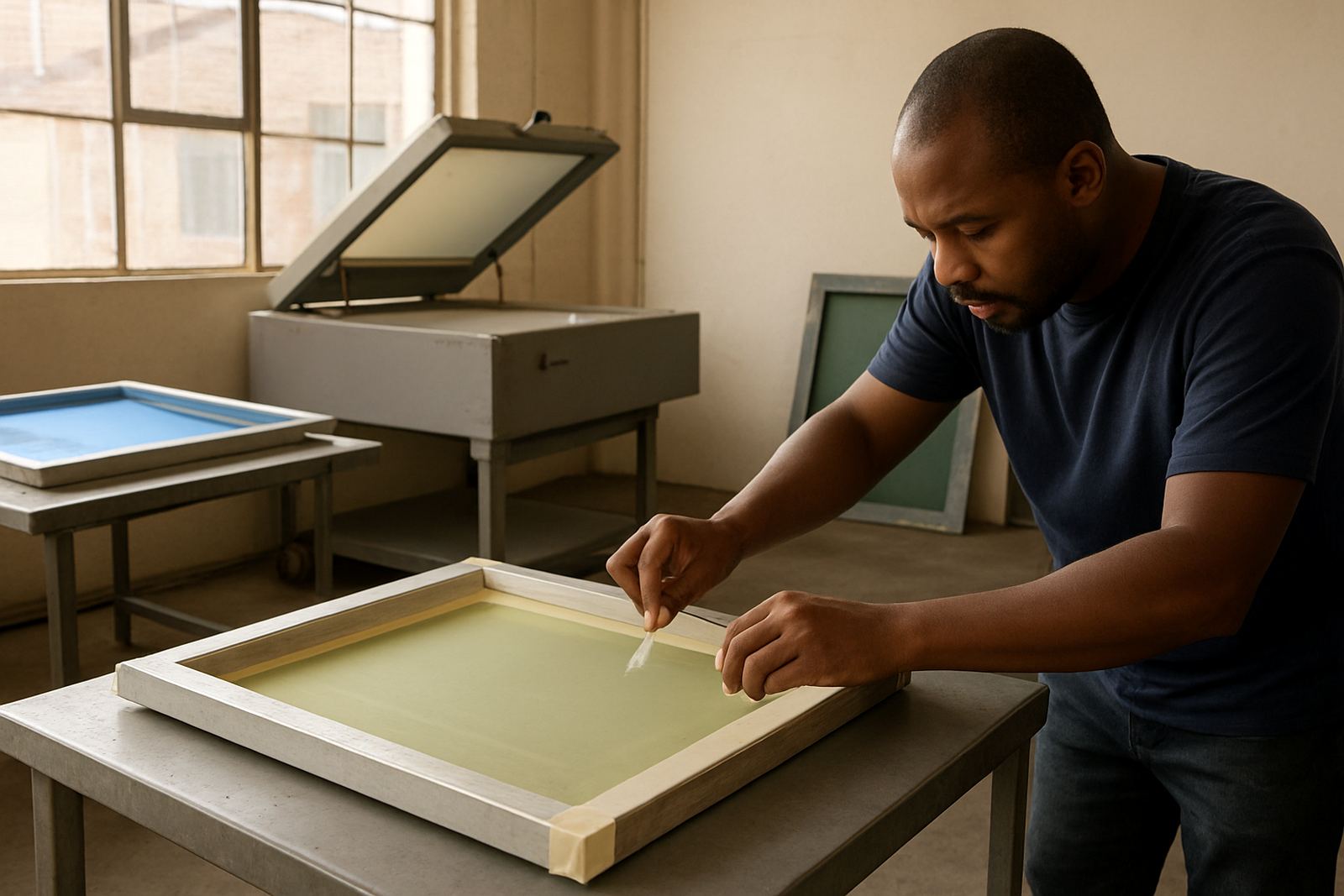
We keep the process practical. First we speak to the production lead and operator team, then we observe the line running with current jobs. After that we make a short action list, prioritised by impact and ease of change. Some fixes are immediate, like changing set-up order or adjusting squeegee pressure. Others may need a parts change, a better screen handling method or a revised maintenance schedule.
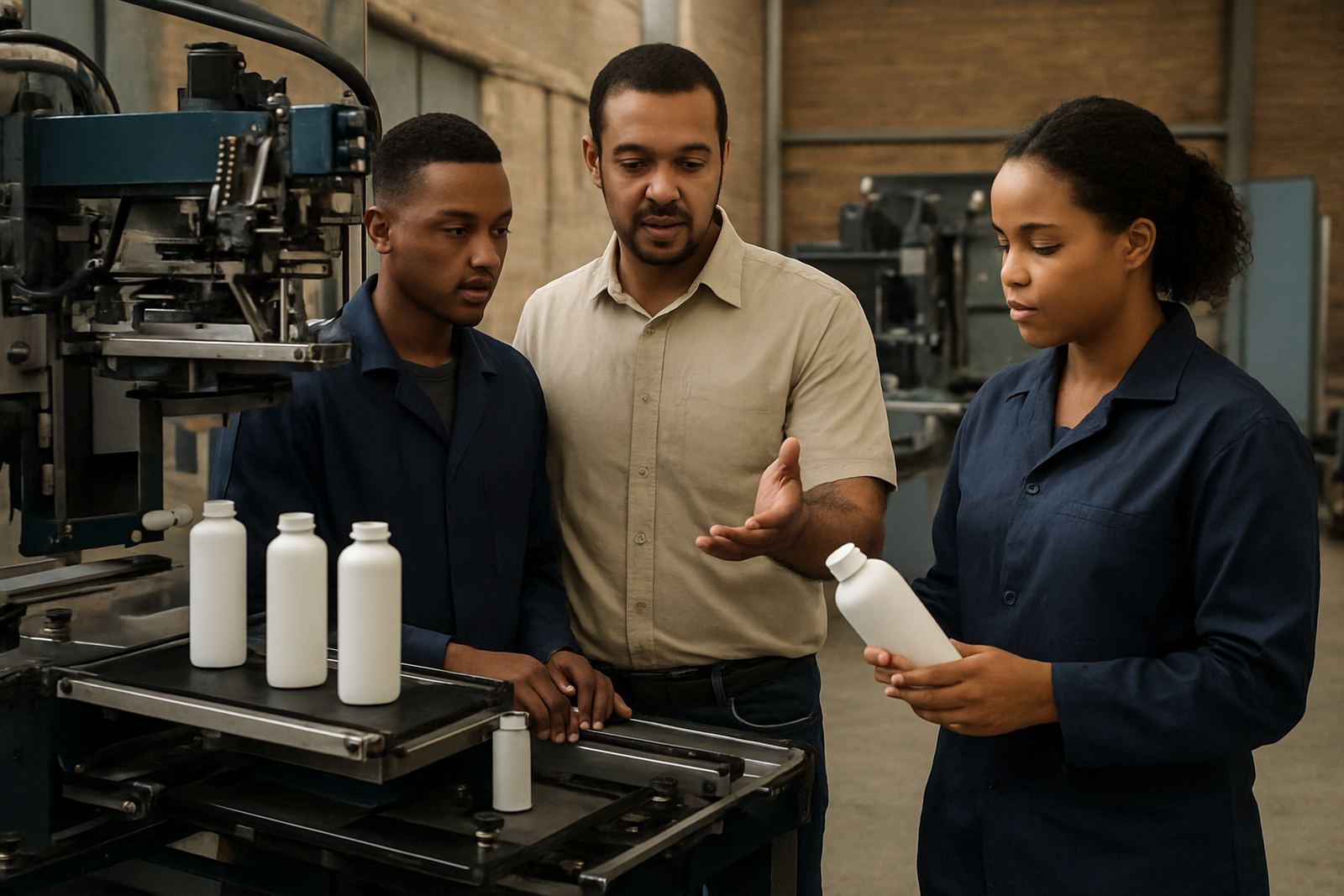
Where needed, we assist on site with training and hands-on adjustment so the team can keep the gains after we leave. If a line is under pressure, we can also support one job family first, for example a high-volume bottle range, before moving onto cups or tubes. That keeps the work focused and the results easier to track.
- Site visit or remote pre-assessment
- Run observation and timing study
- Action plan with quick wins and follow-up items
- Operator coaching on the floor
- Recheck after changes are put in place
Typical improvements we help achieve
Most customers want three things: faster changeovers, fewer rejects and steadier repeat output. We aim for all three without pushing the line harder than it should run. If a machine is forcing operators to overreach, over-clean or constantly re-set registration, the answer is usually to simplify the sequence or tidy up the workflow rather than chase more speed.
For cylindrical print work, especially on bottles and tubes with curved surfaces, the best gains often come from repeatable set-up and better screen prep. In coastal areas like Durban or Cape Town, we also pay attention to humidity and drying time because they can change how ink lays down and cures. On inland sites around Johannesburg and Pretoria, dust control and consistent power supply may matter more.
- Shorter setup and colour change times
- More stable registration over longer runs
- Less ink waste and fewer spoiled first-offs
- Better output consistency between operators
- Cleaner handover between print and drying
Turnaround, support and site coverage
For sites in Aeroton, Johannesburg South, Midrand and Pretoria, we can usually schedule an initial line review quickly depending on production load. Durban and Cape Town work is arranged around travel and job urgency, while other areas nationwide are handled by appointment. In many cases the first improvement list is ready soon after the visit, with urgent adjustments made on the same day if the issue is clear and parts are available.
If the job needs follow-up, we plan it around your production windows so you do not lose a full shift. Where a line is under pressure, we can split the work into stages, for example screen handling first, then operator timing, then maintenance tuning. That makes the turnaround manageable and keeps your team working while changes are introduced.
Pricing approach and maintenance intervals
Pricing depends on the size of the line, travel distance, the number of machines involved and whether the work is a once-off review or a staged support programme. We keep it clear and practical, with site time, travel and any spares quoted separately where needed. If the line needs training plus optimising, we can package the work so you know the full cost before we start.
For ongoing production, we normally recommend a maintenance review every 3 to 6 months on active lines, with higher-frequency checks where the business runs long shifts, multiple colour jobs or high-volume bottle work. Screens, registration points and moving parts should be checked more often if the plant operates in dust, heat or humidity. Preventive attention reduces breakdowns and helps keep repeat jobs within spec.
- Once-off line audit with written action list
- Half-day or full-day on-site optimisation support
- Combined training and process review for new teams
- Scheduled follow-up visits for repeat jobs
How to get started with your line review
To book production optimising, send your machine details, product type, average shift output and the main issue you want solved. Photos or a short video of the line help us prepare, but we can also work from a call and site discussion. If you are struggling with slow changeovers, inconsistent print or operator bottlenecks, we will usually start there first.
Thabo Mokoena and the Bottle Screen Printers team support businesses that need practical help, not theory. Whether you are running one machine or a full print room, we will look at the line in real conditions and help you get more from the equipment you already own.
Key facts
| Service area | Aeroton, Johannesburg South, Midrand, Pretoria, Durban, Cape Town and nationwide |
|---|---|
| Compatible lines | Cylindrical screen-printing machines for bottles, cups and tubes |
| Typical visit focus | Cycle time, operator flow, registration, drying and repeat output |
| Review format | On-site observation, timing check, action list and follow-up support |
| Recommended maintenance interval | Every 3 to 6 months, depending on shift load and product mix |
| Contact | Our contact form |