What the rotary printing system does
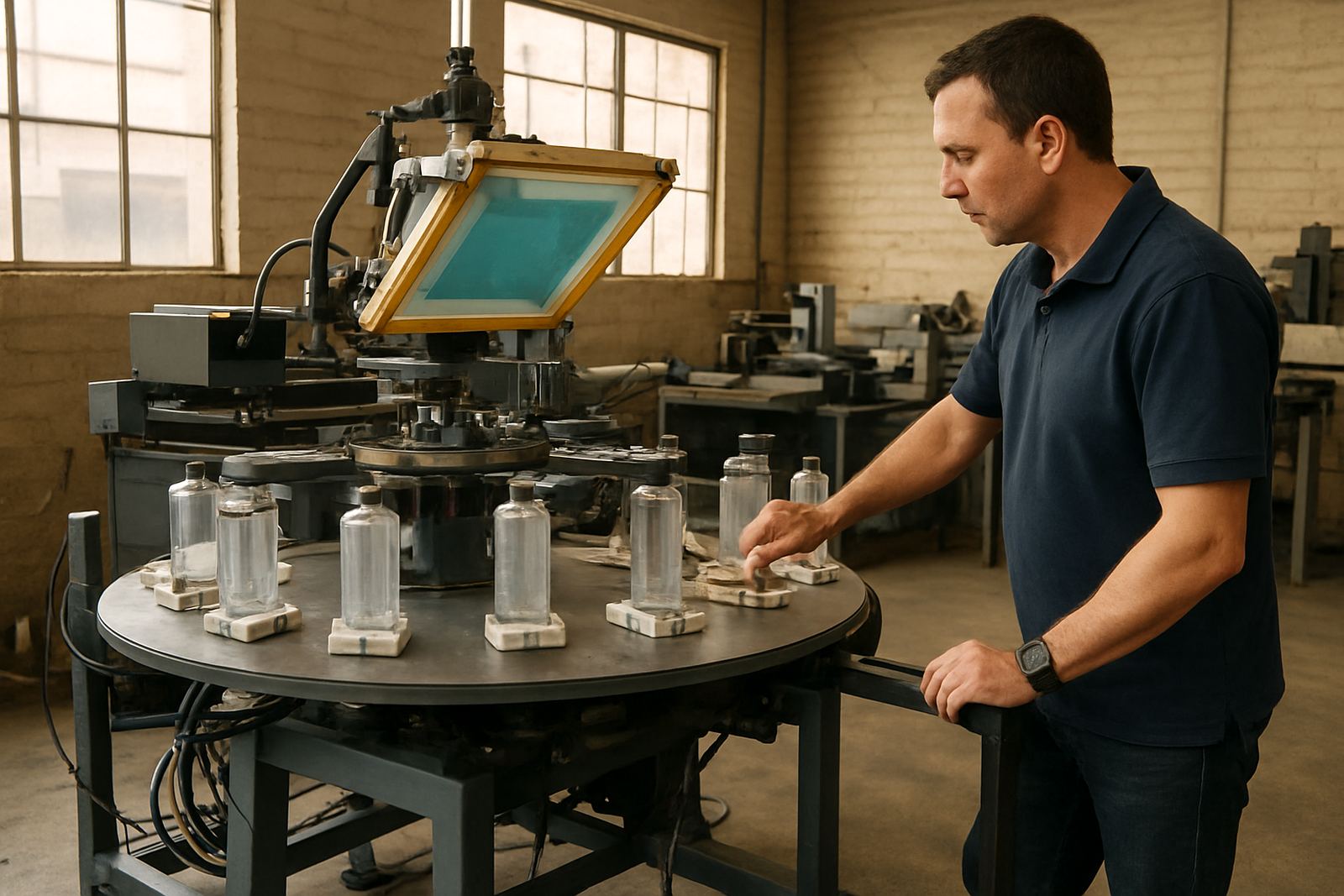
This system holds a cylindrical item in a rotating cradle or drive and moves the print head or screen in a controlled path so the image transfers evenly around the surface. It is used where a flat-bed setup would be too slow or would struggle with round stock. For bottle decorators, contract printers and packaging suppliers, that means better repeatability on long runs and less rework from skewed prints.
The main advantage is consistency. Once the tooling, screen and squeegee pressure are set, the machine keeps the same print position from unit to unit. That matters on branded water bottles, cosmetic tubes, promotional cups and specialist containers where the print must sit straight and stay readable after handling and washing.
- Suitable for glass, plastic, coated metal and some laminated tubes
- Works with single colour jobs or multi station print routines
- Can be used for short production runs or repeat orders
- Helps reduce operator fatigue on high count jobs
Sizes, formats and build options
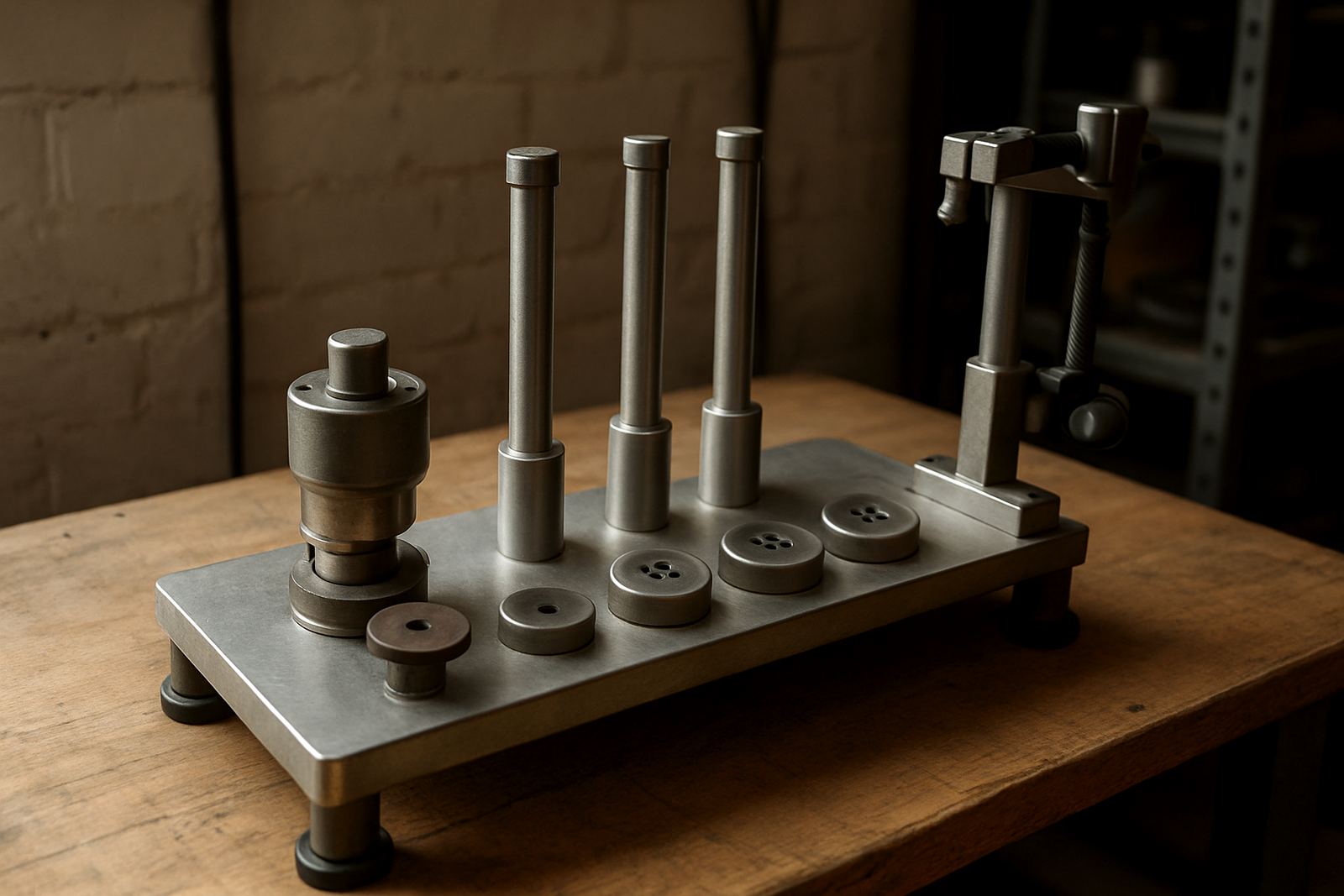
Rotary arrangements are normally selected around the product diameter and print length. A small cosmetic tube needs a different cradle and screen width to a 750 ml water bottle or a wide reusable cup. The goal is to match the holder, drive and printing stroke to the actual item, not force one setup to carry every product. That is where a proper spec discussion saves time later.
Common choices include manual, semi automatic and higher output configurations. Manual units suit smaller workshops and R and D work. Semi automatic units are better where one operator loads and unloads while the system handles the rotation and print cycle. Larger businesses often want wider adjustment ranges, stronger frames and quicker changeover between bottle sizes.
- Adjustable product diameter range for mixed bottle lines
- Changeable holders for cups, tubes and small jars
- Screen width matched to print repeat and artwork size
- Optional fixtures for tapered items and light conical bodies
- Choice of manual or assisted loading depending on throughput
Where it suits in South African production
These systems are used by businesses in Johannesburg, Midrand, Pretoria, Durban and Cape Town where branded packaging and promotional containers move through regular production cycles. They are practical for cosmetic packers, beverage suppliers, contract decorators and local product manufacturers who need neat printing that stands up to transport and handling.
In coastal areas, extra care is needed for corrosion control and storage because humidity can affect screens, fittings and exposed fasteners. In inland areas like Aeroton or Pretoria, dust and temperature swings are more common. A rotary machine with a clean maintenance routine can cope with both, but it should be installed in a dry, level space with enough room for loading and screen change. If a site runs on generator or inverter support during load-shedding, the power draw should be checked before the unit is placed.
- Contract printing plants with repeat artwork across many SKUs
- Food, beverage and personal care packaging lines
- Workshops producing branded giveaway cups and bottles
- Sites needing stable registration on curved surfaces
Installation, space and power checks
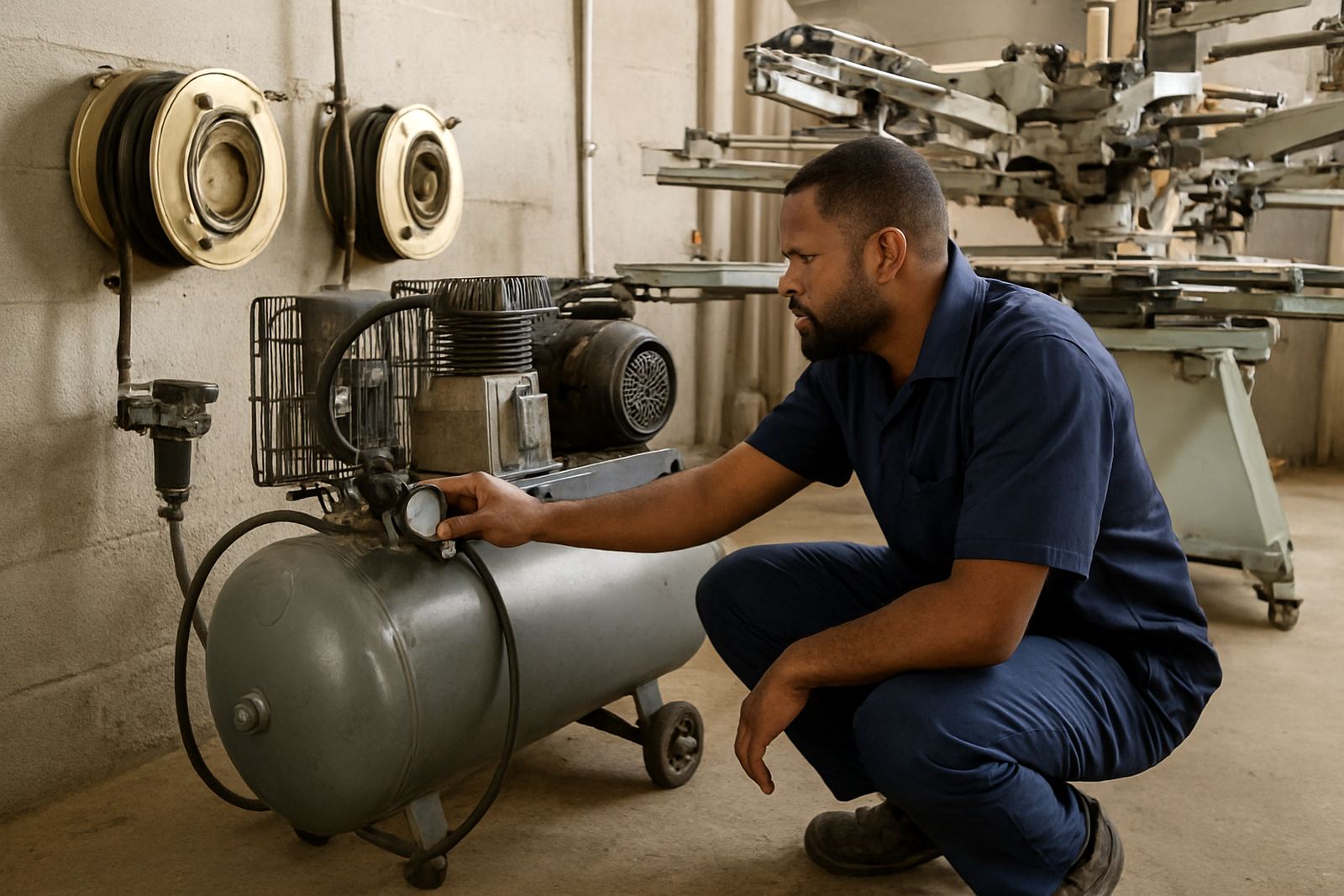
Installation starts with the floor, power point and working clearance. The machine must sit level so the cradle, rollers and print movement stay true. A unit that is out by even a small amount can cause drifting registration over a long run, which is why site setup matters as much as the machine itself. Our team handles installation and operator handover so the first production day is not spent guessing.
Before ordering, check available floor space, access for delivery, and the electrical supply at the site. Some set-ups run on standard single phase power while others need a stronger supply depending on drive systems, accessories and curing equipment. If the line includes heat or drying, the load on the circuit should be planned with the electrician. If your site has unstable supply, let us know early so the machine layout can be planned around it.
- Level floor with enough room for loading and cleaning
- Confirmed supply voltage and phase before delivery
- Safe access for screens, ink and cleaning materials
- Ventilation for inks, cleaners and any drying equipment
Care, servicing and print consistency
Like any print machine, the rotary system works best when it is cleaned after every shift and checked before a production run. Ink build-up, worn bearings, loose clamps and poor screen tension will show up quickly on round items. Regular preventative maintenance keeps the print even and helps the machine run for longer without breakdowns.
Operators should inspect the product holders, drive belts or rollers, alignment points and screen condition. Screens need proper reclaiming and storage, especially if the same image is used on repeat orders. In busy workshops, a simple service log helps catch small issues before they become costly stops. We also assist with screen making, colour setup help and production optimising when the line needs a bit of sorting out.
- Daily wipe-down of contact points and guides
- Weekly check of fasteners, clamps and moving parts
- Screen reclaiming after the run is complete
- Scheduled service visits for wear parts and alignment
- Breakdown repairs and spares supply when needed
What to confirm before you place the order
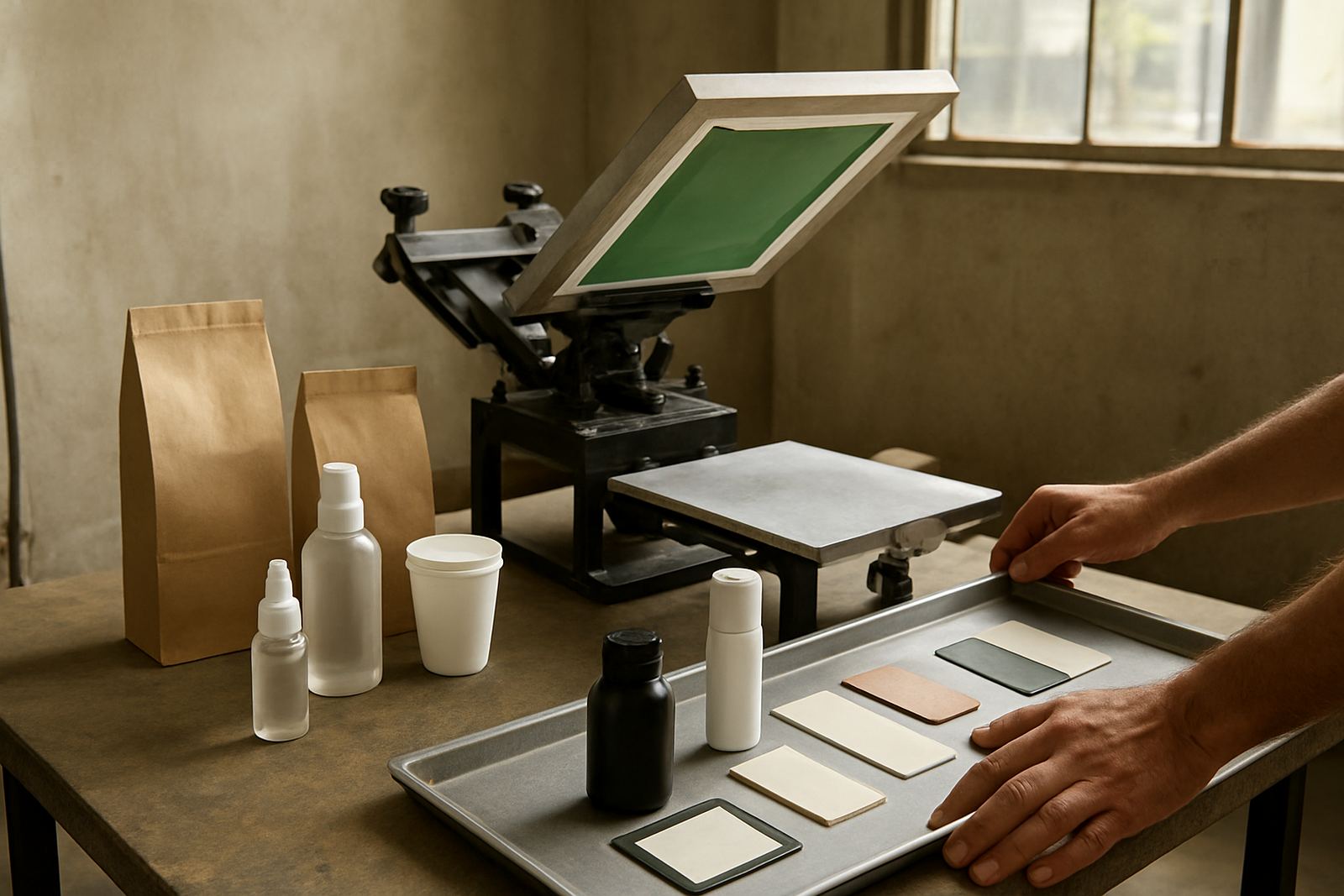
The right rotary setup depends on the item, the ink system and the print volume. A simple bottle line may only need one diameter range and a standard screen frame, while a mixed product site may need several holders and change parts. If you send through samples, artwork size and target output, the machine can be matched properly the first time.
It also helps to confirm whether the product is smooth, tapered, coated or textured. Surface treatment can affect ink adhesion and curing times, especially on plastics. Tell us if your site prints in low light, handles wet product, or works around municipal water interruptions because these details affect production planning and service intervals. A quick check now saves a lot of back and forth later, and keeps the job moving.
- Product samples with exact diameter and length
- Artwork repeat size and print position
- Daily, weekly or monthly output target
- Power supply details and site access
- Any drying, curing or pre treatment steps already in use
Local support from Aeroton to nationwide sites
Bottle Screen Printers is based in Aeroton, Johannesburg and supports installs nationwide. That includes site setup, operator training, maintenance visits, repairs and spares support for customers working across Gauteng, KwaZulu-Natal, the Western Cape and other parts of South Africa. Our team knows that a production line has to earn its keep, so the advice is practical and geared to real workshop conditions.
If you are comparing a rotary system for bottles, cups or tubes, we can help you check fit, throughput and service needs before the machine arrives. The aim is simple: get the line printing straight, keep it running, and make sure the setup suits the work you actually do.
Key facts
| Product type | Rotary printing system for cylindrical items |
|---|---|
| Suitable formats | Bottles, cups, tubes and other round containers |
| Operating mode | Manual or semi automatic, depending on configuration |
| Print repeat | Matched to artwork size and screen width |
| Supply | Site specific, confirmed at order stage |
| Support | Installation, training, maintenance, repairs and spares |