What the sample run package includes
This package is built for short production runs and product trials. It gives you the key items needed to print a controlled batch, check print quality, and confirm if the product line is ready for higher volumes. Most customers use it when launching a new bottle range, checking a new cup shape, or setting up tube decoration for promotional work.
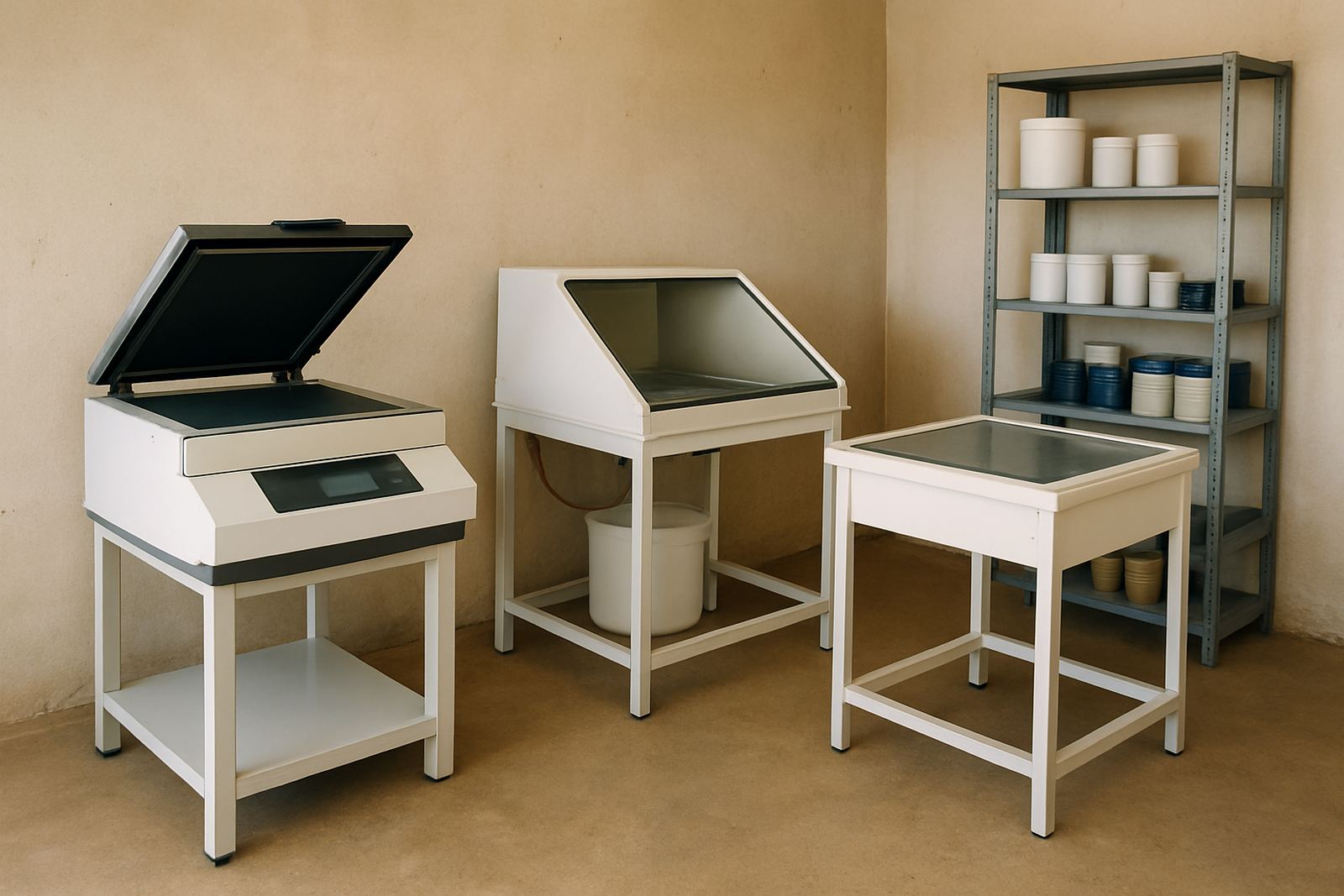
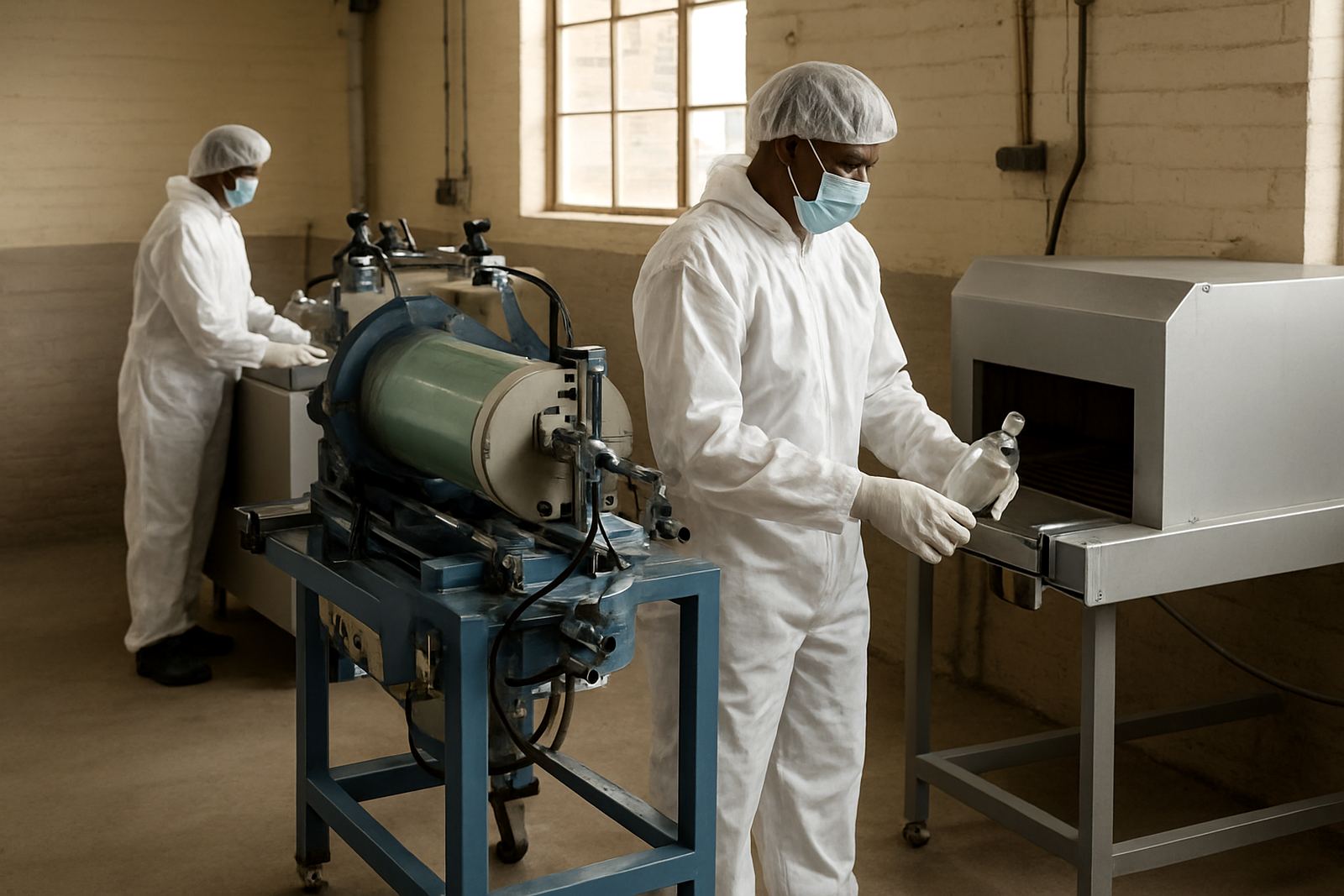
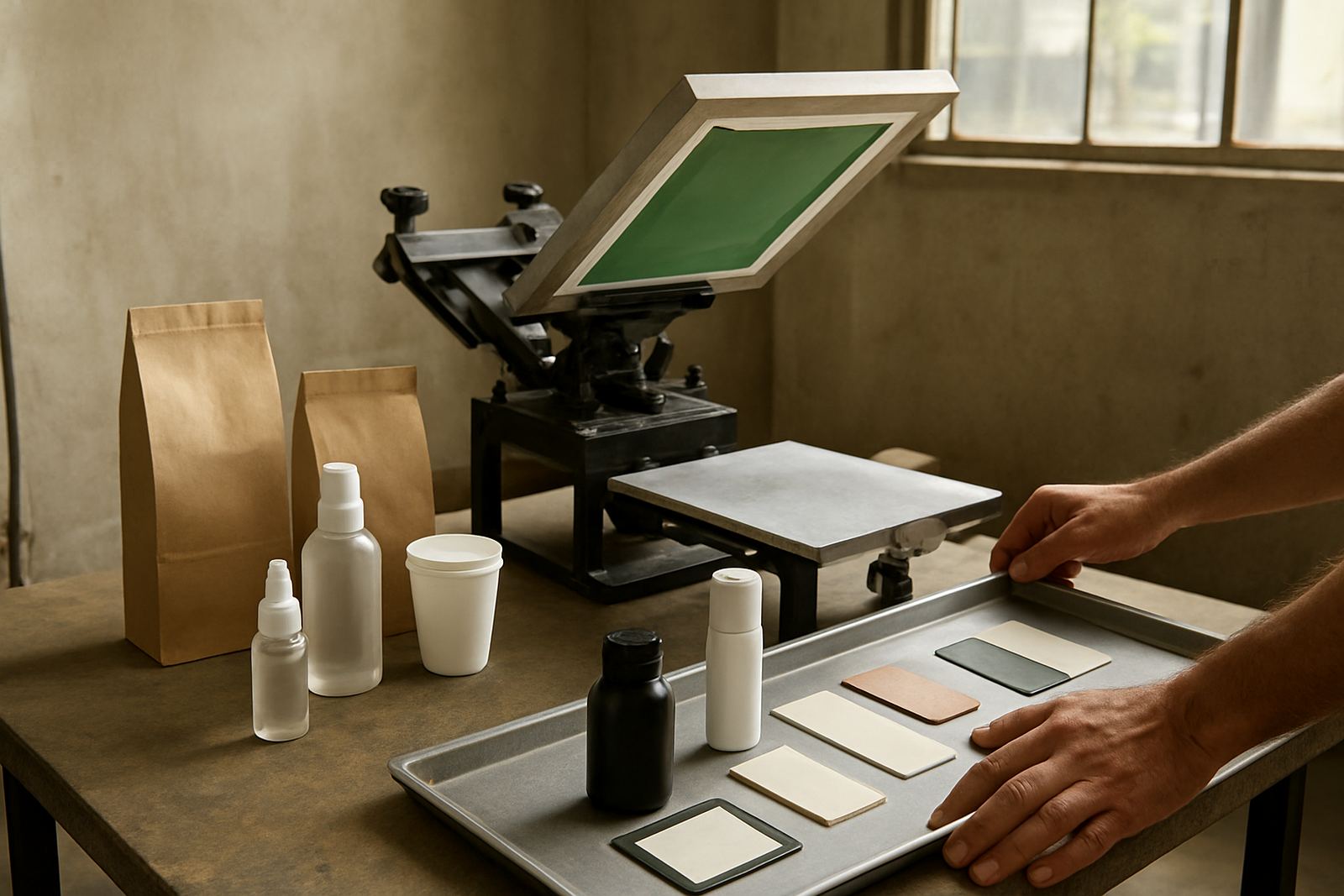
The package normally includes a cylindrical screen-printing machine, matching screens, a basic set of setup tools and operator guidance. We can configure it for hand-fed or semi-automatic work depending on the item and your output target. If you are working with coated glass bottles or PET containers, we will check the surface finish first because ink grip changes a lot between materials.
- Starter machine matched to your container size
- Trial screens for artwork testing
- Basic setup and alignment support
- Operator handover for small batch production
Sizes and options for different containers
Sample run packages are not one-size-fits-all. A slim 330 ml bottle needs different holding and print settings from a wide tumbler or soft tube. We supply package options around the container diameter, length and print area so the first run gives useful results, not waste.
Common setup ranges cover small cosmetic tubes, drink bottles, stainless steel cups and capped plastic containers. For round items we check the usable print circumference, centre height and whether the neck, shoulder or base will interrupt the print. For tapered items we may recommend a test jig or adjusted screen angle.
- Round bottles from small cosmetic sizes to larger beverage bottles
- Cups and tumblers with straight or slight taper
- Plastic and laminated tubes for personal care products
- Single-colour trial setups and multi-station options
Where the package works best
This package suits small brands, contract decorators, packaging printers and manufacturers that need proof before scaling up. It works well for customers in Johannesburg South, Midrand, Pretoria, Durban and Cape Town, and we install nationwide where access and power are ready. Many clients use it to train one or two operators first, then decide whether the job should move onto a bigger line.
It is a practical choice for businesses dealing with seasonal orders, municipal tenders, sample launches or product rebrands. If you only need to test 50 to 200 units before placing a larger order, this is usually better than buying a full production system too soon. It also helps if your artwork team wants to check registration, ink density and drying before release.
Installation, power and site needs
We handle machine installation and site setup from our Aeroton base in Johannesburg. Before delivery, we confirm floor space, bench height, packing area and access for loading. A small sample unit needs far less space than a full production line, but you still need a clean area with enough room for screens, curing and finished stock handling.
Most sample run packages need standard single-phase or three-phase power depending on the machine and drying method selected. Where heat is involved, we check your site load during load-shedding conditions as well, because a generator or inverter may be needed to keep trial work steady. If you are near the coast, let us know because humidity can affect drying times and screen storage.
- Level floor and stable work surface
- Dry area with dust control
- Safe electrical supply and earthing
- Ventilation for inks, cleaners and heat curing
Care, servicing and production support
Sample equipment lasts longer when it is cleaned and checked after every run. Screens should be washed correctly, dried flat and stored away from direct sun and moisture. In humid areas, especially Durban and coastal Cape Town, keep screens and inks sealed because moisture can change tension and print finish. A little care saves a lot of trouble later.
We offer preventive maintenance, breakdown repairs, spares supply and screen reclaiming. If a machine starts missing registration or the print pressure changes, it is often a simple setup issue rather than a major fault. Our service team can talk you through the basics, then attend on site if needed. Regular checks on bearings, clamps, squeegee edges and electrical fittings help avoid stoppages.
What to check before you order
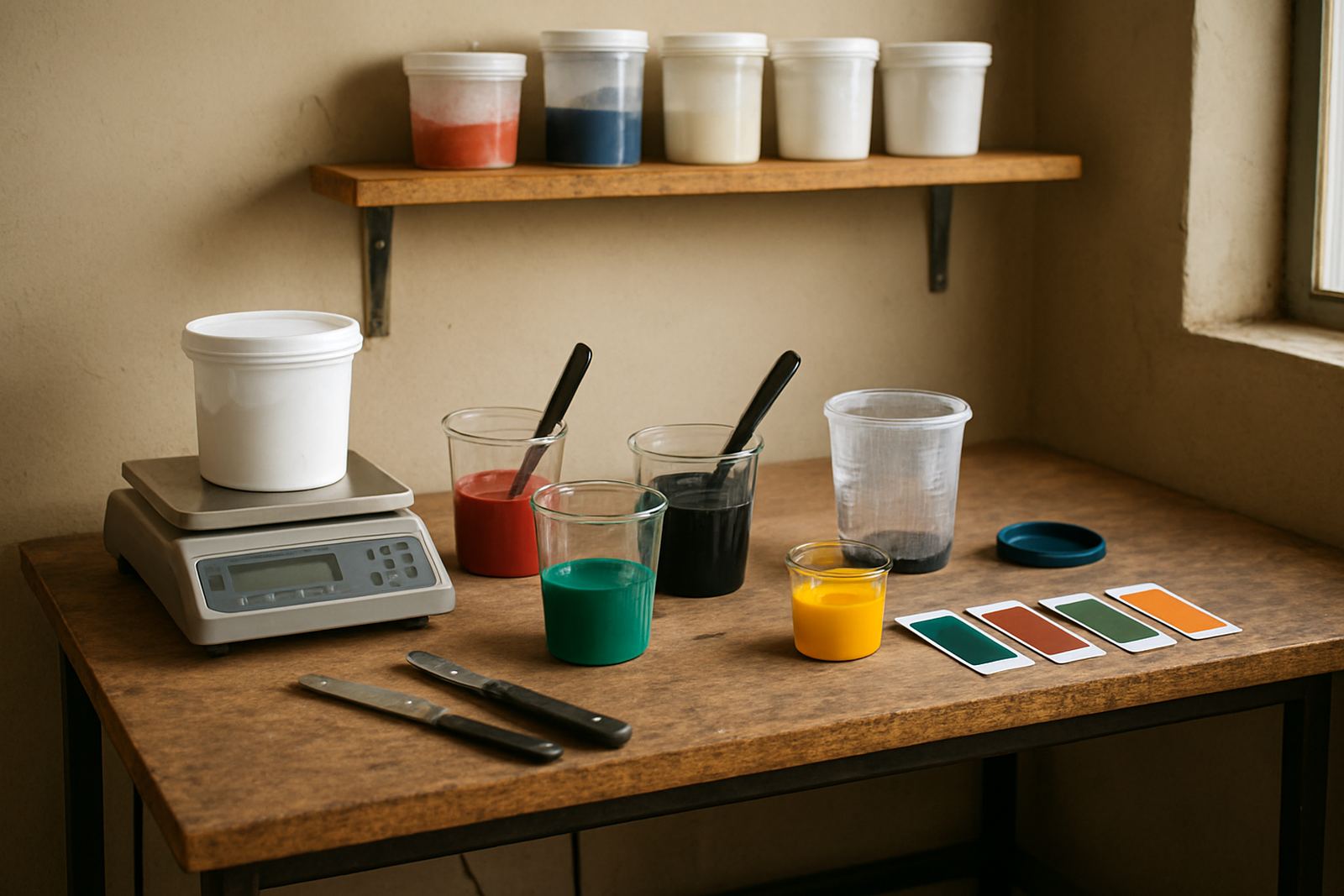
Before you place an order, have a sample product on hand and confirm the exact diameter, length, material and print position. We also need to know the artwork size, ink colour count and whether the print must wrap fully around the container or stop at a panel. If you are using an imported bottle mould, send the sample early because small changes in shape can affect screen setup.
Please also confirm your target daily output and who will be operating the machine. If the team needs colour setup help or production optimising, we can include training during installation. That way the first run is not just a test, it becomes a proper working reference for future orders.
- Container sample and measurements
- Artwork size and colour count
- Material type and surface finish
- Expected daily output and print location
Key facts
| Package type | Starter sample run setup for cylindrical screen printing |
|---|---|
| Suitable items | Bottles, cups, tumblers and tubes |
| Typical output | Trial batches from 50 to 200 units, depending on item and setup |
| Power needs | Single-phase or three-phase options, confirmed to site requirement |
| Support included | Installation, operator training, screen making and setup help |
| Service area | Aeroton, Johannesburg South, Midrand, Pretoria, Durban, Cape Town and nationwide |