What the Production Cell Package Includes
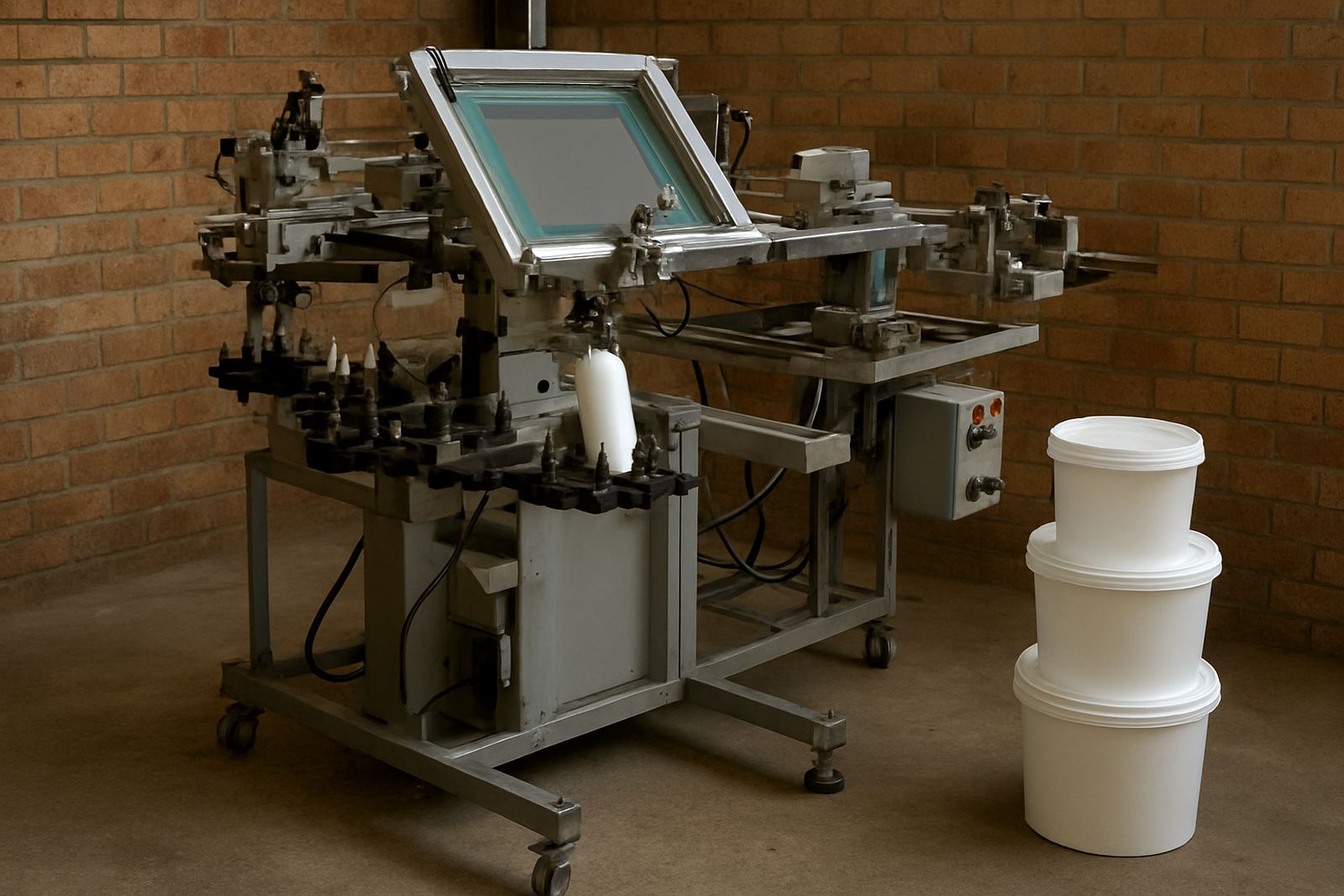
This package is put together for businesses that want a proper printing zone instead of a loose collection of machines at the back of the factory. You get a cylindrical screen-printing machine matched to the product type, working tables, screen handling support and the practical setup needed to keep jobs moving from prep to print to drying. It is a good fit for packaging decorators, contract printers and manufacturers adding in-house branding.
Typical cell sizes start with a compact one-station layout for smaller runs and move up to a multi-station setup for higher throughput. We can configure the cell for short containers, taller bottles, tapered cups or slim tubes. If you are in a shared premises in Aeroton, Midrand or Durban, space planning matters just as much as the machine itself, so the layout is planned around operator movement, stock access and finished goods flow.
- Machine matched to the product shape and print length
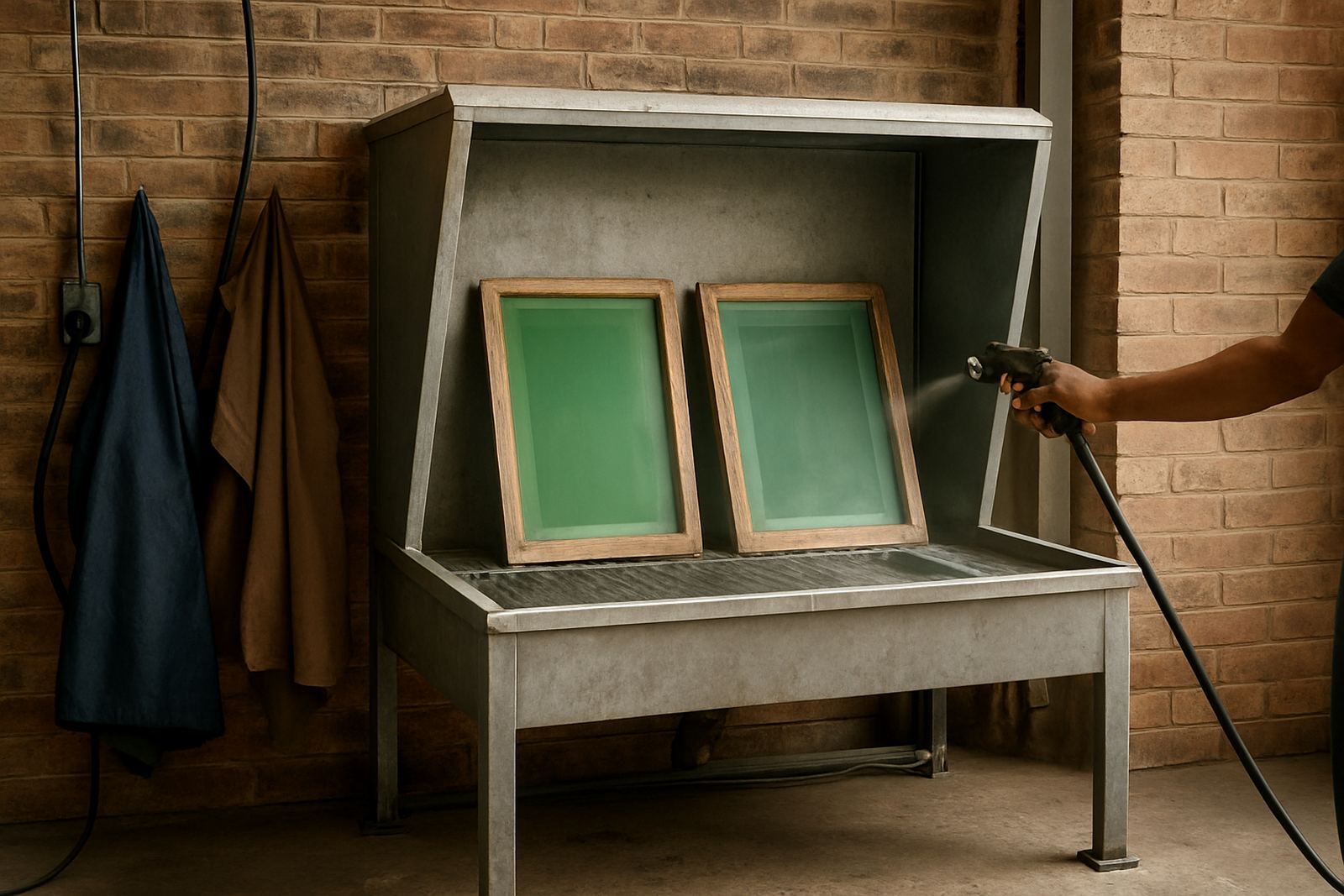
- Screen making and reclaiming support
- Operator training for setup and repeat jobs
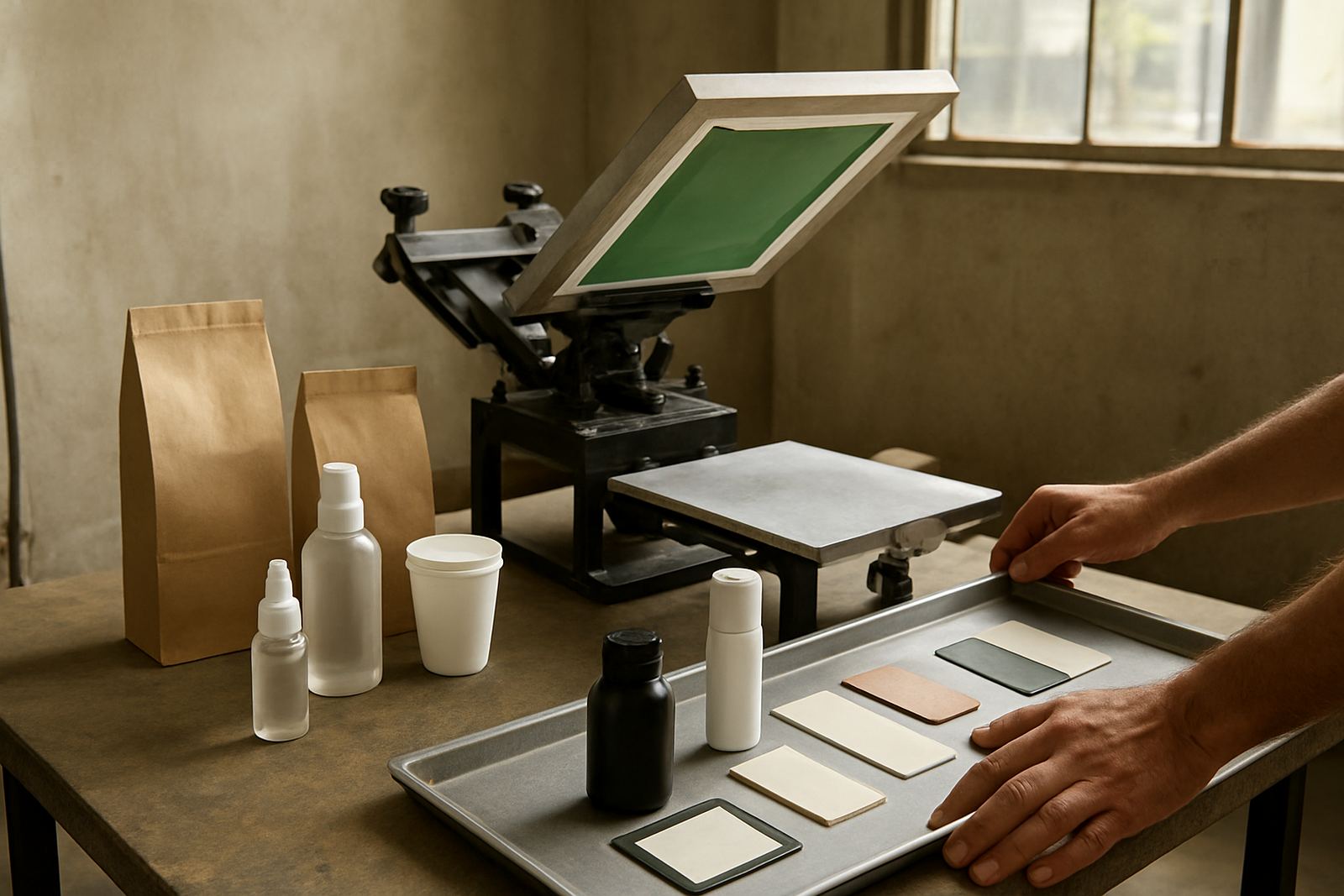
- Colour setup help for cleaner production starts
Sizes and Configuration Options
The right cell depends on container diameter, print area and daily volume. A small workshop may only need a compact footprint with one printer, while a busy production room in Pretoria or Cape Town might need more than one station with separate prep space. We supply cells for 1 colour work as well as more involved multi-colour jobs, depending on artwork and turnaround targets.
Common configuration choices include manual loading or assisted feeding, adjustable fixtures for different bottle heights, and print heads set for straight-walled or slightly tapered products. For customers running mixed packaging, it is worth checking changeover time between 250 ml bottles, 330 ml cans, 500 ml tubes and wider cups. The quicker the changeover, the easier it is to keep the line productive when orders shift.
- Compact single-station cells for smaller volume production
- Multi-station cells for faster repeat output
- Adjustable tooling for varying diameters and heights
- Options for one colour, two colour or more depending on artwork
Where the Cell Works Best
This package suits businesses that need clean, repeatable branding on cylindrical packaging. It is a strong option for beverage bottling, cosmetics, personal care, promotional drinkware, food packaging and industrial tubes. If you are printing on glossy bottles or coated containers, consistency in screen tension and setup is important, especially when orders need to look the same from the first item to the last.
Factories dealing with load-shedding and humidity notice the difference when equipment is arranged properly. A sensible production cell reduces handling faults, keeps screens close to prep, and makes it easier to continue production after a power interruption. In coastal areas like Durban and Cape Town, good storage for screens and inks also helps with moisture control, while inland sites in Johannesburg may need dust control around the print zone.
- Beverage and water bottle branding
- Cosmetic and personal care packaging
- Promotional cups and drinkware
- Plastic and metal tubes for retail products
Installation, Power and Site Readiness
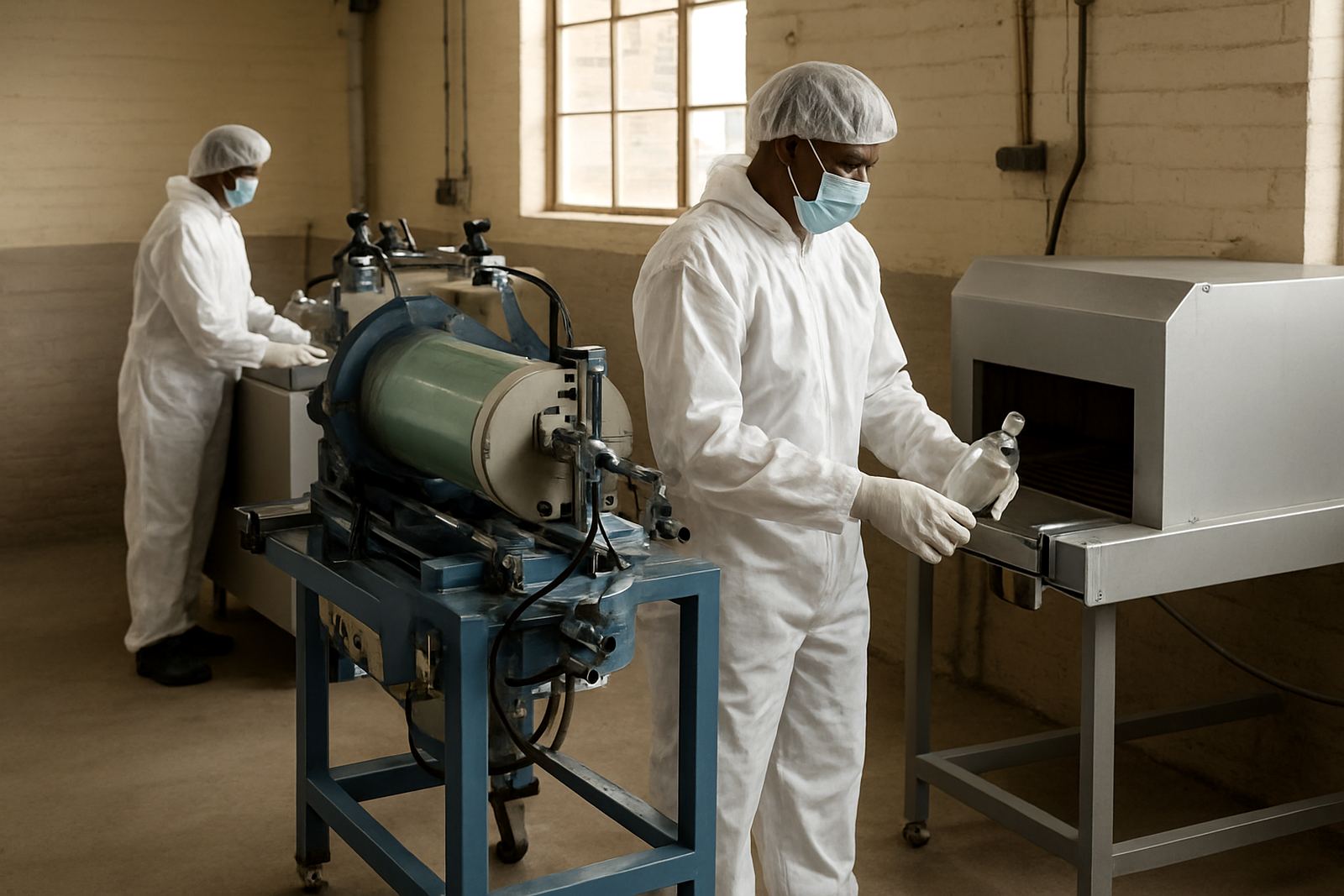
We install nationwide and the site check is an important part of the job. Before delivery, we look at floor space, door widths, access for pallets, operator positions and where finished goods will be stored. If the cell includes curing or drying support, the electrical load must be checked properly so the setup does not trip when several units run at once.
Most cells need a stable single or three-phase supply depending on the machine size and support equipment. If your premises use generators or backup power during outages, this should be checked during planning because start-up surges and inconsistent voltage can affect performance. Compressed air may be needed for some configurations, so line pressure and air quality should be verified as part of the install. A tidy site makes training easier too, and honestly it cuts a lot of avoidable mistakes.
- Check floor space, access and product flow before delivery
- Confirm electrical supply and backup power arrangement
- Allow for compressor and drying equipment where required
- Plan storage for screens, inks and spare parts
Care, Servicing and Preventive Maintenance
A production cell lasts longer when it is cleaned and checked on a schedule rather than only after a fault. Daily care should include wiping ink areas, checking clamps, inspecting registration points and keeping the work surface free of dust. Screens need proper reclaiming so mesh stays usable and stencil edges remain sharp. If screens are handled roughly, print quality drops quickly.
Our service team supports preventive maintenance, breakdown repairs and spares supply. For busy sites in Johannesburg South, Midrand or Pretoria, a regular service visit can prevent a full stop during peak orders. If you run multiple shifts, keep a log of common faults, worn parts and setup changes. That small habit helps with faster diagnosis and less downtime, especially when production must carry on after a power cut or a missed delivery.
- Daily cleaning of fixtures and print areas
- Screen reclaiming after completed runs
- Routine checks on bearings, belts and clamps
- Keep a spares list for worn consumables
What to Confirm Before You Order
To match the cell properly, we need a few practical details. The container shape, diameter range, print length and daily quantity all affect the configuration. It also helps to know whether you print glass, plastic, coated metal or tubes with a seam. Some products need a softer fixture, some need firmer support, and that choice affects registration and repeatability.
Also confirm the ink curing method, the space available for loading and offloading, and whether your team will train on one product family or several. If you are adding the cell to an existing packaging line, tell us how the printed items move afterward so the layout can be planned correctly. The more accurate the brief, the less rework later and the better the output from day one.
- Product material, diameter and print area
- Daily volume and number of colours
- Available floor space and access routes
- Power supply, compressed air and drying method
Key facts
| Package type | Bundled production cell for cylindrical packaging print work |
|---|---|
| Typical products | Bottles, cups, tubes and similar round or tapered items |
| Configuration range | Compact single-station to multi-station production layouts |
| Print capability | 1 colour to multi-colour depending on machine and artwork |
| Power needs | Single or three-phase depending on cell specification |
| Support | Installation, training, maintenance, repairs and spares supply |