What The Starter Workshop Kit Includes
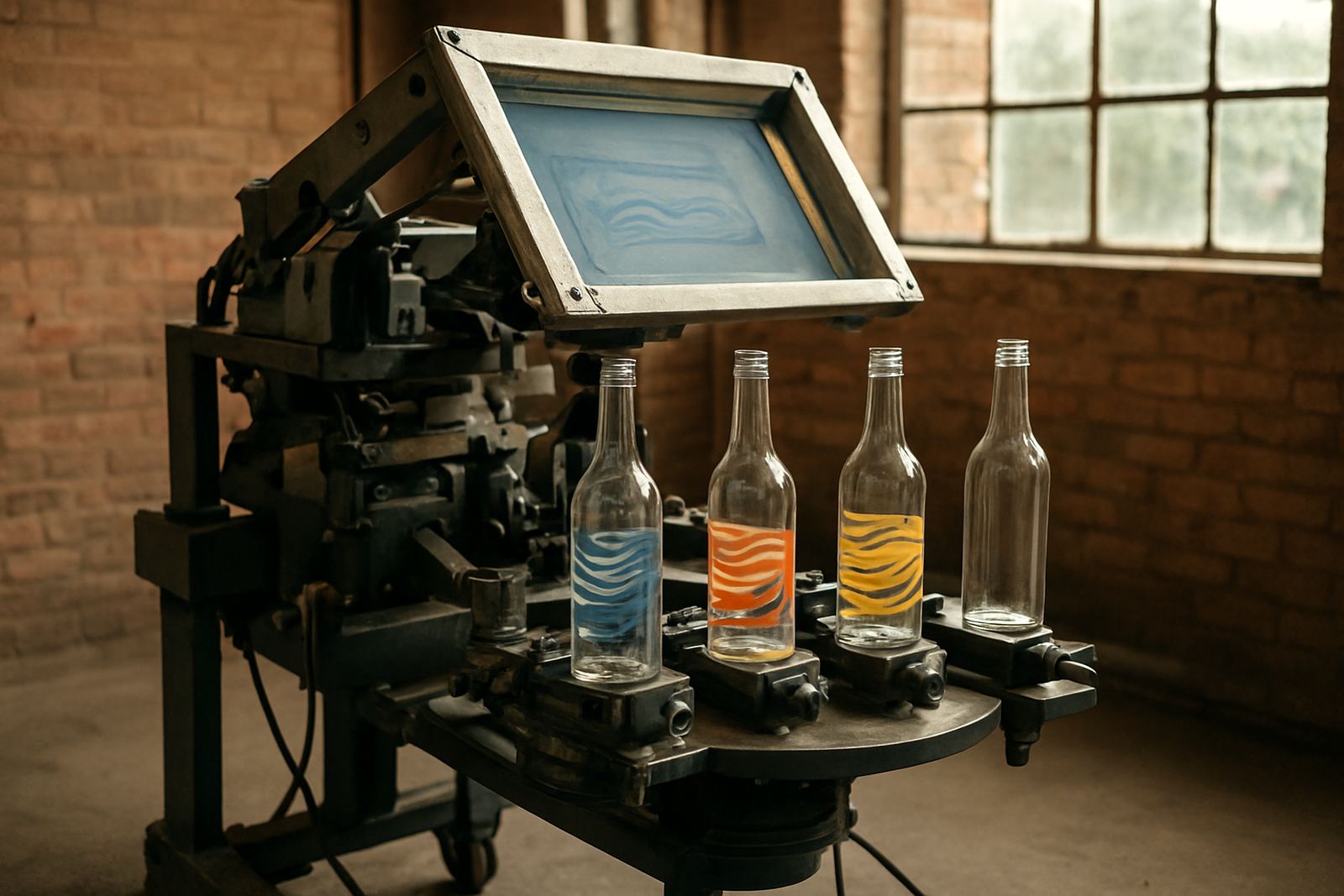
This kit brings together the main items needed for a small cylindrical screen-printing line. It is aimed at workshops that want to start on glass, plastic or coated metal bottles, as well as cups and straight or lightly tapered tubes. The set is put together for dependable daily use, not for show, so the focus is on accurate registration, workable changeovers and easy cleaning between jobs.
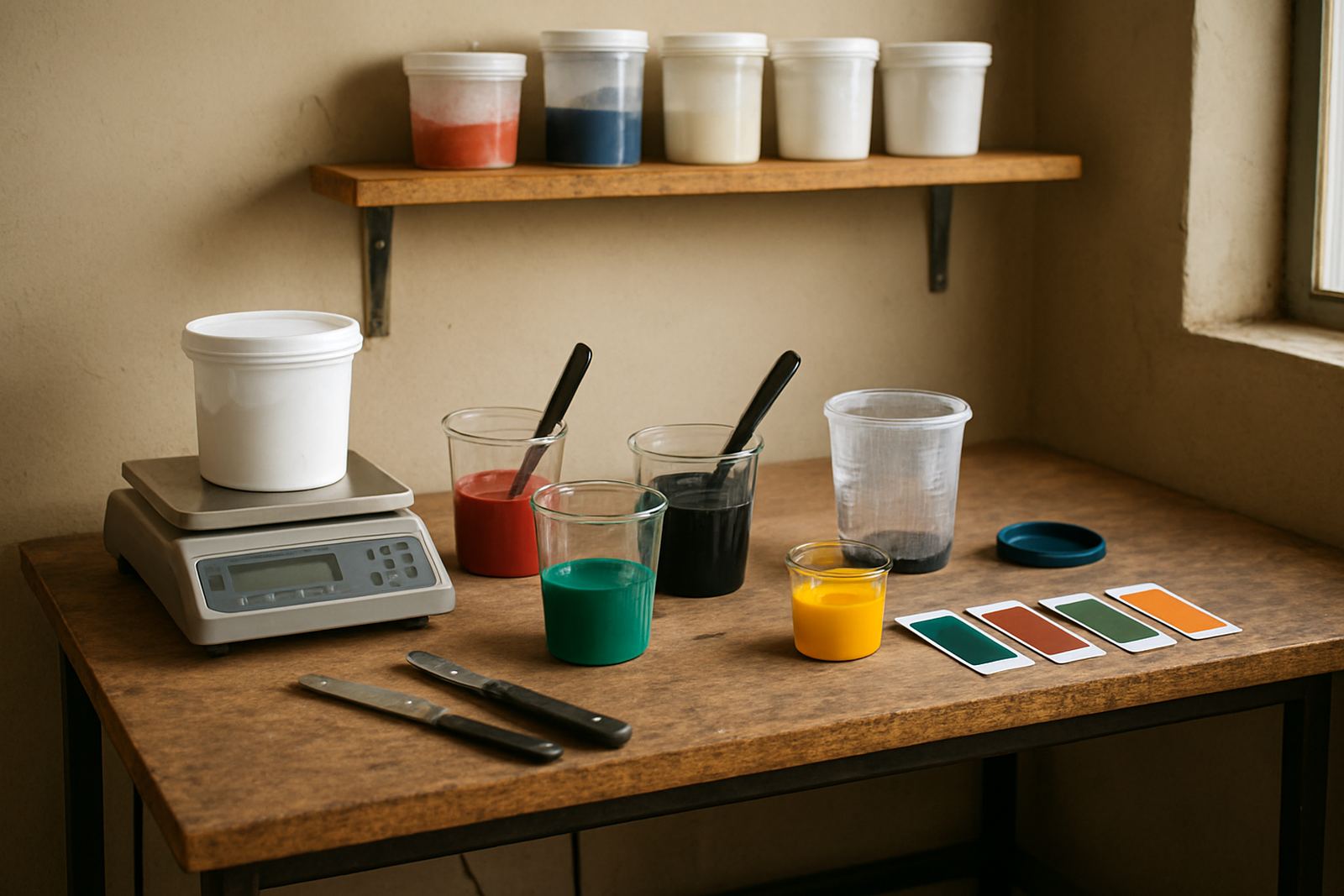
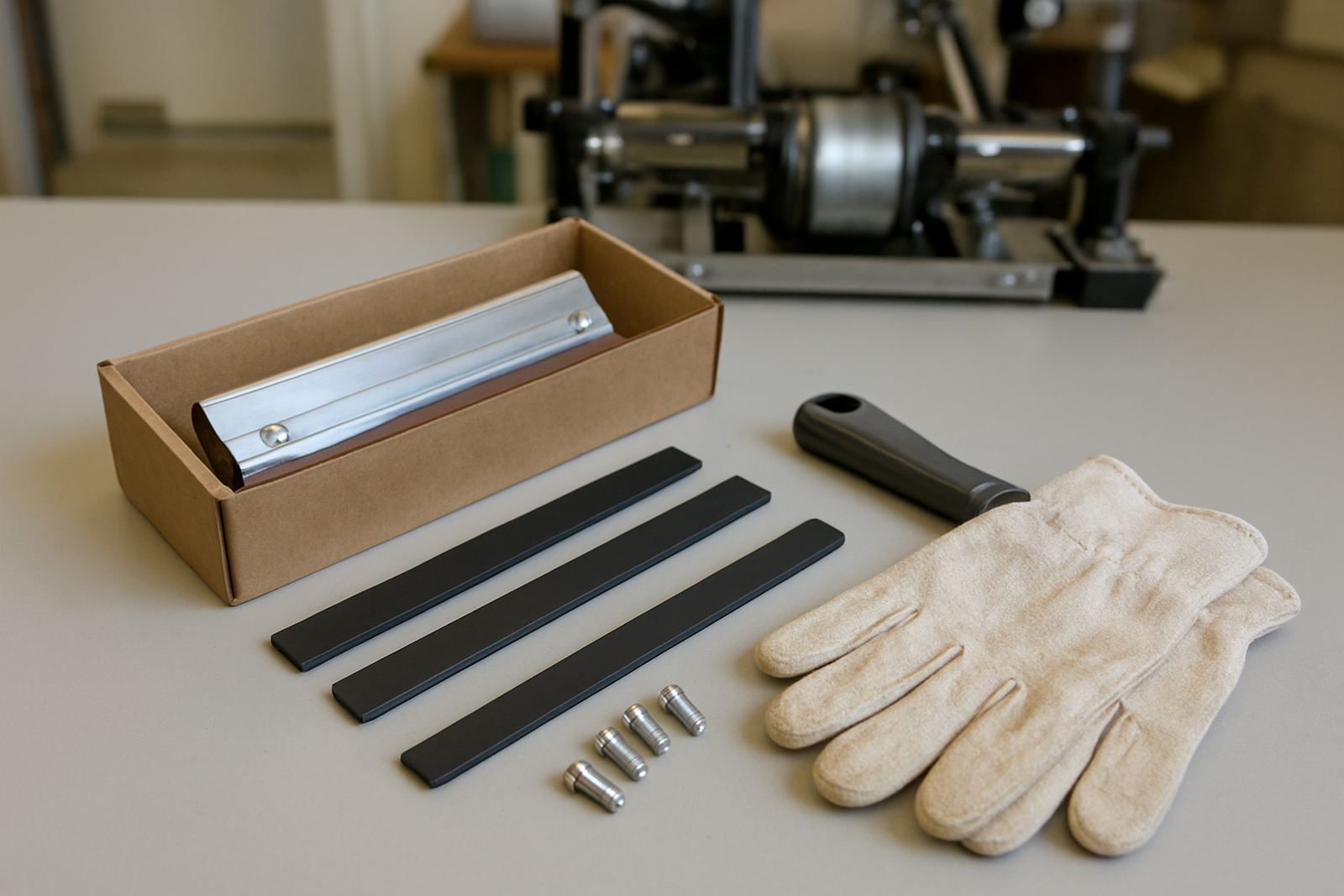
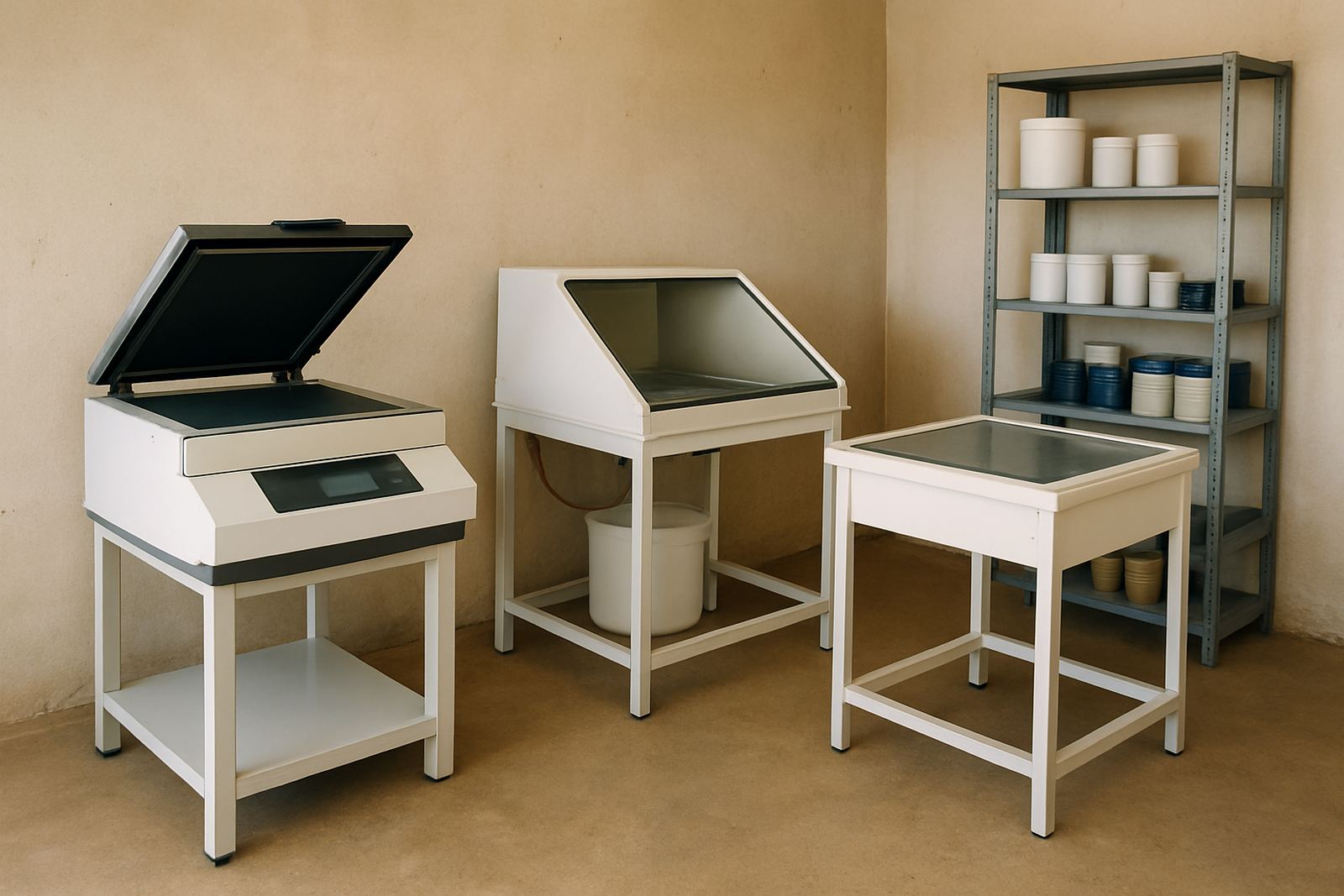
A typical bundle includes a cylindrical printing machine, one or more print screens, basic setup tools, squeegee and flood bar parts, and operator handover. Depending on the stock on hand, the kit can also be matched with screen-making or screen-reclaiming support, which helps when you need repeat work or quick artwork changes. For many new workshops this saves time and avoids buying items one by one.
- Suitable for short runs and repeat orders
- Works with bottles, cups and tubes of similar diameter
- Can be supplied with training and first-job setup help
Sizes And Options For Different Output Levels
Starter Workshop Kit options are normally matched to the size of the products you print most often and the amount of output you need each shift. A compact setup suits a small launch business, while a larger set-up is better if you already have orders from bottle decorators, contract packers or local brands. It is worth planning for growth, because changing the machine later can cost more than choosing the right frame size now.
Common options include manual or assisted cylindrical printing units, screen sizes matched to your artwork width, and jigs for specific bottle diameters. If you are printing narrow cosmetic tubes, a smaller print area may be enough. If you are handling drink bottles or larger cups, check that the stroke length and product diameter range can cope without stretching the artwork. In our experience, getting this right first time avoids waste and a lot of rework.
- Small workshop option for low to medium daily volumes
- Product diameter range to be confirmed before ordering
- Screen size matched to image width and repeat length
Where The Kit Works Best In South Africa
This kit suits start-up workshops in Johannesburg, Pretoria, Midrand, Durban, Cape Town and surrounding industrial areas where there is a steady demand for branded packaging and promotional containers. It also works well for printers serving schools, events companies, cosmetic fillers and local beverage brands. If you are operating in a coastal area, moisture control matters because humidity can affect drying times and storage of screens and inks.
The kit is practical for businesses that need to start with limited floor space. Many small sites in Aeroton, Johannesburg South and similar industrial nodes can accommodate the machine, a drying area and a clean corner for screen handling. Keep the workspace free of dust and overspray, and if you are in a municipal area with strict waste rules, plan for proper ink wash-up and screen reclaiming from the start.
- Good fit for small to medium industrial units
- Useful for contract printing and in-house packaging work
- Can be scaled later with extra screens and setup tools
Installation, Power And Workshop Setup
Installation is arranged to suit the site and the machine selected. Most starter units need a level floor, enough clearance for loading products, and a clean bench or rack space for screens and consumables. Before delivery, check your doorway width, pallet access and whether the machine can be moved safely into the final position without disturbing other production lines.
Power needs depend on the exact unit and any drying or curing equipment used with it. Some workshops can run on standard single-phase supply, while others may need three-phase power for higher throughput or supporting equipment. If your area has load-shedding, ask about the best way to protect your workflow and avoid damaged prints. A small compressor may also be required for certain fixtures, so it is best to confirm air pressure and power requirements before order.
- Level floor and clean loading area required
- Confirm single-phase or three-phase supply before delivery
- Allow space for screens, drying and finished stock
Care, Cleaning And Preventive Servicing
Good maintenance keeps the kit printing evenly and extends the life of the moving parts. Screens should be cleaned soon after use, then stored dry and flat or in proper racks. The machine itself needs regular wiping, light lubrication where specified, and checks on clamps, alignment and moving guides. If your workshop handles solvent-based inks, make sure cleaning is done in a ventilated area and in line with local safety rules.
For busy shops, a simple weekly check is worth doing before production starts. Look at registration points, squeegee condition, product holders and any wear on guides or bearings. If print quality starts changing, do not push through it. Small faults often show up first as ghosting, light print or uneven curing, and catching them early saves stock. We can help with breakdown repairs, spare parts and operator refreshers when the line starts to drift.
- Clean screens promptly after each run
- Check alignment and clamp wear weekly
- Plan service before peak order periods
What To Check Before You Order
Before placing an order, confirm the exact products you want to print, the print area, and the finish you need. A smooth glass bottle and a textured plastic cup do not behave the same way, so the machine and screen setup must suit the surface. You should also confirm your artwork size, the number of colours, and whether the job needs fast changeovers or longer repeat runs.
It helps to send sample bottles or cups where possible, together with target quantities and any municipal or industry compliance needs. If your products are for food, cosmetics or drinks, ask about ink choice and curing method so the final print will hold up in handling and washing. One missed measurement can stop a full run, so check neck size, body diameter, height, and whether the container tapers. That small detail can make a big difference.
- Product diameter, height and taper measurements
- Artwork size, number of colours and expected monthly volume
- Power supply, floor space and ventilation at the site
Key facts
| Product type | Starter bundle for cylindrical screen printing |
|---|---|
| Suitable products | Bottles, cups and tubes |
| Typical workshop size | Small to medium start-up operation |
| Power requirement | Depends on selected machine and supporting equipment |
| Installation area | Level floor with loading and screen storage space |
| Support available | Installation, training, maintenance and spares supply |