What the Spare Squeegee Kit Covers
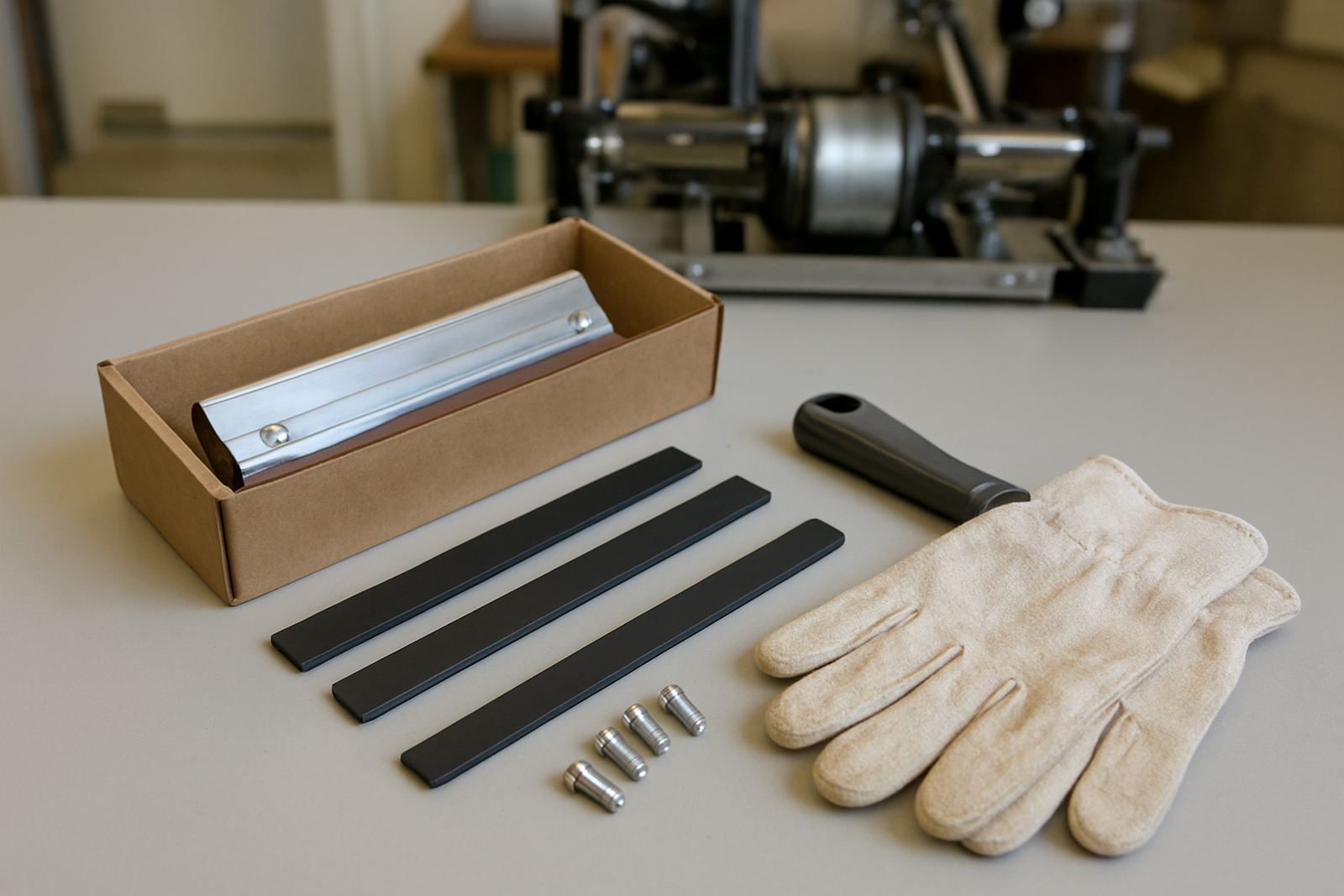
This replacement kit is used on cylindrical screen-printing machines where the squeegee bar and blade keep ink moving through the screen and onto the bottle, cup or tube surface. Over time the edge hardens, picks up small cuts, or starts leaving light patches and drag marks, so having a spare kit on hand keeps production moving with less waiting around.
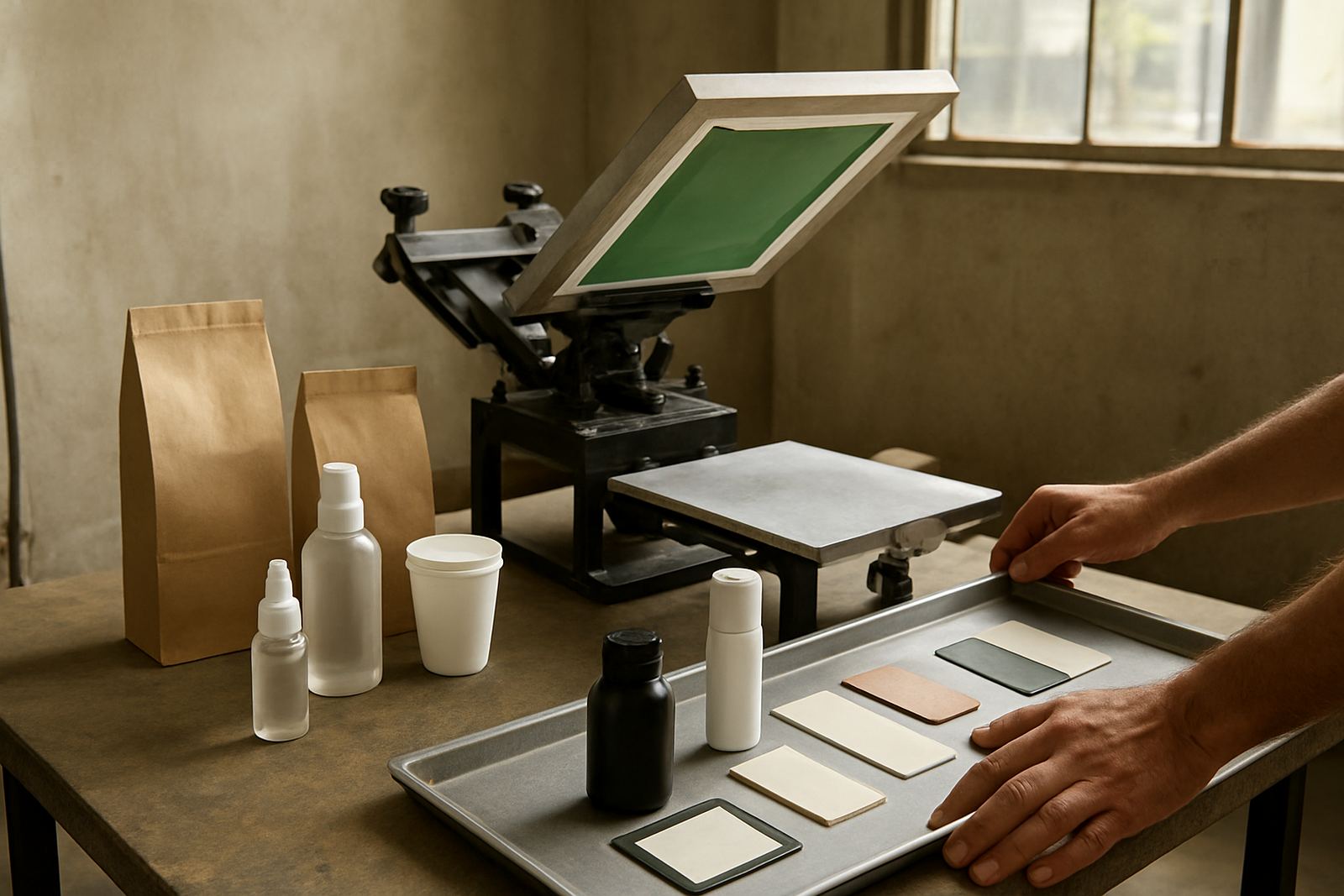
The kit is suited to straight-walled and lightly tapered items where clean ink transfer matters. It is a practical choice for branding water bottles, cosmetic tubes, food containers, promotional cups and similar round products. In many Johannesburg and Pretoria workshops, one spare set saves the day when a blade is damaged during cleaning or a changeover.
- Replacement squeegee blade and holder components
- Suitable for cylindrical screen-printing print heads
- Helps maintain even pressure across the print stroke
- Useful as a standby part for busy production runs
Available Sizes and Setup Options
Spare squeegee kits are normally selected by print width, blade length and the mounting style on the machine. The right option depends on your cylinder diameter range, the artwork width and the head design on site. A kit that is too short will miss the edges, while one that is too long can flex and leave uneven ink deposits.
For most small to medium production lines, the common working widths cover short promotional runs through to higher volume packaging jobs. If you print a mix of 30 ml tubes, 250 ml bottles and larger containers, it helps to keep matched spare kits for each print head size rather than trying to use one kit across all jobs. That saves time during setup and cuts down on trial runs.
- Typical blade lengths: 150 mm, 250 mm, 300 mm and 400 mm
- Common blade heights: 20 mm to 50 mm profiles
- Hardness options usually suit fine detail or heavier ink laydown
- Mounting holes and clamp style must match the print head
Where It Suits Best in South African Production
This kit suits businesses that need steady output in packaging, promotional goods, cosmetics and contract printing. It is especially useful where short lead times are normal and the machine cannot sit idle while a worn blade is sourced. Coastal humidity in Durban or Cape Town can also speed up corrosion on neglected parts, so keeping a clean spare set is good practice.
In inland factories, load-shedding and start-stop operation can put extra strain on operators as they restart lines, recheck registration and reset ink flow. A spare squeegee kit reduces the risk of losing a full shift over a small worn edge. It also helps when municipal water supply interruptions affect washing routines and the existing blade needs to be taken out for a proper clean.
- Packaging plants with daily changeovers
- Branded bottle and cup production
- Cosmetic and chemical tube printing
- Short-run jobbing shops and contract printers
Installation, Power and Site Requirements
The kit itself does not need power or gas, but it must be installed correctly into the print head before production starts. Fitment normally needs basic hand tools, a clean bench and enough space to set the blade square to the frame. If the blade sits skew, the print may show streaks on one side and a heavy build on the other, which wastes ink and time.
For sites with compressed air, it is worth checking that the machine pressure is stable before you fit a new kit, because poor air control can make a good blade look faulty. On some lines the print head height, carriage pressure and stroke stop also need a quick reset after replacement. We always recommend checking the machine manual and confirming the exact mounting arrangement before ordering or fitting.
- Requires no direct electrical supply
- No gas connection needed
- Clean, dry storage area recommended
- Fitment should be done on a level, well lit bench
Care, Cleaning and Preventive Maintenance
A spare kit lasts longer when it is kept dry, out of sunlight and away from solvent splash. After every run, wipe the blade clean, remove dried ink from the holder and check for small chips or nicks near the working edge. A blade that looks minorly worn can still start leaving a faint line across light coloured bottles, so it is best not to push it too far.
For plants running in Johannesburg South, Midrand or Aeroton, monthly checks usually work well, while busier lines may need weekly inspection. Replace the kit if the blade has hardened, bowed or lost an even edge. If you use aggressive cleaners, make sure they do not attack the blade material or swell the mounting parts.
- Store flat and covered to avoid warping
- Keep spare blades labelled by width and hardness
- Inspect after every 1,000 to 5,000 impressions, depending on ink type
- Recheck pressure after installation and after the first 20 to 30 prints
What to Check Before Ordering
Before placing an order, confirm the print head make-up on your machine and measure the working width, holder opening and fixing pattern. The wrong size can delay production and need extra adjustment on site. It also helps to know whether your line runs thin inks, heavier opaque inks or special coatings, because the blade hardness and edge profile must suit the job.
If you are unsure, send the machine model details, a photo of the existing blade assembly and the print size range you use most often. That makes it easier to match the right kit for your operation and avoid unnecessary downtime. For sites with more than one line, keep a note of which set belongs to which station, because swapping parts between heads can create avoidable setup errors.
- Working width of the print head
- Blade thickness and hardness
- Mounting style and fixing hole spacing
- Ink type and product diameter range
- Whether you need one spare or a full backup set
Key facts
| Product type | Replacement squeegee kit for cylindrical screen printing |
|---|---|
| Typical widths | 150 mm, 250 mm, 300 mm, 400 mm |
| Blade hardness options | Soft, medium and firm grades |
| Application | Bottles, cups, tubes and other round products |
| Installation | Manual fitment to the print head, no power required |
| Best use | Preventive spares for busy production lines and rapid changeovers |