What the screen exposure unit does on a production floor
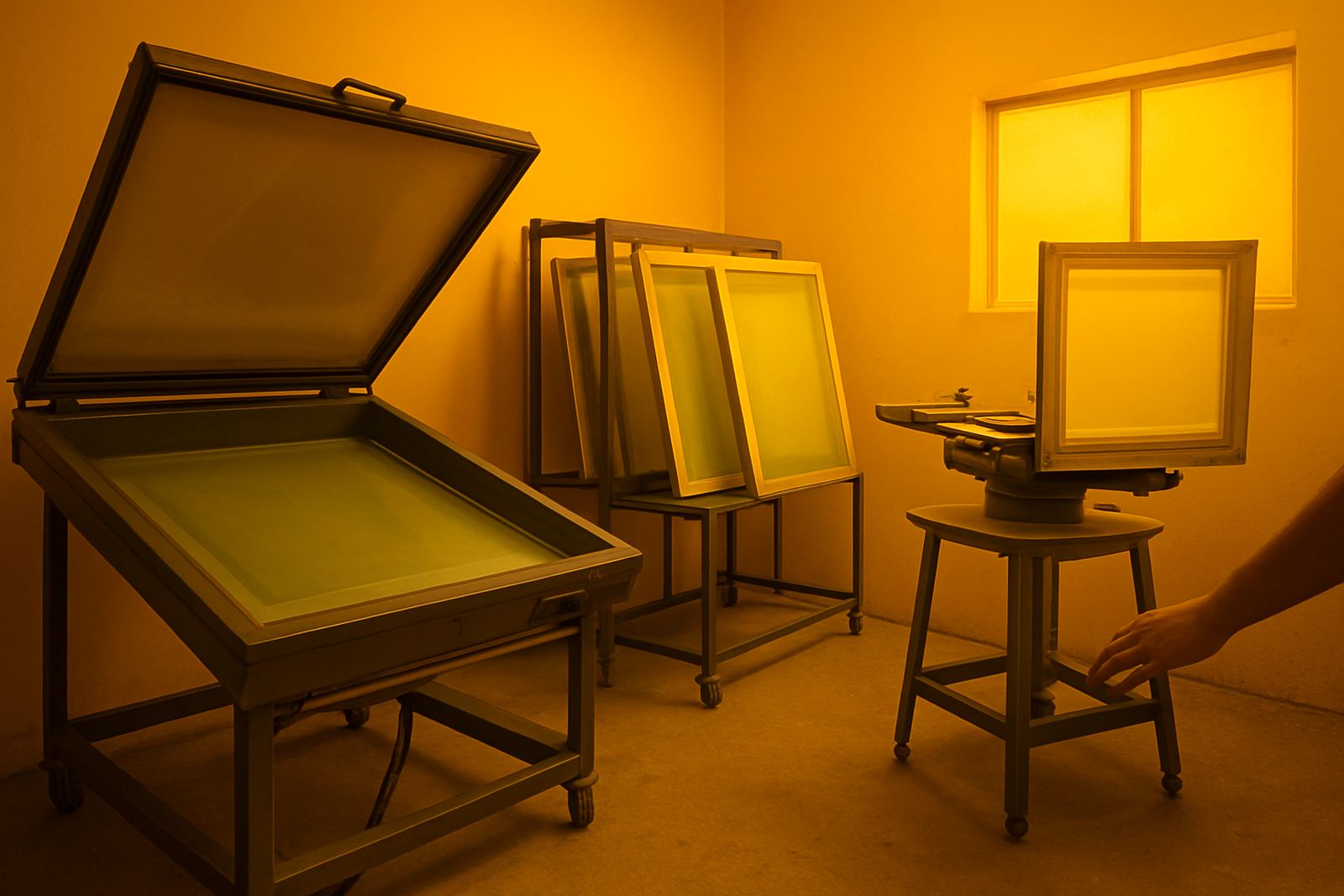
A screen exposure unit hardens the light-sensitive coating on a screen after artwork has been placed on it. For cylindrical screen printing, that means your fine linework, logos, text and repeat artwork are transferred accurately onto the mesh so the screen is ready for press work. When the exposure is done properly, you get cleaner edges, better ink control and fewer screen remake jobs.
For shops printing on bottles, cups and tubes, in-house exposure saves time because screens do not need to be sent out for preparation. That helps when you are running short batches, colour changes or urgent reprints for customers in Johannesburg, Pretoria, Durban or Cape Town. It also gives you more control over quality during load-shedding periods, since your screen prep can be planned around your own schedule.
- Suitable for cylindrical screens used on bottles, cups and tubes
- Helps with repeatable screen quality for spot colours and fine detail
- Reduces waiting time between artwork approval and production
- Useful for small workshops and higher-output print rooms alike
Sizes and options for different screen-making volumes
The right unit depends on the screen size you produce, how many jobs you handle each day and the space you have available. Smaller units are practical for a compact production room in Aeroton or Midrand, while larger cabinets suit busier operations that make several screens at once. Most buyers look for even light distribution, a timer control and a frame size that allows comfortable handling without touching the coated surface.
Common options include bench units and floor-standing units. Bench units work well where floor space is limited. Floor-standing units are better when you need easier loading of larger frames and more consistent daily use. If you handle mixed work, ask for a size that gives you room for your largest screen with a safe margin around the edges.
- Bench-top or floor-standing cabinet options
- Single-screen or larger multi-size exposure chambers
- UV light sources with timer control for repeatability
- Frame sizes matched to your cylindrical screen format
For many South African workshops, the best choice is the unit that fits the largest screen you use now, plus a little allowance for future jobs. That keeps the setup practical without overspending on unused capacity.
Where this unit suits best in South African print shops
This equipment suits businesses that make their own screens for product decoration, contract printing or small to medium production runs. It is a good fit for companies printing on promotional bottles, water containers, travel cups, cosmetic tubes and similar cylindrical products. If your work includes frequent artwork changes or short delivery times, in-house exposure can make planning a lot easier.
It also suits operations that need better control over print quality in humid coastal areas or dusty inland workshops. Exposure quality affects how the screen handles ink release later on, so a steady in-house process can reduce rejects and rework. That matters when you are supplying retailers, events companies or manufacturing clients who expect the same result every time.
- Print shops handling bottles, cups and tubes
- Workshops with daily screen turnaround requirements
- Businesses that want to reduce outside screen prep costs
- Sites needing tighter control over consistency and print detail
Installation, power supply and site readiness
Installation is usually straightforward, but the room around the unit should be dry, clean and free from direct sunlight. A level floor or strong bench is important so the exposure surface stays even. We also look at access for screen handling, ventilation and the route from coating area to exposure area, because wet screens should not be carried too far.
Most units run on standard electrical supply, but the exact load depends on the size and lighting system selected. In many cases a dedicated plug point is preferred, with stable supply during exposure cycles. If your site has load-shedding, we can advise on backup power sizing so the unit can still complete normal daily work. No gas connection is normally required for this product.
- Stable 220V electrical supply on the selected model
- Level, dry installation area away from dust and water splash
- Dedicated circuit or plug point recommended
- Backup power planning useful where load-shedding affects production
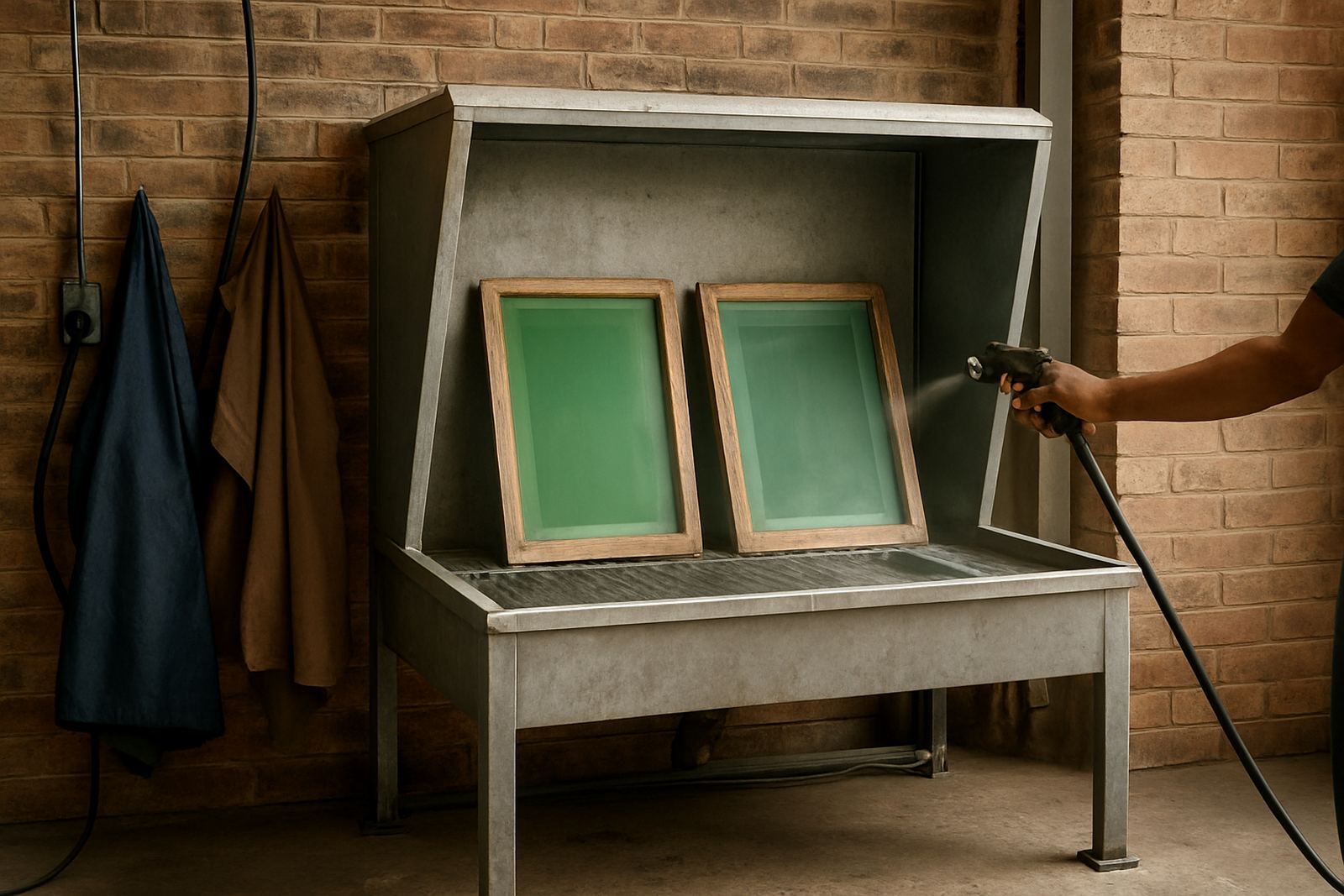
For larger production rooms, it helps to place the exposure unit near screen coating and washout areas, but not where overspray or reclaimed screens can dirty the cabinet. That small bit of planning saves trouble later.
Care, maintenance and service life
A screen exposure unit needs regular care to keep exposure times consistent. The glass or exposure surface should be kept clean, the seals checked and the light source monitored for wear. Dust, coating residue and ink mist can all affect exposure quality if the unit is neglected. In humid areas such as Durban, keeping the cabinet dry and closed after use matters even more.
We recommend a basic weekly clean and a more detailed check at planned intervals. If the timer is drifting, the light output looks uneven or the unit is taking longer than normal to expose a screen, it should be checked before it starts affecting production. Preventive maintenance is cheaper than redoing screens and losing press time.
- Keep the glass and seals clean and free from dust
- Check light output and timer function regularly
- Store screens and artwork sheets in a dry area
- Arrange servicing before small faults become downtime
What to confirm before you place an order
Before ordering, confirm the largest screen size you plan to expose, how many screens you make per shift and what kind of artwork detail you print most often. Fine detail needs steadier exposure control, while bigger production volumes need easier loading and faster turnaround. You should also check where the unit will stand, how the room is ventilated and whether your power supply is stable enough for daily use.
It is also worth confirming your screen coating method, because the exposure unit should suit your overall process from coating through to washout. If you are unsure, send us your screen size, daily output and the type of cylindrical products you print. We can match the unit to your work and advise on setup before installation.
- Largest screen dimensions and frame type
- Typical daily screen count and turnaround time
- Power availability and backup arrangement
- Workshop space, lighting and washout layout
Getting these details right upfront avoids expensive changes later and keeps your screen room practical for day to day production.
Key facts
| Product type | Screen exposure unit for cylindrical screens |
|---|---|
| Use | In-house exposure of coated screens for bottles, cups and tubes |
| Frame size options | Available to suit small, medium and larger cylindrical screens |
| Power | Standard electrical supply, model dependent |
| Control | Timer-based exposure control |
| Typical install areas | Aeroton, Johannesburg South, Midrand, Pretoria, Durban and Cape Town |