What the Single Colour Unit does on a production floor
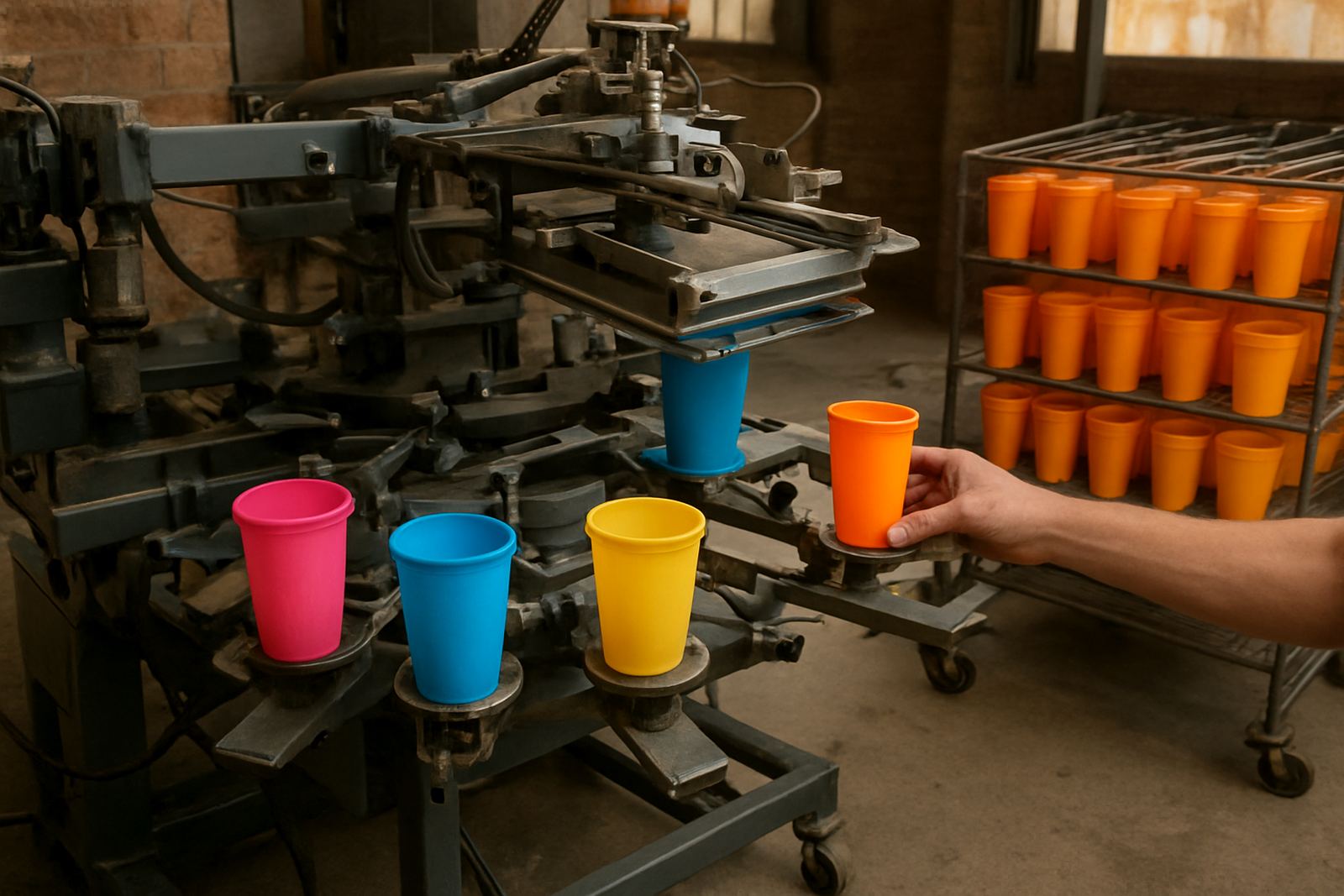
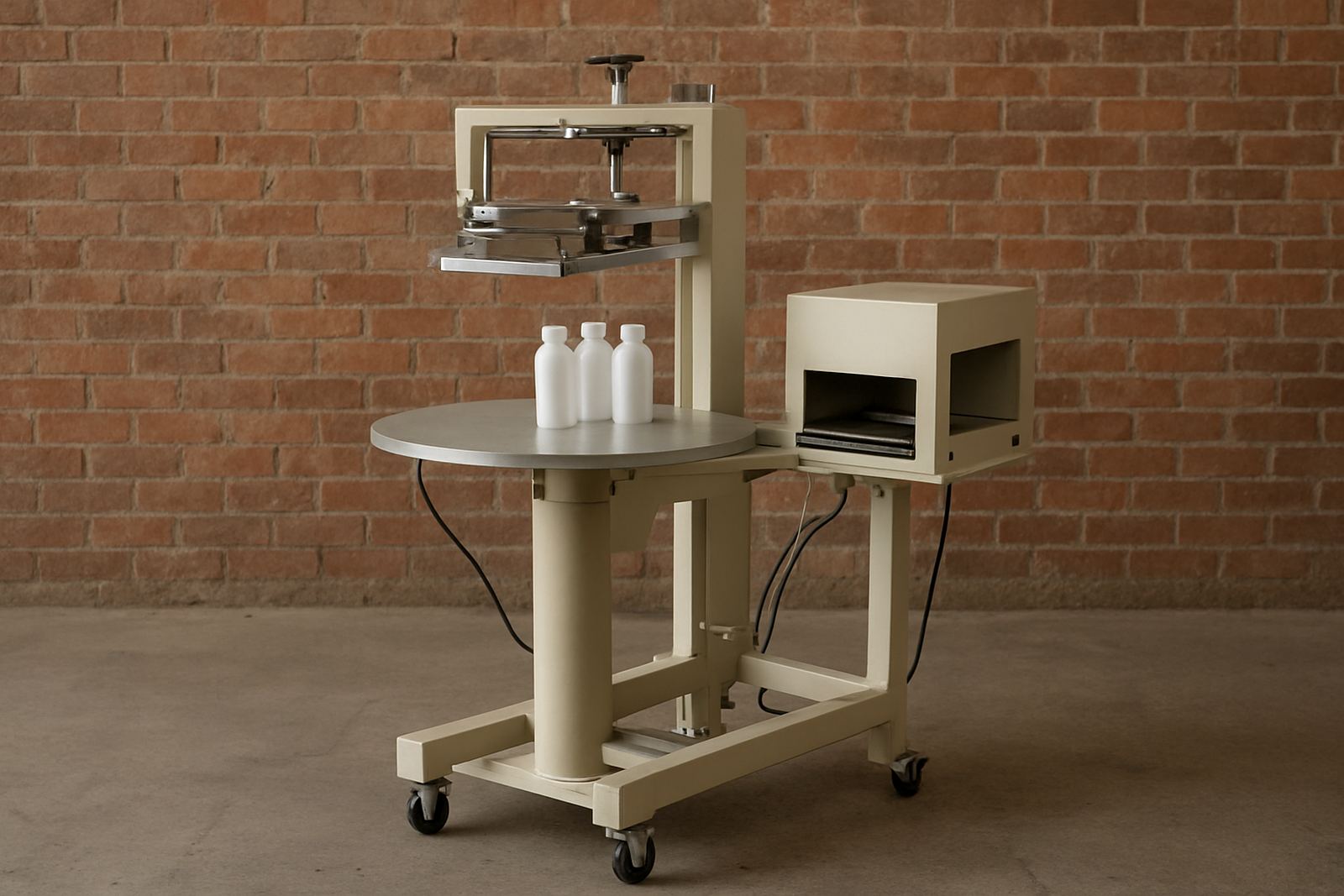
The Single Colour Unit is made for one colour at a time on round or tapered containers, using a cylindrical screen-printing setup that keeps the container steady while the print head does the work. It suits short to medium runs where you need neat branding on water bottles, plastic tubes, cosmetic containers, shaker cups and similar products. For many South African shops, this is the practical step up from hand printing when consistency starts to matter and orders become less forgiving.
Because it is a single-station machine, the operator can focus on placement, ink flow and pressure rather than managing multiple print heads. That makes it easier to train staff, especially in teams where turnover is high or where you are adding printing to an existing packing line. The result is a cleaner print and less wasted stock, which helps when substrate costs are climbing and clients want faster turnaround.
Sizes, container types and setup choices
We supply the Single Colour Unit in practical configurations for different container diameters and lengths. The right choice depends on the smallest and largest item you plan to print, plus whether the item is straight wall, lightly tapered or fully cylindrical. If you print only one or two product families, it is worth matching the unit closely to those sizes instead of paying for extra range you will not use.
- Printable diameter range: typically 20 mm to 120 mm, depending on setup
- Printable length: commonly 60 mm to 300 mm for bottles, cups and tubes
- Container types: plastic bottles, metal bottles, squeeze tubes, jars and cups
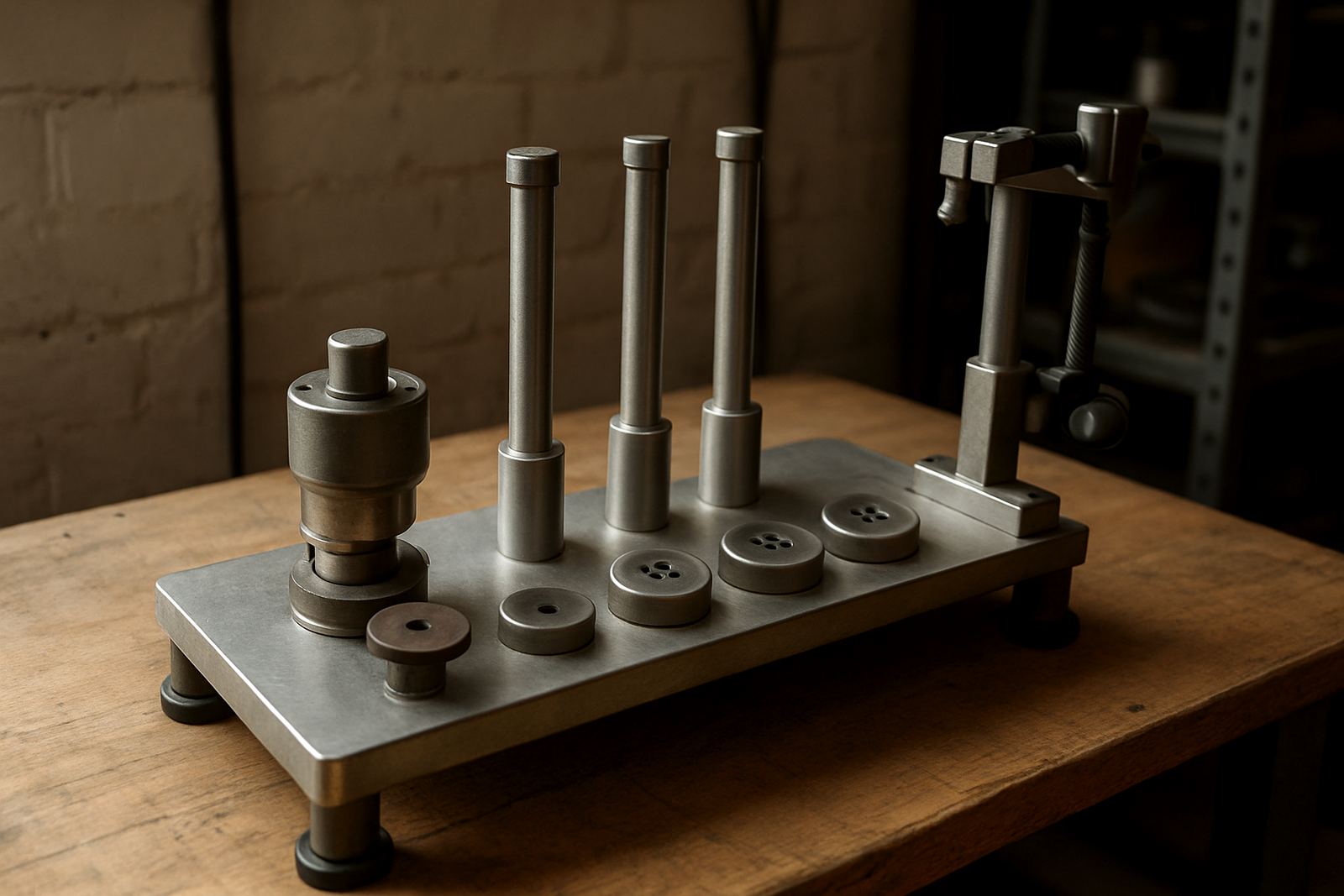
- Jig or fixture options: quick-change fixtures for different necks, bases and tapers
- Screen frame formats: sized for the artwork area and repeat length required
For businesses near the coast, where humidity can affect drying and ink behaviour, it helps to plan the machine layout with enough space for curing racks or airflow control. In Johannesburg or Pretoria, the challenge is often dust and workshop heat, so a tidy, level print area is just as important.
Where this machine fits best in South Africa
This unit suits small factories, contract decorators, promotional product suppliers, refill packers, bottling operations and packaging firms that need branded containers without moving into a full multi-colour line. It is also a strong fit for businesses in Johannesburg South, Aeroton, Midrand, Pretoria, Durban and Cape Town that want to keep printing in-house instead of outsourcing to another town and waiting for stock to return.
It works well when the artwork is one colour, the print area is clear and the client values durability more than photographic detail. Screen print ink on cylinders gives a solid finish on many substrates, especially where abrasion resistance and good opacity matter. If you are printing batch codes, logos, size marks or simple product names, the Single Colour Unit is often the right amount of machine without overspending.
- Good for promotional runs and regular repeat orders
- Suitable for new product launches with one-colour artwork
- Useful for seasonal packaging and contract packing work
- Handy where space is limited and power supply must stay simple
Installation, power and workshop requirements
We install nationwide from our Aeroton, Johannesburg base, with support for site setup in major centres and outlying areas. Before delivery, it helps to confirm floor space, access widths, power points and where screens, ink and drying racks will sit. The machine should stand on a level surface with enough room for the operator to load stock, adjust the fixture and remove printed items safely.
Most Single Colour Units use a standard electrical supply and do not need compressed gas for normal operation, though exact requirements depend on the chosen configuration. If your workshop runs through load-shedding, we can advise on backup power planning so the machine does not stop mid run. For some businesses a small inverter or generator is enough, while larger production rooms may need a dedicated circuit and protected sockets. It is also worth checking extraction and ventilation if you are using solvent-based inks.
- Level floor and clear operator access on at least one side
- Stable electrical supply with surge protection
- Ventilation suited to the ink system in use
- Drying or curing space close to the machine
- Space for screens, squeegees and changeover tools
Care, servicing and daily print quality checks
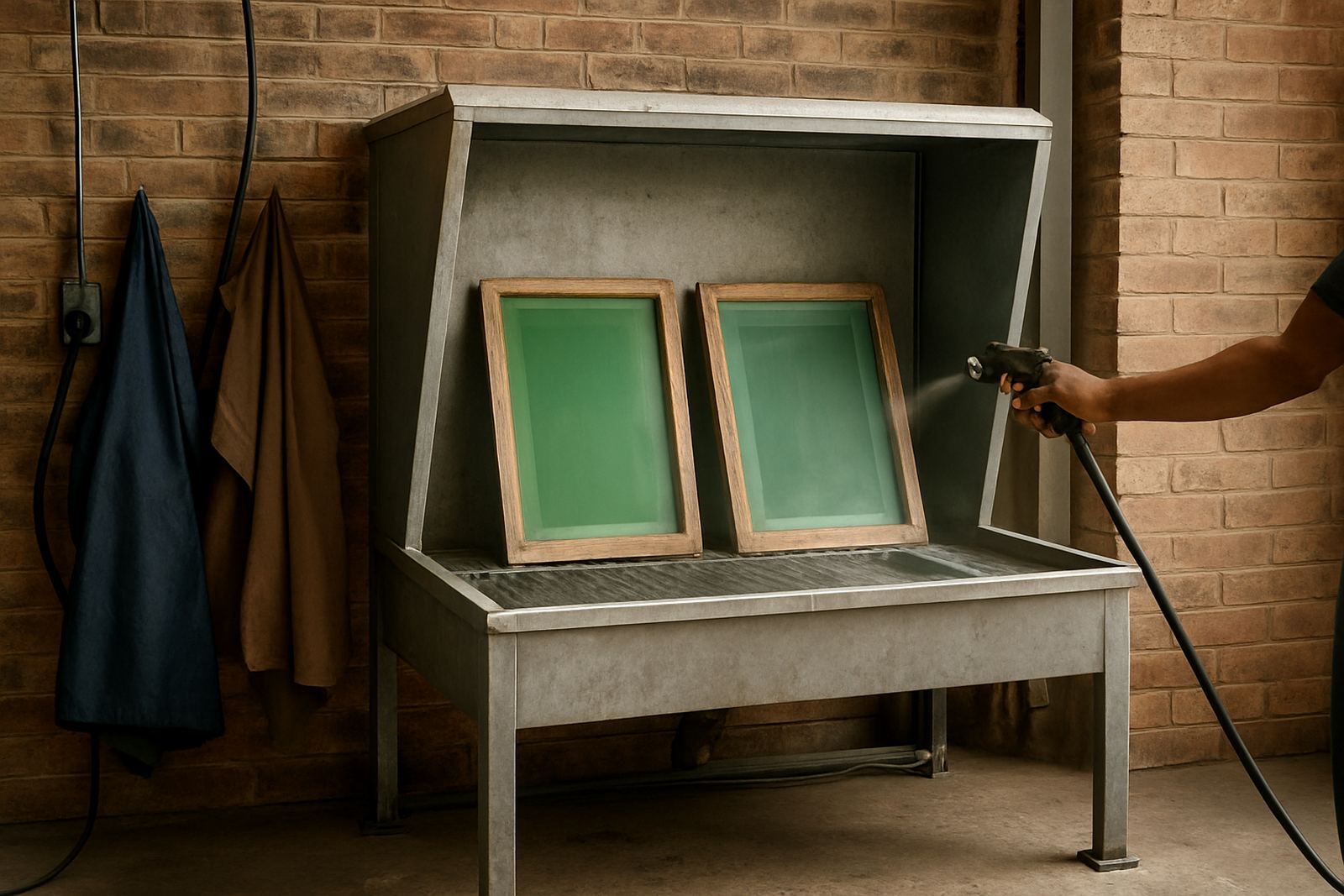
Like any screen-printing machine, the Single Colour Unit gives the best results when it is cleaned and checked every day. Screens should be reclaimed properly after use, ink should not be left to dry on the mesh, and moving parts need regular inspection for wear. A small amount of preventive maintenance goes a long way, especially where the machine is used hard during peak seasons or where a single operator is doing several jobs.
We offer preventive maintenance, breakdown repairs, spares supply and training so your team can keep production moving. If print quality starts to drift, the first things to check are registration, squeegee angle, mesh tension, container centring and curing consistency. On some jobs a slight adjustment is all that is needed, not a full stoppage. With good care the unit remains dependable and predictable, which matters when orders must go out on time and reprints cost money.
What to check before you place an order
Before ordering, have your container samples ready and be clear on the exact print area, artwork size and monthly volume. It also helps to know whether you will print glass, plastic, aluminium or coated material, because substrate choice affects ink selection and curing. If your bottles or tubes change size across ranges, send the full spread so the fixture can be matched properly from the start.
- Container diameter, length and any taper
- Artwork size and placement requirements
- Material type and finish, including glossy or coated surfaces
- Daily or monthly output targets
- Power available at the site
- Need for training, screen making or reclaiming support
It is also sensible to plan for spare screens, ink storage and a backup parts list from day one. That keeps production moving if a screen gets damaged or a consumable runs low. If you are not sure which configuration suits your line, our team in Aeroton can help you match the machine to the products you are actually printing, not just the ones on paper.
Key facts
| Machine type | Single-station cylindrical screen-printing unit |
|---|---|
| Print colours | Single colour per setup |
| Typical container range | 20 mm to 120 mm diameter, depending on fixture |
| Typical print length | 60 mm to 300 mm |
| Supported materials | Plastic, glass, metal and coated containers, subject to ink choice |
| Support services | Installation, training, screen making, maintenance and repairs |