What a Cup Printing Machine does in daily production
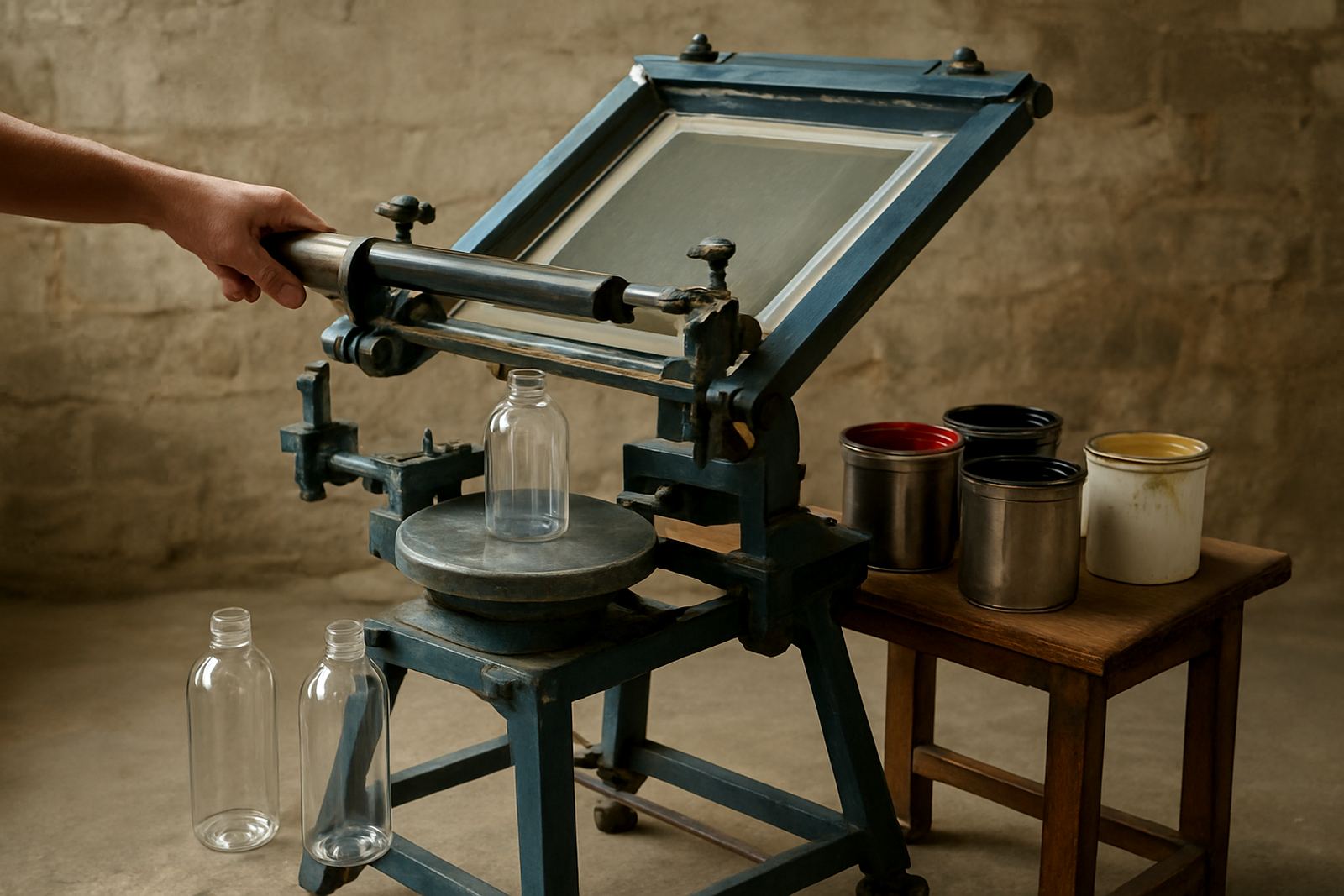
A cup printing machine is a cylindrical screen-printing unit set up for round or lightly tapered drinkware. It holds the cup in a fixed position, rotates it under the screen, and lays down ink with far better consistency than hand methods. That matters when you are printing logo repeats, sponsor marks, volume numbers or simple full wrap designs on reusable cups for events, corporate gifting and retail packs.
In practical terms, the machine helps you keep artwork aligned from the first cup to the last. You get steady pressure, repeatable squeegee movement and a proper print path for plastic, coated metal and some powder-coated drinkware. For busy shops in Johannesburg, Pretoria or Durban, it can reduce rejects and make short runs more manageable, especially when the order changes colour often or customers want mixed sizes.
Because cups vary so much in shape, a good unit should allow quick adjustment for diameter, cup height and print length. On a South African floor that may also be dealing with load shedding, a machine with simple controls and reliable setup is easier to keep in production. It should not be fussy, and it should be built for real work not only sample runs.
Sizes, options and the cups it suits
Most cup printing work in the local market falls into a few common sizes. Smaller promo cups often sit around 200 ml to 350 ml, while reusable event cups and branded tumblers can run from 400 ml to 700 ml or more. A suitable machine needs enough adjustment to handle that range without constant changeover trouble.
Typical options to look for include:
- Adjustable cup holders for different diameters and taper angles
- Single-colour printing for simple logos and text
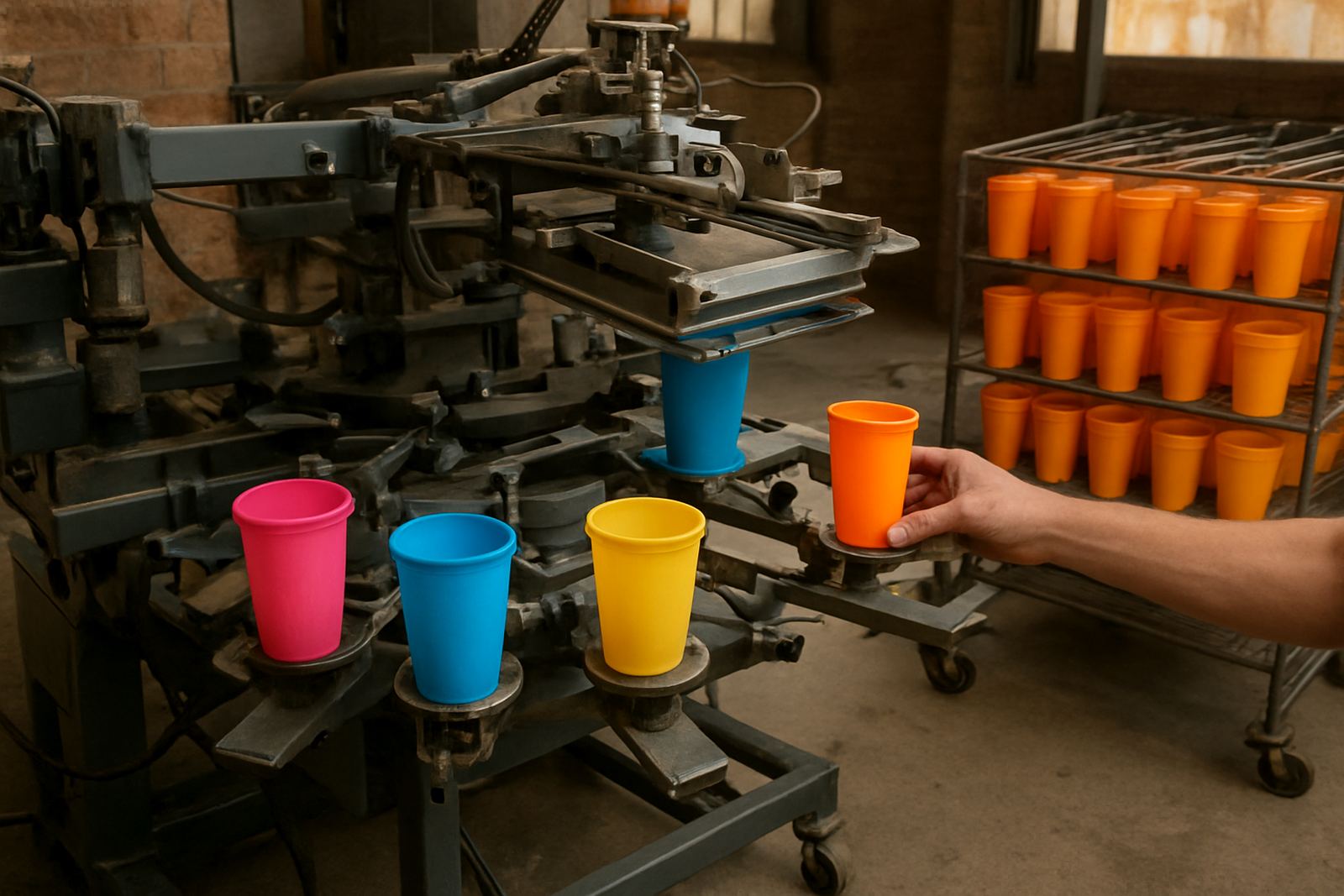
- Multi-station or semi-automatic setups for higher output
- Fixed or quick-change jigs for different cup heights
- Screen frames sized for small marks or full-wrap layouts
- Simple registration controls for repeat jobs
The machine is best for reusable cups, branded takeaway cups, sport drink bottles, promotional tumblers and certain tubes with stable round bodies. If you handle school events, hospitality supplies or conference packs, it gives you a neat finish without needing a large flatbed setup. For coastal orders in places like Durban and Cape Town, ink choice and drying care become even more important because humidity can affect cure times and handling.
Where the machine works best
This type of equipment suits screen print shops, promotional product decorators, packaging suppliers and in-house branding departments. It is also useful for businesses that want to add drinkware branding alongside existing print work. If you already make screens, the workflow is straightforward and the learning curve is manageable for an operator with basic training.
It works well for:
- Corporate gifting and promotional campaigns
- Sports clubs and school fundraisers
- Cafés, venues and event organisers
- Drinkware resellers and packers
- Small to medium print shops growing into cylindrical work
For Johannesburg South and Aeroton businesses, floor space and access are usually easier to plan than many people expect. A cup machine does not need a huge footprint, but it does need a level stand, good drying space and a clean area for screens and ink mixing. If your shop also handles garment decoration, keep cup work separate from dusty finishing areas to avoid contamination on the print face.
Installation, power and working conditions
Installation should be planned around the machine format, operator flow and curing method. Some cup printing machines run on standard single-phase power, while others perform better with a more stable supply depending on heaters, dryers or auxiliary controls. Before ordering, check the exact electrical requirement, plug type and whether the unit needs a compressor for certain functions. If a press uses compressed air, factor in line pressure, moisture traps and noise levels as part of the site setup.
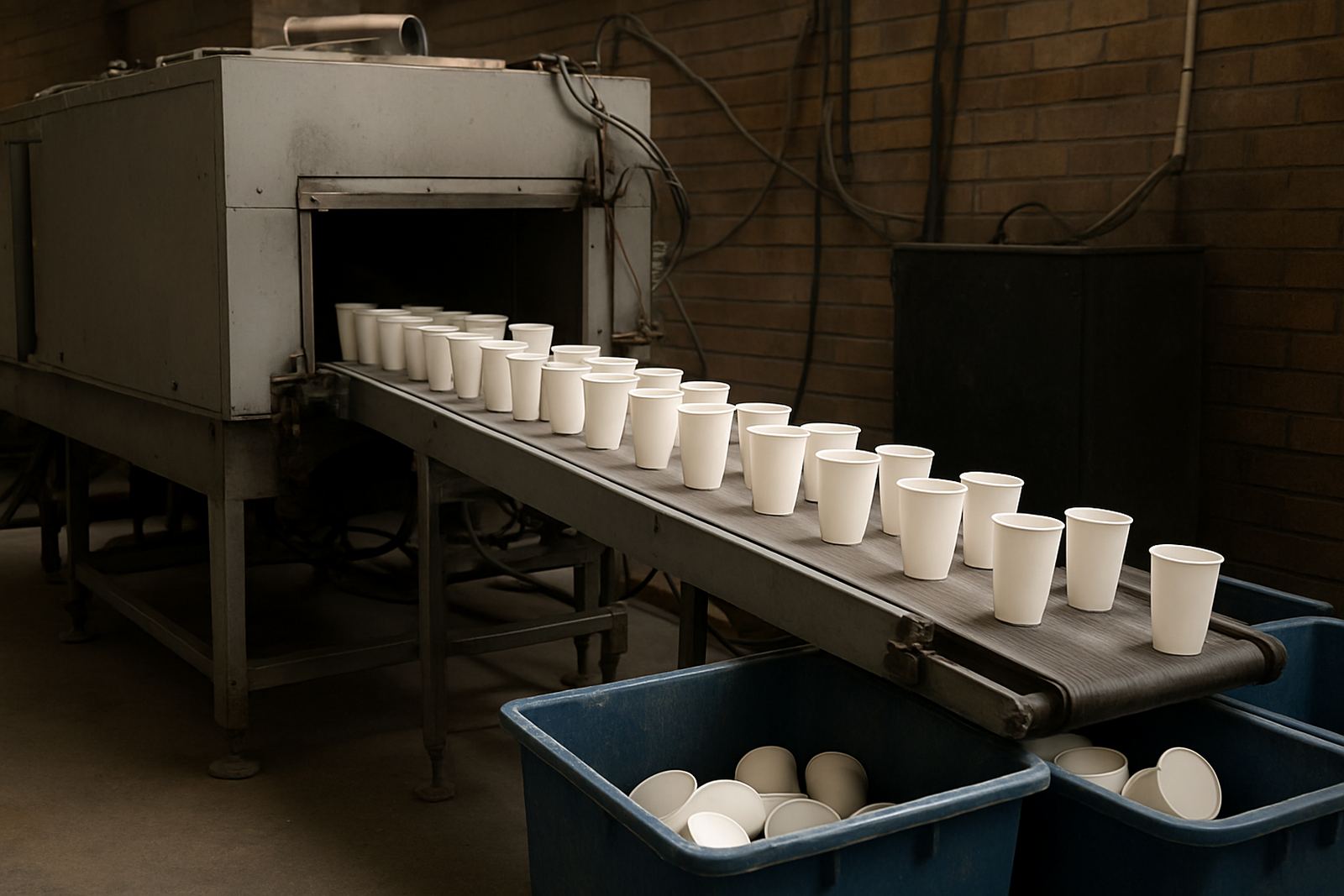
For many South African sites, the practical questions are simple: will the machine fit through the door, where does the operator stand, and how will printed cups move to drying or curing. A proper install should also consider surge protection and backup planning during load shedding. In humid coastal areas, drying racks and airflow matter more than most buyers expect, and a poor setup can slow production or mark finished cups while they are still tacky.
We recommend checking the following before purchase:
- Available power supply and whether a compressor is required
- Space for loading, printing and drying without traffic clashing
- Ventilation, especially where inks or cleaners are used
- Floor level and machine stability
- Access for maintenance and screen changes
- Need for training at your site or in Aeroton
Care, servicing and day to day upkeep
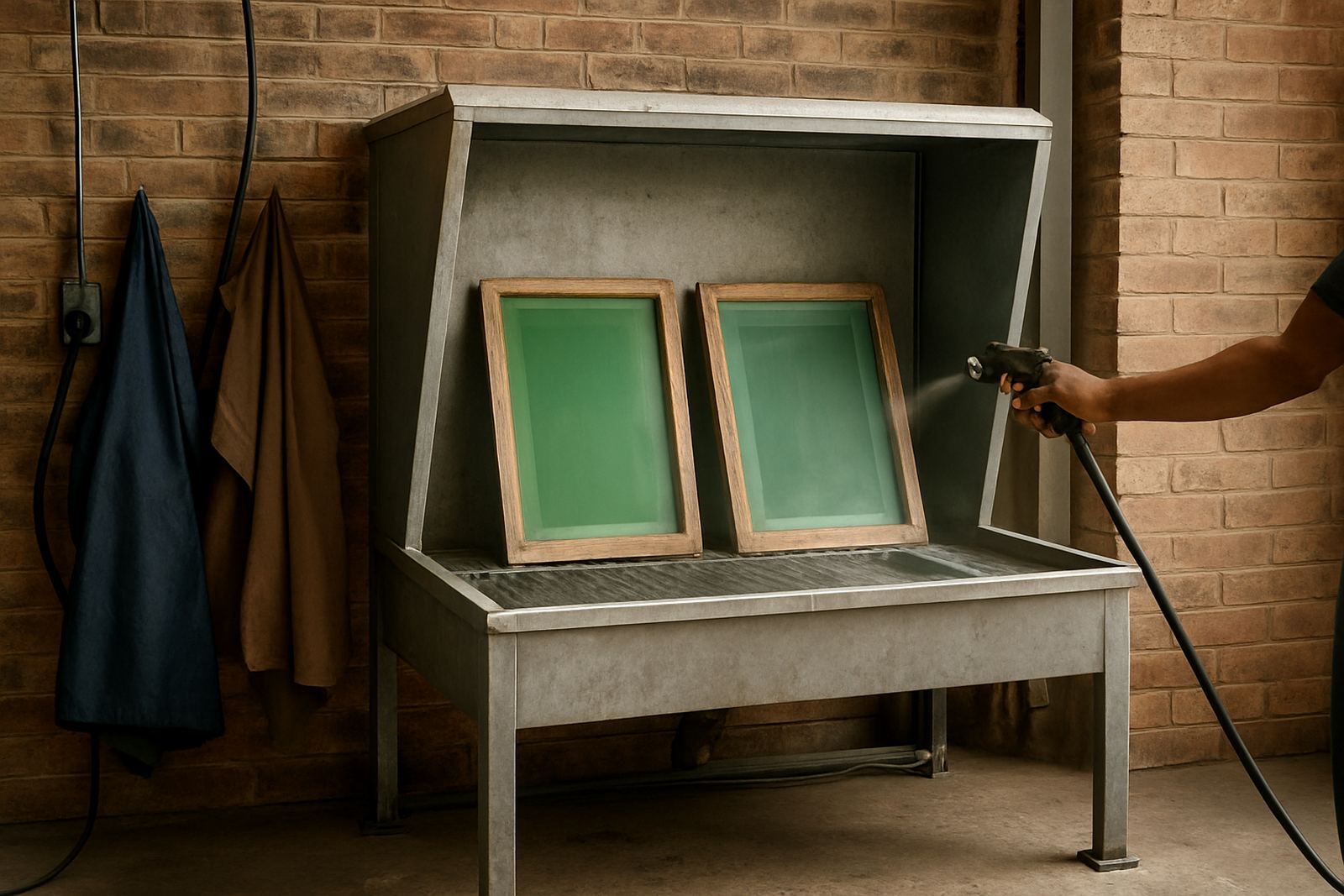
Like any screen-printing equipment, a cup printer stays accurate when it is cleaned and checked regularly. Operators should wipe ink areas after each shift, keep the registration points free of dried ink and inspect clamps, holders and moving parts for wear. Screens must be reclaimed properly so mesh tension and stencil quality stay consistent from job to job.
Preventive maintenance is especially important when a machine runs on short turnarounds or mixed orders. Small issues such as a loose holder, blocked air line or worn blade can create waste fast. If you print through winter in Gauteng, static and dry air can also affect handling so make sure your ink room, screens and cleaning cloths are kept in order.
Our support covers breakdown repairs, spares supply, screen making, screen reclaiming and production optimising. We also assist with colour setup and operator training so your team can keep output steady after installation. A good machine should not need constant attention, but it does need routine care and a trained operator who understands pressure, dwell time and curing. That saves money over the long term, even if the work is only running a few days a week.
What to check when ordering your machine
Before you place an order, match the machine to the products you actually print, not just the sample cups on a quotation. The most common mistakes are buying for one diameter only, underestimating power needs or forgetting how much changeover time matters in a production day. If you print for more than one client, flexibility usually matters more than a single fast setting.
Use this order checklist:
- Minimum and maximum cup diameter
- Maximum print length and print height
- Single-colour or multi-colour requirement
- Type of ink and curing method
- Electrical supply and air supply if needed
- Training, installation and service support
You should also confirm whether the machine suits your actual materials. A cup that prints well on one coating may behave differently on another, and some plastic drinkware needs careful setup to hold the image properly. If you are supplying to municipalities, schools or corporate buyers, ask about durability expectations up front so the print spec matches the use case. That avoids rework and keeps customer complaints down.
Local support from Aeroton to Cape Town
Bottle Screen Printers is based in Aeroton, Johannesburg and supports installs nationwide. We work with clients in Johannesburg South, Midrand, Pretoria, Durban and Cape Town, and we help with machine installation, operator training and production support on site. The team includes Thabo Mokoena, Naledi Khumalo, Johan van der Merwe, Anele Dlamini, Farieda Jacobs and Sibusiso Nene, so you deal with people who know the practical side of setup and service.
If you need a cup printing machine for a new line or to improve an existing one, we can help you choose the right configuration and get it running properly. Send your machine enquiry through our contact form and include the cup sizes, monthly volumes and the type of finish you need. That gives us a clear starting point for a proper recommendation.
Key facts
| Application | Branding reusable cups, promotional drinkware and cylindrical items |
|---|---|
| Print method | Cylindrical screen printing |
| Typical cup sizes | About 200 ml to 700 ml plus, depending on holder and setup |
| Power | Depends on model, usually single-phase with some options needing compressor support |
| Installation | Available in Johannesburg and nationwide |
| Support | Training, maintenance, spares, screen making and repairs |
| Ideal use | Short runs, repeat orders and volume branding work |