What an outfeed conveyor does on a print line
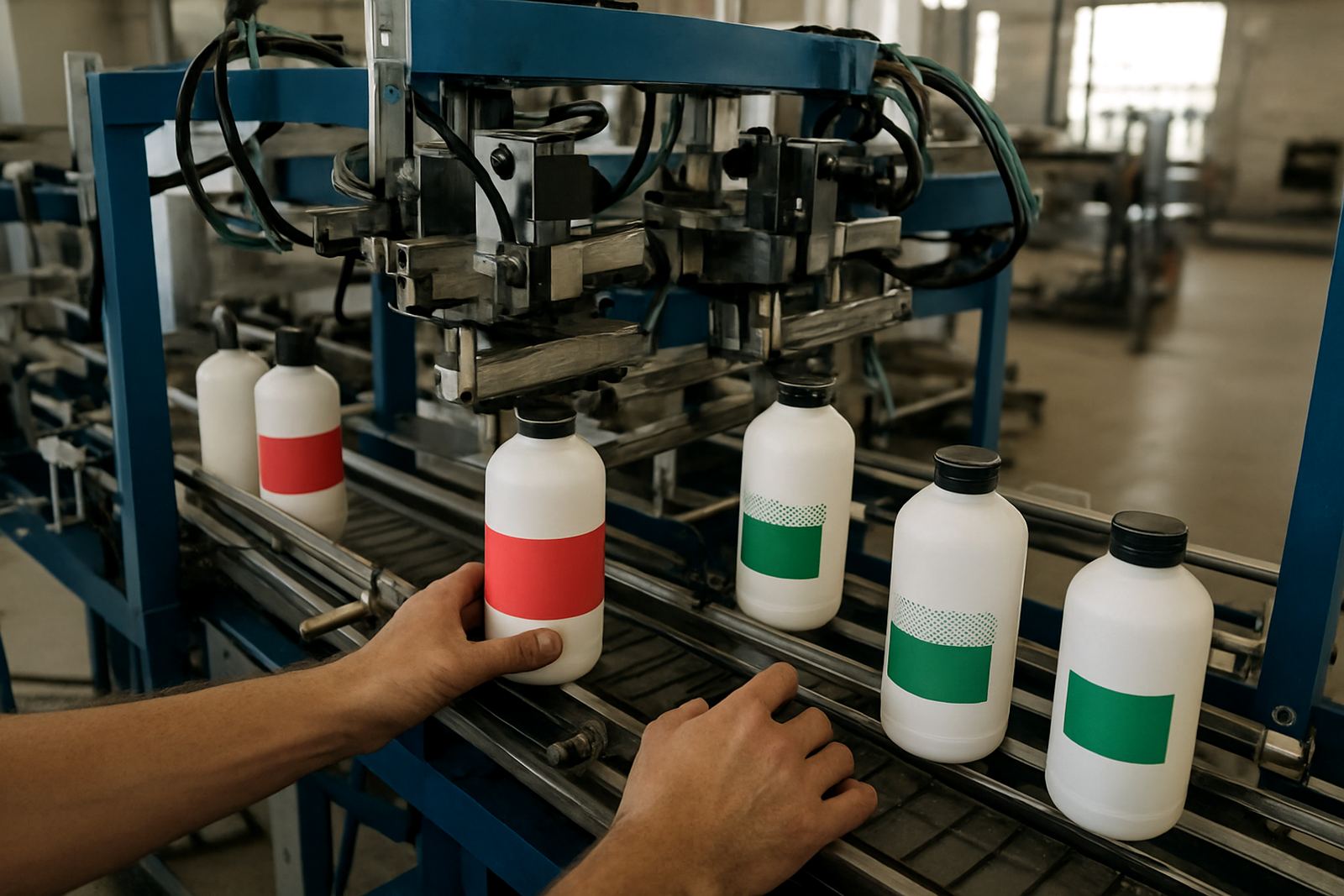
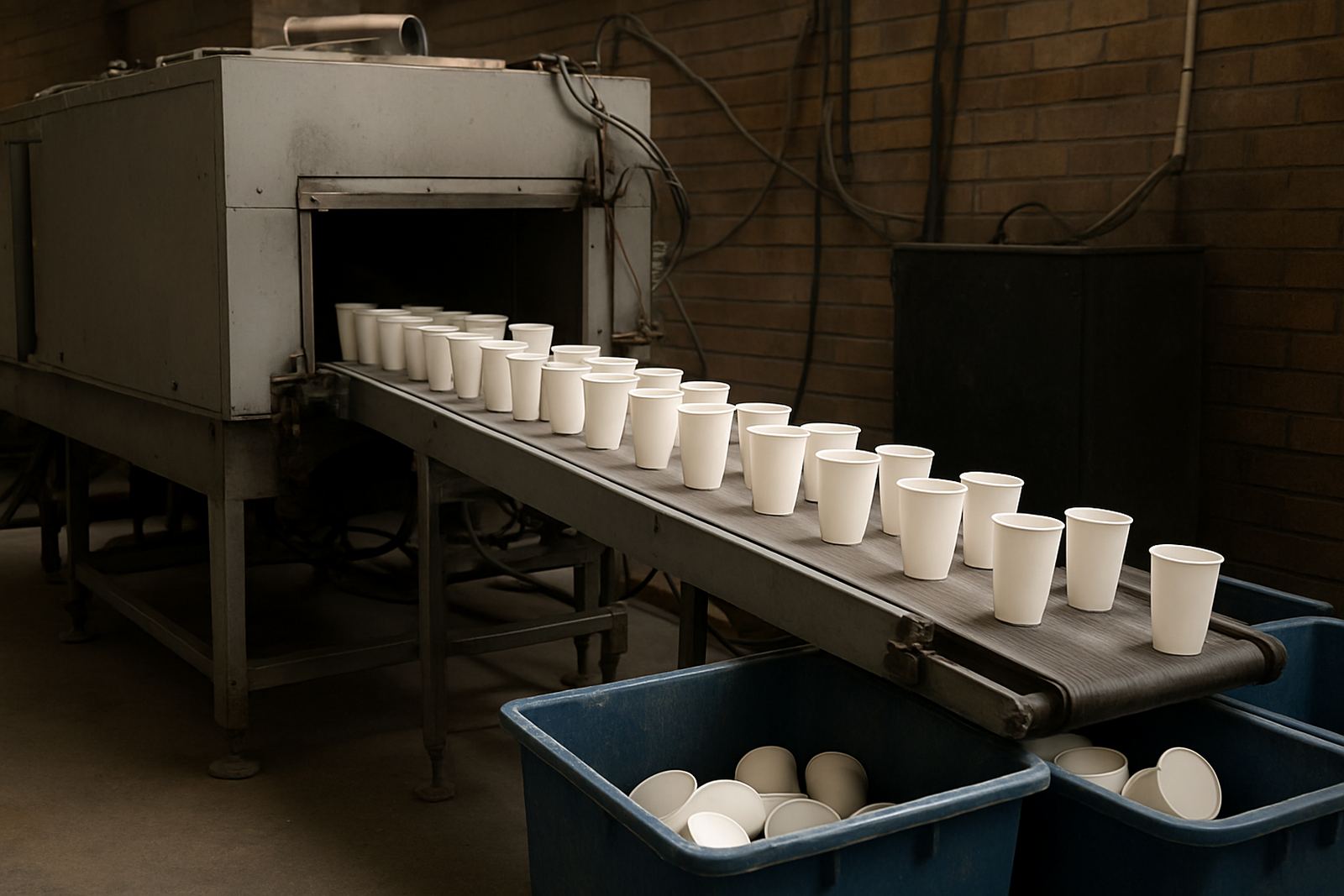
An outfeed conveyor is fitted after the printing or curing stage to collect finished items and move them to packing, inspection or the next process. It keeps operators from reaching into hot, wet or moving product streams, which matters when you are running glass bottles, PET containers, plastic cups or cylindrical tubes through a busy shift.
In many Johannesburg, Pretoria and Durban workshops, the real value is not only speed but control. A steady outfeed line helps prevent scuff marks, tip-overs and bottlenecks when staff are handling dozens or hundreds of units per run. It also makes it easier to keep one operator at the printer while another checks cure, print position and drying before the next batch is loaded.
- Safer collection after printing or curing
- Reduces hand contact and product damage
- Helps keep production moving in a straight line
- Useful where space is tight and aisles must stay clear
Sizes, belt options and layout choices
Outfeed conveyors are usually selected by product size, output speed and available floor space. A compact unit may suit a small label workshop in Aeroton or Midrand, while a longer run is better for higher output lines in Cape Town, Durban or Pretoria where finished product needs more space before packing. We supply conveyor setups that can be matched to the machine height and the discharge point, so bottles leave the line without a sharp drop or sudden jolt.
Typical options include adjustable frame height, variable belt speed and side guides for narrower items. For cylindrical products, the belt surface must carry the item cleanly without marking it, and the side rails should keep containers stable without pinching. If you are working with mixed sizes, ask for an adjustable setup that can cope with small tubes one day and larger bottles the next, it saves time during changeovers.
- Length options: short transfer units or extended collection runs
- Width options: sized to match single-lane or wider product flow
- Speed control: fixed or variable drive depending on output rate
- Guide rails: fitted where round products need extra stability
Where the conveyor suits best
This product suits businesses that print on bottles, cups, tubes and other cylindrical items that must be handled gently after decoration. It is especially useful where the print must cure before stacking, or where operators need a clean handover point between the printer and the packing table. Shops that run promotional product jobs, packaging batches or contract decoration work often see quicker turnaround once the outfeed is properly set up.
It also helps in environments affected by load-shedding or stop-start production. When power returns and the line restarts, a good conveyor keeps the next items from bunching up at the discharge point. In coastal areas like Durban or Cape Town, it can also reduce manual handling in humid conditions where wet prints can stay tacky a bit longer than expected.
- Bottle printing lines
- Cup and tumbler decoration
- Tube marking and branding
- Short-run and high-volume production
Installation, power and workshop setup
Installation should always start with the machine height, discharge point and final collection area. The conveyor must sit square to the line so items do not drift or twist as they travel. Our team can assist with site setup in Aeroton, Johannesburg South, Midrand, Pretoria, Durban and Cape Town, and we also install nationwide where a client needs the line put into service properly.
Most units need a standard electrical supply and a stable mounting surface. In some workshops a single-phase supply is enough, while larger production areas may prefer a more controlled electrical arrangement depending on the motor and speed control selected. If the conveyor is tied into a curing section, check heat levels, cable routing and safe clearances around the discharge area. For gas-fired curing systems, keep the conveyor away from direct heat paths and allow proper ventilation, especially in enclosed factory bays.
- Level floor or firm mounting point required
- Electrical supply matched to the motor and control panel
- Clear exit space for collection crates or packing tables
- Safe distance from curing heat and open flame zones
Care, cleaning and preventive servicing
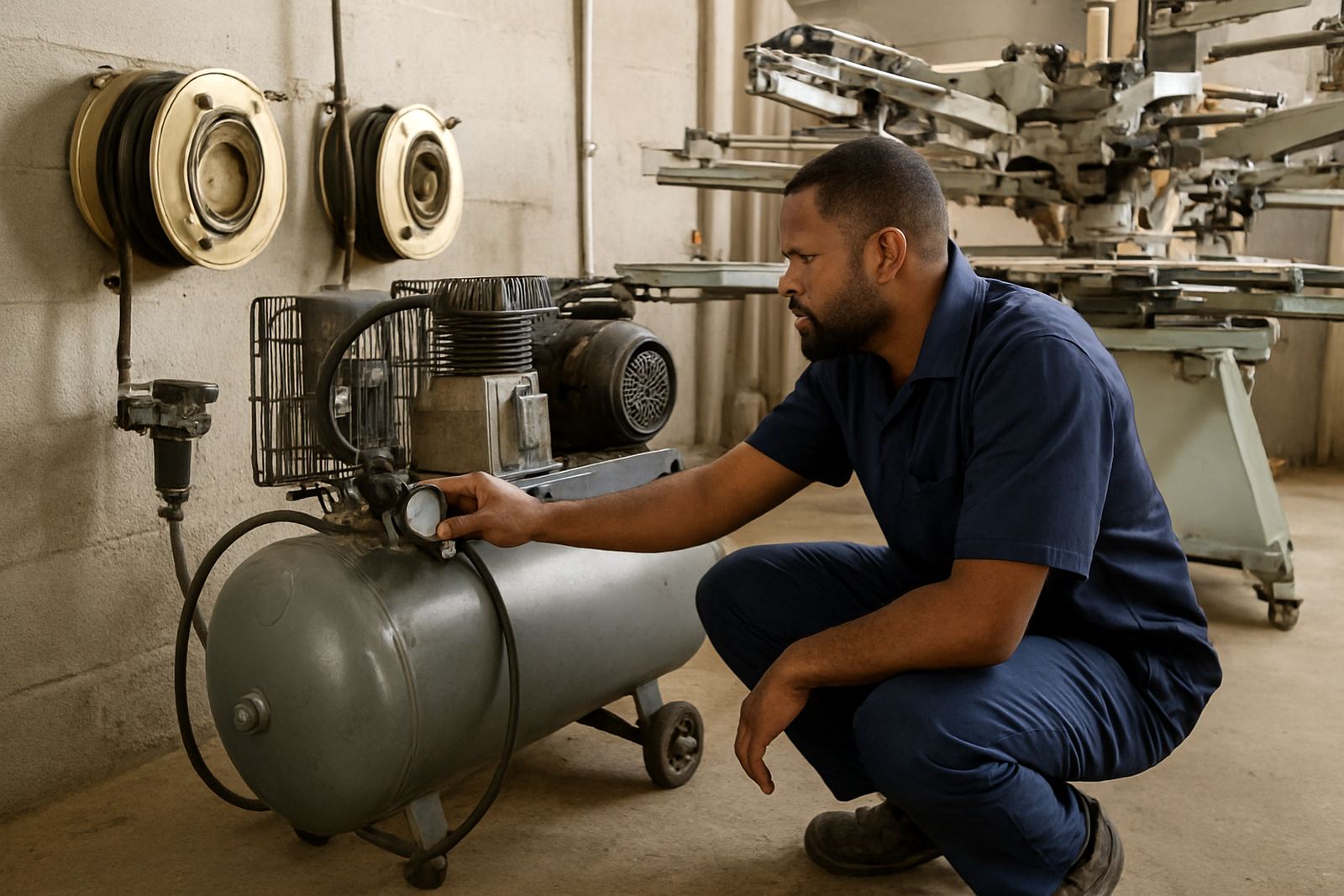
Like any production item, an outfeed conveyor works best when it is cleaned and checked on a routine basis. Dust, ink residue and packaging scraps can build up around the belt edges and rollers, which may cause tracking problems or uneven movement. In humid coastal shops, that buildup can happen faster, so daily wipe-downs and weekly checks are worth the effort.
Preventive maintenance should include belt tension, motor noise, roller condition and fastener tightness. If the belt starts wandering or the speed changes under load, get it checked before a small fault turns into downtime. Our service team can assist with breakdown repairs, spares supply, production training and planned maintenance for workshops that rely on steady output. A conveyor that is cared for properly will usually give cleaner transfers and fewer stoppages, and that saves money over time.
- Clean belt surfaces and side guides regularly
- Check tension, alignment and roller wear
- Keep electrical parts free of dust and overspray
- Book servicing before peak season or large orders
What to check before placing an order
Before you order, measure the product diameter, length and weight, then note the speed of the print line and the space available for collection. It also helps to know whether your items are glass, plastic or coated metal, because that affects grip, transfer and spacing. If you are printing multiple sizes on the same line, list the smallest and largest item so the conveyor can be matched to the full range rather than just one sample.
Ask about the discharge direction, belt finish, speed control and the height of the infeed point. Check whether you need screens, setup help or operator training at the same time, because doing the whole install in one visit usually avoids delays. If your site has power limits or a municipal inspection requirement, mention that early so the equipment can be set up within the available supply. For fast-moving production, it is better to specify the line now than to try and modify it later.
- Product size range and weight
- Required conveyor length and width
- Line speed and curing method
- Available power and floor space
Key facts
| Product type | Outfeed conveyor for printed and cured cylindrical products |
|---|---|
| Suitable items | Bottles, cups, tubes and similar round containers |
| Length options | Short transfer or extended collection layouts available |
| Speed control | Fixed or variable speed depending on model |
| Power requirement | Electrical supply matched to selected motor and controls |
| Typical use | Safer collection, transfer and packing after printing or curing |