What the Inspection Light Station does on the floor
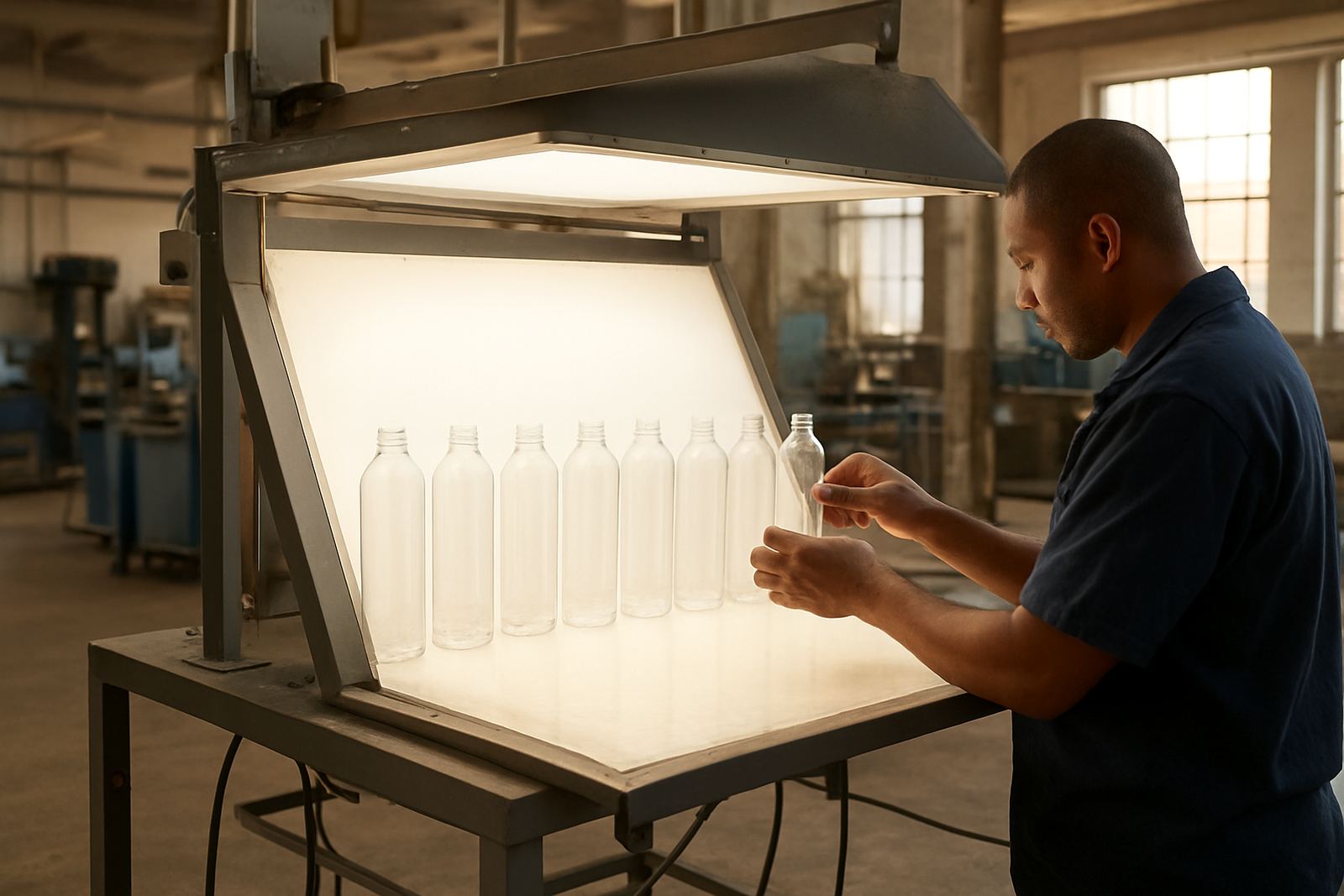
An Inspection Light Station is a lit checking point used after printing and before packing. Staff place bottles, cups or tubes under controlled light so the print can be checked for colour consistency, registration, scratches and contamination. On busy lines in Johannesburg, Durban or Cape Town, that extra step helps reduce rework and customer returns.
The unit is meant for visual inspection, not curing or drying. It gives a bright, even field so defects are easier to spot especially on glossy plastic, coated metal and clear containers. If your team handles short runs or frequent artwork changes, it is a practical way to keep quality consistent from the first piece to the last.
- Checks print defects before packing
- Suitable for cylindrical items such as bottles, cups and tubes
- Helps reduce waste, rework and complaints
- Works as part of a manual or semi-automatic packing line
Sizes and options for different line setups
Inspection stations are usually selected by the product size, line speed and the amount of space available. A compact unit suits smaller workshops in Aeroton, Midrand or Pretoria where floor space is tight. Wider stations work better when you need side-by-side checking or when operators must inspect larger containers.
Common options include adjustable height, angled viewing surfaces and different lighting intensities. Some customers prefer a simple single-station bench while others need a longer table with two or three check points. If you print on both short tubes and tall bottles, ask for a layout that can be adjusted without slowing production.
- Single station or extended multi-position layouts
- Adjustable height for different operators
- Bright white inspection lighting for colour and defect checks
- Optional side guards or viewing guides for repetitive work
Where it suits best in South African production
This type of station suits businesses printing promotional bottles, food containers, cosmetic tubes, personal care packaging and reusable cups. It is also useful where branding must look neat for retail shelves or corporate gifting. In humid coastal areas like Durban and Cape Town, it helps spot ink issues early before products are boxed and stored.
The station is a good fit for print shops that work with municipal tender orders, contract packing, or batches that must pass client sign-off. It is often installed after drying or flashing, and before labelling, counting or carton packing. For teams running during load-shedding, a stable inspection point can keep quality checks going as long as the line lights and power backup are in place.
Power, placement and installation needs
Installation is straightforward, but the station must be placed where operators have enough room to move products in and out safely. Keep it near the end of the line, with enough clearance for packed cartons and reject bins. The floor should be level, dry and easy to clean. If the area has dust, paper trimmings or ink overspray, a regular sweep helps keep the light surface clear.
Power needs are usually simple, depending on the light source and any built-in controls. We recommend checking the supply point, cable route and whether the area runs on backup power during outages. No gas supply is normally required. If the station is added to an existing production bay, the mounting point and operator position should be planned first so no one works in a strained posture.
- Level floor and clear operator space
- Nearby power point with suitable backup during outages
- No gas connection required in normal use
- Placement after printing and before packing
Care, cleaning and servicing intervals
To keep the station accurate, the viewing surface and light area should be cleaned regularly. Dust, tape residue and overspray can hide defects or create false marks. Use a soft cloth and a suitable cleaner that will not haze the surface. Avoid harsh solvents on clear panels and diffusers, as they can leave a cloudy finish.
Check the lights, switches and cable condition during planned maintenance. If the station is used on a long shift, ask the team to test brightness at the start of the day. A dim or flickering light can make a good print look bad, or a bad print look acceptable and that causes trouble later. We can assist with preventive maintenance, repairs and operator refresher training where needed.
What to confirm before you place an order
Before ordering, confirm the product range, the largest and smallest container sizes, and how many items must be checked per hour. Also confirm whether the inspection will be done by one operator or two, and whether the station must fit between other machines. If you are serving multiple sites, it helps to record the local voltage, backup supply and the packing sequence at each branch.
- Container type: bottles, cups, tubes or mixed formats
- Maximum and minimum size of the product
- Line speed and daily volume
- Available floor space and operator position
- Power supply details and backup arrangements
- Any special viewing needs for dark inks, metallic finishes or transparent items
For customers across Johannesburg South, Pretoria, Durban and Cape Town, we also look at transport access, installation timing and training needs. That avoids delays on site and helps the team start using the station properly from day one.