What This Glass Bottle Printer Is Built For
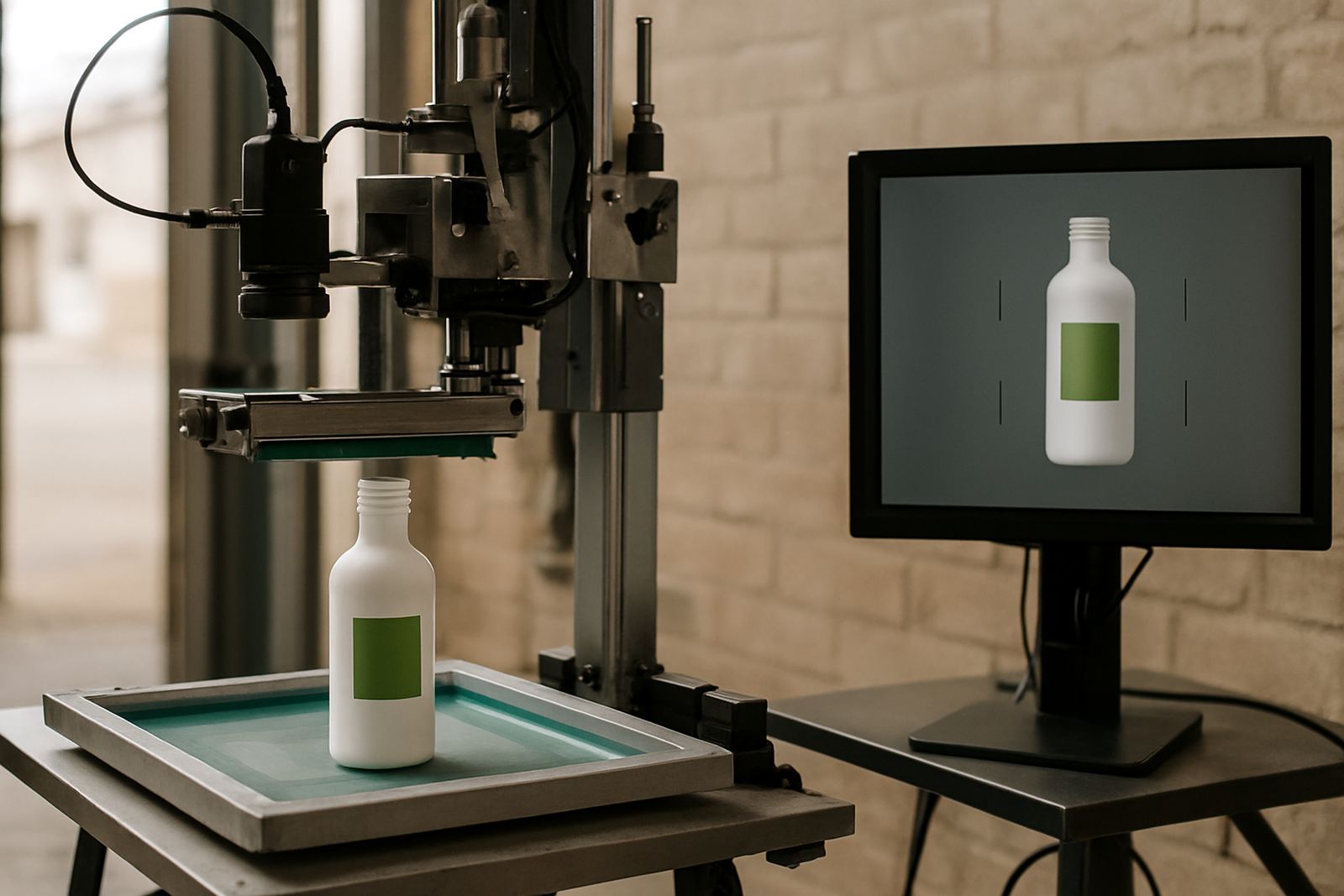
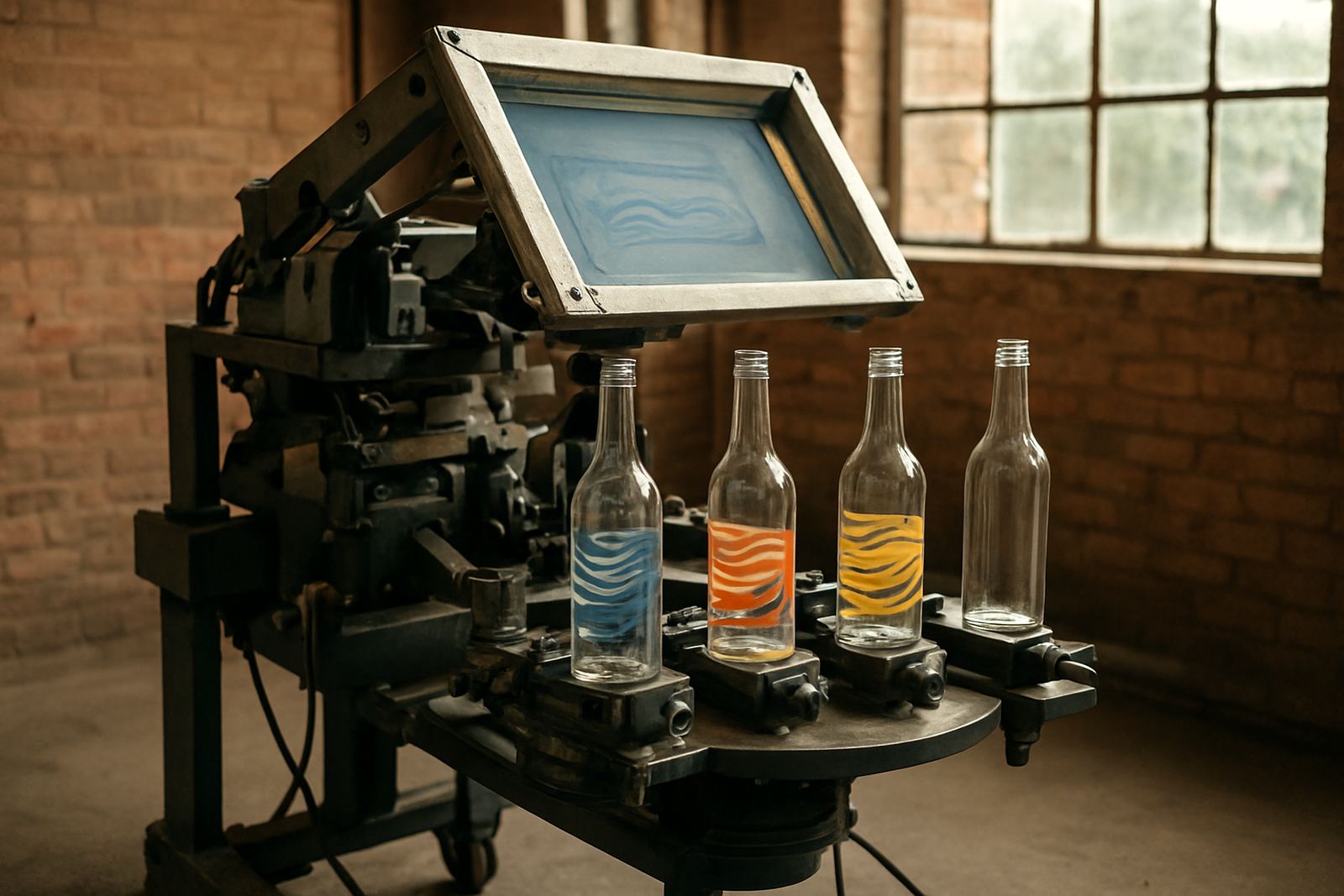
This glass bottle printer is a cylindrical screen-printing setup for direct decoration on round and oval glass bottles. It is suited to beverage packs, sauce bottles, cosmetics, candle jars and other glass containers where the print must stay readable and hard-wearing through handling, chilling and shipping. The machine keeps the bottle supported during rotation so the print stays aligned and the image does not walk across the seam.
For many South African businesses, glass is chosen because it presents well on shelf and supports a premium look without heavy packaging changes. The setup is practical for both shorter promotional runs and repeat production, and it can be matched to your bottle size, print area and colour count. If you are moving from labels to direct decoration this gives a more permanent finish and better resistance to scuffing, provided the ink system is matched correctly.
Sizes, Bottle Types and Print Options
Most glass bottle jobs fall into a few common ranges, and we set the machine around the product rather than forcing the product to fit the machine. Typical bottle diameters start around 25 mm and go up to about 120 mm depending on the carriage and screen format. Straight-sided bottles are easiest, but light shoulder taper and gentle curves can also be handled with the right jigs and setup.
- Single colour or multi-colour printing on clear, amber or frosted glass
- Round and oval bottles with fixed registration points
- Small cosmetic bottles through to larger beverage and spirits bottles
- Short-run sampling, repeat production and contract decorating
- Optional jigs for caps, shoulders and narrow neck areas
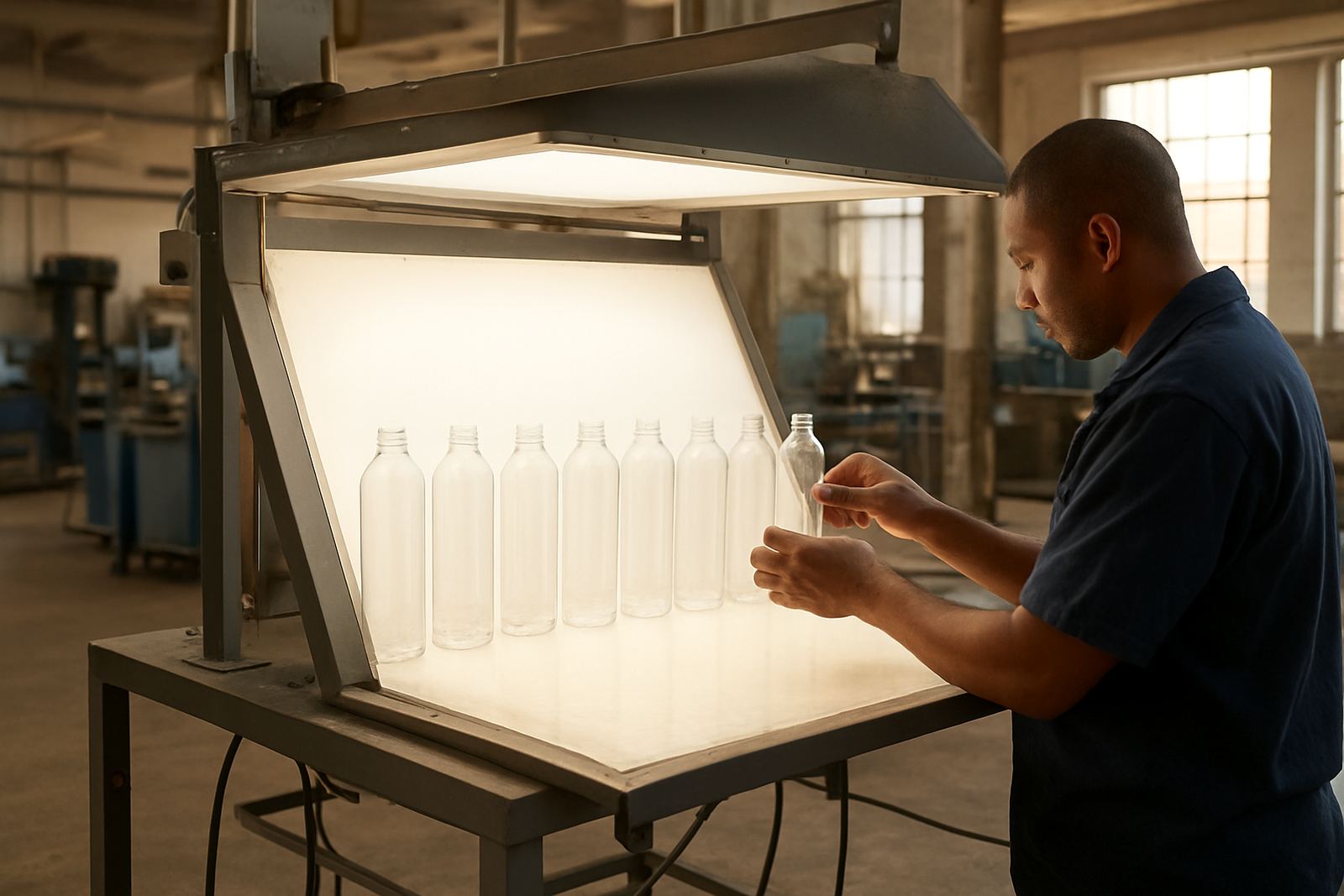
When planning a job, check the print length, the usable flat area and whether the bottle needs pre-treatment. Glass surface condition matters, so bottles should be clean, dry and free of mould release, oil or dust. A small variation in bottle roundness can affect registration, so samples are always worth sending through before production starts.
Machine Setup, Power and Plant Requirements
This equipment is normally installed on a level concrete floor with enough space for loading, unloading and screen changeovers. Allow clear access at the infeed and outfeed so operators are not working around pallets or loose crates. In a typical setup, a single machine can fit into a compact production room, but you still need room for screens, inks, wash-up and drying racks.
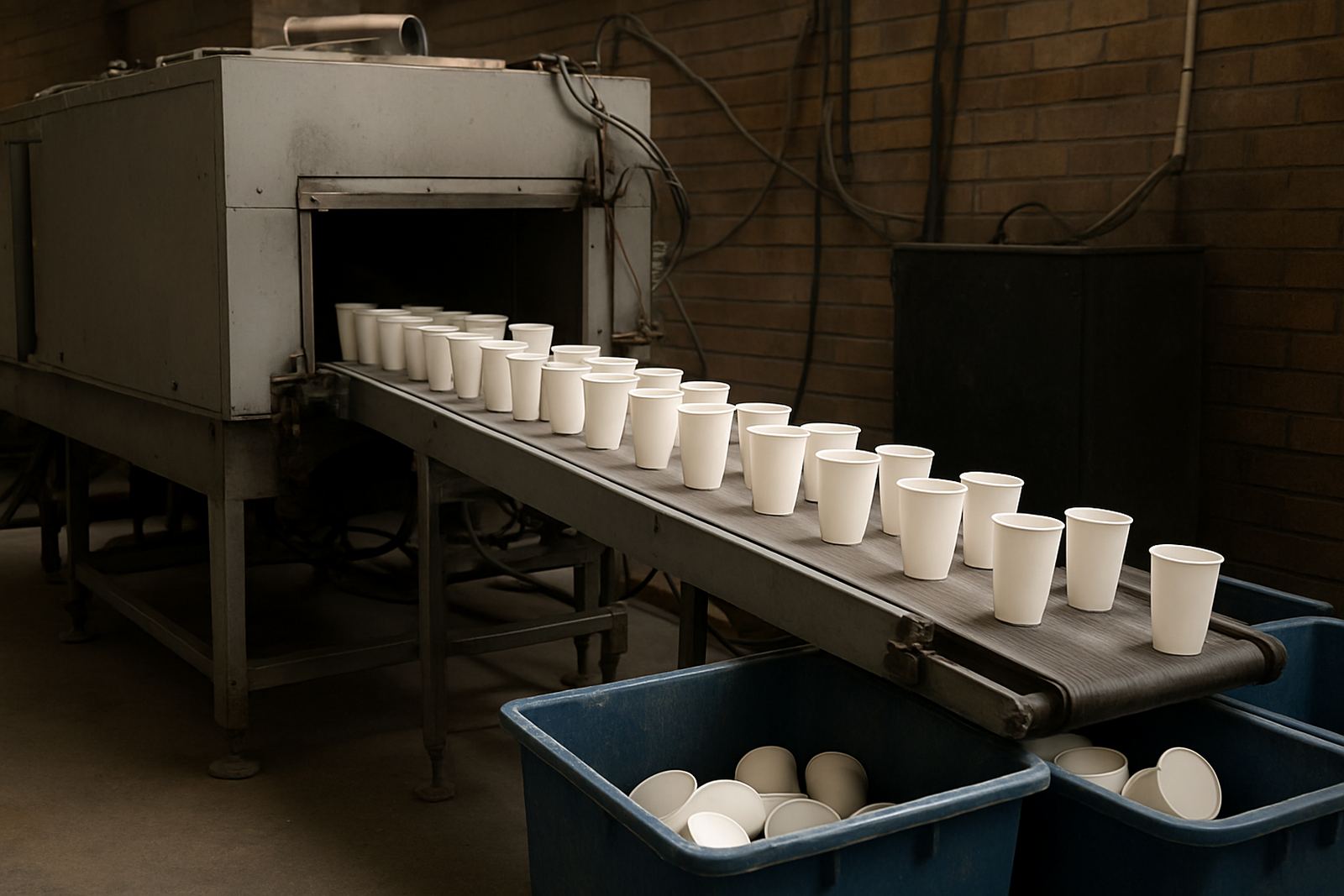
Power needs depend on the exact configuration, but most installations use standard plant electricity with stable supply and proper earthing. In areas affected by load-shedding we recommend backup power planning so the machine and drying support can shut down safely. Some lines also need compressed air for clamps or auxiliary functions, and where heat curing is part of the process you may need gas or electric curing support. If you are in a coastal area like Durban or Cape Town, good humidity control helps with ink behaviour and screen life.
- Level floor and safe access for crates or pallets
- Stable power supply with surge protection
- Compressed air where the setup calls for it
- Ventilation for inks, cleaners and drying areas
- Space for screen storage, wash bay and consumables
Why Stable Registration Matters On Glass
Glass does not forgive poor setup. If the bottle lifts, slips or is not centred properly, the image can blur at the edges or shift between colours. That is why the carriage, grips and screen alignment need to be set carefully before full production starts. Once the setup is dialled in, output becomes repeatable and the operator spends less time correcting waste.
For work in Johannesburg, Pretoria and the highveld, dust control is also worth attention because fine particles can affect adhesion and screen life. On coastal sites, moisture can change drying times and slow the line down if the work area is not managed properly. The aim is simple: get a clean first hit, then keep it there for the full shift without constant fiddling. That is what saves ink, bottles and labour.
Care, Cleaning and Preventive Servicing
With glass printing, day-to-day care makes a bigger difference than most people expect. Screens should be reclaimed properly after the run, and squeegees, flood bars and clamps must be cleaned before dried ink builds up. A small amount of dried residue can throw off the next job and cause issues with repeat orders. Keep the machine free of glass dust, ink splash and broken bottle fragments.
Preventive servicing should include checking bearings, guide parts, drive settings and registration points before they wear enough to affect output. It is easier to replace a small part in planned downtime than stop a production run later. We also advise keeping spare wear items on hand if your site is far from our Johannesburg base. That helps when a line is running in Durban, Midrand or out in the Cape and you need fast recovery.
What To Check Before You Order
Before ordering, confirm the bottle range, daily volume and number of colours needed. You should also know whether the bottles are straight, tapered or heavily contoured, because that changes the tooling. If you are printing on multiple bottle sizes, send a sample of each one if possible so the setup can be checked against the widest variation.
- Bottle diameter, height and usable print area
- Glass finish, clear or tinted, and any coating already on the bottle
- Target output per shift or per week
- Number of colours and whether changeovers must be quick
- Power availability, air supply and curing method
- Space for screens, drying and finished stock
It also helps to know who will run the machine and whether the team needs full operator training, colour setup help or ongoing technical support. If the site is new or still being fitted out, we can assist with installation and production planning so the line is ready for practical use from day one.
Key facts
| Machine type | Cylindrical screen-printing setup for glass bottles |
|---|---|
| Suitable containers | Round and oval glass bottles, jars and tubes with compatible diameters |
| Typical print area | Matched to bottle size and screen format, with sample testing recommended |
| Colour capability | Single colour through multi-colour depending on configuration |
| Site needs | Level floor, stable power, optional compressed air and suitable ventilation |
| Support | Installation, training, maintenance, breakdown repairs and spare supply nationwide |