What a semi automatic bottle printer does
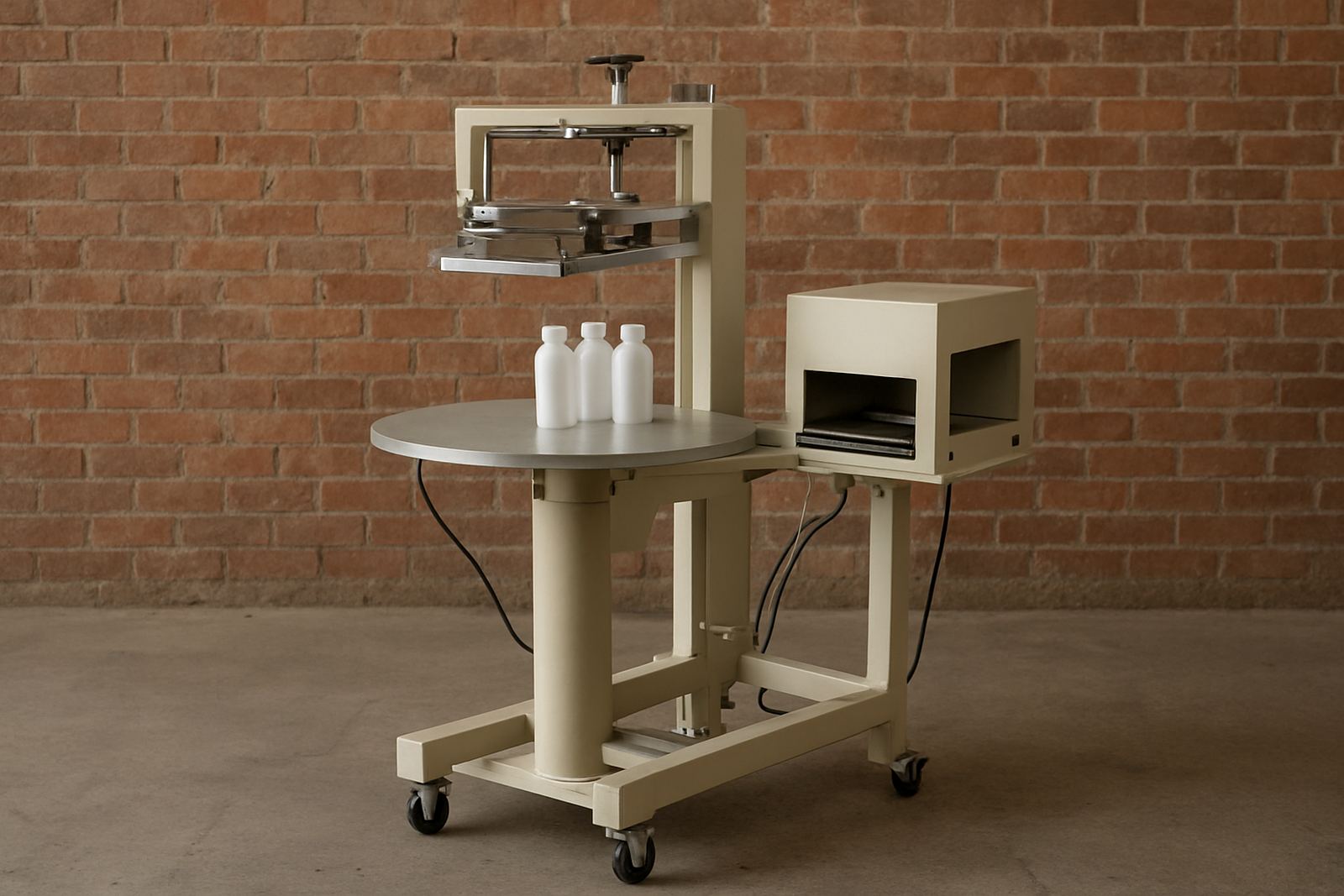
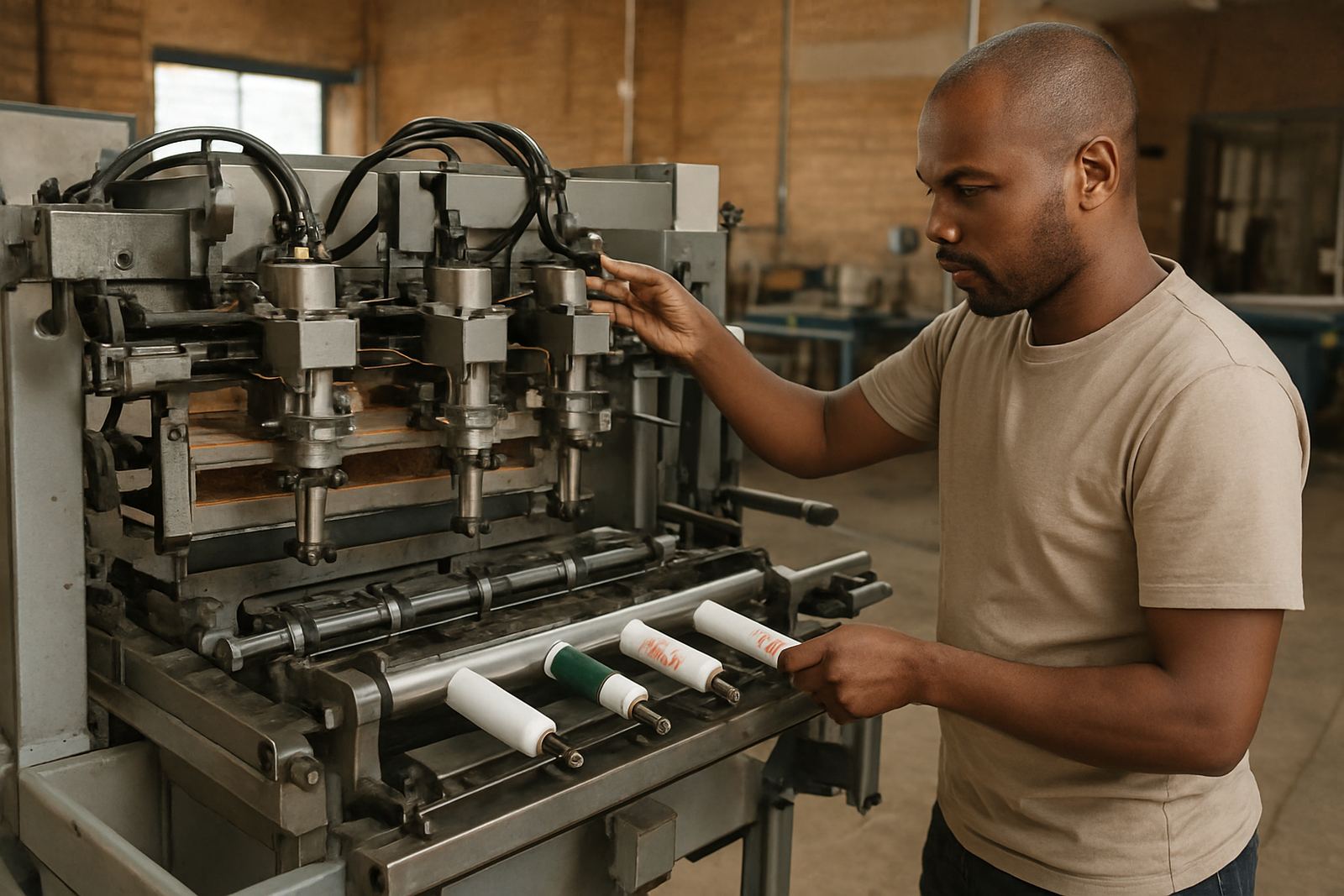
A semi automatic bottle printer is built for cylindrical and slightly tapered items that need a clean, even print around the body. The operator loads the item, sets the print position, then the machine handles the repeat movement and print stroke so each job comes out more consistent than hand printing.
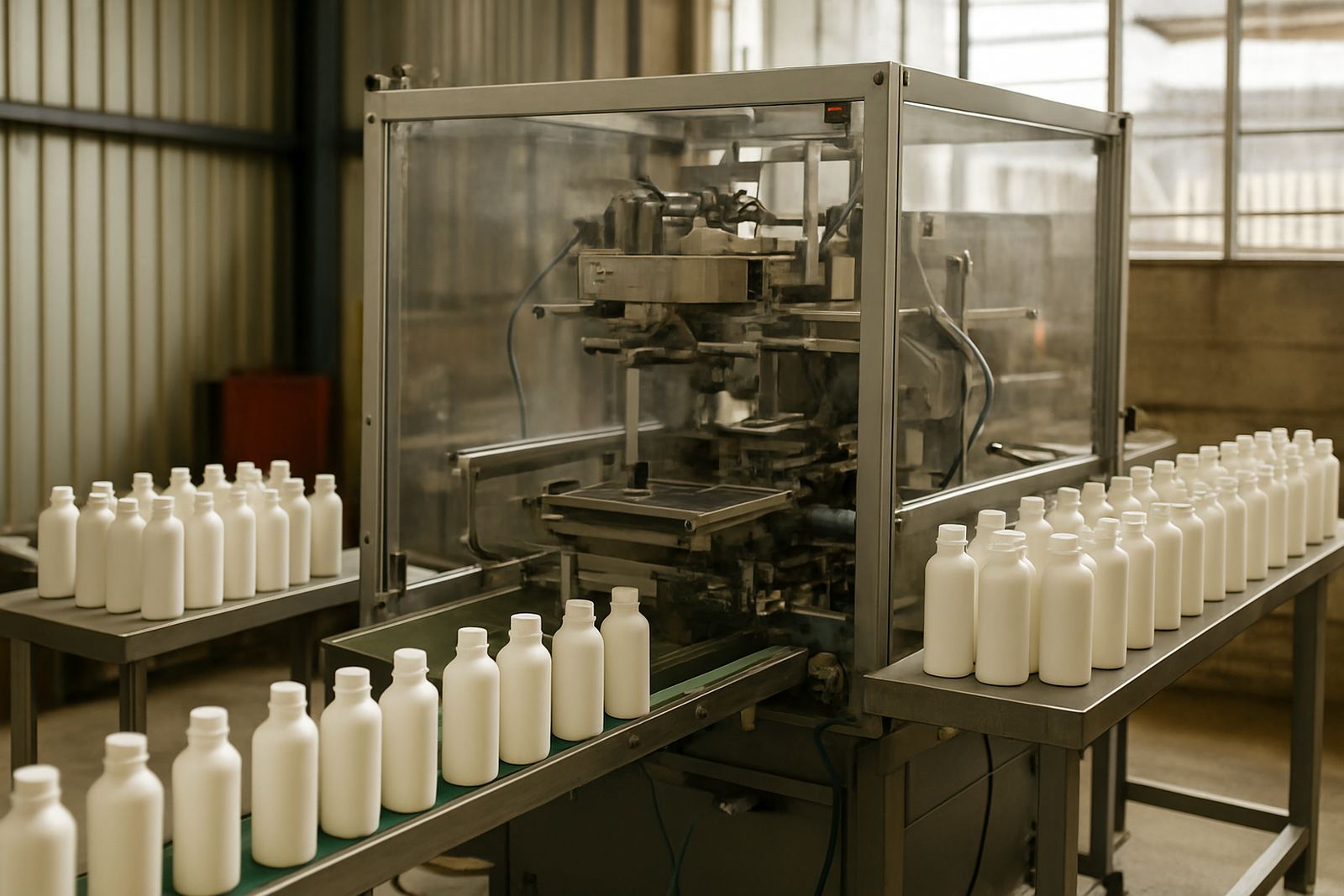
For businesses doing branded water bottles, cosmetic tubes, plastic cups or packaging containers, that consistency matters. It cuts down on variation between prints, helps with colour control and gives you a steadier production pace when orders pick up. If you are running jobs in Johannesburg, Pretoria or along the coast where humidity can affect inks and drying times, the extra control is useful.
Where this machine suits best
This machine suits print shops, packaging decorators, promotional product suppliers and in-house branding teams that need regular bottle work. It is also a sensible fit for smaller production spaces where full automation is not yet needed, but hand printing is slowing output or causing rejects.
- Glass bottles for beverages, oils and sauces
- Plastic bottles for personal care and cleaning products
- Cups and tumblers for promotions and retail packs
- Cosmetic tubes and small cylindrical containers
- Short to medium runs where repeat accuracy matters
It works well for businesses in Aeroton, Johannesburg South, Midrand, Durban and Cape Town, especially where customer orders need quick turnarounds and the print has to look the same from the first unit to the last.
Sizes, print area and setup options
Different jobs need different gripper sizes, jig lengths and print widths, so the machine is usually set up around the product range you work with most. A standard unit can handle a wide spread of diameters, while larger fixtures may be needed for wide bottles or tall tubes.
When choosing a model, look at the usable print length, bottle diameter range and how the machine holds the product during the print cycle. If your work includes mixed sizes, it helps to ask for change parts that make swopping between items quicker. That saves time on setup and reduces waste during colour changes or artwork changes.
- Typical bottle diameter ranges can cover small cosmetic containers through to larger promotional bottles
- Print length should match the label or artwork size you need on the curved surface
- Fixtures can be adjusted for round bottles, cups and some tapered containers
- Optional tooling may be required for odd shapes or fragile glassware
Power, air supply and installation needs
Installation is usually straightforward, but the machine must be placed on a stable floor and aligned properly before production starts. Most semi automatic units need a standard electrical supply and clean compressed air for the print cycle and product movement. In many Johannesburg and Pretoria workshops, a 220V single phase supply is enough, although the exact requirement depends on the model and accessory setup.
Compressed air should be dry and filtered. Moisture in the air line can affect print action and cause inconsistent movement, especially in coastal areas like Durban and Cape Town where humidity is higher. If your site has load shedding, it is wise to plan for protected power and a proper shutdown routine so the machine and control parts are not left in a bad state.
- Level floor space with clear access for loading and unloading
- Stable power supply with surge protection recommended
- Compressed air line with filtration and moisture control
- Enough room for screens, drying racks and cleaning area
Care, servicing and print consistency
Like any production machine, it runs best when it is cleaned and checked often. Worn seals, loose fixtures, blocked air lines and poor screen condition can all affect print quality. Regular care keeps the machine printing at the same speed and reduces stoppages during busy weeks.
A simple maintenance routine should include daily cleaning after ink use, checking moving parts for wear, and keeping the print station free of dust and dried ink. Preventive maintenance is especially important if you run mixed colours or solvent based inks, because residue can build up quickly. Good screen reclaiming and correct screen tension also help the print stay sharp, so the machine does not end up carrying problems from bad screens.
- Clean the print area after each shift
- Check air pressure and hoses weekly
- Inspect fixtures, sensors and moving parts for wear
- Replace damaged screens and keep spares on hand
- Book scheduled servicing before peak order periods
What to confirm before you order
Before placing an order, it helps to match the machine to the exact products you print now and the work you want to take on next. A machine that suits 50 ml cosmetic tubes may not be the right answer for tall sports bottles or heavy glass containers. The better the match, the less time you lose on setup and trial runs.
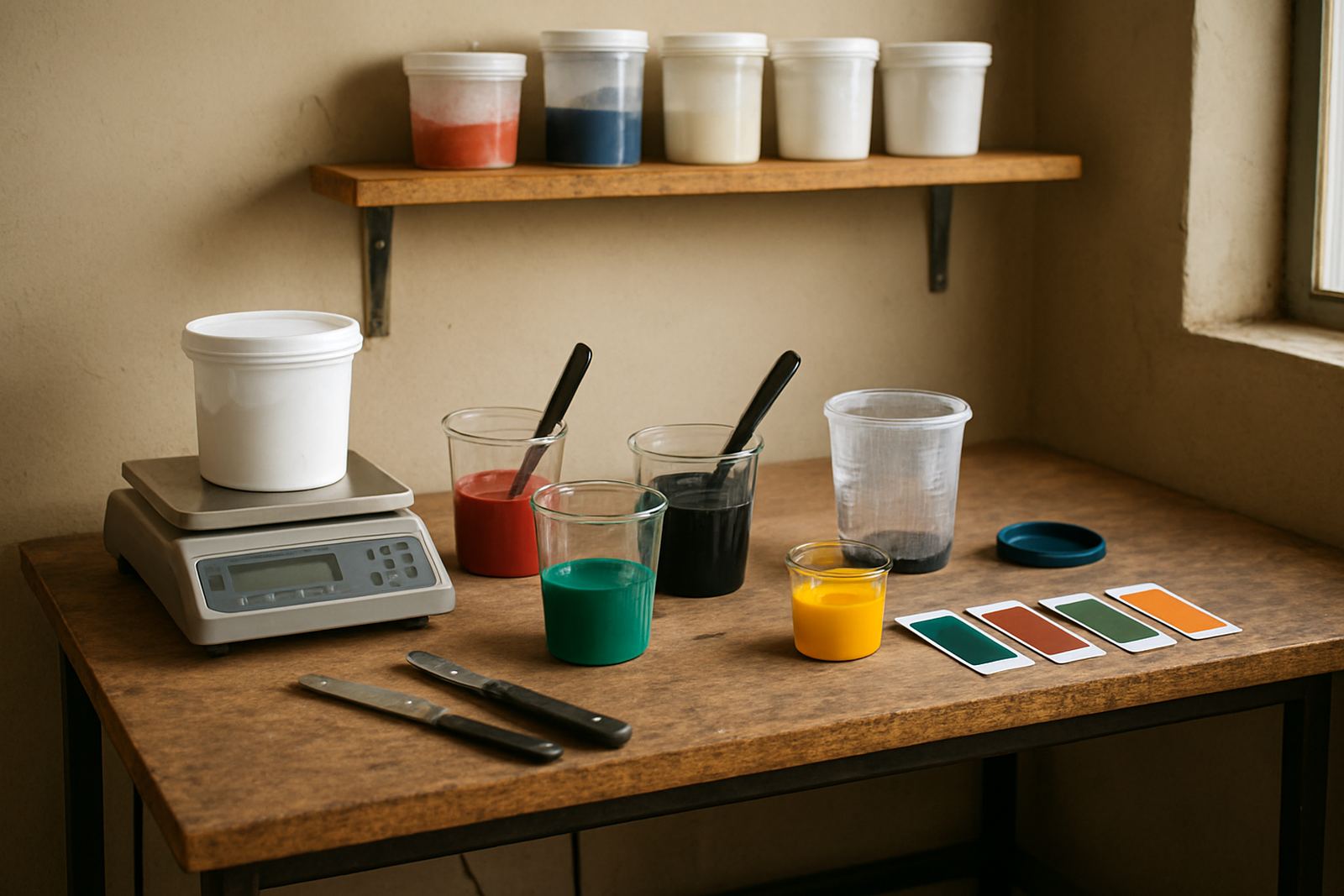
Confirm the bottle diameter range, maximum print length, airflow needs, available electrical supply and whether your inks, screens and drying method are already in place. If your team needs help with colour setup or production optimising, ask about training at the same time as installation. That way the machine starts earning its keep sooner, not after a week of guesswork.
- Product diameter and height range
- Artwork size and number of colours
- Power supply and compressed air availability
- Floor space and delivery access at your site
- Training, spares and maintenance support after setup
Key facts
| Machine type | Semi automatic cylindrical screen printing machine |
|---|---|
| Suitable products | Bottles, cups, tubes and round containers |
| Print method | Screen printing on curved surfaces |
| Power requirement | Usually 220V single phase, model dependent |
| Air requirement | Compressed air required, with clean dry supply |
| Typical use | Short to medium runs where repeat consistency matters |