What the Tube Printing Machine Does
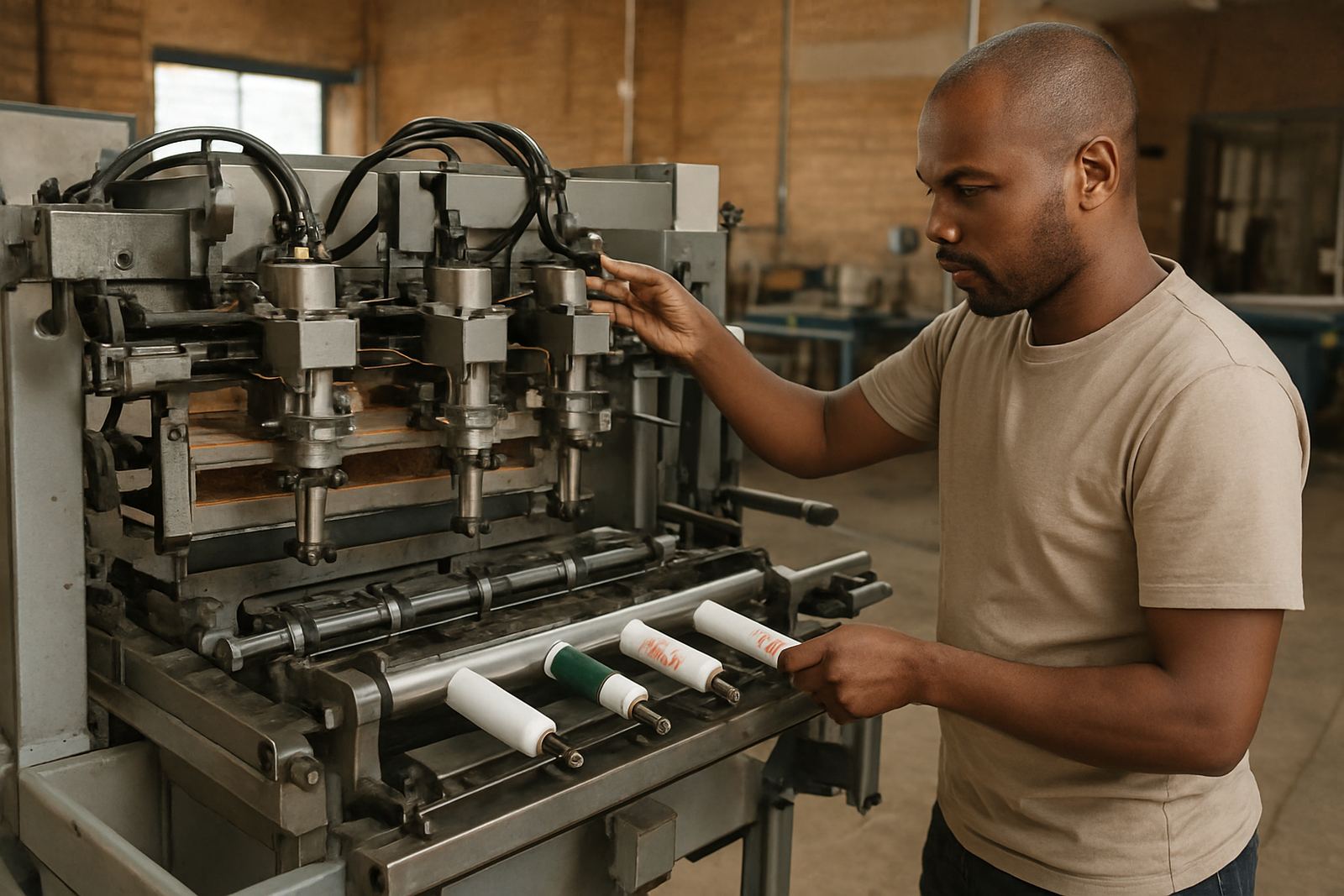
A tube printing machine applies single or multi colour screen prints around cylindrical plastic, laminate or coated tubes. It is used where product presentation matters and where the print must stay legible through handling, transport and shelf use. For cosmetic packs, hand cream tubes, adhesive tubes and similar containers, the aim is simple: consistent wrap print, repeatable positioning and a finish that holds up in real production.
This machine is set up for round and slightly flexible containers, with fixtures that hold the tube steady while the print head transfers ink in a controlled pass. It suits short runs and repeat orders alike, especially where you need to keep artwork sharp from one batch to the next. For many plants, the big advantage is not only the print quality, but the fact that the process is predictable and easy for operators to learn.
We supply and support installs from Aeroton, Johannesburg, with site visits across Gauteng and nationwide. That matters when a line has to start up quickly after delivery, or when a plant needs help getting the print, drying and curing steps balanced properly.
Typical Tube Sizes and Print Options
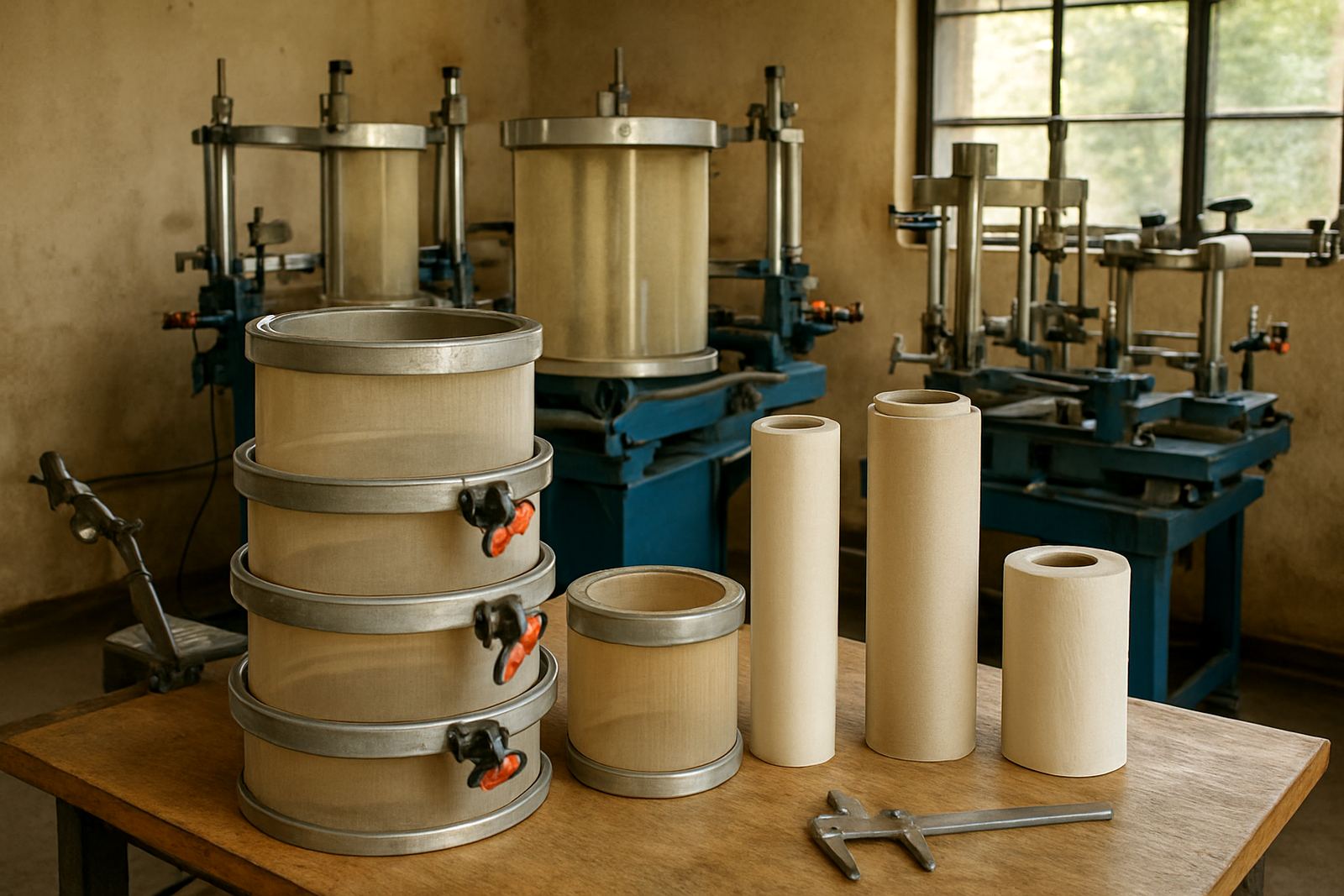
Tube printing equipment is chosen around the outside diameter, printable length and the artwork complexity. A machine for small cosmetic tubes is not the same as one handling larger adhesive packs, so the clamp set, mandrel size and print stroke must be checked before ordering. If your range changes often, it helps to plan for more than one size set and a bit of changeover time.
- Tube diameter range: commonly from about 15 mm to 80 mm, depending on tooling
- Print length: short branding bands through to full wrap decoration, subject to tube profile
- Colour count: single colour, two colour or multi station setup, depending on job needs
- Materials: plastic, laminate and coated tubes, with surface testing before production
- Artwork: text, logo marks, batch details and product panels with controlled registration
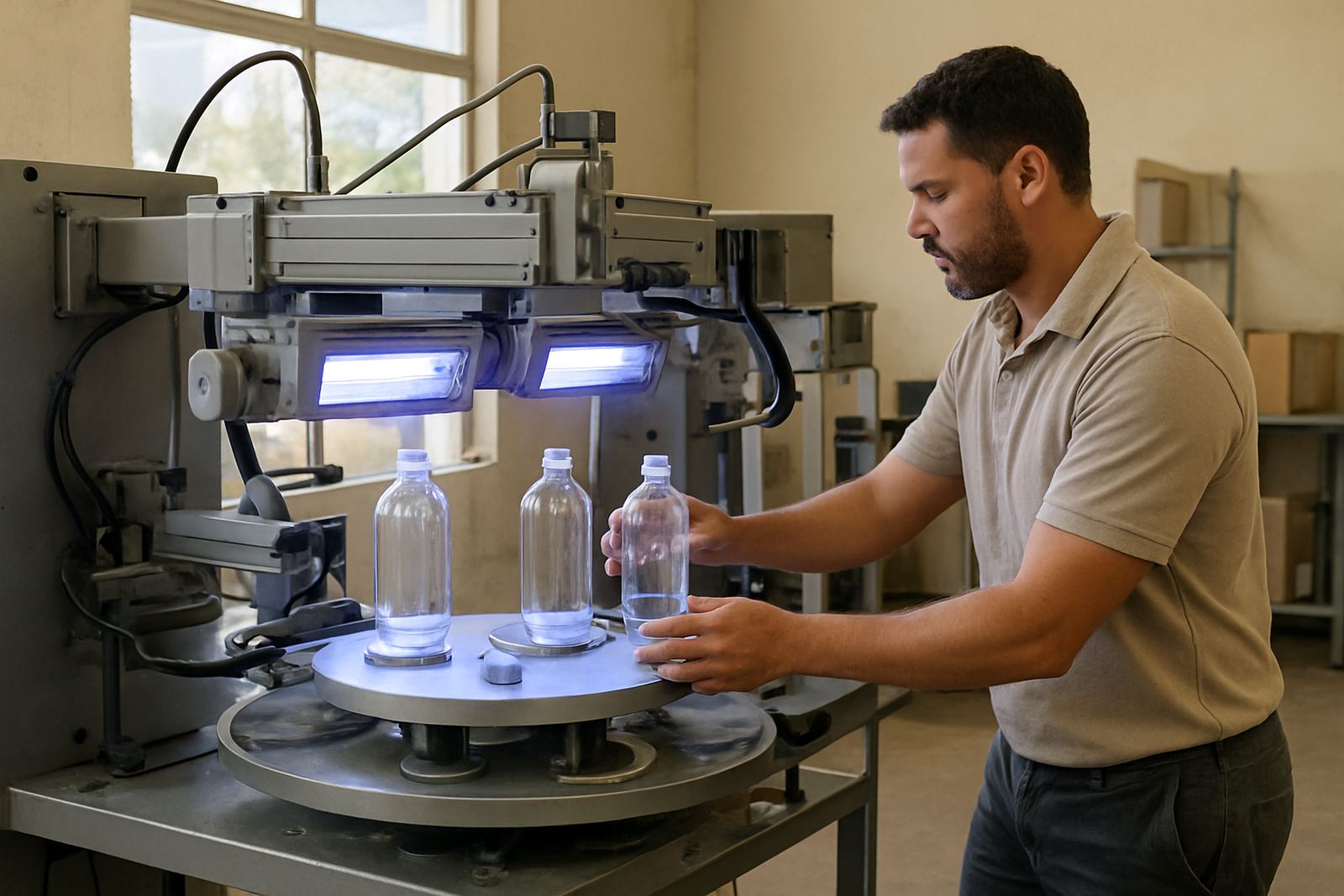
For local production, it is worth checking whether your tube supplier uses a smooth or textured finish, because ink behaviour can change a lot between the two. Coastal humidity in Durban or Cape Town can also affect drying times, so the print and cure setup must suit your site conditions. That small detail can save a lot of rework later.
Where This Machine Fits Best
This machine suits cosmetic manufacturers, contract packers, private label fillers and packaging plants that need tube branding in-house. It is a good fit where batches are medium sized, product changeovers happen during the week, and the business wants more control over print quality instead of sending work out. Many customers also use it for seasonal packs, trial lines and export orders that need stable branding.
In Johannesburg South and Midrand, we often see operations that run mixed packaging lines and need a tube printer that will not hold up the rest of the floor. In Pretoria, Durban and Cape Town, clients usually ask for something practical that can cope with local power interruptions and space limits. The machine should be easy to position, simple to maintain and suitable for a factory that may not have a dedicated print room.
- Cosmetic tubes for creams, gels, lotions and skin care products
- Adhesive and sealant tubes for industrial and trade use
- Sample packs, promotional packs and limited run packaging
- Contract filling plants that print for multiple clients
If your business prints on both tubes and other cylindrical items, we can advise on screens, jigs and colour setup so the line stays practical. The point is to keep the process moving, not to force one machine to do jobs it was never intended for.
Installation, Power and Compressed Air Needs
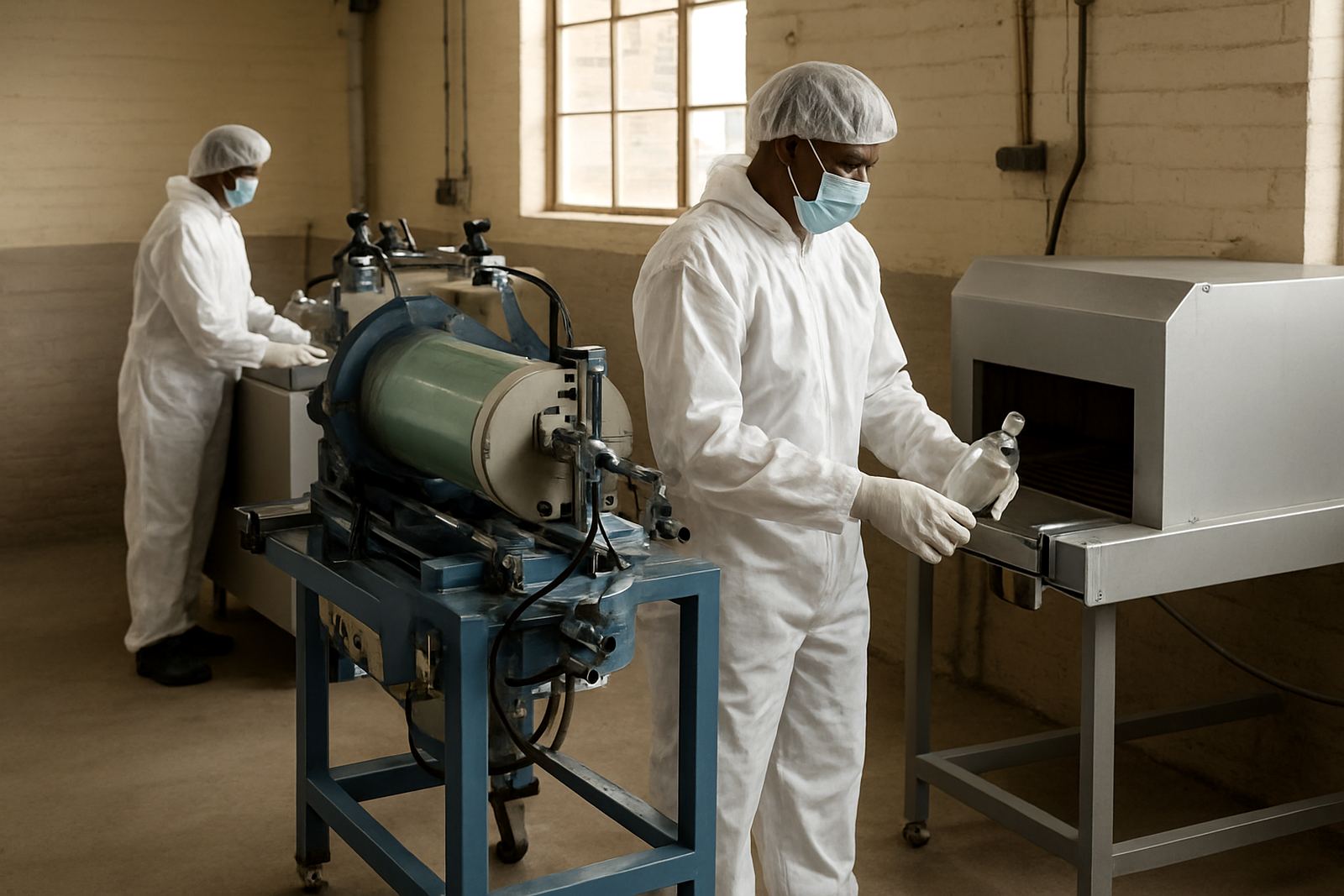
Proper installation starts with floor space, a stable bench or frame, correct power supply and enough room for loading tubes without rushing the operator. Most tube printing setups need a clean, level work area and stable single phase or three phase power, depending on the model and drying method. If the factory suffers load-shedding, you should plan for restart time, power backup and safe shut down steps so prints do not get spoiled mid run.
Compressed air may be required for certain clamp, movement or automation functions, and we recommend checking pressure and line quality before delivery. Dirty air, water in the lines or fluctuating pressure can cause trouble with registration and can affect print consistency. On site, our team can assist with machine placement, operator handover and a sensible production layout so the printer sits well next to filling or packing stations.
- Check mains power type and voltage before ordering
- Confirm air supply pressure and whether a dryer or filter is needed
- Allow space for drying racks, screen cleaning and tube loading
- Plan for blackout recovery if your site is affected by load-shedding
We also help with site setup in Aeroton, Johannesburg South, Midrand, Pretoria, Durban and Cape Town, plus installs further afield. That local support makes a difference when the machine is delivered to a busy plant and needs to be productive quickly.
Care, Screen Making and Servicing
A tube printer works best when the screens are prepared properly and the machine is kept clean. Ink build-up, poor screen tension and worn fixtures all affect print quality, so a regular maintenance routine is worth the effort. In many plants, operators can keep the machine running well by cleaning after shifts, checking alignment and watching for small changes in print position before they become major faults.
We supply support for screen making and screen reclaiming, which is useful when you want tighter control over artwork changes and repeat jobs. Preventive maintenance also matters, especially in warmer plant rooms or on coastal sites where humidity can affect screens, inks and drying. If a machine starts to miss registration or mark the tube unevenly, it is often a sign that something small needs attention before it becomes a stoppage.
Our service team handles breakdown repairs, spares supply, colour setup help and production optimising. That means you can get assistance with the machine itself and with the print result on the tube, which is often where the real production value lies.
What To Check Before You Order
Before placing an order, collect samples of the exact tubes you want to print and confirm the material, diameter, length and cap shape. It is also wise to know your target run sizes, number of colours, ink type and how quickly jobs must change over. If the tube has a soft body or a narrow shoulder, the holding method must be checked carefully so the artwork does not drift.
You should also confirm whether the print is for decoration only or whether you need extra durability for handling, oils or regular squeezing. For cosmetics and creams, appearance matters, but the print still has to survive storage and use. Ask about curing, drying and post print handling so you do not end up with smudging after packing, that part gets expensive fast.
- Tube sample size, diameter and wall type
- Artwork colours and print position
- Daily, weekly and monthly output targets
- Power and compressed air available on site
- Space for loading, drying and cleaning
If you are unsure what to specify, our team in Aeroton can talk through the job and guide the setup. Thabo Mokoena and the team work with production, training and service support so customers get a machine that matches the real job, not just the brochure.
Key facts
| Machine type | Cylindrical screen-printing machine for tubes and similar round containers |
|---|---|
| Suitable products | Cosmetic tubes, adhesive tubes, cream tubes and other cylindrical packaging |
| Diameter range | Approximately 15 mm to 80 mm, subject to tooling and setup |
| Print capability | Single colour to multi colour printing, depending on configuration |
| Utilities | Electric power, with compressed air required on selected setups |
| Support | Installation, operator training, screen making, maintenance and repairs |