What a Screen Frame Pack Includes
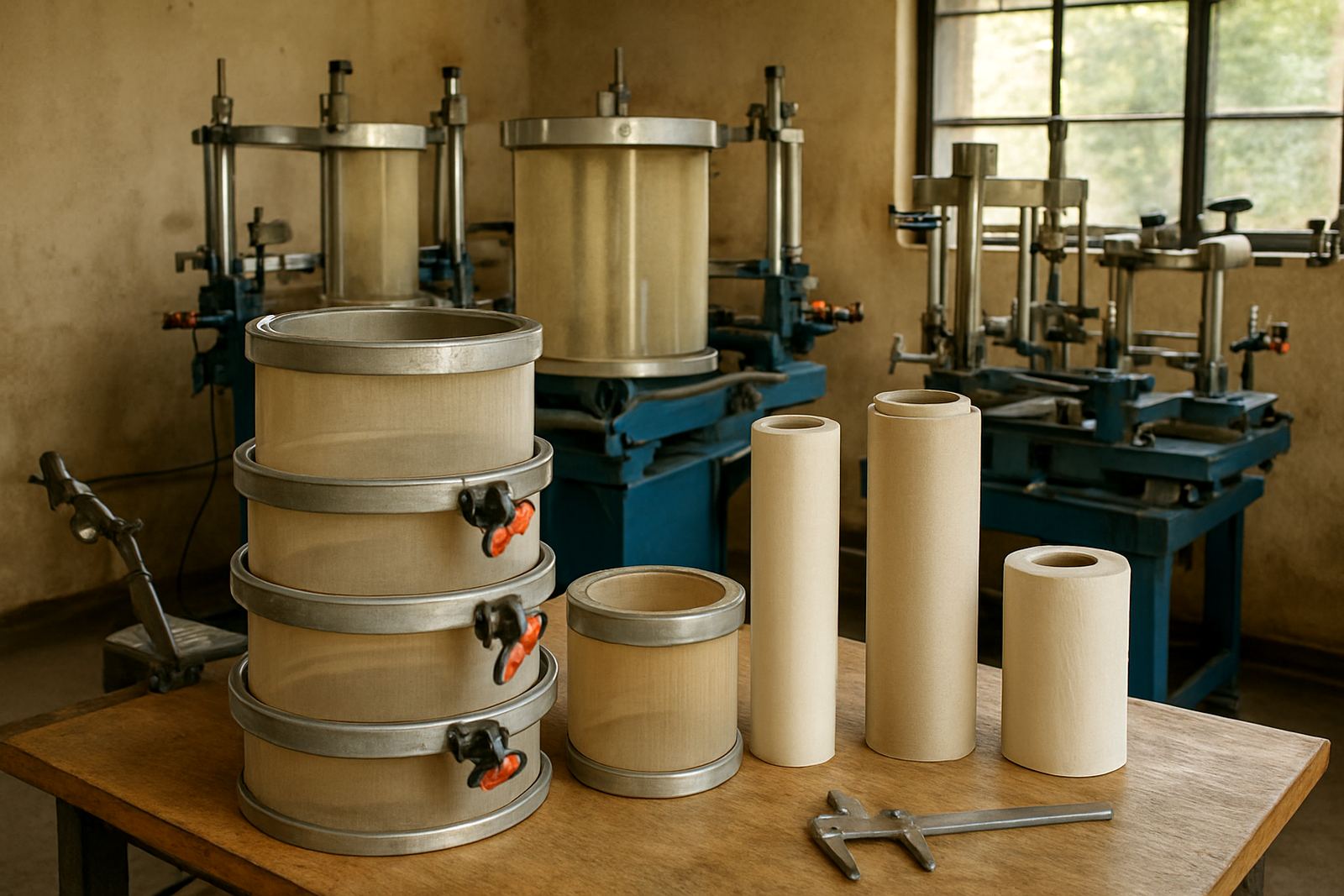
A Screen Frame Pack is a matched set of cylindrical screen frames used for screen-printing on round and tapered containers. The pack is prepared to suit your machine layout, frame diameter and print repeat so your artwork sits properly on each item instead of drifting from one job to the next. It is a practical buy for printers who want a ready set of working screens instead of assembling pieces one by one.
For production in Johannesburg, Pretoria, Durban or Cape Town, this matters when you are moving between short runs and full shifts. A correct frame pack helps keep setup times down, which is useful when load-shedding, rush orders or late deliveries already eat into your day.
- Matched cylindrical screen frames for bottles, cups and tubes
- Built for repeatable registration and consistent print position
- Suitable for manual and semi-automatic cylindrical printing setups
- Can be supplied for single-colour or multi-colour production plans
Sizes and Options for Different Container Work
Screen frame packs are commonly selected by the outside diameter of the item being printed, the print height, and the usable artwork area. A narrow cosmetic tube needs a different screen feel to a wide drink bottle, and a cup line may need a shorter frame for easier handling. The pack can be set up around your existing machine clamps and carriage movement, so the frames fit the way you actually print.
Typical options include smaller diameters for sample runs, mid-range frames for standard bottle production, and larger frames where you need more print surface. If your work changes often, it is better to keep one pack matched to your main volume items and another for specials. That gives you more control when the operator is under pressure and the job has to move.
- Frame sizes matched to bottle, cup and tube diameters
- Print area set to your artwork width and height
- Options for shorter runs, high-volume jobs and changeover work
- Can be paired with different mesh counts depending on ink and detail
Where the Pack Suits Production Best
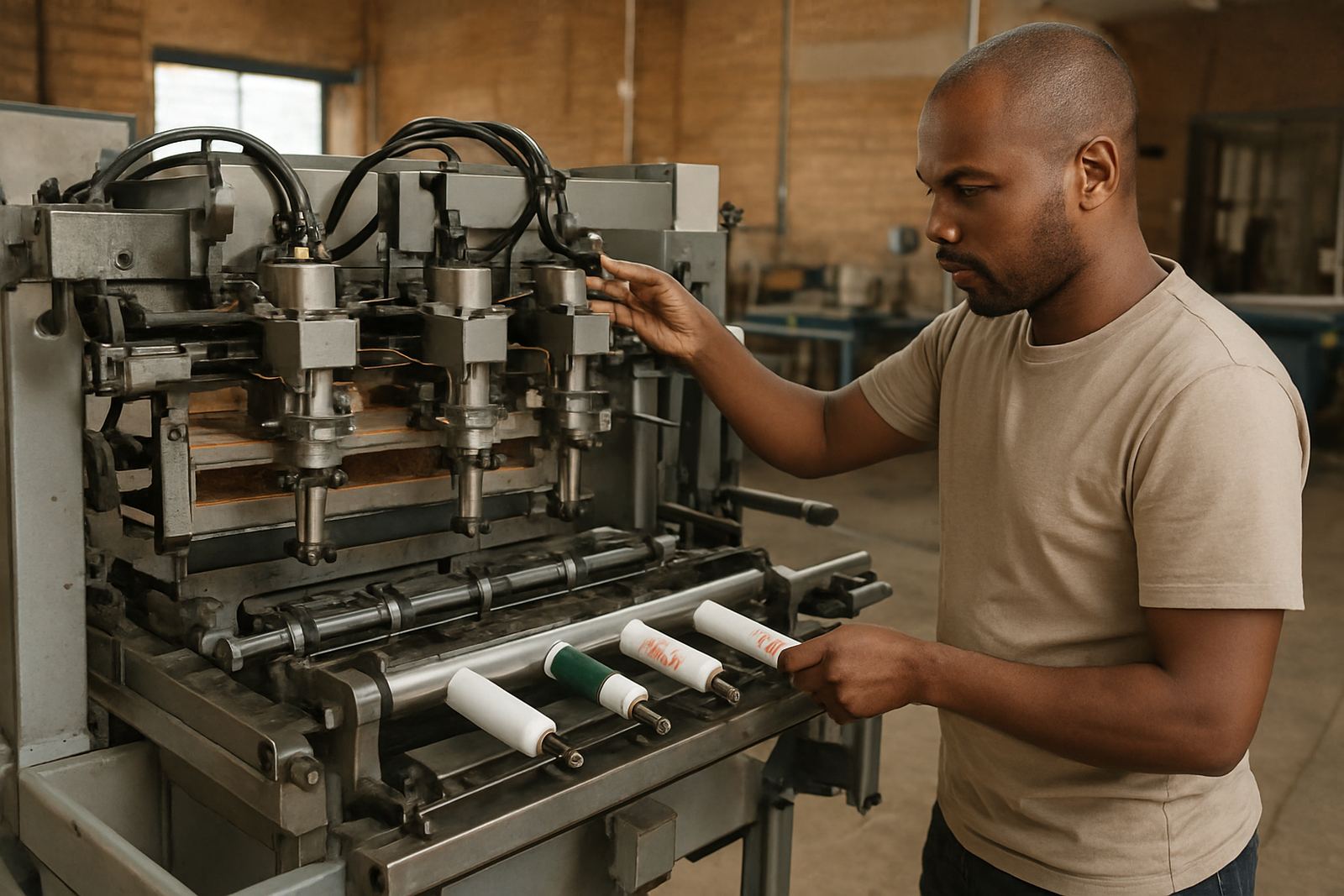
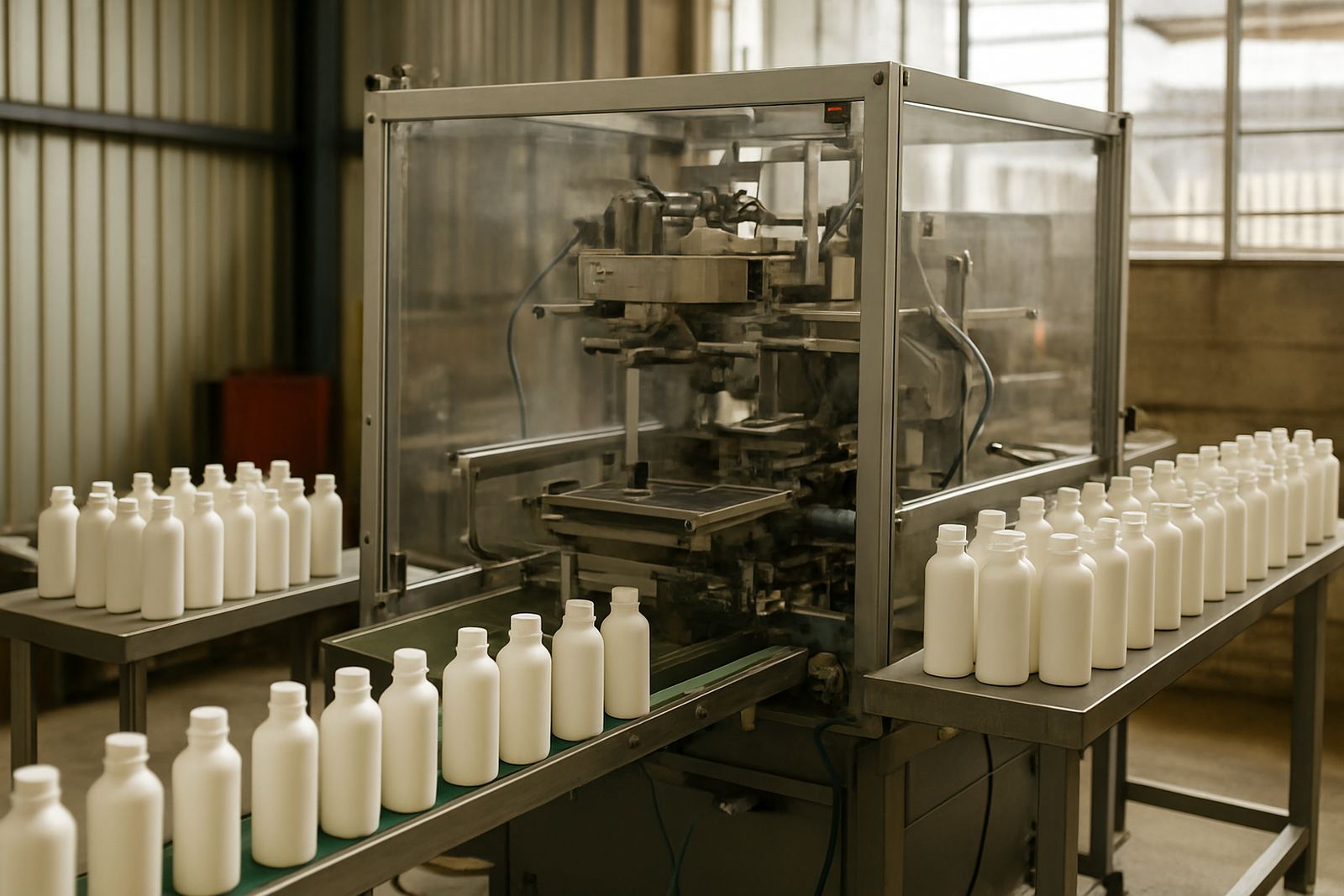
This product suits businesses that print on cylindrical containers for drinks, personal care, household goods and promotional packaging. It is also useful for contract printers handling mixed customer orders because the frame pack helps you keep a more organised screen room. When your jobs come from Gauteng, KZN or the Western Cape, a dependable frame set reduces the risk of stops caused by poor fit or worn screens.
It works well where the print needs to look crisp on smooth surfaces, and where colour placement must stay consistent from the first item to the last. In humid coastal sites, and even in dusty inland workshops, the right frame condition helps protect production quality. A clean frame pack also supports quicker screen reclaiming between jobs, which saves time and chemical use.
Installation, Power and Workshop Setup
Screen frames themselves do not need power, but they must match the machine setup, drying flow and workshop handling space. During installation, the frame pack should be checked against the screen clamps, registration points and squeegee path on your cylindrical unit. If the frames are too large or too light for the machine, print pressure can vary and the image may shift. That is where a proper site setup helps.
Most workshops will need a clean, level space with enough room to load and offload containers, plus space for screen storage and reclaiming. If your operation uses forced drying or curing equipment, allow for the electrical load and safe cable routing. In some areas, especially where municipal inspections are strict, it is worth keeping screens, inks and wash-up materials in a dedicated area with good ventilation.
- Check clamp spacing before confirming frame size
- Allow dry storage away from direct sun and moisture
- Keep enough room for cleaning, reclaiming and drying
- Plan around power supply for the rest of the print line, not the frame pack itself
Care, Cleaning and Reclaiming Between Jobs
Good screen care starts with careful handling after each run. Do not drag frames across rough floors or stack them where mesh can be crushed. Wash-out and reclaiming should be done before ink hardens, because a late clean usually means more labour and weaker screen life. In busy production, this can be the difference between keeping a job moving or losing half a shift to recovery work.
For long life, keep the mesh tension and frame condition under routine checks. If a frame is bent or the mesh is losing tension, registration becomes harder and the print may start to show double edges or uneven colour. Operators should also check for pinholes, blocked mesh and leftover emulsion after stripping. Small faults add up quickly in a high-output shop.
- Clean after use, before ink and emulsion cure fully
- Store flat or upright in a protected rack
- Inspect for mesh damage, bent sections and pinholes
- Use preventive maintenance on your full screen room schedule
What to Check When Ordering Your Pack
Before ordering, confirm the machine model or frame clamp layout, the container diameters, and the print height you need. It also helps to know whether you are printing one side, a wrap, or a limited window around the container. If your product range changes often, send through the most common item sizes first and list the rest as alternates. That keeps the pack practical instead of over-complicated.
You should also decide whether the pack is for new work or to replace older screens. Replacement orders often need a check on mesh count, frame condition and current registration marks. If you are expanding production, it may be worth planning spares at the same time so downtime stays low when a screen needs repair or reclaiming.
- Machine type and clamp spacing
- Container outside diameter and print height
- Artwork size, ink type and detail level
- Whether you need new screens, replacements or extra spares
Why Shops Keep a Matched Frame Pack on Hand
A matched Screen Frame Pack saves time, reduces setting errors and gives operators a more repeatable starting point. In a production shop, that matters just as much as the machine itself. When the frames are right, the rest of the job becomes easier to control, from colour setup to final output. For teams running orders across Johannesburg South, Midrand, Aeroton and beyond, it is a sensible way to keep work moving without constant adjustments.
If you need help selecting the right pack for your containers or machine setup, our team can assist with screen making, installation, colour setup help and production optimising. We also support breakdown repairs, spares supply and operator training, so your screen room stays ready for daily work.
Key facts
| Product type | Matched cylindrical screen frame pack |
|---|---|
| Use | Bottle, cup and tube screen printing |
| Frame format | Round screen frames for cylindrical printing setups |
| Compatibility | Manual and semi-automatic cylindrical machines |
| Typical selection factors | Diameter, print height, artwork size and mesh count |
| Support available | Screen making, screen reclaiming, training and maintenance |