What A UV Bottle Printer Does In Production
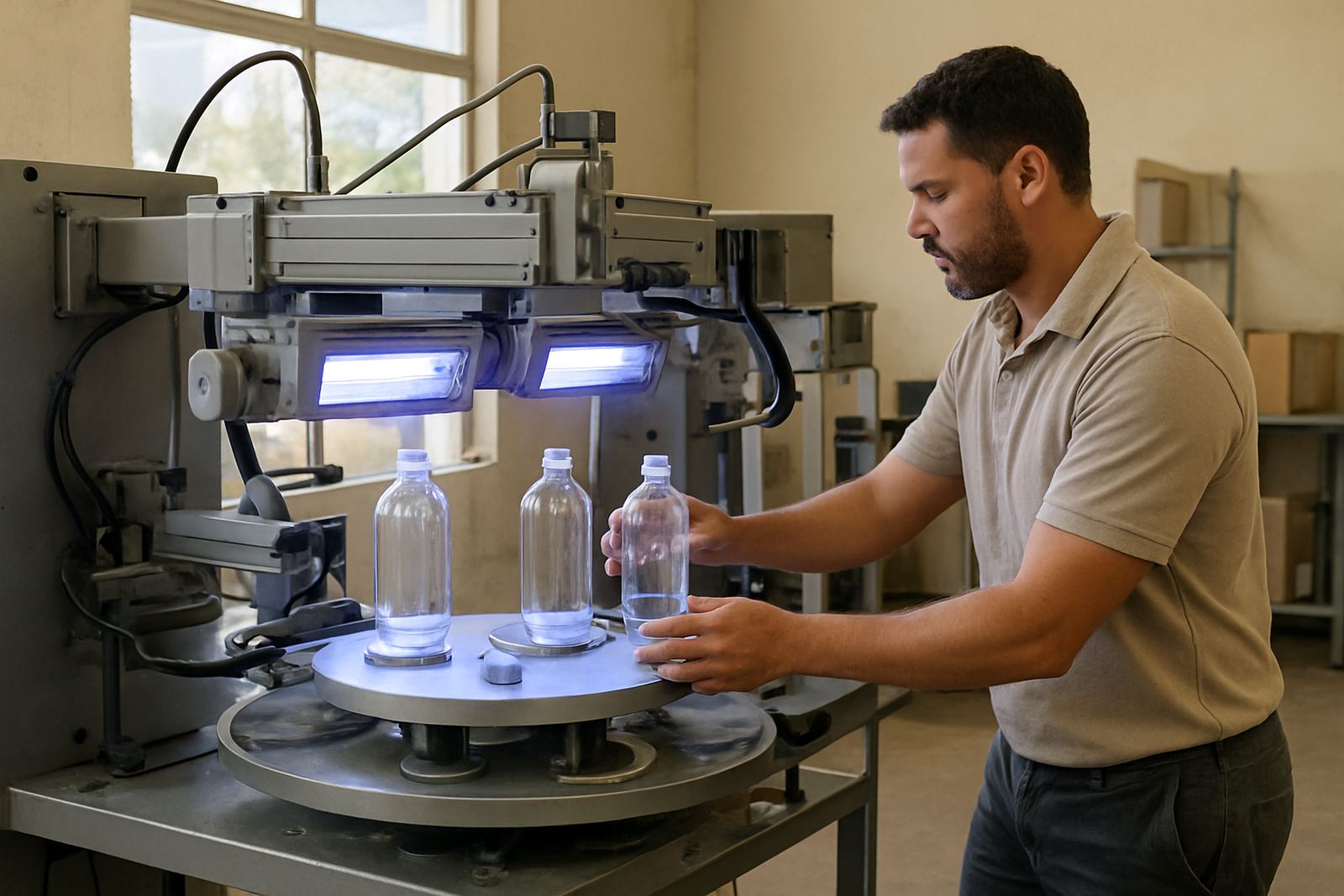
A UV bottle printer applies ink directly to cylindrical items such as plastic bottles, metal bottles, cups and tubes, then cures the print with UV light so the item can be handled much sooner. That means less rack time, less dust picking up on wet ink, and fewer delays between one job and the next. For shops that handle short runs, seasonal promotions or contract packaging, this is a practical way to keep production moving.
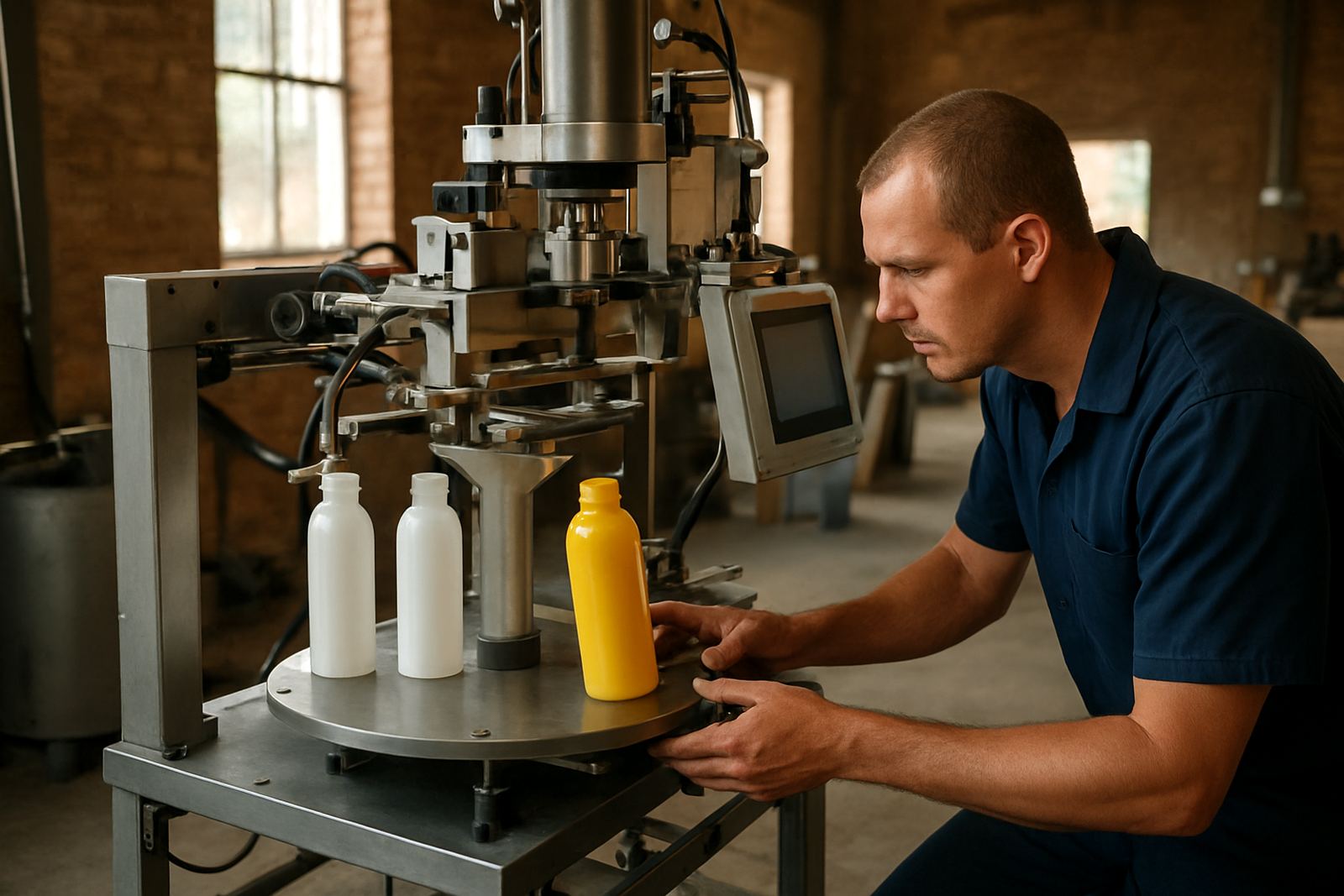
It is a strong fit for businesses that need clear branding on drinkware, promotional items, cosmetic tubes and light industrial containers. The print result is best when the product is consistent in shape and surface. If the bottle has too much taper or a very uneven shoulder, setup becomes slower and print placement needs more checking, so a sample is always worth it.
Sizes, Options And Print Capacity
UV bottle printers are usually supplied in single station or multi station formats, depending on throughput and the size of the items you print. Smaller units suit compact workshops and shorter runs, while wider machines give more room for longer bottles and larger repeat work. For a business in Johannesburg, Durban or Cape Town, the right size depends on what leaves your shop every week and how much floor space you can spare. Do not guess on this part, it saves a lot of trouble later.
- Suitable for bottles, cups, tubes and some tapered containers
- Single colour or multi colour print heads depending on the model
- Adjustable fixtures for different diameters and lengths
- Short to medium production runs with quick changeovers
- Optional jigs for repeat work and tighter registration
As a guide, many setups handle containers from about 30 mm to 120 mm in diameter, with print lengths around 80 mm to 250 mm, depending on the fixture and product shape. If you need a wider print area or a heavier cylindrical item, the machine should be checked against the actual sample before ordering.
Where It Suits Best
This machine suits packaging, promotional products, beverage branding, cosmetics and light industrial suppliers. It is especially useful when a client wants a clean finish on a bottle without the long dry time that can slow down the rest of the line. UV curing is also helpful where the printed item must be packed, stacked or moved soon after printing.
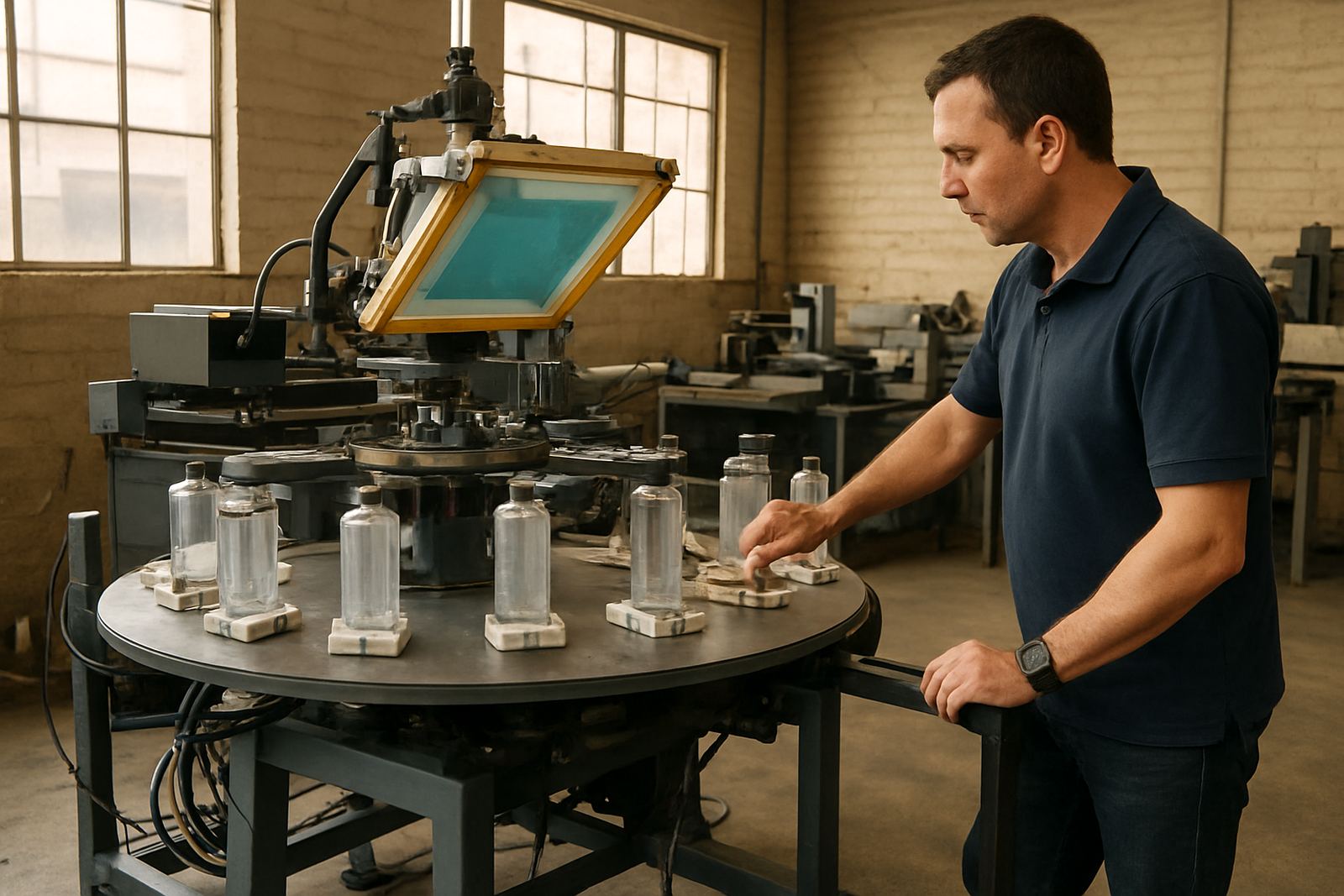
For coastal areas such as Durban or the Cape, UV curing can help reduce issues linked to humidity, because the print does not rely on air drying in the same way as older methods. In inland areas like Pretoria and Midrand, it is useful where production space is tight and you need a faster handoff between printing and packing. It also works well for shops that already handle screen printing and want an extra process for decoration jobs that need a harder cured finish.
- Promotional drink bottles and reusable cups
- Cosmetic tubes and personal care packaging
- Food and beverage sample containers
- Small industrial bottles and chemical tubes
- Custom contract printing for brand owners
Installation, Power And Site Requirements
Installation should be planned around clear floor space, stable power and a dry, clean working area. Most UV bottle printers need a standard single phase or three phase electrical supply depending on the model and curing setup. A proper earth connection is important. If the workshop has load shedding, it is wise to plan for a backup supply or an orderly shutdown so the lamps, controls and motion system are protected. A machine that loses power mid cycle can be a headache.
Allow enough room for loading, unloading and small stock trolleys. A level floor helps with alignment and repeat setup. In some premises, especially in shared industrial parks, you may also need to confirm extraction, fire precautions and noise expectations with the landlord or local rules. If compressed air is required for clamping or cleaning, the supply must be steady and dry, because moisture in the line can affect performance.
- Check the available voltage before delivery
- Confirm phase type and breaker size with an electrician
- Allow space for operator movement and sample checks
- Keep the room dust controlled and out of direct sun
- Plan for backup power where outages are common
Care, Servicing And Print Quality
UV bottle printers need regular care if you want the same quality from Monday to Friday. Daily wipe-downs, head checks and fixture cleaning help prevent marks, blockages and alignment drift. The curing section should be kept free of ink build-up and overspray. On busy lines, a short start-up check at the beginning of each shift can prevent a lot of wasted stock later, especially when the machine is being used on different bottle sizes in the same week.
Preventive maintenance normally includes checking belts, bearings, sensors, lamps or curing modules, plus the clamps and registration parts that keep the print in position. If the machine is standing idle for long periods, the heads and ink path should be cared for correctly so they do not dry or clog. A small issue left too long can turn into a longer stoppage, and then the whole day is gone.
- Clean product fixtures after each production run
- Check curing output and lamp condition regularly
- Keep spare consumables on hand for busy periods
- Train operators to spot early print drift
- Schedule service before peak season or contract work
What To Check Before You Order
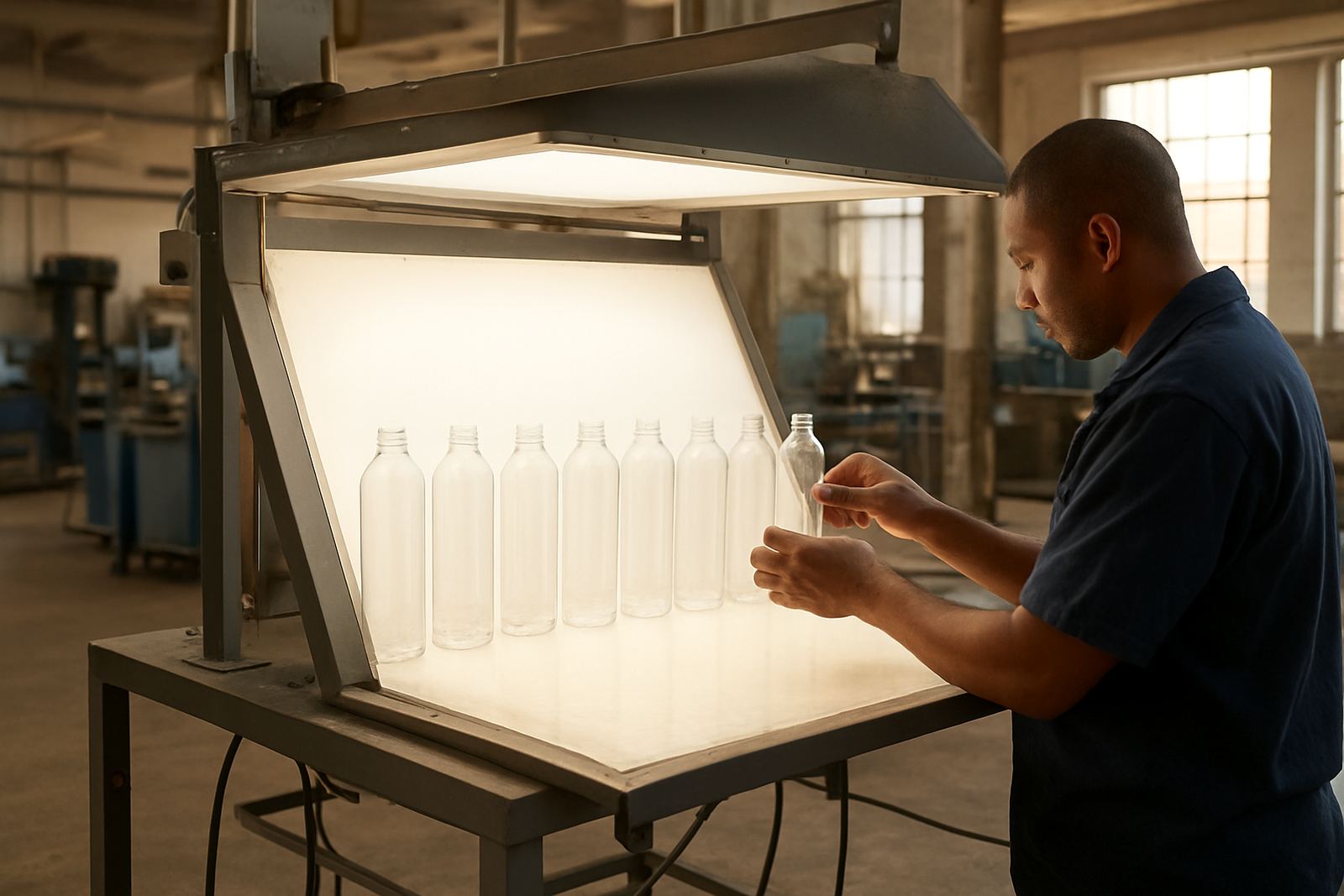
Before ordering, confirm the exact bottle or cup sample, the material type, the print area needed and the speed target for your job. Some plastics need a treated surface or an adhesion aid, while others print more easily. Glossy, curved and tapered surfaces can change how the image sits, so a proper sample test matters. If you are printing for a customer in Gauteng, KwaZulu-Natal or the Western Cape, the final approval should be done on the actual item, not only on a drawing.
It also helps to know the expected monthly volume, the number of colours, the ink requirement and whether you need training for a new operator or support for the full setup. Ask about spares, maintenance access and lead times for consumables before the purchase is finalised. That way the machine arrives with the right parts and the first run does not stall for something small.
- Send a physical sample where possible
- Confirm bottle diameter, length and taper
- State your required print size and colour count
- Ask what power supply and air supply are needed
- Request setup, training and service support details
Key facts
| Print type | UV-curing cylindrical printing for bottles, cups and tubes |
|---|---|
| Typical container diameter | About 30 mm to 120 mm, subject to fixture |
| Typical print length | About 80 mm to 250 mm, subject to model and product |
| Power requirement | Single phase or three phase, model dependent |
| Curing method | Integrated UV curing for fast handling |
| Best use | Short to medium runs with repeat branding and decoration |