What the Servo Bottle Printer does on your line
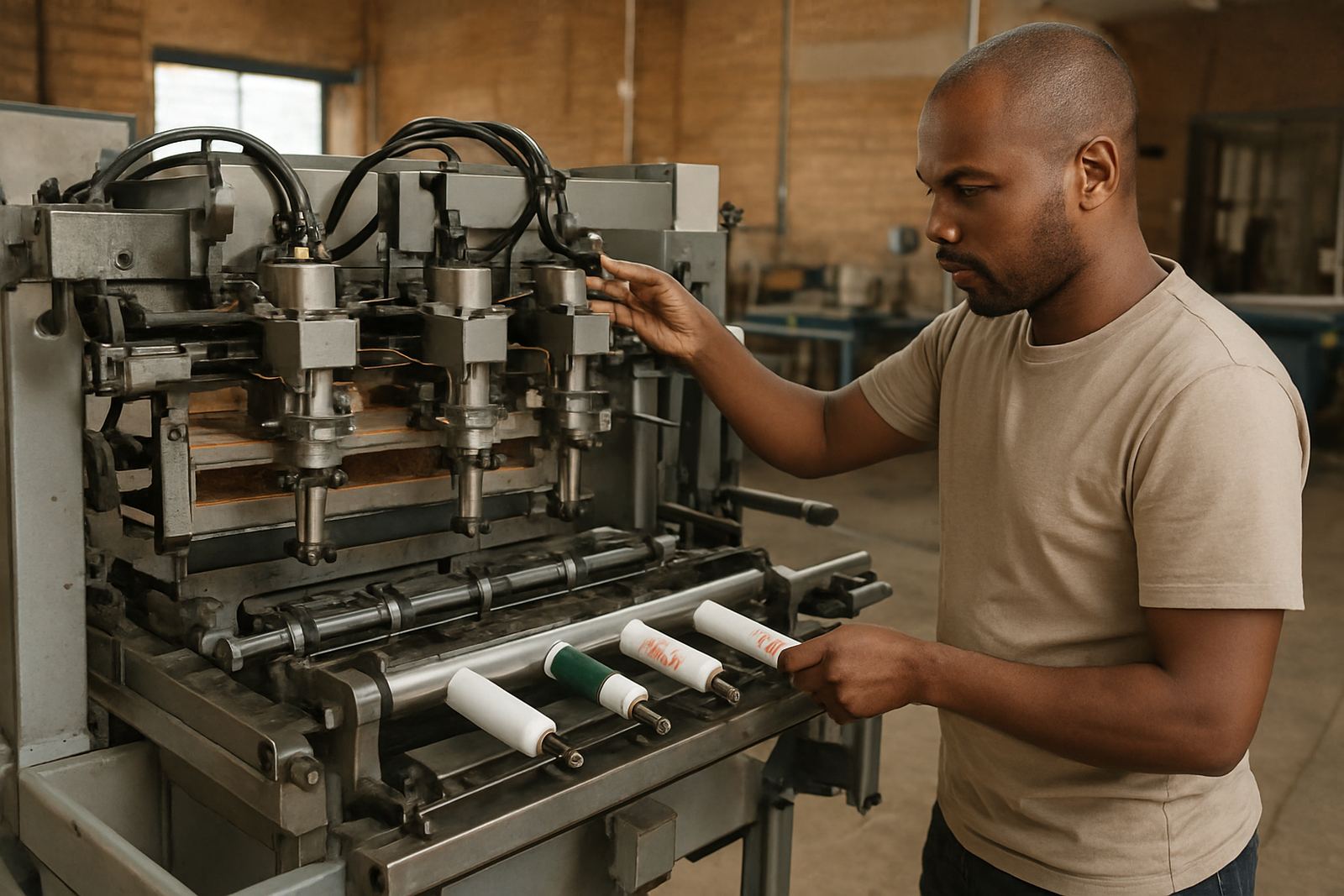
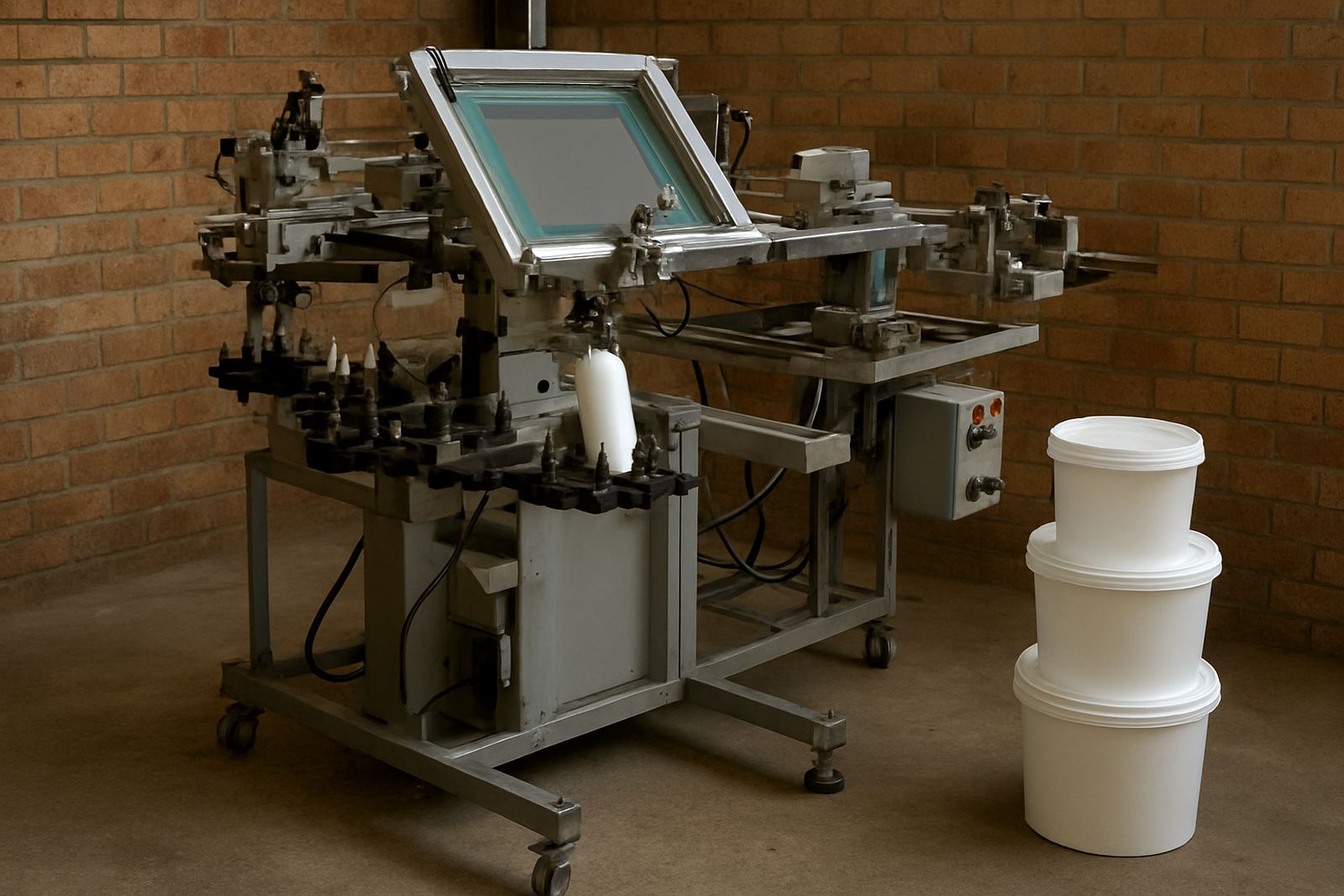
This unit is made for cylindrical decorating where a bottle needs the same artwork placed in the same position, run after run. The servo drive controls the rotation of the container so the print stroke stays consistent, even when the job runs for hours and the operator needs less adjustment between batches.
It suits workshops printing on plastic, glass and coated aluminium containers, and it can also handle tubes and other round items within the machine's size range. For Gauteng manufacturers working from Aeroton, Midrand or Pretoria, it is a practical choice when you need cleaner registration, better colour placement and fewer rejects on longer jobs.
Sizes and configuration choices
Servo bottle printers are supplied in different widths and fixture setups, depending on the container diameter and the print area you need. The exact hold-downs, mandrels and screen frame size should be matched to the bottle profile, label height and ink coverage. If you print on slim cosmetic tubes one week and wide beverage bottles the next, ask for change parts that support both without too much downtime.
- Container diameter range from small tubes to wider bottles, depending on the fixture set
- Single-colour or multi-station layouts for one or more print positions
- Adjustable print stroke and dwell settings for fine registration control
- Optional feed and unload support for higher output runs
On larger orders, the right setup can reduce changeover time and keep production moving after load-shedding interruptions, provided the line is checked properly before restart.
Where this machine fits best
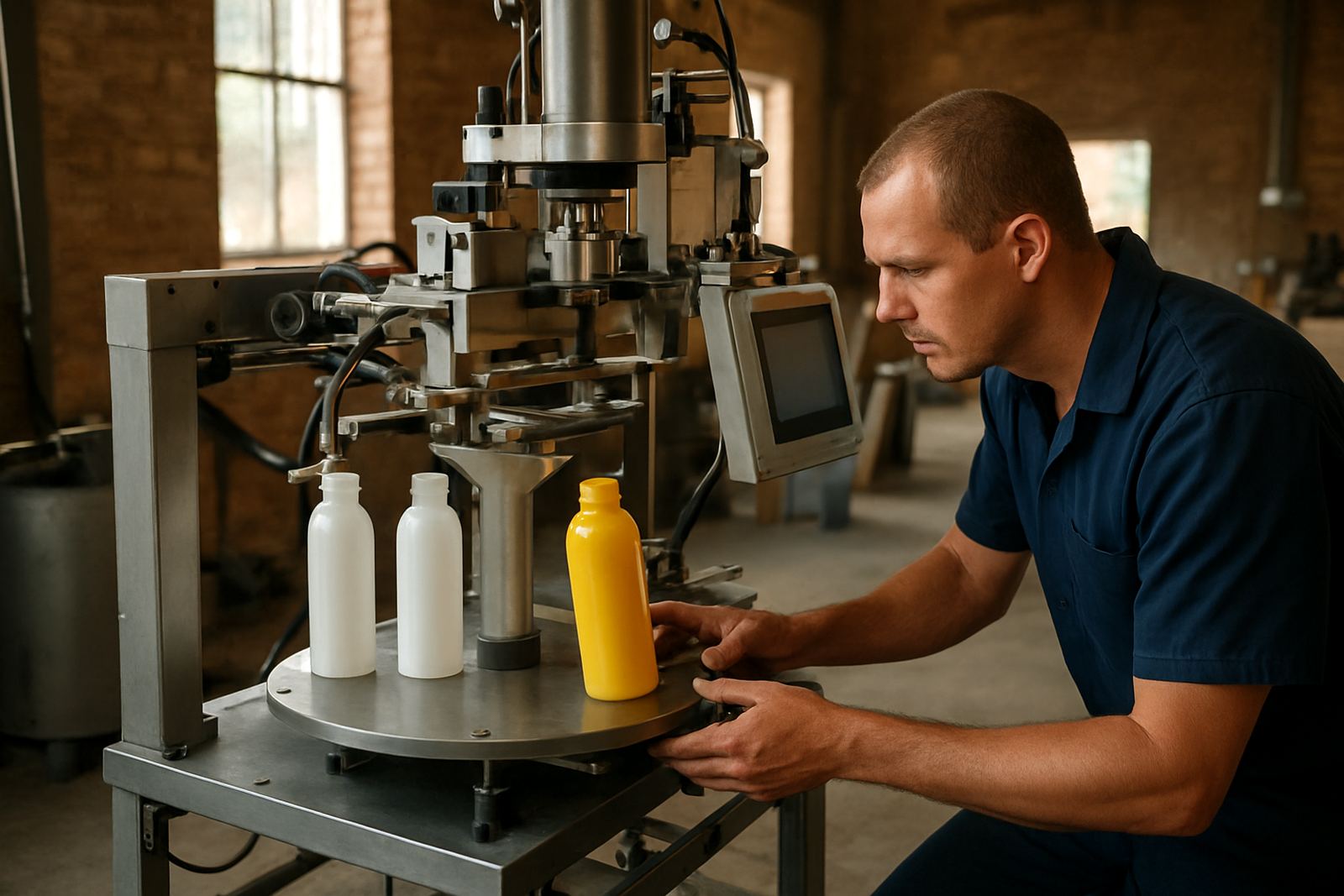
This machine is a strong fit for packaging, personal care, food and beverage, chemical and promotional product makers. It is also useful for short to medium custom runs where artwork needs to stay consistent across each unit. Many customers use it for branded water bottles, cosmetic jars, shaker bottles, sanitiser containers and plastic tubes.
It works well in plants that need cleaner print alignment than manual methods can give. If your operation is in Durban or Cape Town and you deal with coastal humidity, the control over repeat positioning becomes even more important because screens, inks and container handling all need steadier management.
- Branding of bottles for retail or promotional supply
- Cosmetic and personal care packaging lines
- Food safe containers and tubes where neat print edges matter
- Contract decorating businesses doing repeat client work
Installation, power and workshop needs
Installation should allow enough space for loading, screening, drying and packed product movement. A level floor, clean air and good lighting help the operator keep set-up work accurate. The machine should be positioned where the feed side and unload side do not block each other, especially in narrower Johannesburg South workshops where every metre counts.
Power needs vary by configuration, but a stable single-phase or three-phase supply is normally checked before delivery. For sites with frequent outages, fit proper surge protection and confirm restart procedures after power returns. Some production lines also use air assistance for handling or clamping, so compressed air supply should be checked for pressure and moisture control. A dry, filtered line is better for consistent operation, particularly in humid coastal areas. Please note that an unstable power line can cause stoppages and registration drift if the operator restarts too quickly.
- Level, clear floor space around the machine and any drying area
- Suitable electrical supply confirmed before installation
- Compressed air if your configuration includes pneumatic clamping or handling
- Stable temperature and low dust where possible
Care, servicing and day to day operation
Servo control reduces strain on the print cycle, but the machine still needs regular checks. Screens must be cleaned properly, fixtures must stay tight and the registration points should be inspected before each shift. Ink buildup around the clamp points or guides can cause small errors that become expensive over time. A little maintenance every day saves a bigger repair later, thats usually the way it goes.
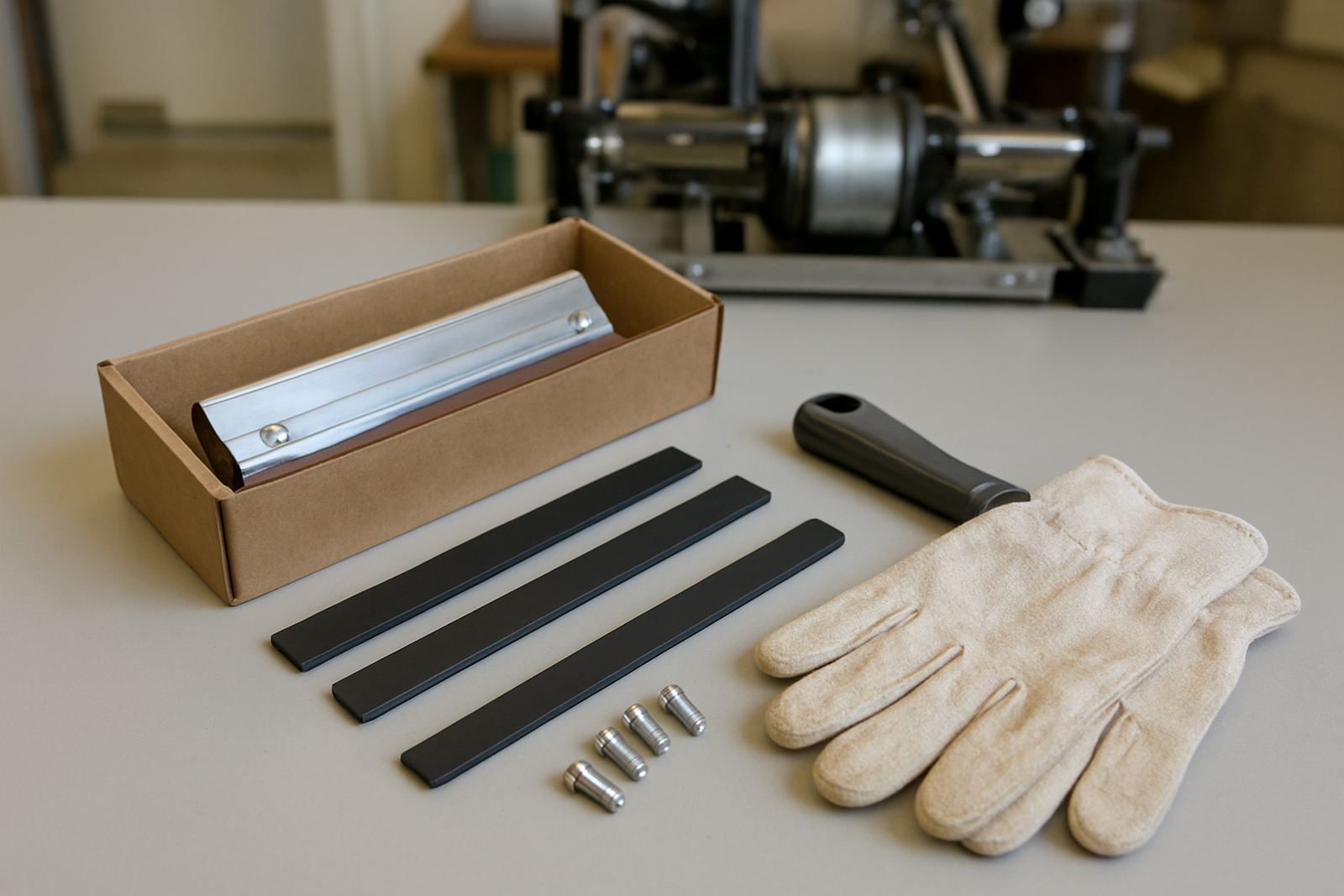
Preventive servicing should include bearings, drive components, sensors, belts where fitted and the general alignment of the print station. If the line runs in a production environment with fine dust or solvent vapour, more frequent cleaning may be needed. We also recommend keeping a spare set of consumables and the most used wear parts on hand so a breakdown does not stop a full day of production.
- Clean screens and squeegee paths after every run
- Check alignment before changing container sizes
- Keep air lines dry and filters serviced
- Inspect stops, clamps and sensors at regular intervals
What to confirm before you order
Before ordering, measure the largest and smallest container diameters, the print height, the length of the artwork and the type of material you will print on. We also need to know whether the job is a one-colour mark or a longer registration-sensitive design. If you are printing multiple bottle sizes, send samples so the holding method can be checked properly.
It helps to confirm your daily output target, shift pattern and whether you will use manual loading or assisted feeding. Also tell us if the site is in Aeroton, Pretoria, Midrand, Durban or Cape Town, because installation planning can change with access, power supply and the local production schedule.
- Container diameter and print height
- Artwork size and number of colours
- Material type and finish of the bottle or tube
- Output target per shift
- Available power and air supply on site
Support from our Johannesburg team
Bottle Screen Printers has supported South African customers since 2007, with installs and training carried out nationwide. Our Aeroton base is set up for machine installation, site setup, operator training, screen making, screen reclaiming, preventive maintenance, breakdown repairs, spares supply, colour setup help and production optimising.
Thabo Mokoena leads the business, with support from Naledi Khumalo, Johan van der Merwe, Anele Dlamini, Farieda Jacobs and Sibusiso Nene. If you need help choosing a servo bottle printer for a specific line, we can talk through the container, the print target and the available floor space before supply. For pricing and availability, use our contact form.
Key facts
| Drive system | Servo-controlled rotation for repeat registration |
|---|---|
| Container range | Suitable for bottles, cups and tubes within the selected fixture set |
| Print method | Cylindrical screen printing |
| Production use | Longer runs where consistent placement is important |
| Power | Electrical supply confirmed to site configuration, single-phase or three-phase |
| Typical support | Installation, training, maintenance and spares supply |