How delivery is arranged from Aeroton
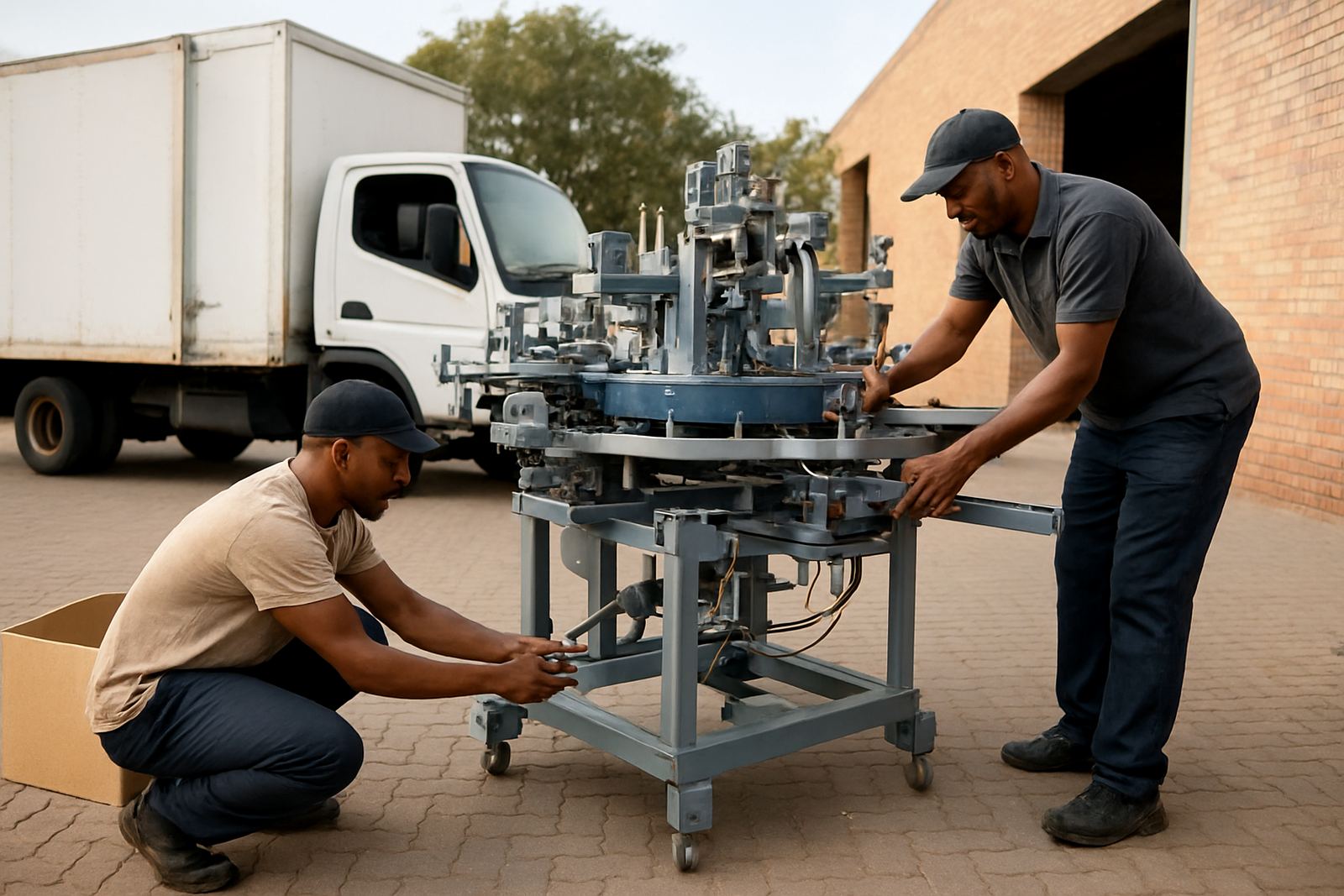
Most equipment leaves our Aeroton base by road transport, packed to suit the size and weight of the machine or screen set. For Johannesburg, Pretoria, Midrand and nearby industrial areas, delivery is usually quicker, while national loads are scheduled around route, access and off-loading needs. We confirm the delivery address, contact person and site hours before dispatch so there are no delays at the gate.
For businesses in coastal areas, we also consider humidity and salt air during transit and first setup, because those conditions can affect stored screens, metal parts and electrical components if they are left exposed. If your site has narrow entrances, upper-floor access or forklift restrictions, tell us early so the transport plan matches the premises and no time is wasted on arrival.
- Full address with suburb and nearest access road
- On-site contact name and mobile number
- Loading bay, roller door or lifting method available
- Preferred delivery window and any security rules
Site readiness before the team arrives
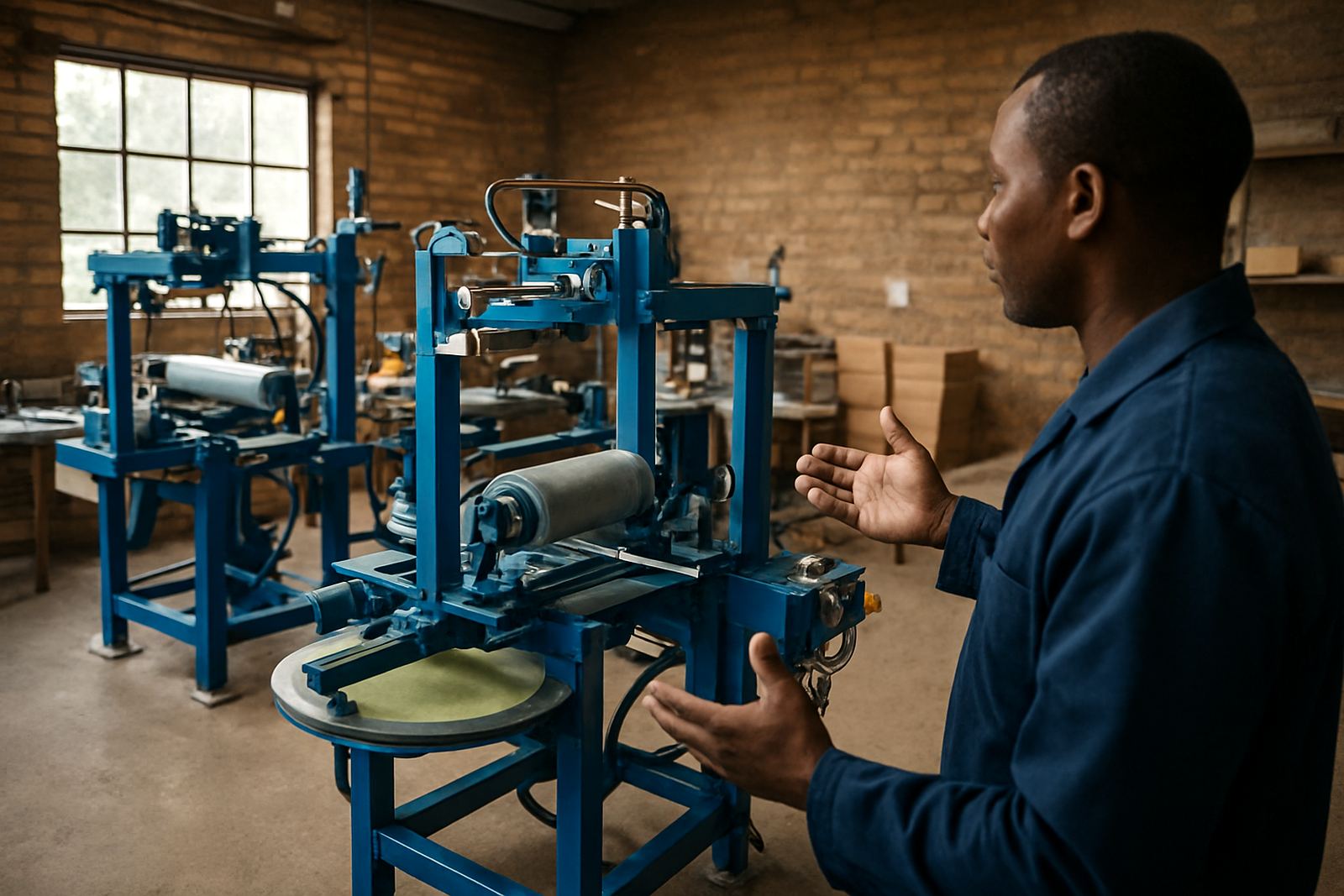
A good installation starts before the truck arrives. The floor should be level, clean and able to carry the machine weight without wobble. We advise clients to clear enough space around the unit for screens, ink, cleaning materials and operator movement. In many workshops a machine can be delivered but still cannot be commissioned because the power point, air line or bench space was not ready, and that costs a full day.
For most cylinder and screen-printing setups, we check power supply, earthing, ventilation and compressor positioning. If your area has load-shedding, it helps to have backup power available for testing, warm-up and basic production checks. Municipal compliance can also matter, especially where noise, ventilation or waste disposal rules are stricter in mixed-use industrial zones.
- Stable single-phase or three-phase supply as specified for the machine
- Compressor and air supply in place where needed
- Working lighting and enough socket points
- Safe storage for screens, squeegees and cleaning chemicals
Installation day and commissioning steps
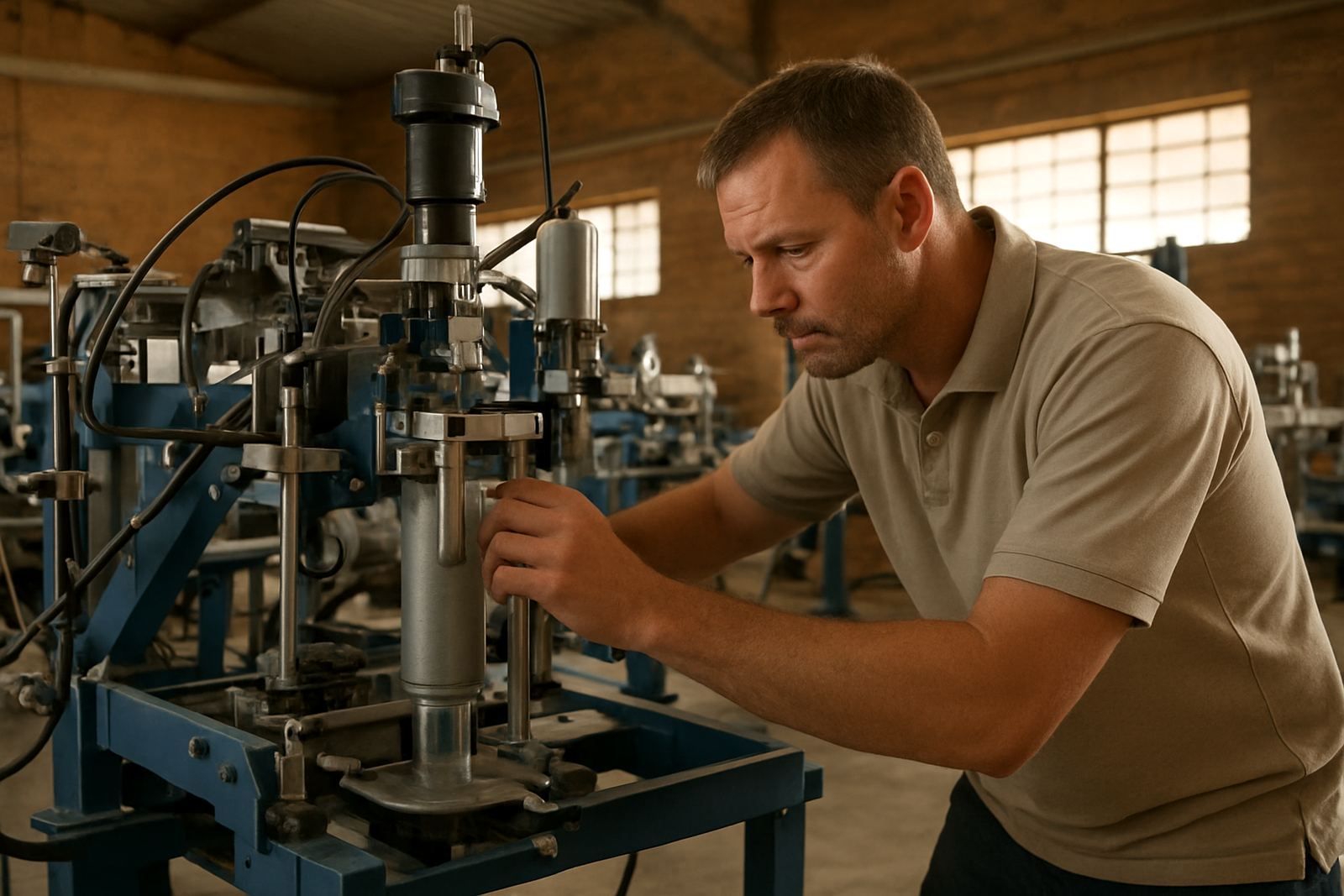
On installation day, the machine is positioned, levelled and checked before any production work begins. We then confirm motion, registration points, screen alignment, ink flow and safety functions. If accessories or screens were ordered with the machine, these are checked against the production job list so the first run is not delayed by missing parts. Our technicians work through the start-up with the operator, not just the supervisor, so the people using the unit understand each step.
Commissioning includes basic test prints or test runs, depending on the product being printed. This stage is important for bottles, cups and tubes because even small changes in pressure or alignment can affect print quality. If a client needs production to start on the same day, we plan the install carefully and keep the sign-off process efficient, but we never skip the checks that protect output and machine life.
Operator training after setup
Training is part of a proper installation, not an extra. We show your team how to load the product, set up the screen, adjust print pressure, clean the unit and recognise early warning signs. For businesses with rotating staff, we can keep the training practical and simple so the procedure is easy to repeat on different shifts. That matters when a job runs in the morning and changes to another product after lunch.
We also cover the common issues that cause wasted stock, such as poor colour setup, uneven curing, dirty screens or incorrect product spacing. If your operation is in Durban, Cape Town or another humid area, we explain extra drying care and storage habits too. A short training session can save a lot of rework later, especially when your team is still learning the process.
- Safe machine operation and shutdown
- Basic colour setup and print consistency
- Screen care between jobs
- Cleaning, storage and shift handover
Transport across South Africa and regional support
We install nationwide and plan transport for both metro and outlying areas. Johannesburg South, Midrand and Pretoria are regular routes, while Durban, Cape Town and other centres are scheduled according to vehicle availability and site access. If the site is outside a main industrial node, we check road access, delivery times and any local restrictions before committing to a date. That avoids surprises with off-loading, security or after-hours entry.
For clients with several branches, we can coordinate the delivery sequence so each site is ready in the correct order. That is useful for businesses opening a new line or replacing older equipment across more than one branch. It also helps to keep spares and screens grouped by location, which makes future service calls faster and more accurate.
After-installation checks and support options
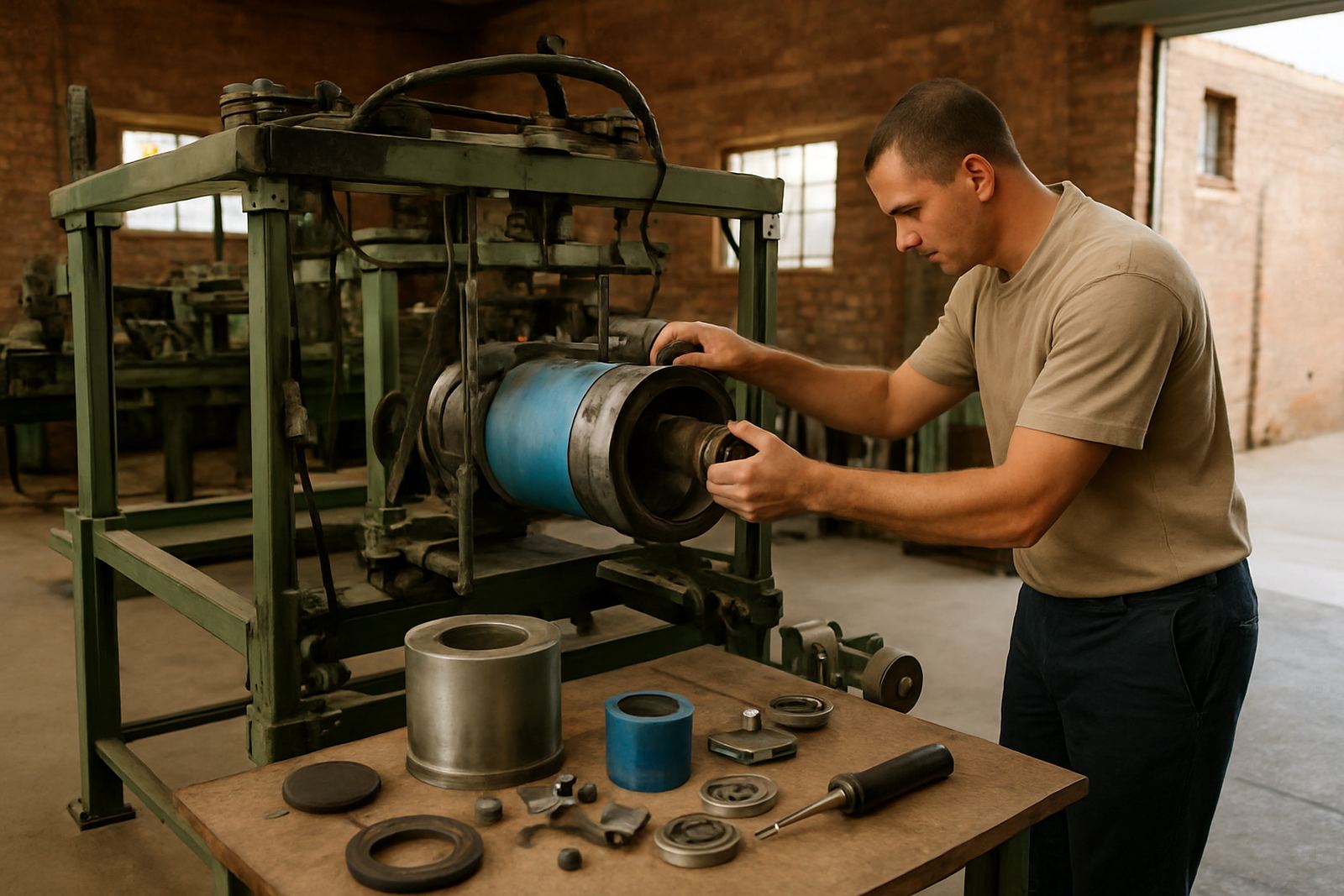
Once the machine is running, we do a final review of print quality, machine movement and operator comfort. If the site still needs fine adjustment, we can help with colour setup, production optimising or screen making after handover. We also advise on preventive maintenance, because a machine that is cleaned and checked properly lasts longer and breaks down less often.
If a unit develops a fault later, our service team can assist with breakdown repairs and spares supply. This is especially useful where a client depends on one machine to meet weekly orders. Keeping the install record, model details and site notes on file makes later support faster, and it reduces time spent trying to diagnose the same issue twice.