Built for pails, tubs and industrial buckets
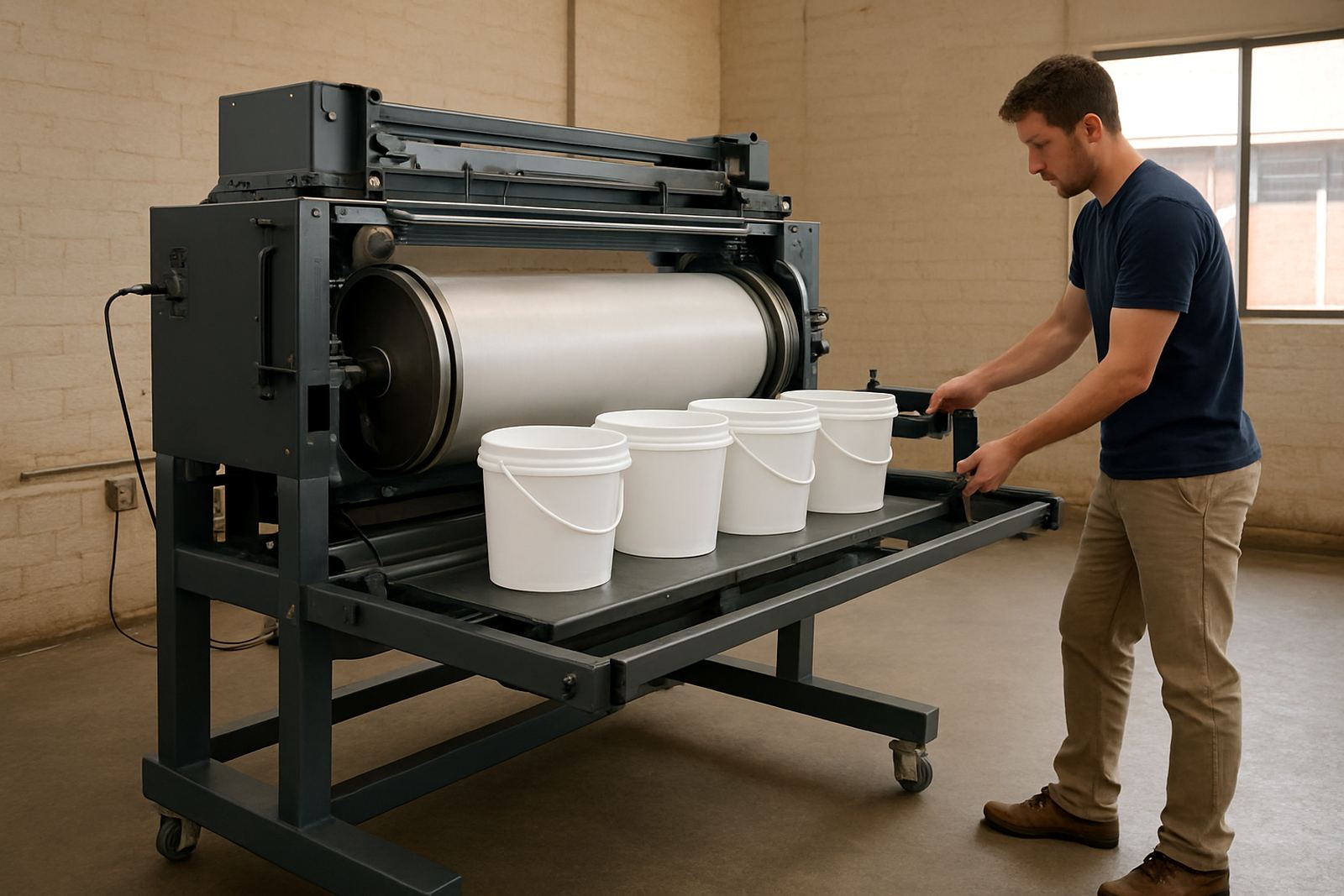
This machine is designed for straight and slightly tapered cylindrical containers such as paint buckets, chemical pails, food tubs and heavy-duty storage buckets. It prints around the body of the container in a single wrap or in indexed sections, depending on the artwork and the shape of the product.
For businesses that need consistent branding on large packs, the main benefit is repeatable placement and print density. The right setup helps keep logos square on the bucket, even when the container has ribs, a mould line or a handle boss that needs to be worked around.
These machines are well suited to contract packers, plastic container suppliers, promotional packaging teams and manufacturers that need a clean finish on short or medium runs. They also help when a job changes often, because the screen and fixture can be adjusted without a full line changeover.
Typical print sizes, container range and options
Most bucket printing machines in this class are ordered to suit a specific container family. The print width, bucket diameter range and body length all need to be checked before purchase, because a 20 litre pail and a 5 litre tub do not behave the same on the machine.
- Container diameter range: commonly around 90 mm to 400 mm, depending on the model and tooling
- Print height: often 80 mm to 300 mm, with larger formats available on request
- Container length: suitable for short tubs through to deeper industrial buckets
- Drive: pneumatic, electric or hybrid set-ups, depending on output and site conditions
- Fixture options: change parts for different bucket sizes, and holder sets for tapered containers
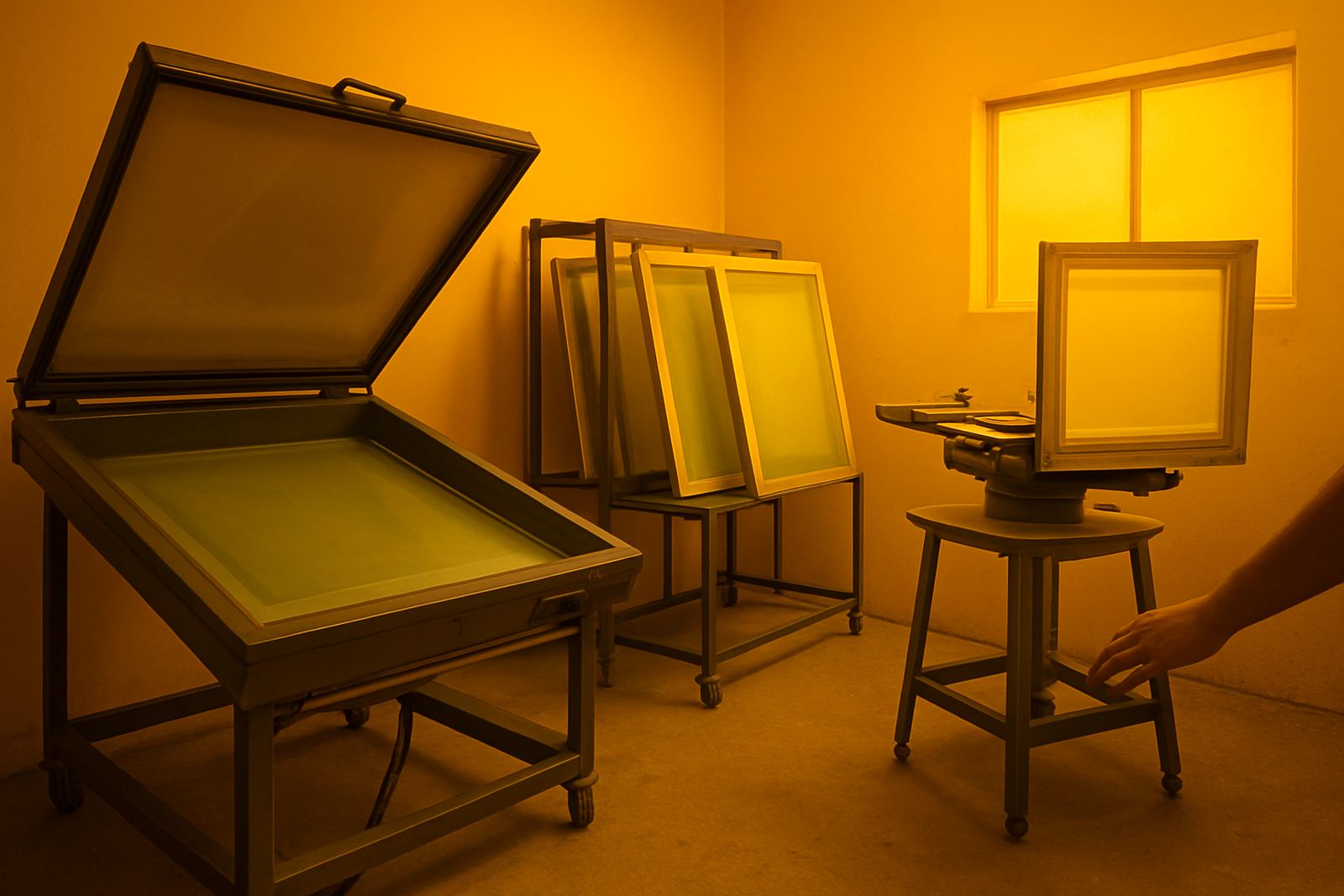
We also help with screen making and colour setup so the image sits correctly on the container. If your bucket has a textured wall, a thicker ink film or a stronger adhesive system may be needed to keep the finish clean in humid coastal conditions, especially in Durban and along the KwaZulu-Natal coast.
Where this machine fits in production
A bucket printing machine suits businesses that need a stronger setup than a small bottle printer. Larger containers are often heavier and bulkier, so the feed, holding and curing steps have to be planned properly to avoid scuffing, smudging or alignment drift.
It works well in plants that print on primed or treated plastic pails, tubs for cleaning products, industrial paints, additives, sealants and food-grade packaging. In many Johannesburg and Pretoria factories, the machine is used close to moulding, filling or packing lines so containers do not spend hours sitting in the sun or dust. That matters more than many teams expect.
- Factories with frequent label or brand changes
- Packaging plants handling 1 litre to 25 litre containers
- Operations that need better print consistency than stickers can offer
- Sites with limited space but steady daily output
Installation, power and compressed air needs
Before installation, the floor space, access route and supply services must be checked. Larger bucket printers need enough room for loading, unloading and screen access, plus a clear path for maintenance. If the machine is going into an Aeroton, Midrand or Pretoria production area with narrow aisles, the footprint and turning space should be measured first.
Power needs vary by model, but many units require standard single phase or three phase supply, with a stable earth and protection against voltage dips. On sites affected by load-shedding, it helps to plan for a suitable backup supply or production schedule so the machine does not stop mid cycle. Some configurations also need compressed air for clamping, lifting or print movement, usually from a clean, dry supply at the correct pressure. If the air line carries water, print quality drops fast.
Our installation service covers machine placement, set-up, alignment, operator handover and first-run checks. Where needed, we also assist with site layout and colour setup so your team can start with the right stroke length, speed and squeegee pressure.
Care, servicing and day to day reliability
Bucket printers work best when they are kept clean and checked often. Ink build-up, worn squeegees, damaged screens and loose fixtures will show up quickly on large surfaces, where any fault becomes visible over a wide print area. A small issue on a bucket can waste a full batch.
Preventive maintenance helps avoid breakdowns during busy periods. That includes checking bearings, clamps, guides, air fittings, electrical connections and print alignment. We also support breakdown repairs, spares supply and production optimising so your team can keep uptime high without over-running the machine.
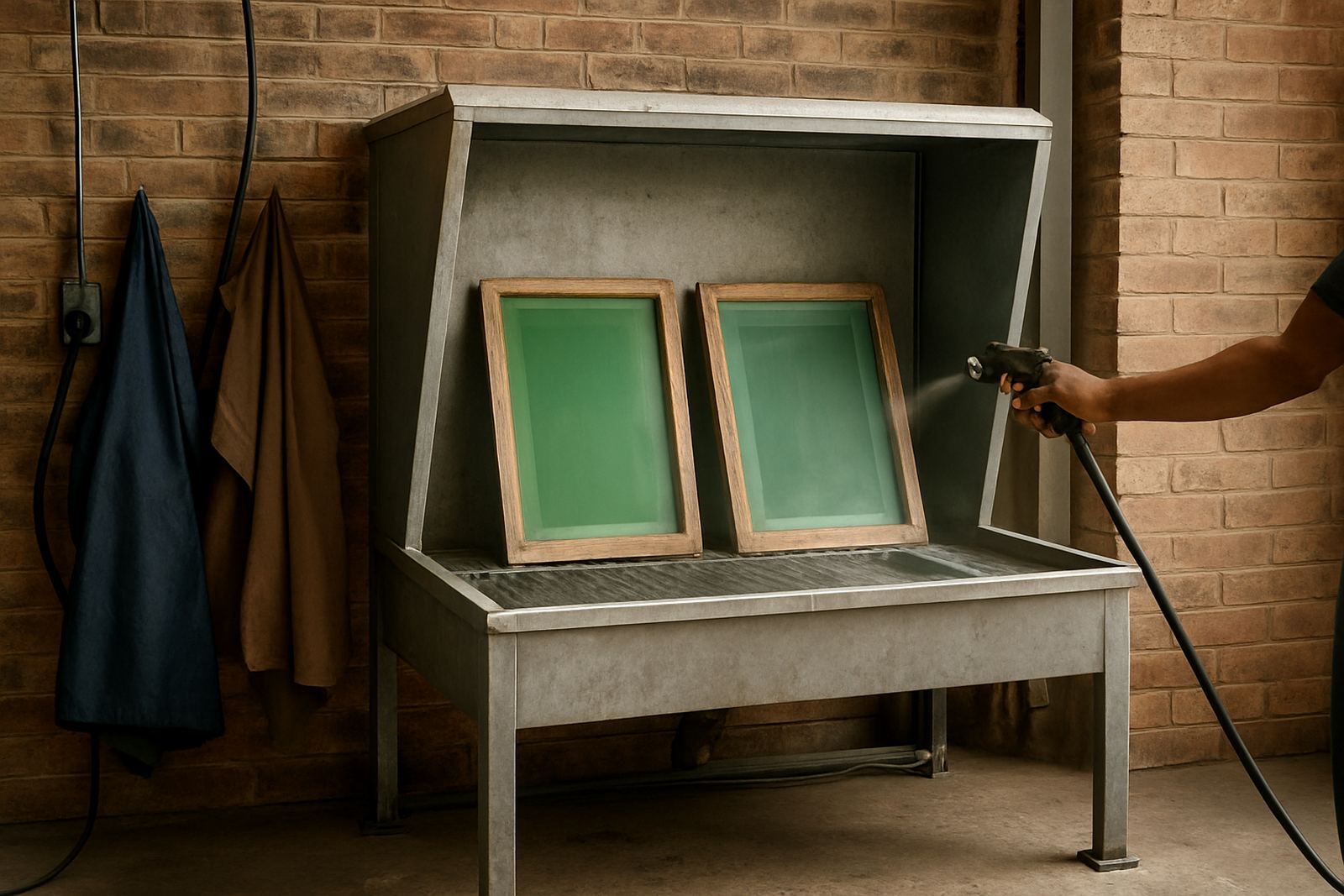
- Clean screens and flood areas after each run
- Check clamping points for wear or dust
- Keep moving parts lubricated as specified
- Store inks and consumables out of direct sun and heat
- Test sample prints after any change in bucket size or artwork
For coastal sites, extra care is needed because humidity can affect drying times and screen condition. In dry inland areas, dust control matters more, especially if the plant sits near open doors or loading bays.
What to check before you order
The most important step is to match the machine to the exact bucket family you want to print. Give us the container drawing, sample pieces or at least the diameter, height, taper and any ribs or handles. That lets us advise on fixture design and print area before money is spent on the wrong setup.
You should also confirm the following details:
- Container material and surface treatment
- Print size, colours and whether the job wraps fully around
- Daily or weekly output target
- Available power supply and air supply
- Space for loading, curing and maintenance access
- Need for operator training, screen making and reclaiming
If the container range changes often, ask about change parts and future options now rather than later. A machine that suits 20 litre pails only can become restrictive if the work expands to smaller tubs or wider industrial buckets next year.
Key facts
| Machine type | Cylindrical screen-printing machine for larger containers |
|---|---|
| Typical containers | Pails, tubs, industrial buckets and similar cylindrical packs |
| Diameter range | Approx. 90 mm to 400 mm, model dependent |
| Print area | Approx. 80 mm to 300 mm high, with wider wraps on request |
| Utilities | Electric power plus compressed air on selected models |
| Support | Installation, training, maintenance, repairs and spares supply nationwide |